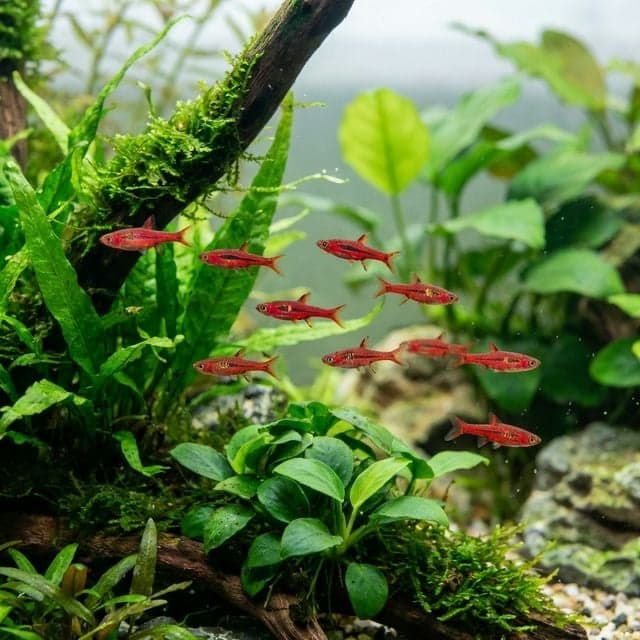
Spotted Rasbora: Boraras maculatus
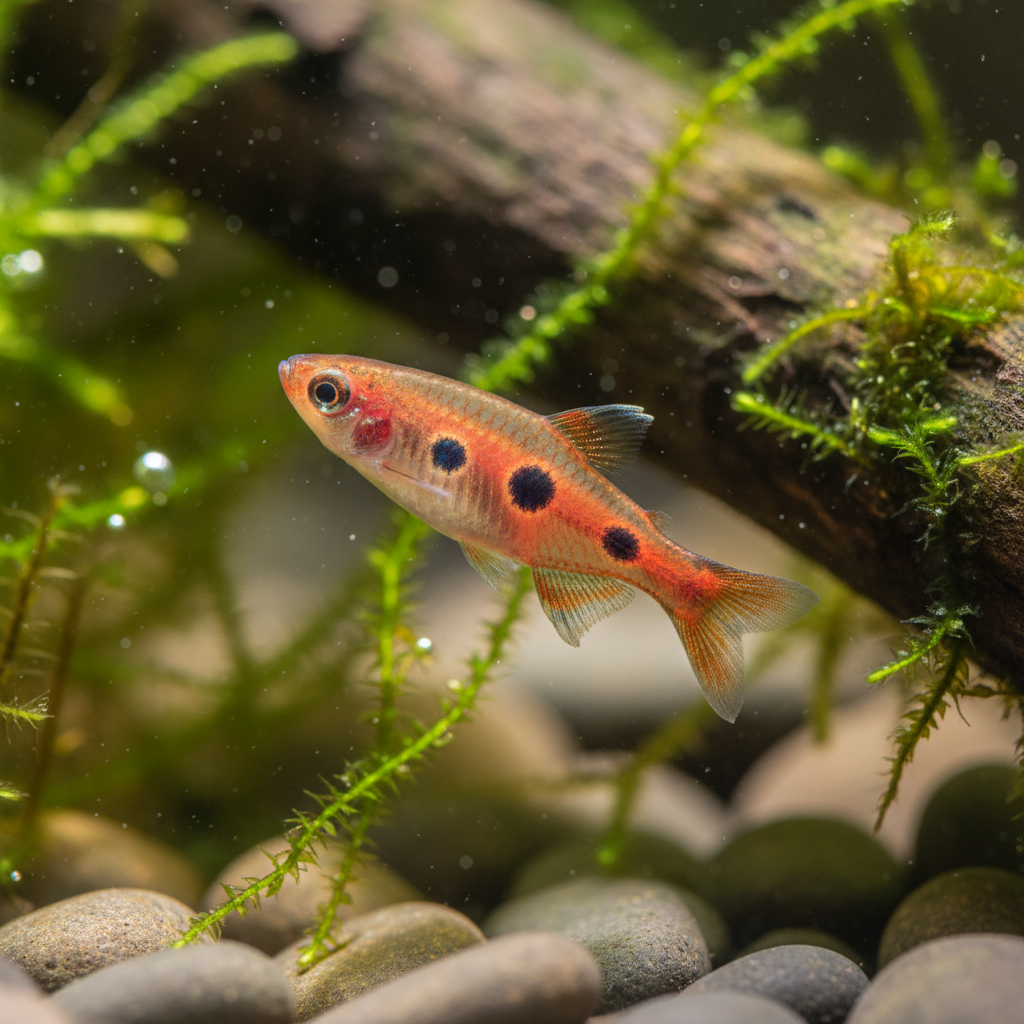
A spectacularly tiny, deeply red-hued micro-fish completely characterized by three stark black spots and hyper-peaceful behavior.
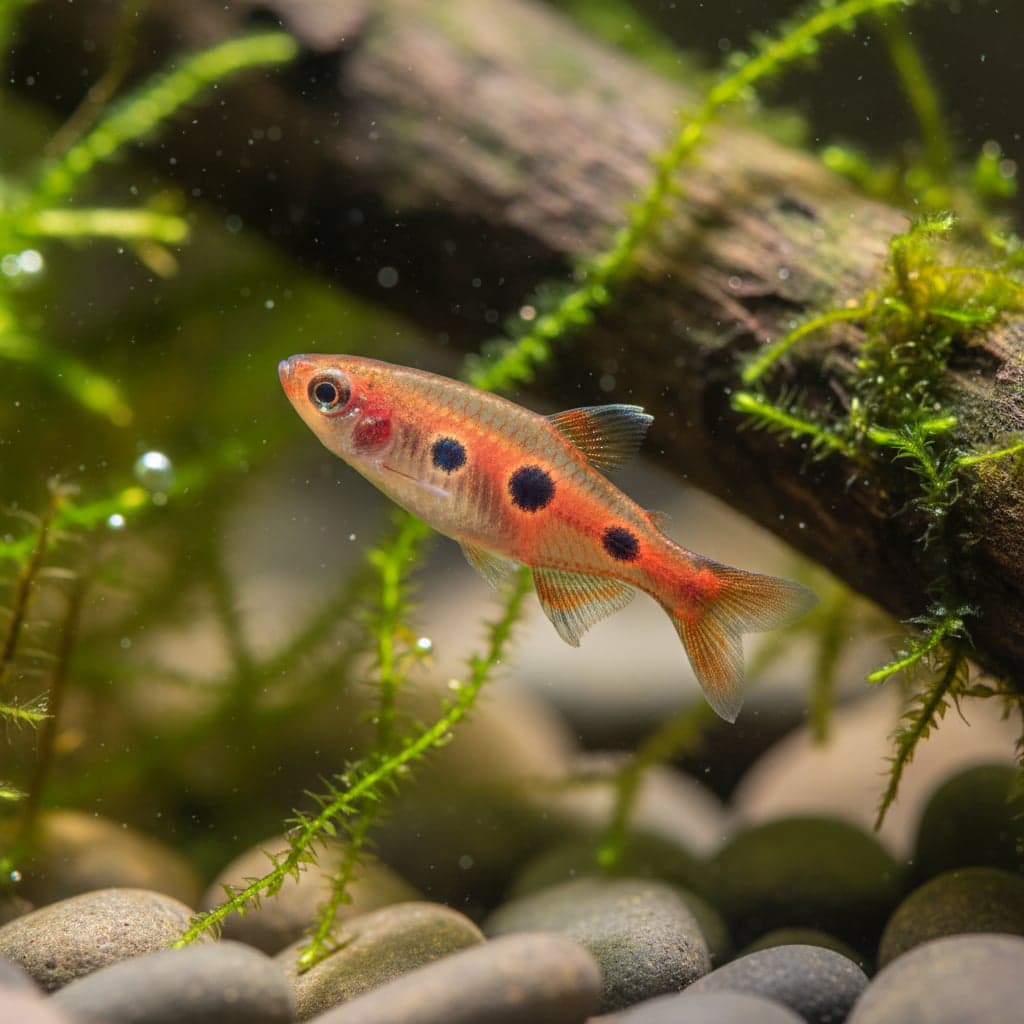
Spotted Rasbora
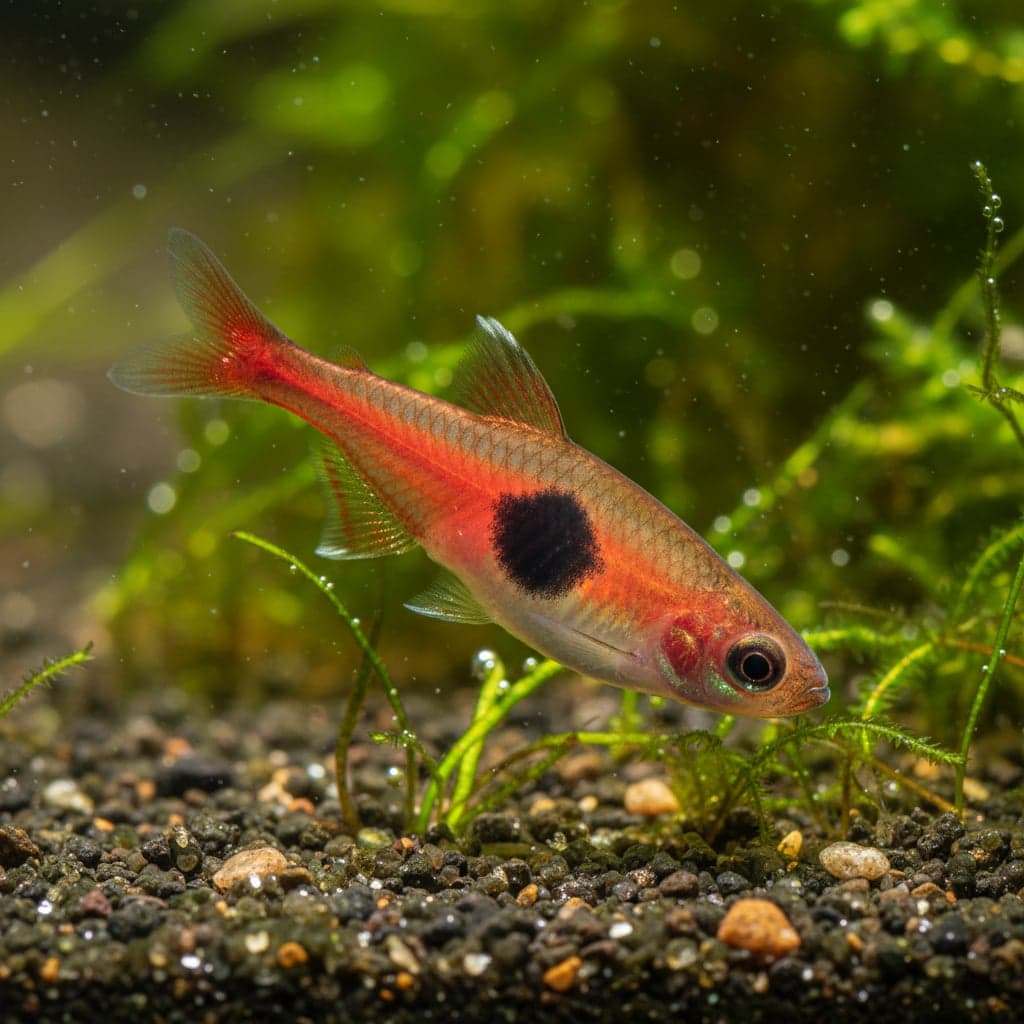
The Spotted Rasbora (Boraras maculatus) is a small, enchanting fish native to the waters of Southeast Asia, specifically found in the wild in the peat swamps and lowland streams of Indonesia. Known for its striking appearance, the Spotted Rasbora features a vibrant body adorned with distinct black spots that contrast beautifully with its silvery background. These markings not only enhance its visual appeal but also serve as a form of camouflage in the wild, where the interplay of light and shadow is critical for survival. The Spotted Rasbora typically reaches a maximum length of around 1.5-2 cm, making it an ideal candidate for nano aquariums, which are increasingly popular among aquarists.
In the aquarium hobby, the Spotted Rasbora holds significant appeal for both beginner and experienced aquarists alike. Its small size, peaceful disposition, and vibrant coloration make it an excellent addition to community tanks. As a schooling fish, it thrives in groups, displaying charming social behavior that delights fishkeepers. The Spotted Rasbora is often praised for its hardiness and adaptability, making it a reliable choice for aquarists looking to enhance their aquatic setup with lively and engaging fish.
Natural Habitat & Origin
The natural habitat of the Spotted Rasbora is primarily the shallow, dimly lit waters of peat swamps and blackwater streams found in Indonesia. These environments are characterized by soft, acidic waters rich in organic matter from decaying plant material, which imparts a natural brown hue to the water. The Spotted Rasbora can typically be found among dense vegetation and root systems, where it seeks refuge from predators while feeding on small invertebrates and plant matter. Understanding this fish's natural habitat is crucial for recreating a suitable environment in captivity.
In the wild, water conditions are largely influenced by the surrounding tropical rainforest ecosystem. Thus, the Spotted Rasbora is accustomed to warm water temperatures, low hardness levels, and acidic pH values. Replicating these specific conditions can greatly enhance the health and wellbeing of the Spotted Rasbora in an aquarium setting, ensuring that they flourish for years to come.
Care Requirements
When setting up an aquarium for Spotted Rasboras, it is important to consider their specific care requirements. The optimal water parameters for these fish include a temperature range of 75°F to 82°F (24°C to 28°C), a pH of 5.5 to 7.0, and a hardness level between 1 to 10 dGH. Six or more individuals in a group is ideal, and a minimum tank size of 10 gallons is recommended to provide ample swimming space and maintain stable water quality.
Regarding tank setup, substrate choices such as fine gravel or sand mimic their natural habitat, allowing burrowing and foraging behaviors. Lighting should be moderate to low, as Spotted Rasboras thrive in dimly lit environments. Including plenty of live plants, driftwood, and hiding spots will create a secure environment. Floating plants can diffuse light and provide shaded areas, making the fish feel more secure and encouraging natural behaviors.
Diet & Feeding
The Spotted Rasbora is considered an omnivore, feeding on a varied diet that includes both plant and animal matter. In captivity, it is important to provide a well-rounded diet to ensure optimum health and vibrant coloration. High-quality fish flakes or small pellets formulated for small fish serve as an excellent staple food. Additionally, incorporating frozen or live foods such as daphnia, brine shrimp, and micro worms will enhance their color and promote overall vitality.
Feeding should be done multiple times a day in small amounts to ensure all fish receive adequate nutrition without polluting the water. The Spotted Rasbora's small mouth may limit their ability to consume large food particles, so finely crushed flakes or powdered foods are highly recommended. A varied diet will not only keep them physically healthy but also encourage natural behaviors and promote their lively disposition.
Behavior & Temperament
The Spotted Rasbora is a peaceful and engaging fish that thrives in a social environment. As a schooling species, it is essential to keep them in groups of six or more to reduce stress and promote natural behaviors. Within groups, Spotted Rasboras exhibit playful movements, darting around the tank and interacting with one another. They are not territorial or aggressive, making them ideal for community tanks populated with similarly sized, peaceful species.
In terms of tank placement, Spotted Rasboras prefer the middle to upper levels of the aquarium, where they can navigate freely among plants and other structures. This vertical placement is vital for their wellbeing and allows them to exhibit their natural behaviors, including foraging and schooling.
Tank Mates
When selecting tank mates for the Spotted Rasbora, it is essential to consider the peaceful nature of these fish. Compatible species include small tetras, endler's livebearers, guppies, and other small community fish such as the Celestial Pearl Danio or Honey Gourami. The key is to choose equally sized and temperamentally passive species to maintain harmony within the tank.
It is advisable to avoid larger or aggressive fish, such as cichlids, larger barbs, or any species known for fin-nipping or dominance. To ensure a balanced community, always observe tank interactions and be prepared to separate aggressive individuals if necessary.
Breeding
The breeding of Spotted Rasboras in captivity can be a rewarding experience, though it does require specific conditions to be successful. These fish are egg scatterers, and they typically prefer to lay their eggs among fine-leaved plants or spawning mops. To encourage breeding, it is recommended to set up a separate breeding tank with soft, acidic water, as well as mature and healthy specimens.
During the breeding process, males will display courtship behaviors and compete for the attention of females. After spawning, the adults should be removed from the breeding tank to prevent them from eating the eggs. The eggs will hatch in approximately 24 to 36 hours, and the fry will need infusoria or finely crushed flake food until they are large enough to consume regular fry food. Providing consistent, gentle care will facilitate the successful rearing of young Spotted Rasboras.
Common Health Issues
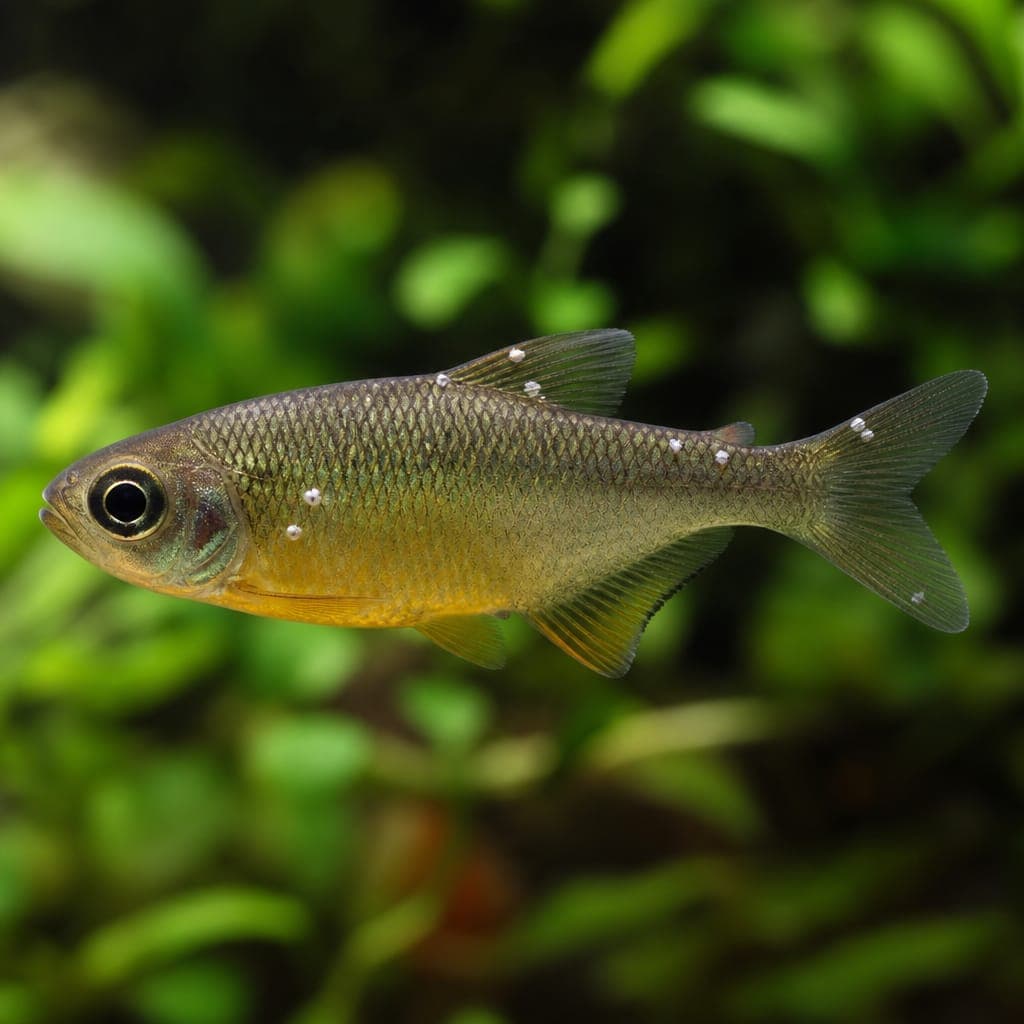
While Spotted Rasboras are generally hardy, they can be prone to certain health issues if not cared for properly. Common diseases include ich, fin rot, and swim bladder disorders. Maintaining optimal water conditions, including regular water changes and stable parameters, is key to preventing these issues. Additionally, ensuring that food is of high quality and suitable for their diet will support a strong immune system.
To prevent health issues, it is advisable to quarantine new fish before introducing them to an established aquarium. Regular observation for signs of stress or illness, such as unusual swimming patterns or lack of appetite, will be essential for early detection and intervention. Maintaining a clean and well-maintained environment will significantly enhance the health and lifespan of the Spotted Rasbora.