Spotted Silver Dollar: Metynnis maculatus
A peaceful, deep-bodied shoaling herbivore that will eat soft plants. Keep six or more at 22-28°C, pH 6.0-7.0. Tank size, diet and tank mates.
Spotted Silver Dollar
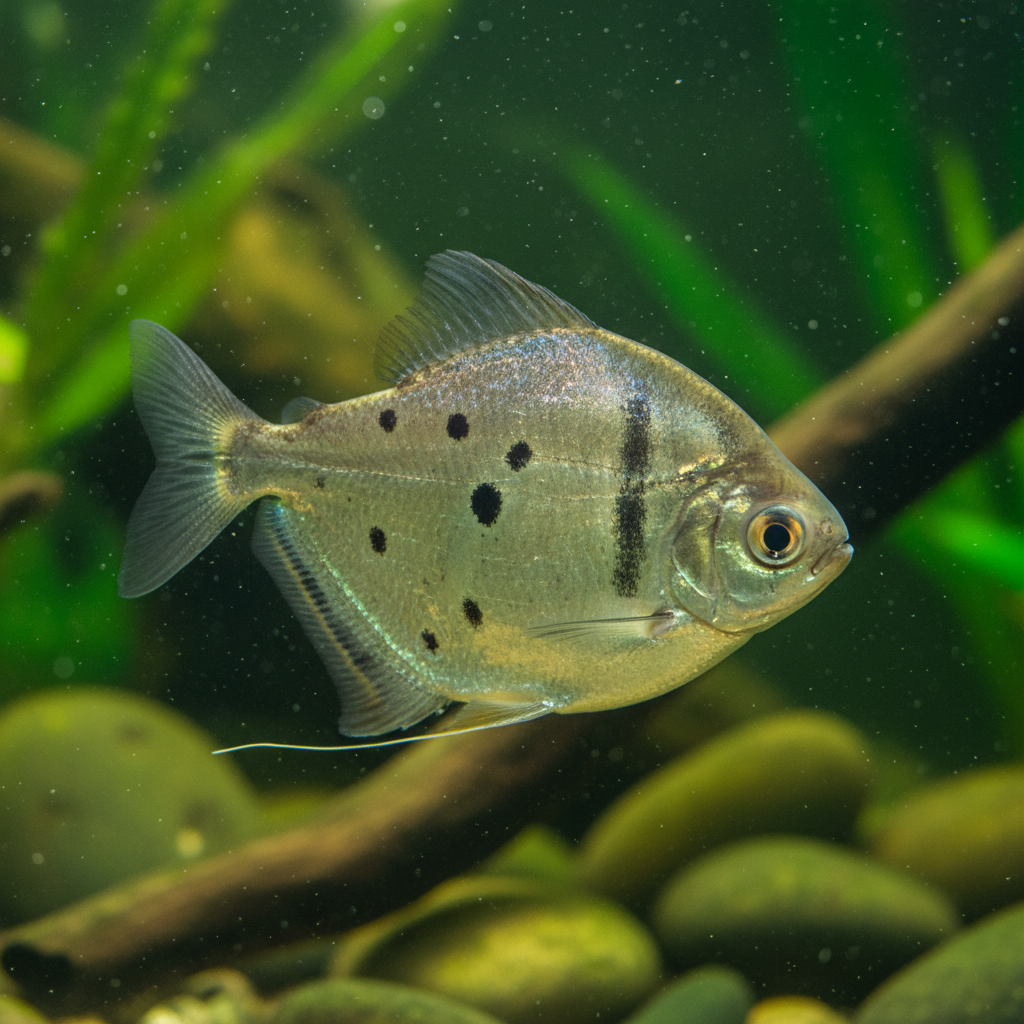
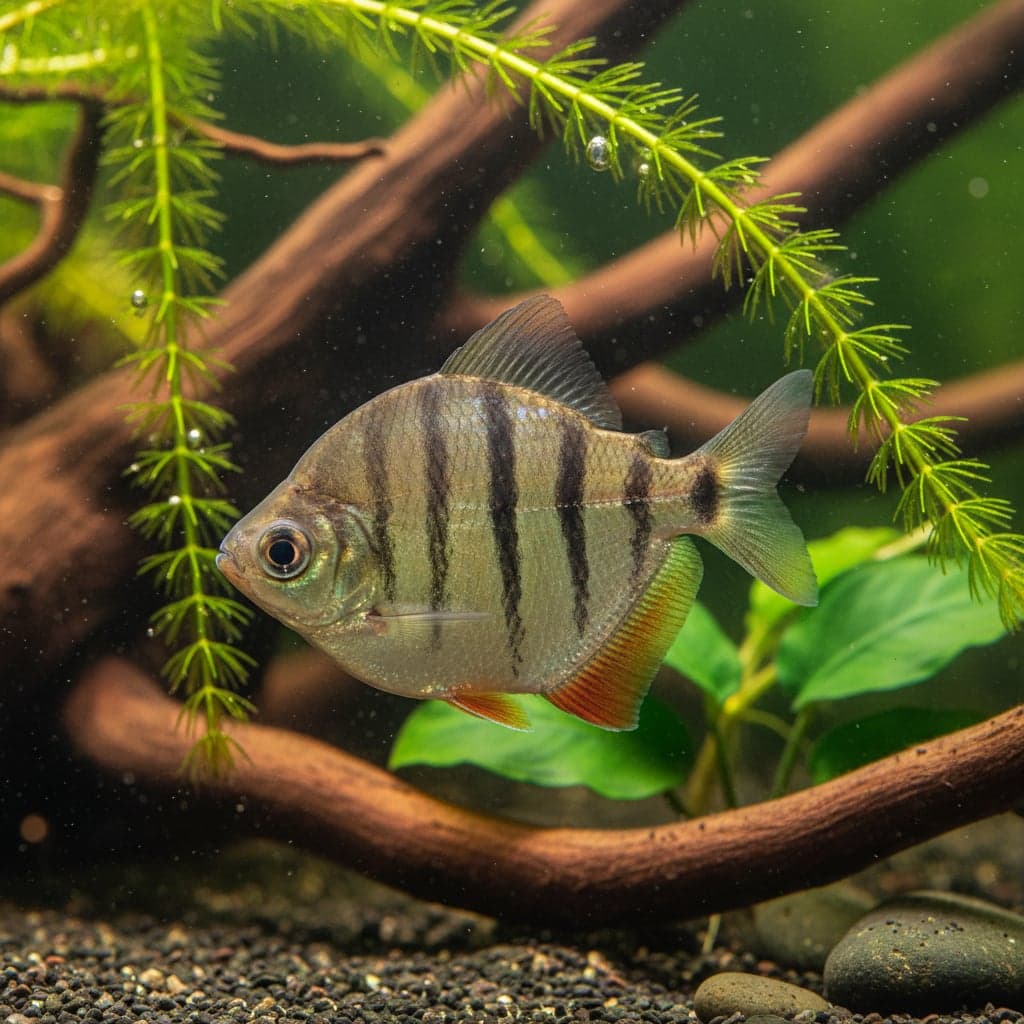
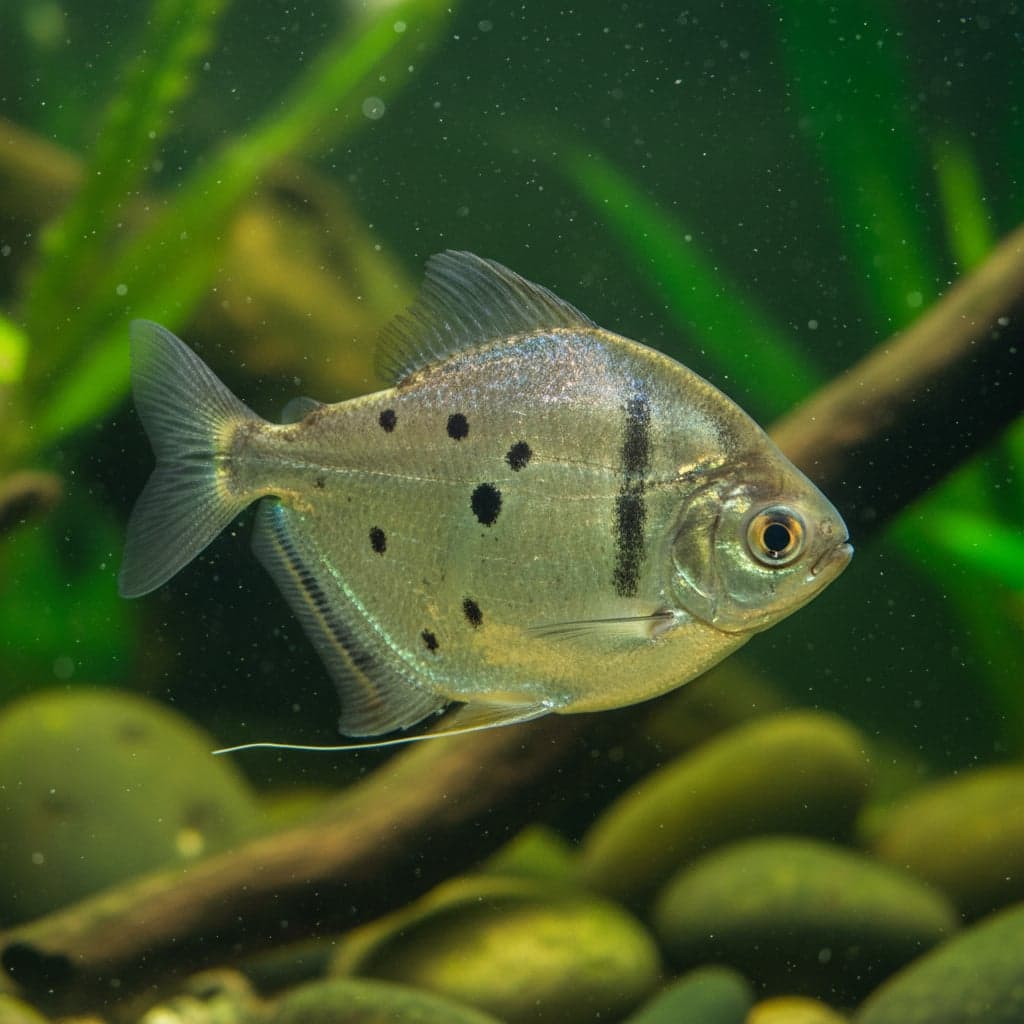
The Spotted Silver Dollar (Metynnis maculatus) is a captivating freshwater fish renowned for its striking appearance and engaging behaviors. This species typically showcases a shimmering, silvery body adorned with distinct dark spots, reminiscent of a polka dot pattern. The combination of their eye-catching aesthetics and gentle nature makes them a favorite among aquarists, particularly those who appreciate larger schooling fish. Their distinctive shape and playful antics add a lively dynamic to any aquarium setup, making them a popular choice for community tanks.
In addition to their visual appeal, Spotted Silver Dollars hold significant relevance in the aquarium hobby. These fish are known for their sociable disposition and thrive when kept in groups, enhancing their charm in a well-stocked community aquarium. As they swim gracefully in schools, their coordinated movements create a mesmerizing spectacle that elevates the overall aquarium experience. Besides their beauty, Spotted Silver Dollars play a role in educating hobbyists about proper care and the importance of maintaining a balanced aquatic ecosystem, contributing to their esteemed status in the world of freshwater fishkeeping.
Natural Habitat & Origin
The Spotted Silver Dollar is native to the rivers and floodplains of the Amazon Basin in South America, spanning countries like Brazil, Peru, and Colombia. This region is characterized by its rich biodiversity and complex aquatic ecosystems, where these fish thrive in various water conditions, primarily in clear and blackwater environments. The waters are often warm and slightly acidic, influenced by the decomposition of organic matter from the lush surrounding rainforests, which contributes to the soft, tannin-stained water that is typical of their habitat.
In the wild, Spotted Silver Dollars inhabit slow-moving rivers, lakes, and floodplain areas, often found in schools. They prefer densely vegetated waters with ample hiding spaces, which provide both shelter and foraging opportunities. The natural environment plays a crucial role in the health and behavior of Spotted Silver Dollars, highlighting the importance of replicating these conditions in captivity to ensure their well-being and longevity.
Care Requirements
To provide optimal care for Spotted Silver Dollars, it is essential to replicate their natural habitat as closely as possible. Ideal water parameters include a pH range of 6.0 to 7.5, a temperature of 75°F to 82°F (24°C to 28°C), and a hardness level between 2 to 12 dGH. Regular water changes are crucial to maintain good water quality, as these fish are sensitive to pollutants and changes in their environment.
When setting up a tank for Spotted Silver Dollars, a minimum size of 75 gallons is recommended, as they are active swimmers that require ample space to thrive. A soft substrate, such as sand or fine gravel, mimics their natural environment and allows them to forage for food. Incorporating dense plantings, driftwood, and hiding spots creates a stimulating and secure habitat. Moderate lighting conditions are preferred, as this can promote plant growth while ensuring the fish feel safe. Additionally, a good filtration system is vital to maintain water clarity and quality.
Diet & Feeding
Spotted Silver Dollars are omnivores and have a diverse diet that can include both plant-based and protein-rich foods. In captivity, they thrive on a well-rounded diet consisting of high-quality flakes, pellets, and freeze-dried or frozen foods such as bloodworms, brine shrimp, and daphnia. It’s important to supplement their diet with fresh vegetables like spinach, zucchini, and peas to ensure they receive essential nutrients.
Feeding should be done multiple times a day in small amounts to prevent overfeeding and maintain water quality. Care should also be taken to ensure that larger pieces of food are properly sized for their mouths, as these fish may be less inclined to chase after fast-moving prey. A varied diet not only promotes their health but also enhances their colors and overall vitality in the aquarium.
Behavior & Temperament
Spotted Silver Dollars exhibit a generally peaceful and social demeanor, making them excellent candidates for community tanks. They are schooling fish and should be kept in groups of six or more to ensure their comfort and reduce stress. Their playful and curious nature can lead to occasional bursts of energetic swimming, especially during feeding time.
In terms of temperament, Spotted Silver Dollars are not aggressive but can be shy. They often prefer to occupy the middle to upper levels of the tank, showcasing their beautiful form and colors. Providing ample space and hiding spots encourages natural behaviors and reduces stress among the group. Observing their social interactions can be a delightful experience, as they communicate and establish hierarchy within their school.
Tank Mates
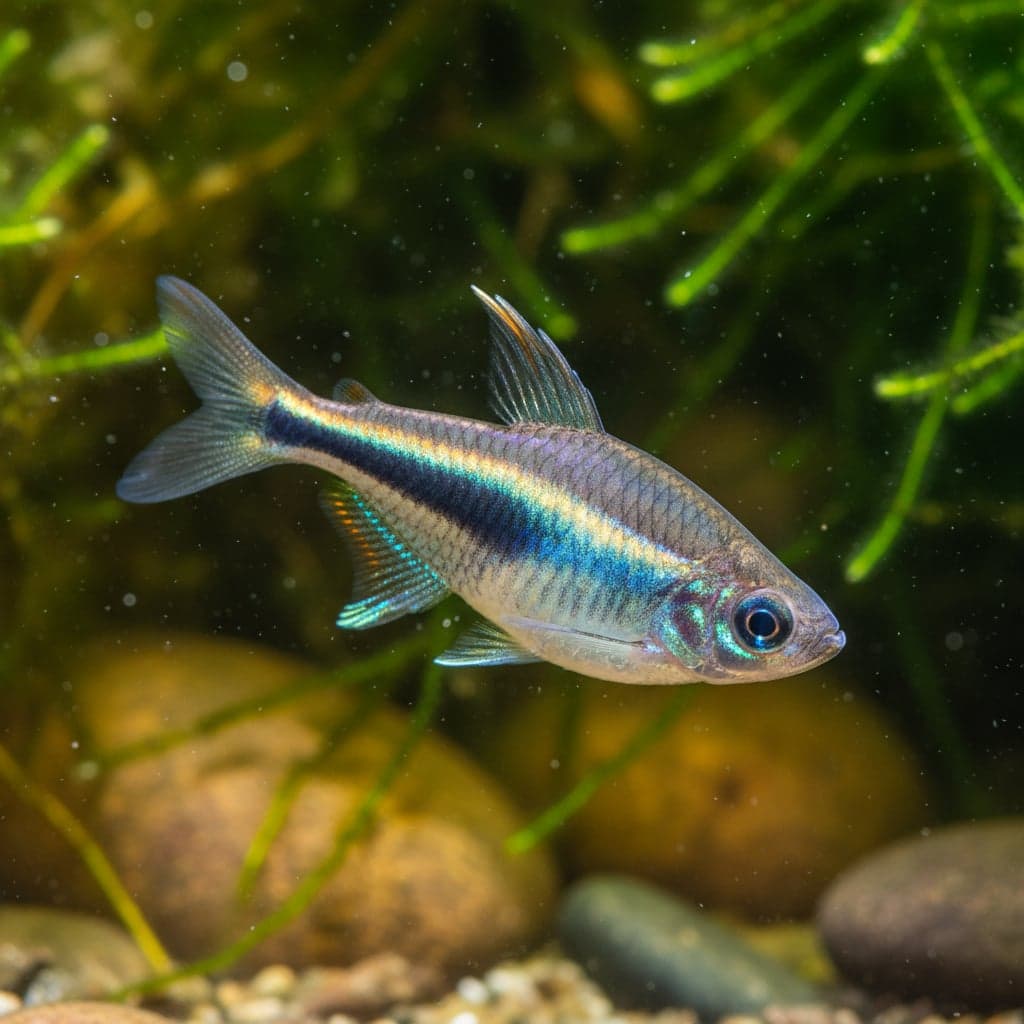
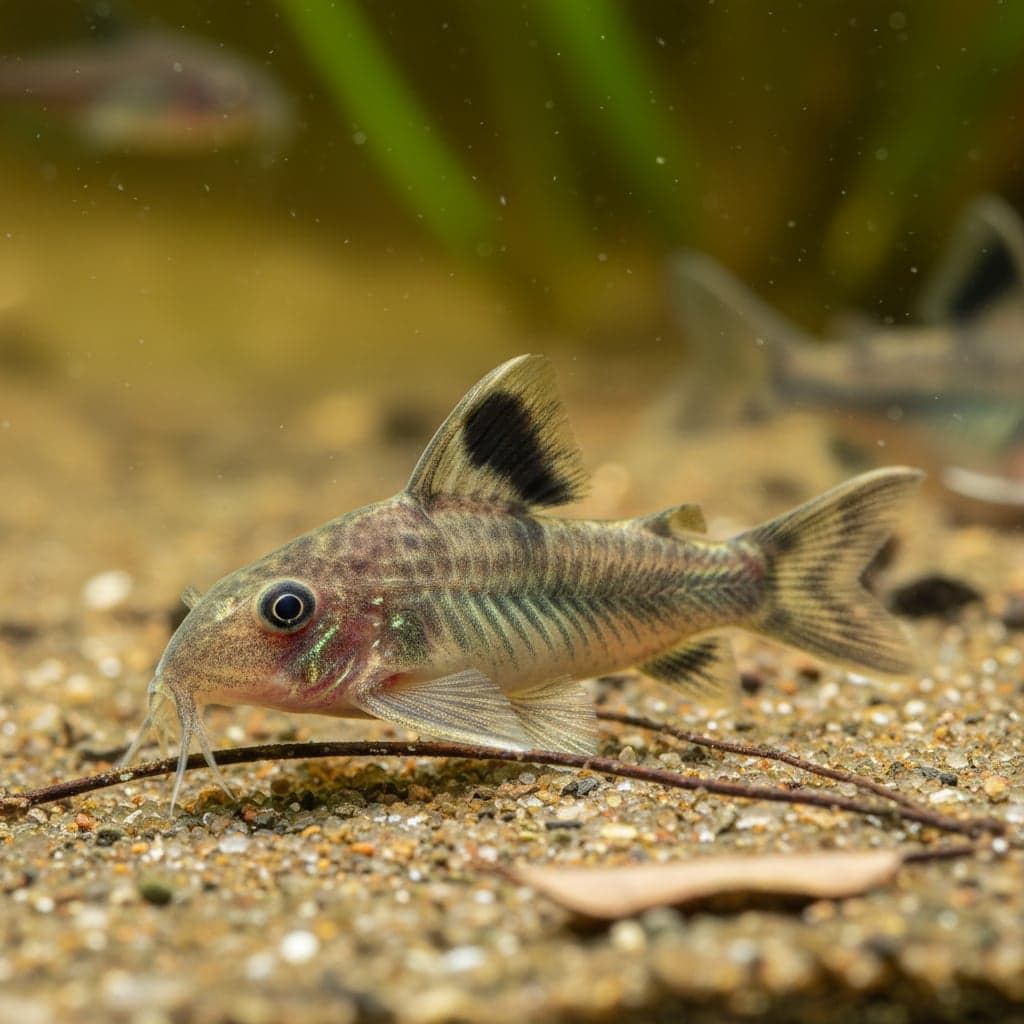
When selecting tank mates for Spotted Silver Dollars, it is essential to choose compatible species that can coexist harmoniously. Ideal companions include larger tetras, barbs, peaceful cichlids, and various larger community fish. Species like the Rainbowfish, Corydoras catfish, and certain types of Gouramis work well, as they share similar care requirements and temperaments.
It is advisable to avoid keeping Spotted Silver Dollars with highly aggressive or territorial fish, such as certain cichlids or aggressive barbs, as well as very small fish that may be viewed as prey. Maintaining a balanced community ensures a tranquil environment where all species can thrive and enjoy their aquatic habitat.
Breeding
Breeding Spotted Silver Dollars in captivity can be a rewarding challenge, though it requires specific conditions to encourage spawning. They are free-spawners, meaning they scatter their eggs among vegetation. To promote breeding, it is essential to provide a separate breeding tank with soft, slightly acidic water (pH 6.0 to 6.5) and a temperature range of 78°F to 80°F (25°C to 27°C).
To initiate the spawning process, a diet high in protein is crucial, as it encourages breeding readiness. Offer foods like live or frozen brine shrimp and bloodworms. Once conditions are optimal, males will chase females, nudging them to lay their eggs. Upon spawning, it's vital to remove the adult fish from the tank, as they may consume the eggs. The eggs typically hatch within 24 to 48 hours, and the fry can be fed with infusoria or finely crushed flakes until they grow larger and are able to consume bigger foods.
Common Health Issues
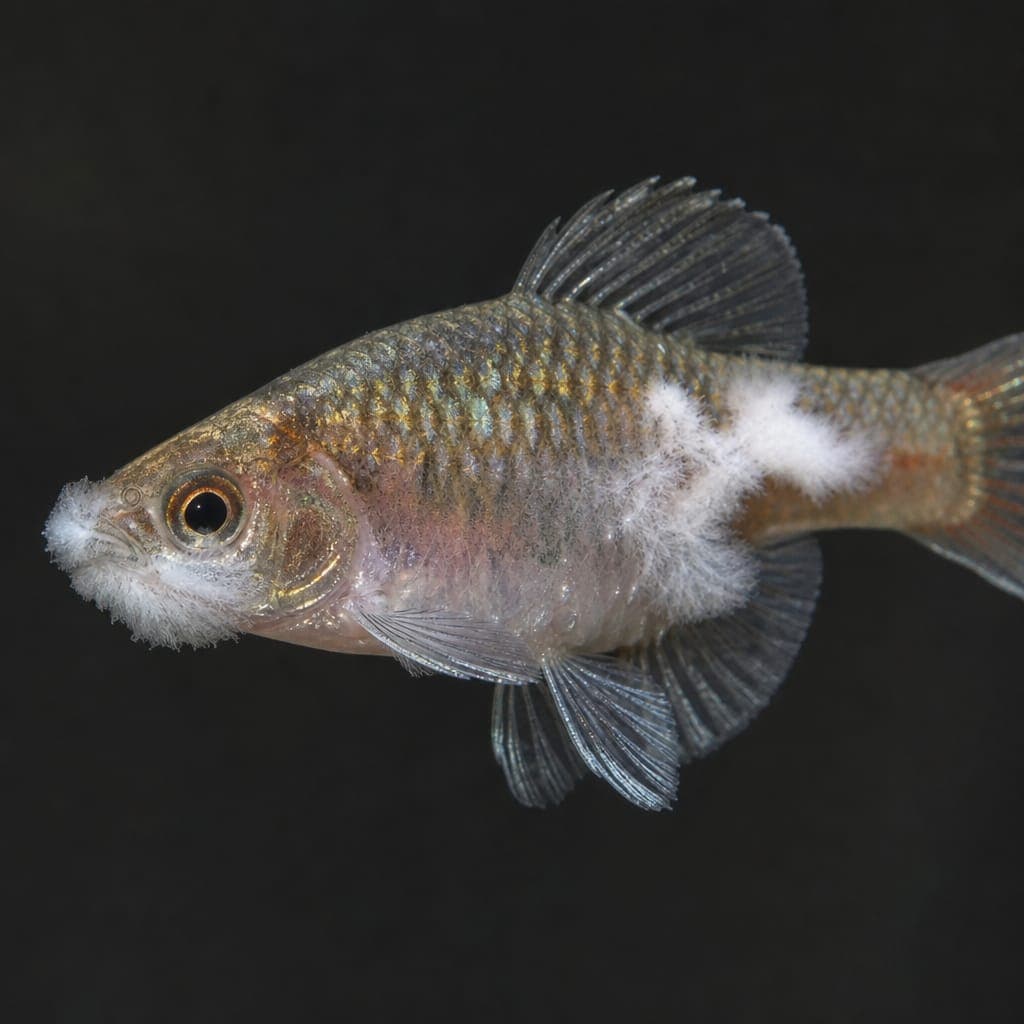
Like all aquarium fish, Spotted Silver Dollars can be susceptible to certain health issues, including common diseases such as ich, fin rot, and fungal infections. Regular monitoring of water parameters and maintaining good water quality can significantly reduce the risk of outbreaks. Additionally, ensuring a stress-free environment by providing adequate space, proper tank mates, and a balanced diet is crucial for their overall health.
Prevention is key; maintaining an appropriate quarantine protocol for any new additions to the tank can help minimize disease transmission. Observing fish behavior and physical appearance regularly allows for early detection of health problems, enabling timely intervention and treatment. Keeping a clean tank environment and providing optimal care are fundamental to the well-being of Spotted Silver Dollars, ensuring they remain healthy and vibrant additions to any aquarium.