Spotted Skiffia: Skiffia multipunctata
A critically endangered Mexican goodeid for cool, hard water at 18-22°C, pH 7.0-8.0. Tank size, breeding and conservation-minded care.
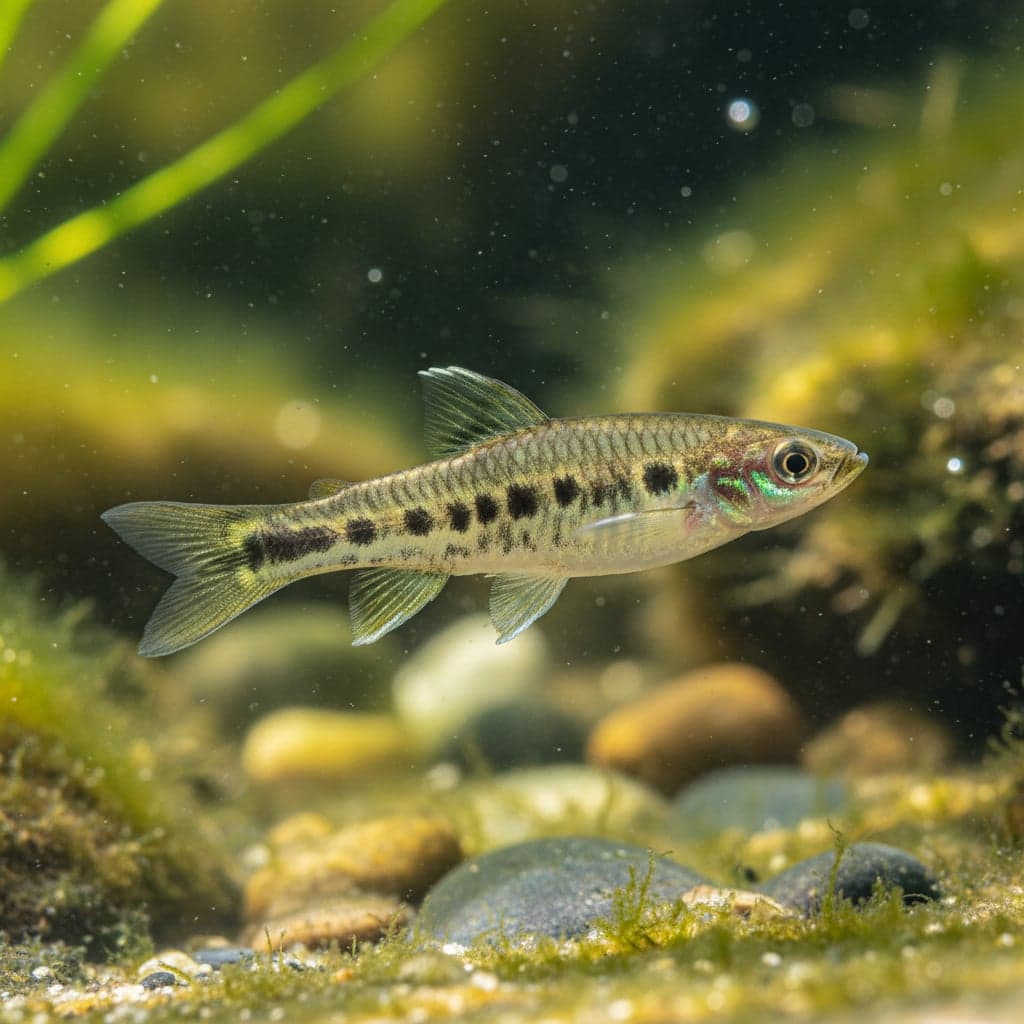
Spotted Skiffia
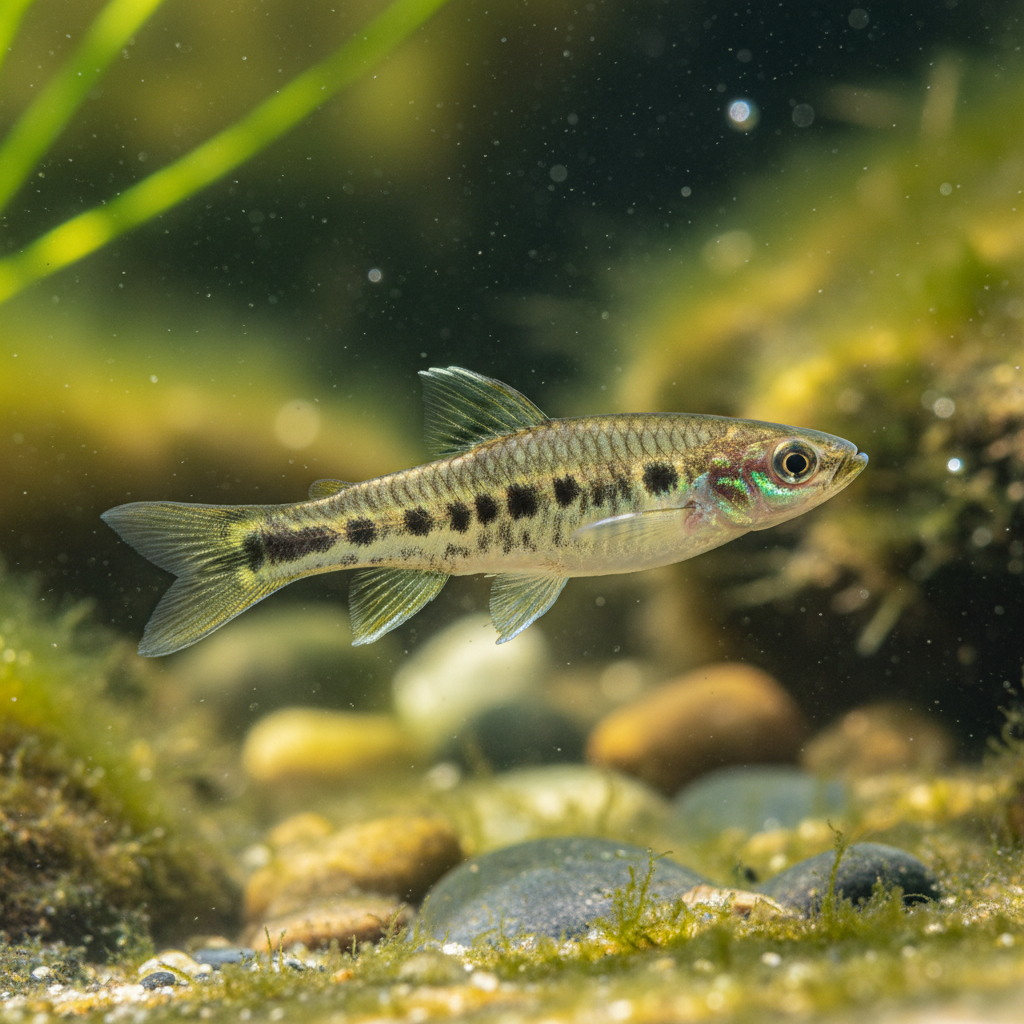
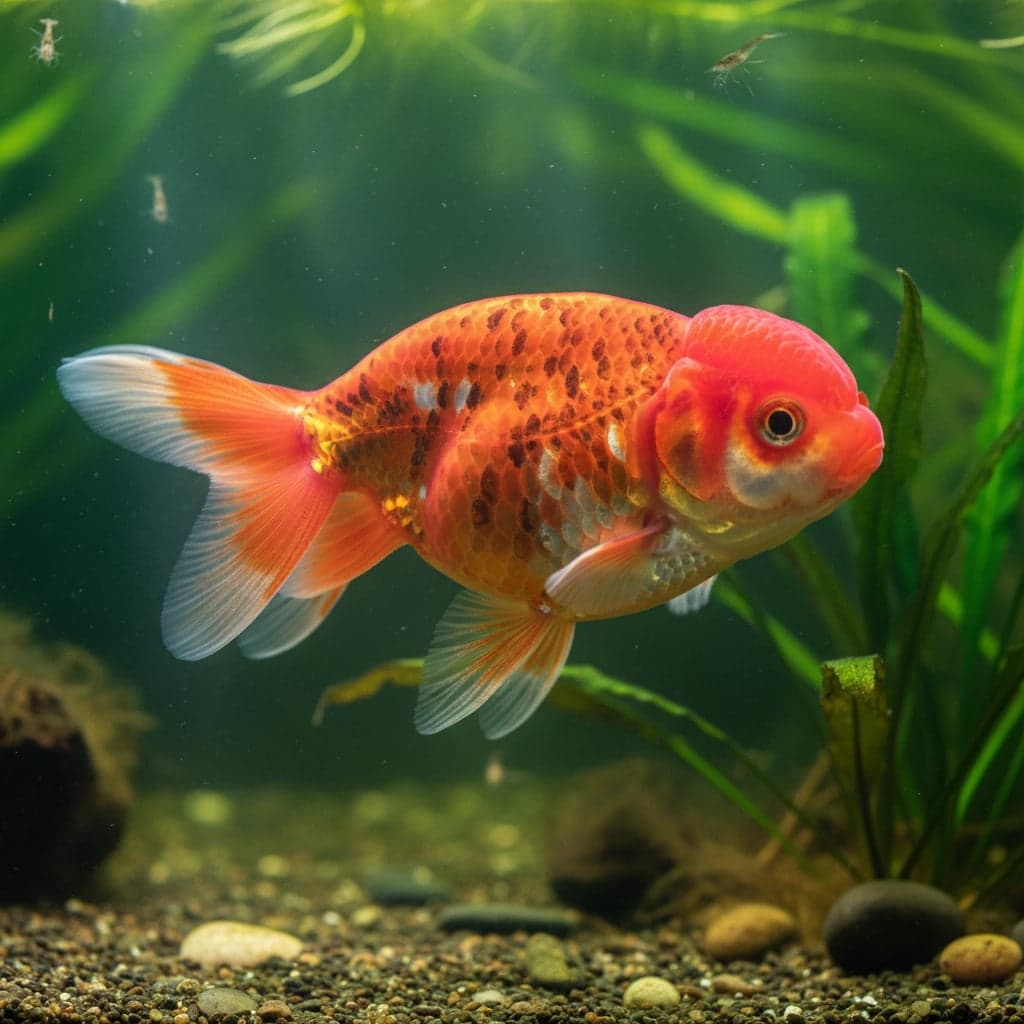
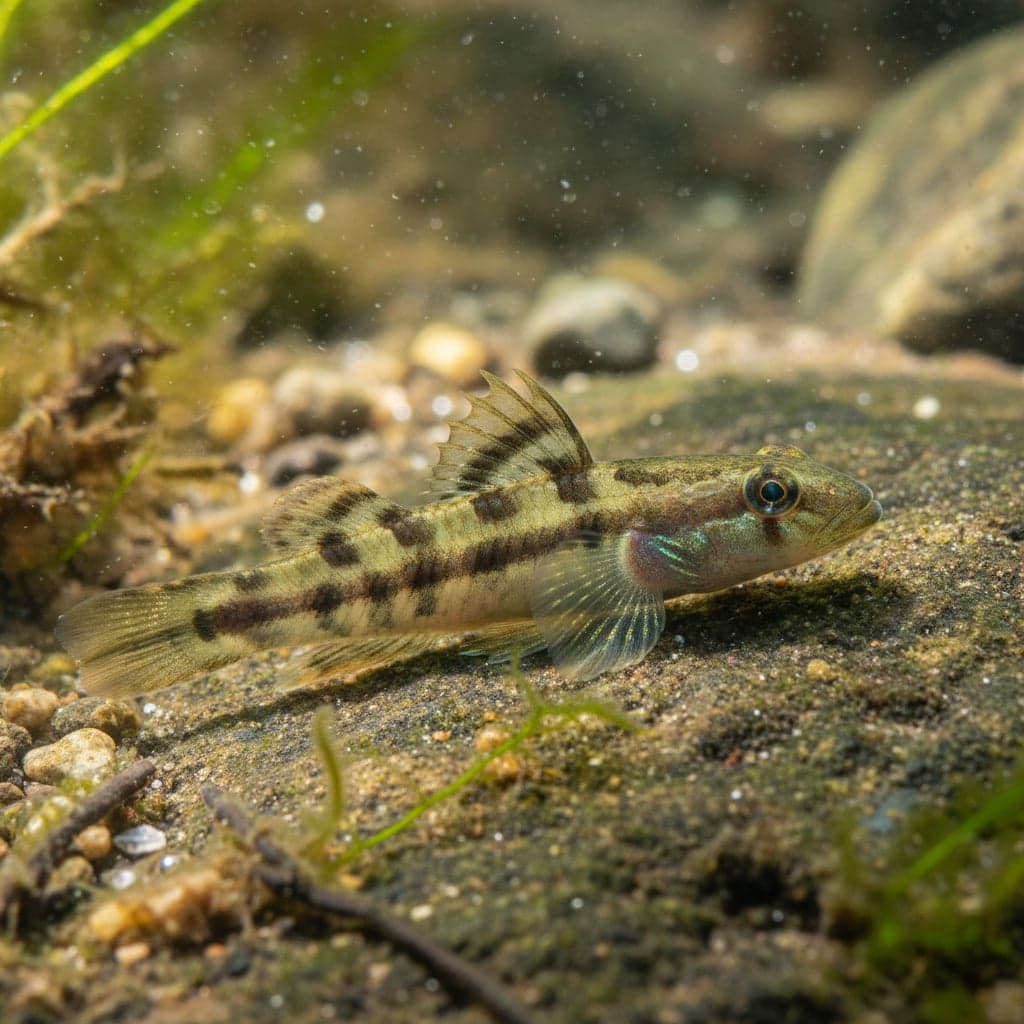
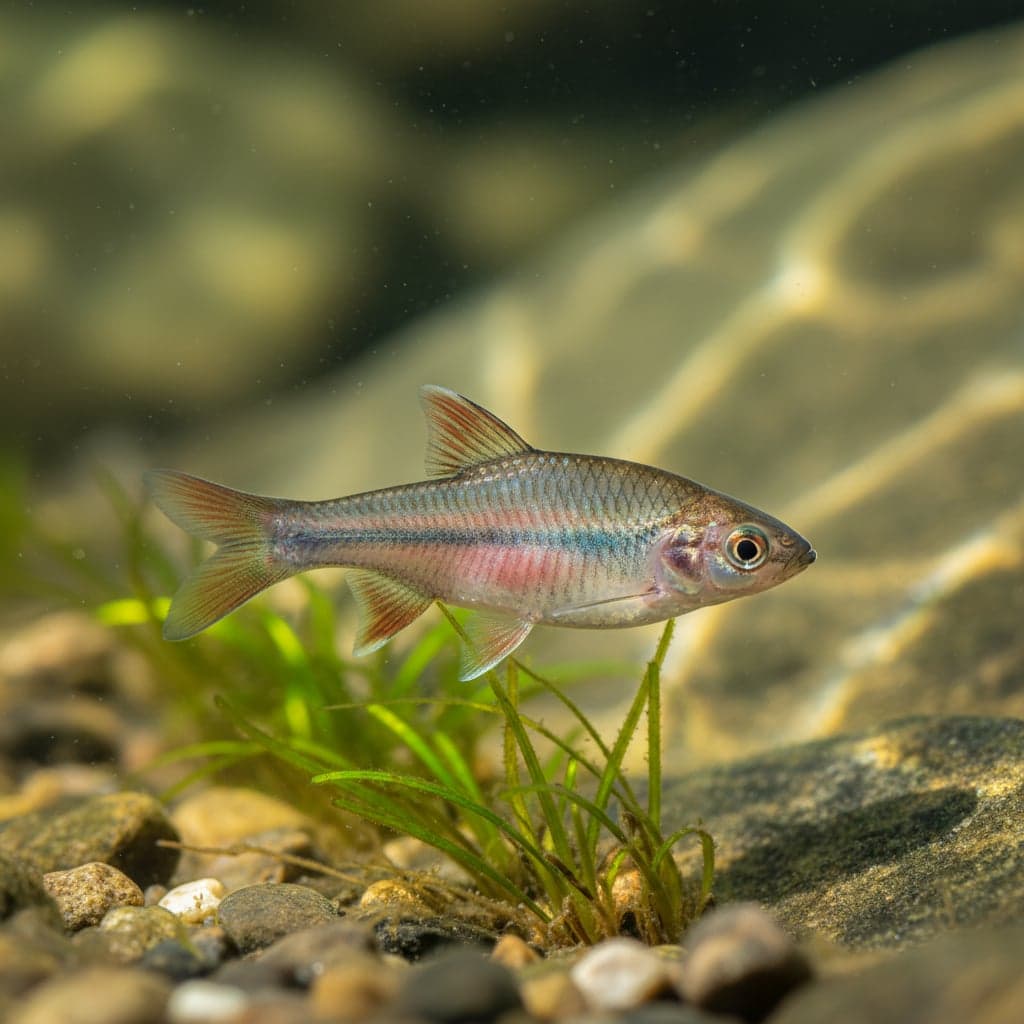
The Spotted Skiffia, scientifically known as Skiffia multipunctata, is an enticing freshwater fish native to central Mexico. Renowned for its unique aesthetics, this species boasts a striking pattern of spots on its body, which can range from a vibrant iridescent blue to shades of green and gold. These eye-catching colors make it a favorite among aquarists. The combination of its vivid coloration and distinctive spot patterns not only adds dynamism to aquarium displays but also sparks interest in the study of its behavior and ecology. Its visual appeal coupled with its rarity makes the Spotted Skiffia a sought-after species by fish enthusiasts and collectors alike.
In addition to its aesthetic value, the Spotted Skiffia holds ecological significance in its native habitats. Typically found in freshwater bodies of water, this fish plays a role in maintaining aquatic ecosystems by helping to control insect populations and contributing to the food web. Its presence within an aquarium presents an opportunity for hobbyists to engage in conservation, highlighting the importance of preserving the delicate ecosystems from which this species hails. The Spotted Skiffia exemplifies the intersection of beauty, ecological importance, and hobbyist interest, solidifying its status as a prized addition to any freshwater aquarium.
Natural Habitat & Origin
The Spotted Skiffia originates from the freshwater systems of Mexico, specifically the rivers and streams in the regions of Veracruz and Puebla. These habitats are characterized by a mix of clear and slightly stained waters, predominantly found in areas with abundant vegetation. The Spotted Skiffia thrives in slow-moving or still waters, where it can utilize dense plants and submerged debris for shelter and breeding purposes. The natural environment of the Spotted Skiffia includes soft, acidic to neutral pH waters, enriched with organic matter, contributing to the dark coloration of the water, often referred to as blackwater.
In the wild, the Spotted Skiffia is typically found among leaf litter, aquatic plants, and submerged structures. The vegetation provides essential cover from predators and plays an important role in the fish's diet, as it grazes on biofilms and small microorganisms present in its habitat. Understanding the natural environment of the Spotted Skiffia is crucial for replicating its needs in an aquarium setting, ensuring the health and well-being of these captivating fish.
Care Requirements
To provide optimal care for the Spotted Skiffia, it is essential to maintain specific water parameters. Ideally, the water should have a pH level between 6.0 and 7.5, with a temperature range of 22 to 26°C (72 to 78°F). The hardness level should remain on the softer side, ideally around 2-10 dGH. A well-established aquarium is crucial, as this fish benefits from stable water conditions. Given that the Spotted Skiffia is a relatively small species, a minimum tank size of 75 liters (20 gallons) is recommended to allow enough swimming space and provide a healthy social environment.
The tank setup for the Spotted Skiffia should mimic its natural habitat as closely as possible. Substrate options may include fine sand or soft gravel to replicate the riverbed they naturally inhabit. It is also advisable to incorporate plenty of live plants, such as Java fern, Amazon sword, and floating plants, to create a comfortable environment. Lighting should be moderate, as the Spotted Skiffia thrives in well-lit areas but also requires shaded zones to retreat to for comfort. By creating a natural, secure environment in the aquarium, aquarists can ensure the Spotted Skiffia displays its best colors and behaviors.
Diet & Feeding
The Spotted Skiffia is categorized as an omnivore, feeding primarily on a mix of plant materials, small invertebrates, and algae in its natural setting. In captivity, it is essential to provide a varied diet that replicates its natural feeding habits. High-quality flake foods formulated for small to medium freshwater fish are a great base, but should be supplemented with frozen or live foods such as daphnia, brine shrimp, and bloodworms to encourage healthy growth and vibrant coloration. It is beneficial to introduce blanched vegetables like zucchini, spinach, or peas occasionally, as these can provide essential nutrients and promote digestive health.
Feeding should be done several times a day in small portions, allowing the Spotted Skiffia to consume everything within a few minutes. This grazing approach not only mimics its natural feeding behavior but also helps avoid overfeeding, which can lead to water quality issues. Ensuring a well-balanced diet is paramount to maintaining the health and vitality of the Spotted Skiffia, along with promoting its striking colors and active behavior.
Behavior & Temperament
The behavior and temperament of the Spotted Skiffia make it an engaging species for aquarists. Typically, these fish exhibit a peaceful demeanor, which allows them to coexist harmoniously with both small and medium tank mates in a community aquarium. They are social fish that thrive in groups of at least six individuals, as they exhibit schooling behavior that enhances their confidence and overall health. While they may occasionally display territorial tendencies during breeding, they are generally non-aggressive and can be housed in a well-planned community tank.
The Spotted Skiffia primarily occupies the mid-level and lower regions of the aquarium, often swimming gracefully among plants and structures. It is important to provide ample hiding spots and areas of shelter, as this will encourage natural behaviors and reduce stress levels when they are newly introduced to an aquarium environment. Understanding their natural social structure and swimming patterns is key to fostering a thriving population of Spotted Skiffia in captivity.
Tank Mates
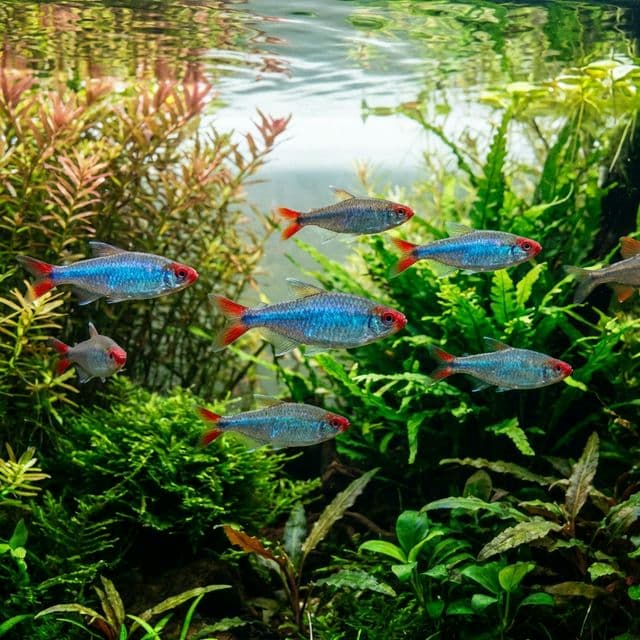
Choosing compatible tank mates is crucial when keeping Spotted Skiffia. Due to their peaceful nature, they thrive alongside other small, non-aggressive species. Excellent tank mate options include Tetras (like Neon and Rummy Nose Tetras), small Rasboras, and a variety of Corydoras catfish. Dwarf Gouramis and smaller Livebearers, such as Guppies or Endler's, can also cohabitate successfully. However, caution should be exercised with larger fish or aggressive species, as they may pose a threat to the Spotted Skiffia or compete poorly for food resources.
On the contrary, the Spotted Skiffia should be kept away from more aggressive fish species and larger predatory species, such as Cichlids or aggressive Barbs. Additionally, it is best to avoid keeping them with fin-nippers, as the Spotted Skiffia's delicate fin structure makes them vulnerable. A balanced community tank featuring similarly temperamental species enhances the overall health and activity of this beautiful fish while providing an enriching environment.
Breeding
Breeding the Spotted Skiffia in captivity is an exciting yet delicate process. They are egg-layers, usually preferring to spawn among dense vegetation. To facilitate successful breeding, a separate breeding tank is often recommended, with gentle filtration, ample plants, and slightly elevated water temperatures (around 24-28°C or 75-82°F). Providing high-quality live food like newly hatched brine shrimp can also stimulate breeding conditions.
Once breeding occurs, females can lay anywhere from 20 to 100 eggs over multiple spawning sessions. This is done while the male courts her, and fertilization occurs as the eggs are released. After spawning, remove adults if they start eating eggs, and keep gentle filtration with dense plants for cover. Eggs usually hatch within a few days; feed fry infusoria or finely crushed foods until they take newly hatched brine shrimp. Remove infertile eggs promptly to limit fungus.
Common Health Issues
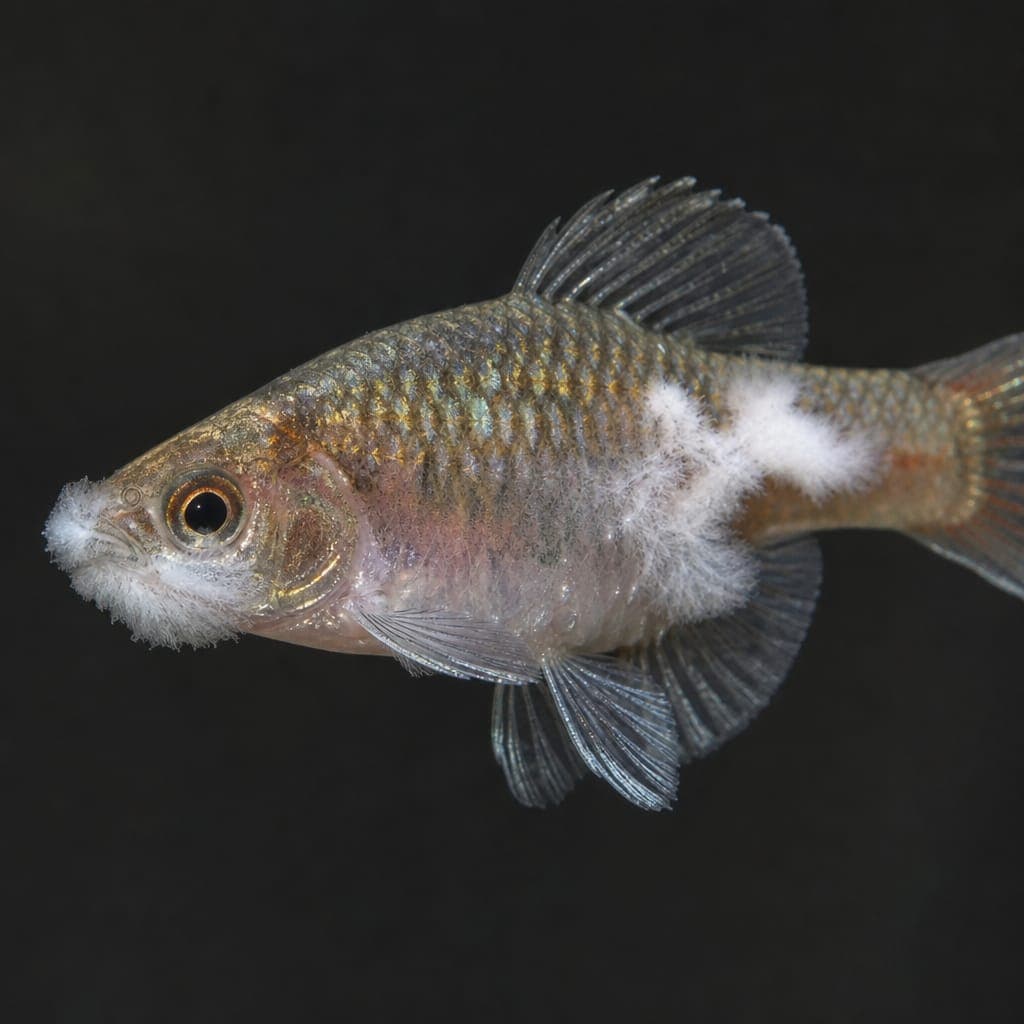
Spotted Skiffia can develop ich, fin rot, or fungal infections when water quality slips or temperatures swing. Maintain clean, well-oxygenated water, quarantine new arrivals, and avoid overcrowding these peaceful goodeids. A varied diet of live and prepared foods supports immunity. Watch for white spots, clamped fins, or lethargy, and treat promptly. Stable parameters keep Spotted Skiffia healthy and active for years.