Steel Blue Killifish: Fundulopanchax gardneri
A beautiful and unique species, prized for its distinct personality and appearance in the aquarium.
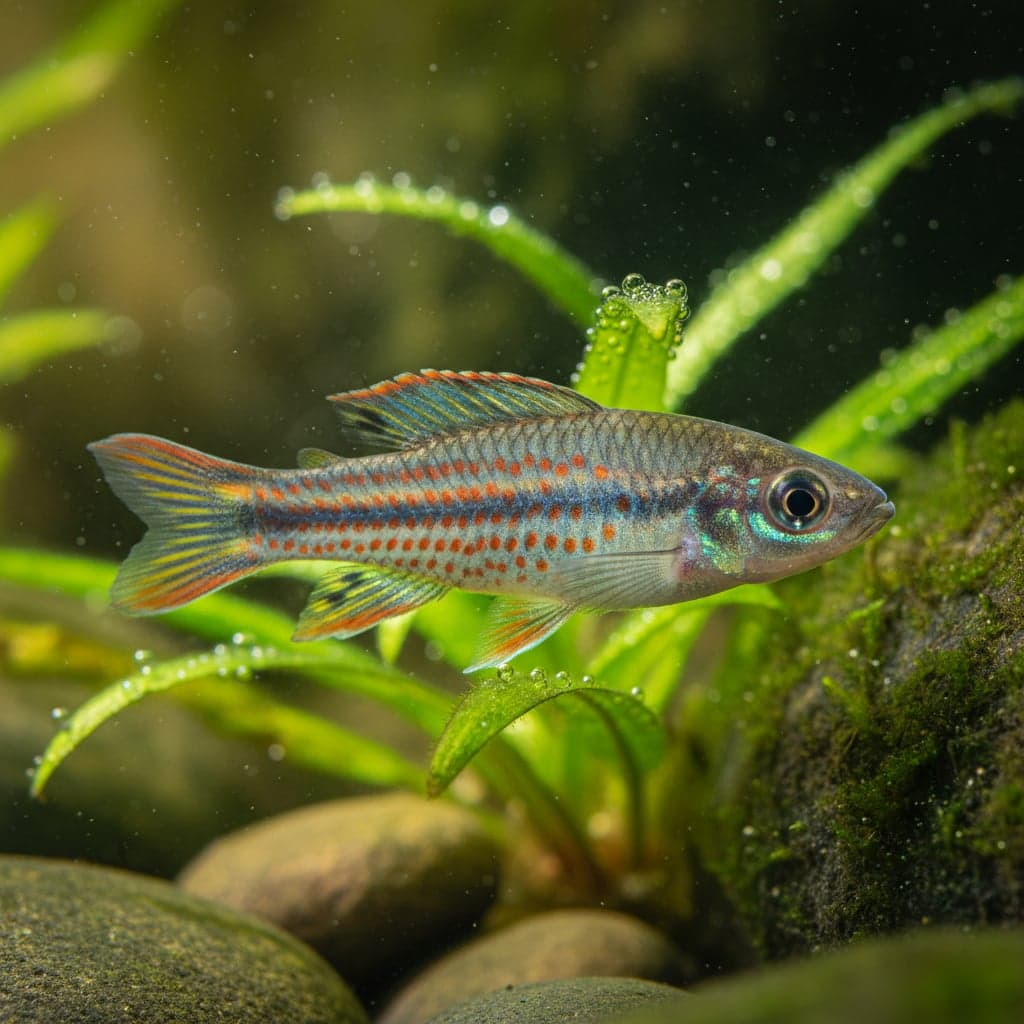
Steel Blue Killifish
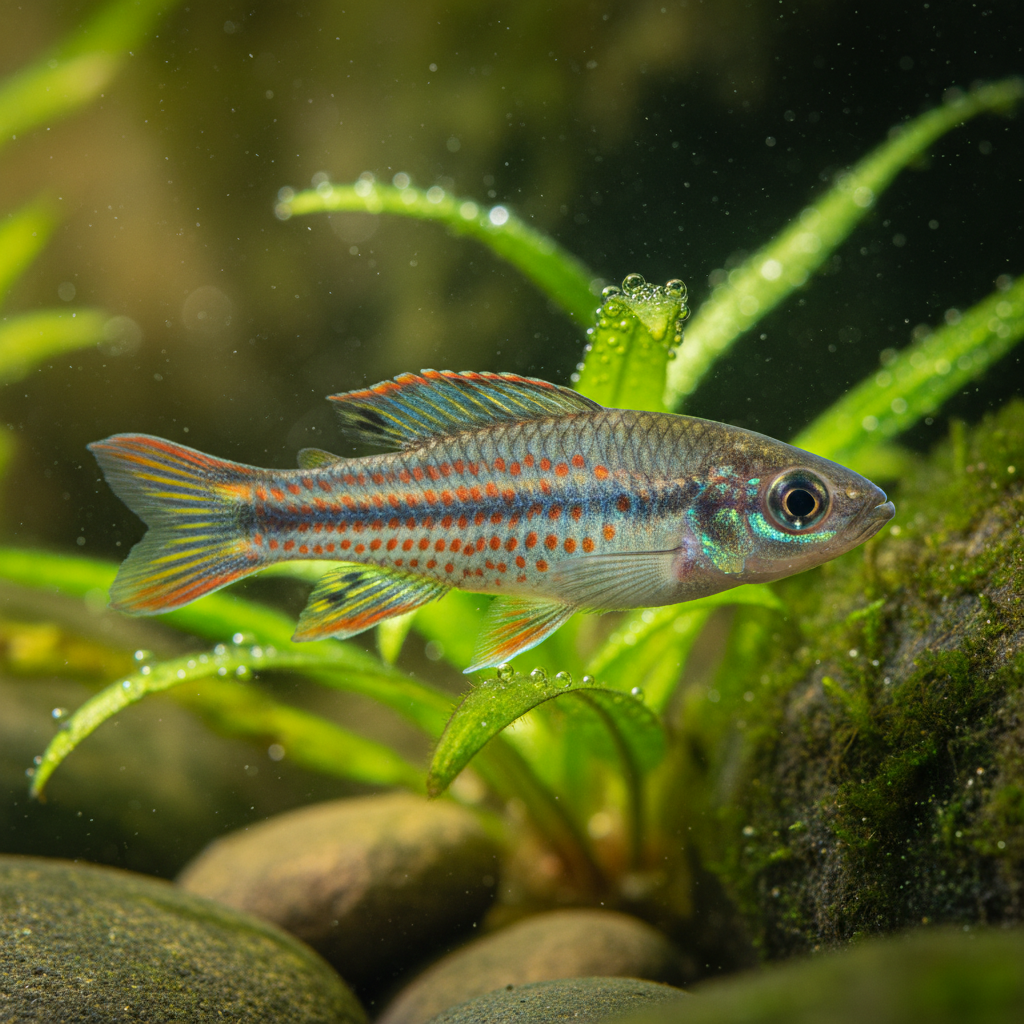
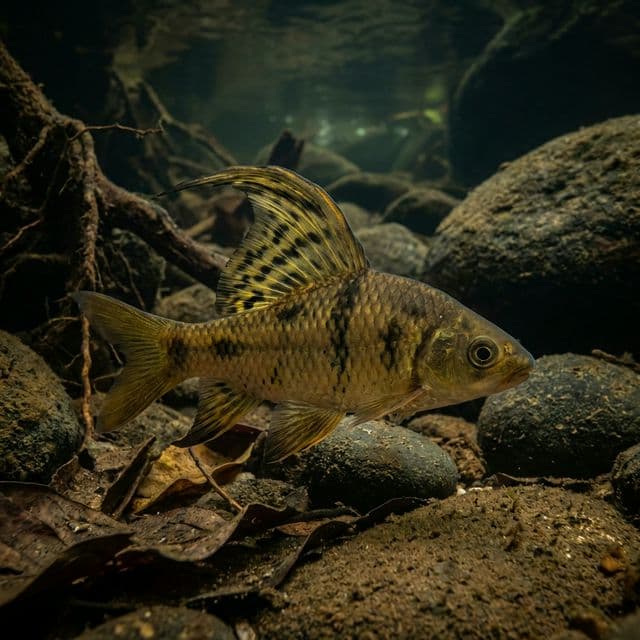
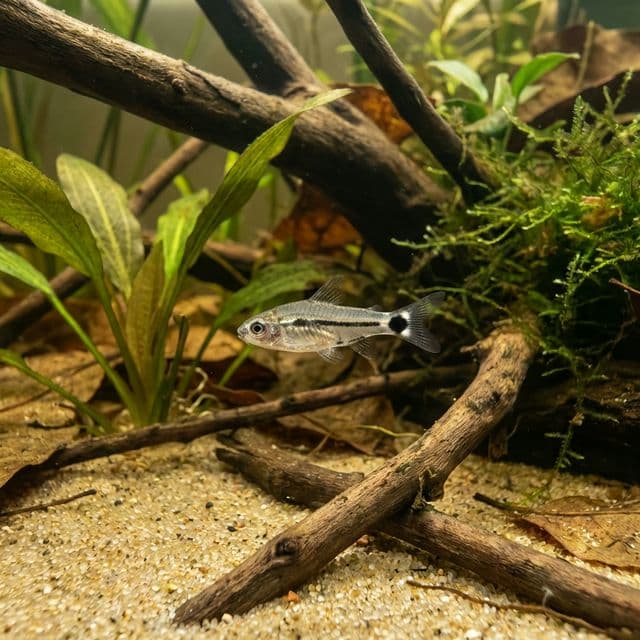
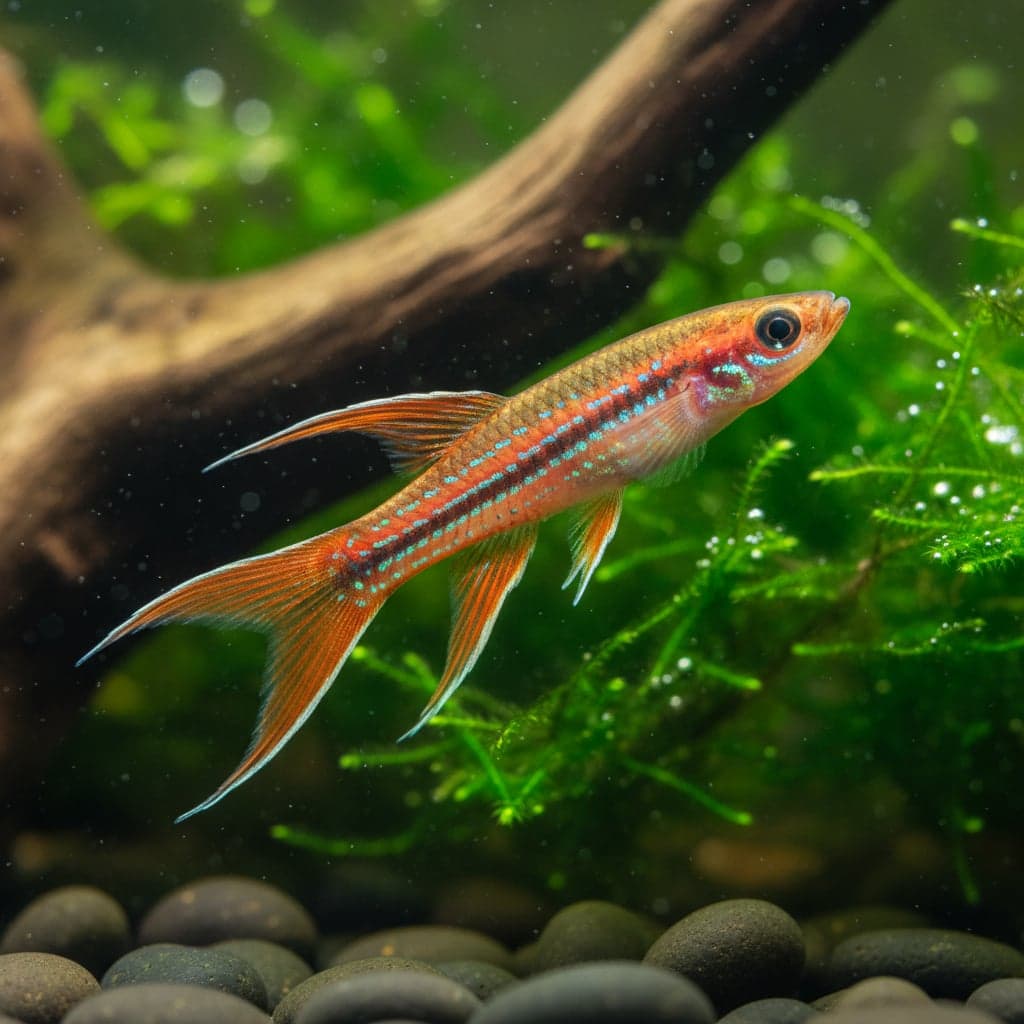
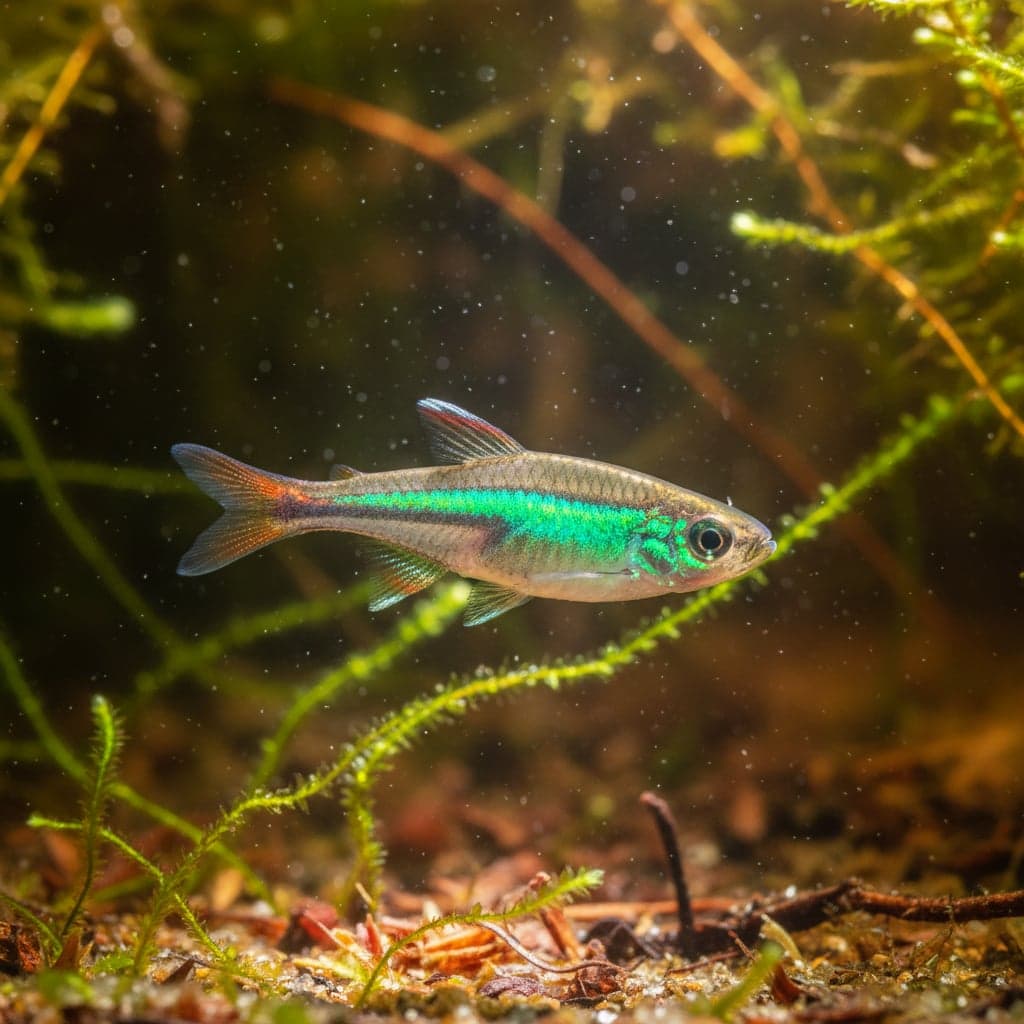
The Steel Blue Killifish, scientifically known as Fundulopanchax gardneri, is a captivating freshwater fish that has gained popularity in the aquarium hobby due to its striking visuals and engaging behavior. With its iridescent blue-green body coupled with coppery-yellow fins, this small fish presents a stunning display that enchants both novice and experienced aquarists alike. Adult Steel Blue Killifish typically reach lengths of up to 2.5 inches, making them perfect for community tanks while still offering an eye-catching presence. Their vibrancy and unique coloration have made them a sought-after choice for aquarists wanting to add a touch of the exotic to their aquatic setup.
These fish are not just visually appealing; they hold a special place in the aquarium community due to their ease of care and hardiness. Adaptable to various water conditions, the Steel Blue Killifish is often recommended as a first killifish, though it is an egg-layer rather than a livebearer and breeding it means dealing with eggs. However, as an active fish that occupies the mid to top levels of the aquarium, they also add dynamic movement to the tank, thus making them a favorite among aquascapers who appreciate a lively and interactive environment.
Natural Habitat & Origin
Steel Blue Killifish are native to the western parts of Africa, specifically found in regions such as Nigeria and Cameroon. They inhabit slow-moving rivers, streams, and occasional floodplains, typically in areas where the water is soft and tinted with tannins from decaying plant matter. This blackwater habitat is characterized by its lower pH levels and high organic material, providing a unique ecological niche that influences the species' adaptation over time. Understanding their natural habitat is essential for replicating appropriate living conditions in a home aquarium.
In their native waters, Steel Blue Killifish thrive in environments rich in leaf litter and submerged vegetation, which offer shelter and spawning grounds. The water temperature in their natural habitat usually ranges from 75°F to 82°F (24°C to 28°C), with a pH level of about 6.0 to 7.5. The soft waters of their ecosystem have conditioned them to flourish in similar conditions, making it crucial for aquarists to mimic these parameters for their healthy development.
Care Requirements
Steel Blue Killifish are relatively easy to care for, making them an excellent choice for beginners and seasoned hobbyists alike. The ideal tank size for keeping these fish is a minimum of 20 gallons, as this allows for swimming space and helps maintain stable water conditions. They prefer a substrate of fine gravel or sand that mimics their natural habitat, and the tank setup should ideally include smooth stones and abundant vegetation. Live plants like Java moss, Cryptocoryne, or floating plants can enhance their environment by providing shelter and mimicking the natural detritus found in blackwater.
Regarding water conditions, the Steel Blue Killifish thrives in slightly acidic to neutral pH conditions ranging from 6.0 to 7.5, and the water temperature should be maintained between 75°F to 82°F (24°C to 28°C). Hardness should be kept soft, ideally around 3 to 15 dGH. Good filtration is necessary to keep the water clean, and regular water changes of about 20% weekly will help maintain overall water quality. Additionally, muted lighting is preferable, as it mimics their natural habitat and can reduce stress levels within the tank.
Diet & Feeding
The Steel Blue Killifish is a carnivore/micropredator (insectivore); its natural diet is animal prey, not plant matter. In captivity, prioritize live or frozen foods such as daphnia, brine shrimp, and bloodworms. High-quality flakes are fine as a supplement but should not replace animal foods. This not only enhances their coloration but also encourages natural foraging behavior.
Feeding should occur two to three times a day, with amounts that can be consumed within a few minutes. It's essential to avoid overfeeding, as this can lead to water quality issues and health complications. A well-rounded diet will contribute significantly to the Steel Blue Killifish's overall well-being, keeping their colors vibrant and supporting their activity levels.
Behavior & Temperament
Steel Blue Killifish are known for their peaceful and engaging demeanor, making them suitable for community aquariums. They exhibit social behavior, often forming small schools, which is essential for their emotional well-being. While they are not typically aggressive, males can display territorial tendencies, especially during breeding or when establishing dominance. It’s advisable to keep them in groups of at least six individuals to mitigate potential aggression and encourage natural schooling behavior.
In terms of tank placement, the Steel Blue Killifish prefers the mid to upper levels of the aquarium. They are lively swimmers, frequently darting to the surface to feed or explore the tank's upper regions. Providing ample horizontal and vertical swimming space will enhance their happiness and reduce stress levels, allowing them to express their natural behaviors.
Tank Mates
When selecting tank mates for Steel Blue Killifish, it’s important to choose peaceful species that share similar water requirements. Some compatible tank mates include small tetras like Neon Tetras, other killifish species, dwarf cichlids, and peaceful rasboras. Additionally, they can coexist with small catfish such as Corydoras or Otocinclus that remain in the lower levels of the tank.
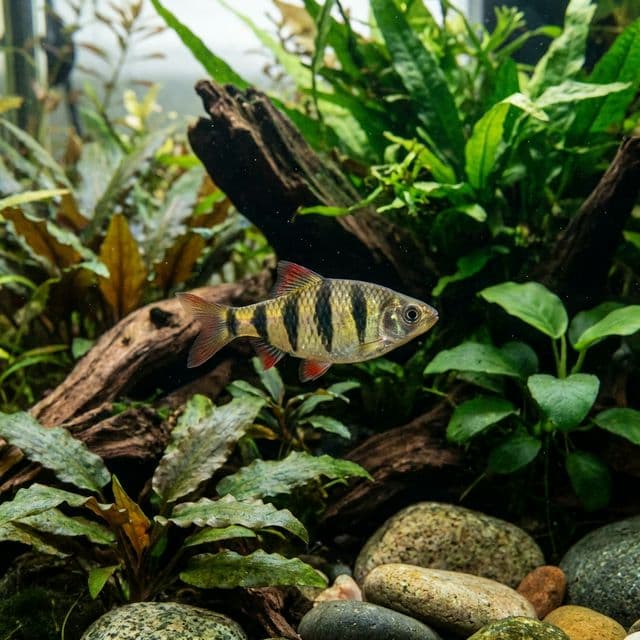
However, caution should be exercised with larger or overly aggressive species that could stress or harm the Steel Blue Killifish. Avoid pairing them with any fish known for fin-nipping behaviors, such as some larger barbs, as these can lead to injury or increased stress. A well-thought-out community tank will enhance the Steel Blue Killifish's vibrant colors and lively nature.
Breeding
Breeding Steel Blue Killifish in captivity can be a rewarding endeavor, provided that the right conditions are met. To encourage spawning, a separate breeding tank should be set up, ideally with a spawning mop made from fine-leaved plants or mop material, simulating their natural breeding environment. Water parameters similar to those of their natural habitat are essential, with a softer, slightly acidic medium (pH 6.0 to 7.0) and temperatures around 76°F to 80°F (24°C to 27°C).
During the breeding process, the male will display courtship behaviors, including color intensification and fin flaring. After successful spawning, it is essential to remove the adult fish from the breeding tank, as they may consume the eggs. The eggs will hatch in roughly 10 to 14 days under proper conditions, and the fry can be fed infusoria or finely crushed flakes until they are large enough to consume more substantial food.
Common Health Issues
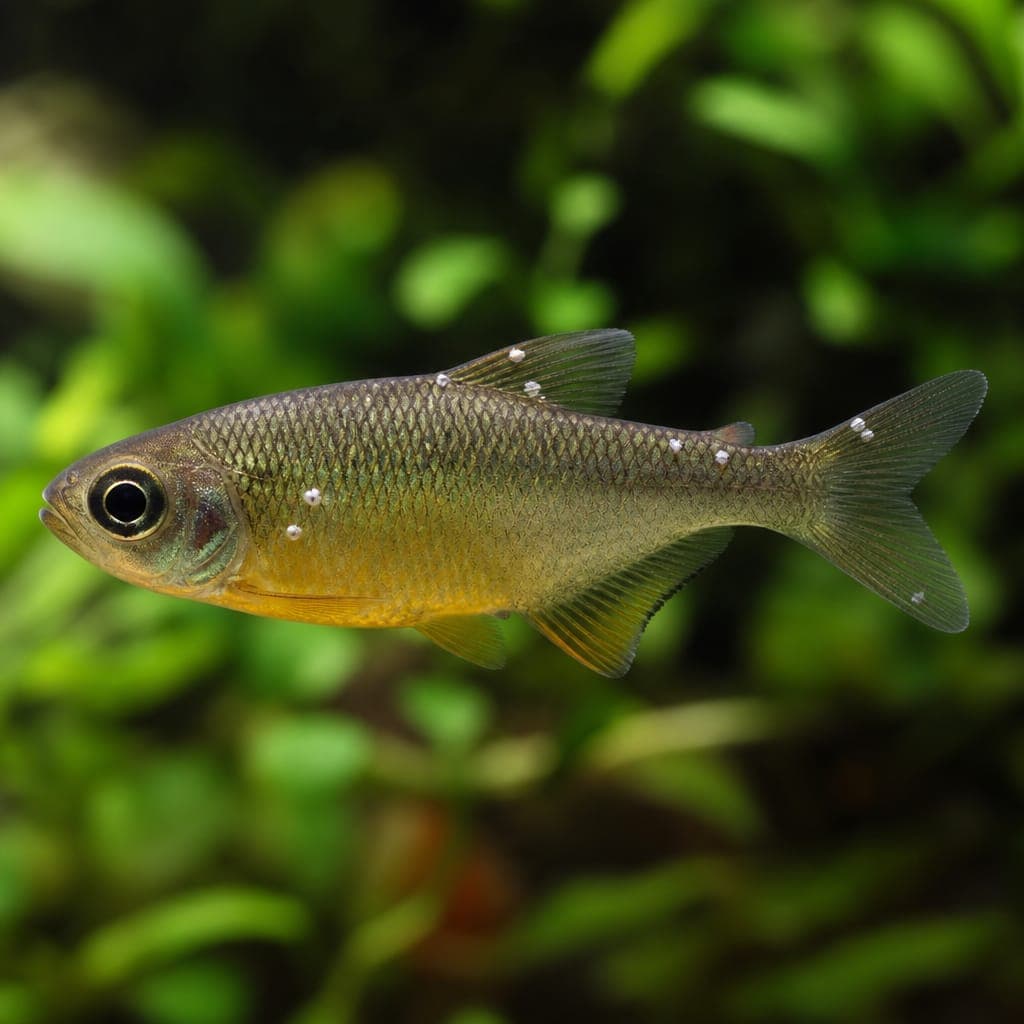
Like any aquatic species, Steel Blue Killifish are prone to several health issues. Some common diseases include Ich (Ichthyophthirius multifiliis), a parasite that manifests as white spots on the skin and fins, and fin rot, characterized by the deterioration of fins often due to poor water quality. Maintaining excellent water quality through regular changes and proper filtration is the first line of defense against these ailments.
To prevent health issues, ensure that the aquarium is adequately cycled before introducing new fish, and monitor ammonia, nitrite, and nitrate levels closely after any change. Quarantine new arrivals, avoid overcrowding, and provide a varied diet of live or frozen foods alongside quality flakes. Cover the tank securely, as killifish may jump when startled. Early treatment of white spots, frayed fins, or sudden lethargy keeps Steel Blue Killifish colourful, active, and long-lived in a well-maintained aquarium.