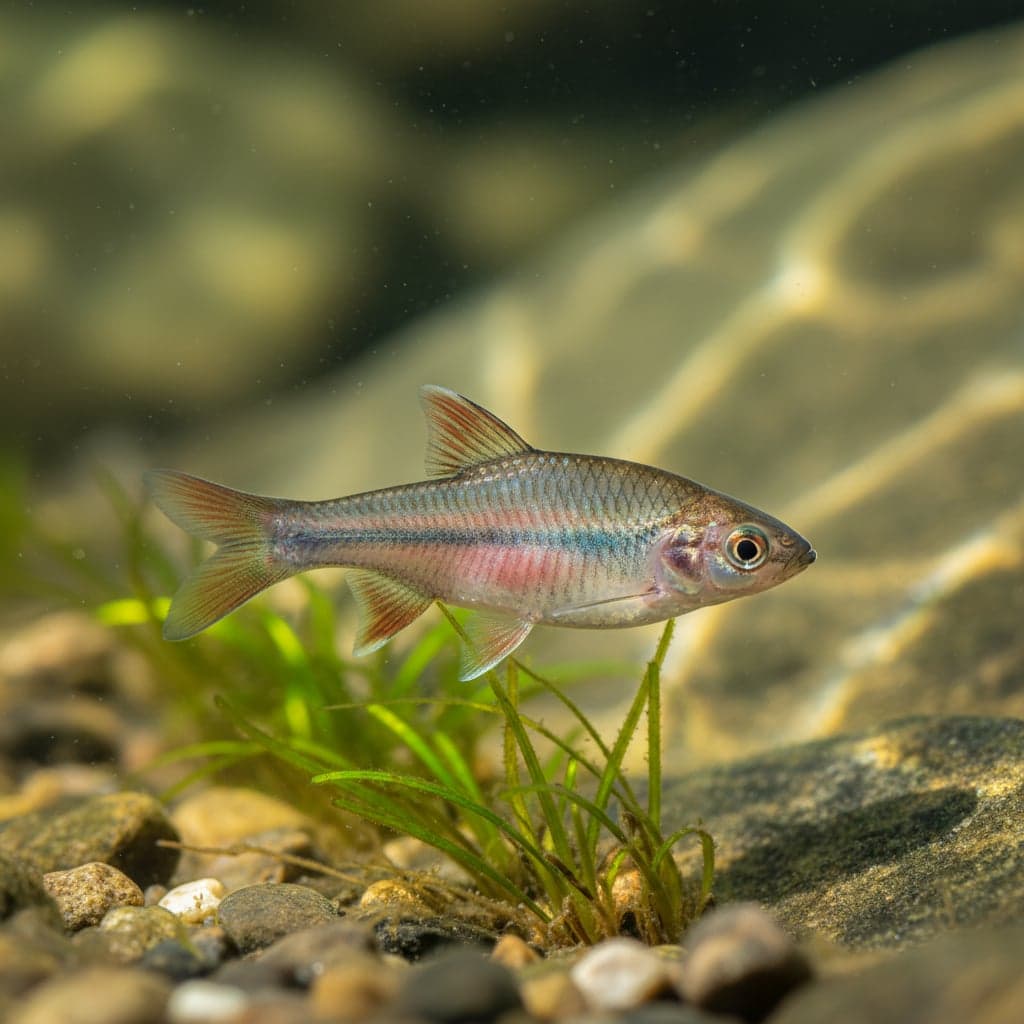
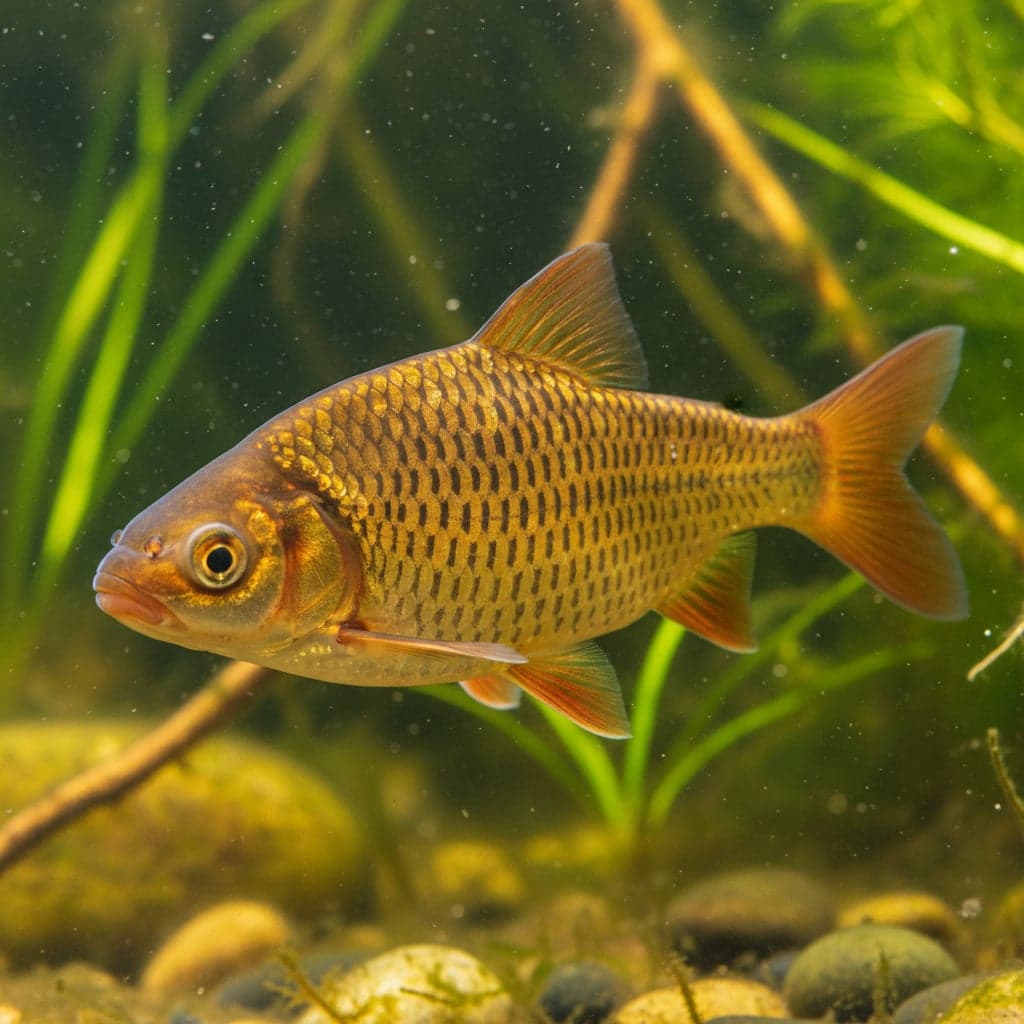
Sterlet: Acipenser ruthenus
A sturgeon reaching over a metre that outgrows every aquarium. Pond-only, and it needs cool, heavily oxygenated water and sinking food.
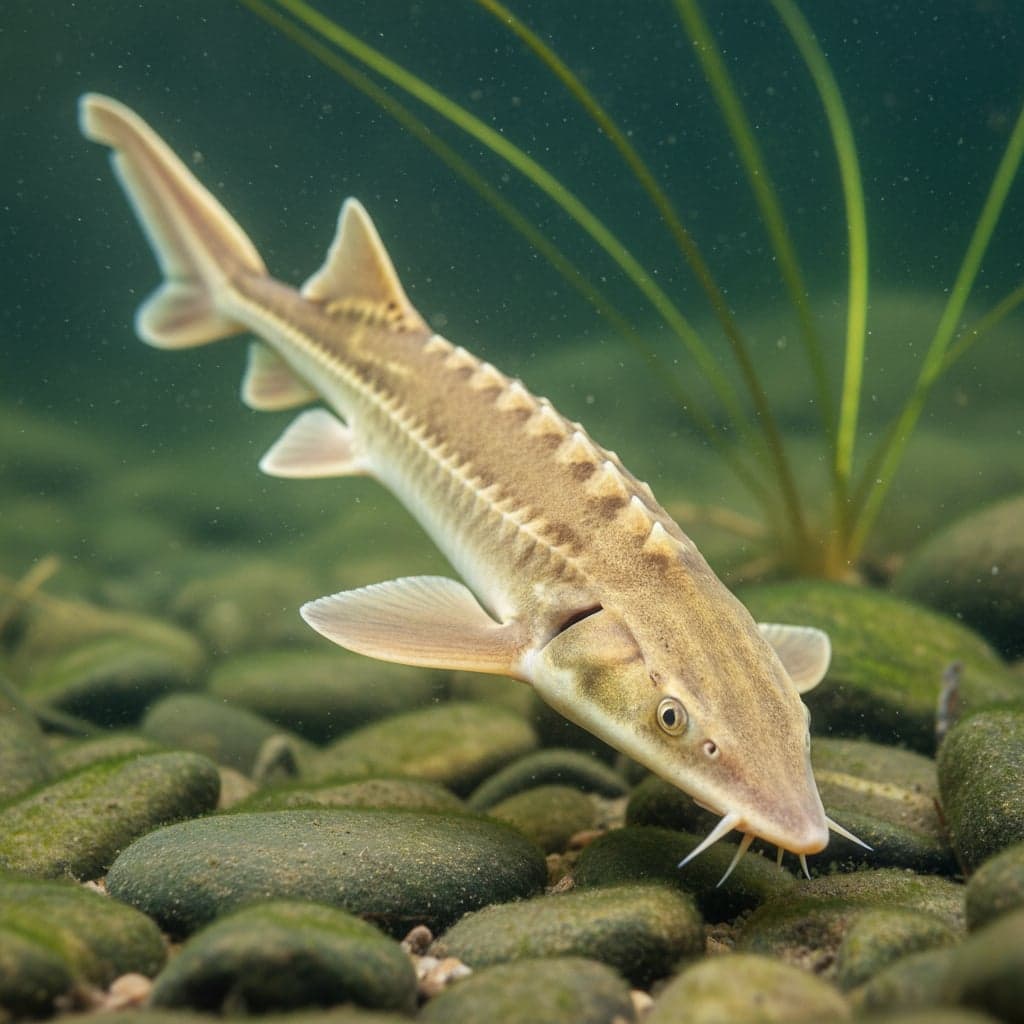
Sterlet
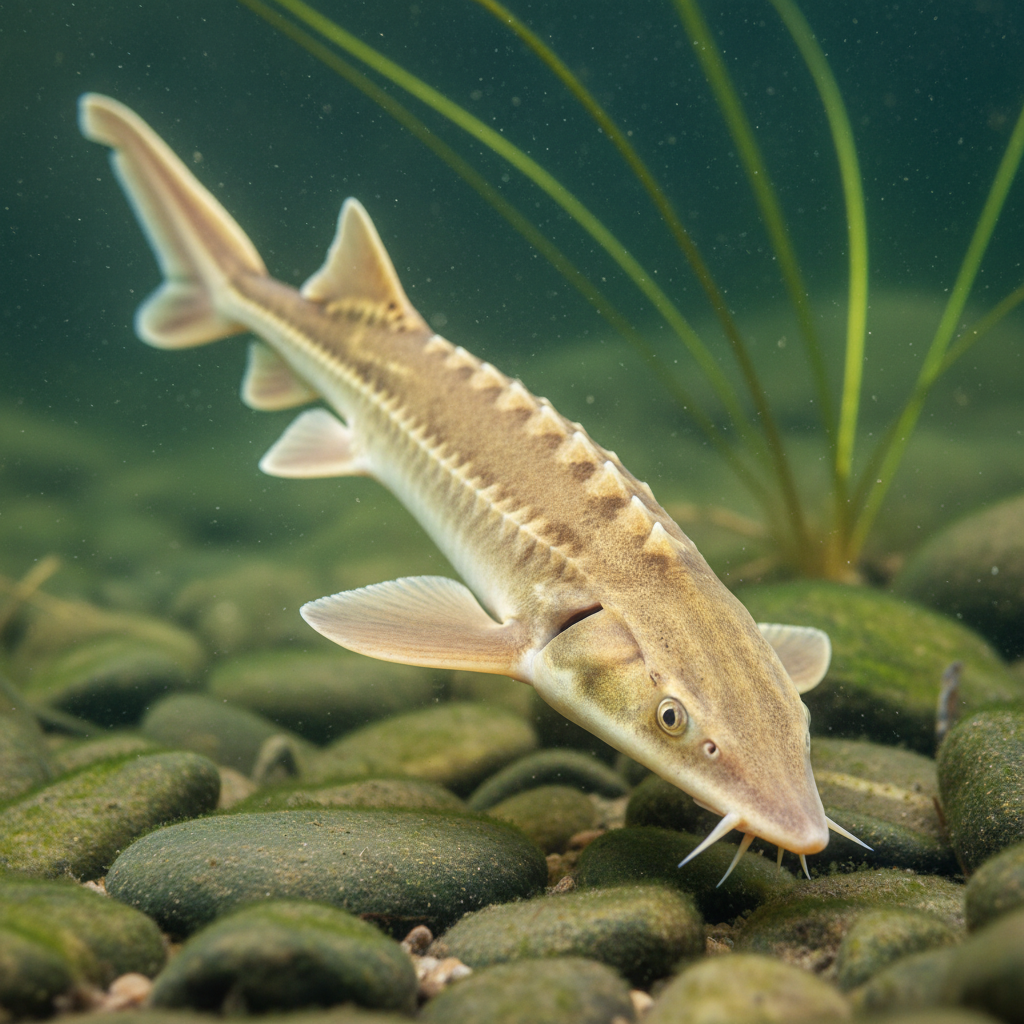
The Sterlet (Acipenser ruthenus) is a fascinating species of sturgeon characterized by its elongated body and distinctive cartilaginous structure. Reaching lengths of up to 1.2 meters, this fish exhibits a graceful appearance with a streamlined profile and a unique snout that aids in foraging along the riverbed. Its skin is adorned with small, overlapping bony plates called scutes, giving it a textured look that captivates aquarists and observers alike. The coloring of the Sterlet is typically a mix of dark gray to black on the back, fading to a lighter hue on the belly, which not only enhances its visual allure but also serves as camouflage in its natural habitat.
In the aquarium hobby, the Sterlet holds significant importance due to its unique appearance and ancient lineage. Being one of the smallest sturgeon species, it presents a suitable option for enthusiasts who may not have the space for larger sturgeons. The Sterlet also plays a crucial role in conservation efforts and aquaculture, specifically for caviar production. As a symbol of the rich aquatic ecosystems in which they thrive, keeping Sterlets in well-maintained aquarium environments helps raise awareness about the critical importance of preserving natural habitats and the diverse species that inhabit them.
Natural Habitat & Origin
The Sterlet is native to the rivers of Eastern Europe and Western Asia, with a distribution range that includes the Danube, Volga, and Ural Rivers. These fish are predominantly found in freshwater environments, thriving in slow-moving rivers and lakes, where they prefer soft substrates rich in organic detritus and vegetation. Interestingly, the Sterlet often inhabits areas with moderate to high turbidity, allowing them to utilize their sensitive barbels to detect food sources on the river bottom.
In terms of environmental context, Sterlets are accustomed to varying water conditions influenced by seasonal changes, including fluctuating temperatures and flow rates. These adaptable fish generally prefer water that is slightly acidic to neutral, with low to moderate levels of hardness. Their natural habitat reflects a delicate balance within the ecosystem, where they contribute to the food web and serve as an indicator of water quality and environmental health.
Care Requirements
Providing proper care for the Sterlet requires understanding its specific water parameters and tank setup needs. The ideal water conditions for Sterlets include a pH range of 6.5 to 7.5, a temperature between 10°C to 25°C (50°F to 77°F), and a hardness level of 5 to 15 dGH. Regular monitoring and maintenance of these parameters are crucial to ensure the health and longevity of your Sterlet.
Regarding tank setup, a minimum tank size of 100 gallons is recommended to accommodate their potential size and swimming space. A soft substrate, such as sand or fine gravel, will allow the Sterlet to forage naturally without injury. Adequate filtration is essential to maintain clean water, as Sterlets are sensitive to poor water quality. While lighting in the tank can be moderate, it's recommended to provide hiding spots within the tank using rocks and driftwood, as well as some aquatic plants that can provide shelter and mimic their natural environment.
Diet & Feeding
The Sterlet is primarily an omnivore, with a diet consisting of both animal and plant matter. In the wild, they typically forage for small invertebrates, aquatic insects, and detritus. To replicate this diet in captivity, it is important to provide a balanced mix of high-quality flakes, pellets, and occasional frozen or live foods, such as brine shrimp, bloodworms, and daphnia. Given their penchant for different food sources, it's also advisable to include vegetables such as blanched zucchini or spinach in their diet to promote overall health and metabolic function.
Feeding should occur several times a week, ensuring that leftovers are promptly removed to maintain tank cleanliness and prevent water quality issues. Regularly varying their food sources can also help keep the Sterlet engaged and support optimal growth conditions.
Behavior & Temperament
The Sterlet is known for its generally peaceful temperament, making it an excellent addition to community aquariums. While they can exhibit some territoriality, especially during feeding times, they are not aggressive and often coexist well with similarly sized and temperamented fish. These creatures can be observed foraging along the bottom of the tank, often in a solitary or small group setting.
In their natural habitat, Sterlets prefer to stay near the substrate, spending most of their time close to the riverbed in search of food. Therefore, vertical placement in the tank is less critical, as they do not typically occupy the upper levels of the aquarium. To promote a thriving environment, it’s recommended to provide a spacious, well-structured aquascape that mimics their natural habitats while allowing them to feel secure.
Tank Mates
When selecting compatible tank mates for the Sterlet, it is important to choose species that inhabit similar water conditions and are of a comparable size. Ideal tank mates include larger community fish such as the Rainbowfish, larger Danios, and robust species like the angelfish. Additionally, species like Catfish and other bottom-dwellers can thrive alongside Sterlets, provided they are not overly aggressive.
Conversely, small or overly aggressive species should be avoided, as they may stress the Sterlet or compete aggressively for food. Fish like smaller Tetras, Guppies, or other small, delicate species may fall prey to the Sterlet's inquisitive nature and should not be housed together.
Breeding
Breeding the Sterlet in captivity presents several challenges, primarily due to their specific requirements for spawning conditions. Sterlets are known to spawn in flowing waters during the spring, typically at water temperatures ranging from 12°C to 16°C (54°F to 61°F). To simulate these conditions in an aquarium, it is essential to provide gentle water flow, as well as a spawning substrate comprised of smooth gravel or rocks that mimic their natural breeding environment.
During the spawning process, females can lay up to 100,000 eggs, which are adhesive and will cling to substrates. Post-spawning, it is crucial to remove the adults to prevent them from eating their eggs. The hatching process usually occurs within 5 to 14 days, depending on temperature, requiring the utmost care in water quality management and food provision during the fry's early development stages.
Common Health Issues
Like many freshwater fish, Sterlets are susceptible to specific health issues, making regular observation and preventive care essential. Common diseases include Ich (white spot disease), which is often caused by temperature fluctuations or stress, and fin rot, typically associated with poor water quality. Maintaining optimal tank conditions and conducting routine water changes can significantly reduce the risk of these ailments.
Additionally, ensuring that the Sterlet is not overfed and has a stress-free environment is vital in preventing illness. Regularly checking water parameters and observing any changes in behavior can help promptly identify health issues before they become critical. Providing a well-maintained environment will contribute to the Sterlet's vitality and resilience against diseases.