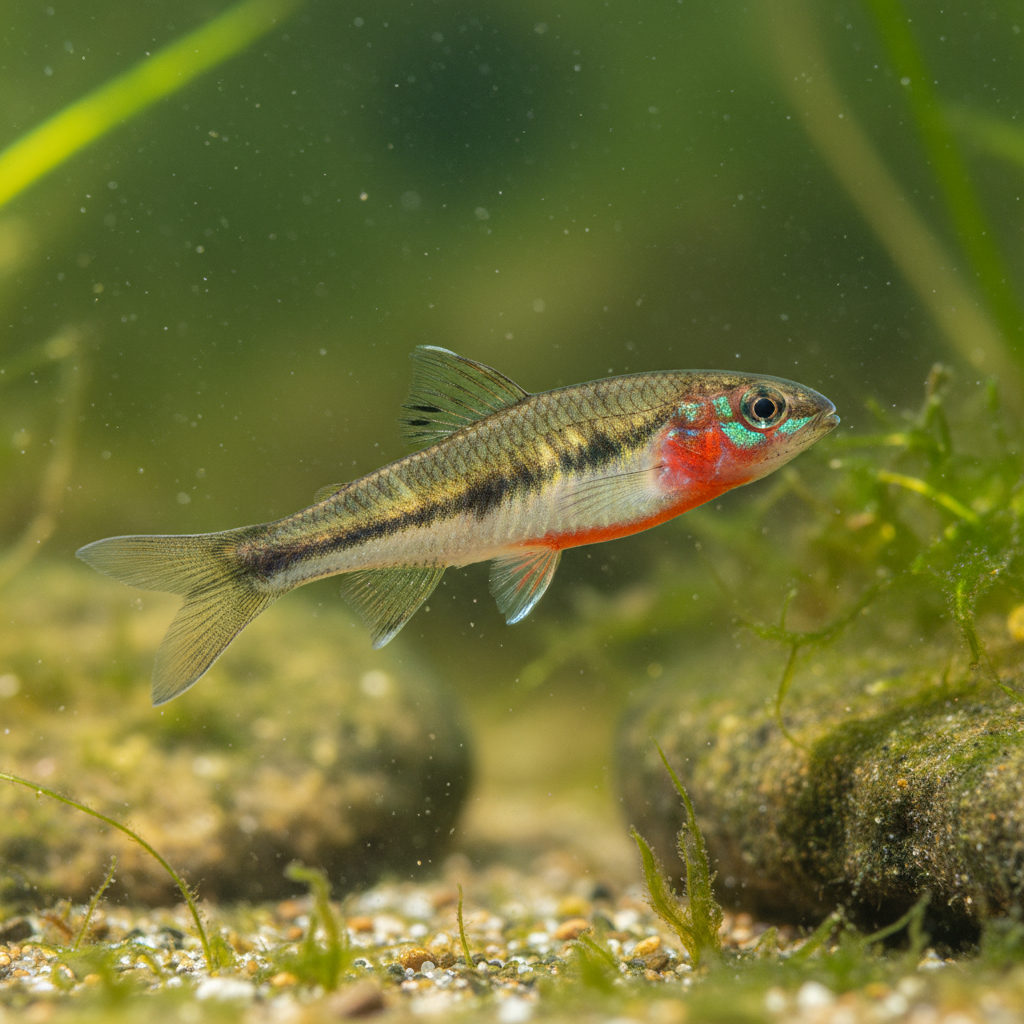
Stickleback: Gasterosteus aculeatus
A 7cm coldwater native whose males turn red and build nests. A pond or unheated tank fish, and the breeding behaviour is the reason to keep it.
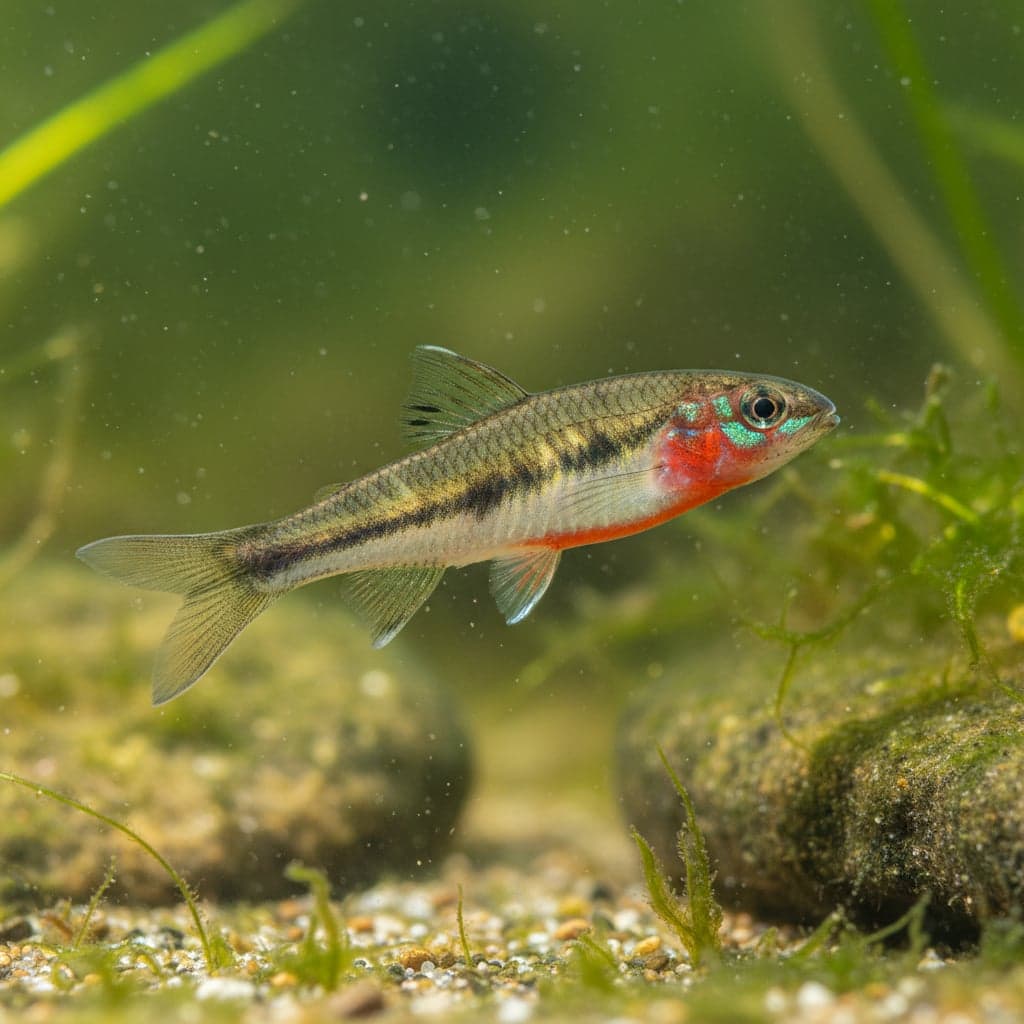
Stickleback
The Stickleback, scientifically known as Gasterosteus aculeatus, is a small, freshwater fish that has gained popularity in the aquarium hobby due to its unique physical features and intriguing behaviors. Often adorned with sharp spines along its back, this fish exhibits a vibrant coloration that can range from silvery-blue to olive-green, making it visually appealing for aquarists looking for a captivating addition to their tanks. Additionally, their distinctive body shape and small size (typically 2-3 inches) allow them to thrive in nanoscapes or smaller aquariums, accommodating hobbyists with limited space.
The Stickleback is significant not only for its aesthetic qualities but also for its ecological role and adaptability. Found in a variety of environments, this species can survive in brackish waters, rivers, and lakes, and it is well-studied in the field of evolutionary biology. Their behavior, particularly during breeding season, is fascinating as males engage in elaborate courtship displays. The Stickleback's adaptability and social dynamics make it a subject of interest among both researchers and hobbyists.
Natural Habitat & Origin
The Stickleback is native to a wide range of regions, primarily found across North America, Europe, and parts of Asia. It commonly inhabits coastal areas, freshwater lakes, and slow-moving rivers, often preferring shallow waters where vegetation is abundant. The Stickleback thrives in brackish environments, but it is equally at home in clearwater streams and ponds, showcasing its remarkable adaptability. The species can be primarily found in environments characterized by the presence of aquatic plants, as they provide essential coverage for hiding and breeding.
In terms of environmental context, Sticklebacks commonly inhabit areas with moderate water flow, where they can forage for food and establish territories. Given their preference for varied substrates, from sandy bottoms to areas with pebbles, these fish rely on their environment not just for sustenance but also for breeding and protection against predators. This diversity in habitat is significant as it influences their behaviors and interaction with other species within the ecosystem.
Care Requirements
When setting up a Stickleback aquarium, attention must be paid to specific water parameters to ensure the health and wellbeing of the fish. Optimal pH levels range from 6.5 to 8.0, whereas the ideal temperature is between 18°C to 22°C (64°F to 72°F). The water hardness should be moderate, ideally between 10-20 dGH, which mimics their natural habitat and promotes biological health. The minimum tank size for a small group of Sticklebacks is around 20 gallons, allowing ample space for movement and territory establishment.
In terms of tank setup, gravel or sand substrate is recommended to emulate their natural environment, encouraging foraging behavior. Additionally, providing plenty of hiding spots using driftwood, rocks, and dense vegetation will create a sense of security for the fish. Lighting should mimic natural daylight conditions, with a cycle of 10 to 12 hours of light each day to support any live plants in the aquarium, as well as promote a healthy environment for the Sticklebacks.
Diet & Feeding
Sticklebacks are omnivorous, displaying a diverse diet that contributes to their health and vibrancy. In the wild, they primarily consume small invertebrates, algae, and detritus, which they graze upon in their natural habitat. In captivity, a balanced diet is essential, and it is recommended to provide high-quality flake food or pellets that are specifically formulated for carnivorous fish. Additionally, supplementing their diet with frozen or live foods like brine shrimp, daphnia, and bloodworms will enhance their nutrition and encourage natural foraging behavior.
To ensure a well-rounded diet, hobbyists should also consider incorporating vegetable-based foods, such as spirulina flakes or blanched spinach, to provide essential plant nutrients. It’s crucial to feed Sticklebacks small portions multiple times a day rather than large meals, which helps prevent overfeeding and maintains stable water parameters. Regular observation of their eating habits will help gauge their health and adjust their diet appropriately.
Behavior & Temperament
Sticklebacks are known for their fascinating social behavior, which often includes establishing dominance and territoriality, particularly during the breeding season. These fish are typically best kept in small groups, as they exhibit schooling tendencies. However, it is important to note that males can display aggressive behavior toward one another, especially when competing for breeding spots. While they can be somewhat territorial, having ample space and hiding spots in the aquarium can alleviate aggression and promote a more harmonious environment.
In terms of vertical placement, Sticklebacks are often seen dwelling in the mid-levels of the tank but are also known to venture closer to the substrate, especially during foraging. They may occasionally venture to the surface, particularly during feeding times. Creating a multi-dimensional tank setup that includes both open swimming spaces and areas for exploration will encourage natural behaviors and provide a fulfilling environment for these dynamic fish.
Tank Mates
When selecting tank mates for Sticklebacks, it is crucial to choose species that will coexist harmoniously with their social dynamics and water parameters. Compatible species include small, peaceful fish such as tetras, guppies, and endlers. Additionally, smaller shrimp species, like cherry shrimp or amano shrimp, can also thrive in a Stickleback community. It’s important to avoid larger, aggressive fish that may intimidate or predate upon the Sticklebacks, such as cichlids or larger barbs.
Care must also be taken with other Stickleback varieties; while they can coexist with their own kind, overcrowding can lead to increased aggression. Thus, ensuring an appropriate male-to-female ratio will help mitigate conflict and maintain social balance within the tank. Establishing a well-planned community aquarium with suitable tank mates will enhance the Stickleback's experience, showcasing their curious and spirited nature.
Breeding
Breeding Sticklebacks in captivity can be an exciting endeavor for aquarists, provided specific conditions are met. During the breeding season, which typically occurs in spring and early summer, males will establish territories and engage in elaborate courtship behaviors, such as building nests from plant materials and displaying vibrant colors to attract females. To encourage spawning, raising the water temperature to around 20-22°C (68-72°F) and ensuring well-aerated water can trigger their breeding instincts.
Once a female selects a mate, she will lay her eggs in the male's nest, where he then fertilizes them. Males are known to exhibit protective behaviors, guarding the eggs until they hatch, which can take approximately 7 to 14 days, depending on temperature conditions. After hatching, it's essential to provide an environment conducive to fry development, such as finely crushed flakes and infusoria, while ensuring the protective behavior of the male remains uninterrupted until they can fend for themselves.
Common Health Issues
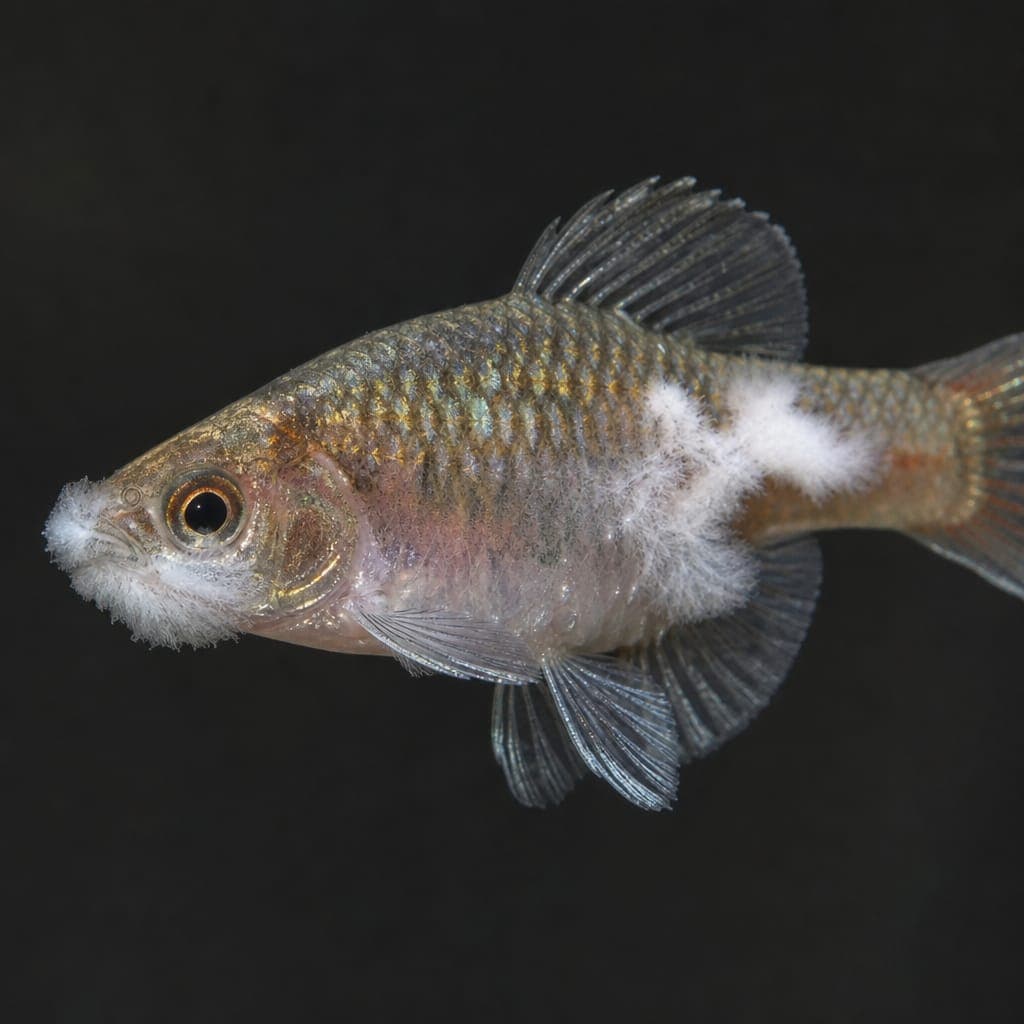
Sticklebacks, like any other aquarium species, may be susceptible to certain health issues, though with proper care, many of these can be prevented. Common ailments include ich (white spot disease), fin rot, and fungal infections, often resulting from poor water quality or stress. Regular water changes, maintaining appropriate tank parameters, and avoiding overcrowding are crucial in preventing these health issues.
In addition, ensuring a balanced diet and reducing stress via appropriate tank setups will further strengthen immunity. Quarantine new arrivals and treat ich or fin rot promptly with aquarium-safe medications. Avoid overcrowding and sudden temperature swings, which are common triggers for outbreaks. Watch for white spots, frayed fins, or lethargy, and intervene early. A varied carnivorous diet and cool, well-oxygenated water help Sticklebacks remain active and resilient for years.