Strawberry Rasbora: Boraras naevus
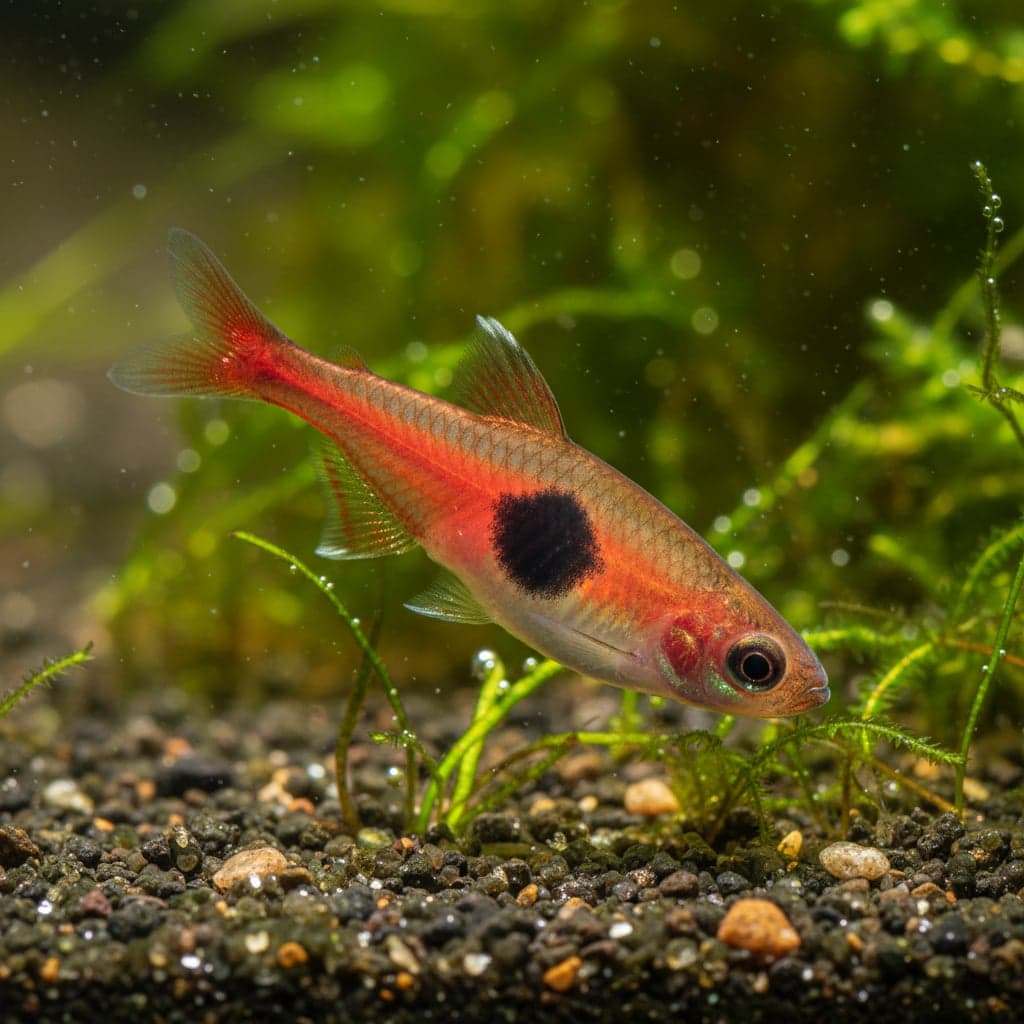
A 2cm nano rasbora, red-bodied with a single dark blotch. Wants soft, acidic, tannin-stained water and a shoal of ten or more.
Strawberry Rasbora
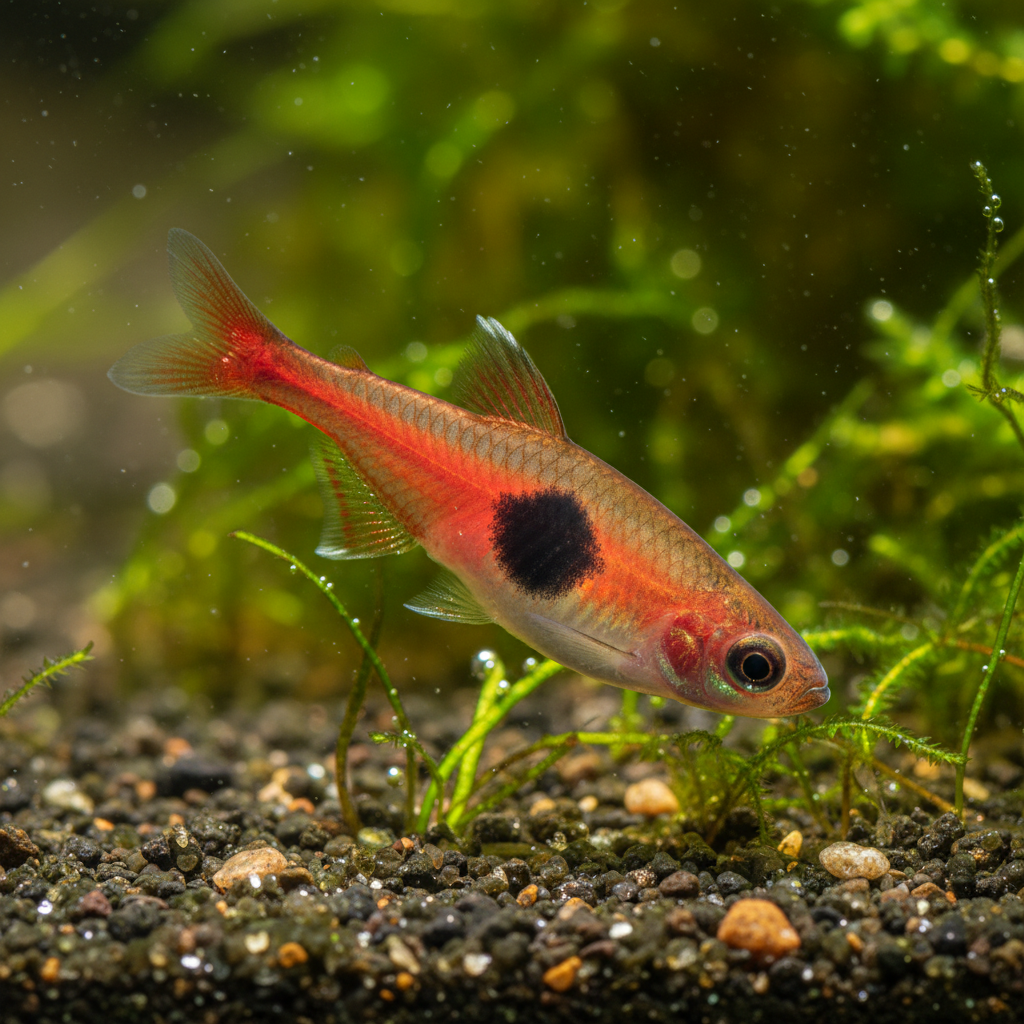
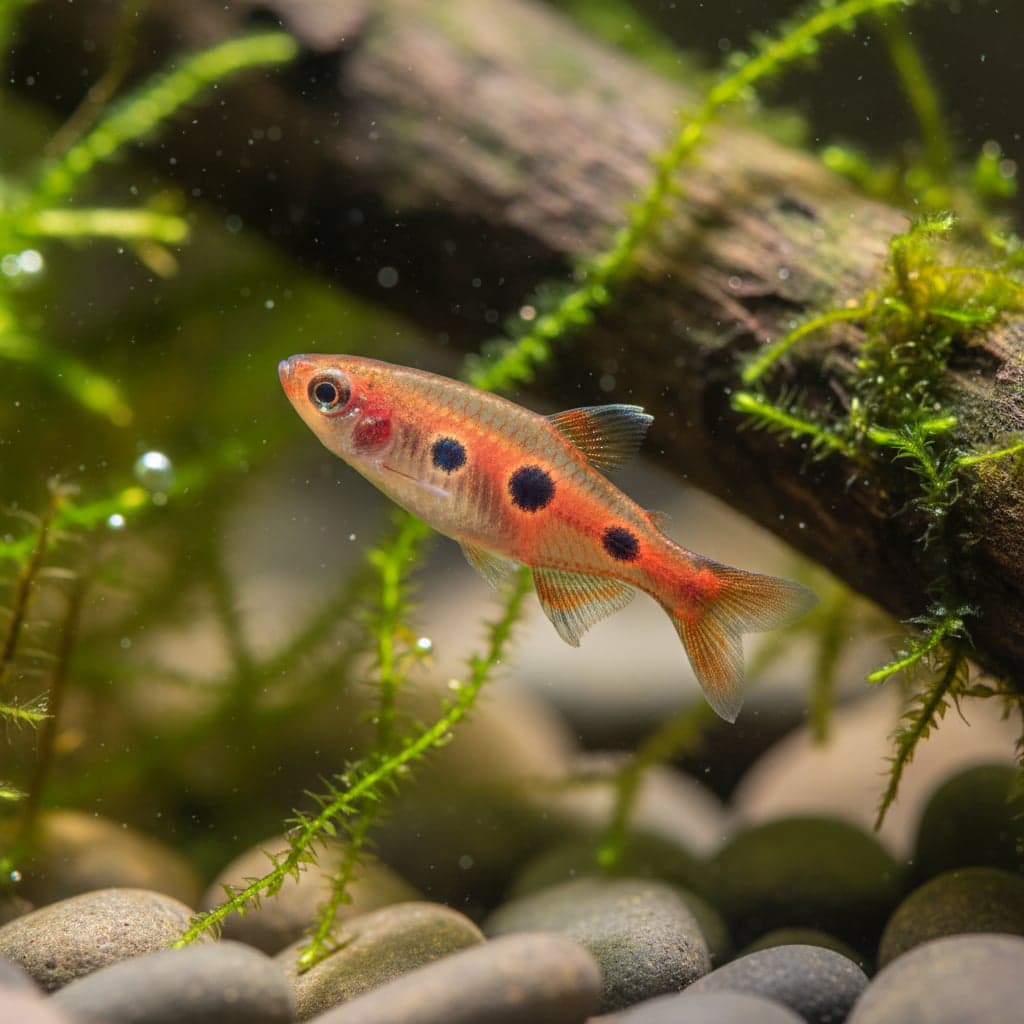
The Strawberry Rasbora, scientifically known as Boraras naevus, is a captivating miniature fish that has garnered immense popularity among aquarium enthusiasts. This vibrant species is distinguished by its stunning coloring and mesmerizing patterns. Typically showcasing a delicate red to pink hue complemented by a prominent black spot at the base of its dorsal fin, the Strawberry Rasbora adds a pop of color to tanks of all sizes. Known for its striking appearance, this small fish typically reaches a size of about 0.6-0.8 inches (1.5-2 cm), making it an ideal choice for nano tanks and planted aquariums. Its charm lies not only in its visual appeal but also in its peaceful demeanor, which makes it a delightful addition to community tanks.
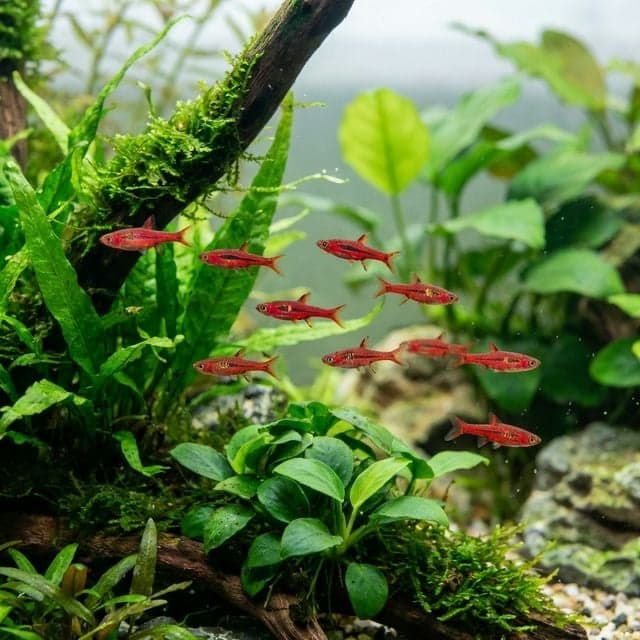
As a significant species in the aquarium hobby, the Strawberry Rasbora appeals to both novice and experienced aquarists. Its vibrant color and unique patterns serve as inspiration for aquascaping, encouraging hobbyists to create beautifully decorated aquatic environments. Furthermore, these fish are relatively easy to care for, making them approachable for beginners. Their schooling behavior and sociable nature enhance the visual dynamism of any aquarium, providing both a calming presence and an engaging spectacle as they move in unison. Overall, the Strawberry Rasbora’s combination of beauty, simplicity in care, and sociable temperament contribute to its status as a beloved favorite among fishkeepers.
Natural Habitat & Origin
The Strawberry Rasbora hails from the tropical waters of Southeast Asia, particularly the peat swamps and slow-moving streams in regions of Thailand and Malaysia. The natural habitat of this fish is characterized by its blackwater environments, which are rich in humic acids and tannins from decaying plant matter. Such waters tend to be soft and acidic, with a pH usually ranging from 5.5 to 7.0, and temperatures between 75 to 82°F (24 to 28°C). These conditions often lead to a unique ecosystem where dense vegetation and submerged roots provide both food sources and shelter for the Strawberry Rasbora.
In its native environment, the Strawberry Rasbora thrives among dense foliage and intricate driftwood, which play crucial roles in their social and reproductive behaviors. The shallow waters they inhabit are typically dimly lit, making the colorful displays of these fish particularly striking against the lush greenery. Understanding their natural habitat is critical for aquarists seeking to replicate these conditions in captivity, ensuring the well-being and health of their Strawberry Rasboras.
Care Requirements
To successfully maintain Strawberry Rasboras in an aquarium, specific water parameters should be adhered to. Ideally, the pH of the water should be between 5.5 and 7.0, with a temperature range of 75 to 82°F (24 to 28°C) and a water hardness of 1 to 10 dGH. These fish prefer soft, slightly acidic environments that mimic their natural blackwater habitats. As for tank setup, a minimum size of 10 gallons is recommended, especially if housing a small school of these sociable fish, as they typically thrive in groups of at least six or more.
When it comes to substrate, fine sandy or nutrient-rich gravel is ideal, as it promotes burrowing behavior and allows for planting. Lighting should be moderate to low, as Strawberry Rasboras prefer environments that mimic their shaded, natural habitats. Incorporating a mix of live plants such as java moss, crypts, and floating plants not only enhances the tank's aesthetic but also provides refuge and contributes to water quality. The addition of driftwood and leaf litter can help create a more natural setting, which can, in turn, positively impact the fish's behavior and health.
Diet & Feeding
Strawberry Rasboras are omnivorous, which allows for a diverse diet in captivity. In their natural habitat, they consume small invertebrates, algae, and plant matter. In an aquarium setting, they can be fed a variety of foods, including high-quality flake food, micro pellets, and frozen or live foods such as brine shrimp or daphnia. It is recommended to offer them a balanced diet that includes both protein-rich and plant-based foods to promote optimal growth and vibrant colors.
To ensure the health of your Strawberry Rasbora, it is important to provide small portions of food 2 to 3 times a day, allowing them to consume what they can within a few minutes. Be mindful not to overfeed, as uneaten food can pollute the water and lead to health problems. Additionally, offering a variety of food sources will help to mimic their natural diet and stimulate their natural foraging behaviors.
Behavior & Temperament
In terms of behavior, Strawberry Rasboras are moderately active and social fish that thrive in well-established schools. They generally prefer to swim in the middle to upper levels of the tank, exhibiting an engaging display as they dart about in groups. Their peaceful nature makes them excellent community fish, as they pose little threat to tank mates. However, it is important to note that when kept in small numbers, they may feel stressed or shy, limiting their natural behaviors.
During social interactions, Strawberry Rasboras display charming schooling movements that create a visually appealing spectacle for observers. As they establish a hierarchy within their school, they tend to engage in playful chasing and dance-like movements, especially in well-planted environments. Due to their peaceful temperament, male Strawberry Rasboras can sometimes engage in mild displays of aggression, particularly during breeding periods, but such behavior is generally not harmful.
Tank Mates
When selecting tank mates for Strawberry Rasboras, it is essential to choose peaceful species that mirror their size and temperament. Compatible tank mates include small tetras, guppies, endlers, and other nano fish like Pygmy Corydoras. Additionally, small shrimp species, such as Cherry Shrimp and Amano Shrimp, can coexist harmoniously with Strawberry Rasboras, adding both diversity and vibrancy to the tank environment.
Conversely, it is advisable to avoid larger or more aggressive species, such as cichlids and larger barbs, which may pose a threat to Strawberry Rasboras due to their small size. Similarly, fast-moving fish that may outcompete them for food should also be avoided. Ensuring an appropriate community setup can lead to a more harmonious and healthy aquarium ecosystem.
Breeding
Breeding Strawberry Rasboras in captivity can be an exciting endeavor, but it often requires specific conditions to achieve success. To encourage spawning, aquarists should provide a dedicated breeding tank with water parameters similar to their natural habitat: slightly acidic pH around 6.0 and soft water conditions. A temperature of approximately 78 to 80°F (26 to 27°C) can further stimulate breeding behavior.
Strawberry Rasboras are egg scatterers and prefer to lay their eggs among fine-leaved plants like moss or spawning mops. The male fish will court the female by displaying vibrant colors and performing swimming displays. Once the female is adequately stimulated, she will release eggs, which the male will subsequently fertilize. After spawning, it is important to remove the parents from the breeding tank, as they may consume the eggs. The eggs typically hatch within 24 to 36 hours, and once free-swimming, the fry can be fed infusoria or finely crushed flakes.