Striatum Killifish: Aphyosemion striatum
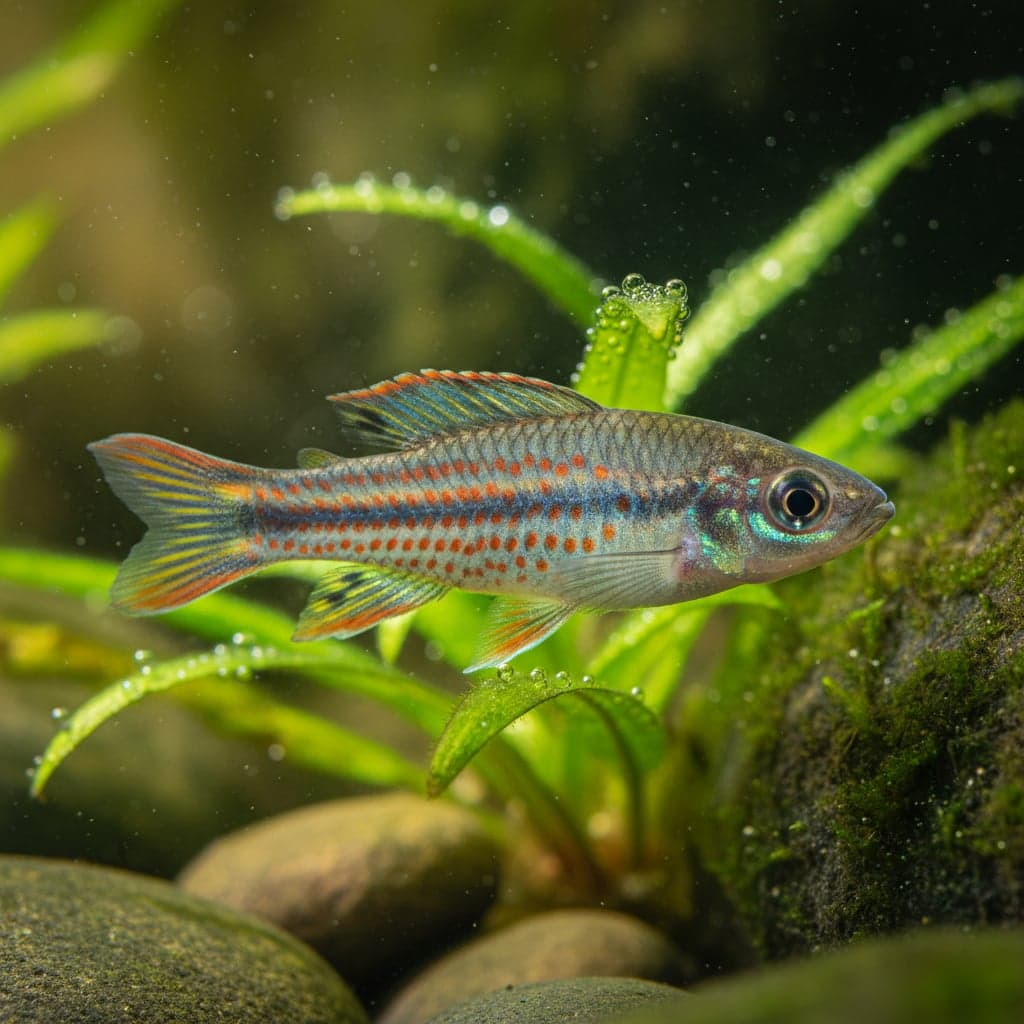
A 5cm West African killifish with red striping on blue. Short-lived, needs soft acidic water, and peat for its eggs.
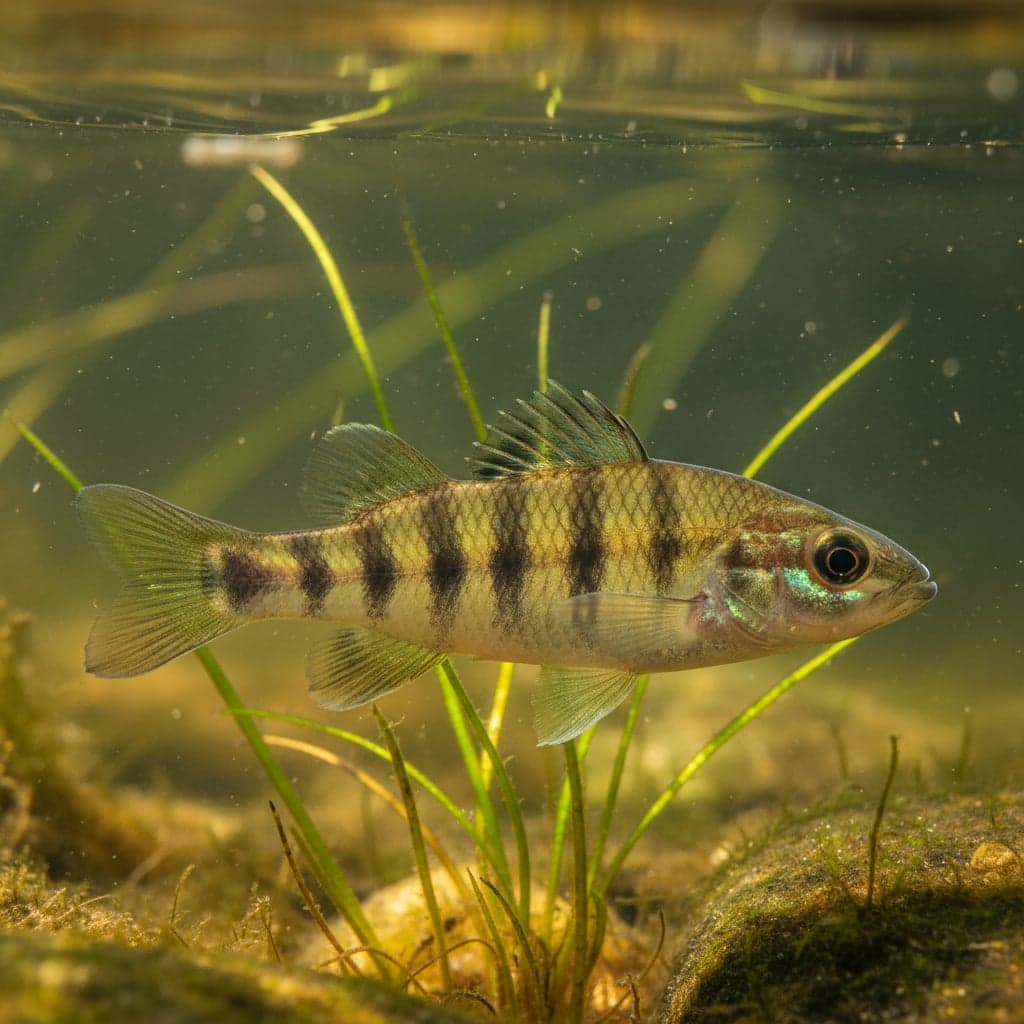
Striatum Killifish
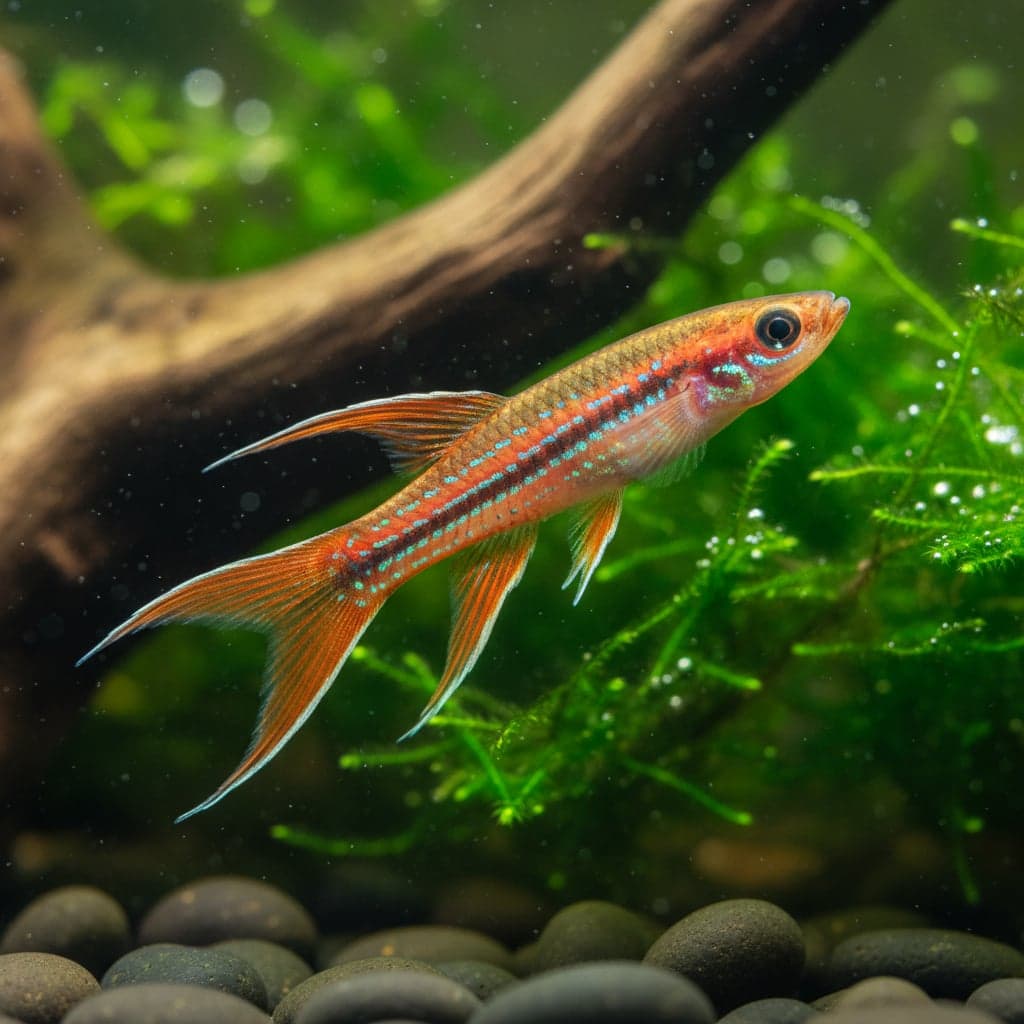
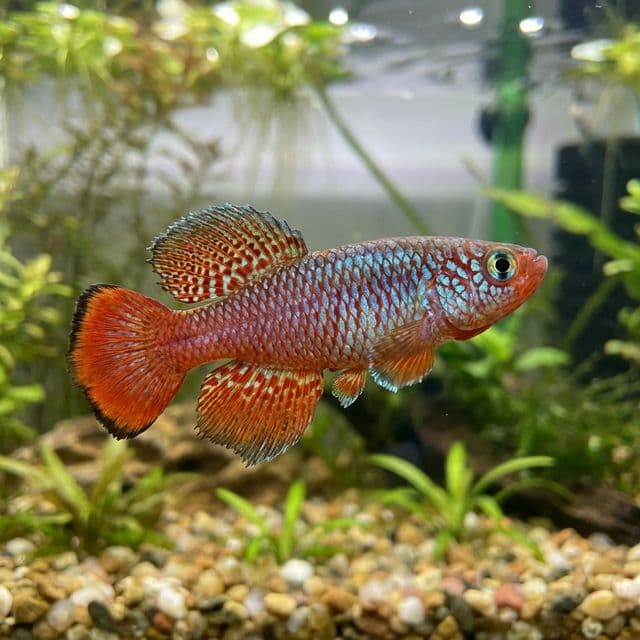
The Striatum Killifish, scientifically known as Aphyosemion striatum, is a captivating species native to West Africa, particularly the regions around Cameroon and Nigeria. This small and colorful fish is a popular choice among aquarists due to its striking appearance, characterized by vibrant hues of orange, red, and blue-green. The exquisite color patterns and elongated fins add an elegant touch to any aquarium, making it a sought-after addition for both novice and experienced hobbyists. Beyond its visual allure, the Striatum Killifish holds a significant place in the aquarium hobby as an ambassador of the rich biodiversity found in African freshwater ecosystems.
In the context of the aquarium hobby, the Striatum Killifish is more than just eye candy; it symbolizes the growing interest in niche species that highlight the uniqueness of biodiversity. Its interactive nature and intriguing behavior provide aquarists with an engaging experience. As part of the killifish family, it displays fascinating breeding rituals and parenting behaviors that can further enrich the aquarium environment. This makes it not only an attractive specimen but also an educational one, showcasing the complexities of fish behavior in a controlled setting.
Natural Habitat & Origin
The Striatum Killifish hails primarily from the freshwater streams and swamps of Cameroon and Nigeria, where it thrives in the warm, slow-moving waters of tropical rainforests. These habitats are characterized by low light penetration due to the dense canopy above and are typically rich in organic material such as leaf litter and decaying plant matter. The waters in these areas are often classified as blackwater, which means they are stained dark due to the humic acids and tannins released from decomposing vegetation. This specific environment is crucial for the survival of Aphyosemion striatum, which has adapted to the unique chemical and physical conditions found in its native range.
The geological context of the Striatum Killifish's natural habitat also plays a critical role in its adaptability. The local ecosystems feature a mix of stagnant and flowing water, which helps to foster a diverse food web, providing the nutrients necessary for the growth and reproduction of this species. Understanding these natural conditions is essential for recreating an optimal aquarium environment, ensuring that navigating the nuances of its care and breeding can lead to successful long-term maintenance in captivity.
Care Requirements
When it comes to caring for Striatum Killifish, replicating their natural habitat is fundamental. The ideal water parameters include a pH range of 6.0 to 7.5, a temperature between 22°C to 28°C (72°F to 82°F), and soft to moderately hard water with a hardness of 1 to 10 dGH. Achieving correct water parameters is vital for maintaining their health and encouraging natural behavior.
In terms of tank setup, a minimum tank size of 20 gallons is recommended to provide ample swimming space. The substrate should be fine and dark, mimicking the natural leaf litter of their habitat, while decorations like driftwood and dried leaves can enhance both aesthetics and functionality, providing hiding spots. Lighting should be dim to replicate their native, shaded environment, and live plants such as Java moss or anubias not only beautify the tank but also offer shelter and spawning grounds.
Diet & Feeding
Striatum Killifish are omnivores, meaning they require a balanced diet that includes both plant-based and animal-based foods. A varied diet will ensure optimal health and vibrant coloration. High-quality flakes or pellets tailored for tropical fish can serve as a primary food source. Additionally, frozen or live foods such as daphnia, brine shrimp, and bloodworms should be offered regularly to enhance their diet and stimulate natural hunting behavior. Offering a diverse range of foods not only promotes a healthy appetite but also allows for more enriching feeding experiences for these dynamic fish.
Behavior & Temperament
Striatum Killifish exhibit peaceful and social behavior, making them suitable for community tanks, although they can be territorial, especially during the breeding season. In their natural habitat, they are known to inhabit the mid to upper layers of the water column, often darting around in search of food or shelter. While they do not typically school like some other species, they thrive when kept in small groups of at least four to six individuals, allowing them to display their natural behavioral traits without undue stress. An adequate space and environmental enrichment will help mitigate any potential territorial disputes.
Tank Mates
Choosing the right tank mates for Striatum Killifish is essential for maintaining a harmonious aquarium environment. Compatible species include small, peaceful fish such as neon tetras, guppies, and ember tetras. Other suggestions include small rasboras and certain species of Corydoras catfish. It's critical to avoid larger or aggressive species that may view the Striatum Killifish as a target. Fish such as bettas or cichlids, which can be territorial or assertive, should be excluded from community tanks housing these delicate killifish.
Breeding
Breeding Striatum Killifish in captivity can be a rewarding endeavor, as this species exhibits intriguing spawning behavior. They typically engage in a process known as "egg scattering," where the female lays eggs among fine-leaved plants or spawning mops, which mimic their natural breeding substrates. It is crucial to maintain slightly softer water (pH 6.0 to 6.5) and a temperature around 25°C (77°F) to encourage successful spawning. After a short spawning period of a few days, it is advisable to remove the adults to prevent them from eating the eggs. Eggs usually hatch within 10 to 14 days, depending on the temperature, and the fry should be fed infusoria or finely crushed flakes until they are large enough for small live or frozen foods.
Common Health Issues
Striatum Killifish are generally hardy fish; however, they can still be prone to some common aquarium diseases. These include fin rot, ich, and velvet, typically attributed to poor water quality or stress. To prevent health issues, regular water changes and maintaining optimal water parameters are crucial. Additionally, quarantining new fish before introducing them to the main tank can minimize the risk of introducing disease. Regular observation for signs of distress or illness, such as lethargy, abnormal swimming patterns, or discoloration, allows for early intervention and treatment, ensuring the ongoing health and vitality of these fascinating fish.