Striped Barb: Puntius lineatus
An 8cm barb with clean horizontal stripes. Peaceful by barb standards, shoals in sixes, and wants room to swim lengthways.
Striped Barb
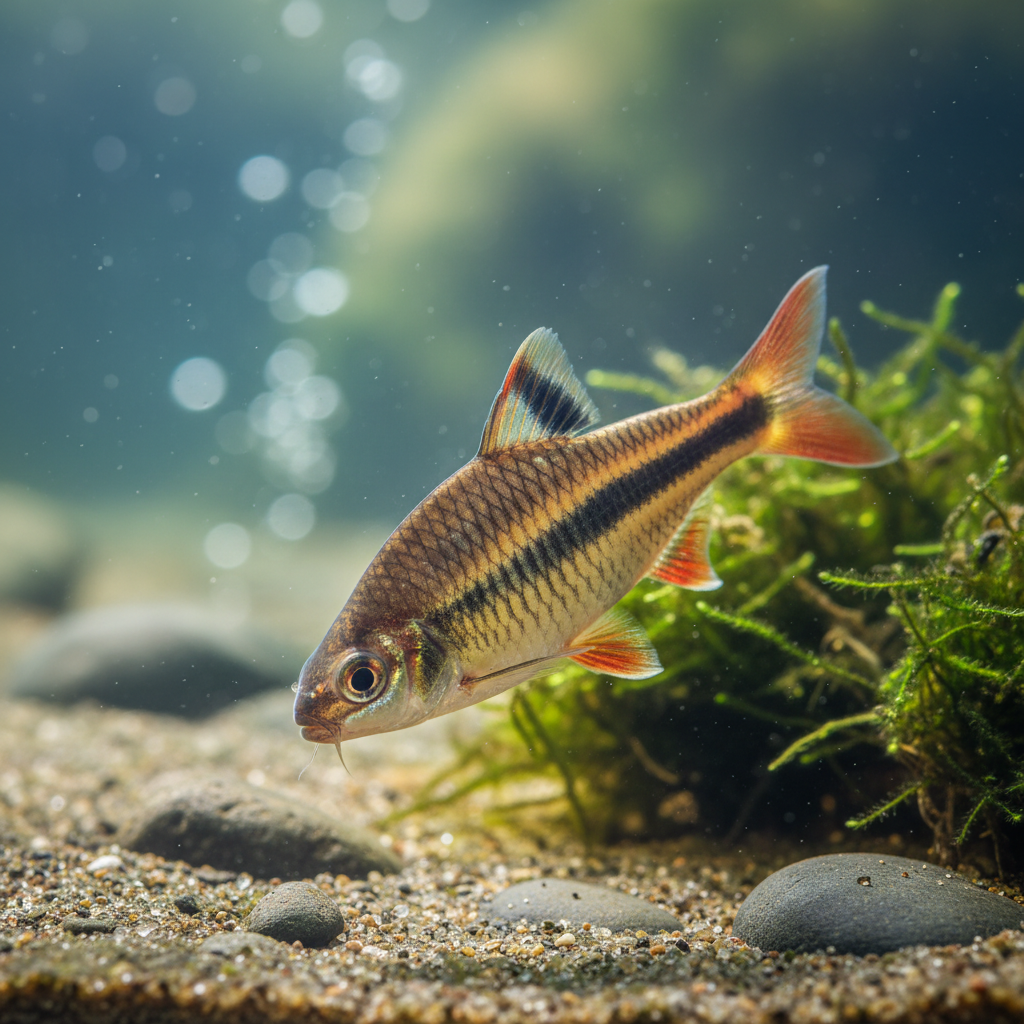
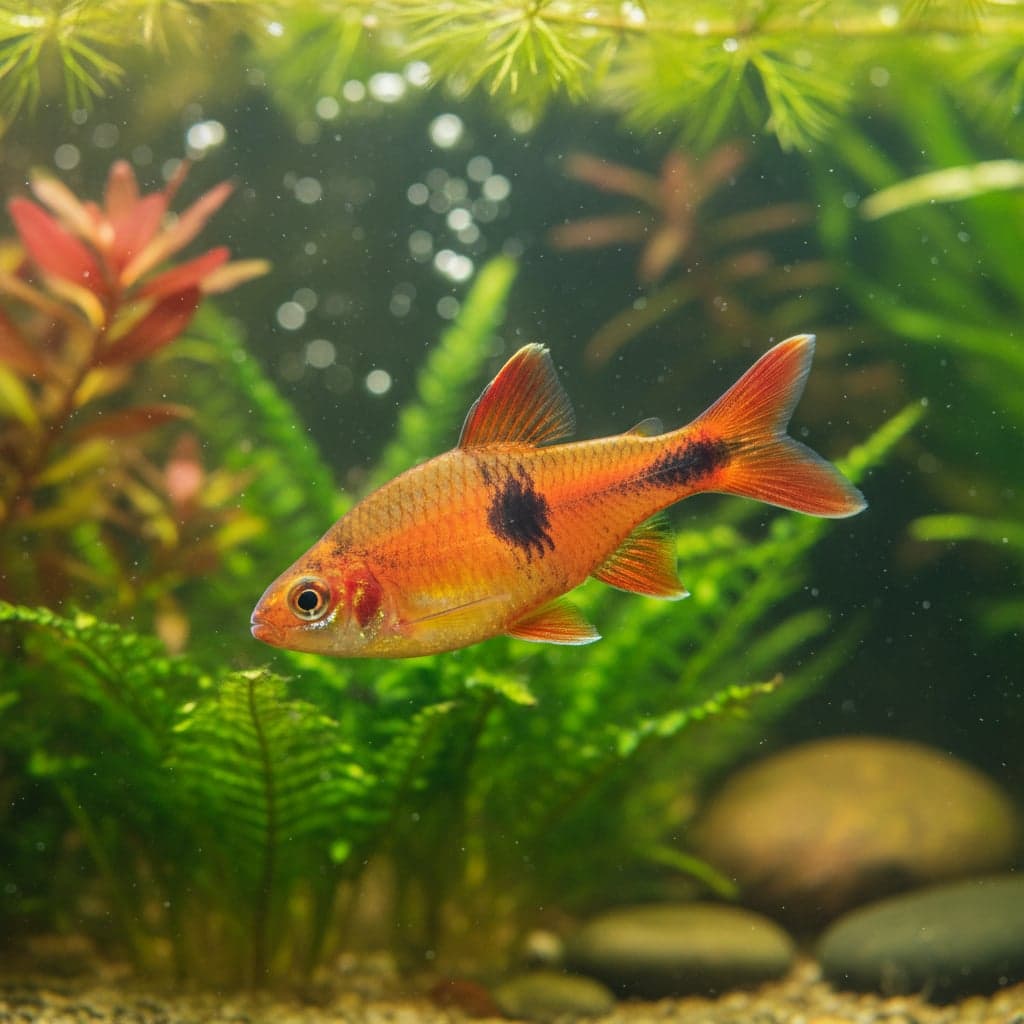
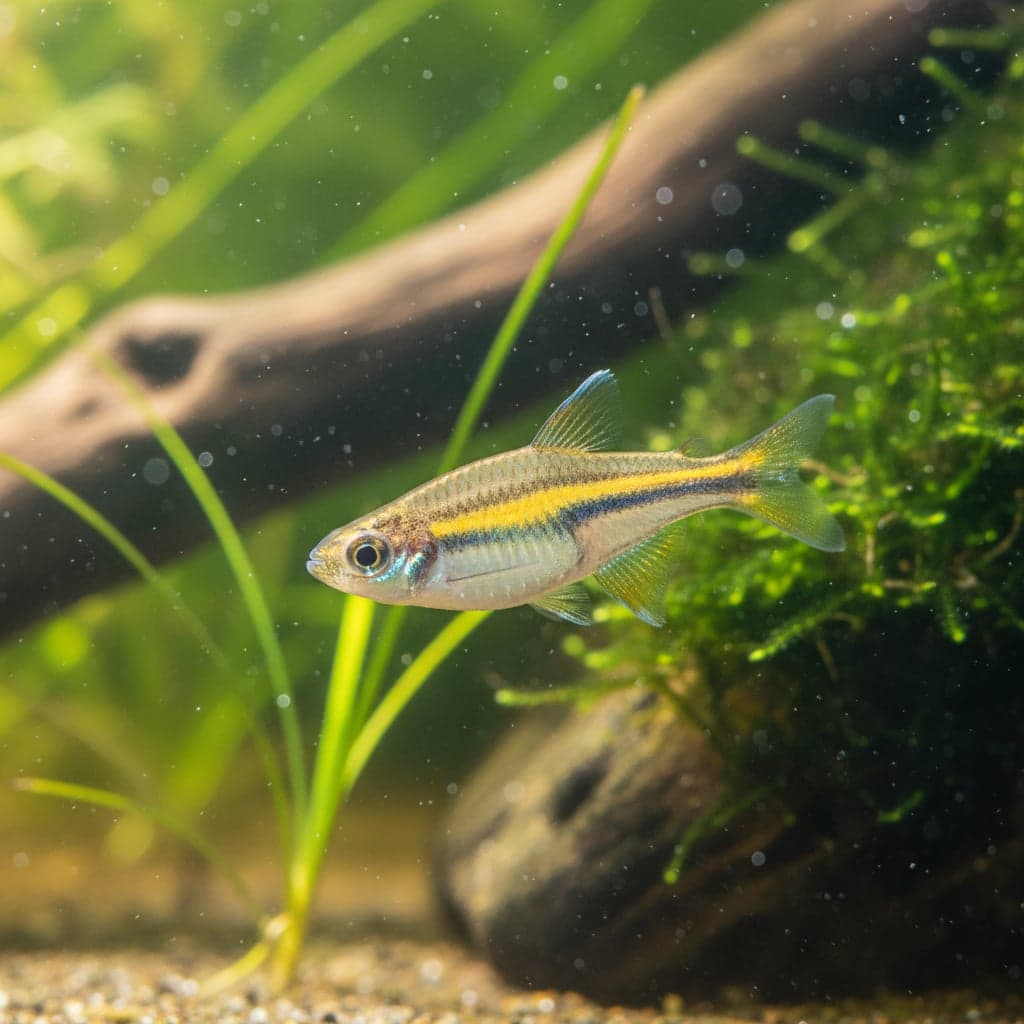
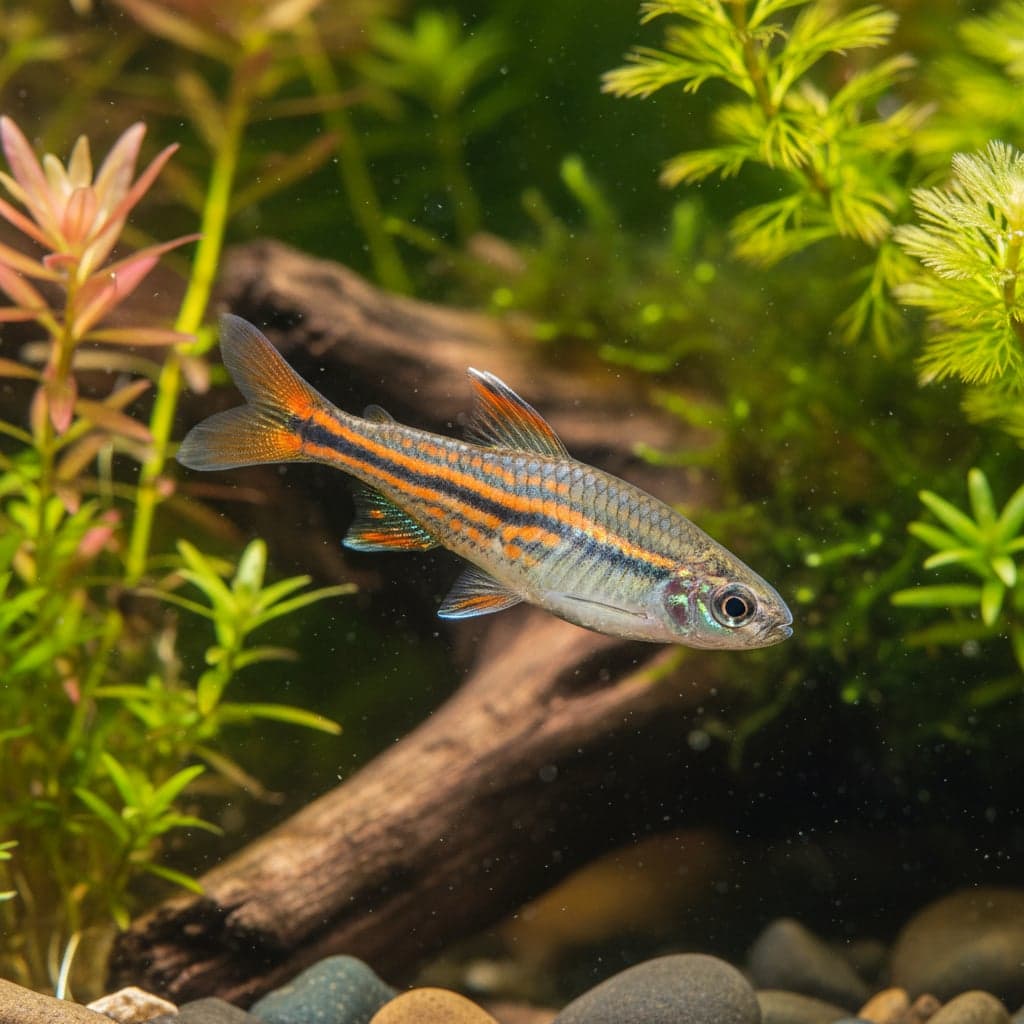
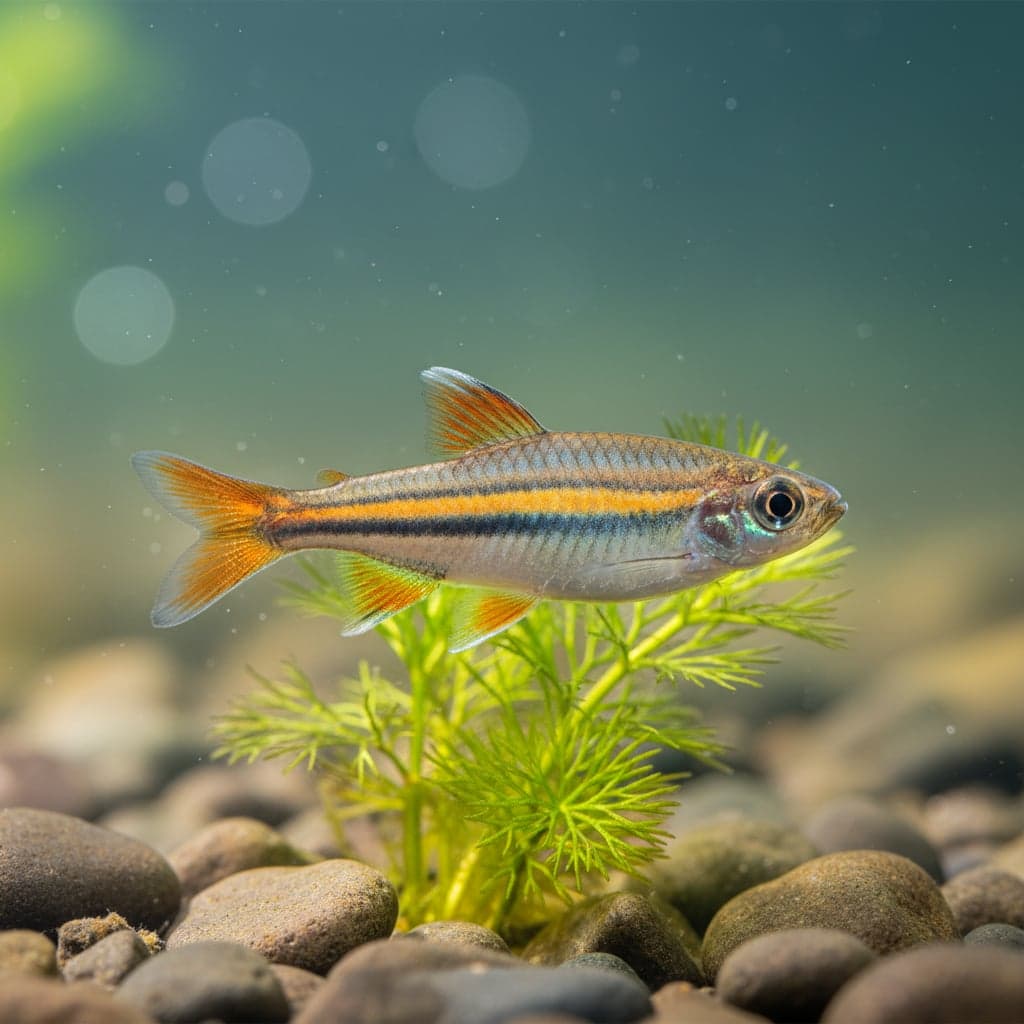
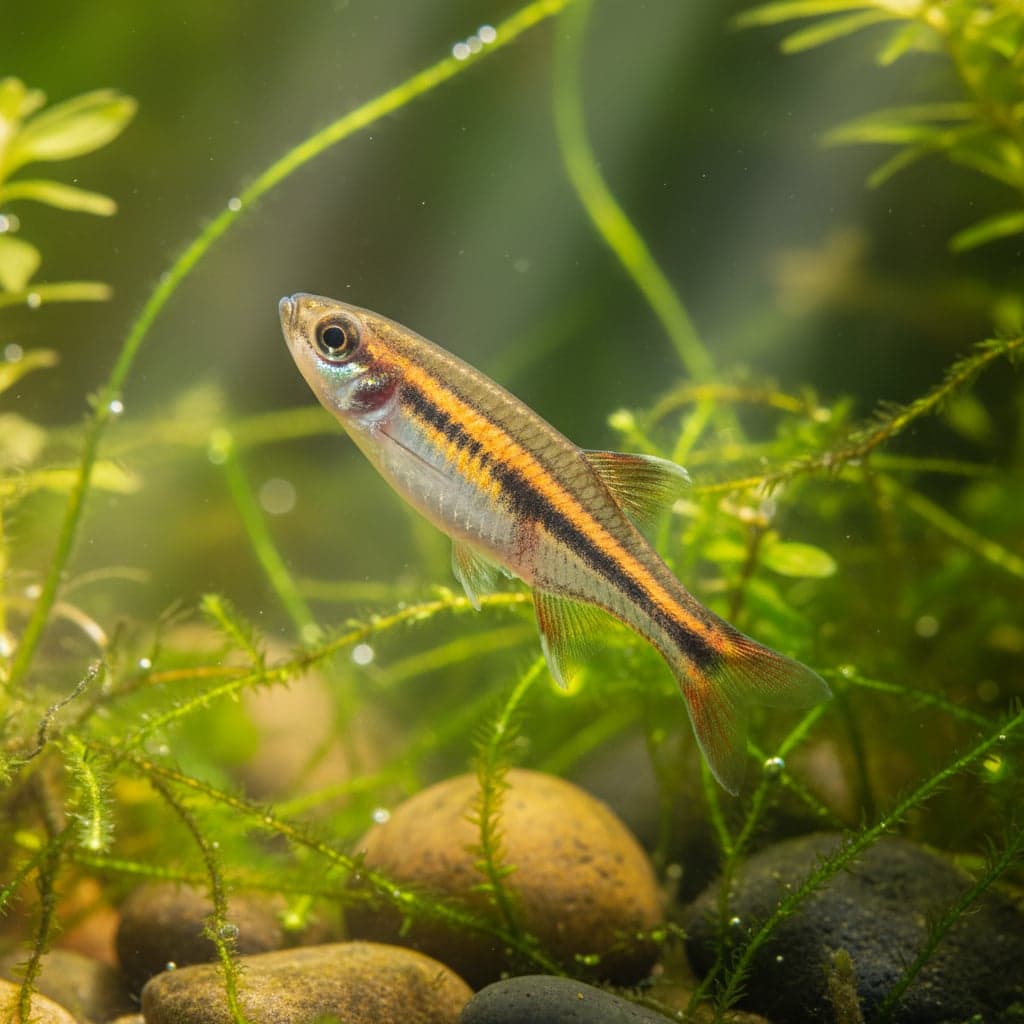
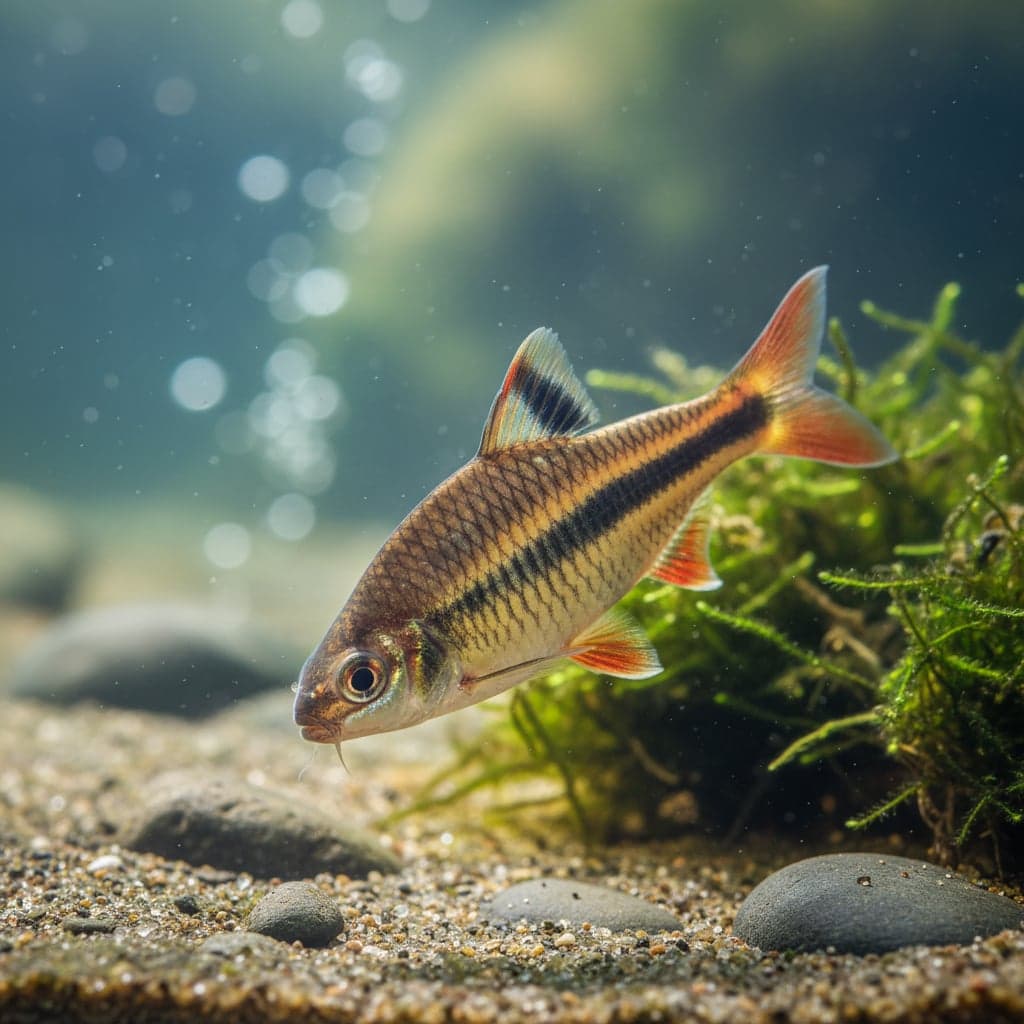
The Striped Barb, scientifically known as Puntius lineatus, is a small yet dazzling freshwater fish that captivates aquarists with its vibrant appearance and dynamic personality. This species features a distinct pattern of horizontal stripes that run along its body, complemented by a shimmering silver undertone. The juveniles sport more pronounced stripes, making them particularly appealing, while the adults boast vibrant coloration, often displaying hues of golden yellow and deep orange, especially when kept in optimal conditions. Their striking appearance, along with their active behavior, makes Striped Barbs a popular choice in community aquariums.
Historically significant in the aquarium hobby, Striped Barbs are not only praised for their aesthetic qualities, but they also contribute to the biodiversity of aquariums. These fish are known for their playful nature and are often seen darting through the tank in schools. Their presence encourages a lively atmosphere, enhancing the overall viewing experience. Additionally, as a species that thrives in community settings, they help to promote a balanced aquatic environment when housed with compatible tank mates. Whether you are a novice or an experienced aquarist, adding Striped Barbs can undoubtedly enrich your aquarium.
Natural Habitat & Origin
The Striped Barb is primarily indigenous to the freshwater streams and rivers of Southeast Asia, specifically found in countries like Indonesia, Malaysia, and Thailand. These waters are typically characterized by their clear, flowing nature, with temperatures that fluctuate between 24°C to 28°C (75°F to 82°F). Striped Barbs typically inhabit areas with a moderate flow, where the substrate consists of fine sand and gravel, interspersed with plenty of vegetation, which provides cover and breeding sites. Unlike many other species that prefer heavily shaded environments, the Striped Barb is often found in well-lit areas, showcasing their beautiful coloration against the natural backdrop.
The environmental context of their natural habitat is crucial to understanding their care requirements in captivity. These waters tend to be slightly acidic to neutral in pH, ranging from 6.0 to 7.5, and are generally low to moderately hard. Given their origins in a balanced freshwater environment, it’s important for aquarists to replicate these conditions as closely as possible to ensure the well-being and longevity of these fish in home aquariums.
Care Requirements
Striped Barbs thrive in well-maintained tanks with specific water parameters that cater to their needs. Ideally, the water pH should be maintained between 6.5 to 7.5, with a temperature range of 24°C to 28°C (75°F to 82°F). These fish prefer a water hardness level between 5 to 15 dGH, which mimics their natural habitat and supports overall health. A minimum tank size of 20 gallons is recommended to accommodate a small school of these active swimmers.
When setting up the tank, opting for a substrate of fine gravel or sand will promote a more natural environment. Incorporating live plants not only enhances aesthetic appeal but also provides hiding spots and spawning areas. Additionally, moderate to bright lighting will help to highlight their striking colors, while ensuring plenty of open swimming space. A gentle filtration system is advised to maintain water clarity and quality without creating excessive current, as the Striped Barb prefers slightly calmer waters.
Diet & Feeding
The Striped Barb is an omnivorous species, which means its diet in captivity should consist of a varied mix of both plant and animal-based foods. High-quality flake or pellet foods specifically designed for community fish should form the basis of their diet. In addition to commercial feeds, it is beneficial to incorporate frozen or live foods such as brine shrimp, daphnia, and bloodworms to promote vibrant coloration and overall health. Supplementing with vegetables such as blanched spinach or zucchini can provide necessary fiber and contribute to their diet diversity.
Offering a balanced diet not only helps maintain their vivid colors but also supports their active lifestyle. When feeding, it's advisable to provide small amounts two to three times a day to ensure that all fish can eat while preventing overfeeding, which can lead to water quality issues.
Behavior & Temperament
The Striped Barb is recognized for its lively and sociable nature, making it an excellent addition to community aquariums. They are highly social creatures that thrive when kept in groups of six or more, as schooling behavior is essential for their well-being. These fish display a lively disposition, often seen darting about and engaging with one another. While they can exhibit some territorial behavior, particularly during breeding, they are generally peaceful and can coexist with a variety of other species.
In terms of tank placement, Striped Barbs frequently occupy the mid to upper water column. Their active swimming habits and playful interactions with their peers promote a vibrant atmosphere in the aquarium. This active social behavior also aids in reducing stress levels among individuals and enhances the overall health of the aquarium community.
Tank Mates
The Striped Barb is compatible with a wide range of community fish, making it a versatile choice for aquarists seeking to create a harmonious tank environment. Suitable tank mates include other barbs, tetras, danios, and peaceful cichlids such as dwarf cichlids. It is important to avoid aggressive species or overly territorial fish that may harass the Striped Barb, which can lead to stress and health issues. Avoiding larger, predatory fish is also essential, as they may see the Striped Barb as potential prey.
When choosing tank mates, factor in the potential size of the species and their corresponding behavior patterns. A diverse selection of compatible fish will both enhance the visual appeal of the aquarium and promote a more naturally balanced ecosystem.
Breeding
Breeding Striped Barbs in captivity can be a rewarding experience for aquarists. These fish are egg scatterers, meaning they do not exhibit parental care after spawning. To encourage breeding, a separate breeding tank with a capacity of at least 10 gallons is recommended, featuring fine mesh or spawning mops to provide suitable surfaces for egg attachment. Water conditions should reflect those of a slightly acidic to neutral pH (around 6.5-7.0) and a temperature of approximately 25°C to 27°C (77°F to 81°F).
To initiate spawning, increase the frequency and amount of high-quality live foods provided to the breeding pair, simulating their natural breeding conditions. Once spawning occurs and the eggs are laid (typically within a few days), it's advisable to remove the adult fish to prevent them from consuming the eggs. With optimal conditions and proper care, the eggs will hatch within 24 to 48 hours, and the fry will require finely powdered foods or specialized fry food until they are large enough to consume regular fish flakes.
Common Health Issues
Striped Barbs are generally hardy fish, but like any aquarium species, they are prone to certain health issues. Common diseases include ich (ichthyophthirius), fin rot, and dropsy. Preventative measures such as maintaining optimal water quality, regular tank maintenance, and quarantine for new arrivals can significantly reduce the risk of diseases.
It's essential to watch for signs of stress or illness, such as changes in behavior, loss of appetite, or visible signs of parasites and lesions. Early intervention can often mitigate serious health issues, keeping your Striped Barbs happy and thriving. Ensuring a balanced diet and appropriate tank conditions will go a long way toward preventing most problems and keeping a lively school.