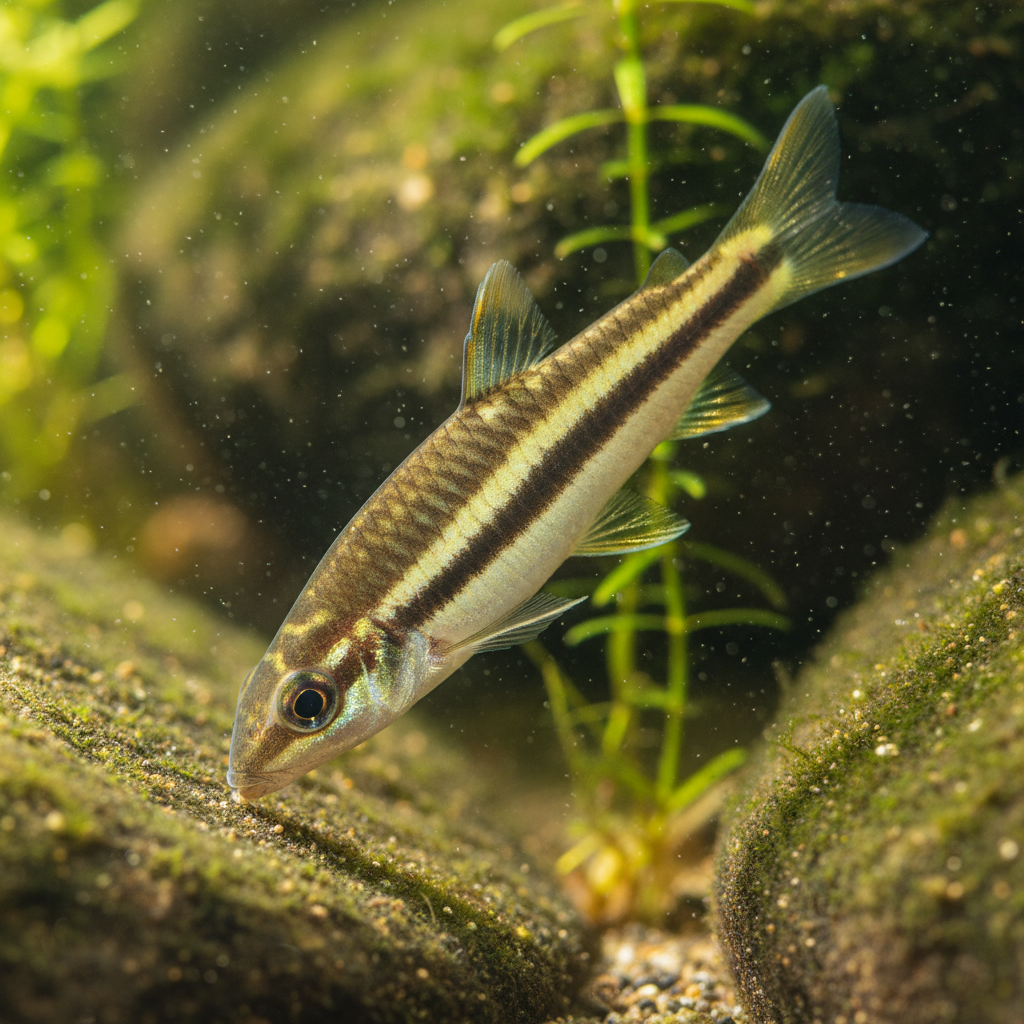
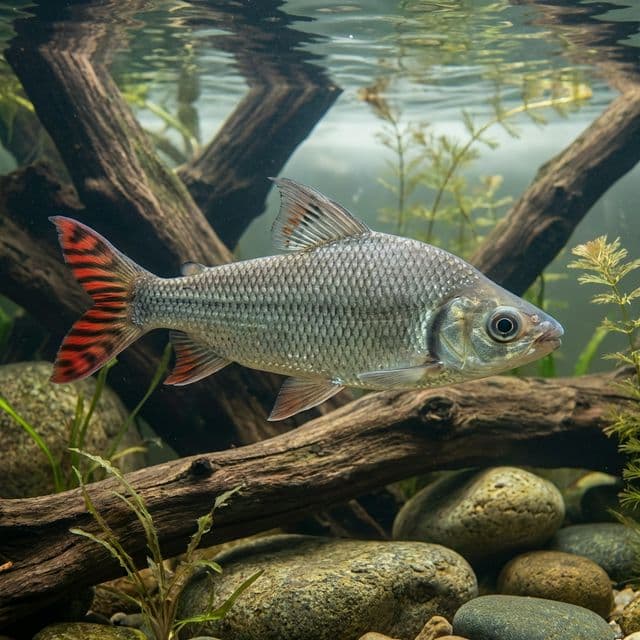
Striped Headstander: Anostomus anostomus
A 20cm headstander with bold gold and black banding. Territorial with its own kind, so keep one alone or a group of five plus.

Striped Headstander
The Striped Headstander, scientifically known as Anostomus anostomus, is a captivating freshwater fish that has increasingly gained popularity among aquarium enthusiasts. Characterized by its elongated body and striking colors, this species can display vibrant greenish-yellow stripes against a silver background, making it both visually appealing and engaging to observe in the aquarium environment. The Striped Headstander's unique swimming posture adds an extra layer of fascination; it often positions itself vertically or near the substrate, creating a dynamic display within a well-maintained setup.
This fish is not only admired for its appearance but is also significant within the aquarium hobby due to its sociable nature and adaptability. Striped Headstanders are known for their inquisitive behaviors and interactive dispositions, making them attractive candidates for community tanks. They bring both aesthetic beauty and liveliness to aquariums, encouraging hobbyists to create more naturalistic environments that mimic their native habitats while fostering an appreciation for biodiversity.
Natural Habitat & Origin
The Striped Headstander hails from the slow-moving rivers, streams, and floodplains of South America, primarily found in countries such as Venezuela, Colombia, and Brazil. These fish thrive in a range of habitats, from blackwater to clearwater systems, but they particularly favor darker, tannin-stained waters that are often rich in leaf litter and submerged vegetation. The conditions in these environments typically include a soft substrate and plenty of hiding spots, contributing to the Striped Headstander’s comfort and security in its natural habitat.
The ecological context of these environments plays a crucial role in the development and behavior of the Striped Headstander. The slow currents of their native waters are filled with organic debris, serving as a food source while providing ample cover from predators. As a result, replicating these environmental conditions in captivity is essential for their health and overall well-being.
Care Requirements
When caring for Striped Headstanders, it is essential to maintain specific water parameters to ensure their health and happiness. Ideally, the water temperature should be maintained between 24°C and 28°C (75°F to 82°F), and the pH should range from 6.0 to 7.5. A water hardness of 5 to 15 dGH will also contribute to the well-being of these fish. Given their size, providing a minimum tank size of 100 liters (approximately 26 gallons) is recommended to allow them ample space to swim and exhibit natural behaviors.
In designing a tank setup for Striped Headstanders, it is recommended to use a soft substrate, such as sand or fine gravel, to mimic their natural habitat. Incorporating a variety of plants, especially floating varieties and dense vegetation, will create a more comfortable environment. Additionally, providing adequate lighting to promote plant health and improve visibility is essential. A well-planted aquarium with hiding spots will not only enrich their environment but also contribute to their overall mental well-being.
Diet & Feeding
Striped Headstanders are omnivorous and enjoy a varied diet. In the wild, they primarily feed on plant material, small invertebrates, and detritus found in their habitat. This dietary flexibility translates well to the aquarium setting, where they will readily accept high-quality flakes, pellets, and granules designed for omnivorous fish. To ensure a balanced diet, it is important to supplement their meals with frozen or live foods such as brine shrimp, bloodworms, and daphnia, which can stimulate their natural hunting instincts.
Feeding should be done in controlled amounts to prevent overfeeding, as these fish can be prone to obesity if provided excessive food. It is also advisable to offer a mix of both vegetable-based and protein-rich foods to meet their nutritional needs. Regular dietary variety will encourage healthy growth and vibrant coloration, enhancing their visual appeal.
Behavior & Temperament
The Striped Headstander is known for its peaceful temperament and social behavior. These fish are best kept in small groups of six or more, as they exhibit schooling behavior, which reduces stress and encourages natural activity levels. They tend to establish a hierarchy within a group though they are generally calm and not aggressive.
Interestingly, Striped Headstanders often position themselves vertically near the substrate, an unusual behavior that captivates aquarium enthusiasts. While they can be somewhat shy, especially in new environments, providing enough cover with plants and decorations will help them feel secure. They thrive in community tanks with compatible species, allowing them to explore their surroundings and interact with other fish.
Tank Mates
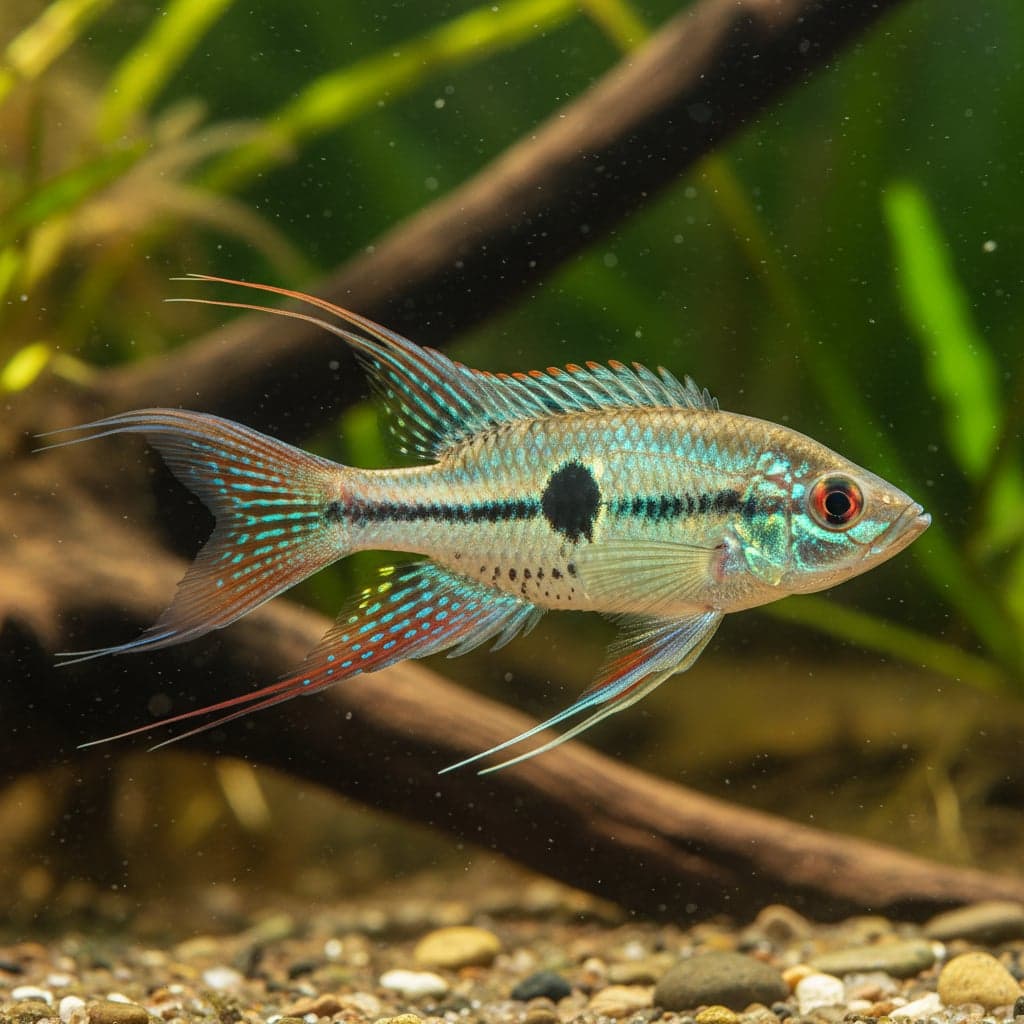
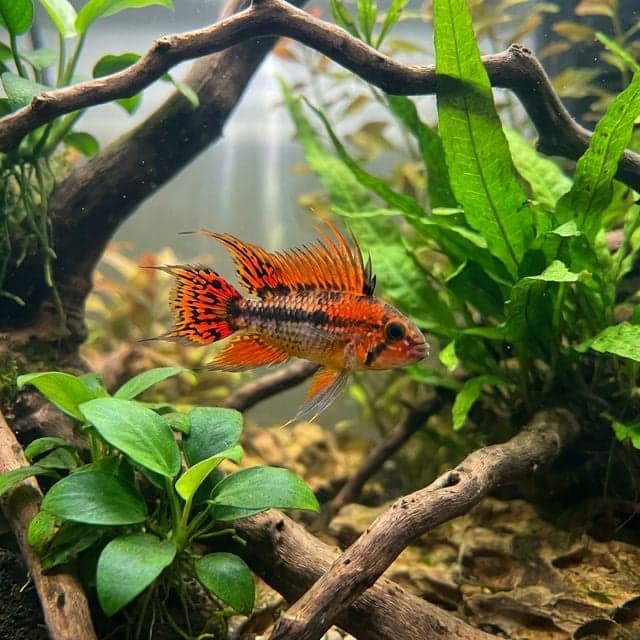
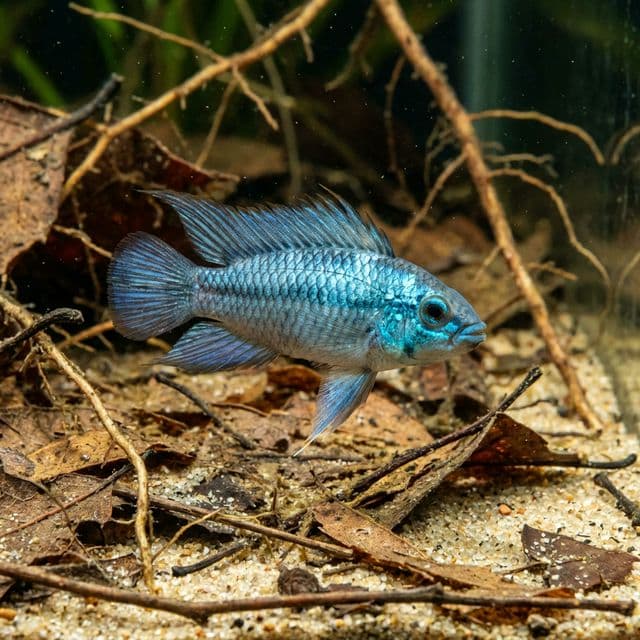
When selecting tank mates for Striped Headstanders, it is important to choose species that match their temperamental and spatial needs. Compatible species include medium-sized tetras, danios, rasboras, and peaceful cichlids like Apistogramma and keyhole cichlids. It is advisable to avoid larger or aggressive species that may intimidate or prey on the Striped Headstander.
Incompatible tank mates would include very small fish, as they may be regarded as potential prey, and overly aggressive species such as larger cichlids or barbs. Maintaining a peaceful community where Striped Headstanders can coexist with similarly sized and temperamental fish is essential for promoting harmony within the aquarium.
Breeding
Breeding the Striped Headstander in captivity can be a rewarding endeavor, although it may require specific conditions. These fish are ovophilic spawners, meaning they lay eggs on a flat surface, often preferring to do so in the presence of fine-leaved plants or spawning mops. To encourage breeding, maintain the water temperature around 27°C (80°F) and slightly lower the pH to create optimal conditions.
Introducing a breeding pair into a separate tank may increase the chances of successful spawning. After laying eggs, the parent fish usually exhibit protective behaviors toward their offspring. It's essential to remove the adult fish once spawning has concluded to prevent them from eating the eggs. The fry typically hatch within 24 to 48 hours and should be fed with finely crushed flakes or infusoria until they grow sufficiently to accept larger foods.
Common Health Issues
Like all aquarium fish, Striped Headstanders can be susceptible to certain health issues, including ich (Ichthyophthirius multifiliis), fin rot, and even certain forms of bacterial infections. Providing a stable environment with proper water parameters, regular maintenance, and a varied diet will greatly reduce the risk of these diseases.
Prevention is key when it comes to maintaining fish health. Quarantining new arrivals, monitoring tank conditions, and implementing a routine water change schedule can significantly enhance the overall stability of the aquarium ecosystem. It is also beneficial to keep a watchful eye on the behavior and appearance of your Striped Headstanders, as early detection of any issues will lead to more effective treatment. Regular observation paired with appropriate preventive measures will ensure a long, healthy life for your Striped Headstanders.