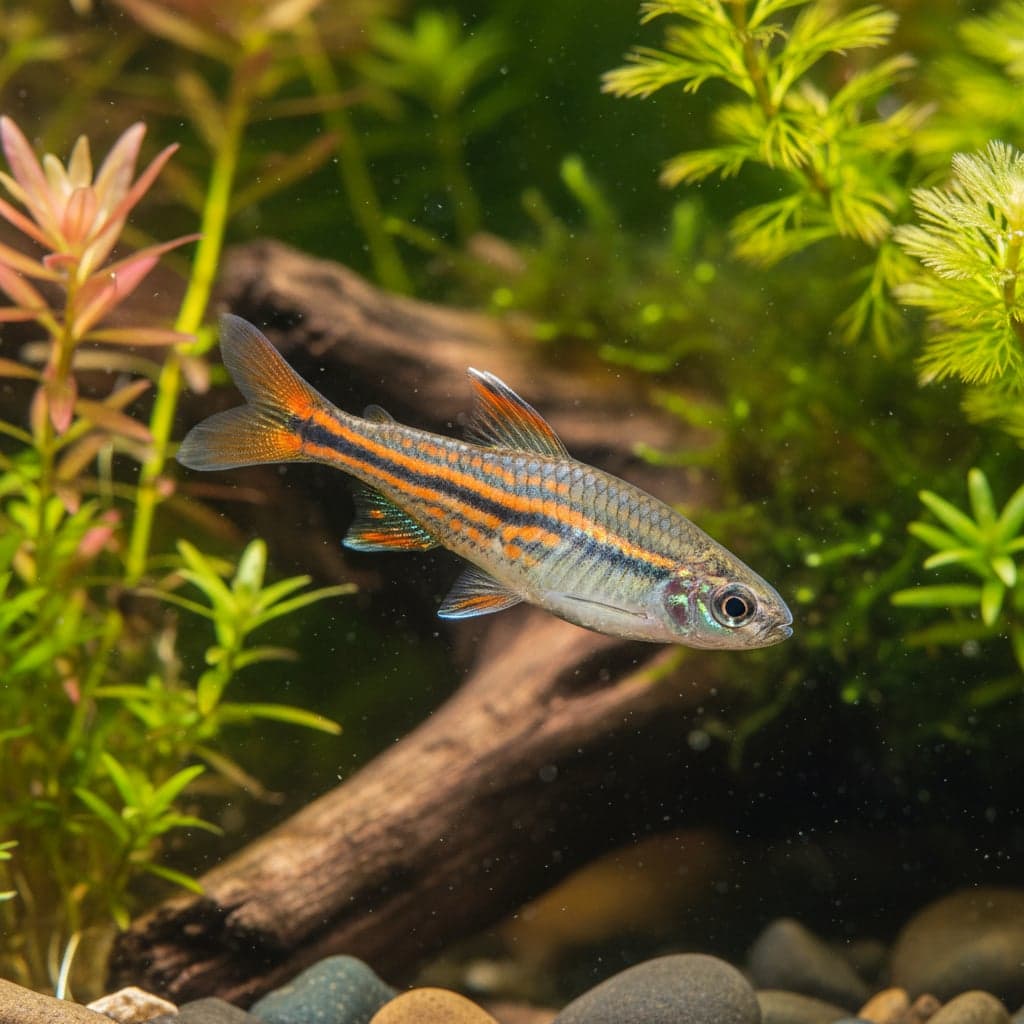
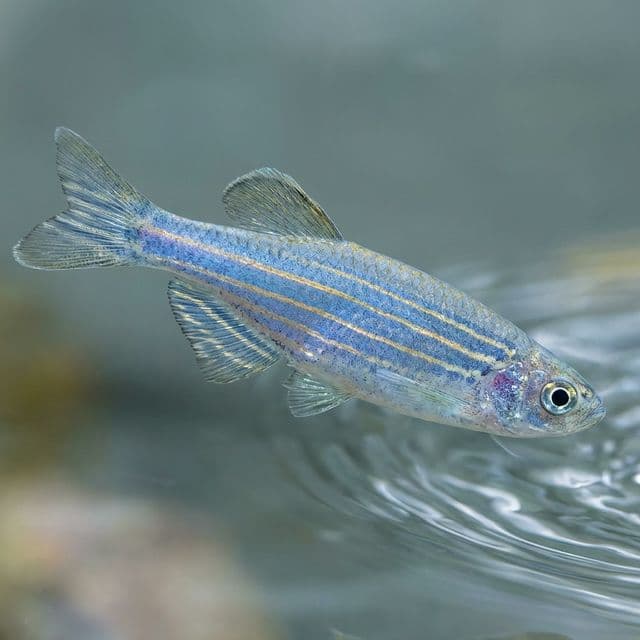
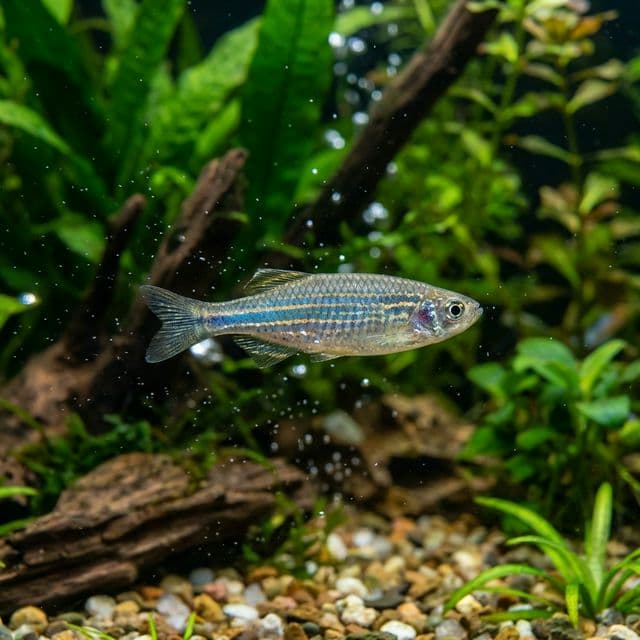
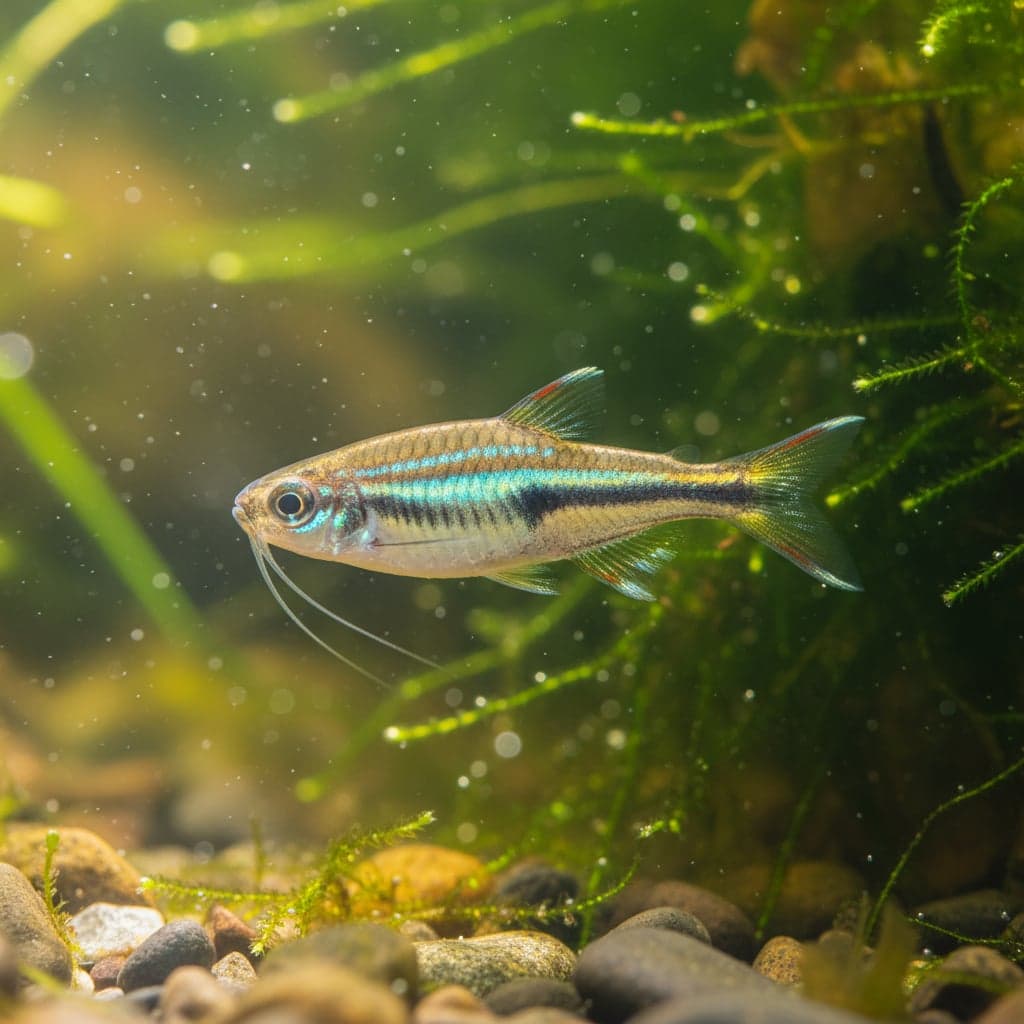
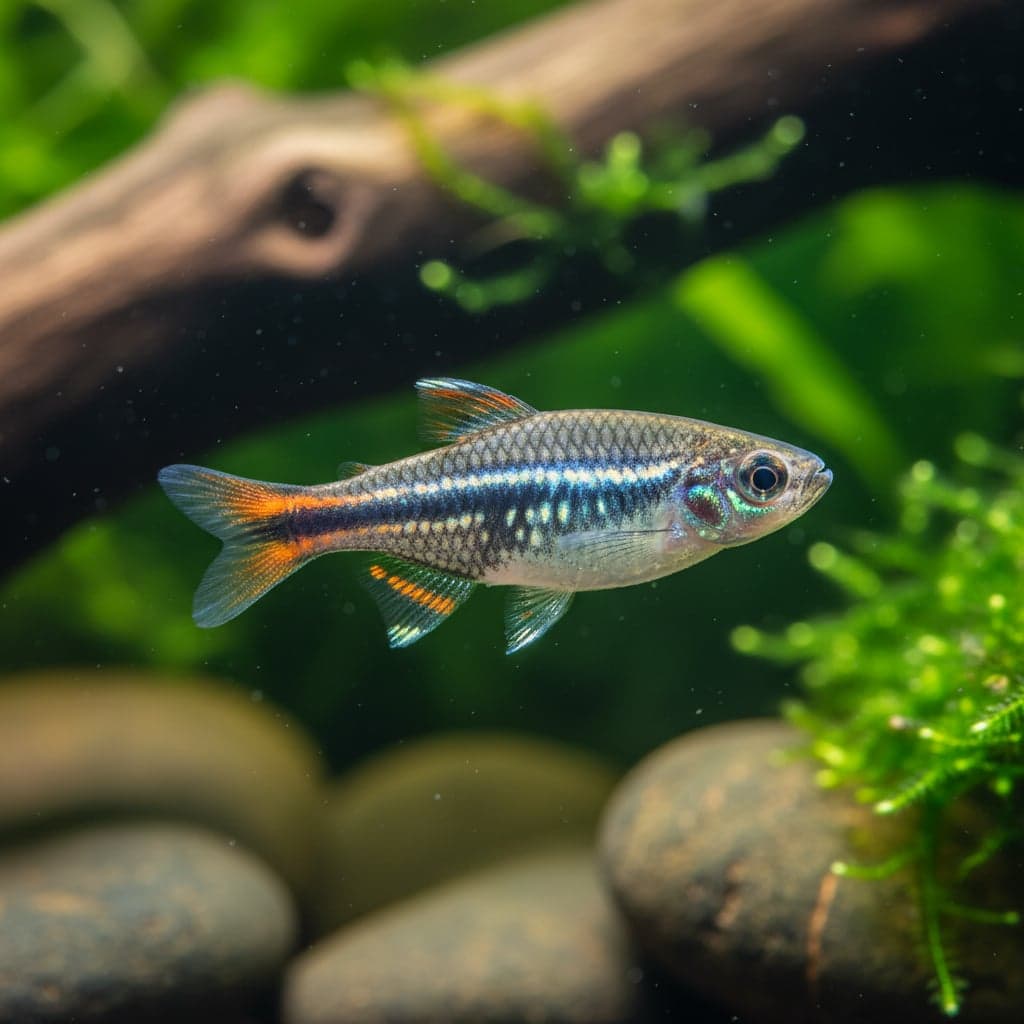
Striped Orange-finned Danio: Danio kyathit
A 5cm danio, fast and constantly moving. Needs a long tank, a group of eight or more, and a lid — danios jump.
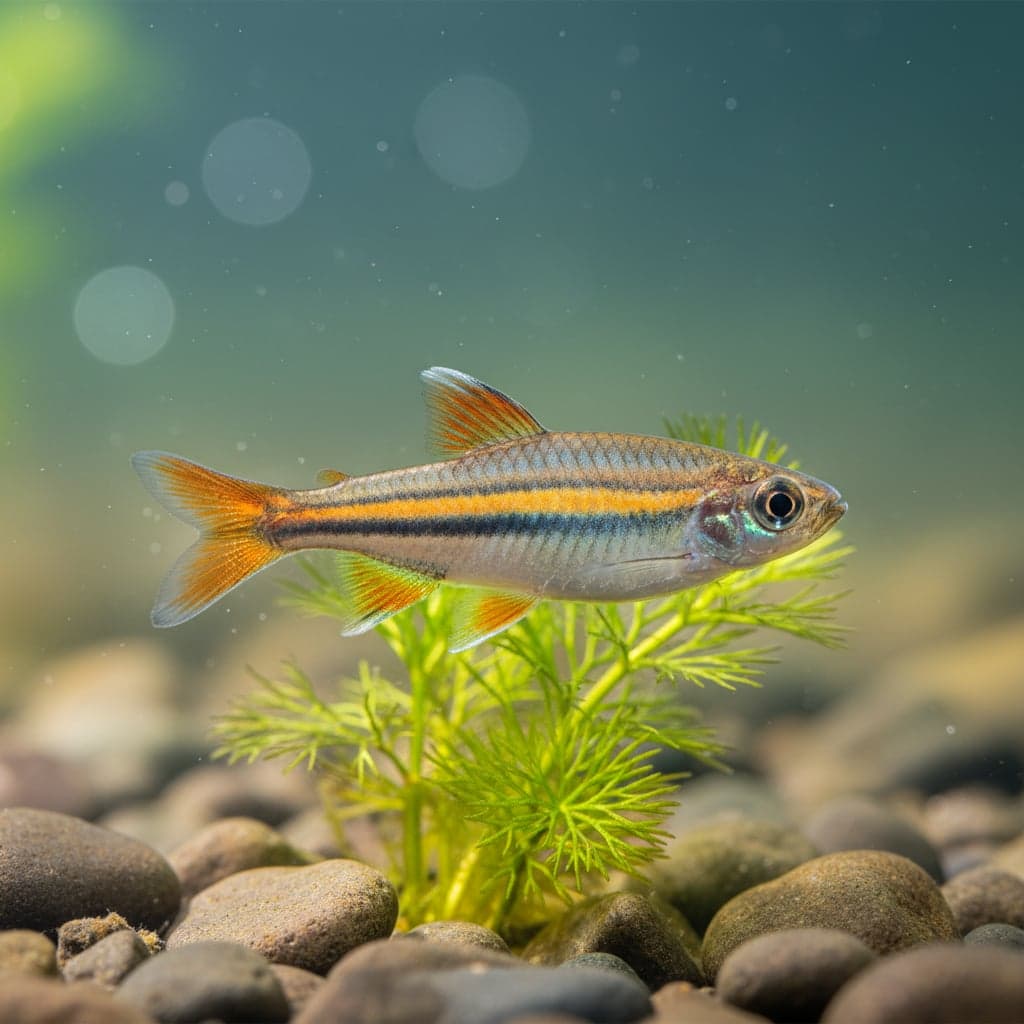
Striped Orange-finned Danio
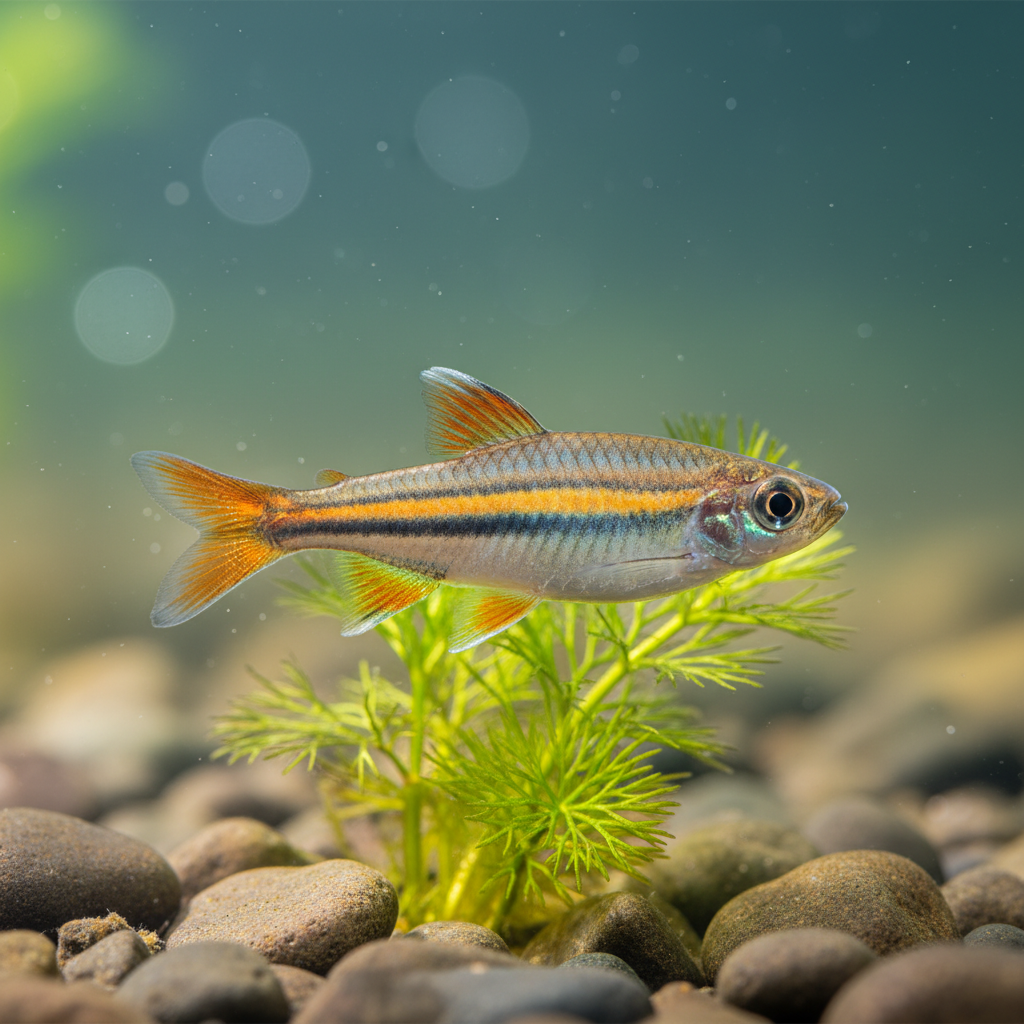
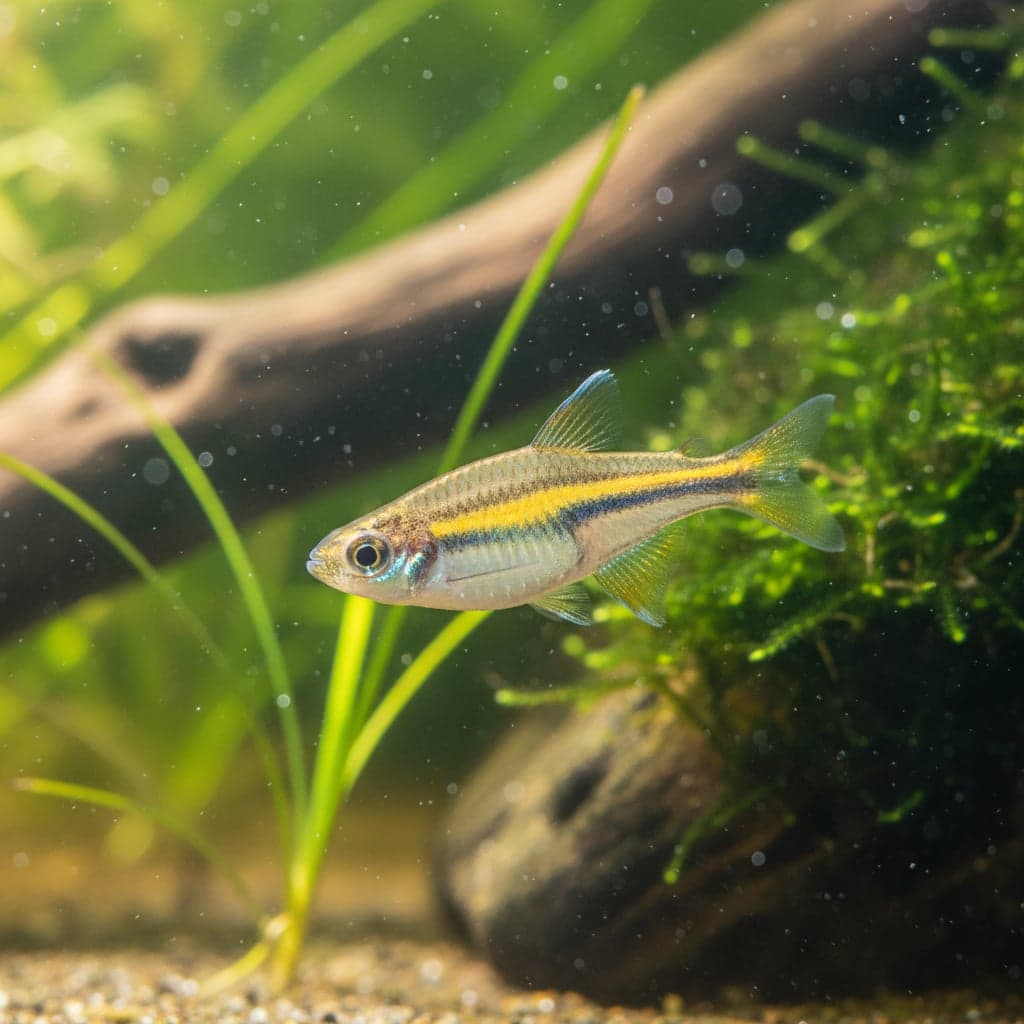
The Striped Orange-finned Danio (Danio kyathit) is a captivating species known for its stunning coloration and lively activity, making it a popular choice among aquarium enthusiasts. This small freshwater fish showcases a striking striped pattern along its body, complemented by vivid orange fins that add an extra flair to its appearance. Adult specimens typically measure between 2 to 3 inches in length, and their graceful swimming patterns enhance their visual appeal, making them a delightful addition to any community tank. The combination of their eye-catching looks and dynamic behavior has positioned the Striped Orange-finned Danio as a staple in the aquarium hobby, particularly for those who appreciate active and visually engaging fish.
Originating from the rivers of Southeast Asia, particularly Myanmar, the Striped Orange-finned Danio thrives in its native freshwater habitats, which are often characterized by flowing waters and plenty of plant life. This species has gained popularity not only for its aesthetic qualities but also for its resilience and hardiness, traits that make it particularly suitable for novice aquarists. The fish's vibrant colors and playful nature contribute to its significance in aquaristics, as it serves as a vivid living ornament in aquariums while promoting biodiversity awareness among hobbyists.
Natural Habitat & Origin
The Striped Orange-finned Danio is native to the freshwater streams and rivers of Myanmar, where it inhabits clear, flowing waters. These environments are characterized by moderate to fast currents, abundant vegetation, and varying substrates of sand and gravel. The water in these regions typically exhibits low to moderate hardness and is rich in organic materials, contributing to a balanced ecosystem that supports diverse aquatic life. The fish prefers areas with plenty of cover from plants and driftwood, as these features provide safe spots for spawning and refuge from predators.
In its natural habitat, the Striped Orange-finned Danio flourishes in waters that have pH levels ranging from 6.5 to 7.5 and temperatures between 24°C to 28°C (75°F to 82°F). These conditions mirror the care requirements recommended for keeping this species in captivity, making it crucial for aquarists to replicate these parameters in their tanks to ensure the fish's health and well-being.
Care Requirements
Providing optimal care for the Striped Orange-finned Danio involves maintaining specific water parameters and creating an ideal tank environment. The recommended water parameters include a pH of 6.5 to 7.5, a temperature range of 24°C to 28°C (75°F to 82°F), and moderate hardness between 5 to 15 dGH. A well-maintained filtration system is crucial to ensure clean water and stable conditions, as this species can be sensitive to sudden fluctuations.
When it comes to the tank setup, a minimum tank size of 20 gallons is recommended to accommodate their active swimming behavior and social nature. A substrate of fine gravel or sand allows for easy movement and protects the delicate fins of the fish. The use of live or artificial plants is beneficial, as they provide cover and enhance the visual landscape of the aquarium. A moderate lighting setup simulates natural daylight, encouraging plant growth while ensuring the comfort of the fish. Additionally, including open swimming spaces will promote the natural behaviors of the Striped Orange-finned Danio.
Diet & Feeding
The Striped Orange-finned Danio is an omnivorous fish, thriving on a diverse diet that stimulates its activity and boosts its coloration. In captivity, a varied diet comprising high-quality flake or pellet food, supplemented with fresh or frozen options, such as brine shrimp, daphnia, or bloodworms, ensures the fish receives balanced nutrition. Flake food formulated specifically for tropical fish can serve as the base diet, while the addition of frozen or live foods contributes essential nutrients, promoting optimal health and vibrancy.
Feeding should occur multiple times a day in small quantities, ensuring that all active fish can access the food. Overfeeding should be avoided to prevent water quality issues, as uneaten food can lead to excess waste and ammonia spikes. Providing a balanced diet not only supports healthy growth and development but also enhances the Striped Orange-finned Danio's natural coloration, making it an even more stunning addition to the aquarium.
Behavior & Temperament
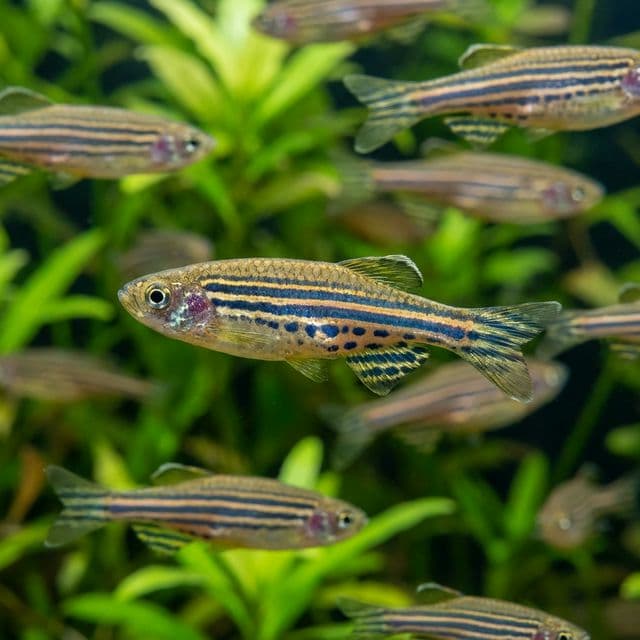
The Striped Orange-finned Danio is known for its lively and active demeanor, exhibiting bold and playful behaviors that many aquarists find captivating. This species is highly social and thrives in groups, better known as schools, which help them feel secure and reduce stress. It is recommended to maintain a minimum school of six individuals to encourage natural interaction and camaraderie among tank members.
In terms of temperament, the Striped Orange-finned Danio is generally peaceful and non-aggressive, making it an excellent community fish. However, they can exhibit some degree of territorial behavior during breeding seasons or if kept in inadequate spaces. In the aquarium, they are primarily found swimming in the upper and middle water columns, which is where they feel most comfortable. Their energetic nature and schooling habits contribute to a dynamic aquarium environment, captivating both keeper and viewer alike.
Tank Mates
Choosing suitable tank mates for the Striped Orange-finned Danio can enhance its social experience and contribute to a harmonious aquarium. Compatible species include other small, peaceful fish such as Neon Tetras, Celestial Pearl Danios, and Guppies, which share similar habitat preferences and temperaments. Additionally, small rasboras and Corydoras catfish can coexist well with the Striped Orange-finned Danio without rivalry.
It is essential to avoid pairing them with aggressive or overly large species, as this can lead to stress or conflict within the tank. Fish like cichlids or larger barbs may display aggressiveness, making them unsuitable companions. By selecting the right mix of species, aquarists can create a vibrant community tank that showcases the Striped Orange-finned Danio while respecting the needs of all inhabitants.
Breeding
Breeding the Striped Orange-finned Danio in captivity can be a rewarding experience if the right conditions are met. These fish are egg scatterers, meaning they release eggs freely in the water, usually among plants or substrate. To stimulate breeding, a separate breeding tank that mimics their natural environment should be set up, including dense plant cover and lower water levels. Conditions should also mimic their natural parameters with pH around 6.5 to 7.0 and temperatures between 24°C and 28°C (75°F and 82°F).
To induce spawning, it is recommended to condition the fish with a high-quality diet of live and frozen foods for several days. Once the fish display courtship behaviors, the female will scatter eggs in the tank while the male chases her. After spawning, adult fish should be removed to prevent them from consuming the eggs. Under optimal conditions, eggs will hatch within 24 to 48 hours, and fry should be fed infusoria or finely crushed flakes until they grow large enough for more substantial foods.
Common Health Issues
Like all aquarium fish, the Striped Orange-finned Danio can be susceptible to certain health issues. Common diseases include Ich (Ichthyophthirius multifiliis), fin rot, and velvet disease. Preventive measures involve maintaining high water quality through regular tank maintenance, including water changes and proper filtration. Additionally, ensuring a stable temperature, quarantining new arrivals, and avoiding overcrowding help prevent outbreaks. Watch for white spots, clamped fins, or lethargy, and treat promptly with nano-safe medications. Keep filtration strong and remove uneaten food quickly to protect water quality. A varied diet and a school of at least six keep Striped Orange-finned Danios colourful, active, and healthy for years.