Sturgeon: Acipenser spp.
A coldwater fish that reaches one to three metres and outgrows every home aquarium. Pond-only — and most garden ponds are still too small.

Acipenser spp.
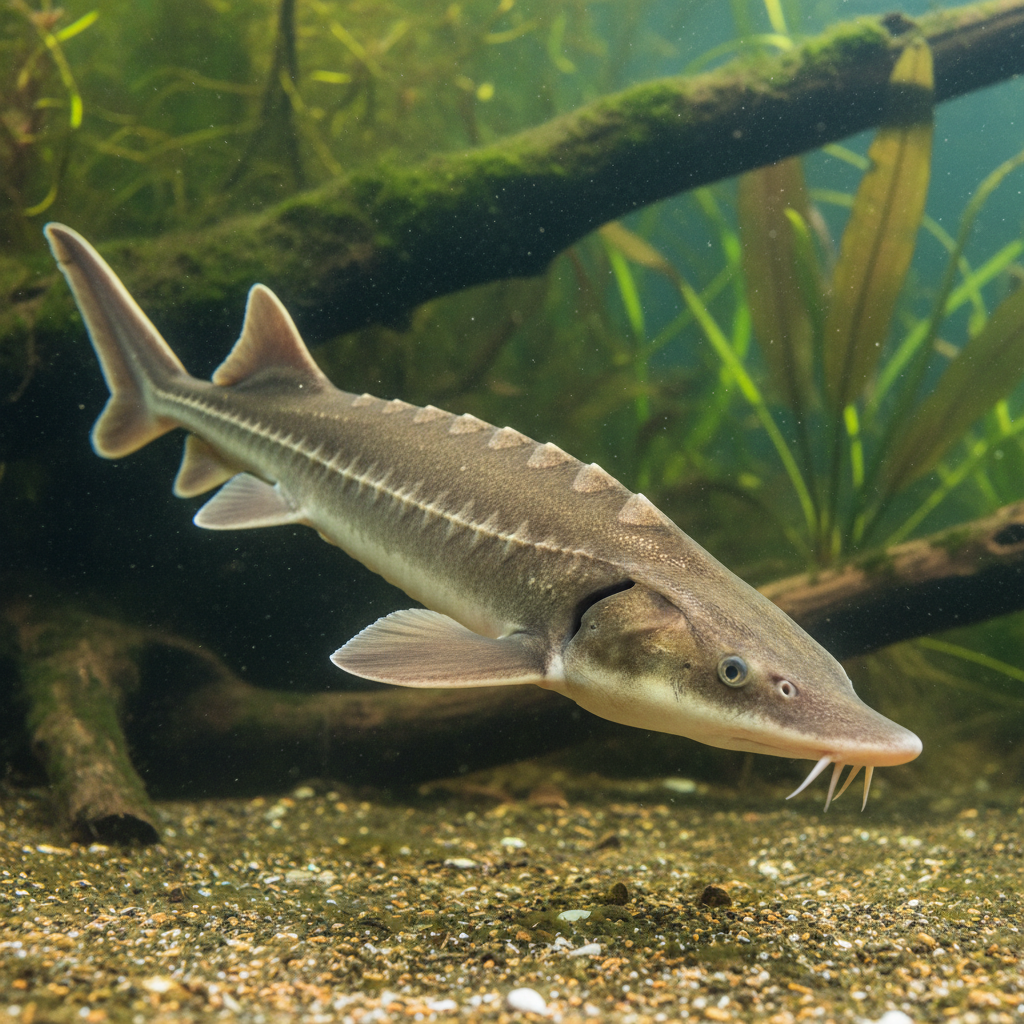
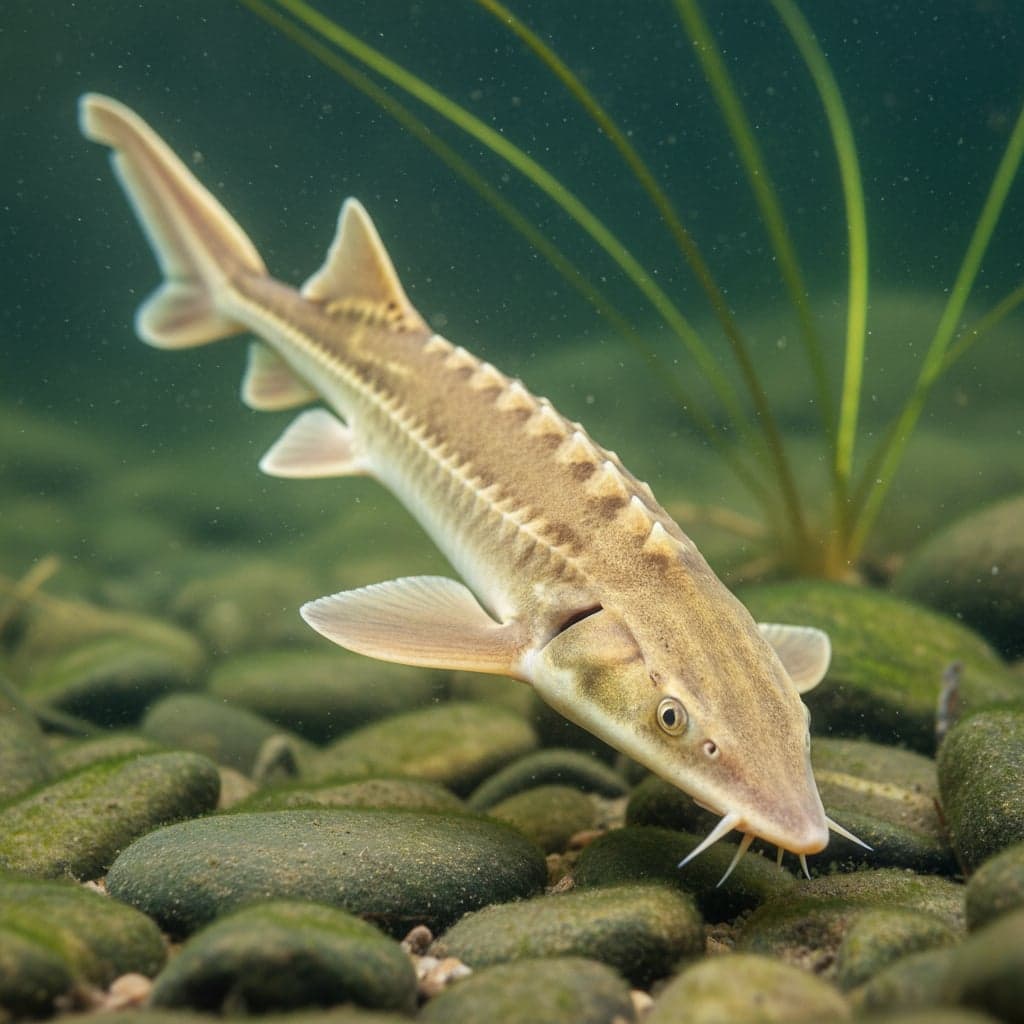
Acipenser spp., commonly known as sturgeon, represents a fascinating group of fish that belong to the family Acipenseridae. Renowned for their ancient lineage, sturgeons have existed for over 200 million years, showcasing a unique evolutionary path. These fish are characterized by their elongated bodies, scute-like armor, and distinctive snouts that aid in foraging along the substrate for food. Their visual appeal is unmatched; varieties like the Beluga and Siberian sturgeon display unique coloration patterns ranging from gray to olive-green, often topped with a shimmering sheen that captivates hobbyists and aquarists alike. Their sheer size (some species can grow over 20 feet long) and prehistoric appearance make them show-stoppers in any aquarium setting, generating an air of sophistication and intrigue.
In the aquarium hobby, Acipenser spp. holds considerable significance, not just for their aesthetic appeal but also for their ecological importance. Sturgeons are prized for their roe, which is processed into caviar, making them a financially and culturally important species in various parts of the world. However, due to overfishing and habitat degradation, many sturgeon species are critically endangered, emphasizing the need for education and sustainable practices in the aquarium trade. Keeping sturgeon in aquaria can promote awareness and conservation efforts, allowing hobbyists to appreciate these magnificent fish while contributing to their preservation.
Natural Habitat & Origin
Acipenser spp. are predominantly found in the northern hemisphere, particularly in rivers and coastal areas of Europe, Asia, and North America. They inhabit various freshwater environments, including large rivers and some brackish areas where they may migrate between freshwater and saltwater during different life stages. The ecological context of these habitats varies widely, from turbid waters where sediment is abundant to more serene stretches of clear river systems. Often, they favor areas with gravel or sandy substrates where they can forage for benthic organisms, their primary source of food.
These fish thrive in environments that mimic their natural habitats. As they travel long distances for spawning, keeping a well-structured and expansive aquarium that resembles their natural ecosystem is crucial. Such environments not only support their health but also encourage their natural behaviors, providing aquarists with a rewarding experience in keeping these unique creatures.
Care Requirements
The care requirements for Acipenser spp. necessitate a thoughtful approach, particularly regarding water parameters. Ideally, the tank water should have a pH of 7.0 to 8.0, a temperature range of 10°C to 22°C (50°F to 72°F), and a hardness level between 5 to 20 dGH. Maintaining clean water is critical, so robust filtration systems are essential to manage their needs effectively. Sturgeons are also sensitive to pollutants, so regular water changes and monitoring are necessary to ensure optimal conditions.
When setting up a tank for Acipenser spp., a minimum aquarium size of at least 300 gallons is recommended, considering their potential size and swimming needs. The substrate should consist of smooth gravel or sand to avoid damaging their sensitive bodies. Additionally, since they dwell along the bottom of the tank, soft lighting and strategically placed plants that do not obstruct swimming paths are preferable. Incorporating hiding spots through driftwood or rocks can also provide security, fostering a comfortable environment for these majestic fish.
Diet & Feeding
Acipenser spp. are primarily carnivorous, albeit with some omnivorous tendencies. In the wild, their diet includes small fish, crustaceans, and aquatic invertebrates, achieved through foraging along the substrate. In captivity, a diverse diet is essential to mimic their natural feeding habits, helping them thrive. High-quality sinking pellets specifically designed for bottom feeders can be the foundation of their diet. Furthermore, including frozen or live foods such as bloodworms, brine shrimp, earthworms, and even small fish will contribute to their nutritional needs.
To ensure their health and well-being, it is important to feed sturgeons multiple times a week but in appropriate portions to avoid overfeeding. Monitoring their weight and water quality is crucial, as uneaten food can pollute their environment. As bottom-dwellers, they may take longer to consume their food, so patience during feeding is important for optimal care.
Behavior & Temperament
Acipenser spp. display unique behaviors that set them apart from other aquarium fish. They are generally peaceful but can exhibit assertive behavior during feeding or territorial moments, particularly when kept in smaller spaces. Sturgeons are not schooling fish but prefer moderate social interaction, often requiring enough space to establish their territories without aggressive encounters. They tend to reside near the bottom of the aquarium, making them excellent candidates for tanks with lower seating areas, promoting their natural inclination to forage.
When keeping sturgeons in community settings, consider their solitary nature, ensuring they have spacious territories. This awareness aids in minimizing potential stress, allowing them to thrive in their environment. Observing their movement, especially their graceful gliding along the tank substrate, offers a mesmerizing display of their natural elegance.
Tank Mates
Selecting tank mates for Acipenser spp. can be rewarding, provided care is taken to ensure compatibility. These fish can coexist peacefully with larger, non-aggressive species such as certain types of catfish (e.g., Plecostomus, Synodontis), larger tetras, or cichlids that share similar tank conditions. Additionally, they can thrive with fish that occupy different vertical layers of the tank, allowing them ample space to swim and forage at the bottom.
It is crucial to avoid housing them with small, aggressive, or fin-nipping species, such as certain barbs or small tetras, which might stress the sturgeon or become potential prey. Similarly, highly territorial species can harm their more docile nature. By ensuring a well-balanced community tank, aquarists can observe the stunning beauty and behavior of Acipenser spp. alongside compatible inhabitants.
Breeding
Breeding Acipenser spp. in captivity can be a challenging yet fascinating endeavor. Spawning typically occurs in spring when water temperatures rise, prompting these fish to migrate upstream to shallow, gravelly areas for spawning. Successful captive breeding requires a large tank with specific conditions: water temperatures should be carefully managed to simulate natural seasonal changes, ideally ranging from 18°C to 20°C (64°F to 68°F). Additionally, a well-aerated environment with strong filtration will help maintain optimal water quality during this critical phase.
Acipenser spp. exhibit unique spawning behavior where females release their eggs in a scatterheaded manner among the gravel. Males fertilize the eggs shortly after release. For aquarists, it is crucial to separate the adults after spawning to prevent them from consuming their own eggs and fry. If done correctly, you can witness the incredible cycle of growth from eggs to baby sturgeon, enriching your aquarium experience significantly.
Common Health Issues
Acipenser spp. may face several health challenges commonly reported among fish in captivity. Some prevalent diseases include ich (Ichthyophthirius multifiliis), fin rot, and bacterial infections. Preventing these issues primarily revolves around maintaining high water quality and stable environmental conditions, as fish stress often leads to increased susceptibility to diseases. Regular monitoring of water parameters and prompt treatment at the first sign of illness can help mitigate these concerns.
In addition to water quality, providing a spacious tank with smooth substrate and compatible tank mates reduces injury and stress-related illness. Quarantine new fish, avoid overcrowding, and act quickly if you notice clamped fins, lethargy, or loss of appetite so these large bottom-dwellers stay healthy.