Sturgeon Catfish: Platystomatichthys sturio
A 30cm armoured catfish that sifts sand with a long snout. Needs fine sand, cool oxygen-rich water and sinking food.
Sturgeon Catfish
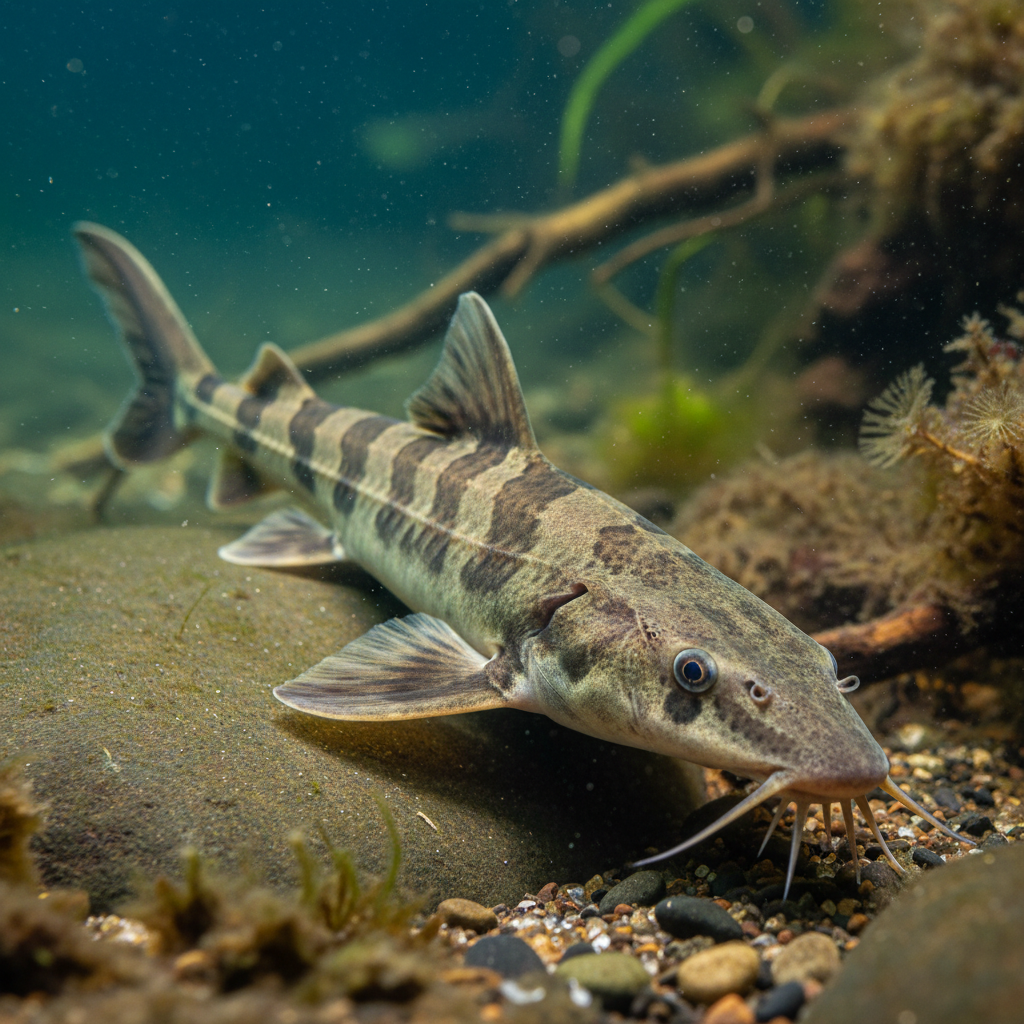
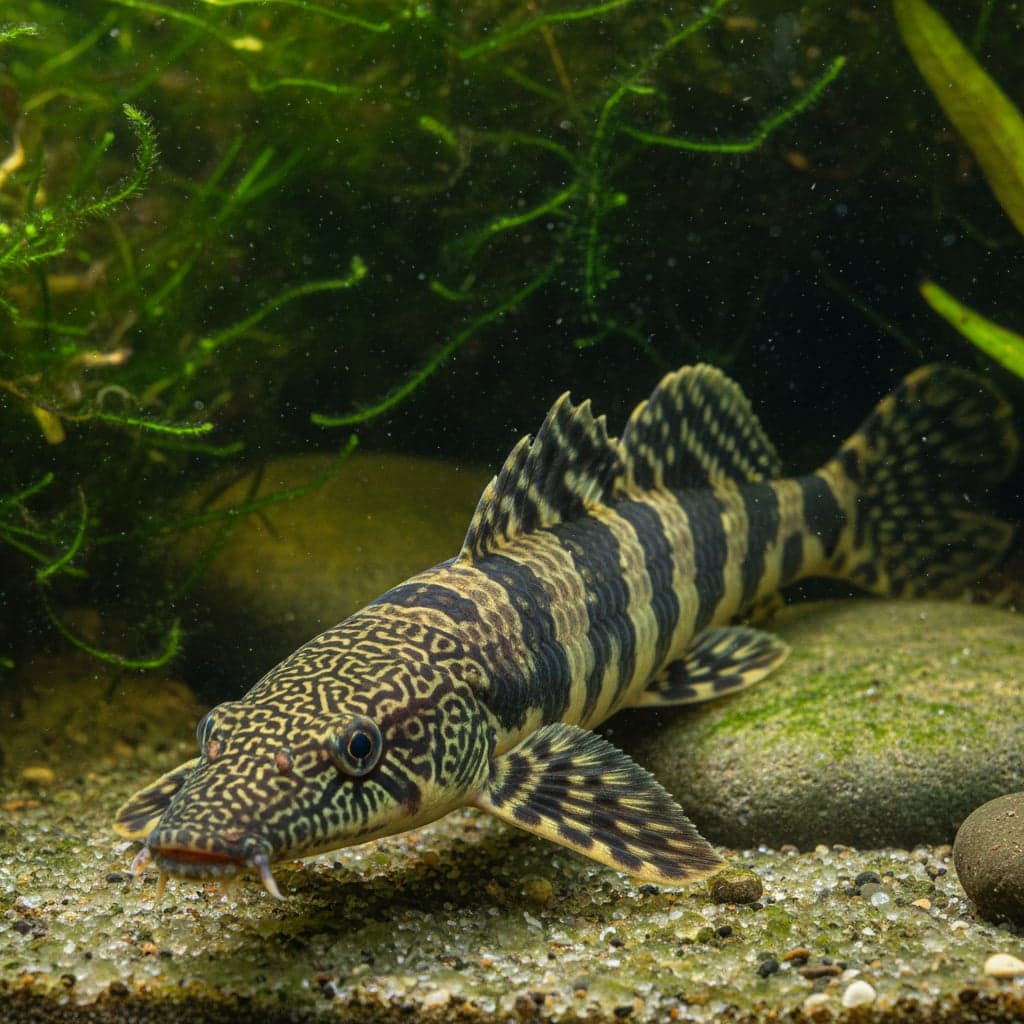
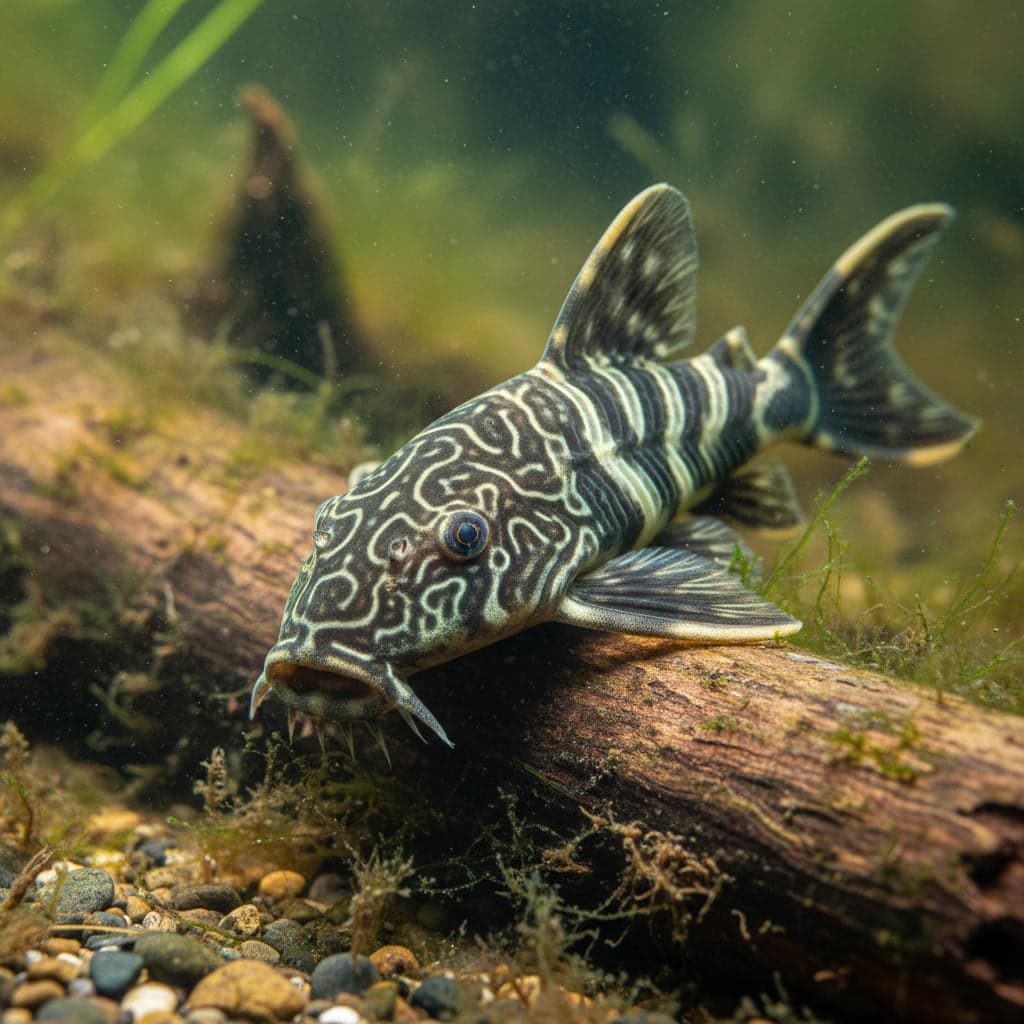
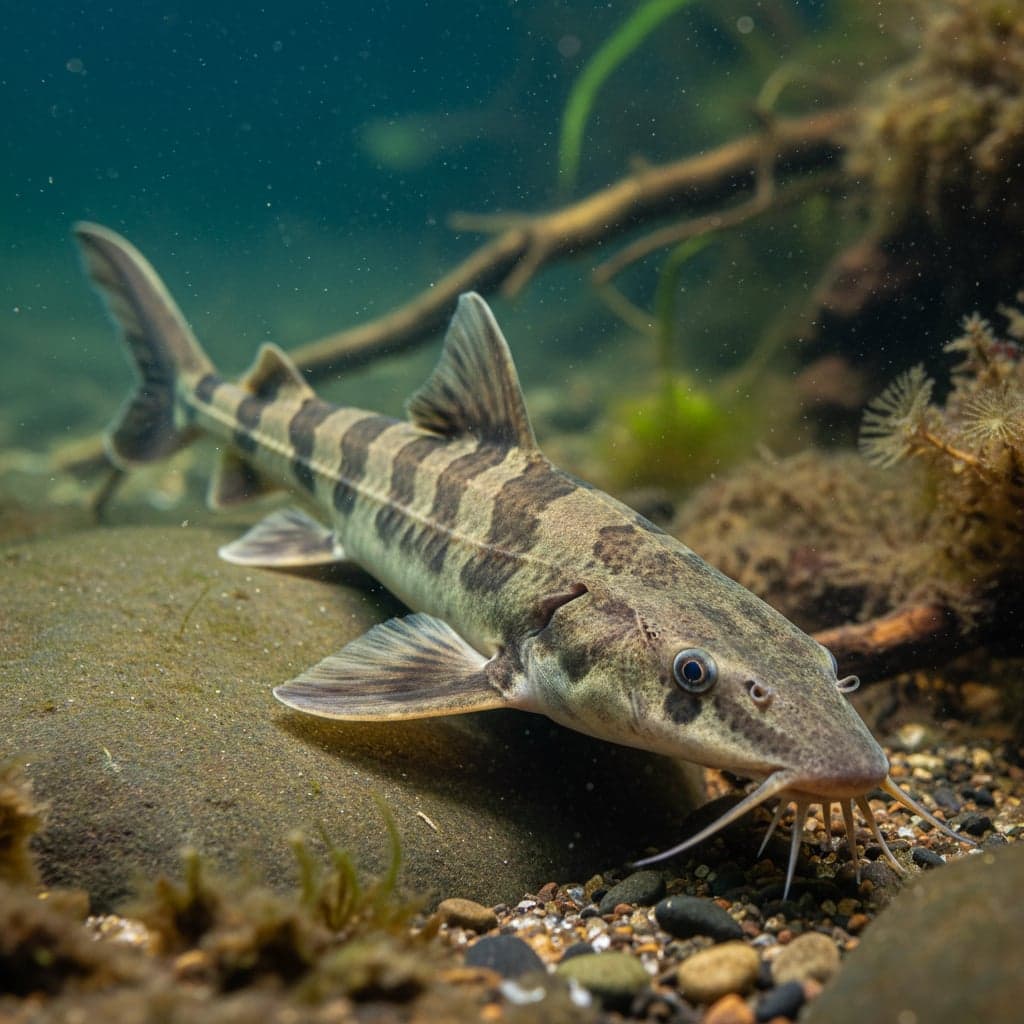
The Sturgeon Catfish, scientifically known as Platystomatichthys sturio, is an intriguing freshwater species that captivates aquarists with its distinct appearance and unique characteristics. This catfish can be recognized by its elongated body, which closely resembles that of a sturgeon, complete with a flat head and around four pairs of barbels that aid in its sensory perception. With a coloration that ranges from grayish-brown to darker hues, it frequently features variations of spots and patterns, adding to its aesthetic allure. The combination of these features not only makes the Sturgeon Catfish a striking addition to any aquarium but also highlights its evolutionary adaptations to a bottom-dwelling lifestyle.
In the aquarium hobby, the Sturgeon Catfish is appreciated not only for its visual appeal but also for its potential insights into aquatic ecosystems. Given its size, which can reach up to 12-16 inches (30-40 cm) in length in the wild, it is a species that demonstrates the remarkable biodiversity present in freshwater habitats. This fish serves as a significant ambassador for waterway conservation and awareness, as its natural populations face pressure from habitat destruction and pollution. Cultivating and keeping Sturgeon Catfish in captivity can encourage responsible fish keeping and educate the public about the importance of preserving their natural environments.
Natural Habitat & Origin
The Sturgeon Catfish is native to the rivers and estuaries of the Guiana Shield, primarily found in the coastal regions of Brazil, French Guiana, Guyana, and Suriname. These habitats are characterized by both freshwater and brackish water environments, where the Sturgeon Catfish thrives in slow-moving waters beneath dense vegetation. The species typically inhabits areas with a soft substrate and submerged structures that provide cover and hunting opportunities, making it a crucial component of the benthic community in these ecosystems.
In its natural habitat, the Sturgeon Catfish is often found in blackwater environments, characterized by high levels of organic matter and low pH. This nutrient-rich environment fosters diverse life forms, including various invertebrates that are essential to the catfish’s diet. Thus, preserving its natural habitat is vital for the survival of this fish, as alterations in water flow, quality, and surroundings can significantly impact its populations.
Care Requirements
Maintaining a Sturgeon Catfish in captivity requires careful attention to water parameters and tank setup to ensure its health and longevity. Ideal water conditions include a pH level between 6.0 and 7.5, a temperature range from 75°F to 82°F (24°C to 28°C), and moderate hardness, ideally between 2 to 10 dGH. Regular water changes and a well-maintained filtration system are crucial to simulate the natural clean, dynamic environments to which this fish is accustomed.
When it comes to tank setup, a minimum tank size of 75 gallons is recommended, considering the potential adult size of the Sturgeon Catfish. Providing ample space is imperative for their comfort and well-being. The substrate should consist of fine sand or smooth gravel to ensure safety, as the fish may burrow. Additionally, incorporating plenty of hiding spots through driftwood, rocks, and dense vegetation will help replicate their natural habitat and provide the Sturgeon Catfish with a sense of security. Very low to moderate lighting conditions is preferable, as it mimics the dimly lit waters they inhabit in the wild.
Diet & Feeding
The Sturgeon Catfish is classified as an omnivore, consuming a diverse array of foods in its natural habitat. In captivity, it is essential to provide a varied diet to ensure proper growth and health. High-quality sinking pellets, specifically designed for catfish, should form the staple of their diet. Additionally, incorporating frozen or live foods, such as bloodworms, brine shrimp, and earthworms, can enrich their diet and stimulate their natural foraging behaviors. Occasional offerings of vegetable matter, such as spirulina flakes or blanched zucchini, can also provide essential nutrients.
Feeding should be structured, with meals provided once or twice a day in amounts that can be consumed in a few minutes to prevent overfeeding and maintain water quality. Observing feeding responses is crucial; as some Sturgeon Catfish can be slow eaters, it may be beneficial to monitor their intake to ensure they are receiving adequate nutrition.
Behavior & Temperament
Sturgeon Catfish exhibit unique behavior patterns that influence their suitability for community aquariums. Generally known for their calm demeanor, these catfish can be social creatures, though they exhibit a preference for the bottom levels of the tank. They may establish territories, especially when kept in smaller groups, so space and hiding spots are critical to reduce competition and stress.
While they are generally peaceful, some individuals can show territorial behavior towards similarly sized bottom-dwellers, leading to potential skirmishes. It's advisable to avoid keeping them with overly aggressive or overly small fish, as their size and feeding habits may intimidate or harm smaller tank mates. Ensuring the Sturgeon Catfish has ample vertical and horizontal swimming space enhances their comfort and allows them to express their natural behaviors more fully.
Tank Mates
Selecting compatible tank mates for the Sturgeon Catfish requires careful consideration of the species' temperament and size. Suitable tank mates include larger community fish such as tetras, cichlids (of non-aggressive varieties), and larger barbs. The use of peaceful bottom-dwellers like loaches and other slow-moving catfish can be successful if there is enough territory for each species.
However, certain species should be avoided to prevent stress and aggression. Aggressive fish like certain large cichlids, fast-moving species that occupy the same feeding layer, or small fish that might fit in the catfish's mouth should not be housed together. By ensuring a balanced community that caters to the social nature of all species involved, aquarists can create a harmonious environment for their Sturgeon Catfish and its companions.
Breeding
Breeding the Sturgeon Catfish in captivity remains a challenging endeavor, as it requires specific conditions that replicate their natural spawning environment. In the wild, these fish exhibit certain behaviors during the breeding season, often associated with rising water levels and the availability of abundant food sources. To stimulate breeding in captivity, it's essential to provide pristine water conditions with slightly elevated temperatures (around 82°F/28°C) and maintain low pH levels.
Creating a breeding environment may also involve introducing a breeding cave or suitable spawning substrate for the fish to lay their eggs. During the spawning process, males exhibit courtship behaviors, often leading females towards the chosen hiding spot. After successful spawning, it is crucial to remove the adults to prevent them from eating the eggs or fry, as parental care is generally limited in this species. Breeding Sturgeon Catfish in captivity is rare, but with patience and the right conditions, it can be achieved.
Common Health Issues
Like many fish species, the Sturgeon Catfish is susceptible to certain health issues, necessitating regular monitoring and preventive care. Common diseases include ich (Cryptocaryon irritans), which manifests as small white spots on the skin, and fin rot, often caused by poor water quality or physical injury. Maintaining high-quality water conditions by performing regular water changes and monitoring parameters can significantly reduce the chances of these diseases developing.
Stress is often a precursor to illness, so providing an appropriately sized tank with ample hiding spots, dim lighting, and compatible tank mates reduces stress-related disease. Quarantine new arrivals and avoid sharp décor that can injure their soft bodies or barbels. Watch for white spots, frayed fins, pale colour, or sudden lethargy, and treat promptly in a separate tank. A meaty sinking diet, clean well-oxygenated water, and a spacious sandy-bottom setup keep Sturgeon Catfish healthy, calm, and active for years.