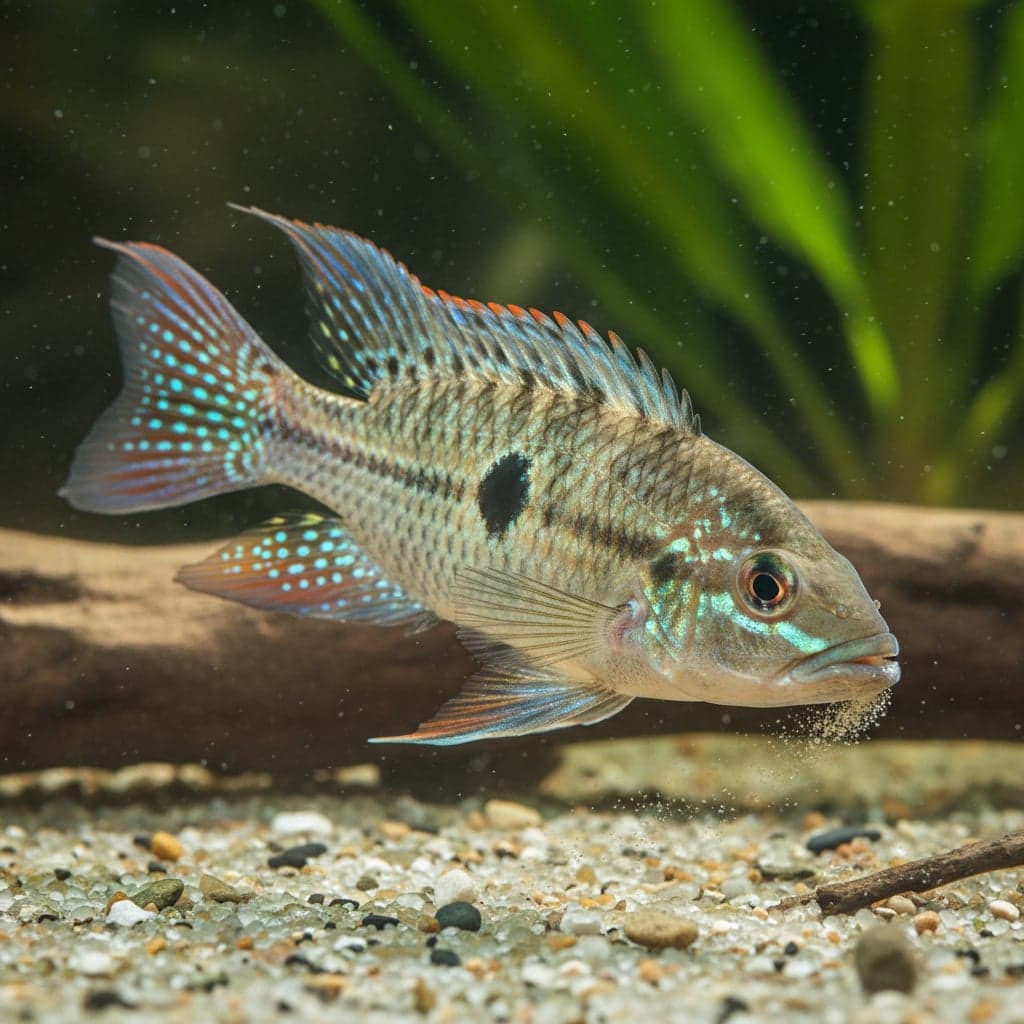
Subocellatus Krib: Pelvicachromis subocellatus
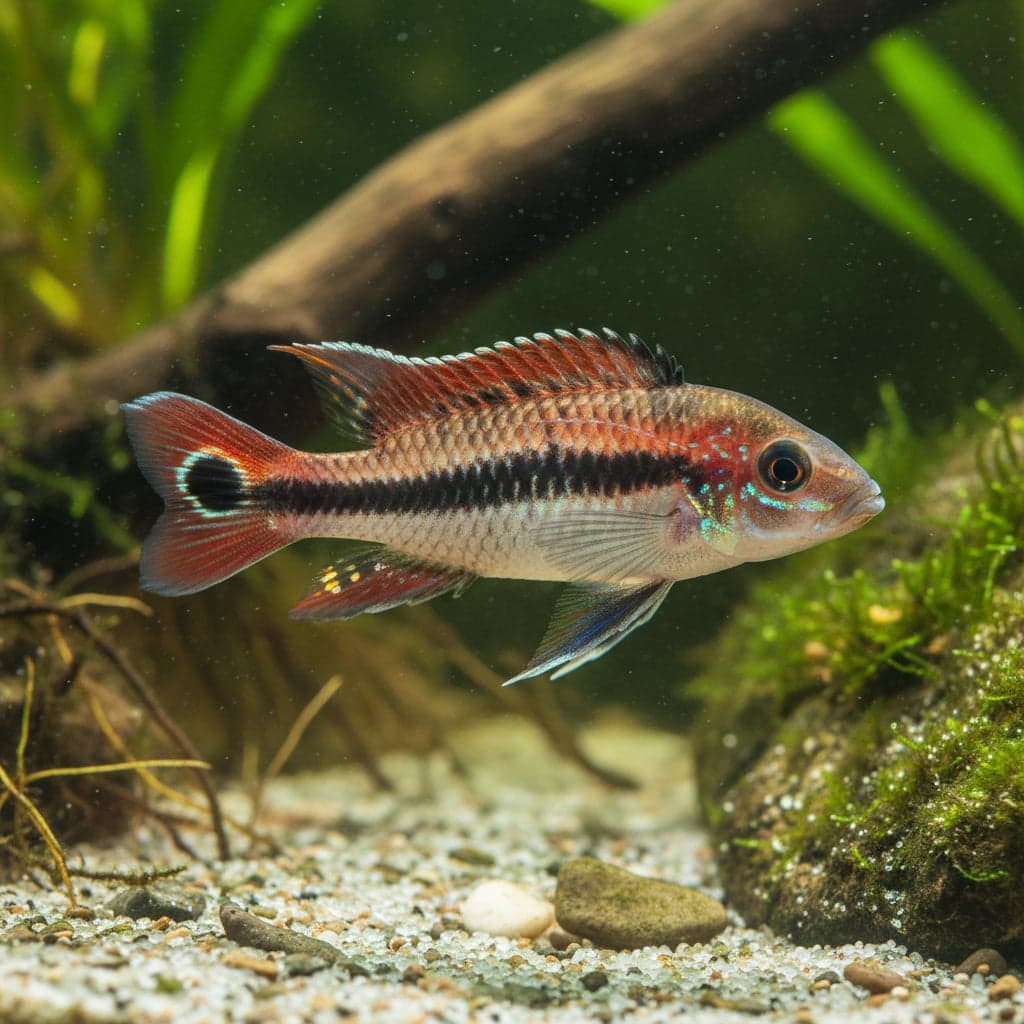
An 8cm West African dwarf cichlid, brackish-tolerant. Wants a cave to spawn in, and the female colours up dramatically when breeding.
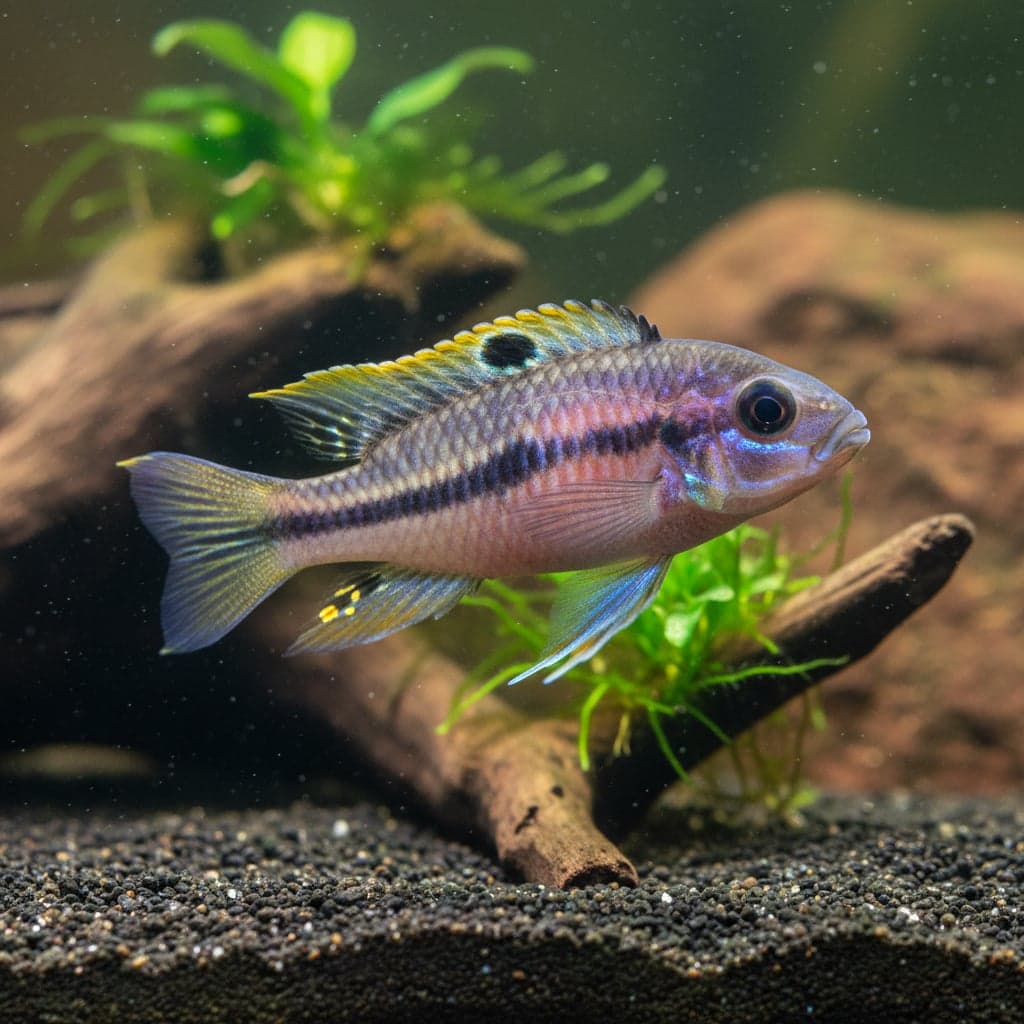
Subocellatus Krib
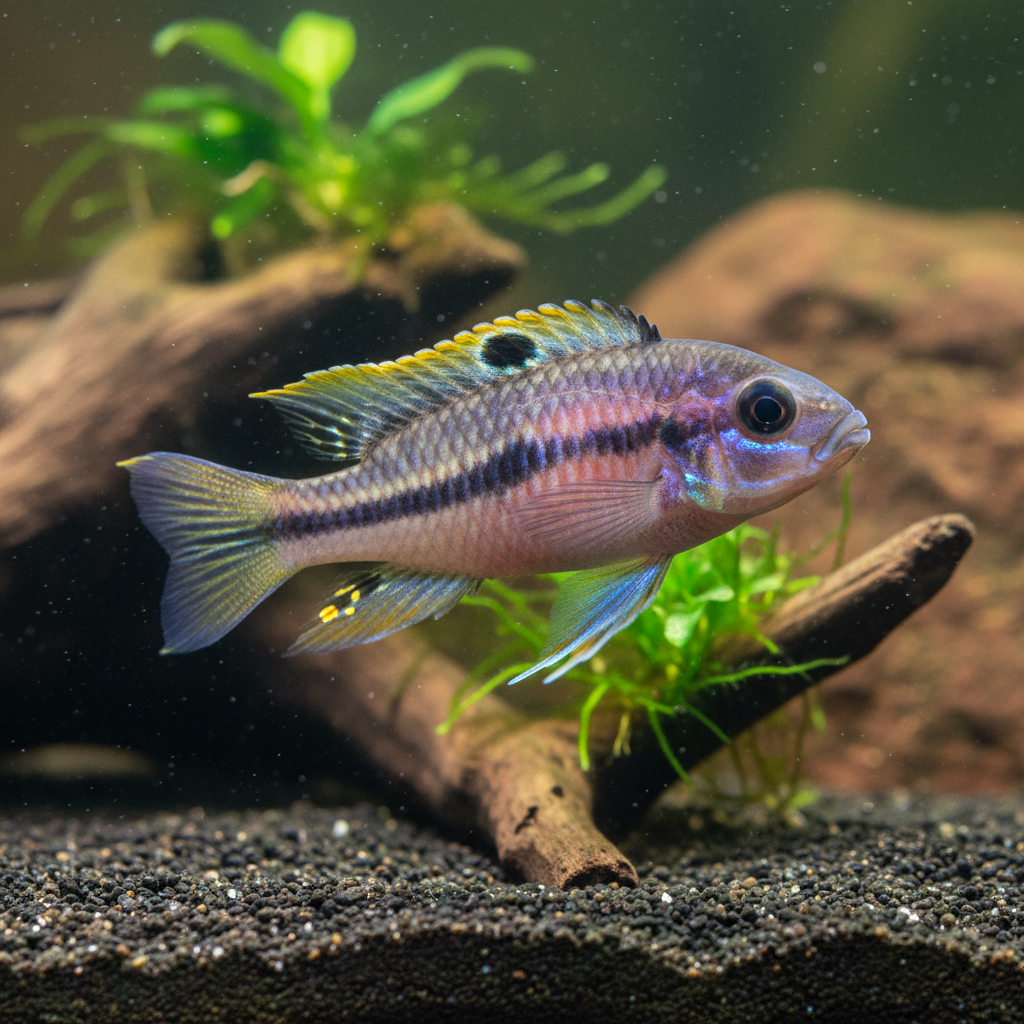
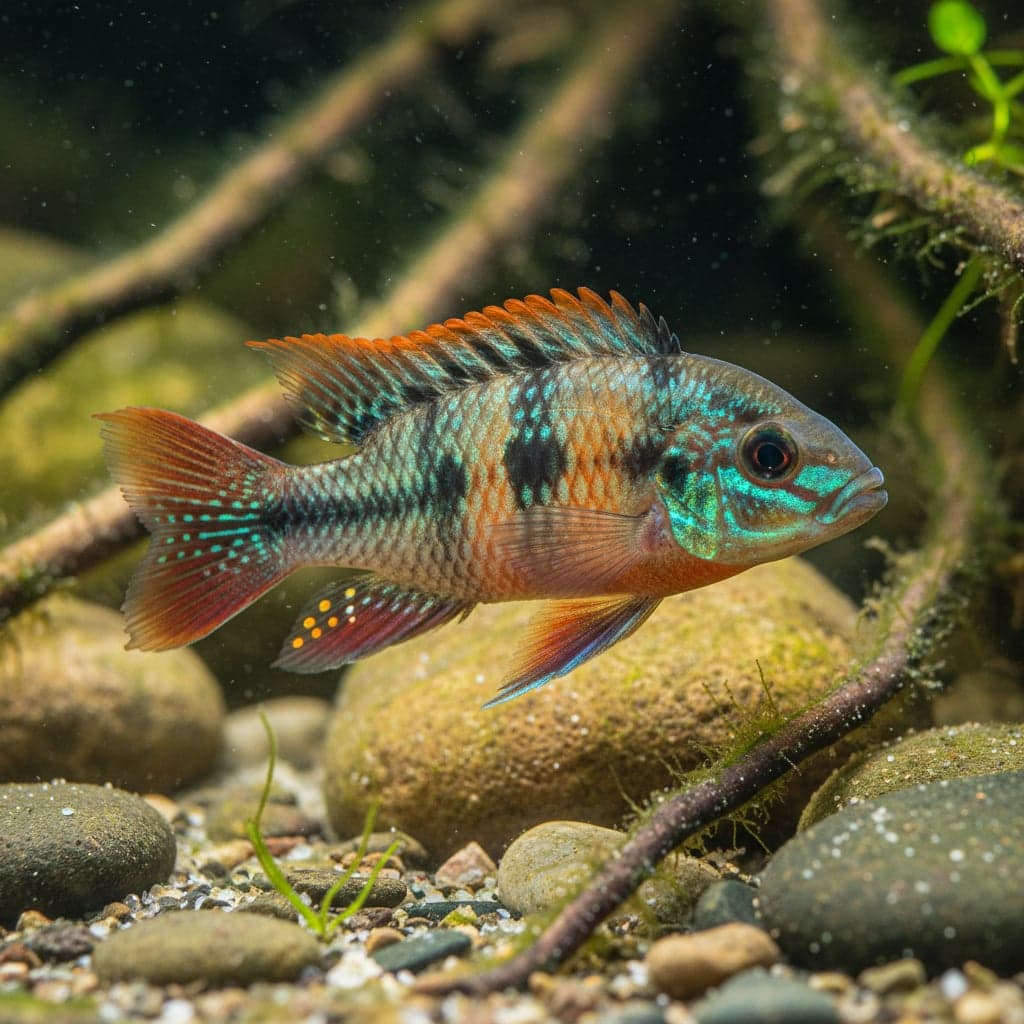
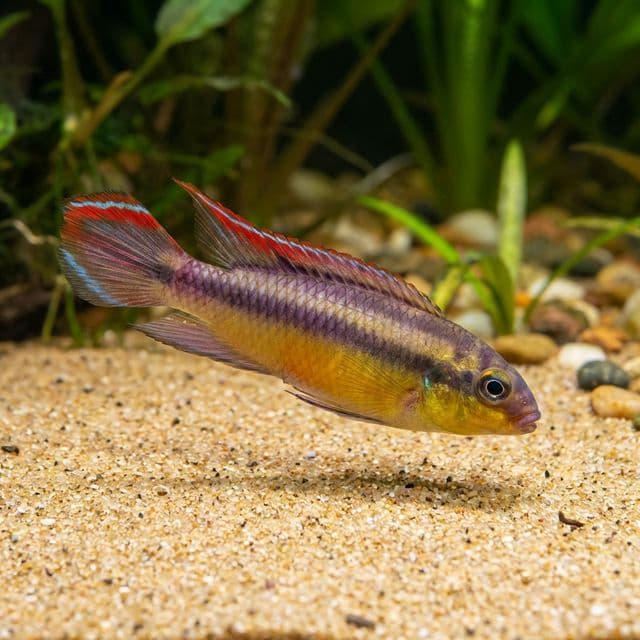
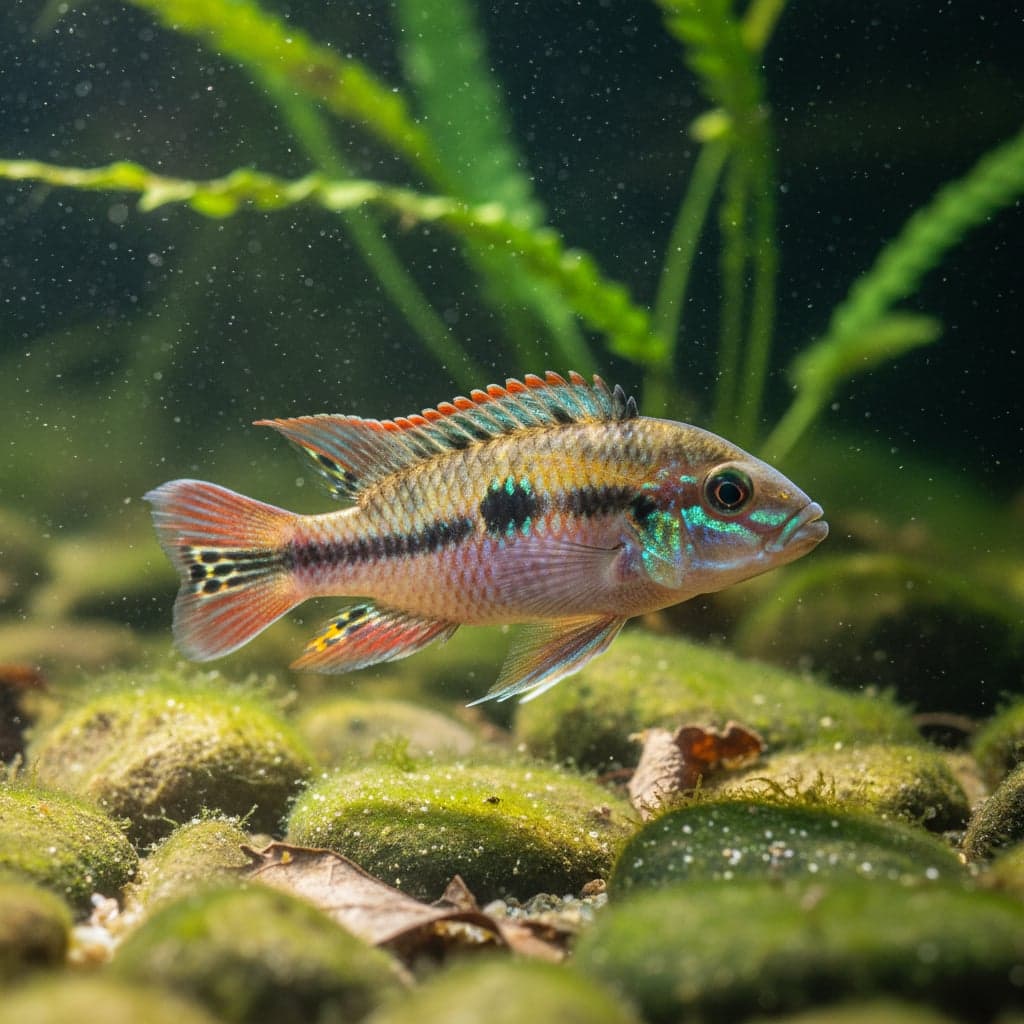
The Subocellatus Krib, scientifically known as Pelvicachromis subocellatus, is a vibrant and fascinating cichlid that has captured the hearts of aquarists worldwide. With its striking coloration—characterized by a blend of iridescent blues, yellows, and reds—it stands out as one of the most visually appealing members of the Pelvicachromis genus. This small fish typically reaches a size of around 4 to 5 inches and exhibits a unique combination of ornate fins and intricate patterns, making it a show-stopper in both community tanks and specialized aquascapes. The stunning beauty of the Subocellatus Krib not only enhances any aquarium but also enriches the overall experience for fish enthusiasts, presenting opportunities for showcasing their vibrant displays and subtle behaviors.
In addition to its visual allure, the Subocellatus Krib holds significance in the aquarium hobby due to its unique breeding behaviors and fascinating interactions within its environment. Often referred to as a "dwarf cichlid," this species boasts a relatively peaceful temperament, making it suitable for a variety of community setups. Its intriguing behavior, particularly during spawning, adds a layer of excitement for observers, as they witness parental care and the development of fry in real-time. As more enthusiasts seek out diverse and captivating fish for their aquariums, the Subocellatus Krib stands out not only as a beautiful specimen but also as a fish exhibiting complex social interactions and dynamic breeding routines.
Natural Habitat & Origin
The Subocellatus Krib hails from the warm, slow-moving rivers and swampy areas of West Africa, particularly found in countries like Nigeria and Cameroon. Its natural habitat is characterized by soft, acidic waters, often with a blackwater component due to the decomposition of organic matter like leaves and wood. In these environments, the Subocellatus Krib embellishes the riverside, dwelling in densely vegetated areas where abundant cover helps provide both safety and hunting grounds for their prey. This ecological context significantly shapes the fish's behavior and adaptability, making it crucial for aquarists to replicate similar conditions in captivity.
The quality of water in the Subocellatus Krib’s native environment is vital for its health and well-being. It thrives in waters typically ranging from 6.0 to 7.5 pH, with a temperature between 75°F to 82°F (24°C to 28°C). The presence of natural structures such as roots and driftwood creates a refuge from potential predators while also serving as breeding grounds. Therefore, understanding the specific natural parameters of the Subocellatus Krib’s habitat allows aquarists to create a successful, nurturing environment that mimics its wild origins.
Care Requirements
To provide optimal care for the Subocellatus Krib, it is essential to maintain appropriate water parameters. Ideal conditions include a pH range of 6.0 to 7.5, a temperature between 75°F to 82°F (24°C to 28°C), and water hardness of 5 to 12 dGH. A well-structured aquarium of at least 20 gallons is recommended, allowing adequate swimming space and territories for each fish. The substrate should consist of fine sand or smooth gravel, enabling the fish to dig and hide comfortably.
In terms of tank setup, provide plenty of hiding spots, such as caves made from rocks or driftwood, combined with lush planting of hardy aquatic flora like Amazon swords, Cryptocorynes, and Java moss. Lighting should be moderate, mimicking the dappled effect found in its natural habitat, creating a serene and inviting atmosphere. Maintaining a slightly tinted water quality using peat or designated blackwater products can further replicate the beloved conditions of the Subocellatus Krib's environment, encouraging natural behavior and promoting overall health.
Diet & Feeding
The Subocellatus Krib is an opportunistic feeder that primarily requires a varied diet to thrive in captivity. As an omnivore, it benefits from a balanced offering of high-quality flakes and pellets that contain essential nutrients. Additionally, incorporating frozen or live foods such as brine shrimp, daphnia, and bloodworms into their diet can significantly enhance their health and color vibrancy. Regularly providing a mixture of protein-rich foods alongside plant-based options like spirulina will help meet the dietary needs of these fish.
Feeding should be conducted multiple times a day in small amounts, as they are relatively small fish and can benefit more from frequent, smaller meals than one or two larger feedings. Ensuring that food is consumed efficiently helps prevent water quality issues due to uneaten food. Offering a diverse diet will not only aid in their growth and color enhancement but also encourage natural foraging behaviors, contributing to a more enriching aquarium experience.
Behavior & Temperament
The Subocellatus Krib is known for its peaceful, albeit sometimes territorial, nature. Within a community tank, they typically showcase a balanced disposition that allows for cohabitation with various species, provided the tank is spacious and well-structured with ample hiding places. Adult males are more prone to establishing territories during breeding or aggressive displays, particularly when trying to claim a breeding site, which can be observed through colorful displays and fin flaring. Conversely, females tend to be more social and are often seen foraging and exploring the tank freely.
In terms of vertical placement, the Subocellatus Krib prefers mid to lower water levels of the tank, where they can engage in both swimming and intricate behaviors like digging and hiding. They exhibit a level of curiosity and activity that makes them an engaging species to observe, especially during feeding times or when exploring the planted areas of the aquarium. Their behavior reflects a blend of shyness and confidence, making them an ideal choice for beginner aquarists and seasoned hobbyists alike, while their delicate social dynamics add a layer of interest to the aquarium environment.
Tank Mates
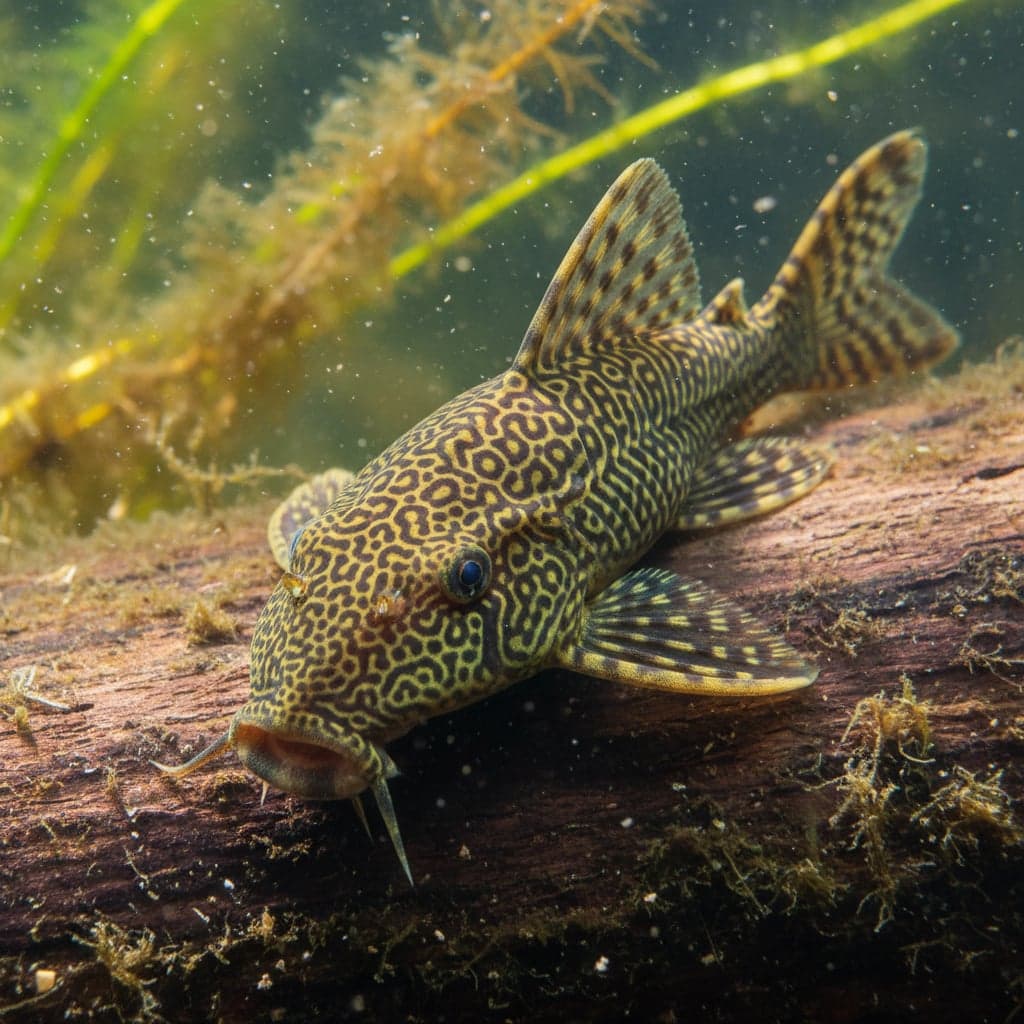
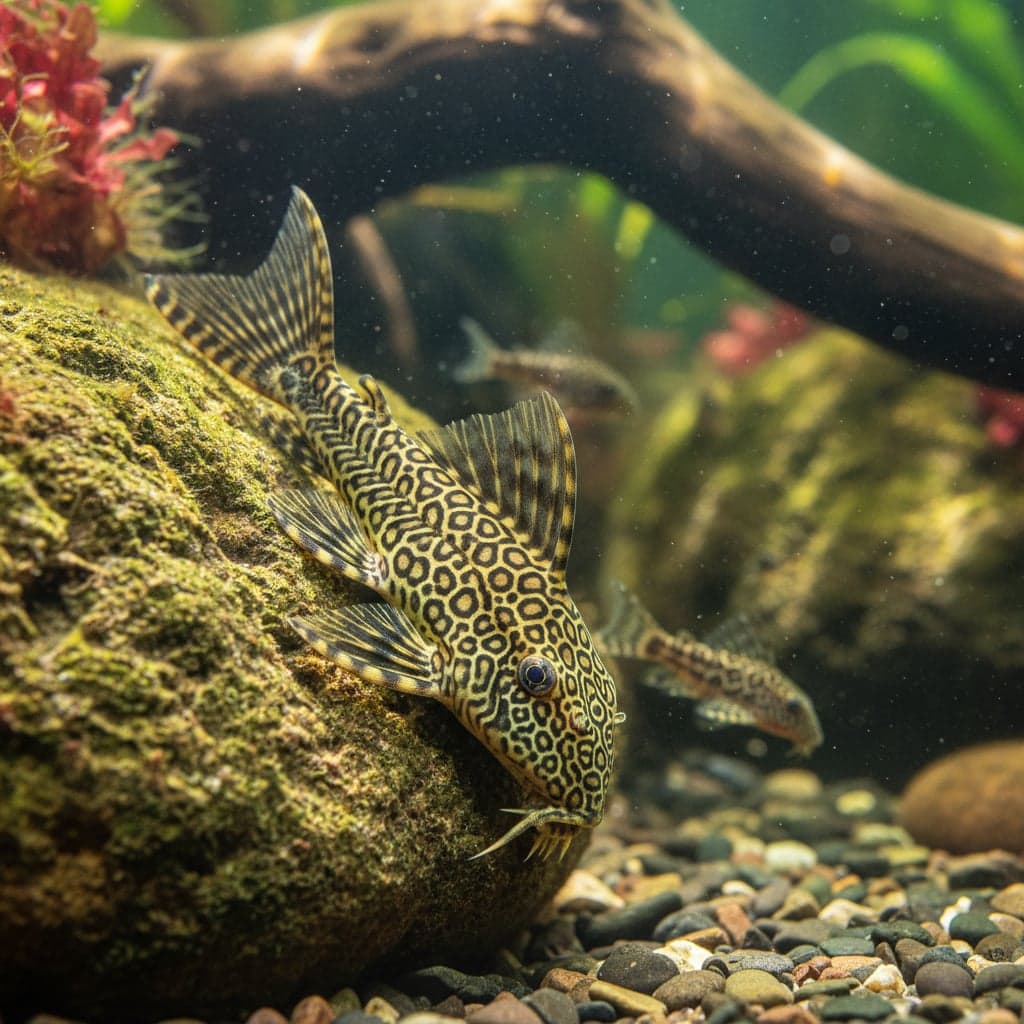
When selecting tank mates for the Subocellatus Krib, it's crucial to consider compatibility and individual temperaments. Suitable companions include smaller, peaceful species that occupy the same vertical space, such as neon tetras, rasboras, and other dwarf cichlids. These fish can coexist harmoniously without aggression, which is essential for maintaining a serene aquarium atmosphere. Additionally, species such as Corydoras catfish and some varieties of peaceful plecos can be excellent choices, as they occupy the bottom of the tank and help keep the environment clean.
On the other hand, it is advisable to avoid larger or more aggressive species, such as cichlids that possess territorial tendencies or fast-moving schooling species that may stress the Subocellatus Krib. Additionally, avoid housing them with fin-nippers (e.g., certain barbs) or overly boisterous fish that may disrupt their serene swimming habits. Selecting appropriate tank mates not only ensures the health and well-being of the Subocellatus Krib but also maintains an engaging and peaceful aquarium community.
Breeding
Breeding the Subocellatus Krib can be a rewarding experience, as these fish display unique courtship and parental behaviors that are fascinating to observe. To create ideal spawning conditions, provide a well-planted tank with caves or flat surfaces for the female to lay her eggs. The temperature should be maintained around 78°F (26°C), and the water should closely match soft, slightly acidic conditions preferred by West African dwarf cichlids. Once the pair bonds, the female lays adhesive eggs in a cave, and both parents typically guard and fan the clutch until fry hatch in a few days. Offer infusoria or finely crushed foods once the young become free-swimming, and provide extra cover if adults grow territorial toward tank mates.
Common Health Issues
Subocellatus Kribs are fairly hardy but can suffer from ich, fin rot, or bacterial infections when water quality declines or territories are overcrowded. Stable parameters, regular partial water changes, and plenty of caves reduce stress-related disease. Quarantine newcomers and watch for clamped fins, white spots, or loss of appetite. A varied diet and peaceful community conditions keep these West African dwarf cichlids colorful and active.