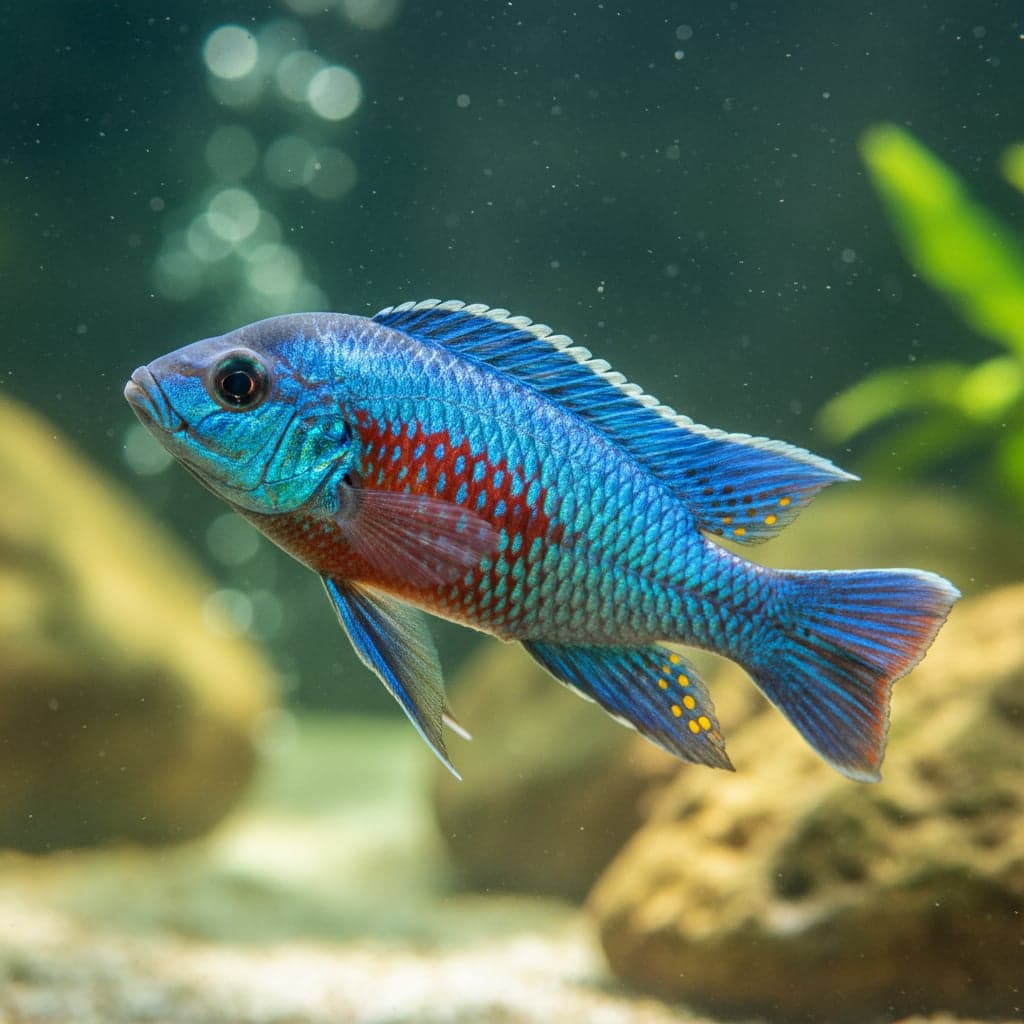
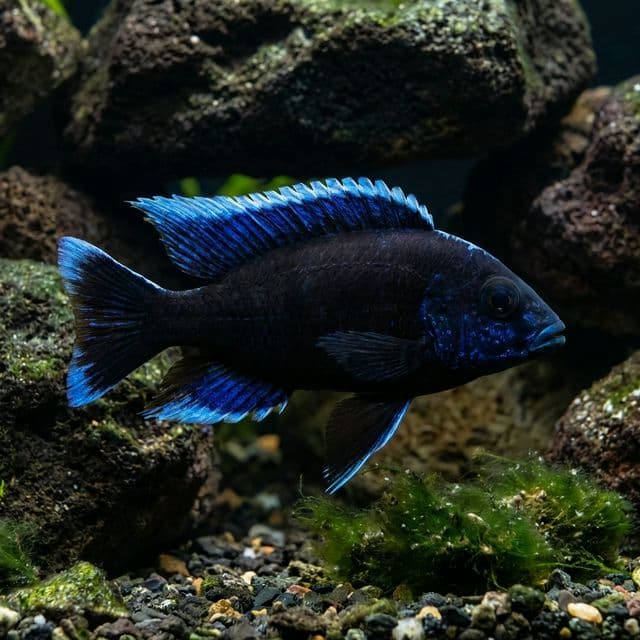
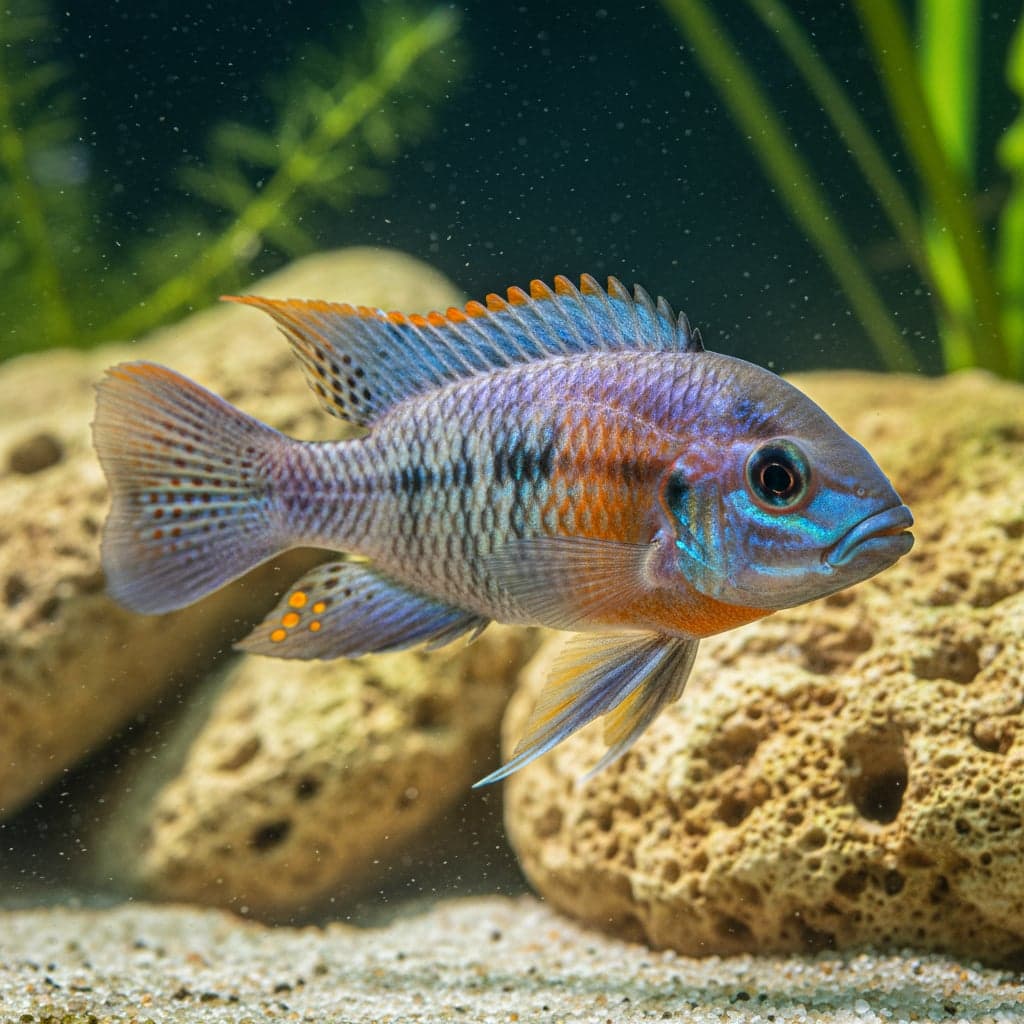
Sulphurhead Peacock: Aulonocara maylandi
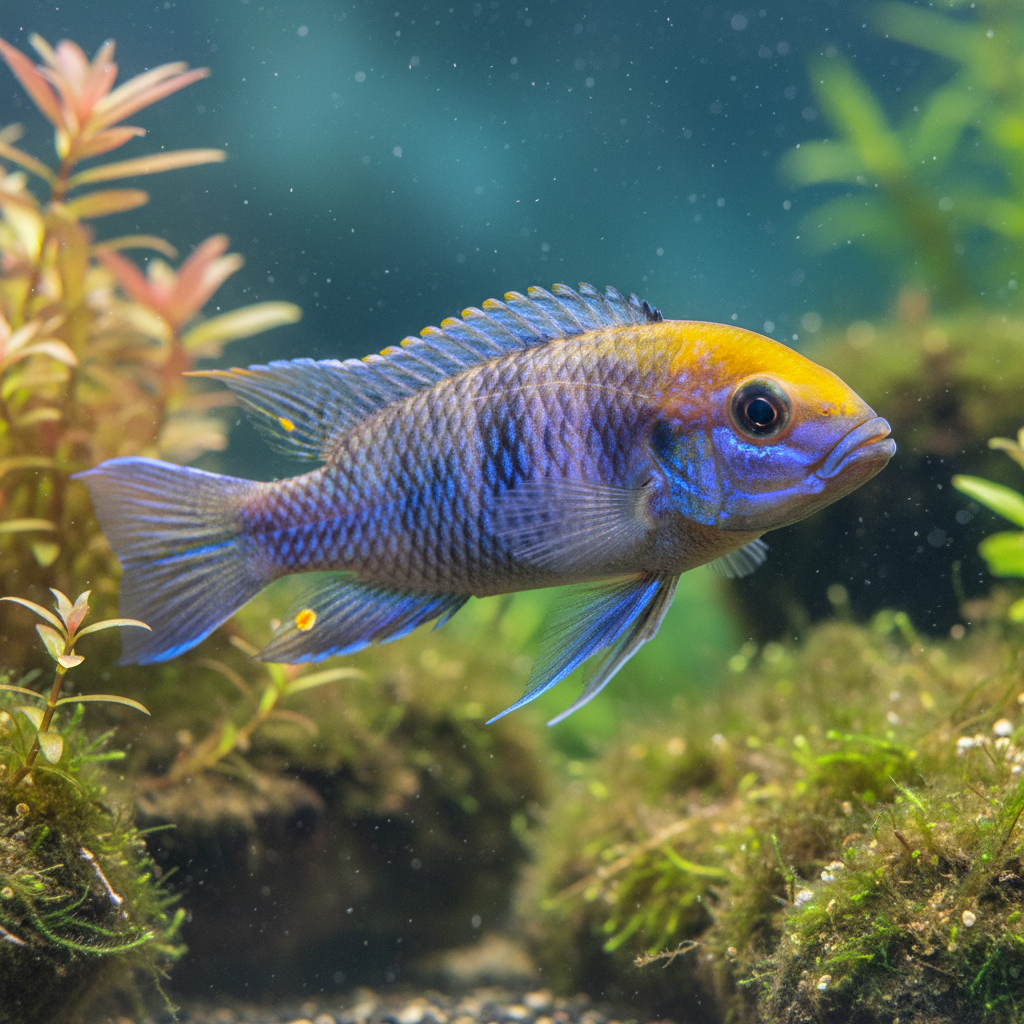
A Lake Malawi peacock with a sulphur-yellow crown over a blue body. Hard alkaline water, rocky aquascape, one male to several females.
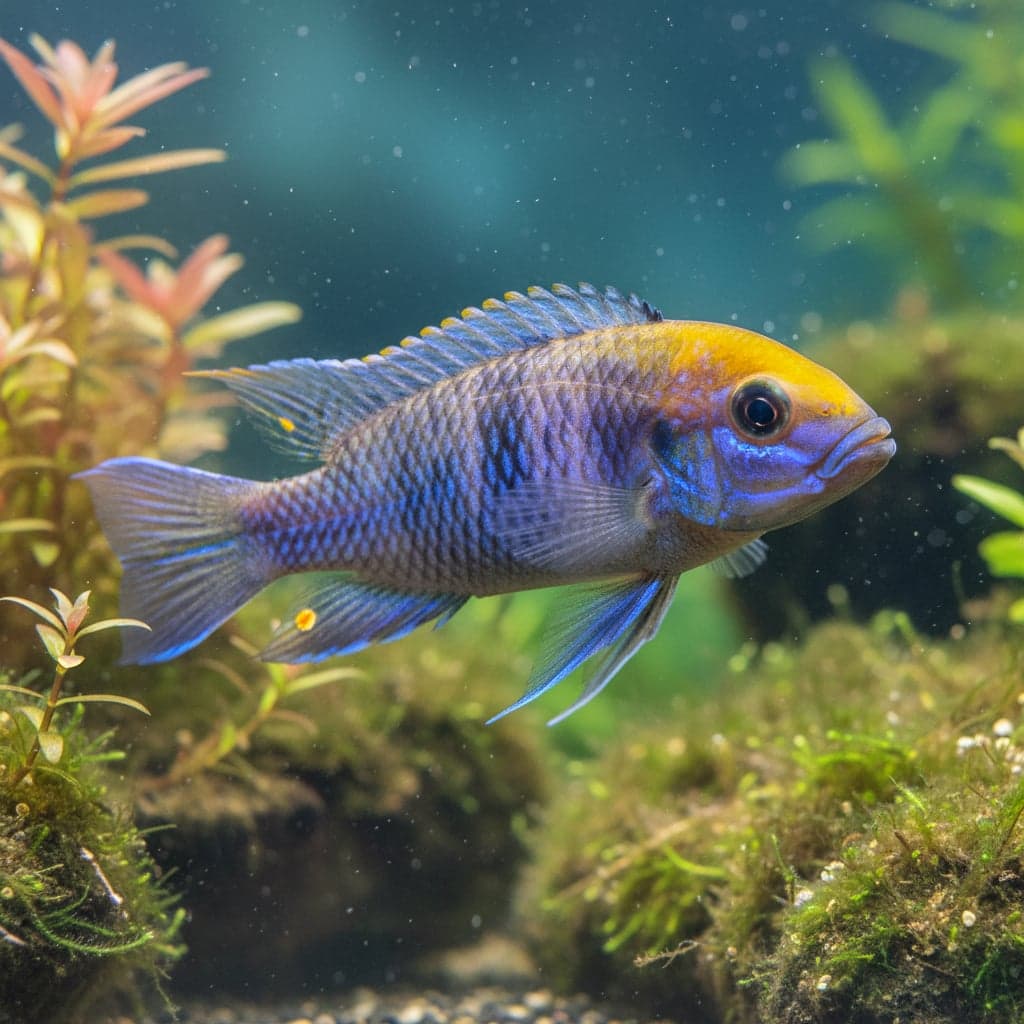
Sulphurhead Peacock
The Sulphurhead Peacock, scientifically known as Aulonocara maylandi, is a strikingly beautiful cichlid that hails from the African Great Lakes region, particularly Lake Malawi. This fish is celebrated for its vibrant coloration, particularly the brilliant yellow and blue hues that adorn its body and fins—attributes that make it a visual standout in any aquarium. The male Sulphurhead Peacock exhibits a golden-yellow head that gradually transforms into a blue body adorned with interspersed speckles, creating an eye-catching contrast. This color variation, along with the fish's graceful movements and lively personality, has made it increasingly popular among aquarium enthusiasts looking to cultivate a dynamic and aesthetically pleasing community tank.
In the aquarium hobby, the Sulphurhead Peacock holds a significant position due to its relatively peaceful demeanor compared to other cichlids, making it a suitable option for both novice and experienced aquarists. Its vibrant appearance and engaging behavior enhance the overall aesthetic of an aquarium setup, attracting not only fish keepers but also casual observers. Moreover, its adaptability to various water conditions enables a broader audience to appreciate this stunning species, ensuring that it remains a desirable choice within the fishkeeping community.
Natural Habitat & Origin
The Sulphurhead Peacock is native to the rocky substrates and vibrant ecosystems of Lake Malawi in East Africa, where it thrives in the clear, mineral-rich waters of the lake. This cichlid prefers habitats that consist of rocky outcrops and sandy substrates, where it can find shelter and hunting grounds among the crevices. Lake Malawi's unique biodiversity has shaped the Sulphurhead Peacock's physical and behavioral traits, allowing it to develop its striking coloration as a means of communication and mating displays. Environmental factors such as water temperature, pH, and the presence of other species greatly influence the natural habitat and living conditions of this beautiful fish.
In terms of water type, the Sulphurhead Peacock is usually found in alkaline waters with a pH range of 7.5 to 8.5, which is essential for its health and well-being. The water is typically hard, with high calcium content, which further supports these cichlids' physiological needs. The ecology of Lake Malawi comprises diverse communities of fish, including various other cichid species, which contribute to the natural social behaviors observed in the Sulphurhead Peacock. The habitat's dynamic nature and diverse array of species create an environment rich in nutrients and essential biological interactions, making it a critical part of the Sulphurhead Peacock's ecology.
Care Requirements
To successfully keep the Sulphurhead Peacock, it is essential to mimic its natural water conditions. Ideal water parameters include a temperature range of 76°F to 82°F (24°C to 28°C), a pH of 7.5 to 8.5, and a hardness level ranging from 10 to 20 dGH. These conditions help replicate the alkaline and mineral-rich environments found in Lake Malawi. When setting up the tank, a minimum size of 50 gallons is recommended, as this will provide ample swimming space and territory for the fish. The substrate should consist of fine sand or small gravel, allowing the fish to sift through it while foraging for food.
For lighting, a standard aquarium light setup is sufficient, with the inclusion of some shaded areas created by rock formations or driftwood, as the Sulphurhead Peacock naturally seeks refuge and hides among rocks. Incorporating live plants can enhance the overall aesthetics of the tank, but it's best to choose hardy species as the cichlid's digging behavior may disrupt sensitive plants. Ideally, you want to create an environment that simulates its natural habitat to ensure the Sulphurhead Peacock thrives and exhibits its best behavior.
Diet & Feeding
As an omnivorous species, the Sulphurhead Peacock enjoys a varied diet that contributes to its vibrant coloration and overall health. In captivity, it is crucial to provide high-quality flakes or pellets specifically formulated for cichlids, as these contain the necessary nutrients. Furthermore, supplementing their diet with frozen or live foods, such as bloodworms, brine shrimp, and daphnia, can enhance their vitality and colors. It is recommended to feed the Sulphurhead Peacock two to three times a day in small portions that can be consumed within a few minutes, preventing overfeeding and maintaining water quality.
To ensure a complete and balanced diet, consider including spirulina, which supports the fish's digestion, along with vitamin-enriched food. A diverse diet will not only contribute to their color vibrancy but also help keep them healthy and active. Remember to observe their feeding behavior, as strong competitors may disrupt the feeding of more timid individuals—adjust portions accordingly to ensure all tank inhabitants receive adequate nourishment.
Behavior & Temperament
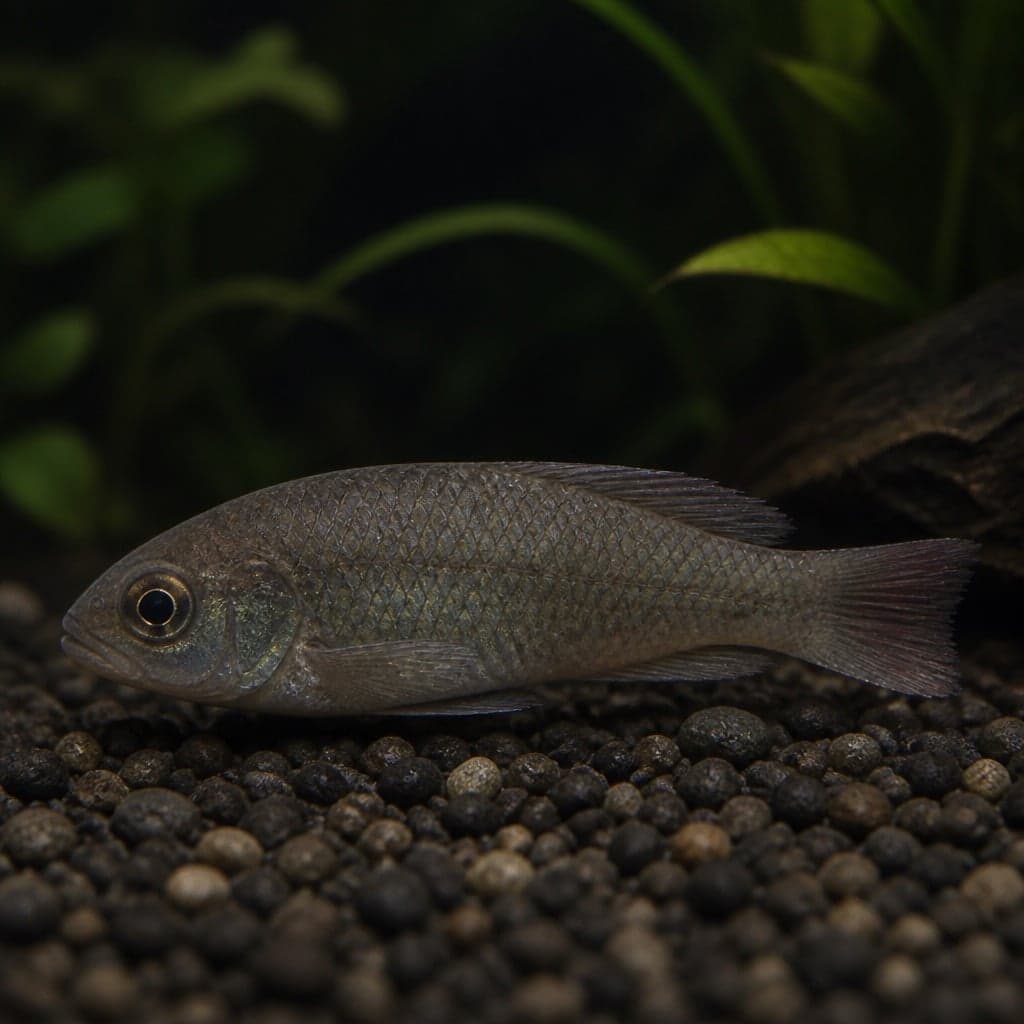
The Sulphurhead Peacock is known for its relatively docile nature compared to many other cichlid species, which makes it a good candidate for community aquariums. They are generally peaceful but can exhibit some territorial behavior, particularly during breeding or when establishing dominance in the tank. Male Sulphurhead Peacocks are known to display vibrant colors and engage in elaborate courtship behaviors to attract mates, while females usually exhibit more subdued colors.
This species prefers to swim in the middle to upper layers of the aquarium, often taking advantage of the vertical space available due to their natural inclination to explore. While they are not schooling fish, they can coexist well with other compatible species, provided that there is enough space and hiding spots to minimize aggression and territorial disputes.
Tank Mates
Choosing compatible tank mates for the Sulphurhead Peacock is essential for maintaining a harmonious aquarium environment. It generally coexists well with other African cichlids, particularly those of similar size and temperament. Suitable tank mates include species such as the Yellow Lab (Labidochromis caeruleus), Electric Yellow Cichlid, and Red Zebra (Maylandia estherae). Additionally, peaceful combinations with species like synodontis catfish or various types of plecos can also provide valuable cleaning help and add diversity to the tank.
Conversely, it is vital to avoid keeping the Sulphurhead Peacock with overly aggressive species or smaller fish that could be seen as prey, as this can lead to stress or aggression. Cichlids known for their aggressive behavior, such as larger Mbuna species or certain South American cichlids, should be avoided to promote a more peaceful environment within the aquarium.
Breeding
Breeding the Sulphurhead Peacock in captivity can be a rewarding experience, provided the right conditions are established. These fish are mouthbrooders, meaning the female carries the fertilized eggs in her mouth until they hatch. To encourage spawning, a breeding pair should be established, ideally in a separate breeding tank with suitable conditions. The optimal spawning conditions include maintaining a temperature between 78°F and 82°F (25°C to 28°C) and providing plenty of hiding spots among rocks or caves for security.
During courtship, the male will perform elaborate displays to attract the female, utilizing his striking coloration for visual appeal. Once the female selects a mate, she will lay eggs on a flat surface or substrate, which the male will fertilize. Following fertilization, the female will gather the eggs in her mouth and incubate them for about three weeks until the fry are released. Keep the female undisturbed during mouthbrooding, then offer finely crushed flakes or baby brine shrimp to free-swimming fry.
Common Health Issues
Sulphurhead Peacocks can develop Malawi bloat, ich, or fin rot when overfed or kept in unstable water. Maintain hard alkaline conditions, strong filtration, and a varied diet. Quarantine newcomers and watch for bloating, white spots, or clamped fins. Stable Malawi parameters keep them colourful and resilient for years.