Neocaridina davidi var. "Sunkist": Sunkist Orange Shrimp
A vivid orange Neocaridina colour morph. Hardy, breeds readily in hard water, and safe with nano fish too small to swallow it.

Neocaridina davidi var. "Sunkist"
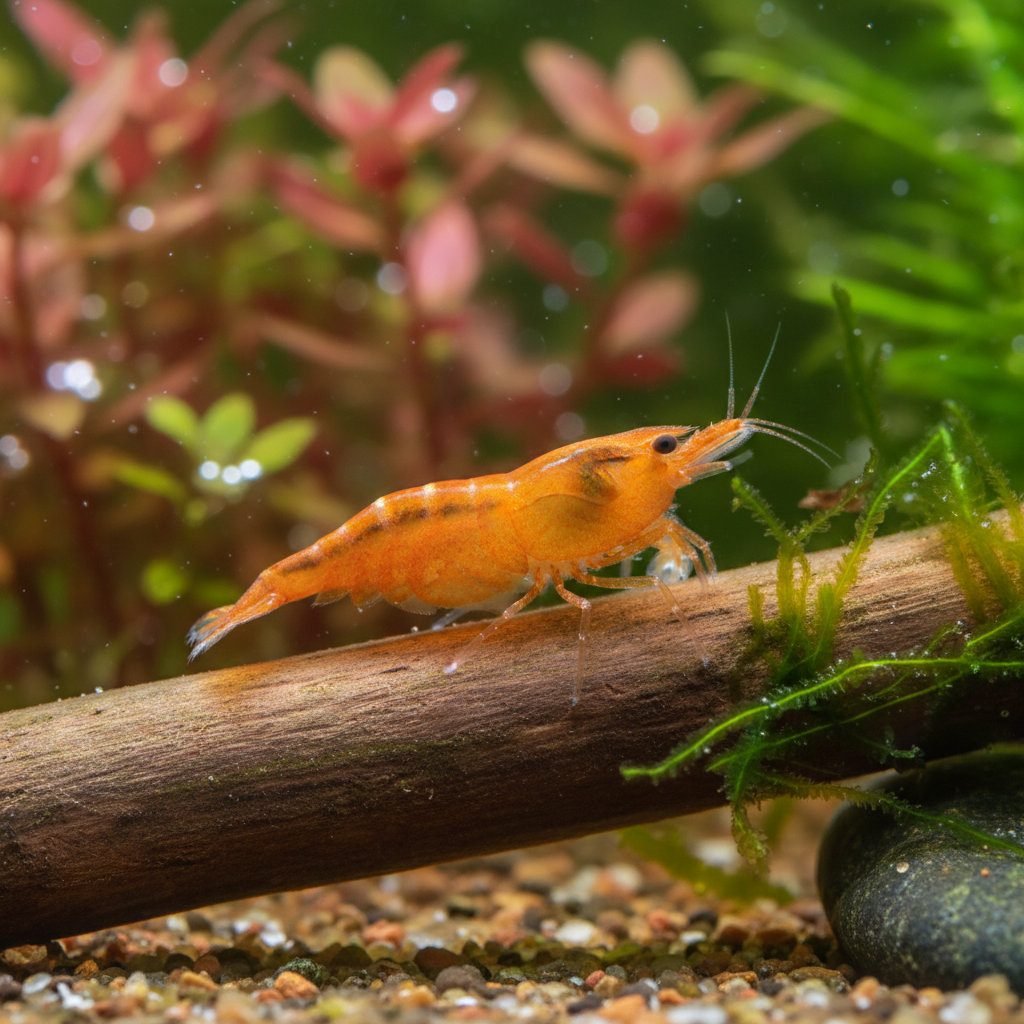
Neocaridina davidi var. "Sunkist," also known as Sunkist Orange Shrimp, is a captivating freshwater shrimp variant that brings vibrant hues of orange to aquariums. This color morph of the popular cherry shrimp (Neocaridina davidi) has gained significant popularity among aquarists due to its striking appearance and manageable care requirements. The Sunkist's bright coloration, ranging from deep orange to softer peach shades, adds a splash of color to both planted tanks and aquascapes. Their visual appeal is further enhanced by their well-defined body shapes and translucent bodies, which can exhibit varying patterns and intensities of color depending on genetics and environmental conditions.
In the aquarium hobby, Sunkist Orange Shrimp is not just appreciated for its beauty but also for its role in maintaining a clean ecosystem. These omnivorous shrimp scavenge the substrate, consuming detritus, algae, and leftover food, thus contributing positively to the health of the tank. As an adaptable species, they provide both novice and experienced aquarists with an opportunity to engage in fascinating breeding projects and observe their communal behavior. The Sunkist serves as an excellent addition for those looking to introduce an engaging and interactive invertebrate species to their freshwater systems.
Natural Habitat & Origin
Neocaridina davidi var. "Sunkist" originates from freshwater river systems in Taiwan, where the species can be found in a variety of habitats. They thrive in clean, freshwater environments characterized by a moderate flow, often with a sandy or sloped substrate. The water conditions in these habitats are generally stable, with low to moderate hardness and a slightly acidic to neutral pH level, making them ideal for a variety of aquatic life. The surrounding vegetation often includes both submerged and floating plants, which offer hiding spots and grazing surfaces for the shrimp, highlighting the importance of a well-planted aquarium setup.
Furthermore, the ecological contexts in which these shrimp naturally occur suggest a preference for soft, mineral-rich waters that are often slightly tinted due to decomposing leaf litter. This blackwater environment supports a diverse assemblage of microfauna, which forms a crucial component of their diet in the wild. Understanding these natural habitats is vital for replicating optimal conditions in aquariums and ensuring the longevity and health of the Sunkist shrimp.
Care Requirements
When keeping Neocaridina davidi var. "Sunkist," it is crucial to maintain specific water parameters for their well-being. The ideal temperature range is between 20°C to 25°C (68°F to 77°F), with a pH level of 6.5 to 8.0 and a hardness of 4 to 8 dGH. An appropriately sized aquarium for Sunkist shrimp is at least 10 gallons, providing ample swimming space and territory for these social invertebrates.
For their habitat, a substrate like sand or fine gravel is recommended, allowing for natural burrowing behaviors. Dense planting with aquatic plants such as Java moss, Anubias, and floating greenery not only enhances the aesthetic of the tank but also provides shelter and grazing opportunities for the shrimp. Moderate lighting is optimal, as it encourages plant growth while not overwhelming these sensitive creatures. Maintaining pristine water conditions through regular water changes and filtration is integral to their health, as Sunkist shrimp are sensitive to ammonia and nitrite levels.
Diet & Feeding
Neocaridina davidi var. "Sunkist" is an omnivorous species, thriving on a diverse diet that includes biofilms, detritus, algae, and specially formulated shrimp foods. High-quality flake and pellet foods designed for shrimp will provide essential nutrients, while occasional offerings of frozen or live foods—such as brine shrimp, daphnia, or blanched vegetables—can enhance their color and overall health. It is important to avoid overfeeding; offering small amounts of food two to three times a week is usually sufficient as they will scavenge the substrate for uneaten morsels.
In addition to commercial feeds, incorporating plant-based foods into their diet is beneficial. Blanched zucchini, spinach, and spirulina are excellent options that shrimp enjoy. Regularly alternating their diet will ensure a balanced intake of macro and micronutrients, crucial for growth and successful molting.
Behavior & Temperament
Sunkist Orange Shrimp exhibit a peaceful demeanor, making them an ideal choice for community tanks. They tend to be social creatures, thriving best in groups of five or more, which provides them with a sense of security and promotes natural behaviors. Unlike some other shrimp species, Sunkist shrimp do not show aggressive territorial behavior and often engage in collective foraging.
In terms of spatial dynamics within the aquarium, Sunkist shrimp primarily occupy the lower half of the tank—often found exploring the substrate or among the plants. Although they can occasionally venture into mid-water areas, they prefer to remain close to surfaces where they can seek refuge and forage. Observing their social interactions can be quite rewarding, as they communicate through subtle movements and body language.
Tank Mates
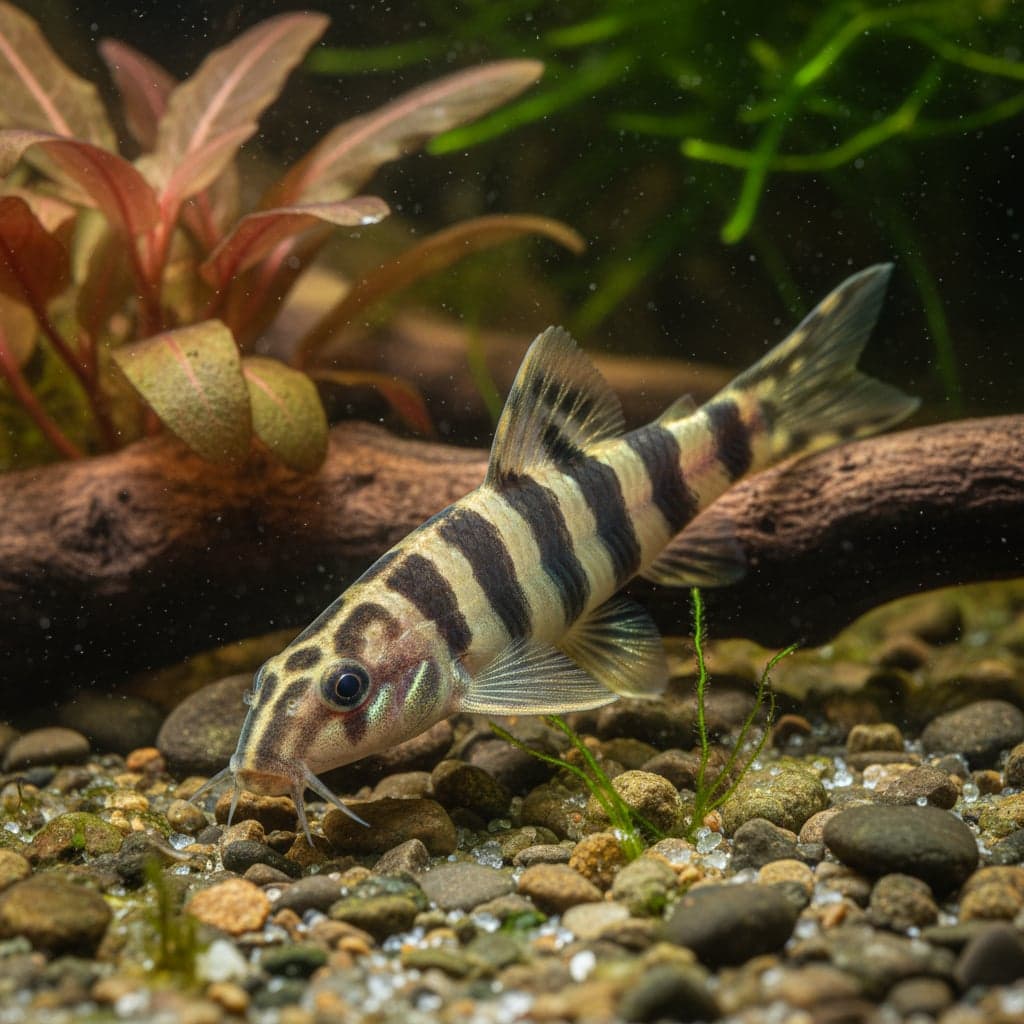
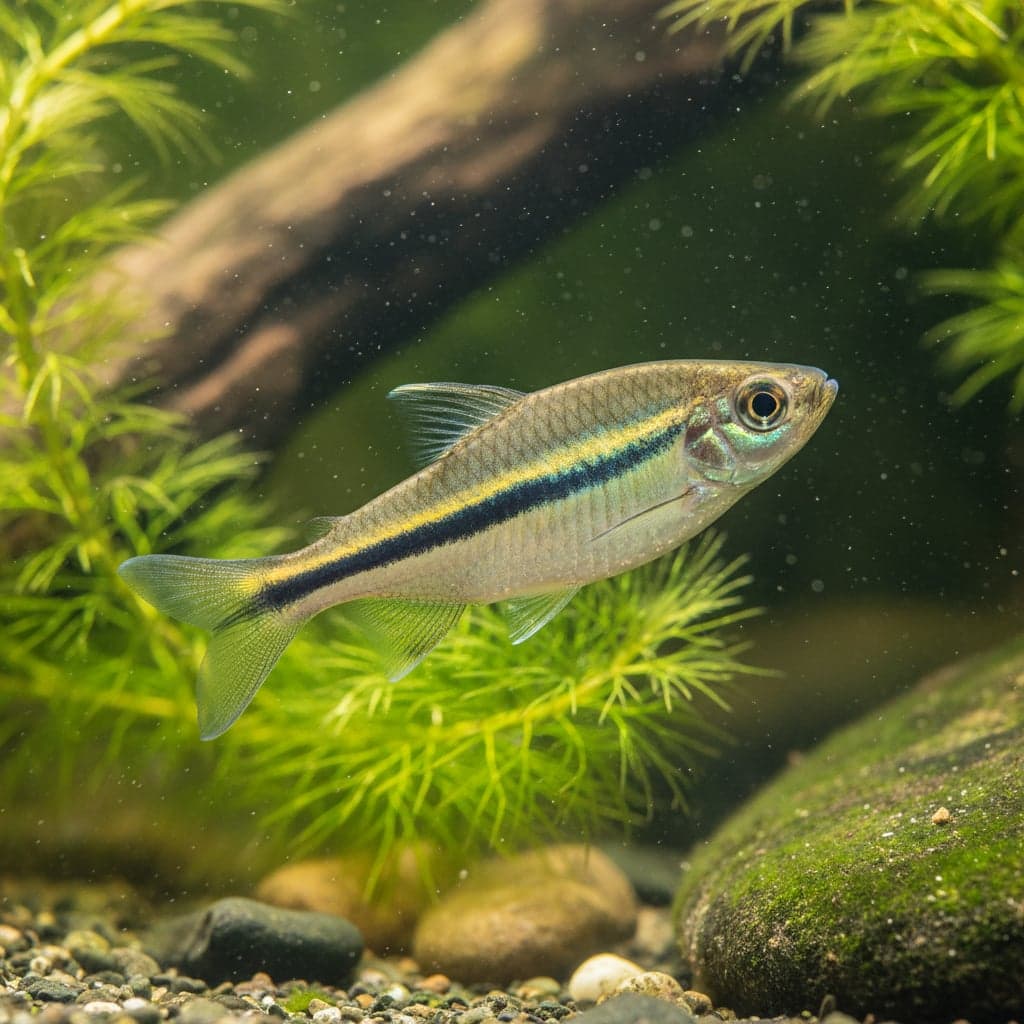
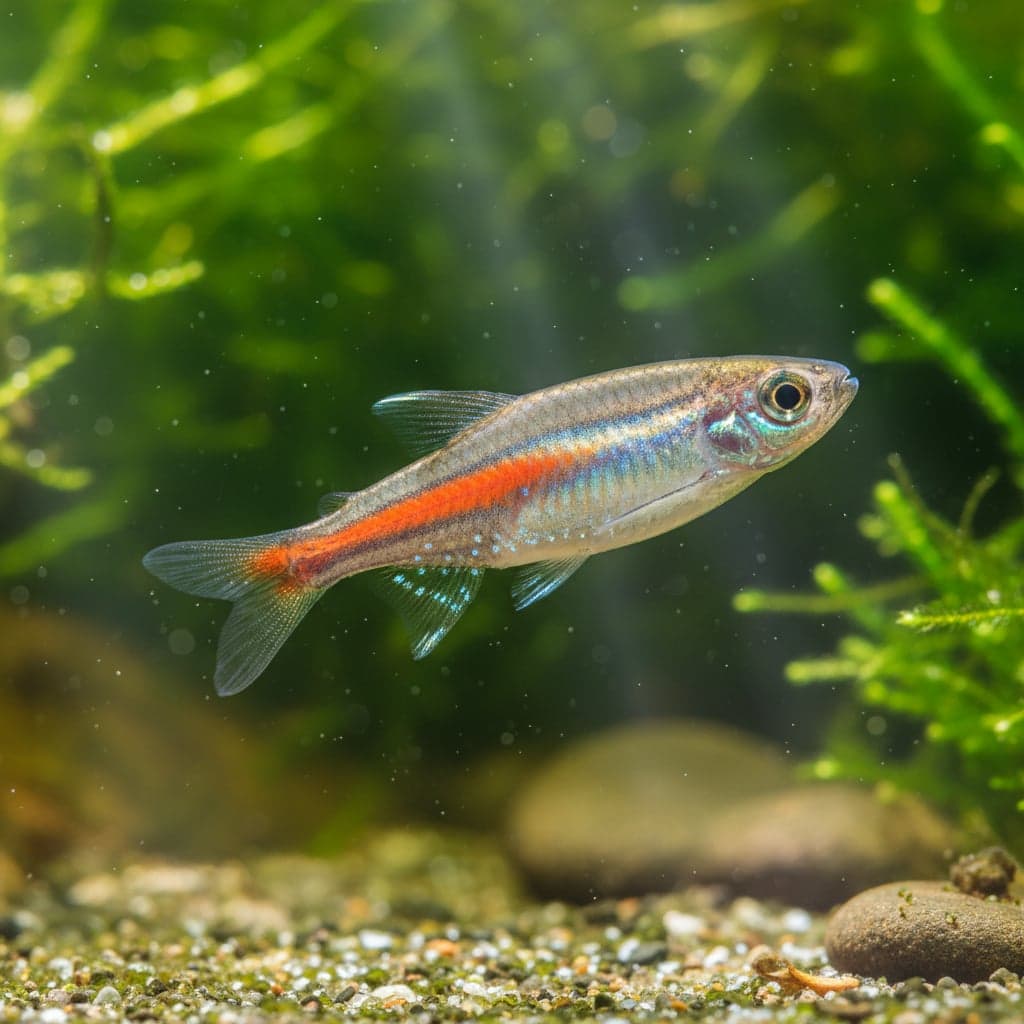
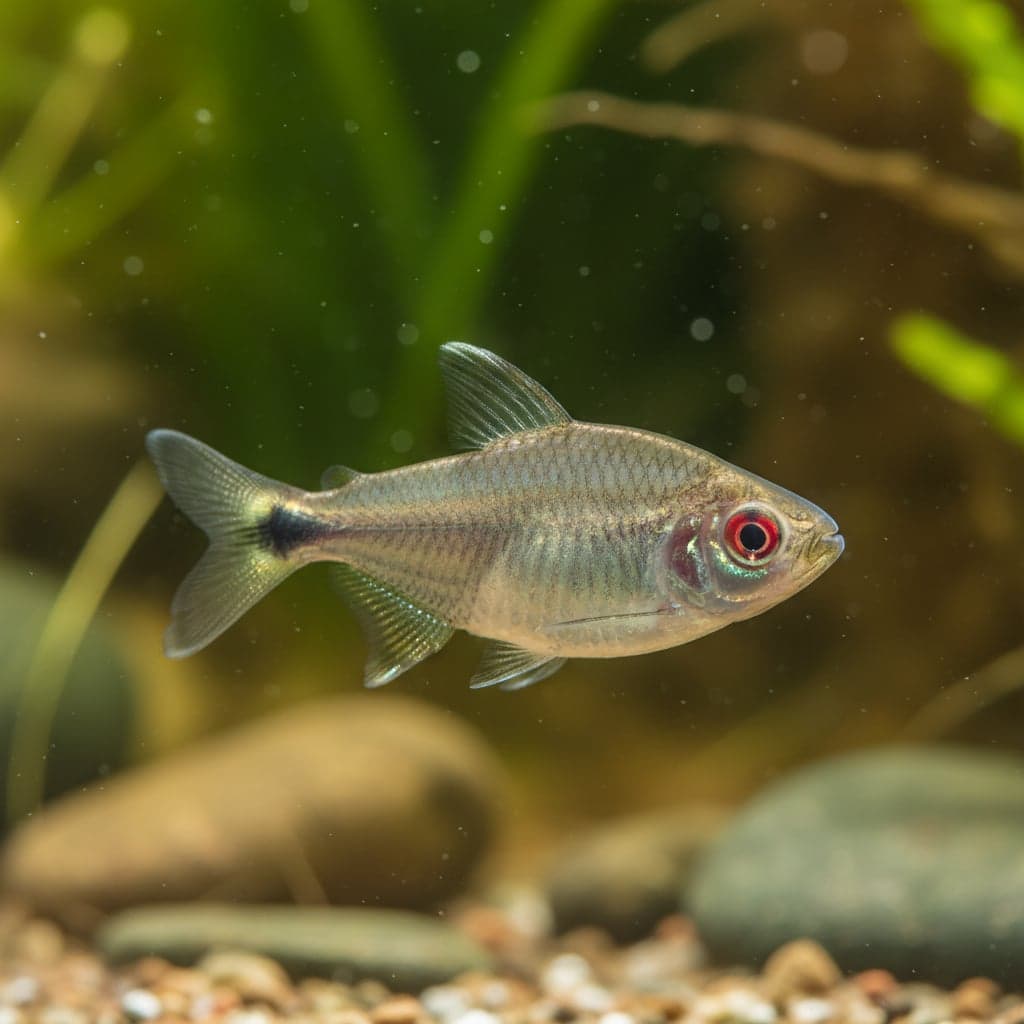
When selecting tank mates for Neocaridina davidi var. "Sunkist," it is essential to choose peaceful species that will not pose a threat to these small shrimp. Compatible tank mates include other small fish such as guppies, neon tetras, and rasboras, as well as other peaceful invertebrates like snails or other shrimp species like the Amano shrimp. Additionally, smaller species of Corydoras catfish can coexist harmoniously, as they generally do not disturb the shrimp.
Species to avoid include larger or more aggressive fish, such as cichlids or barbs, that may view the Sunkist shrimp as a potential snack. It's also best to refrain from introducing any animals that dig actively or swim rapidly, as they can inadvertently harm the shrimp or disturb their habitat. Maintaining a peaceful community tank setup will enhance the long-term success of Sunkist shrimp.
Breeding
Breeding Neocaridina davidi var. "Sunkist" in captivity is relatively straightforward, as they are known for their prolific nature. The female shrimp can often be recognized by their larger size and the presence of a saddle—a cluster of eggs developing near their swimming appendages. Under suitable conditions, female shrimp can produce 20 to 50 eggs every 4 to 6 weeks.
For successful breeding, ensure stable water parameters within the aforementioned ranges, and provide plenty of hiding spots within the tank. The presence of mature shrimp and a nutritious diet will promote breeding behavior. The eggs, which are typically held under the female's tail until they hatch, will develop into baby shrimp after about three to four weeks. Ensuring that the fry are given an appropriate environment with plentiful food sources is crucial for their survival and growth.
Common Health Issues
While Neocaridina davidi var. "Sunkist" is relatively resilient, they can be susceptible to several common health issues if not properly cared for. Typical problems include bacterial infections, nitrite poisoning, and shell rot associated with poor water quality or inadequate diet. Symptoms to watch for include lethargy, discoloration, or an unusual posture.
Preventative measures involve maintaining optimal water quality through regular changes, using a reliable filtration system, and performing routine health checks on shrimp and tank mates. Additionally, avoid copper medications and sudden parameter swings that trigger failed molts. Keep nitrate low with regular water changes, offer mineral-rich foods and leaf litter, and quarantine new invertebrates. Watch for lethargy, empty white molt rings, discoloration, or odd posture, and fix water quality before medicating when possible. Stable temperature, mature biofilm, and peaceful tank mates reduce losses. With attentive care, Sunkist Orange Shrimp remain bright, prolific cleaners for years.