Suntail Goby
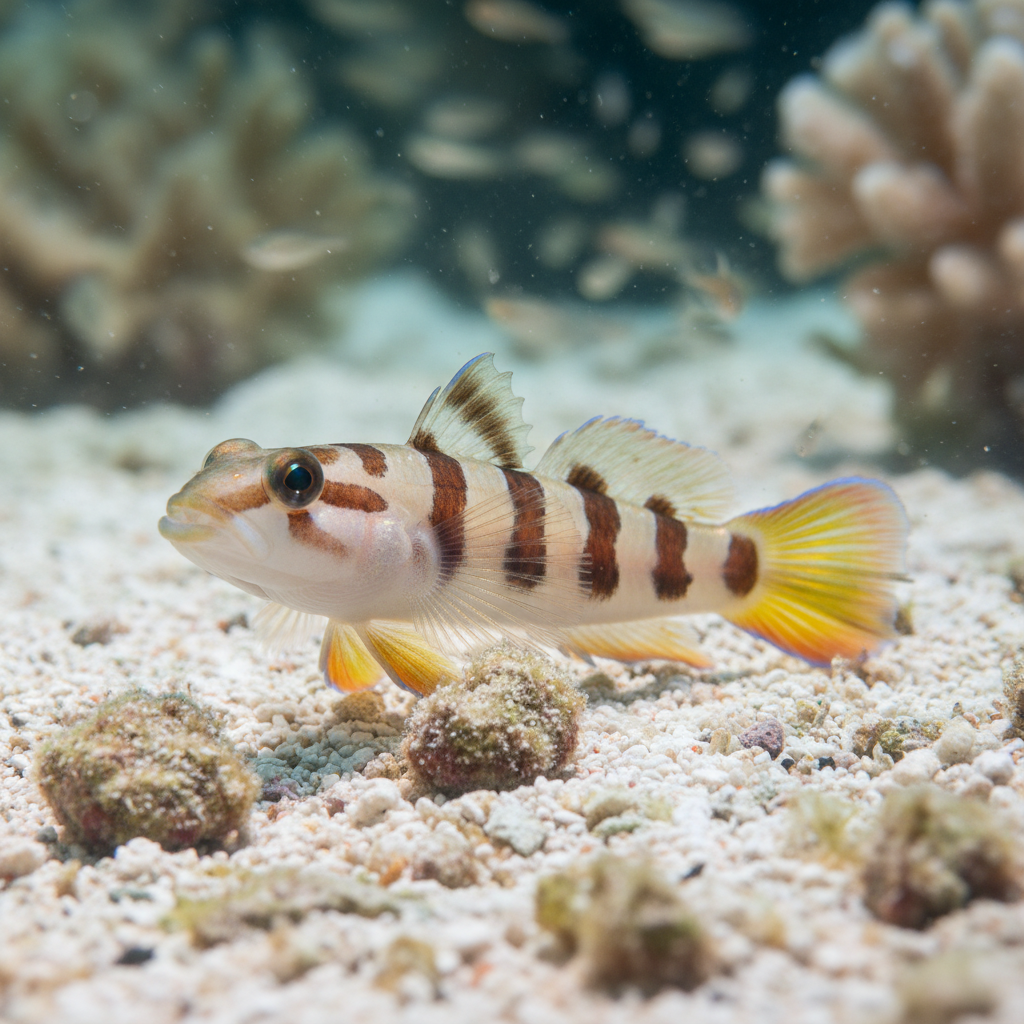
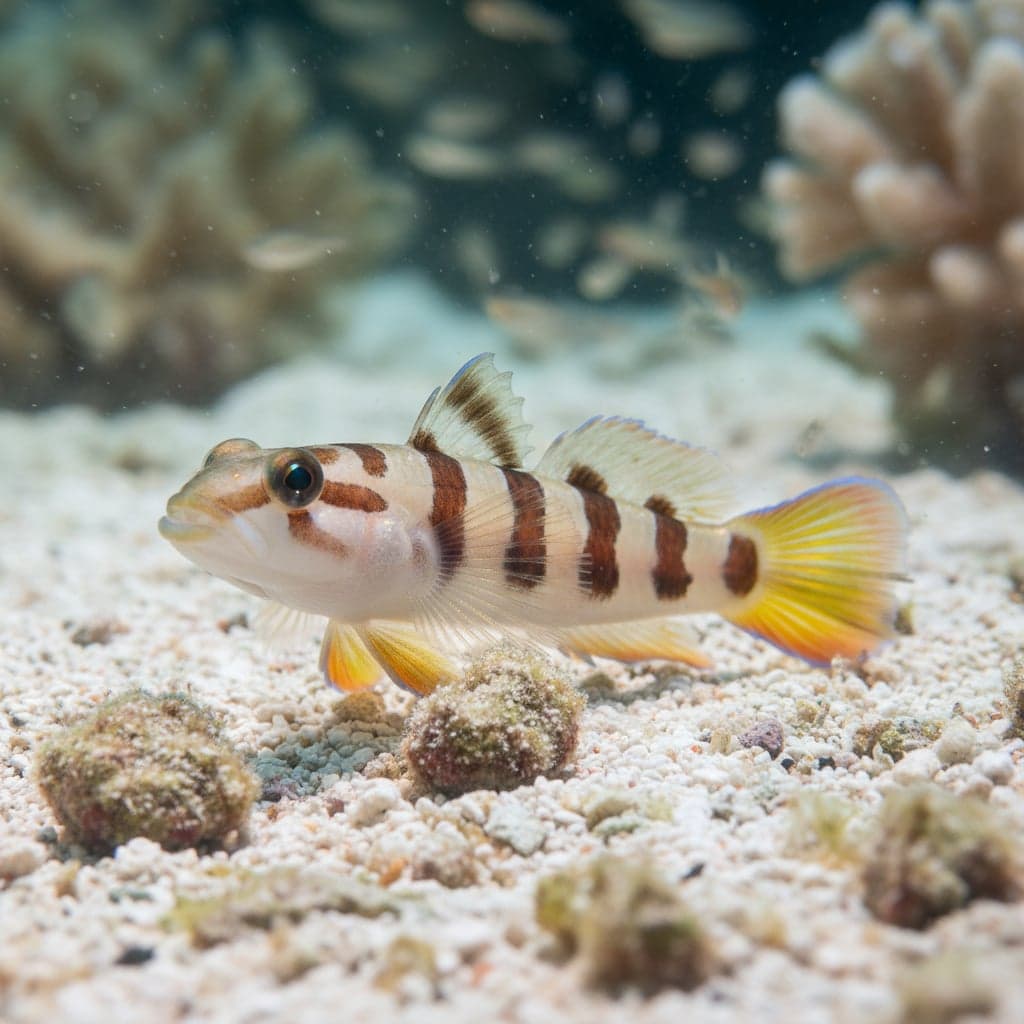
An 11cm shrimp goby that shares a burrow with a pistol shrimp. Buy the pair together, give it deep sand, and seal the lid.
Suntail Goby
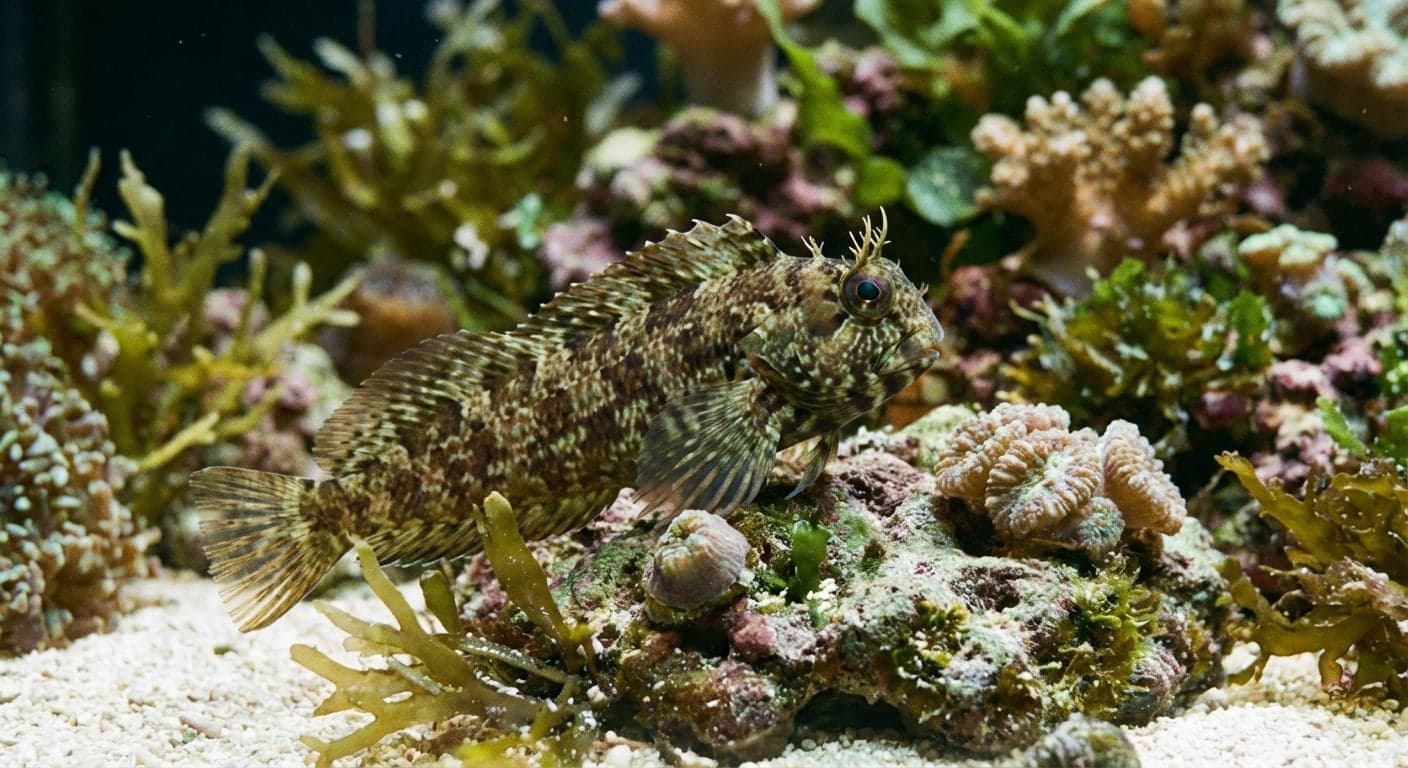
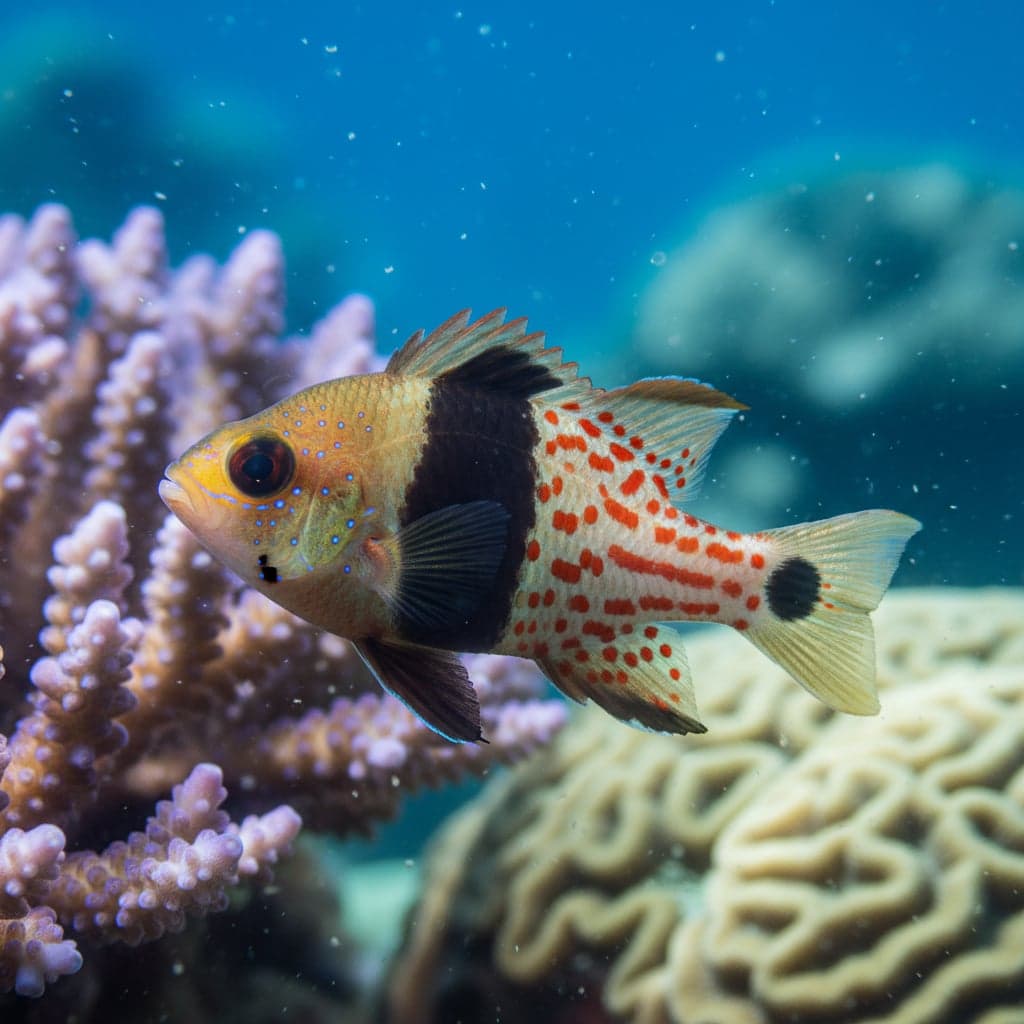
The Suntail Goby, known scientifically as Sicyopterus spp., is a captivating species often sought after by aquarists due to its striking appearance and unique characteristics. This fish features a vibrant, eye-catching coloration that includes a mix of yellow, orange, and brown hues that mimic the natural beauty of its tropical habitat. Its elongated body and prominent dorsal fin give it an elegant profile, making it a visually appealing addition to any freshwater aquarium. With its fascinating behaviors and ease of care, the Suntail Goby has found a cherished spot in the world of ornamental fishkeeping.
In the aquarium hobby, the Suntail Goby serves not only as a colorful and engaging pet but also as a fascinating subject for observation. Known for its unique spawning behavior and interesting feeding patterns, this fish adds a dynamic element to the aquascape. Its significance is heightened as hobbyists are continuously eager to learn about its natural adaptations, breeding habits, and overall care, making it an essential species for both beginner and seasoned aquarists alike.
Natural Habitat & Origin
The Suntail Goby is primarily found in freshwater streams and rivers in tropical regions of Asia, including parts of Southeast Asia and the Indo-Pacific. These waters typically range from slow-flowing rivers to slightly brackish environments, where the fish thrive in the intricate ecosystems formed by rocks, plants, and submerged debris. The Suntail Goby typically inhabits areas with dense vegetation and plenty of shelter, such as riverbanks and swamp-like environments, often in clear or slightly turbid water.
This species favors habitats with specific environmental conditions that include both calm and flowing water. The water pH levels range from 6.0 to 7.5, depending on the locality, with moderate hardness levels being ideal. This variety of habitat allows the Suntail Goby to display adaptability, making it suitable for aquariums designed to replicate its natural conditions.
Care Requirements
To ensure the health and well-being of the Suntail Goby, optimal care parameters must be established in a home aquarium. A minimum tank size of 75 litres (20 gallons) is recommended for this 11cm Amblyeleotris shrimp goby — deep sand for the burrow and a tight lid matter as much as swimming room. An aquarium substrate of fine gravel or sand mimics their natural environment and allows them to forage for food. Lighting should be moderate to low, as these fish often prefer slightly shaded areas typical of their natural habitats. Additionally, incorporating live plants and driftwood into the tank setup will provide essential shelter and create a more inviting atmosphere.
Water conditions should be meticulously maintained, with temperature ranges between 72°F and 80°F (22°C to 27°C), a pH between 6.5 and 7.5, and a hardness level of approximately 5 to 15 dGH. Regular water changes, coupled with the use of a quality filtration system, will help maintain vital water quality parameters, keeping the Suntail Goby healthy and active.
Diet & Feeding
Suntail Gobies are omnivores, with diverse dietary needs that can be met through a balanced mix of high-quality foods. They will readily accept commercial flakes and pellets designed for tropical fish, but it is essential to supplement their diet with live or frozen foods to meet their nutritional requirements. Foods such as brine shrimp, daphnia, and bloodworms provide the protein they need for growth and vitality. Additionally, offering blanched vegetables like zucchini or spinach can enhance their diet, encouraging natural foraging behavior.
In practice, feeding should be done 1-2 times a day, ensuring all food provided is consumed within a few minutes to prevent water quality degradation. Providing varied foods not only promotes the health of the Suntail Goby but also stimulates its natural behaviors, enhancing the overall aquatic experience.
Behavior & Temperament
The Suntail Goby is characterized by a peaceful demeanor, typically thriving in community tanks with compatible species. They exhibit interesting semi-social behaviors, often forming loose associations with their kin while displaying little aggression towards tank mates. Although they tend to be bottom dwellers, they will occasionally swim mid-column, particularly during feeding times. Their serene nature makes them ideal candidates for community aquariums, as they cohabit well with a variety of peaceful fish.
In terms of vertical placement, Suntail Gobies often occupy lower strata near rocks and plants. However, they occasionally venture upwards when hunting for food, showcasing their adaptable foraging strategies and adding behavioral diversity to the tank.
Tank Mates
When selecting tank mates for the Suntail Goby, it is essential to choose species that are similarly peaceful and occupy different vertical spaces. Compatible companions include small cyprinids like rasboras and tetras, as well as smaller catfish species, such as Corydoras. Additionally, shrimp and peaceful macrofauna can coexist harmoniously within a well-stocked community aquarium.
Species to avoid include larger, more aggressive fish, such as cichlids or barbs that may harass or compete for food. Chandlers like bettas, too, may pick on the Goby, especially during feeding times. Creating a balanced community will promote a thriving environment for the Suntail Goby while allowing other species to coexist peacefully.
Breeding
Breeding Suntail Gobies in captivity can be both rewarding and challenging, as they exhibit interesting spawning behaviors. They are substrate spawners, laying their eggs on flat surfaces such as rocks or hard tank decor. To encourage breeding, maintain ideal water conditions with slightly elevated temperatures, around 78°F (25.5°C), and ensure that the environment mimics their natural habitat closely.
Creating a separate breeding tank with gentle filtration and hiding spaces will increase the chances of successful reproduction. After laying eggs, it's advised to remove the adult fish to prevent them from consuming the eggs. The eggs generally hatch within 3 to 7 days, and the fry should be fed infusoria or specially formulated fry food until they are large enough to consume crushed flakes or baby brine shrimp.
Common Health Issues
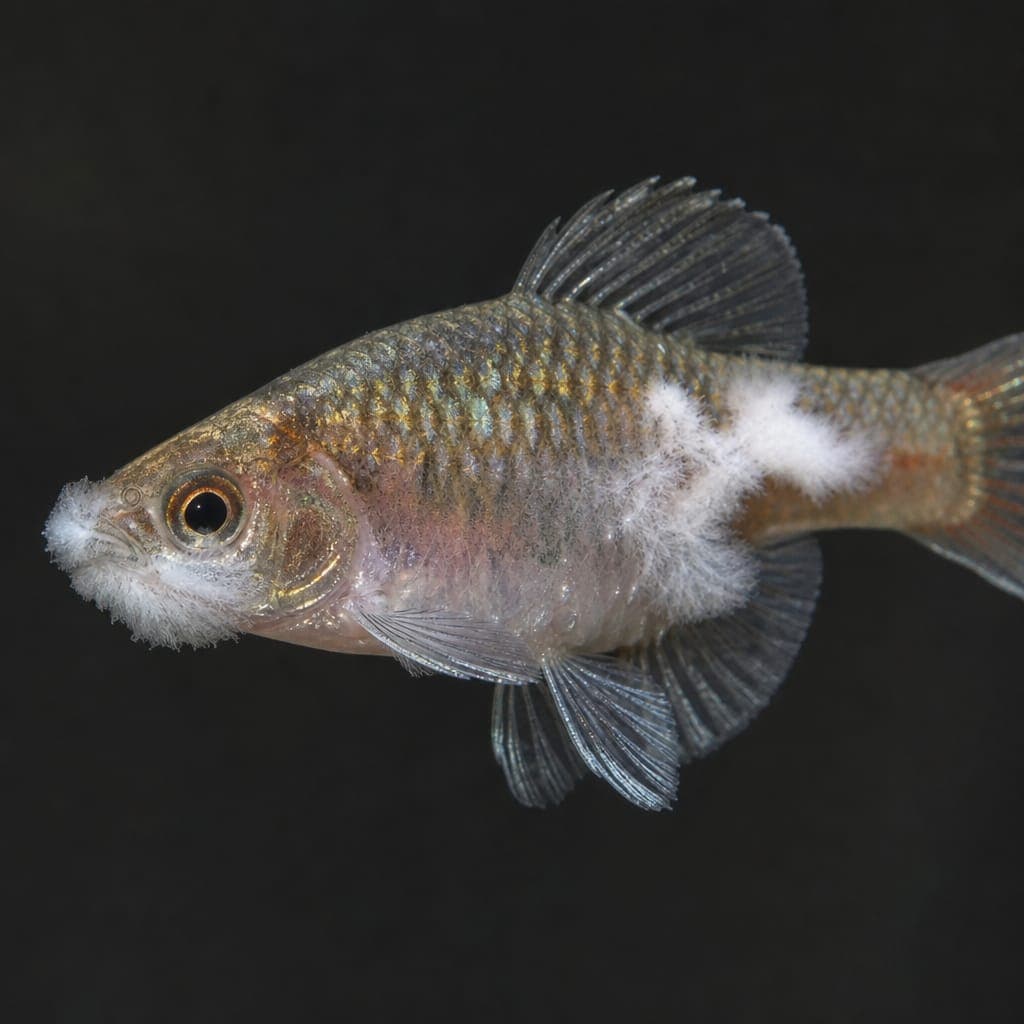
Though generally hardy, Suntail Gobies may still be susceptible to typical freshwater aquarium ailments, such as ich, fin rot, and fungal infections. Regular monitoring of water quality and parameters is crucial in preventing stress-related diseases. Quarantining new fish before introducing them into the main aquarium can minimize the risk of disease outbreaks.
Providing a balanced diet, maintaining proper tank hygiene, and ensuring adequate space for swimming and hiding are essential preventative measures. In case of illness, it’s critical to promptly identify symptoms and administer appropriate treatments while ensuring that water conditions remain optimal to promote recovery. Regular health checks enhance the quality of life for the Suntail Goby, keeping it vibrant and active in the aquarium setting.