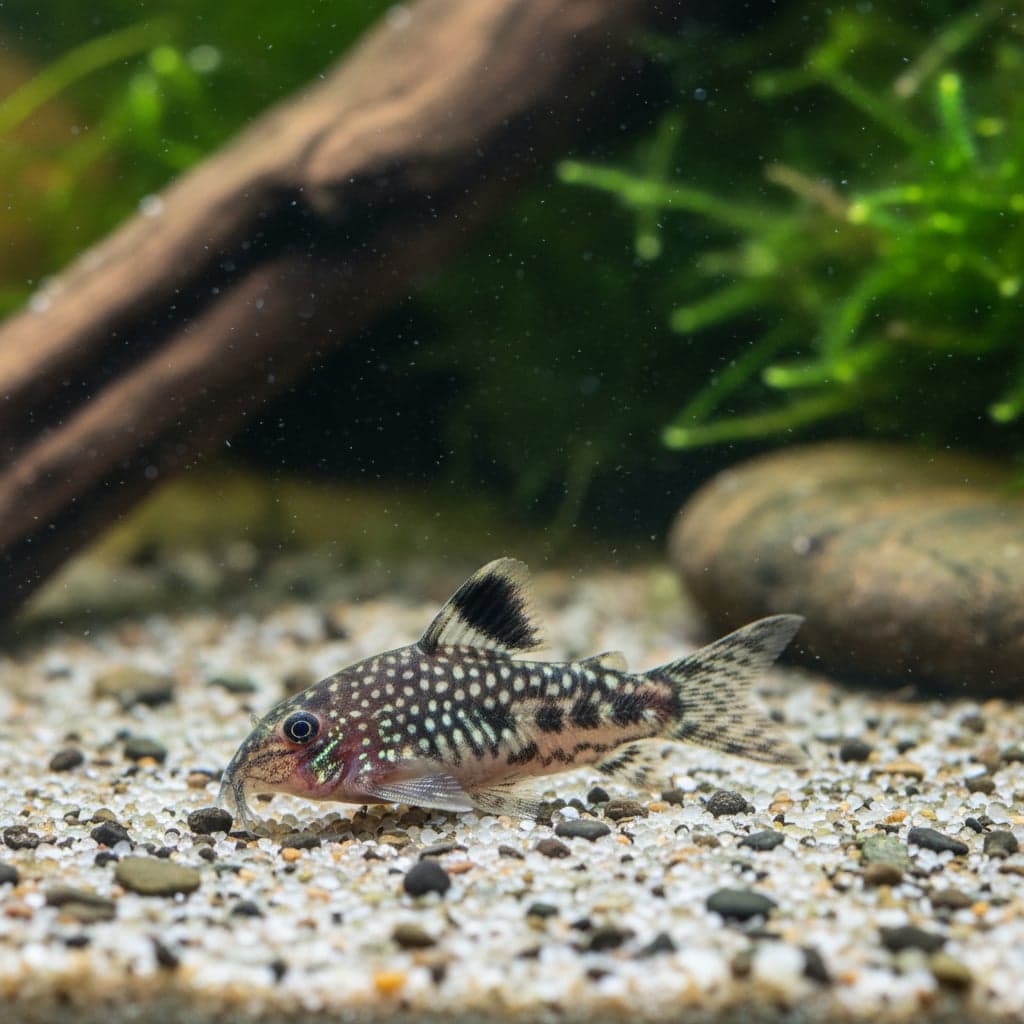
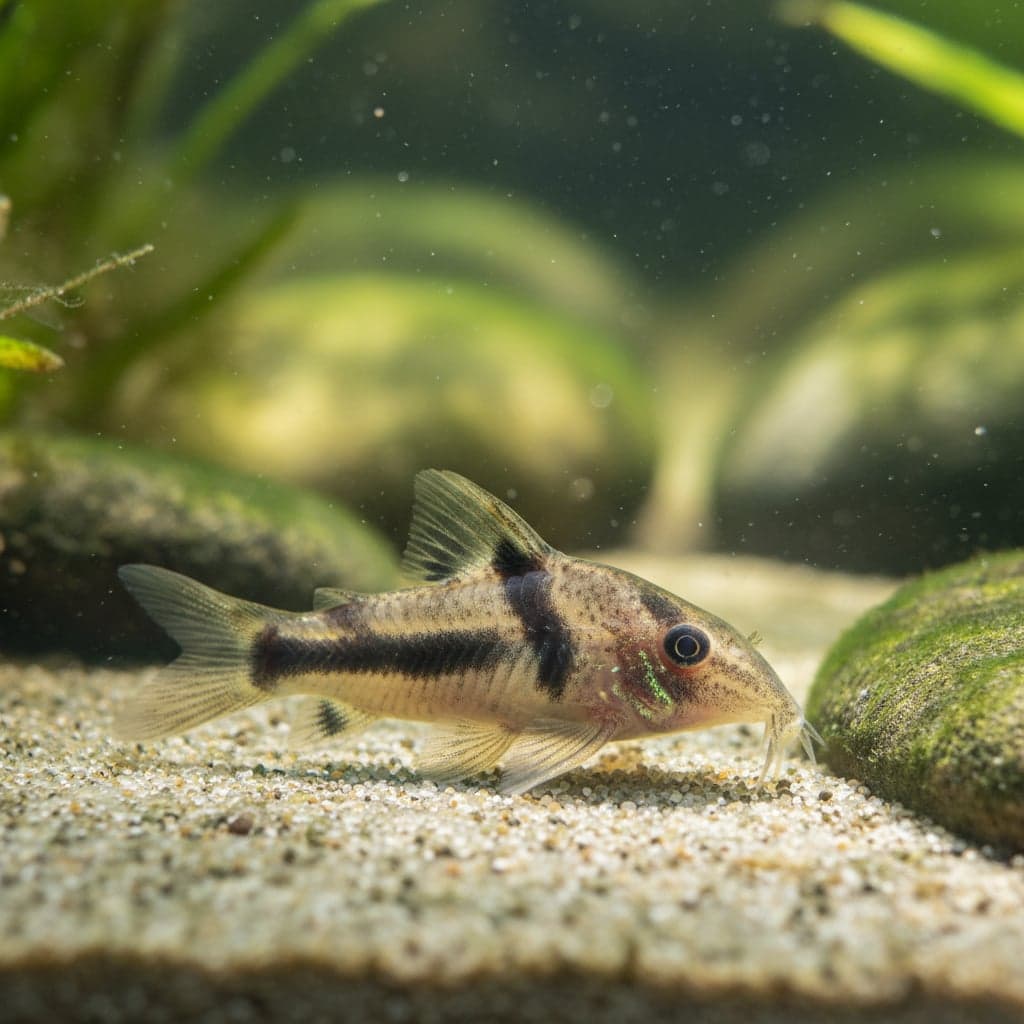
Super Parallelus Cory: Corydoras sp. CW127
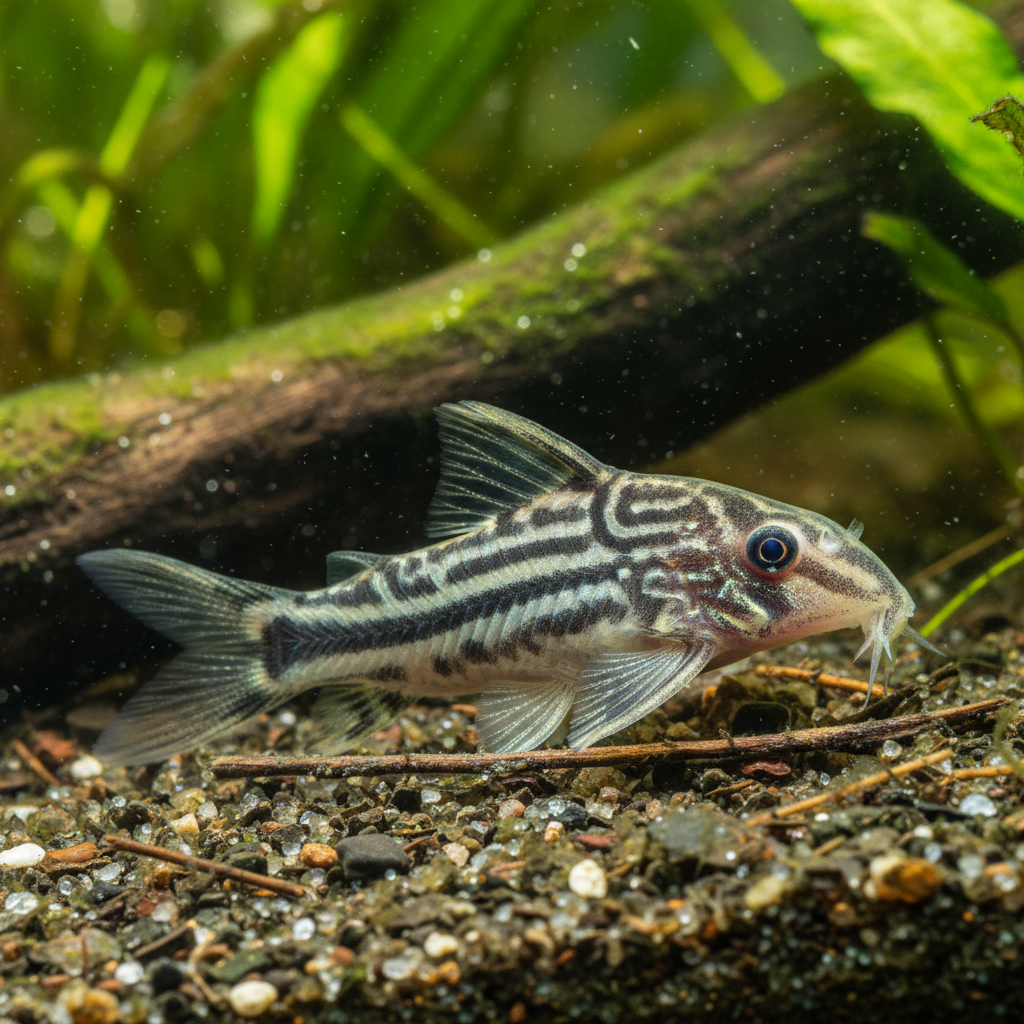
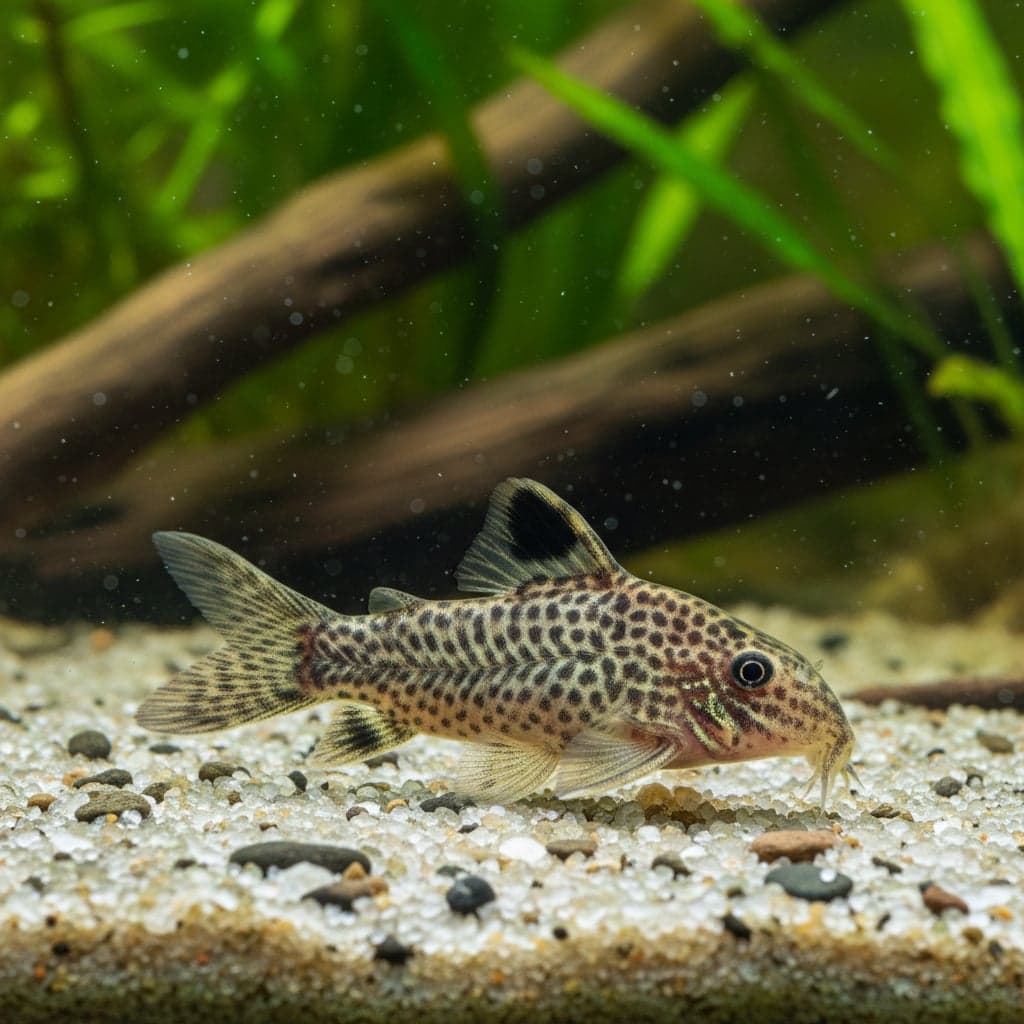
A 6cm spotted Corydoras from the CW127 line. Peaceful sand-sifter that needs smooth substrate for its barbels and a group of six.
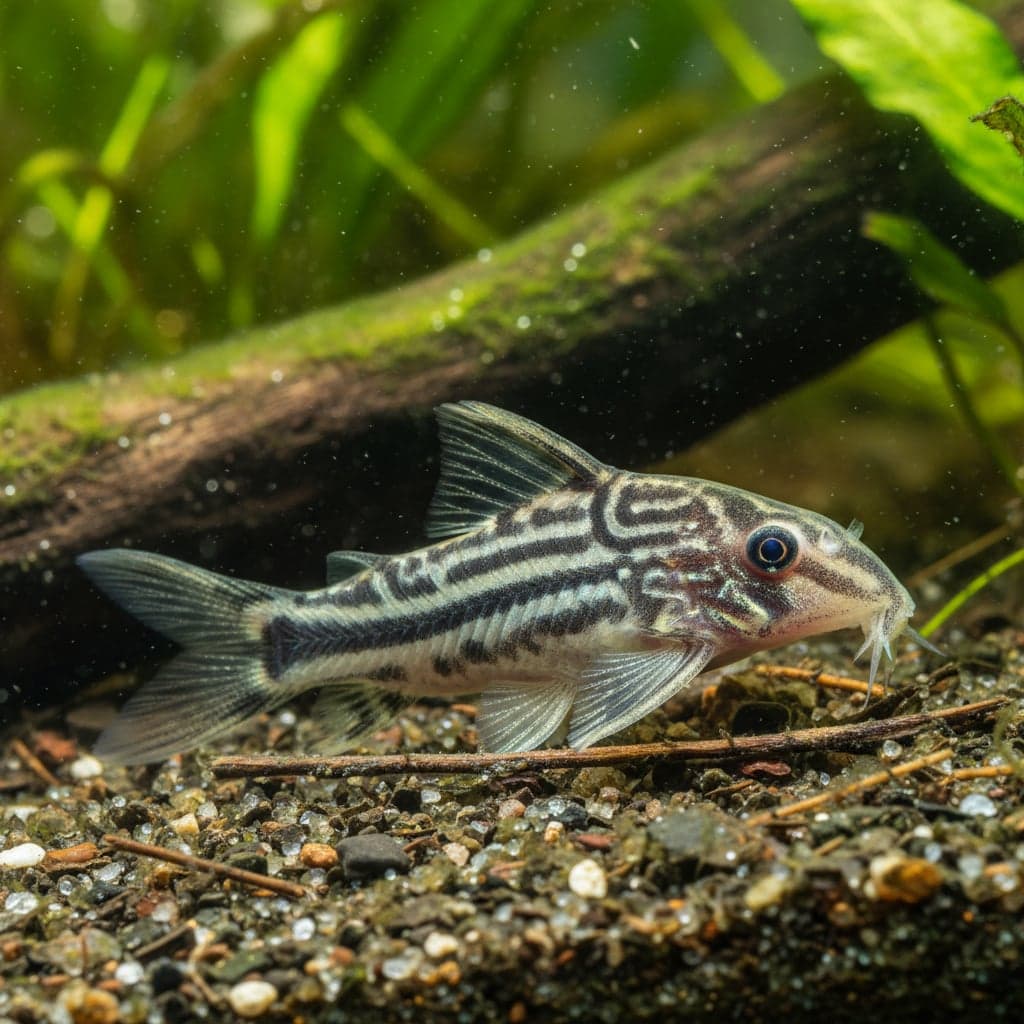
Super Parallelus Cory
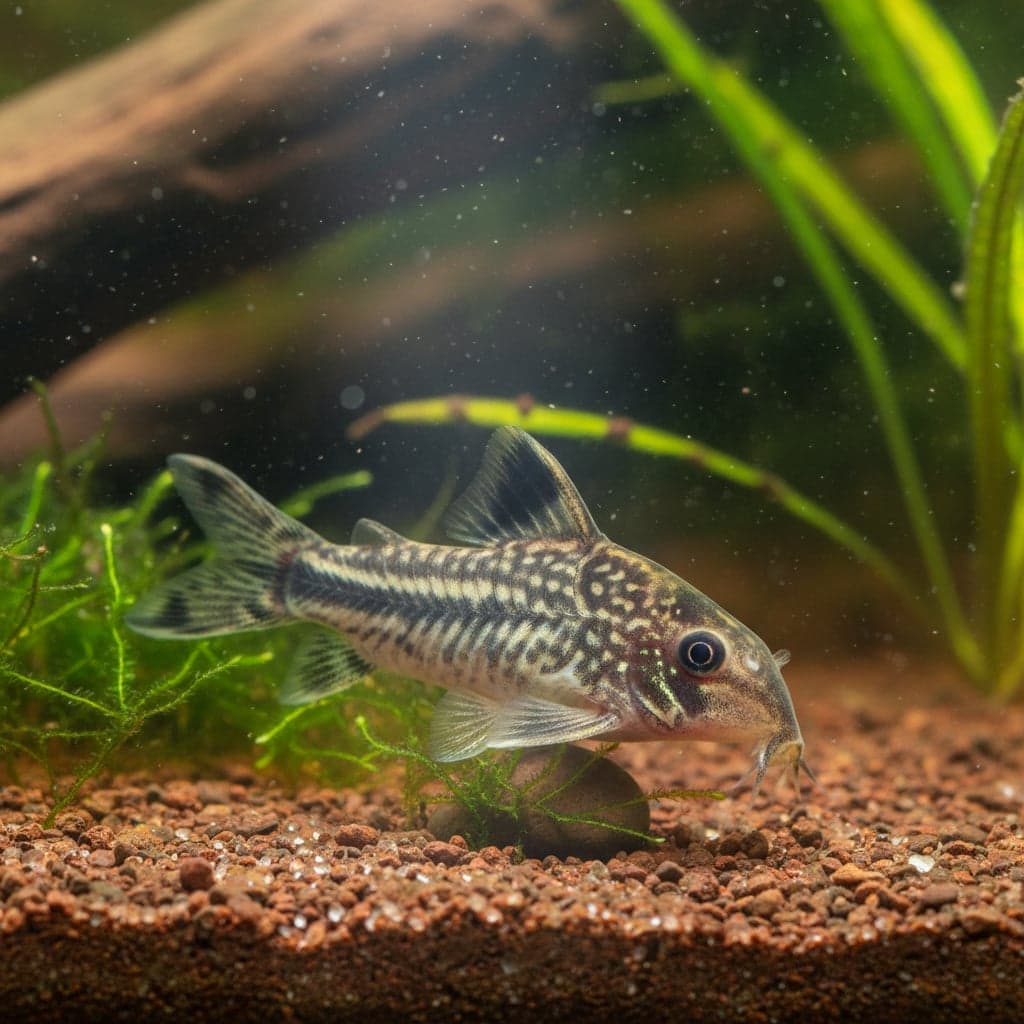
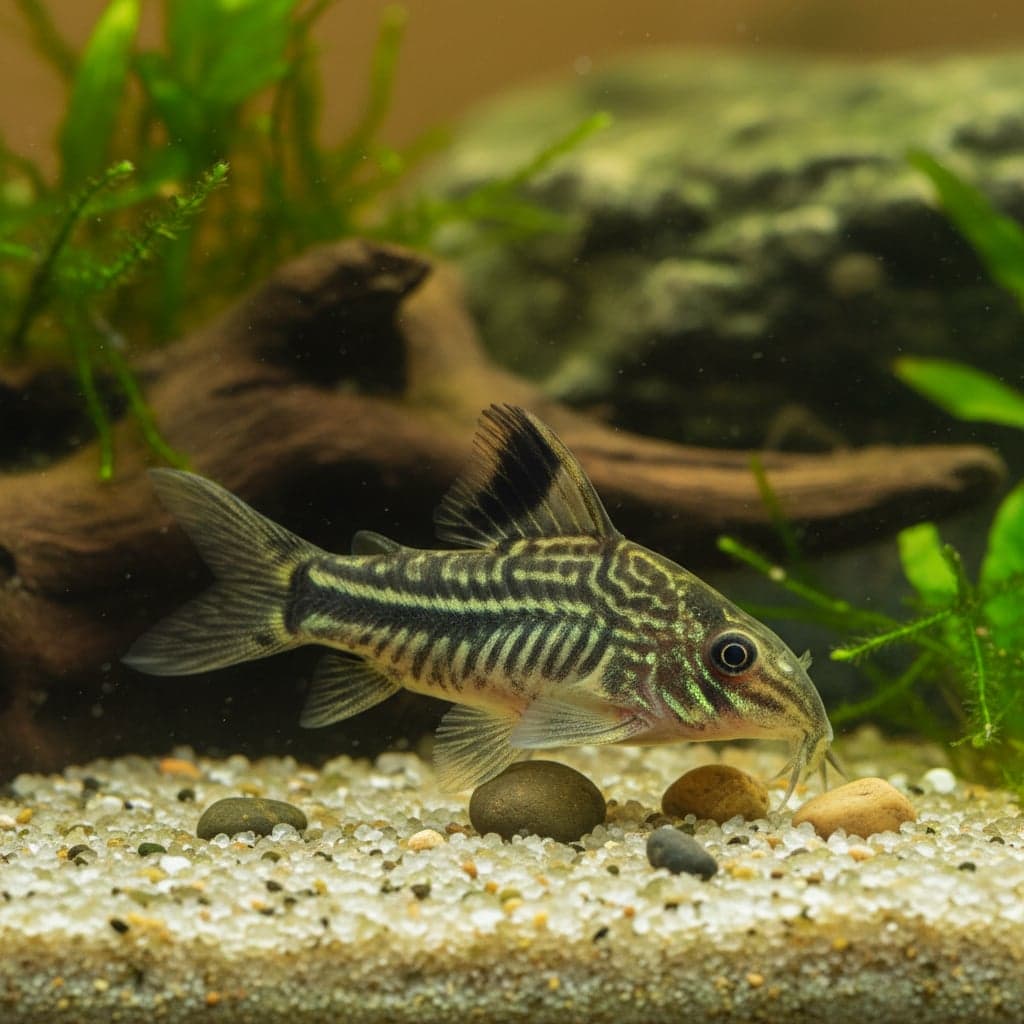
The Super Parallelus Cory, scientifically known as Corydoras sp. CW127, is a captivating addition to the aquarium hobbyists’ repertoire. Recognized for its striking appearance, the Super Parallelus Cory features a stunning pattern of dark spots against a lighter background, typically exhibiting shades of silver and white. This coloration not only makes it visually appealing but also draws the attention of aquarists and casual observers alike. Its small size, usually reaching about 2 to 3 inches in length, allows it to fit comfortably within community tanks, making it a favored choice among fish enthusiasts.
Beyond their aesthetic value, Super Parallelus Corys play a significant role in the aquarium ecosystem. These bottom-dwelling fish are natural scavengers, helping to maintain a clean tank environment by consuming uneaten food and detritus that can accumulate on the substrate. Their active and engaging behaviors add life and movement to the aquarium, making them a joy to observe. The appeal of caring for such a unique species also contributes to the biodiversity within aquariums, promoting a balanced and healthy aquatic environment.
Natural Habitat & Origin
Super Parallelus Corys originate from the rivers and streams in Brazil, particularly in the Amazon Basin. These waters are often characterized as blackwater habitats, rich in organic material, which contributes to the soft, acidic conditions that these fish thrive in. The waters where these corys are found tend to have low visibility, created by the presence of tannins from decomposing vegetation. This natural environment is complemented by dense vegetation and leaf litter, providing hiding spots and foraging opportunities.
In their native habitat, Super Parallelus Corys adapt to the specific environmental conditions, which include slow-moving waters with ample cover and stable temperatures. Understanding the ecological niche of these small fish is critical for aquarists looking to replicate their natural environment in a home aquarium. By mimicking these conditions, hobbyists can facilitate the health and well-being of Super Parallelus Corys, allowing them to flourish in captivity.
Care Requirements
To ensure the optimal health of Super Parallelus Corys, specific water parameters must be maintained. A pH range of 6.0 to 7.0, a temperature range of 72°F to 78°F (22°C to 26°C), and a water hardness of 2 to 15 dGH are ideal. These parameters reflect their natural habitat and support their overall health. A minimum tank size of 20 gallons is recommended, as these fish thrive in spacious environments where they can exhibit their natural behavior.
The tank setup should include a soft, sandy substrate, which allows the Super Parallelus Cory to dig and forage comfortably. Incorporating plenty of hiding spots, such as driftwood, rocks, and aquatic plants, is essential for providing security and stimulation. Moderate lighting works best, mimicking the dappled light conditions of their natural habitats. Plant species like Java fern and Anubias make excellent additions, offering both cover and an appealing aesthetic.
Diet & Feeding
Super Parallelus Corys are omnivores, and their diet in captivity should reflect this natural tendency. They thrive on a varied diet, which can include high-quality flake foods, sinking pellets, and a mix of frozen or live foods such as brine shrimp and bloodworms. It is essential to provide a diverse diet to ensure they receive all necessary nutrients for health and vitality.
Supplementing their diet with occasional vegetable matter, like blanched zucchini or spinach, can enrich their nutrition. Feeding should occur in small amounts multiple times a day, allowing the fish to graze throughout the day, which promotes their natural foraging behaviors. Care should be taken to avoid overfeeding, as uneaten food can lead to water quality issues.
Behavior & Temperament
Super Parallelus Corys are social fish known for their peaceful and gentle demeanor, making them ideal candidates for community tanks. They exhibit a natural schooling behavior, often found swimming in groups, which is essential for their emotional well-being. Keeping them in groups of at least six is recommended to create a more comfortable environment that allows them to establish a social hierarchy.
In terms of tank placement, Super Parallelus Corys are primarily bottom dwellers but will occasionally venture higher in the tank, especially when foraging among the plants. Their calm and friendly nature ensures they do not exhibit aggression towards other species, making them compatible with a variety of tank mates. Observing their social interactions can be a delightful aspect of keeping these fish.
Tank Mates
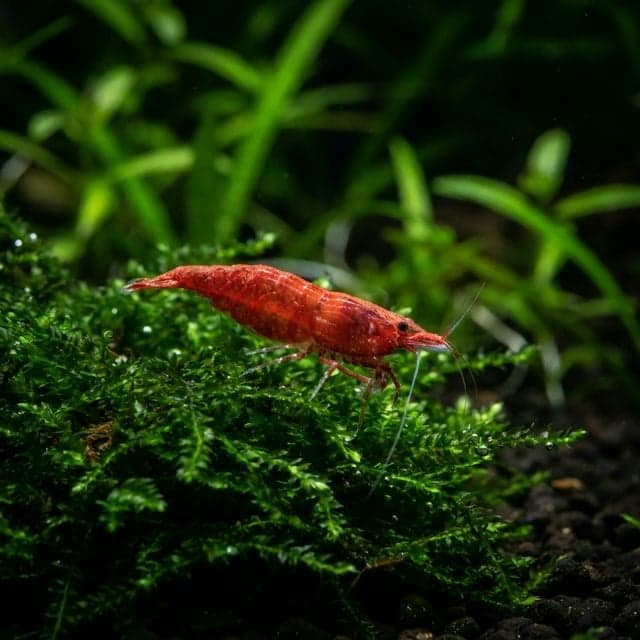
When selecting tank mates for Super Parallelus Corys, it’s important to choose species that share similar water parameters and temperament. Compatible species include other corydoras such as the Bronze Cory and Peppered Cory, as well as peaceful community fish like Tetras, Rasboras, and Guppies. Shrimp species, such as Amano and Cherry Shrimp, can also coexist well with these corydoras.
Conversely, it's advisable to avoid aggressive species or those that might outcompete them for food, such as cichlids or larger barbs. Additionally, very small or slow-moving fish may be at risk of being outcompeted or bullied. A well-balanced community that considers the compatibility of fish helps in creating a harmonious aquarium environment.
Breeding
Breeding Super Parallelus Corys in captivity can be a rewarding experience for aquarists. To encourage spawning, a separate breeding tank is often recommended, set up with similar water parameters to their natural habitat. A gentle filter and plenty of hiding spots, such as spawning mops or small plants, can cater to their breeding preferences.
The spawning ritual typically involves the male chasing the female and performing a variety of displays to entice her. Once the female is ready, she will lay adhesive eggs on surfaces like plants or spawning mops. After spawning, the parents should be removed from the tank to prevent them from eating the eggs. The eggs will hatch in 3 to 5 days, and the fry can be fed infusoria or finely crushed flakes until they grow larger.
Common Health Issues
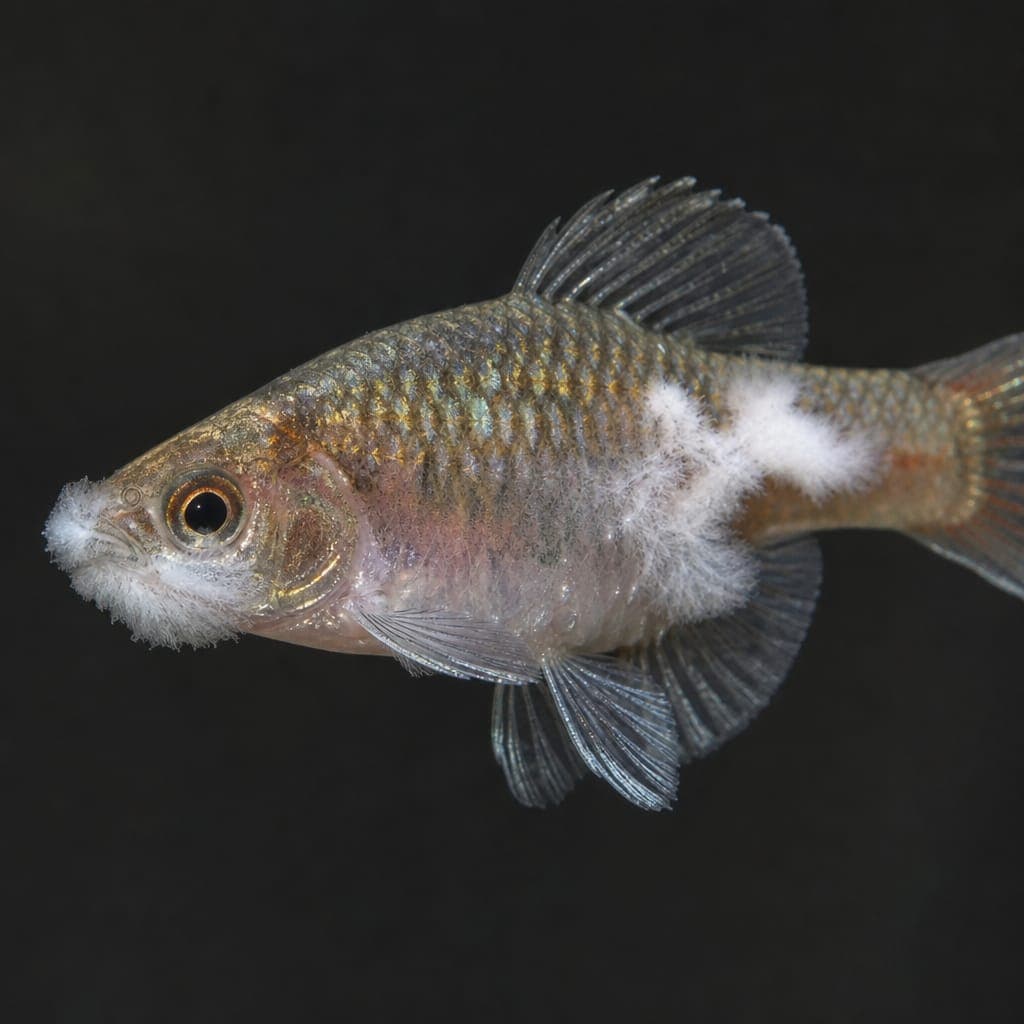
Super Parallelus Corys are generally hardy fish, but like all aquarium inhabitants, they may fall prey to certain health issues. Common diseases include ich (Ichthyophthirius multifiliis), fin rot, and fungal infections. To prevent these conditions, maintaining high water quality through regular water changes and proper filtration is essential.
Additionally, providing a stress-free environment by avoiding overcrowding and ensuring compatible tank mates can help reduce the risk of illness. Regular monitoring for any signs of illness, such as changes in behavior or appearance, enables prompt treatment, which is crucial in maintaining the health of Super Parallelus Corys. Understanding their specific health needs is a vital aspect of successful aquaculture for this enchanting species.