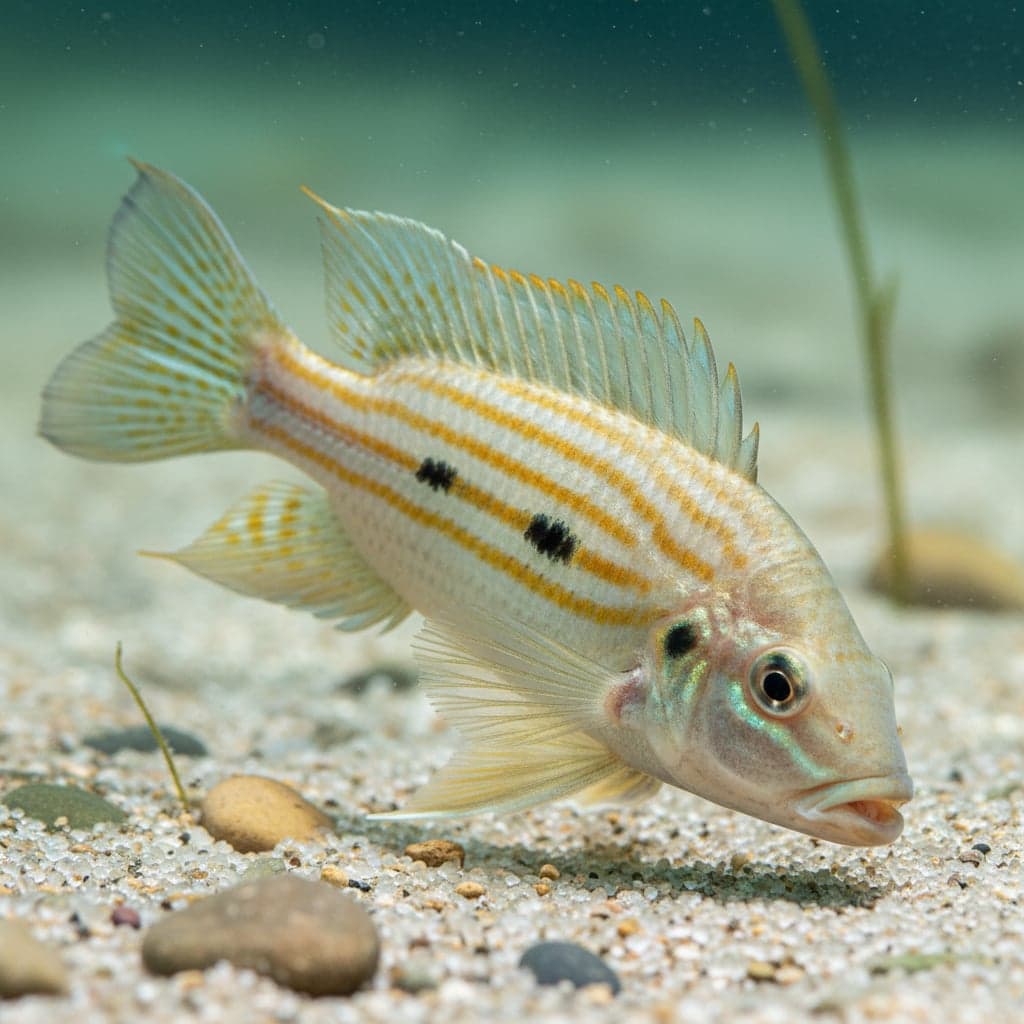
Suriname Eartheater: Geophagus surinamensis
A 25cm eartheater that sifts sand mouthful by mouthful. Needs deep fine sand, a long tank and a group of five or more.
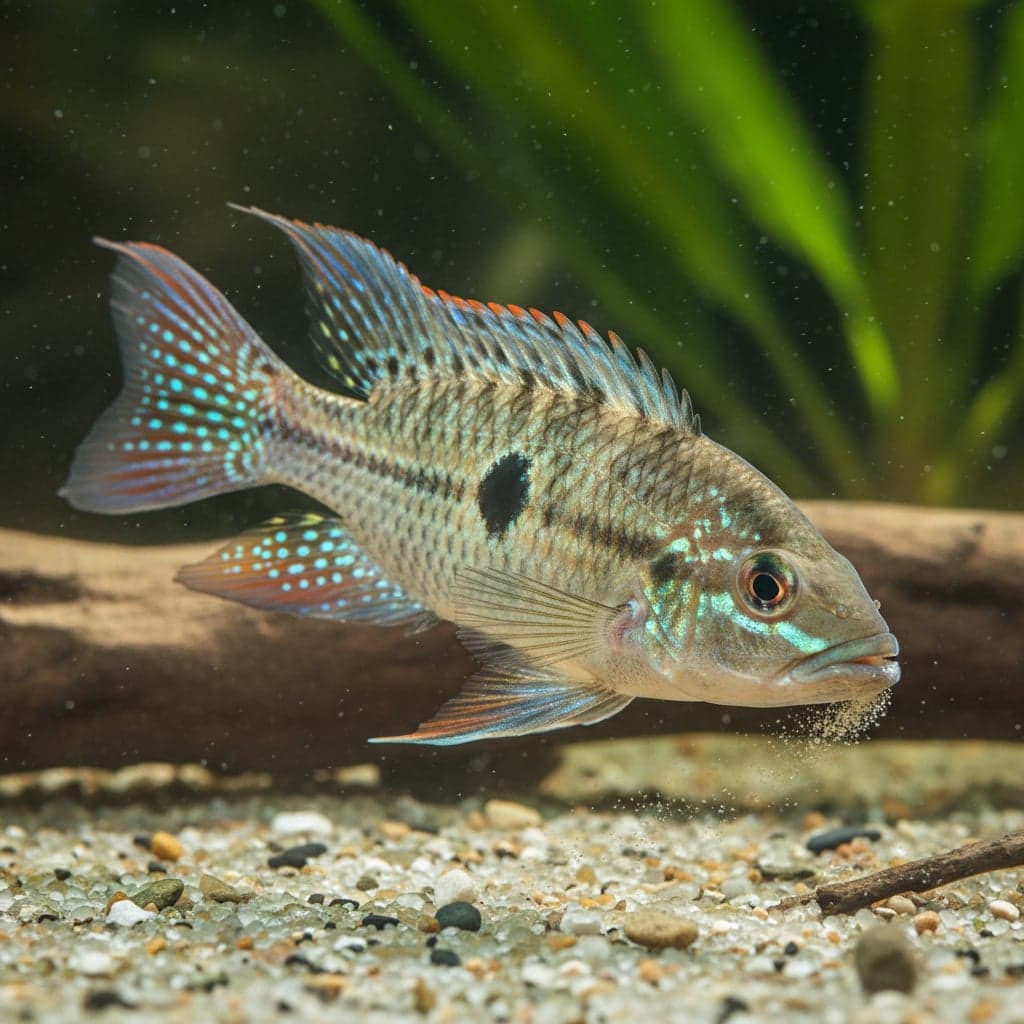
Suriname Eartheater
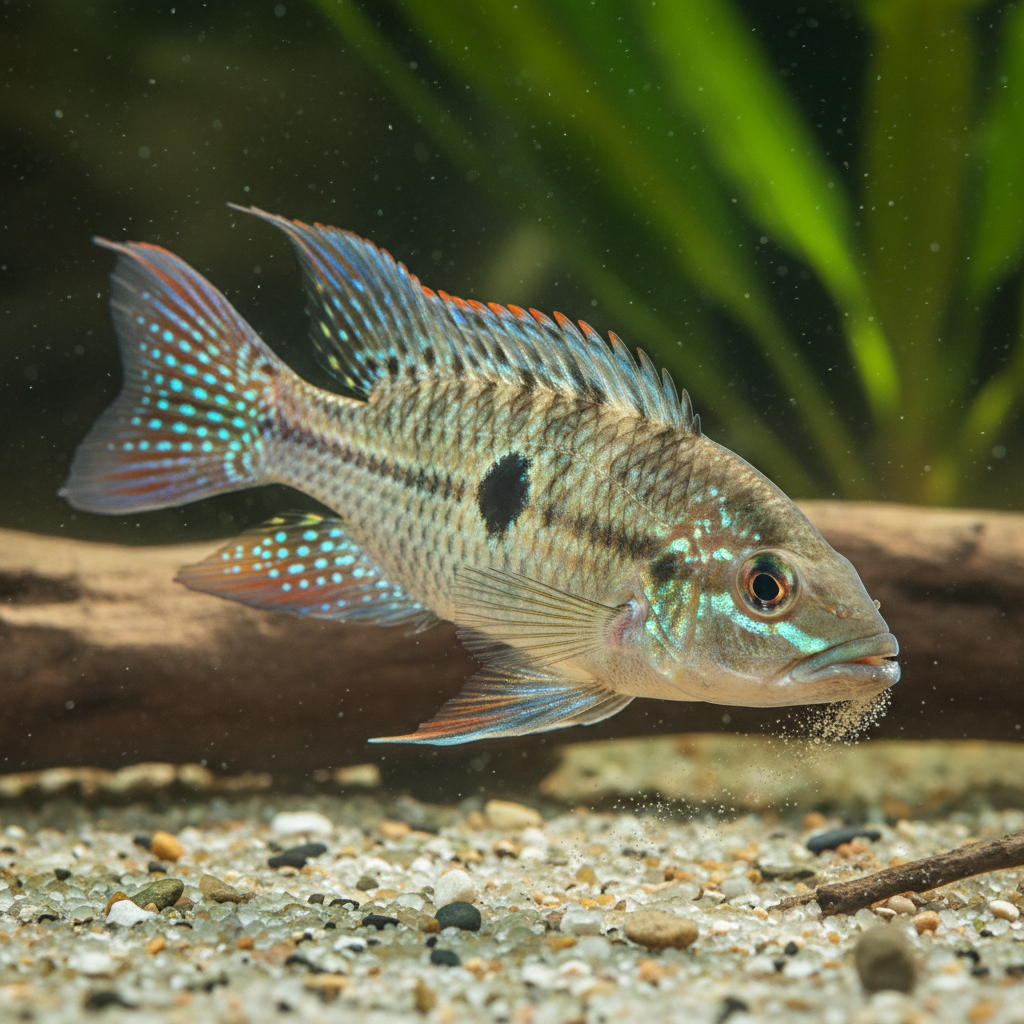
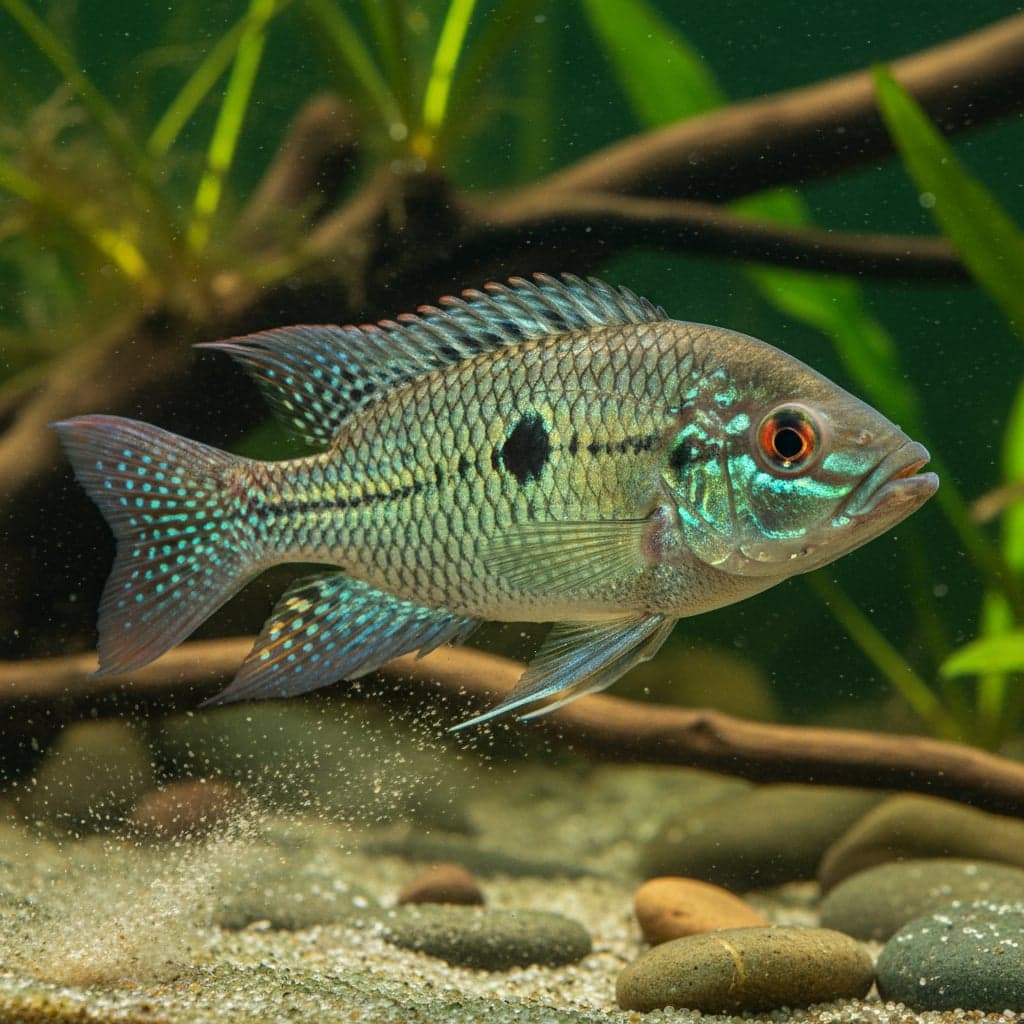
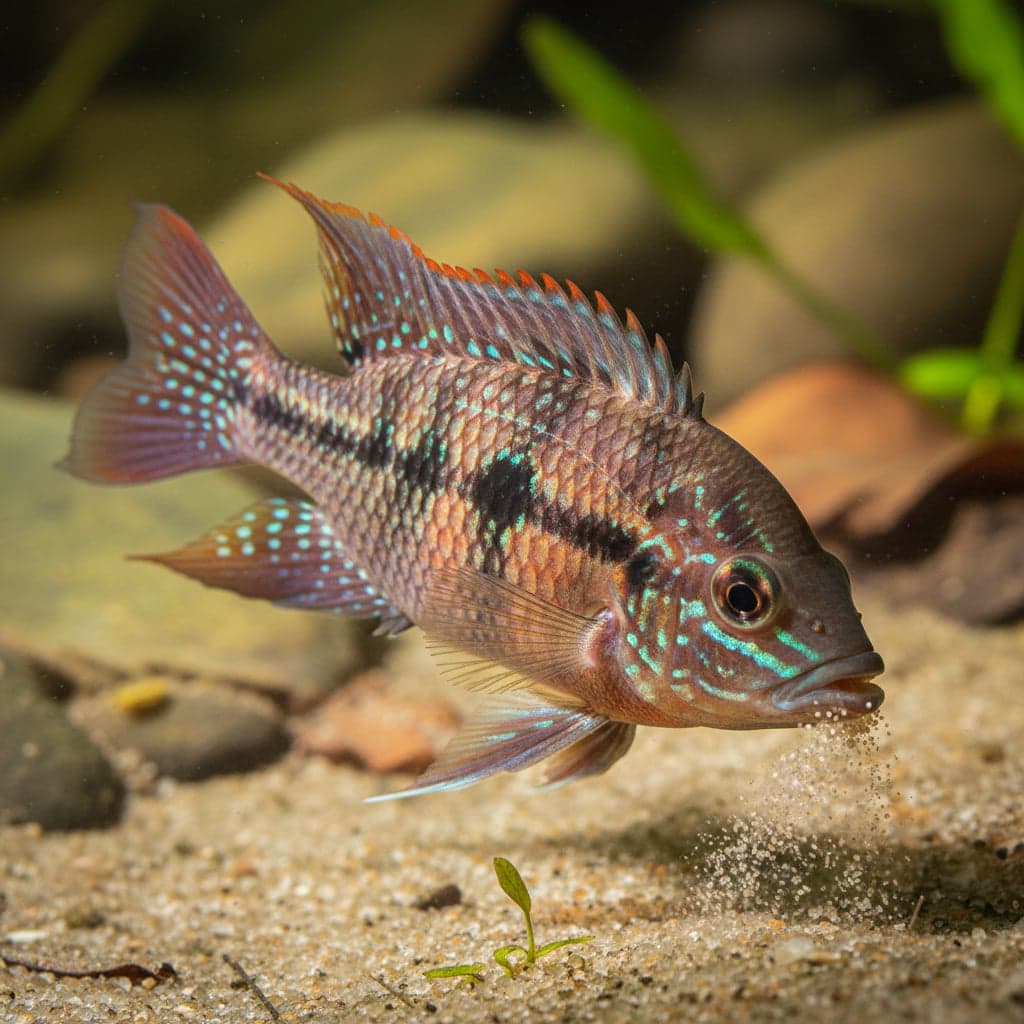
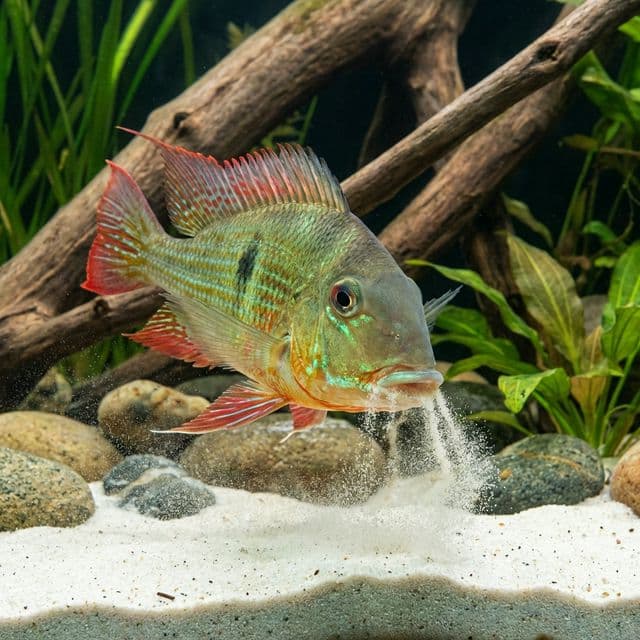
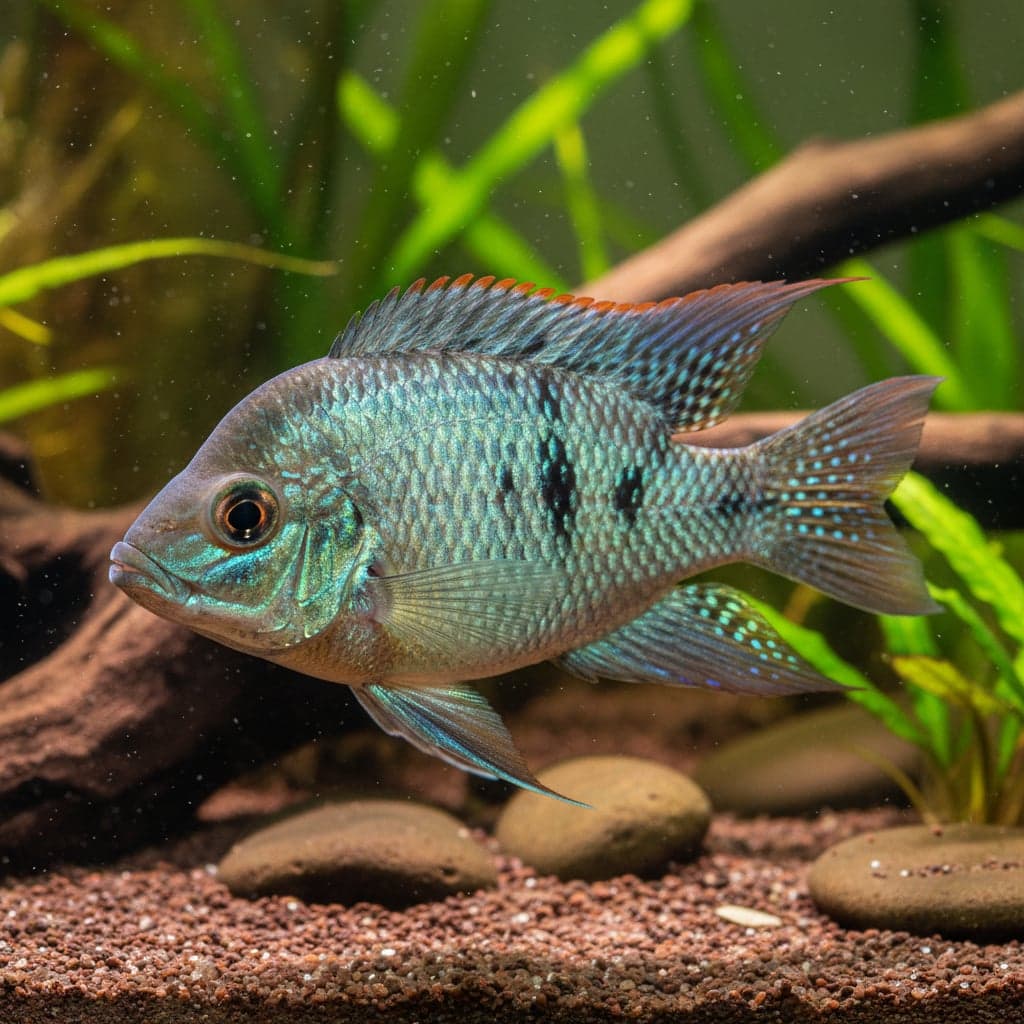
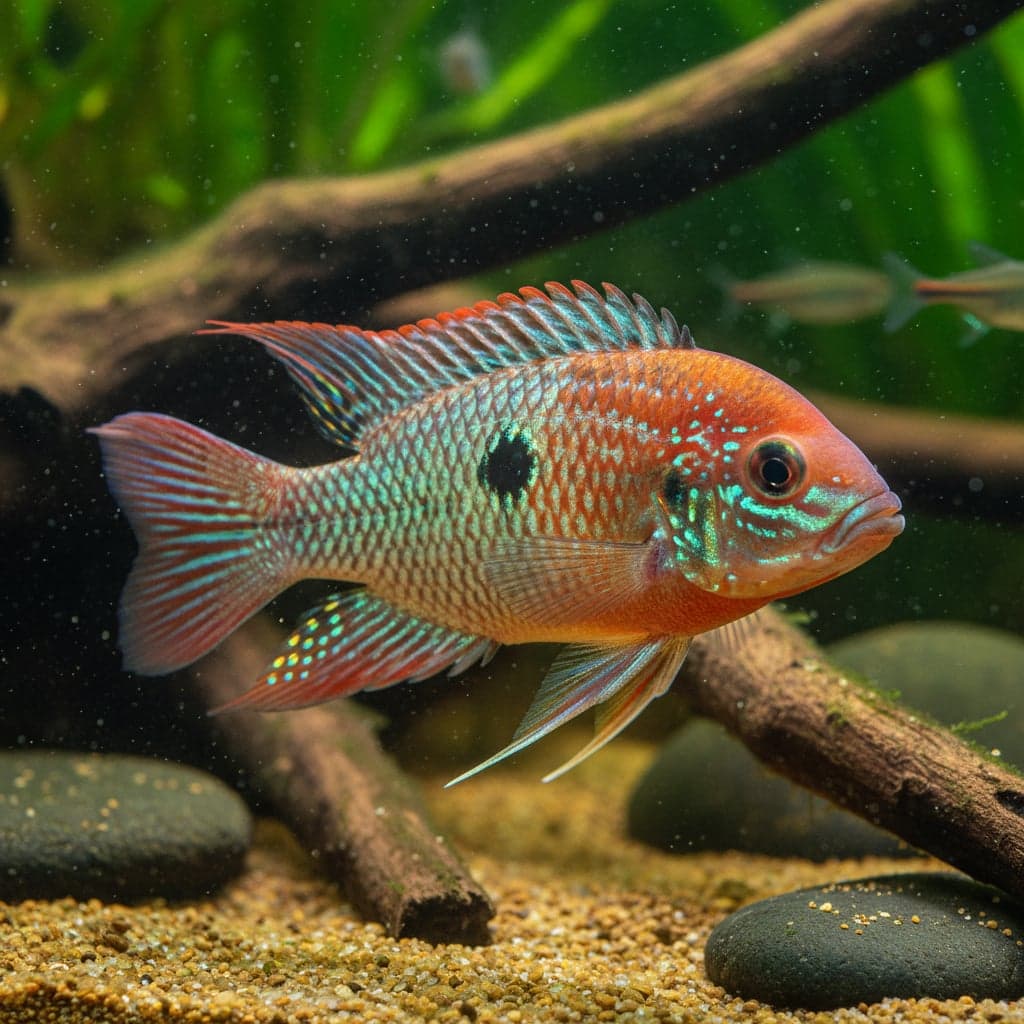
The Suriname Eartheater, scientifically known as Geophagus surinamensis, is a captivating freshwater fish that originates from the slow-moving waters of the Amazon River basin in South America, particularly in Suriname. This species is renowned for its unique feeding behavior and impressive appearance. With its elongated body and vibrant coloration, ranging from deep olive to golden hues adorned with intricate patterns, the Suriname Eartheater stands out as a striking addition to any community aquarium. Its captivating features, such as the elongated dorsal fin and pronounced mouth, make it a beloved choice among aquarists who appreciate both aesthetics and functionality in their aquatic environments.
Beyond its visual appeal, the Suriname Eartheater holds significance in the aquarium hobby due to its interesting feeding habits. As a substrate feeder that sifts through sediment for food, this fish promotes a healthier aquarium ecosystem by encouraging beneficial bacteria growth and detritus breakdown. Its interactive behavior not only adds dynamism to the tank but also captivates observers, making it a popular choice for aquarists who enjoy engaging with their fish. Understanding the unique traits and behaviors of the Suriname Eartheater is essential for creating a thriving environment that allows both the fish and its caretakers to flourish.
Natural Habitat & Origin
The natural habitat of the Suriname Eartheater is primarily found in the blackwater rivers and floodplains of Suriname and neighboring areas in the Amazon Basin. This geographical region is characterized by its acidic waters, stained brown by tannins from decaying plant material. The environment typically features a soft substrate, abundant vegetation, and submerged structures, such as driftwood and rocks, offering enrichment and shelter for these fish. In their native habitat, the water temperature generally ranges from 24 to 30 degrees Celsius (75 to 86 degrees Fahrenheit), and the pH is usually between 5.5 to 7.5, which is crucial for the Suriname Eartheater’s well-being.
The Suriname Eartheater thrives in clear, slow-moving waters where it can exhibit its natural foraging behavior. They prefer habitats that provide ample hiding spots and plenty of space for swimming. The surrounding ecosystem consists of various plant species and aquatic life, playing an essential role in maintaining the ecological balance. It is this natural backdrop that aquarists aim to replicate in captivity, ensuring the fish’s health and longevity while offering an aesthetically pleasing aquatic environment.
Care Requirements
To ensure the optimal health of the Suriname Eartheater, specific care requirements must be met. The ideal tank size for these fish is a minimum of 75 gallons to accommodate their size and territorial nature. As they grow, they can reach lengths of up to 8 inches (20 cm). When setting up the aquarium, a soft substrate such as sand or fine gravel is recommended, enabling them to sift through the substrate safely. Providing ample hiding spots made from driftwood or rocks is crucial, as well as an open swimming area since these fish enjoy exploring their environment. Moderate lighting, complemented by live plants, enriches their habitat, promoting natural behavior while enhancing the overall aesthetic appeal of the aquarium.
In terms of water parameters, the Suriname Eartheater thrives in a pH range of 5.5 to 7.5, with a temperature between 24 to 30 degrees Celsius (75 to 86 degrees Fahrenheit). The hardness of the water should be kept between 5 to 15 dGH. Regular water changes, adequate filtration, and monitoring of ammonia and nitrite levels are essential to maintain a healthy aquatic environment. As bottom feeders, they are more susceptible to environmental stresses; therefore, consistency in water conditions is vital for their overall wellbeing.
Diet & Feeding
The Suriname Eartheater is primarily an omnivore, possessing a natural diet that consists of small invertebrates, crustaceans, and plant matter found in its natural habitat. In the aquarium setting, a varied diet is essential for maintaining the fish’s health and vibrancy. High-quality pellets formulated for cichlids serve as a staple food source, while occasional feeding with flakes can provide additional nutrients. Supplementing their diet with frozen or live foods, such as brine shrimp, bloodworms, and daphnia, will encourage natural foraging behavior and enhance their nutritional intake.
Feeding should be performed 1-2 times a day, with care taken to avoid overfeeding, as uneaten food can lead to water quality issues. Introducing a variety of foods can also help bring out the best coloration and vitality in the Suriname Eartheater. Incorporating vegetable matter, such as blanched zucchini or spinach, can further diversify their diet and promote overall health.
Behavior & Temperament
The Suriname Eartheater is known for its peaceful and social behavior, often seen grazing along the substrate while interacting with tank mates. While they are not aggressive by nature, it is important to note that they can display territorial tendencies, especially during breeding or when kept in smaller tanks. Typically, they thrive in groups, showing a preference for a modest schooling setup, ideally with a minimum of four to six individuals. This group dynamic not only helps in mitigating stress but also encourages their natural behaviors and interactions.
When keeping the Suriname Eartheater, vertical space is essential as they enjoy swimming at various depths in the tank. Providing a well-structured environment that includes open spaces for swimming as well as areas to explore and establish territory will help the fish feel secure. Adequate space and tank mates will lead to a harmonious aquarium, where aggression is minimized and social behaviors can flourish.
Tank Mates
Selecting suitable tank mates for the Suriname Eartheater is crucial for creating a peaceful community aquarium. Ideally, they should be housed with similarly sized and temperamental fish to avoid conflicts. Compatible species include larger tetras, peaceful cichlids, such as the Discus (Symphysodon spp.), and bottom-dwelling species like Corydoras. Other suitable companions include various species of barbs, rainbowfish, and loaches, as these fish tend to share similar water parameter requirements and exhibit compatible behavior.
It is important to avoid pairing the Suriname Eartheater with overly aggressive fish, such as certain species of African cichlids, or very small fish that might become target prey. Additionally, fin-nippers should also be avoided, as they can stress the Suriname Eartheater. Ensuring a balanced mix of compatible species will create a thriving community aquarium where all inhabitants can coexist harmoniously.
Breeding
Breeding the Suriname Eartheater in captivity requires a well-prepared environment and specific conditions to encourage spawning behavior. These fish are substrate spawners, often seeking flat surfaces in the aquarium to lay their eggs. To facilitate breeding, it is essential to maintain optimal water conditions, including temperatures in the range of 26 to 30 degrees Celsius (79 to 86 degrees Fahrenheit) and slightly acidic to neutral pH. A separate breeding tank or a well-planted section of the main aquarium can aid in successful spawning.
During the breeding process, the male will often display courtship behaviors, such as dancing and displaying his fins, around the female. After spawning, the female will tend to the eggs, which hatch within 3-5 days. It is advisable to provide a separate nursery space or utilize a breeding net for the fry, as the adults may consume free-swimming young. Feed the fry finely crushed flakes or baby brine shrimp until they can accept larger foods.
Common Health Issues
Like many South American cichlids, the Suriname Eartheater can develop ich, fin rot, or bacterial infections when water quality declines or the fish is stressed. A deep, clean sand bed, stable parameters, and regular water changes are the best defenses. Quarantine new arrivals and watch for clamped fins, faded color, or unusual lethargy so problems can be treated early.