Synspilum Cichlid: Vieja synspila
A 35cm Central American cichlid with a red head and heavy build. Aggressive, enormous waste output, and needs 450L to itself.

Synspilum Cichlid
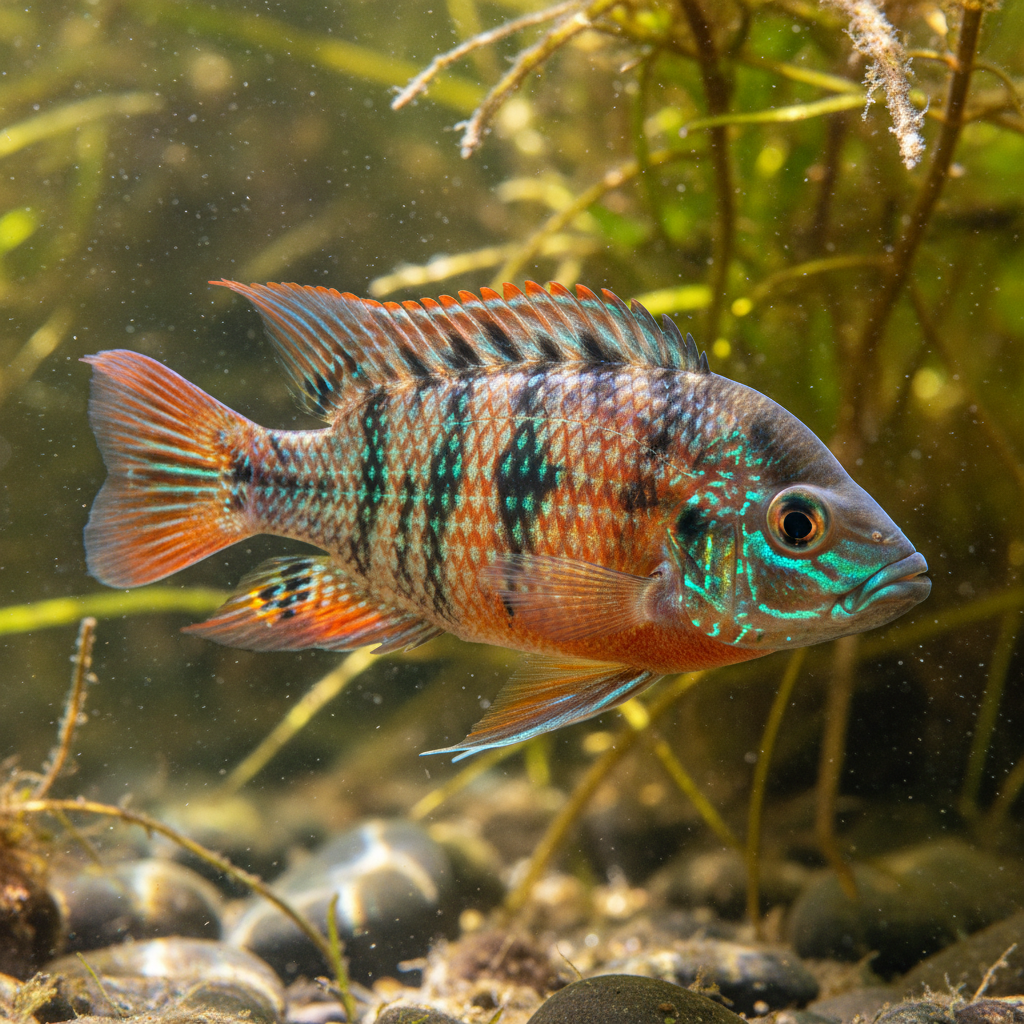
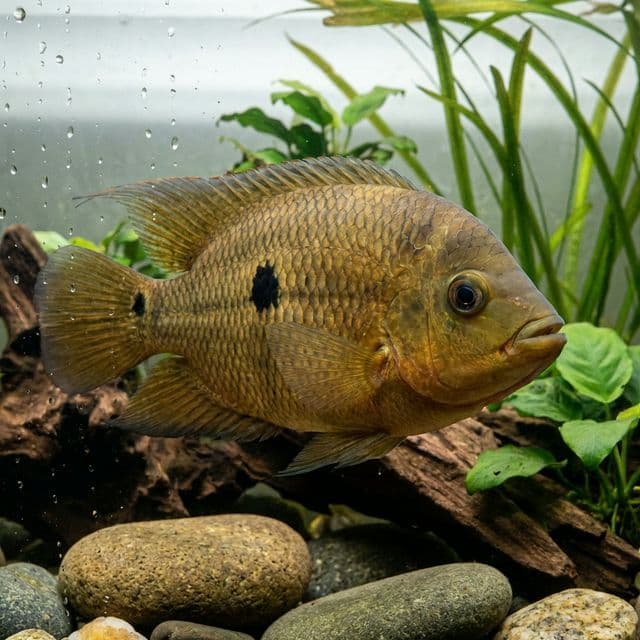
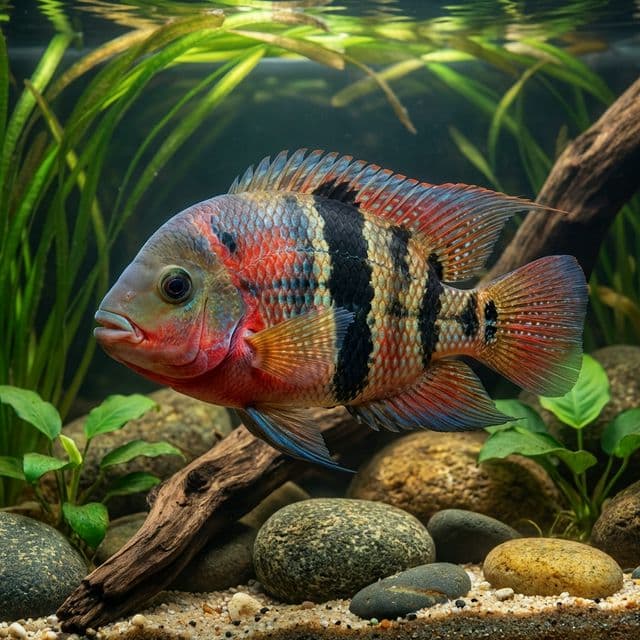
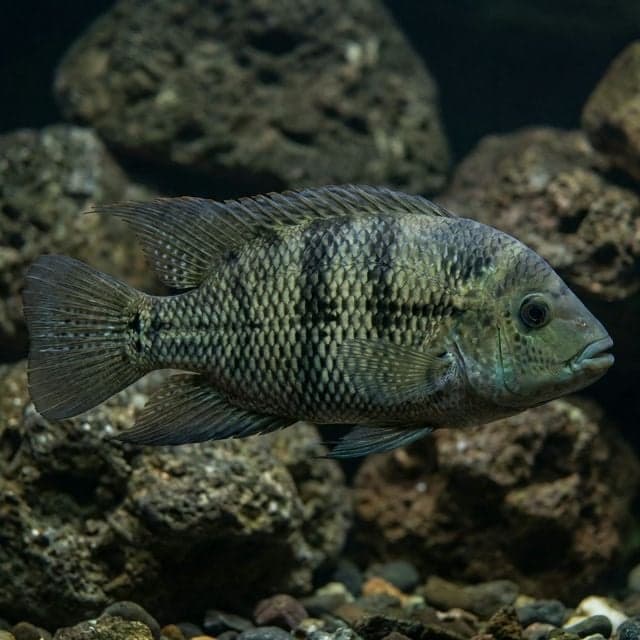
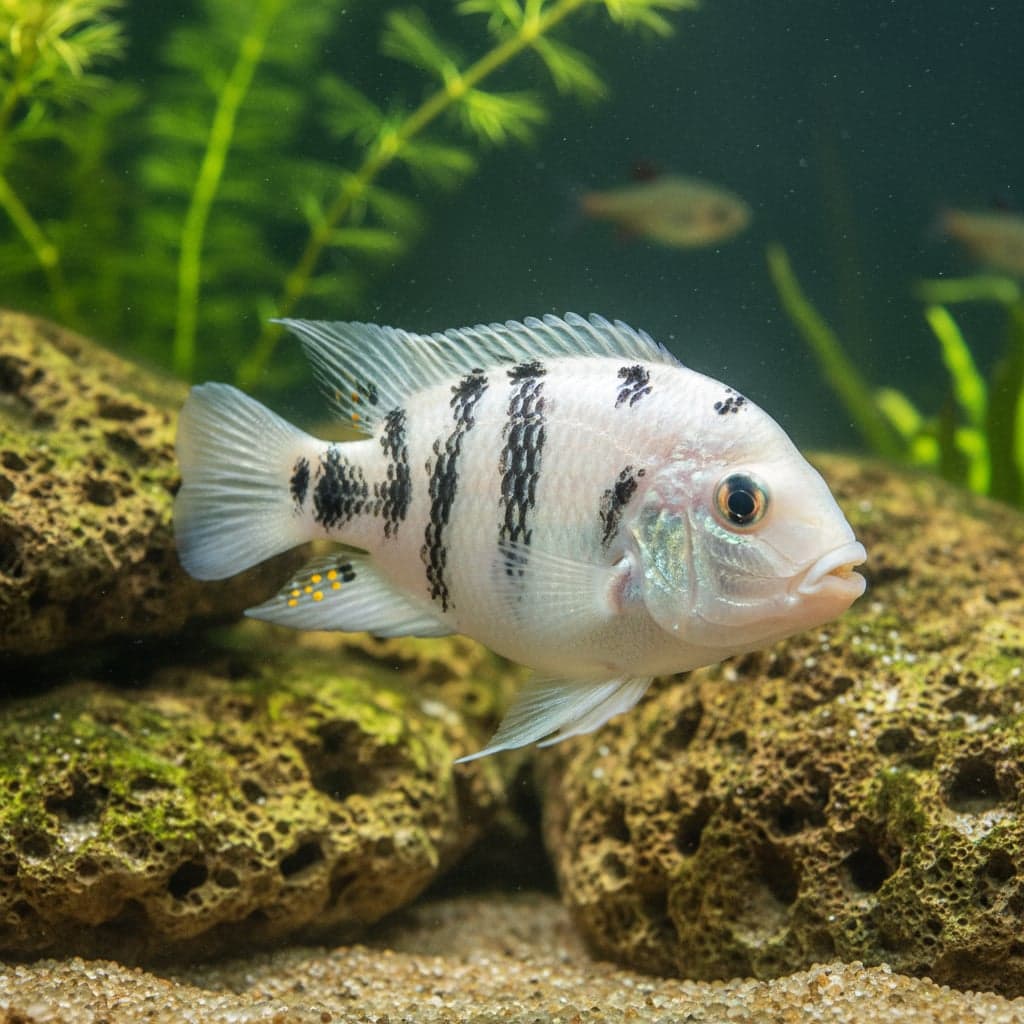
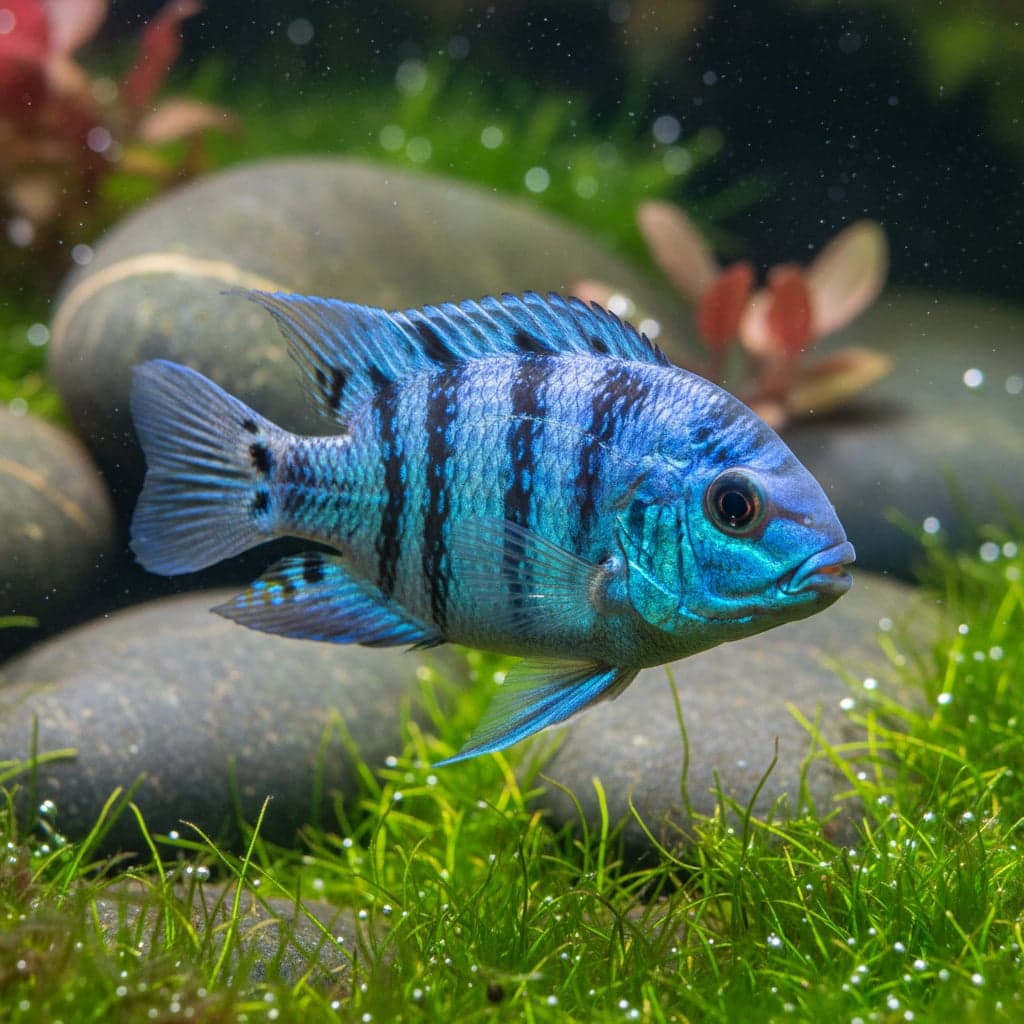
The Synspilum Cichlid, scientifically known as Vieja synspila, is a stunning freshwater fish native to Central America. With its striking colors and dynamic patterns, often showcasing vibrant yellows, reds, and blues, this cichlid catches the eye of both novice and seasoned aquarists alike. Known for its impressive size, reaching up to 12 inches in captivity, the Synspilum Cichlid exemplifies the beauty and diversity of North American cichlids. Its unique appearance, coupled with an engaging personality, has made it a sought-after species in the aquarium hobby.
In terms of significance, the Synspilum Cichlid plays an important role in the aquarium trade, contributing to the appreciation of Central American aquatic ecosystems. Beyond its aesthetic value, this fish's territorial and social behaviors can provide aquarists with a deeper understanding of cichlid interactions and dynamics within the tank environment. Keeping a Synspilum Cichlid not only enhances the visual appeal of an aquarium but also fosters a more engaging and educational experience for fish keepers.
Natural Habitat & Origin
The Synspilum Cichlid originates from the freshwater bodies of Nicaragua and Costa Rica. It predominantly inhabits rivers and lakes featuring slow-moving waters, including areas with submerged structures such as rocks and driftwood that offer shelter and breeding sites. The natural environment of these fish is characterized by clear to slightly stained waters, which usually have a pH ranging from 6.5 to 8.0. These fish thrive in temperatures typically between 75°F to 82°F and prefer softer, slightly acidic to neutral water conditions. The biodiversity of its native habitat also promotes a unique interaction between the Synspilum Cichlid and other aquatic species, contributing to its social behavior and habits.
The ecological context in which Synspilum Cichlids are found is vital for understanding their needs in the aquarium setting. In their natural habitats, they often cohabitate with other cichlid species, demonstrating varied behaviors that are influenced by their surroundings, including food availability and environmental pressures. Thus, replicating aspects of their natural habitat can significantly enhance their overall wellbeing and health when kept in captivity.
Care Requirements
To ensure the proper care of Synspilum Cichlids, it's essential to maintain specific water parameters and an appropriate tank setup. Ideal water conditions for Synspilum Cichlids include a temperature range of 75°F to 82°F, a pH level between 6.5 and 8.0, and a hardness of 5-15 dGH. A larger tank is highly recommended, with a minimum size of 75 gallons to provide ample swimming space and territories, as these fish can be territorial as they mature.
When setting up their environment, a substrate of fine gravel or sand is a preferred choice to mimic their natural habitat. Incorporating plenty of hiding spots with rocks, caves, and driftwood will offer shelter and stimulate their behaviors. Lighting should be moderate to mimic their natural environment, allowing for both bright and shaded areas. Live plants can also be included, but ensure they are robust species, as Synspilum Cichlids may dig and uproot more delicate varieties.
Diet & Feeding
The Synspilum Cichlid is an omnivorous species that thrives on a varied diet to maintain its health and coloration. In captivity, it is recommended to provide a mix of high-quality cichlid pellets and flakes, as well as frozen or live foods such as brine shrimp, bloodworms, and vegetable matter like spirulina. Feeding a combination of protein-rich foods and plant-based options will not only ensure balanced nutrition but also promote vibrant coloration and healthy growth. It's advisable to feed them small portions 2-3 times a day, adjusting based on their age and size, ensuring uneaten food is removed to prevent water quality issues.
Care should be taken not to overfeed, as Synspilum Cichlids can be prone to obesity if their diet is not properly managed. Observing their feeding habits and adjusting accordingly will lead to happier, healthier fish.
Behavior & Temperament
Synspilum Cichlids have a reputation for their complex behaviors and temperament. They are known to be semi-aggressive, especially as they mature, and can display territoriality when establishing their space in the aquarium. While younger Synspilum Cichlids may display more docile behavior, they often become more assertive and selective about tank mates as they grow. They prefer to dwell in the lower to middle regions of the tank but can be seen exhibiting vertical swimming along various structures.
In terms of social interaction, while Synspilum Cichlids can tolerate the company of other fish, it's critical to select suitable tank mates and provide adequate space. Monitoring their interactions will help prevent aggression and ensure a harmonious aquarium environment. By understanding their social habits and behavioral nuances, aquarists can better manage their community setups effectively.
Tank Mates
Choosing compatible tank mates for Synspilum Cichlids is crucial to maintaining a peaceful community aquarium. Ideal tank mates include larger cichlids and robust fish such as Jack Dempsey Cichlids, Oscars, and some species of catfish like the Plecostomus. Other suitable companions include larger tetras and barbs that can handle the cichlid's semi-aggressive nature.
On the other hand, tank mates to avoid include smaller, more delicate fish such as neon tetras, guppies, or any species known for their timid nature. It's also advisable to steer clear of keeping them with overly aggressive species that could provoke stress or lead to territorial disputes. The goal is to curate a community that maximizes health and minimizes conflict, ensuring a thriving aquarium.
Breeding
Breeding Synspilum Cichlids in captivity can be an exciting and rewarding endeavor. For successful breeding, optimal conditions must be met. The breeding pair typically requires a separate breeding tank, ideally 50 gallons or more, to reduce stress from other tank inhabitants. The tank should have a flat surface for egg-laying, such as a smooth rock or slate, along with plenty of hiding spots for the fry once they hatch.
Water parameters for breeding should remain stable, with a slightly lower pH (around 6.5) and higher temperatures (between 80°F to 84°F) to stimulate spawning. Once a pair has formed, the female will lay around 100 to 1000 eggs, which the male fertilizes. After a few days, the eggs will hatch into fry. It's important to ensure that the fry are provided with appropriate food, such as infusoria or finely crushed flakes, to support their growth and development.
Breeding Synspilum Cichlids can be demanding yet fulfilling, allowing aquarists to witness the life cycle of these remarkable fish firsthand.
Common Health Issues
Like all aquarium fish, Synspilum Cichlids are susceptible to various health issues, including common conditions such as ich (Ichthyophthirius multifiliis), fin rot, and swim bladder disease. Ich is notably a frequent threat, especially in stressed conditions or when water quality is compromised. Maintaining optimal water parameters, performing regular water changes, and providing powerful filtration will significantly lower disease risk. Because these large cichlids produce substantial bio-load, routine gravel vacuuming and water testing are essential. Quarantining new fish and feeding a balanced diet enriched with vitamins will keep your Synspilum Cichlids vibrant and healthy for many years.