Taeniatus Krib: Pelvicachromis taeniatus
An 9cm West African dwarf cichlid where the female is the brighter fish. Wants soft acidic water and a cave to spawn in.
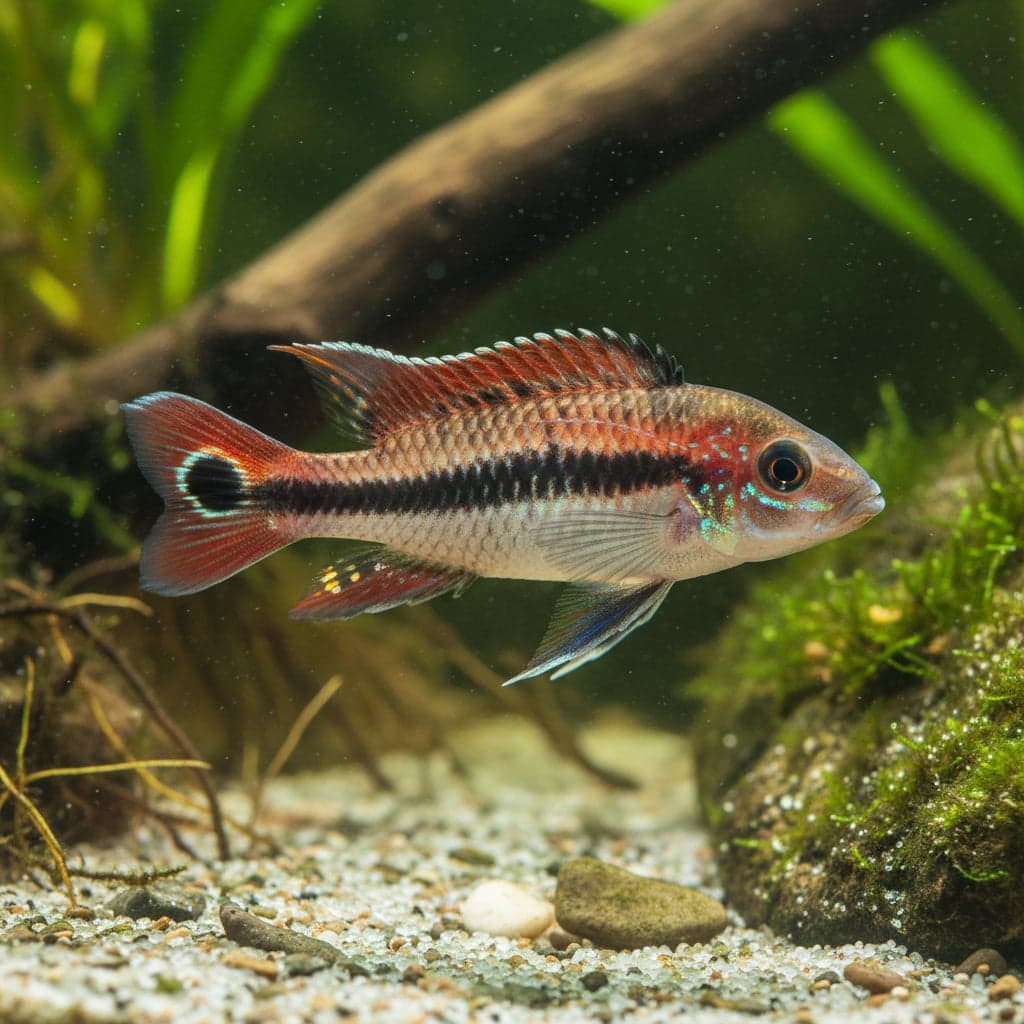
Taeniatus Krib
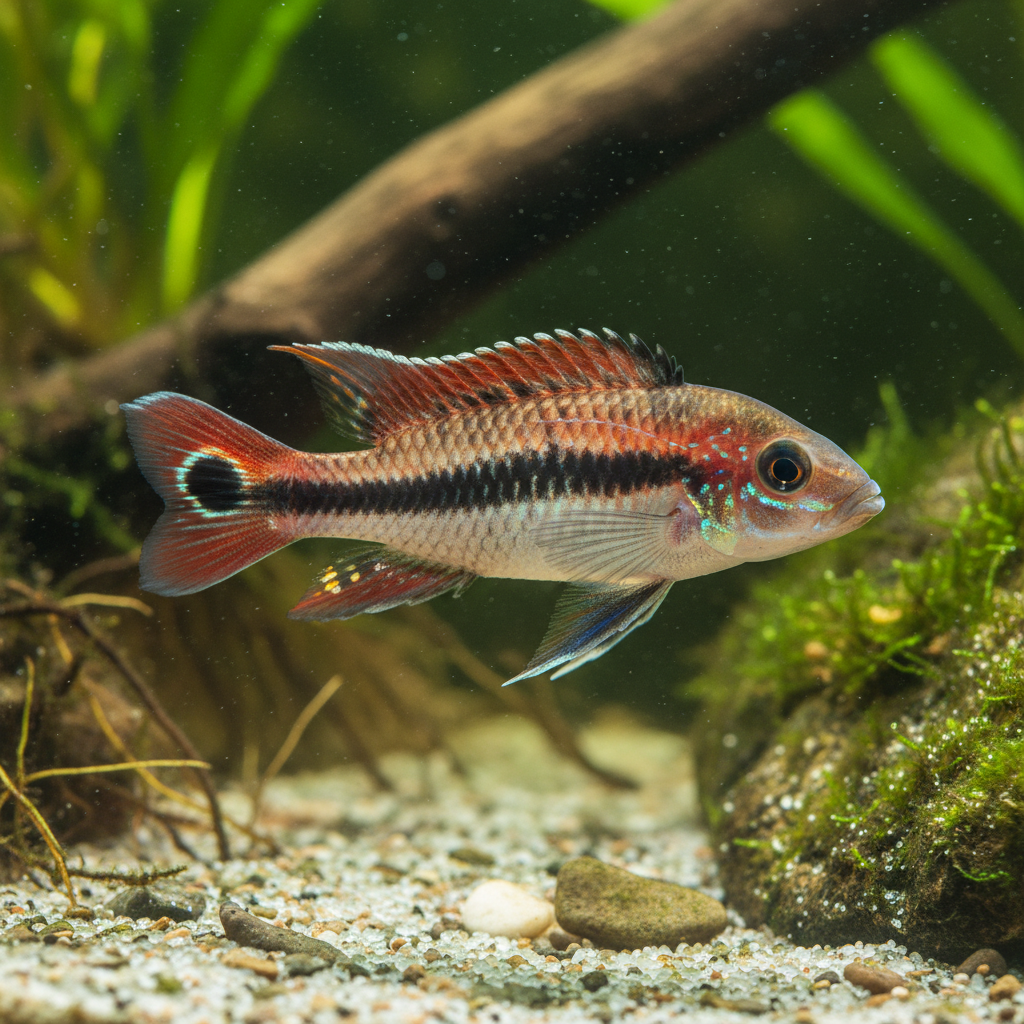
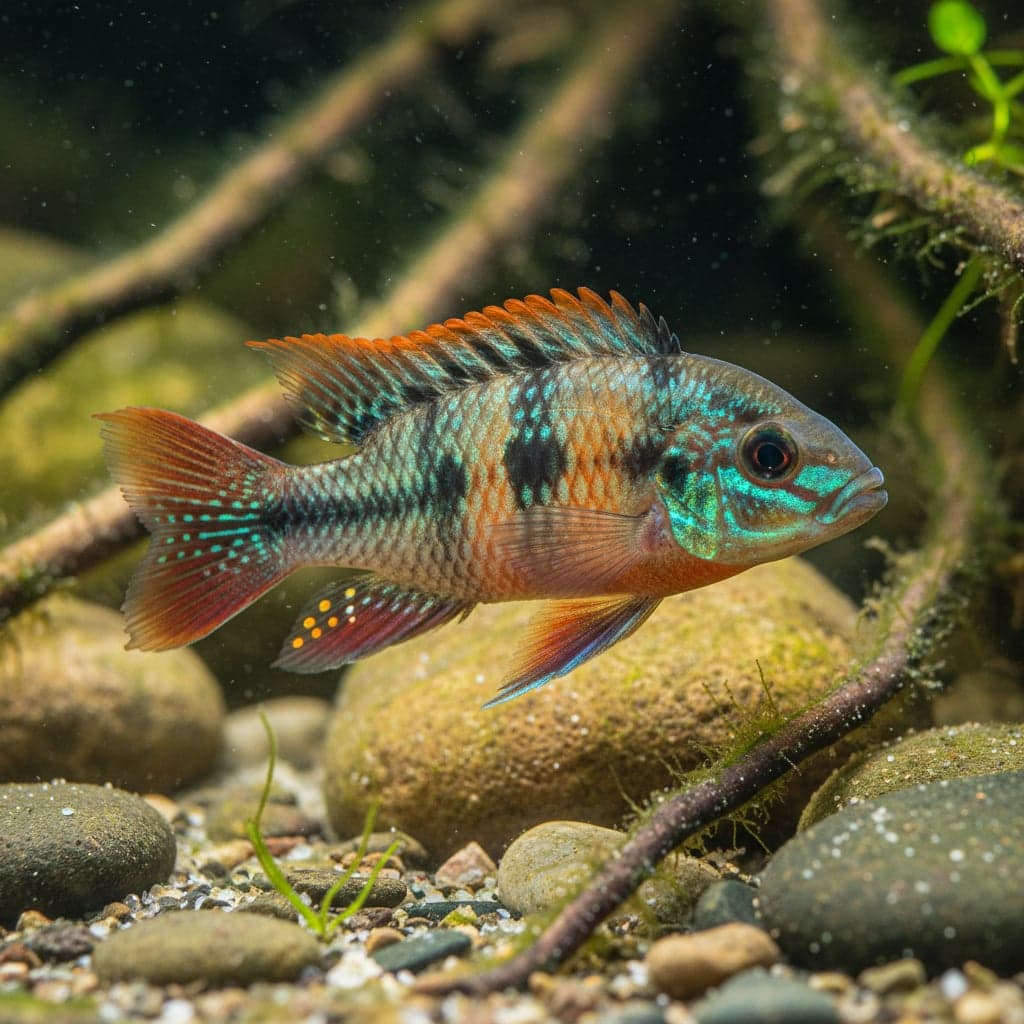
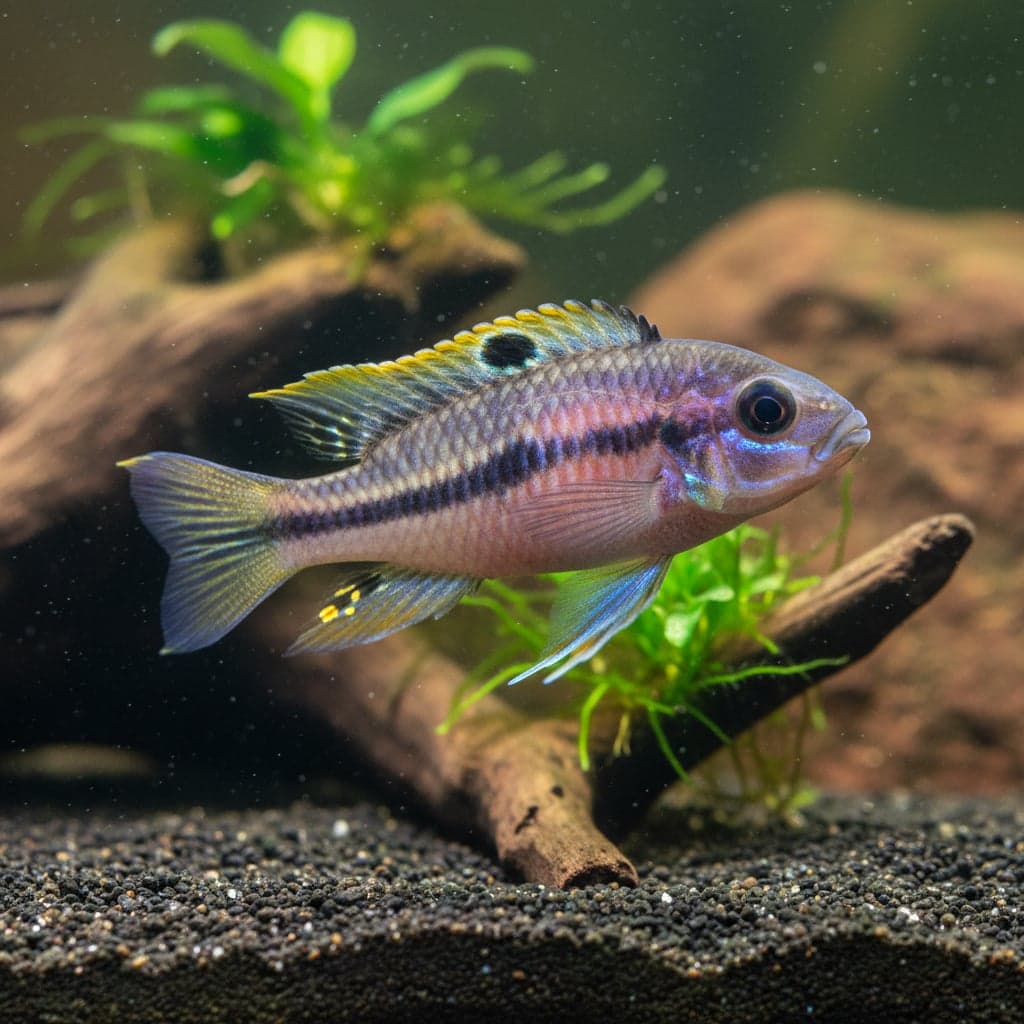
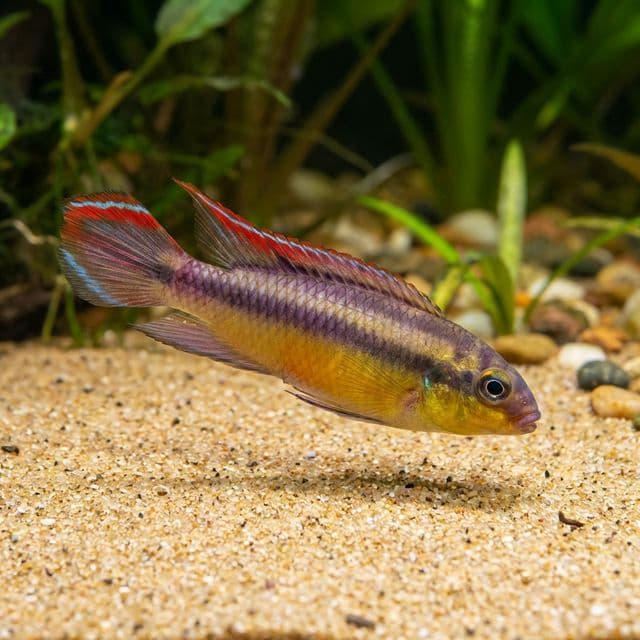
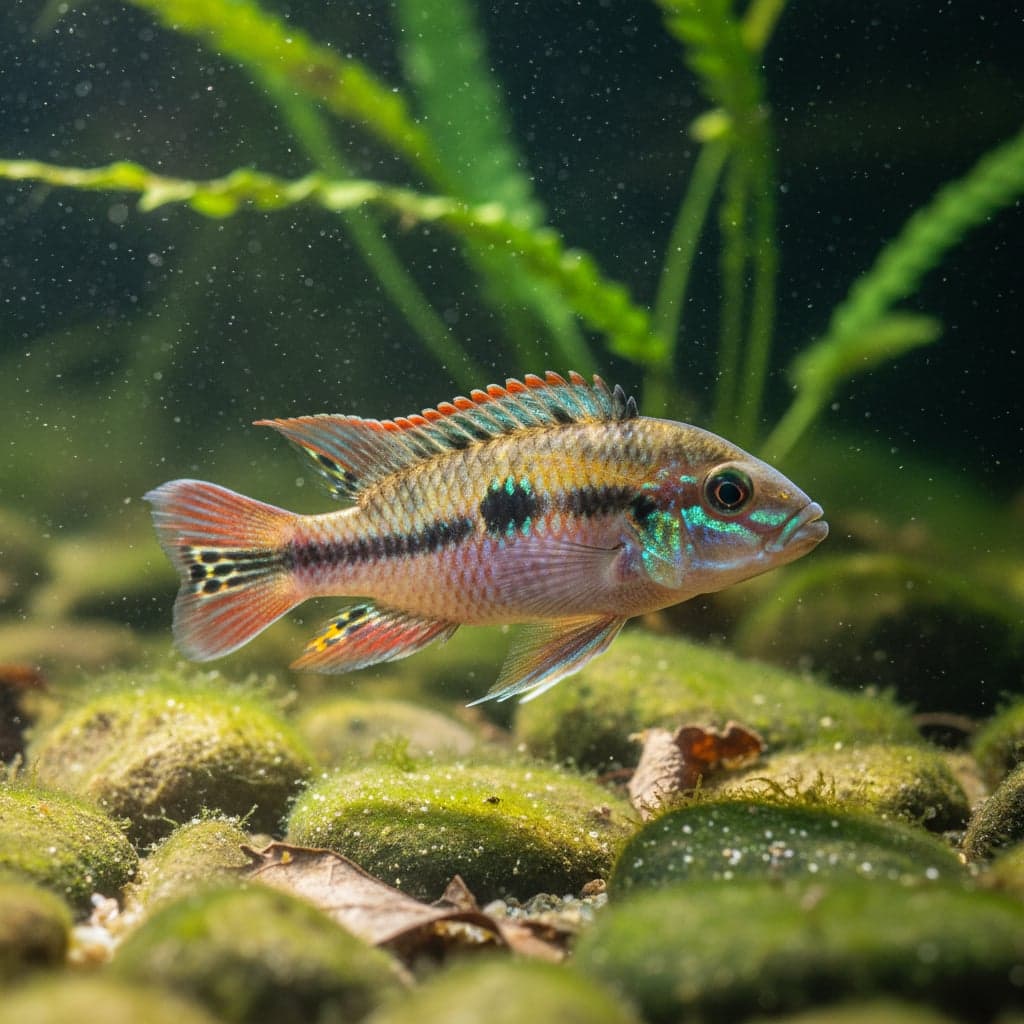
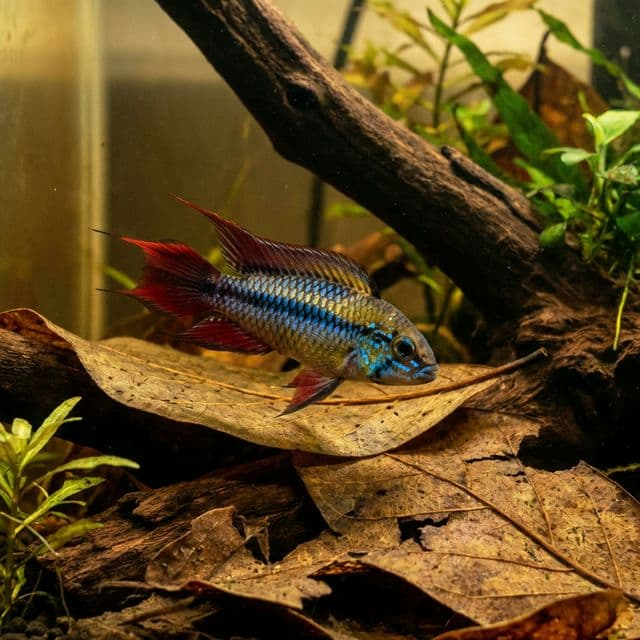
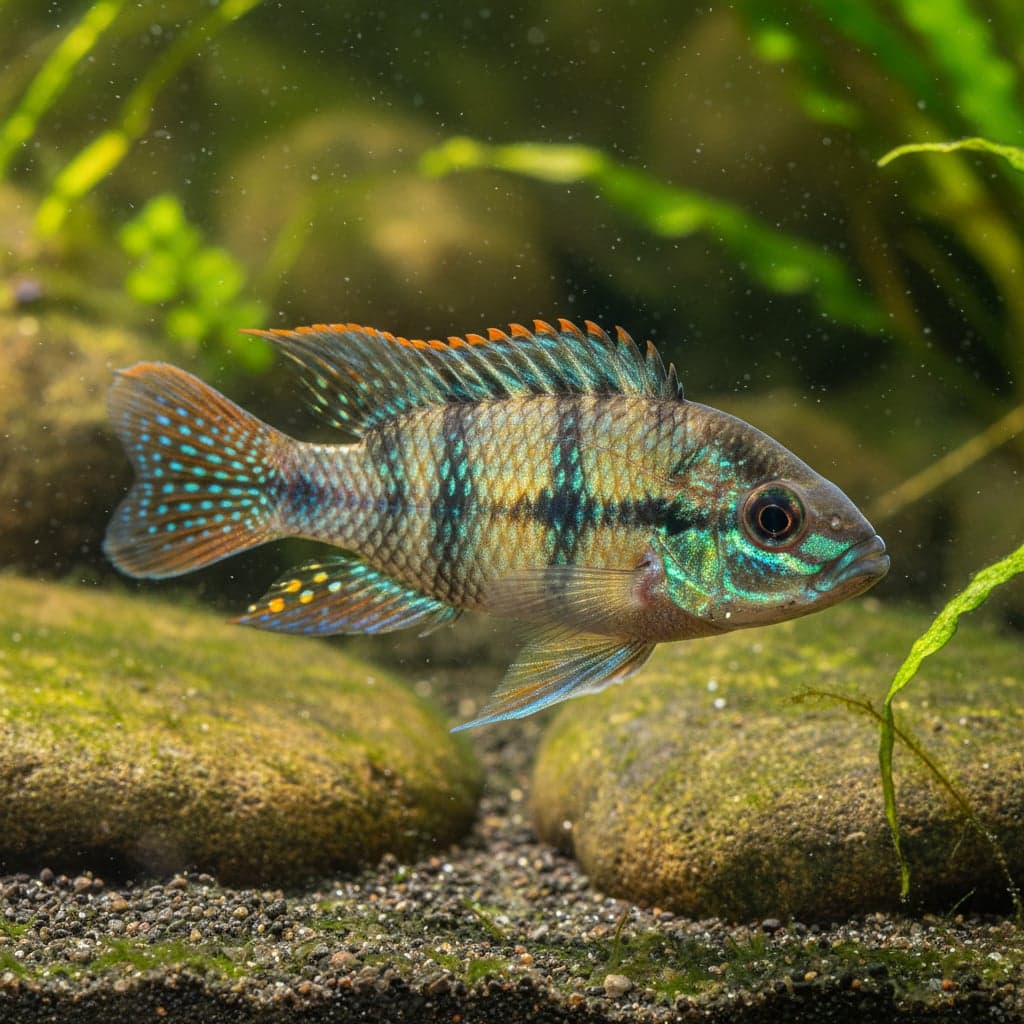
The Taeniatus Krib, scientifically known as Pelvicachromis taeniatus, is a visually striking species among freshwater aquarium fish, especially cherished by hobbyists due to its vibrant colors and interesting behavior. Native to the waters of West Africa, this small cichlid is highly appreciated for its iridescent hues that can range from bright yellow to deep blue, with bold patterns and a distinct sail-like dorsal fin that adds to its allure in any aquarium setting. These features, combined with its relatively manageable size of up to 4 inches, make it a popular choice for aquarists seeking both beauty and activity within their tanks.
As an essential species in the aquarium hobby, the Taeniatus Krib is not only admired for its aesthetic qualities but is also favored for its engaging personality. Known for their playful nature, these cichlids exhibit intriguing behaviors, including elaborate courting rituals and territorial displays that captivate observers. Their adaptable nature also allows them to thrive in a variety of environments, making them suitable for both novice and experienced aquarists alike.
Natural Habitat & Origin
The Taeniatus Krib is endemic to the river systems of Nigeria and Cameroon in West Africa. Typically found in slow-moving bodies of water, including streams and swamps, this species thrives in environments characterized by dense vegetation and natural cover, such as fallen branches and leaf litter. These habitats are primarily composed of blackwater, where the water is stained by decomposed organic material, lending it a dark, tea-like color. The acidity of the water in these regions usually falls within the pH range of 6.0 to 7.5, with soft to moderately hard water primarily found in their natural habitat. Understanding their native conditions is crucial for replicating an ideal environment in captivity.
Care Requirements
To successfully keep Taeniatus Kribs, it is essential to recreate their natural environment as closely as possible. A minimum tank size of 20 gallons is advisable to provide ample swimming space and suitable hiding spots, as these fish are relatively territorial, especially during breeding. The substrate should consist of fine gravel or sand, allowing for easy digging and burrowing. Dense planting is recommended, with a mix of both floating and rooted plants, such as Java moss, Anubias, or Amazon swords, to mimic their natural surroundings and provide adequate cover.
When it comes to water parameters, maintaining a temperature between 75°F to 82°F is optimal, along with a slightly acidic to neutral pH level between 6.0 and 7.5. These fish are best kept in soft water with a hardness range of 5 to 15 dGH. To enhance the dark, natural feel of their habitat, low to moderate lighting is recommended, which also encourages lush plant growth while providing the Kribs with comfortable spaces to retreat.
Diet & Feeding
The Taeniatus Krib is an omnivorous species, requiring a varied diet to maintain its health and vibrancy. In the wild, their diet primarily consists of small invertebrates, plant matter, and detritus found within their habitats. In captivity, providing a balanced diet is key, with high-quality flake or pellet foods serving as a staple. These should be supplemented with frozen or live foods, such as bloodworms, brine shrimp, and daphnia, to replicate the diversity of their natural diet. Additionally, offering blanched vegetables, such as zucchini or spinach, can add essential nutrients and promote healthy foraging behavior.
Behavior & Temperament
Taeniatus Kribs are generally peaceful but can exhibit territorial tendencies, particularly during breeding seasons. In a well-planted aquarium with plenty of hiding spots, they tend to display more social behaviors and can thrive in small groups. They are not schooling fish but can be kept in pairs or small groups, with one male to multiple females being ideal. It is essential to provide plenty of vertical space in the aquarium, as they tend to occupy various levels of the tank, often swimming near the bottom or making use of the mid-water area, depending on the situation. Their engaging behavior, especially during courtship or territory maintenance, adds dynamic interest to a community tank.
Tank Mates
Choosing the right tank mates for Taeniatus Kribs is crucial to ensure a harmonious aquarium environment. Compatible species include peaceful community fish such as tetras, rasboras, and certain types of catfish, like Corydoras. However, it is essential to avoid larger or more aggressive species, as they can intimidate or outcompete the Kribs. Fish like Oscars, cichlids from other families, and larger barbs should be avoided, as they may exhibit aggression towards the Kribs. Maintaining a balanced ecosystem with peaceful tank mates will enhance the aquarium's tranquility while allowing the Taeniatus Kribs to display their natural behavior without undue stress.
Breeding
Breeding Taeniatus Kribs in captivity can be a rewarding experience, as they display fascinating behaviors during spawning. To induce breeding, ensure that the pair is well-nourished and kept in optimal conditions. When ready to spawn, the female will seek out a suitable hiding place, often laying her eggs on smooth surfaces such as rocks or flat decorations in a secluded area of the tank. The male will exhibit vibrant colors and perform mating dances to attract the female. After fertilization, both parents will typically guard the eggs fiercely until they hatch, which can take about 3 to 6 days, depending on environmental conditions. It is advisable to remove other tank mates or provide additional hiding spots to minimize stress during this process.
Common Health Issues
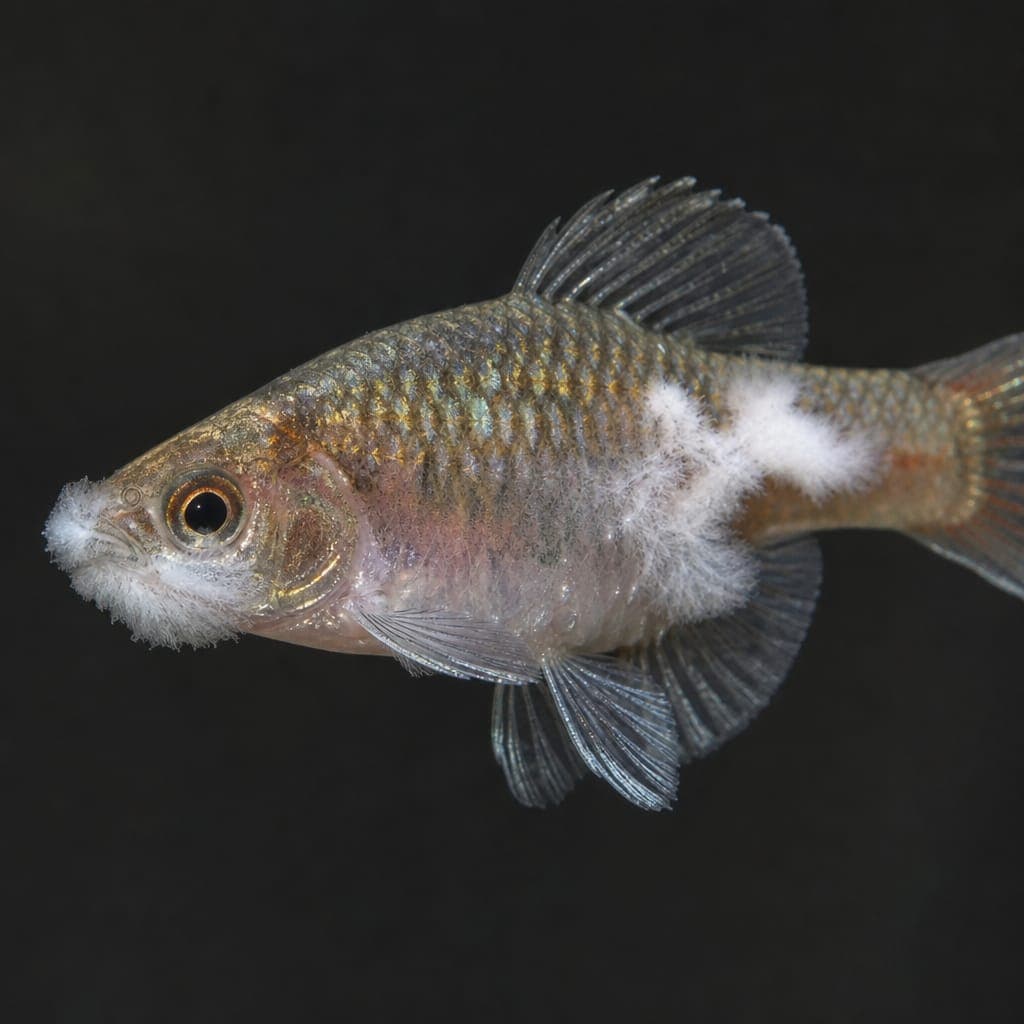
Though generally hardy, Taeniatus Kribs can be prone to a few common health issues that aquarists should monitor. These include ich, fin rot, and various types of fungal infections, often related to poor water quality or stress. To prevent these health problems, maintain stable water conditions, perform regular water changes, and ensure that the tank is not overcrowded. Utilizing a high-quality filtration system and monitoring the fish for any signs of illness—like changes in appetite, unusual behavior, or visible lesions—can help in early detection and treatment. Prompt action and proper care can typically mitigate these concerns and promote a thriving aquarium for Taeniatus Kribs.