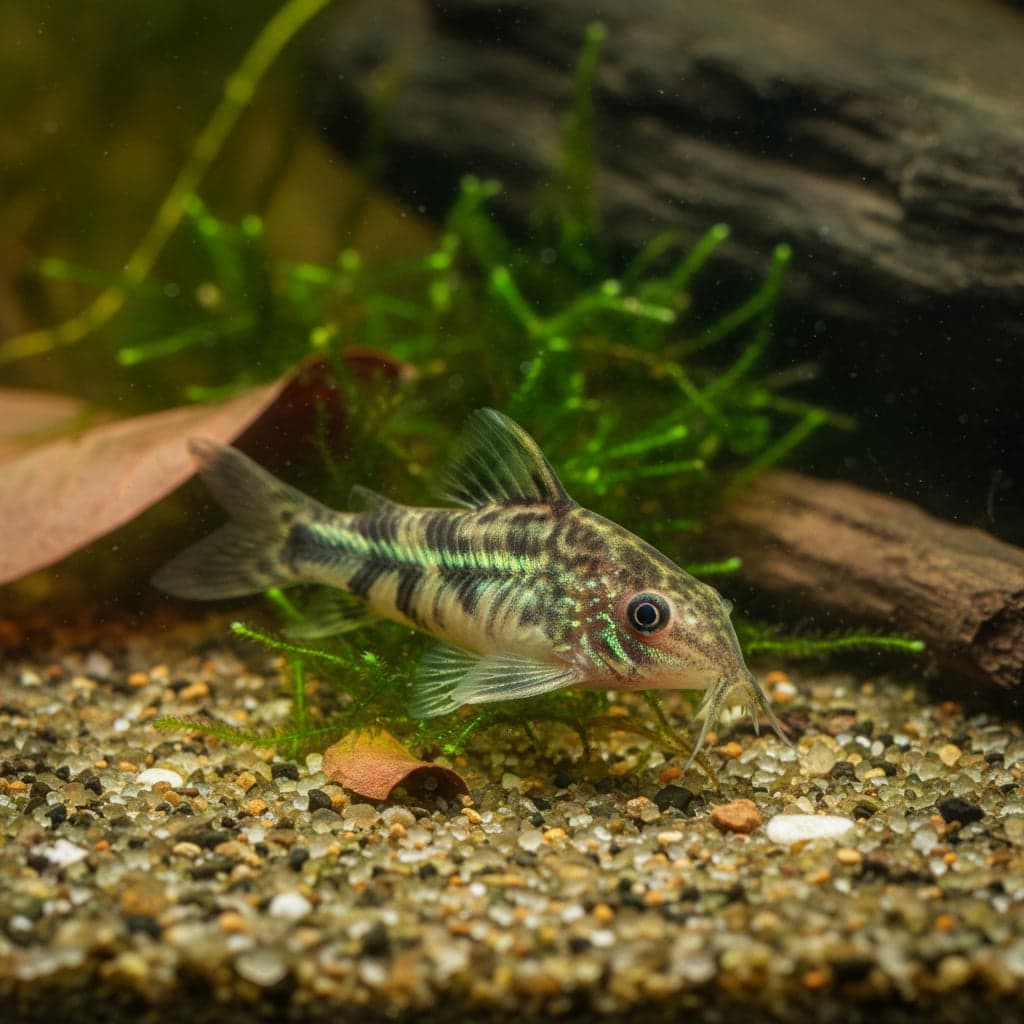
Tailspot Cory: Corydoras caudimaculatus
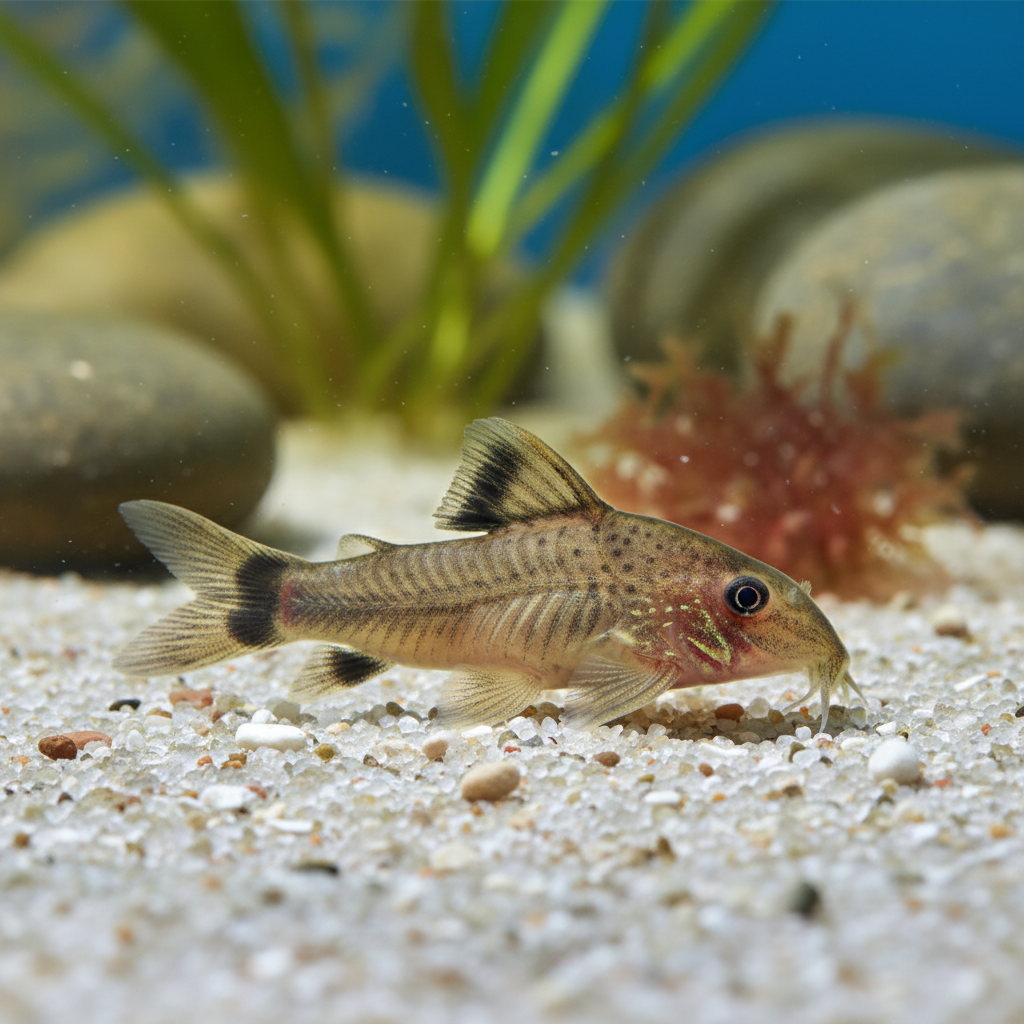
A 5cm Corydoras with a bold spot at the tail base. A peaceful bottom- dweller needing sand, gentle tank mates and a group of six.
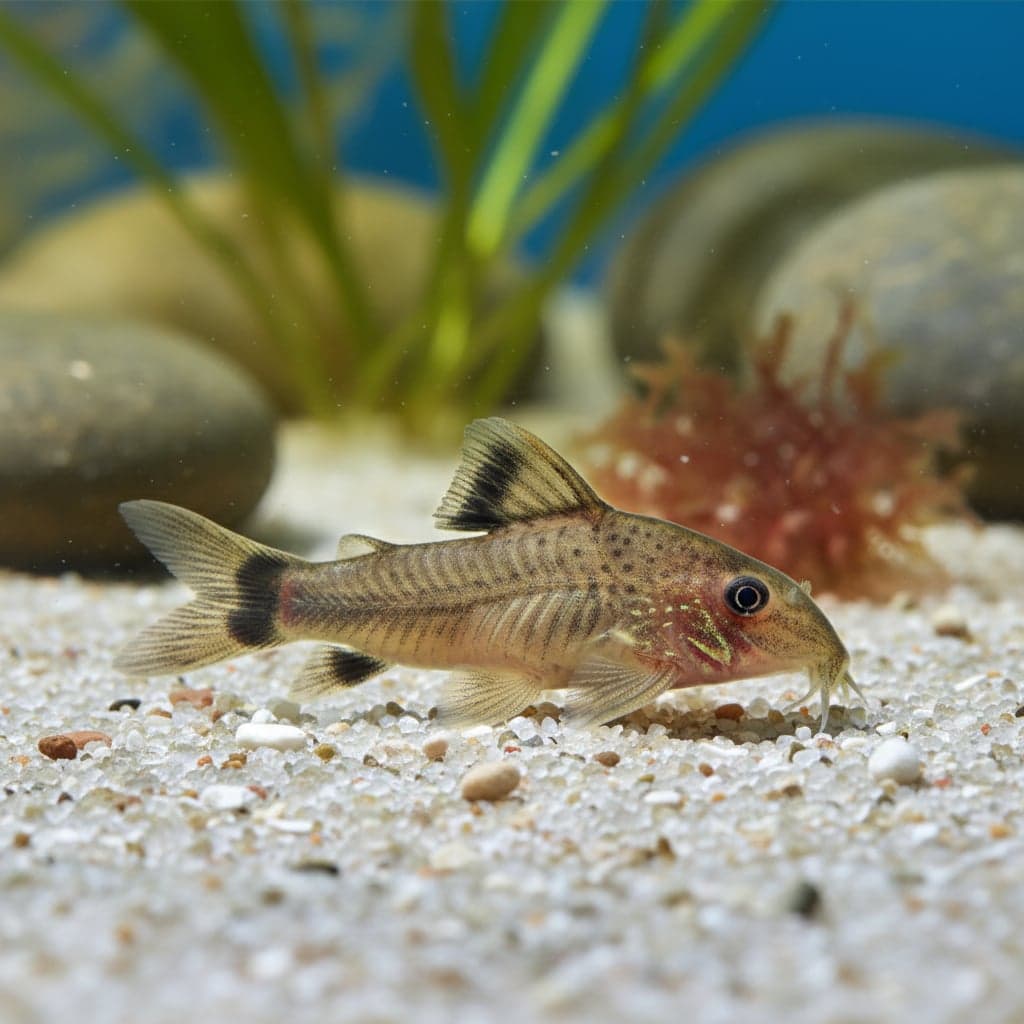
Tailspot Cory
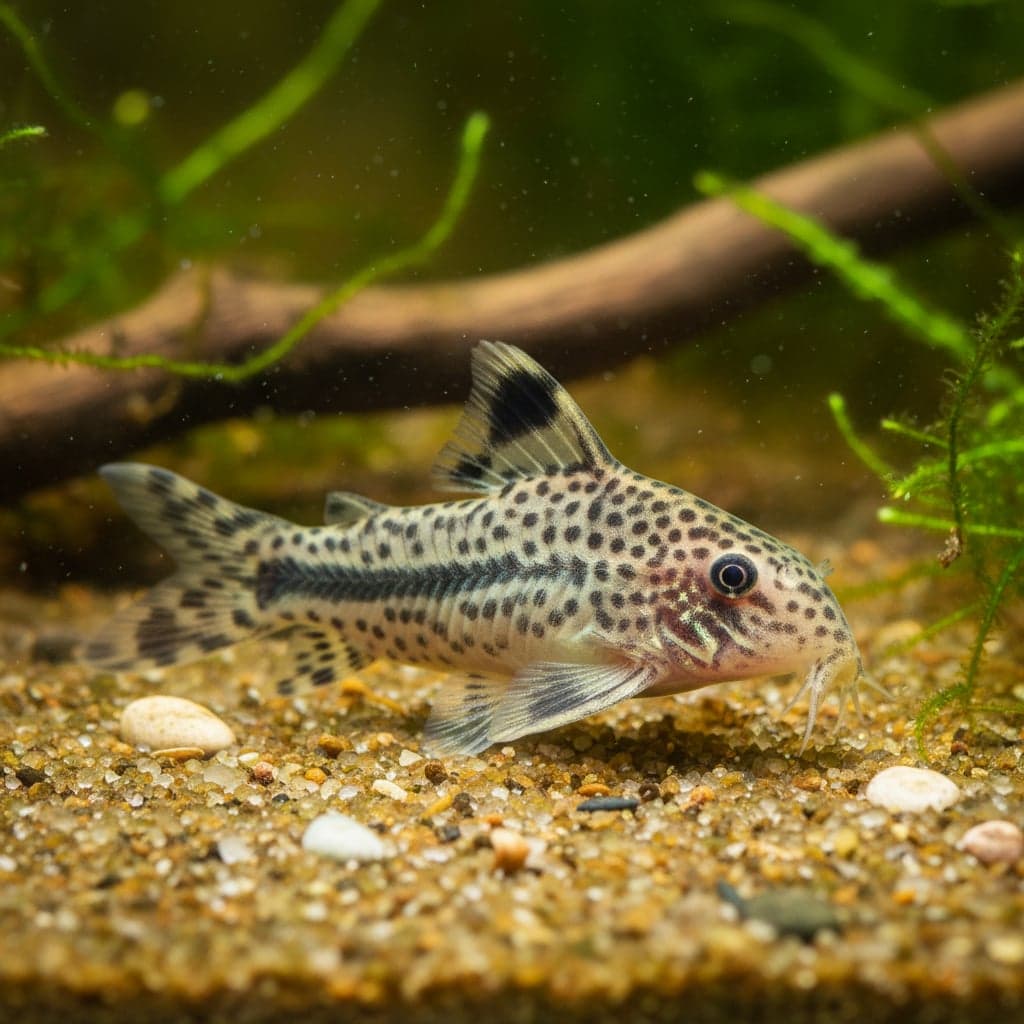
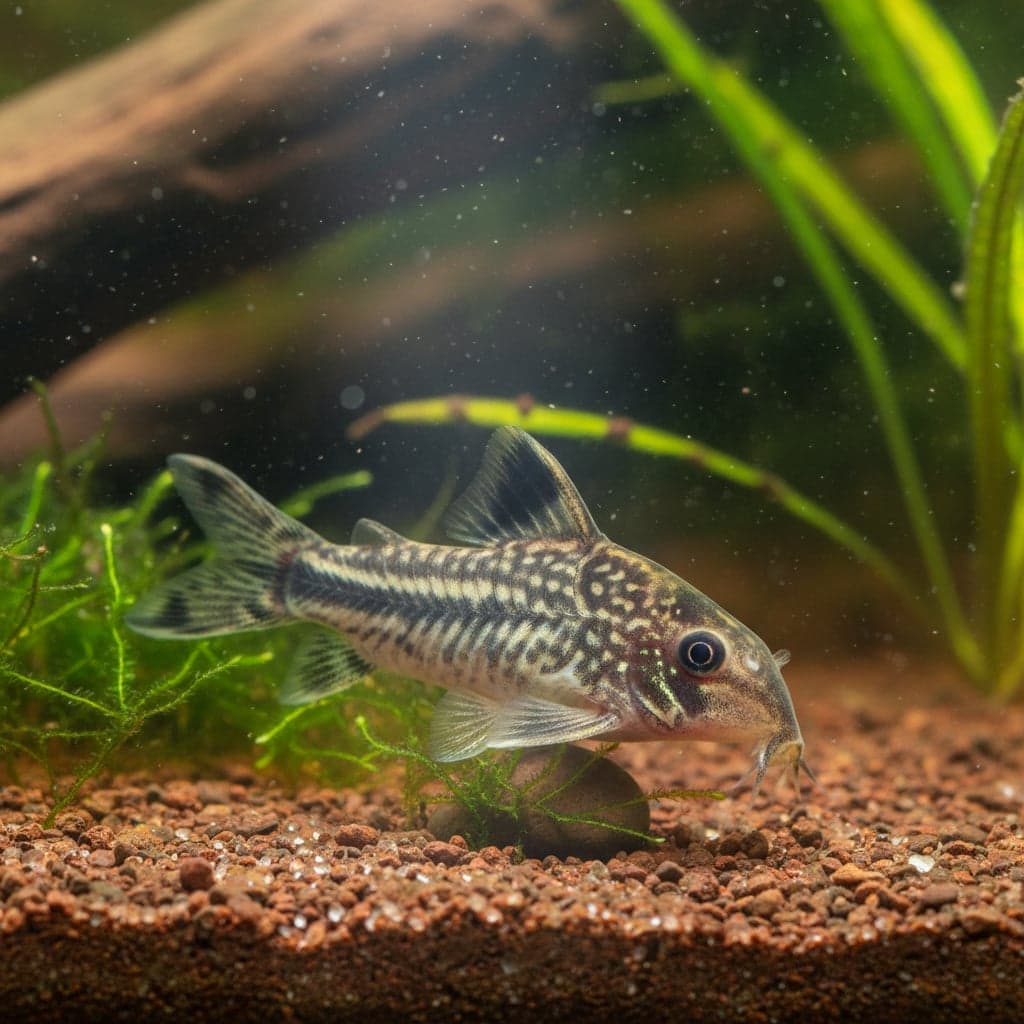
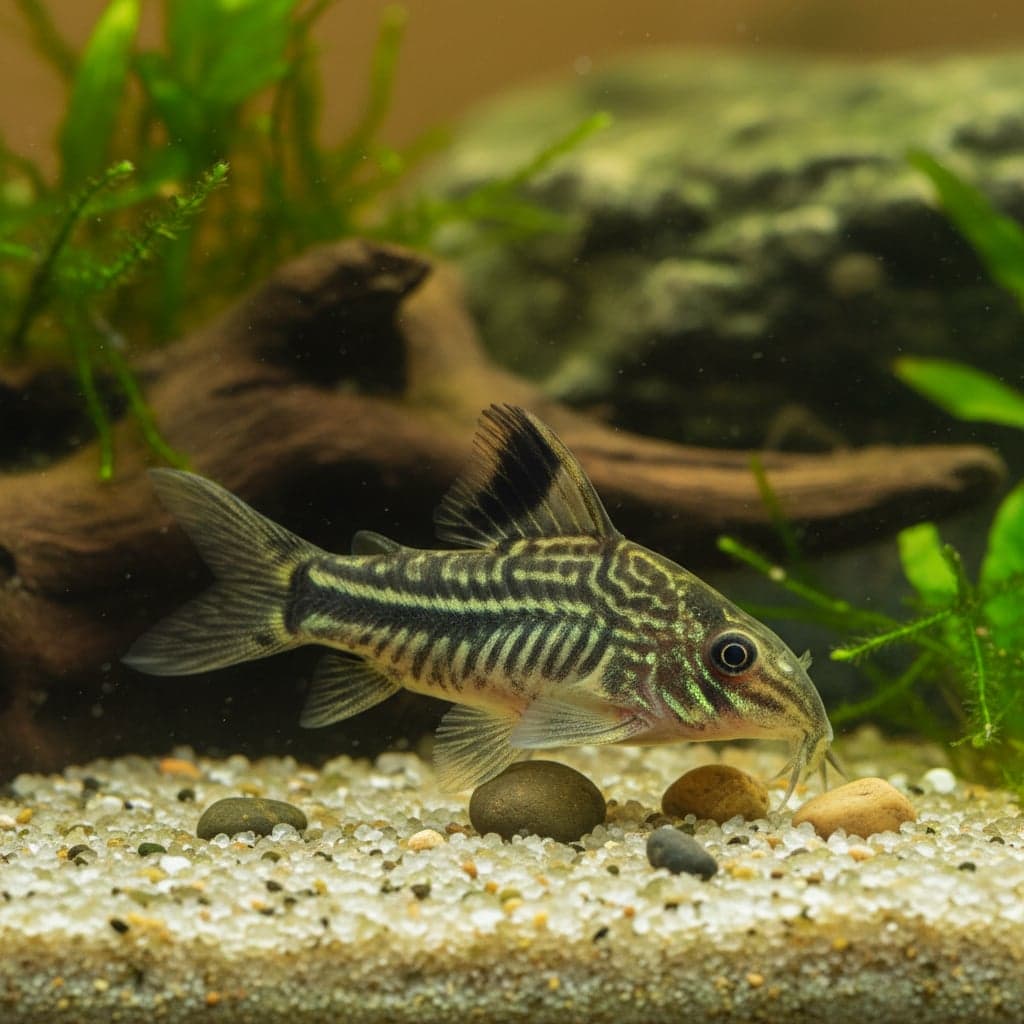
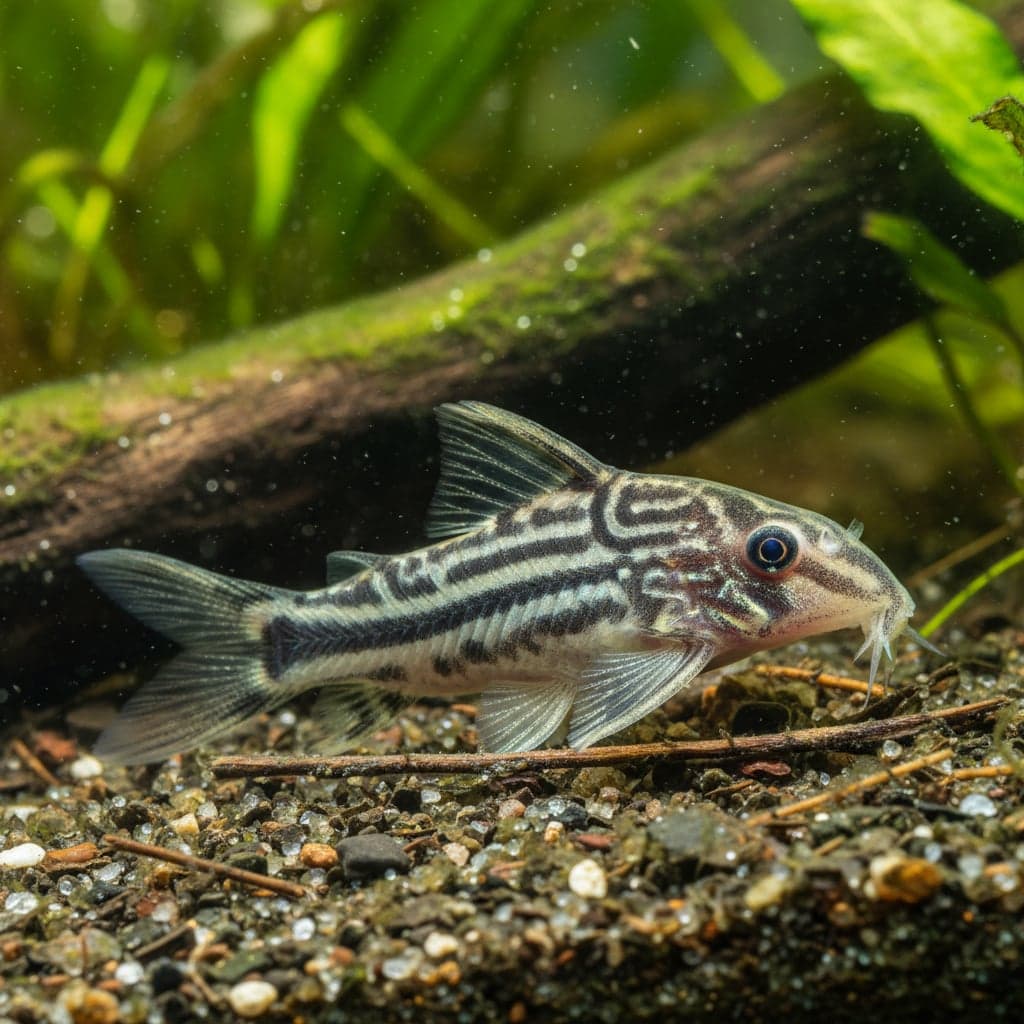
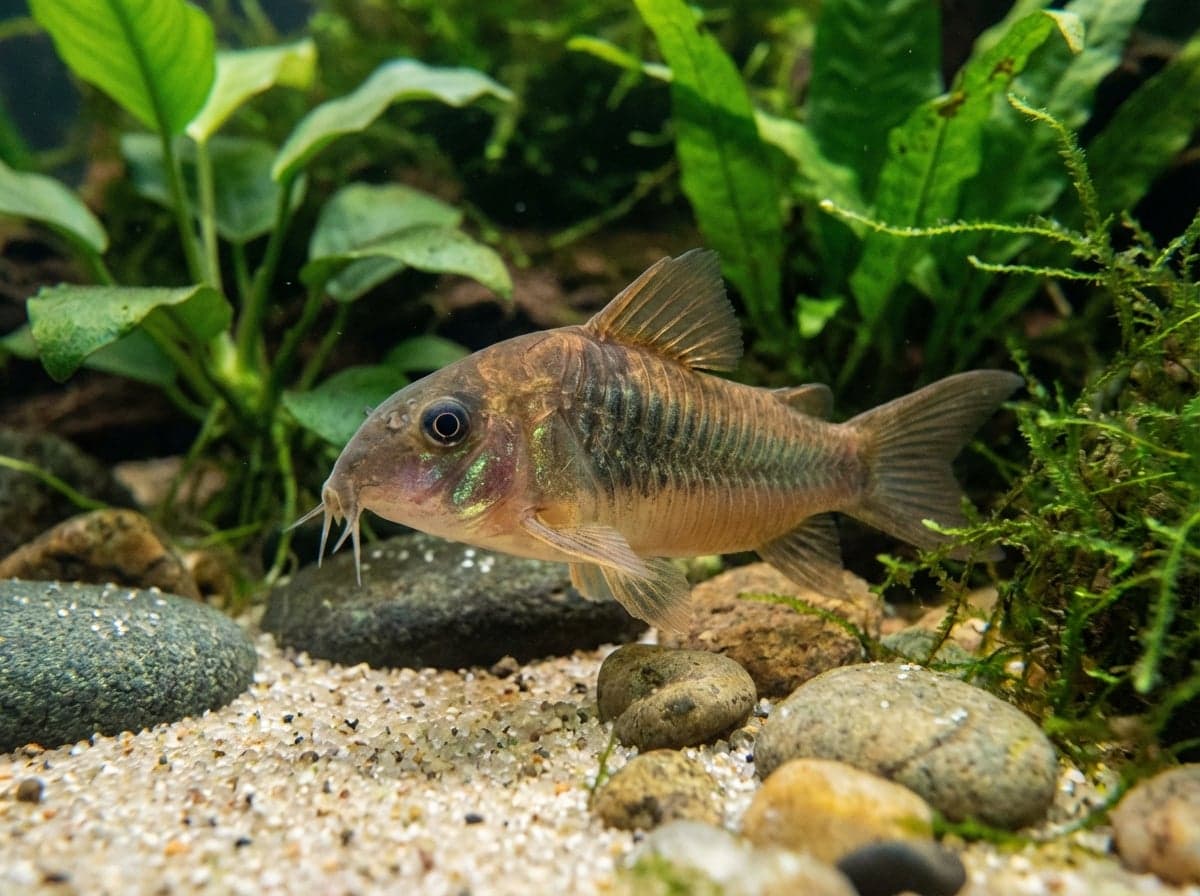
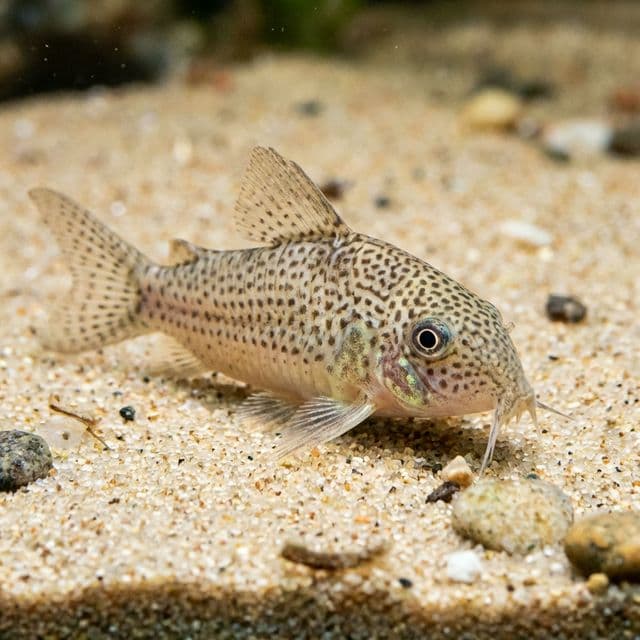
The Tailspot Cory, scientifically known as Corydoras caudimaculatus, is an enchanting freshwater fish that captivates many aquarium enthusiasts with its distinctive appearance and playful nature. With a unique combination of markings and a compact body, the Tailspot Cory showcases a pale to golden background adorned with small black spots, particularly prominent on its dorsal fin. Its stunning coloration and attractive patterns make it a visually appealing addition to community tanks. Tailspot Corys are often characterized by their friendly demeanor and their ability to engage with both fellow inhabitants of the aquarium and their owners, making them a significant species in the aquarium hobby.
Tailspot Corys are not just captivating in appearance; they also play a vital role in maintaining the health of an aquarium environment. As bottom dwellers, they scavenge for leftover food and debris, helping to keep the substrate clean. This behavior not only aids in reducing waste but also promotes a balanced ecosystem within the tank. Due to their gentle temperament and sociable nature, these fish encourage interactions between different species and contribute to the diversity of a well-planned freshwater setup.
Natural Habitat & Origin
The Tailspot Cory hails from the dense freshwater systems of South America, specifically found in countries such as Brazil and Venezuela. They primarily inhabit slow-moving waters such as rivers, streams, and flooded forest areas characterized by soft, acidic conditions. Often residing in blackwater environments, these fish thrive in waters dominated by decaying plant matter and submerged organic material, which lends a darker hue to their habitat. The surrounding vegetation and submerged structures provide essential cover from predators, making the Tailspot Cory well-adapted to this unique ecological niche.
In their natural habitat, Tailspot Corys are often found in groups, displaying a preference for shallow waters where they can forage for food among the debris and detritus. The chemical parameters of their environment typically include low to moderate hardness levels and a slightly lower pH, usually ranging from 5.5 to 7.0. Understanding their natural habitat allows aquarists to better replicate these conditions, ensuring a more successful and healthy life for these captivating fish in captivity.
Care Requirements
To provide ideal conditions for the Tailspot Cory, it is essential to maintain specific water parameters. The recommended pH level ranges from 6.0 to 7.5, with an ideal temperature between 72°F and 78°F (22°C to 26°C). As for water hardness, a range of 2 to 15 dGH is suitable, keeping in mind their preference for softer water. Creating a tank that mirrors their natural environment not only enhances their overall well-being but also boosts their coloration and activity levels.
When it comes to tank setup, a minimum aquarium size of 20 gallons is recommended to accommodate a small school of Tailspot Corys, typically consisting of five or more individuals. The substrate should consist of fine gravel or sand to prevent damage to their delicate barbels while they forage. Providing ample hiding spots through the use of driftwood, rocks, and plants is crucial. Moderately bright lighting is ideal since these fish prefer shaded areas, so incorporating floating plants can help diffuse the light. Additionally, a filter with gentle water flow is necessary to mimic their natural, slow-moving waters.
Diet & Feeding
The Tailspot Cory is an omnivorous fish that thrives on a varied diet. In the wild, they primarily consume small invertebrates, algae, and detritus, which makes replicating this diet in captivity essential for their health. High-quality sinking pellets should form the base of their diet, as they can readily graze on these throughout the day. Additionally, supplementing their feeding regimen with high-quality flakes or granules designed for bottom feeders will ensure they receive balanced nutrition.
To enhance their dietary variety, feeding them frozen or live foods such as bloodworms, brine shrimp, and daphnia is highly recommended. These protein-rich options can stimulate their natural foraging instincts and promote vibrant colors and overall good health. It is crucial to ensure that any leftover food is promptly removed from the aquarium to maintain water quality and prevent overfeeding, allowing the Tailspot Cory to thrive in its aquatic environment.
Behavior & Temperament
Tailspot Corys are known for their peaceful and social behavior, making them ideal candidates for community tanks. They are naturally inclined to form schools, and it is recommended to keep them in groups of at least five individuals to ensure they feel secure and exhibit natural behaviors. In a well-established community setup, you will often observe them foraging together at the bottom of the tank, constantly exploring their surroundings.
These fish are largely non-aggressive and can coexist harmoniously with a variety of other freshwater species. In terms of tank placement, the Tailspot Cory is typically found along the substrate and may occasionally venture up mid-water. However, they predominantly prefer lower regions of the aquarium where they can sift through the sand or gravel substrate with their barbels while searching for food and organic matter.
Tank Mates
Tailspot Corys are sociable fish that thrive in community settings, making them compatible with several peaceful species. Excellent tank mates include small tetras, rasboras, danios, and other species of corydoras. Their gentle nature also allows them to coexist with livebearers like guppies and platys, as well as various species of dwarf cichlids that do not exhibit territorial behavior.
However, there are certain species that should be avoided as tank mates. Aggressive or larger fish, such as cichlids or certain barbs, may pose a threat to the Tailspot Cory. Additionally, very small or fin-nipping species could lead to undue stress for these gentle bottom dwellers. Always consider the overall community dynamics and ensure that their tank mates provide a harmonious environment.
Breeding
Breeding Tailspot Corys in captivity can be achieved with the right conditions, emphasizing the importance of water quality, diet, and an appropriate environment. To encourage spawning, a breeding setup that includes a separate tank with soft, acidic water (pH around 6.0) and a temperature of approximately 76°F (24°C) is recommended. Providing spawning substrate such as flat stones, Java moss, or fine-leaved plants will create a conducive environment for the Tailspot Cory to lay eggs.
During the breeding process, males will chase females, and if conditions are suitable, the female will lay eggs, typically in batches. The eggs will adhere to surfaces, and once laid, should be transferred to a separate hatching tank to protect them from potential predation. After approximately four to seven days, the eggs will hatch, and the fry will require infusoria or specialized fry food until they are large enough to consume crushed flakes. With patience and attention to detail, successful breeding of Tailspot Corys can be a rewarding experience for dedicated aquarists.
Common Health Issues
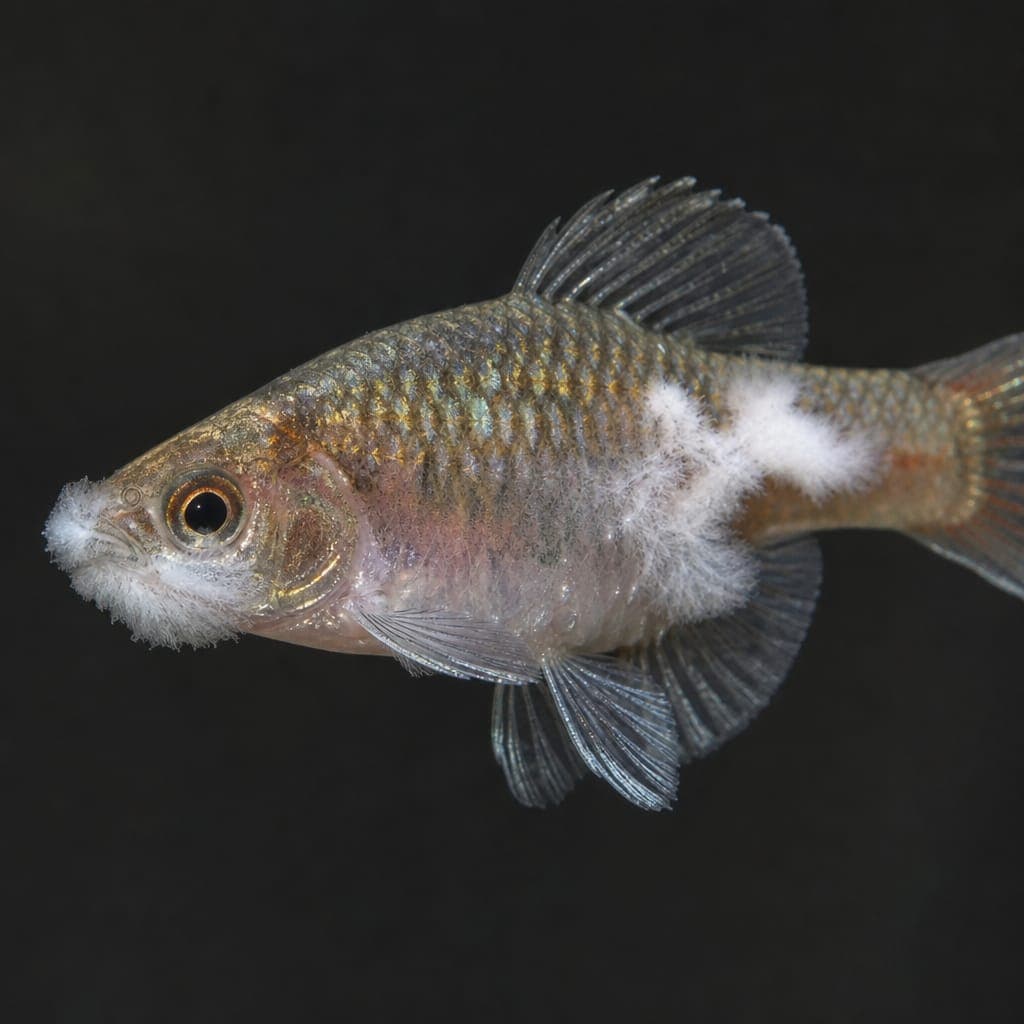
While Tailspot Corys are generally hardy, they can be susceptible to certain health issues that every aquarist should be aware of. Common concerns include ich (Cryptocaryon irritans), fin rot, and various forms of bacterial and fungal infections. To mitigate these risks, maintaining stable water parameters, practicing good hygiene, and ensuring a well-cycled tank are crucial.
Preventative measures include regular water changes—generally 10-15% weekly—and monitoring water quality parameters such as ammonia, nitrite, nitrate, and temperature. Quarantine new arrivals, keep Tailspot Corys in a proper group on soft sand, and avoid copper medications when possible. A varied sinking diet and low nitrate levels further support immunity. Prompt attention to white spots, clamped fins, laboured breathing, or loss of appetite helps these peaceful bottom-dwellers stay healthy and active for years.