Tanganyikan Spiny Eel: Mastacembelus ellipsifer
A 25cm Tanganyikan spiny eel that burrows in sand. Needs hard alkaline water, deep fine sand and live or frozen food.

Tanganyikan Spiny Eel
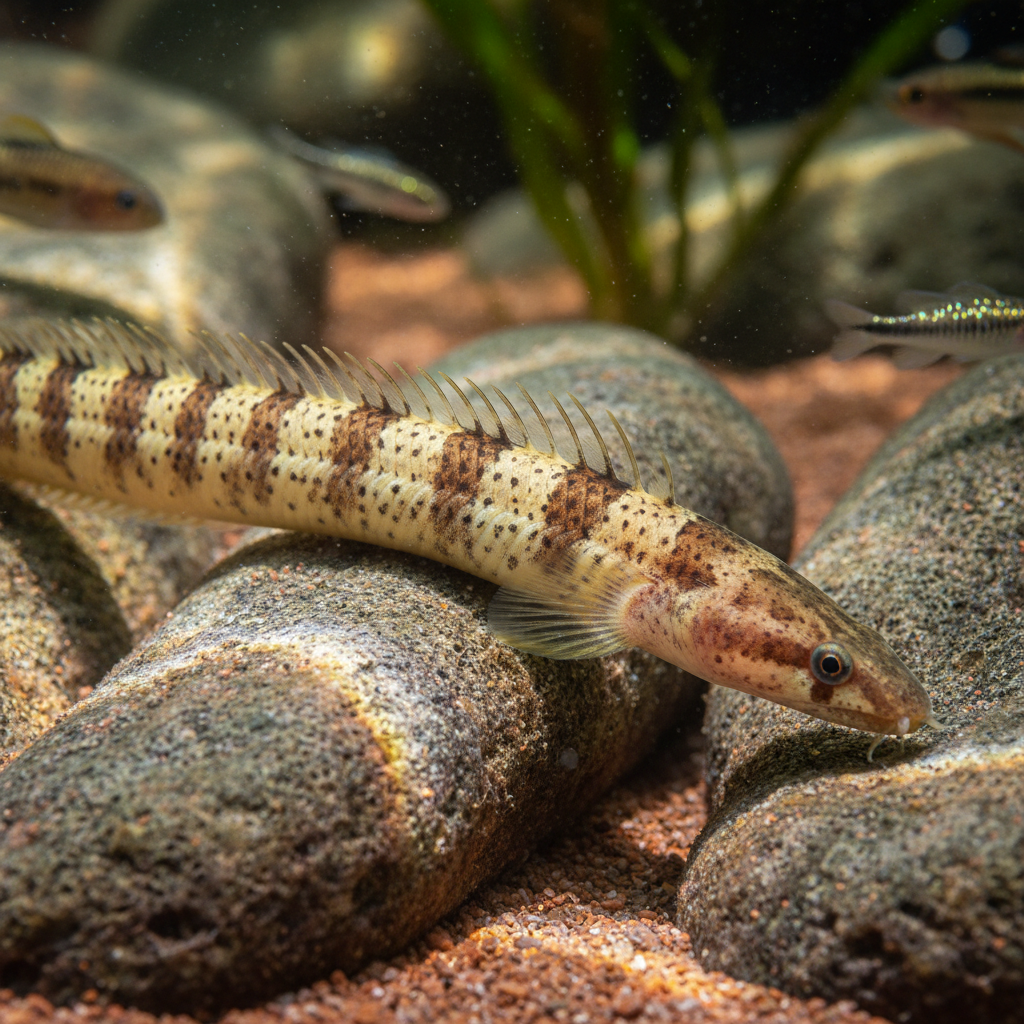
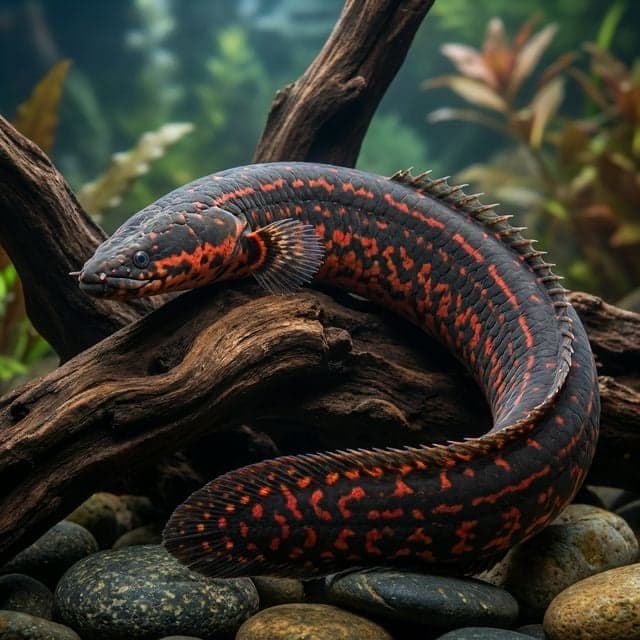
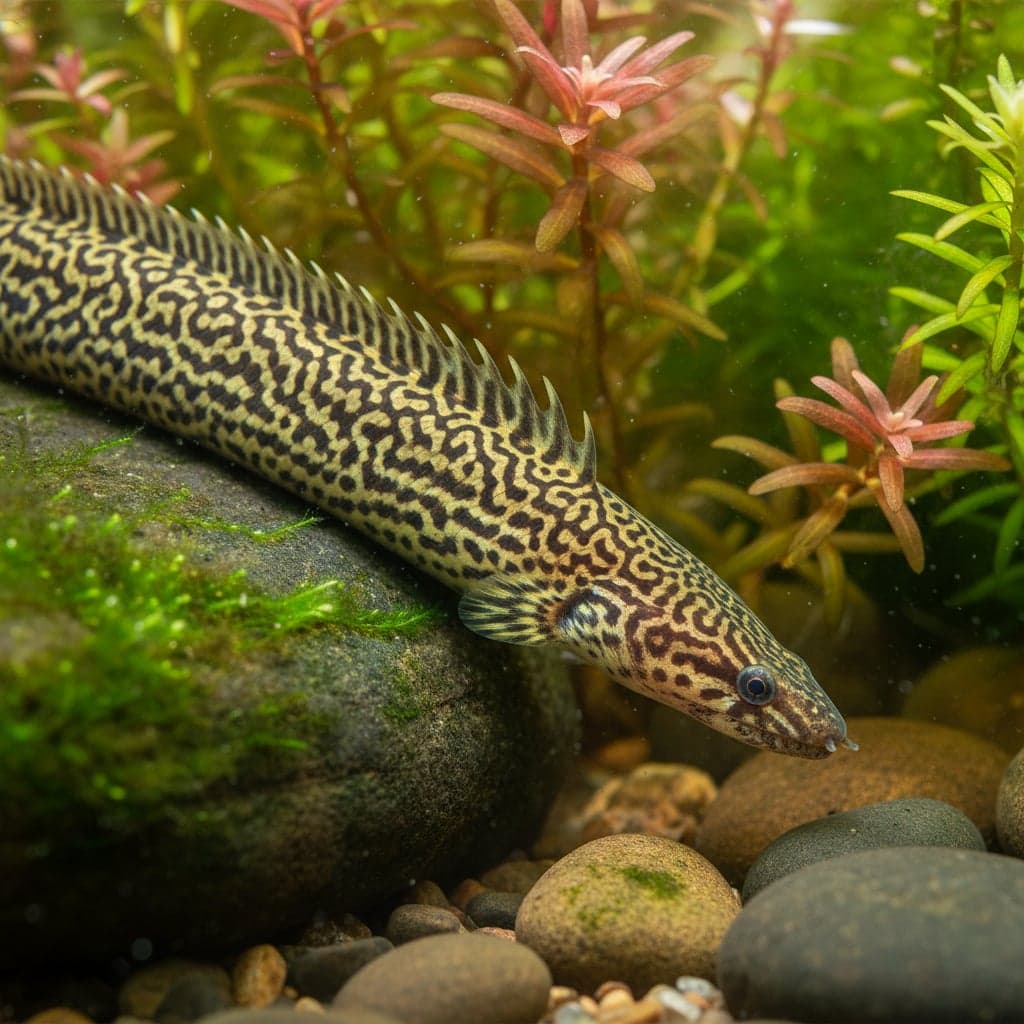
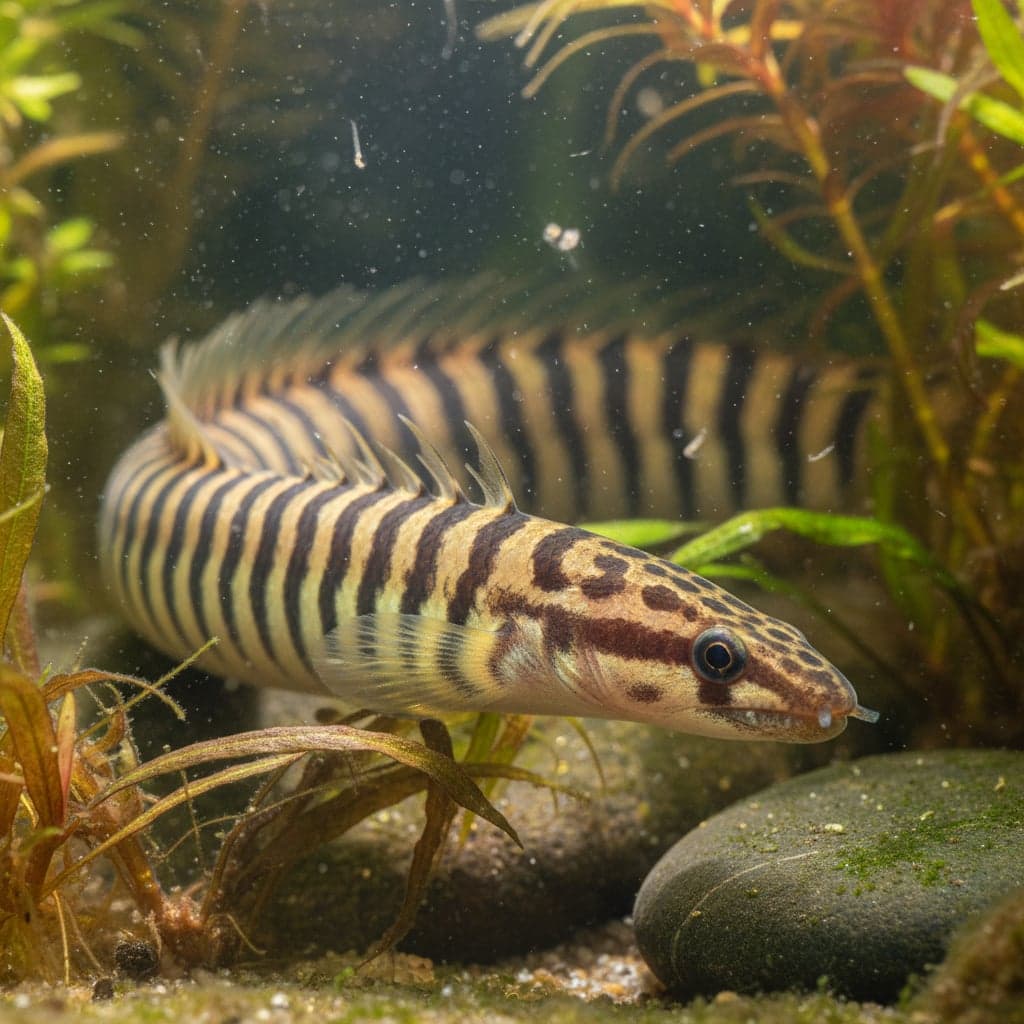
The Tanganyikan Spiny Eel, scientifically known as Mastacembelus ellipsifer, is a captivating freshwater fish that hails from the unique ecosystem of Lake Tanganyika in East Africa. This species is known for its elongated, serpentine body, which can reach lengths of up to 12 inches. Its body is adorned with a striking pattern of dark brown to golden coloring with distinct spots and bands, making it a visually appealing addition to any aquarium. With its delicate dorsal spines and a streamlined shape, the Tanganyikan Spiny Eel exemplifies both beauty and uniqueness. Enthusiasts often appreciate not only its physical appearance but also its intriguing behaviors and adaptability to various tank conditions, highlighting its significance in the aquarium hobby.
In terms of aquarium appeal, the Tanganyikan Spiny Eel adds a dynamic element to aquatic displays. Its movements are graceful and somewhat eel-like, slinking through the substrate and hiding within decorations in the tank. The spiny eel's fascinating foraging habits and occasional surfacing for air further enhance its charm. Its presence encourages hobbyists to create a biotope that emulates its natural habitat, allowing them to appreciate the intricacies of Lake Tanganyika's biodiversity. For these reasons, the Tanganyikan Spiny Eel is not only an eye-catching specimen but also a rewarding species for aquarists eager to deepen their understanding of African freshwater ecosystems.
Natural Habitat & Origin
The Tanganyikan Spiny Eel is endemic to Lake Tanganyika, one of Africa’s Great Lakes, which is famous for its extensive biodiversity and unique geological characteristics. This lake features a mixture of deep, clear waters and diverse microhabitats such as rocky substrates, sandy bottoms, and submerged vegetation. In its natural habitat, the Tanganyikan Spiny Eel tends to be found in shallow waters, often near the substrate, where it prefers to burrow and seek shelter among rocks and plant roots. The water in Lake Tanganyika is typically alkaline, with pH levels ranging from 8.0 to 9.0, making it essential for hobbyists to mirror these conditions to meet the fish's needs.
Lake Tanganyika's water is often characterized as soft to moderately hard, with low levels of organic material, resulting in clear water conditions that can be classified as 'clearwater.' The geography of the lake, coupled with its diverse ecosystems, plays a critical role in the fish's feeding, breeding, and behavioral patterns. Understanding the natural origins of the Tanganyikan Spiny Eel aids aquarists in creating an appropriate environment that promotes natural behaviors and overall well-being.
Care Requirements
To provide optimal care for the Tanganyikan Spiny Eel, maintaining specific water parameters is essential. Ideal water pH should be in the range of 8.0 to 9.0, with a temperature maintained between 75°F to 82°F (24°C to 28°C) to mirror the eel’s natural habitat. The water hardness should ideally be between 5 to 15 dGH, providing a stable environment conducive to health. Given its penchant for burrowing, a minimum tank size of 50 gallons is recommended to accommodate its size and behavior, allowing ample swimming space and substrate depth.
In terms of tank setup, aquarium substrate should be fine sand or smooth gravel, providing a comfortable area for the spiny eel to burrow and forage. Incorporating dark-colored rocks and driftwood can create hiding spaces that mimic its natural habitat. Adequate lighting with a low to moderate intensity is advisable, as this allows for plant growth while not stressing the spiny eel. Live plants, particularly those with broad leaves, can be utilized to provide cover and improve water quality, creating a well-structured aquatic environment.
Diet & Feeding
The Tanganyikan Spiny Eel is classified as an omnivore, with a diet that consists of a variety of food sources. In captivity, it thrives on a balanced diet of high-quality flakes, pellets, frozen foods, and live foods such as blood worms, brine shrimp, and daphnia. Offering a mix of these foods ensures that it receives essential nutrients required for health and vitality. Some aquarists also recommend incorporating high-fiber vegetable matter or spirulina-based preparations to meet the dietary needs of the fish.
Feeding should ideally be done in small portions, two to three times per day, to prevent overfeeding and to simulate natural foraging behavior. Observing the spiny eel as it searches for food can be a rewarding experience, as it exhibits its characteristic digging and sifting through substrate. Careful monitoring of its diet not only enhances the eel’s health but also encourages vibrant colors and active behavior, making it a joy to keep in an aquarium.
Behavior & Temperament
The Tanganyikan Spiny Eel is known for its relatively peaceful disposition, making it a suitable candidate for community tanks. While generally non-aggressive, it may exhibit territorial behaviors, particularly during breeding or when housed with overly aggressive tank mates. Typically, the spiny eel is a solitary feeder, tending to prefer the company of its own species or other non-aggressive fish. It is important to note that they are not known for schooling but can cohabitate harmoniously in well-planned tank setups.
In terms of tank positioning, the Tanganyikan Spiny Eel prefers to occupy the bottom layers of the aquarium. It is also known to occasionally venture to mid-levels, where it may come to the surface to breathe, given its semi-air-breathing capability. Providing plenty of submerged hiding spots and ample substrate allows them to feel secure in their environment, thereby promoting their natural behavioral patterns in captivity.
Tank Mates
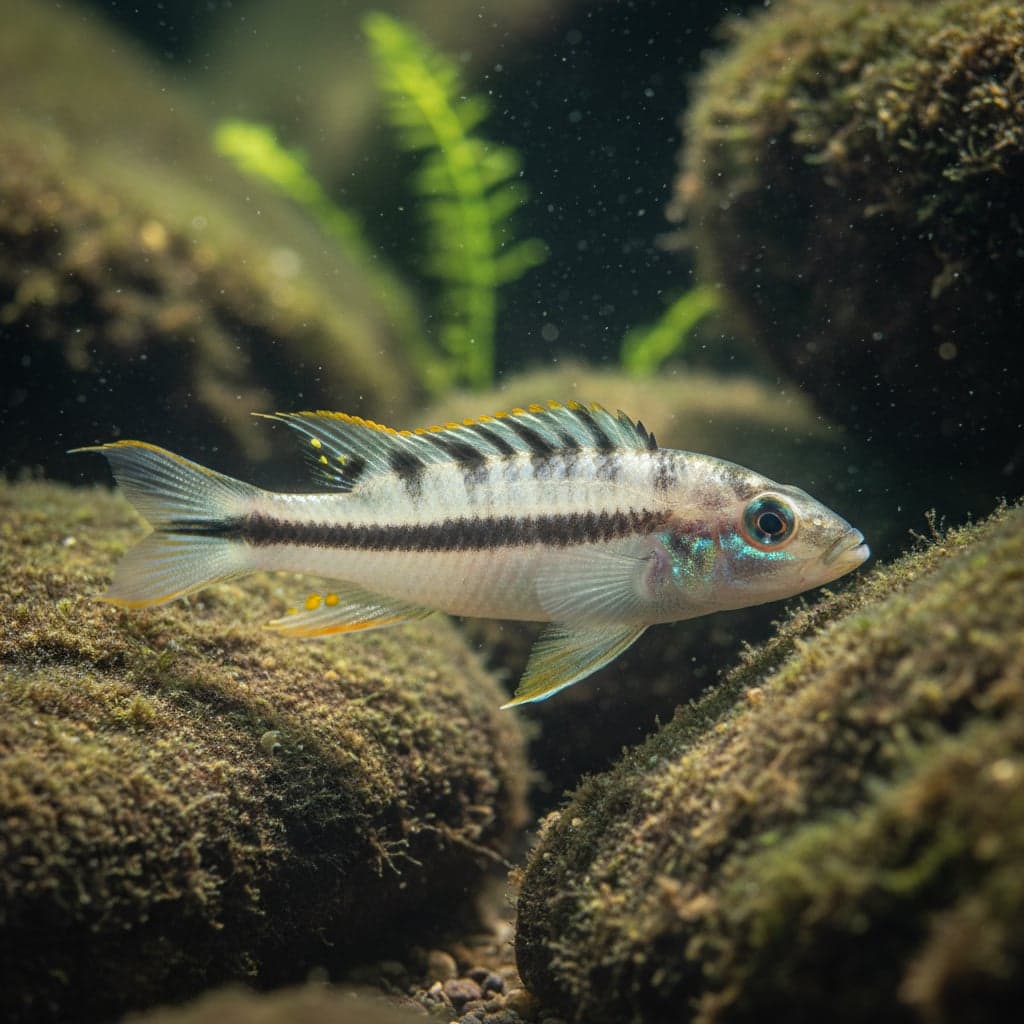
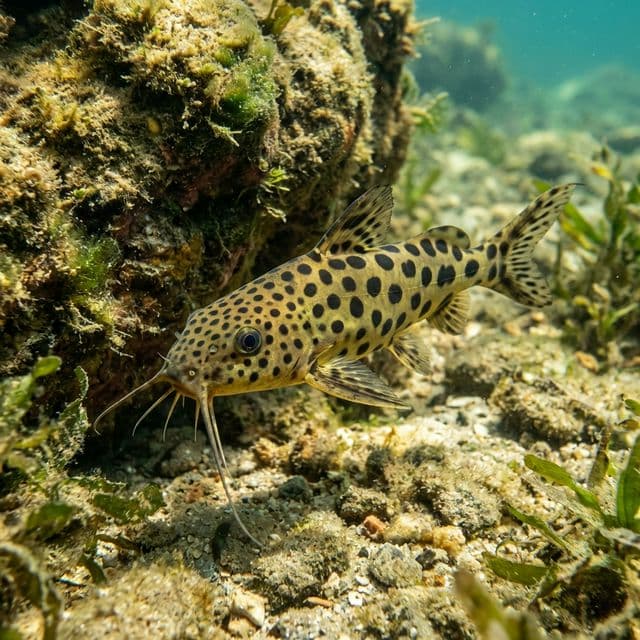
When selecting tank mates for the Tanganyikan Spiny Eel, it is crucial to choose non-aggressive species that occupy different levels of the tank. Ideal companions include cichlids from Lake Tanganyika, such as shell dwellers or smaller species like Julidochromis, which can coexist peacefully. Other suitable tank mates include peaceful catfish, smaller barbs, and other community fish that do not pose a threat to the spiny eel's well-being.
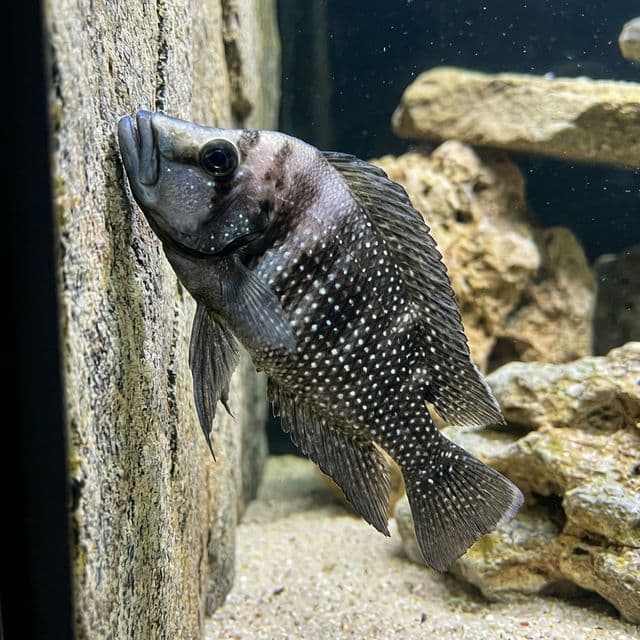
Species to avoid include larger or overly aggressive fish that may stress or bully the spiny eel, as well as those that may nip at its elongated fins. Examples of such species include larger cichlids and aggressive barbs or tetras. Ensuring that tank mates are chosen with care is essential for a harmonious aquarium environment that allows the Tanganyikan Spiny Eel to thrive.
Breeding
Breeding the Tanganyikan Spiny Eel in captivity can be a complex process, but it is achievable with the right conditions. These fish typically engage in spawning behavior on flat surfaces like rocks or smooth substrate, often during the monsoon season in their natural habitat. Providing a specific breeding tank that mimics these conditions is crucial; maintaining slightly higher temperatures and increased water changes can simulate spawning cues.
To encourage breeding, a well-established pair should be selected, with plenty of hiding spots and flat surfaces available in the tank. After a successful breeding event, females will lay several eggs, which usually adhere to the substrate. Post-spawning, it may be beneficial to separate the adults from the eggs to prevent them from consuming their offspring. After several days, the fry will hatch and begin feeding on infusoria or finely crushed foods before graduating to baby brine shrimp and other small live or frozen fare. Keep the rearing tank dimly lit with soft substrate and plenty of cover so the young can settle without stress.
Common Health Issues
Tanganyikan Spiny Eels can develop ich, bacterial infections, or skin abrasions when water quality declines or substrate is too coarse. Maintain clean, well-buffered hard alkaline water with regular changes, and quarantine new arrivals. Avoid copper medications when possible, as many eels are sensitive. Watch for white spots, clamped fins, refusal to feed, or excessive hiding, and treat promptly so these nocturnal hunters stay healthy and active.