Tangaroa Shrimp Goby
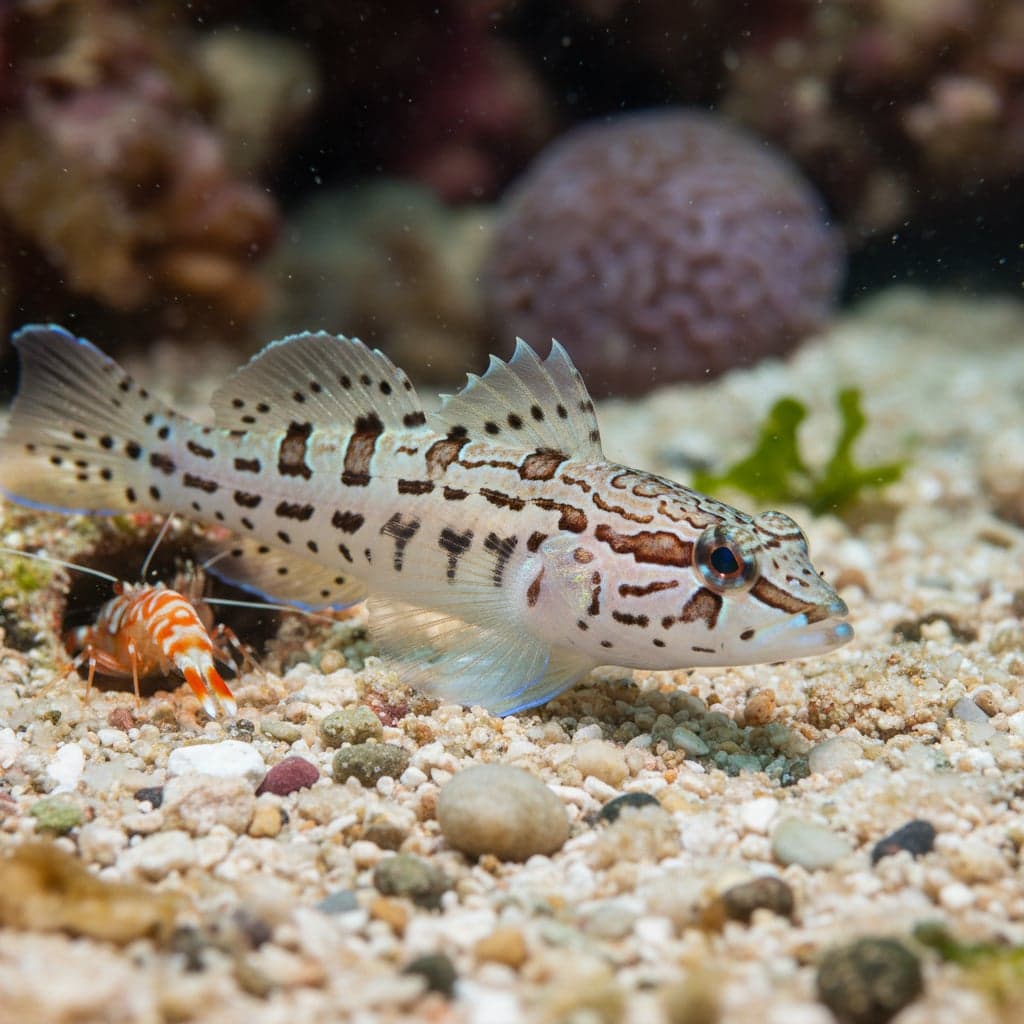
The Tangaroa Shrimp Goby (Ctenogobiops tangaroai) is a stunning saltwater fish known for its unique appearance and behavior.

Tangaroa Shrimp Goby
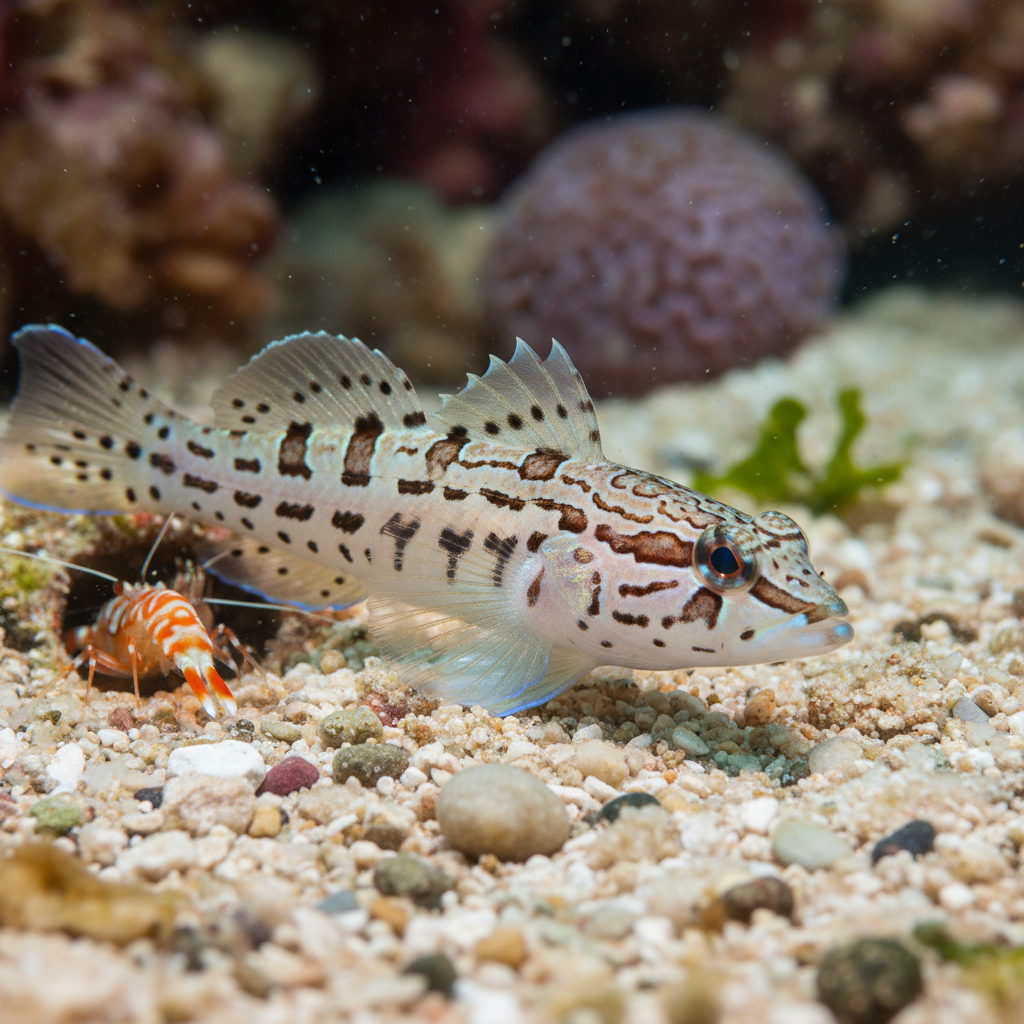
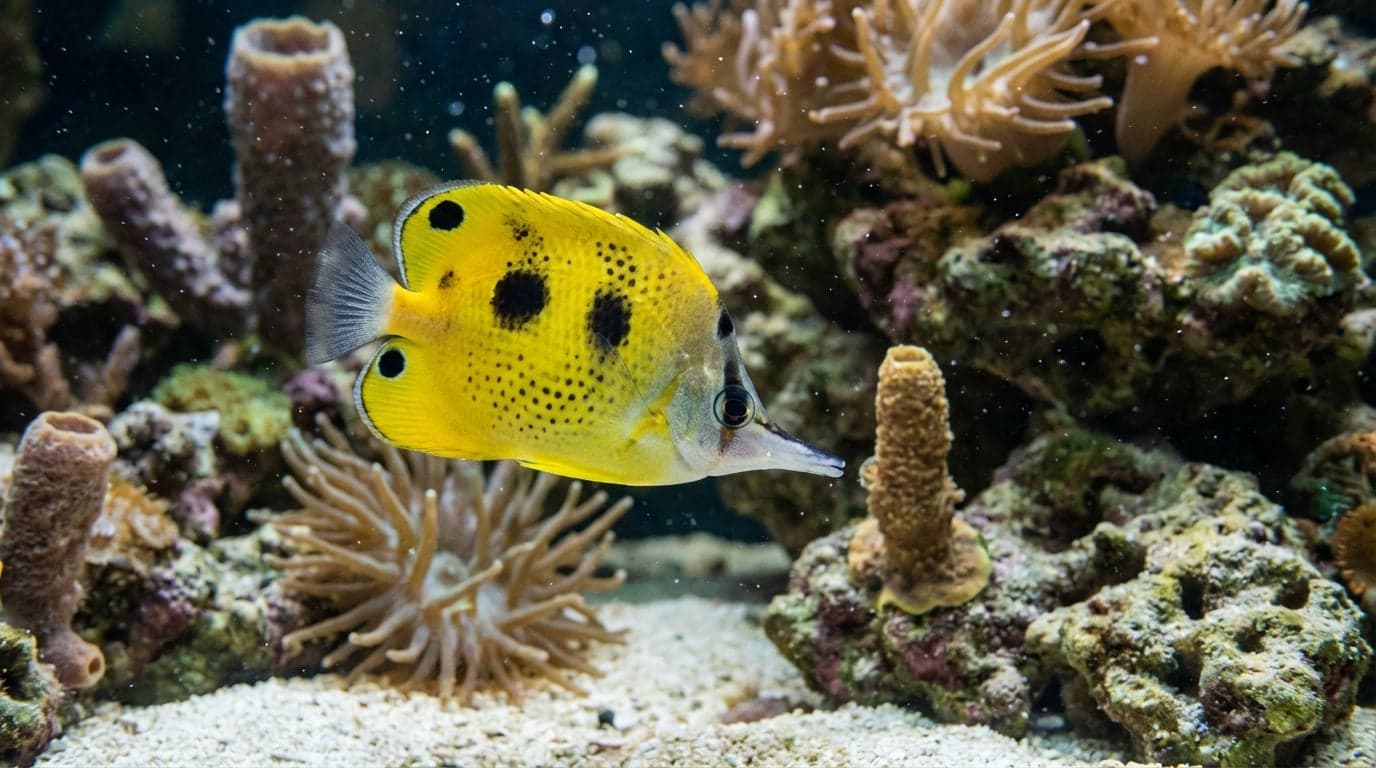
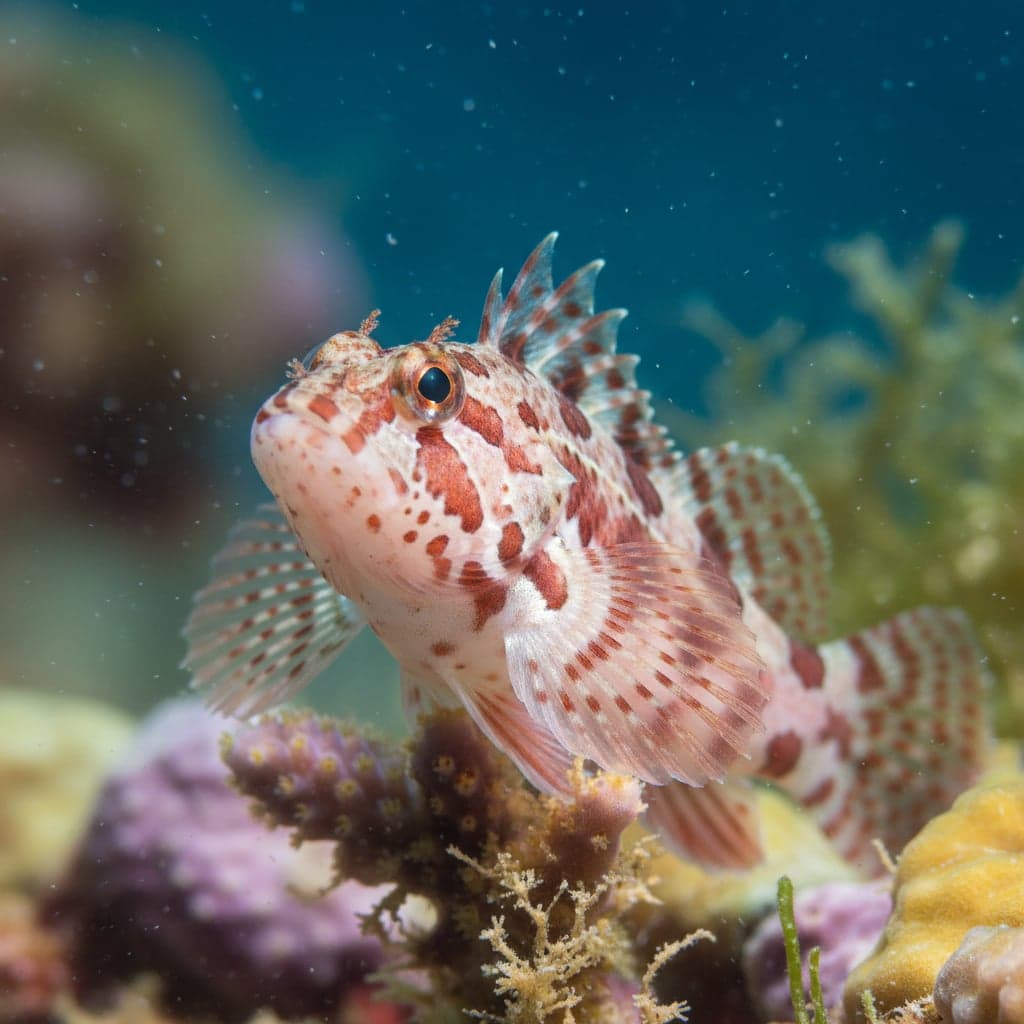
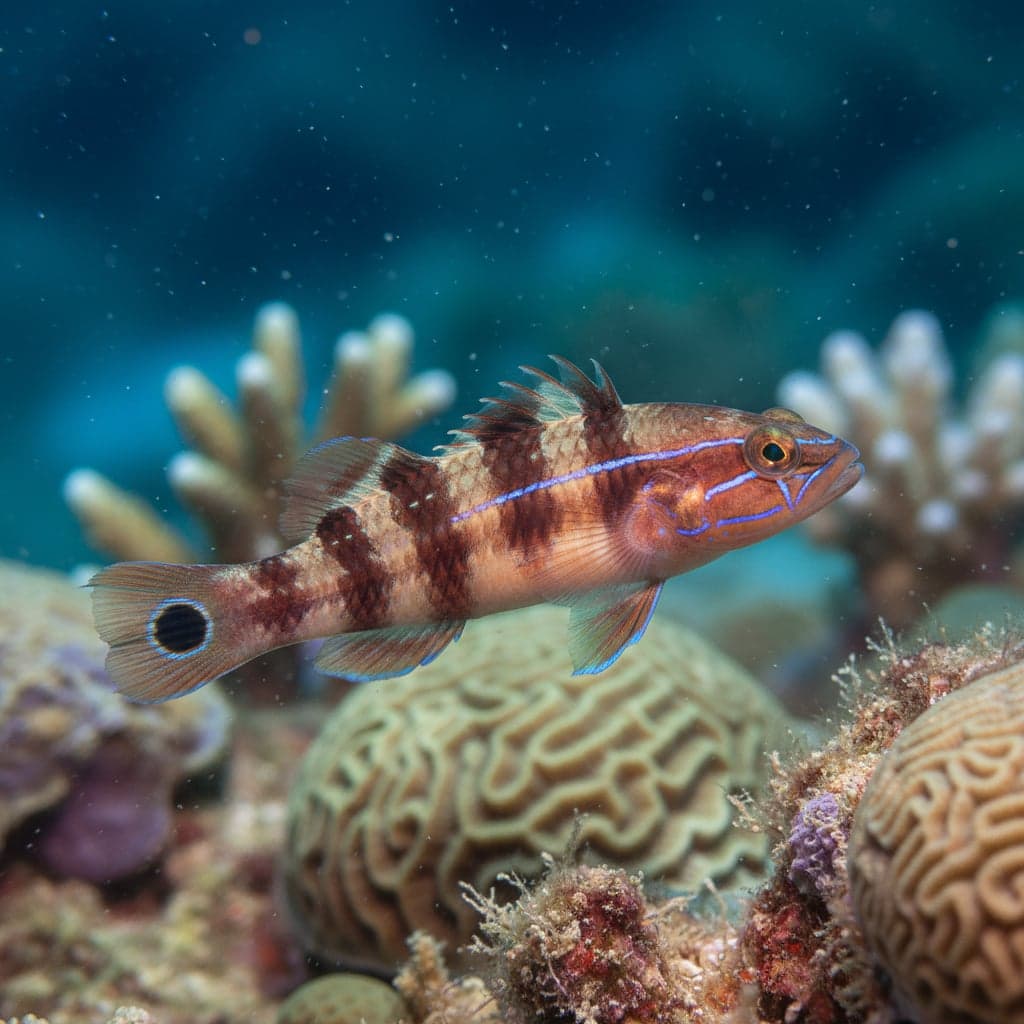
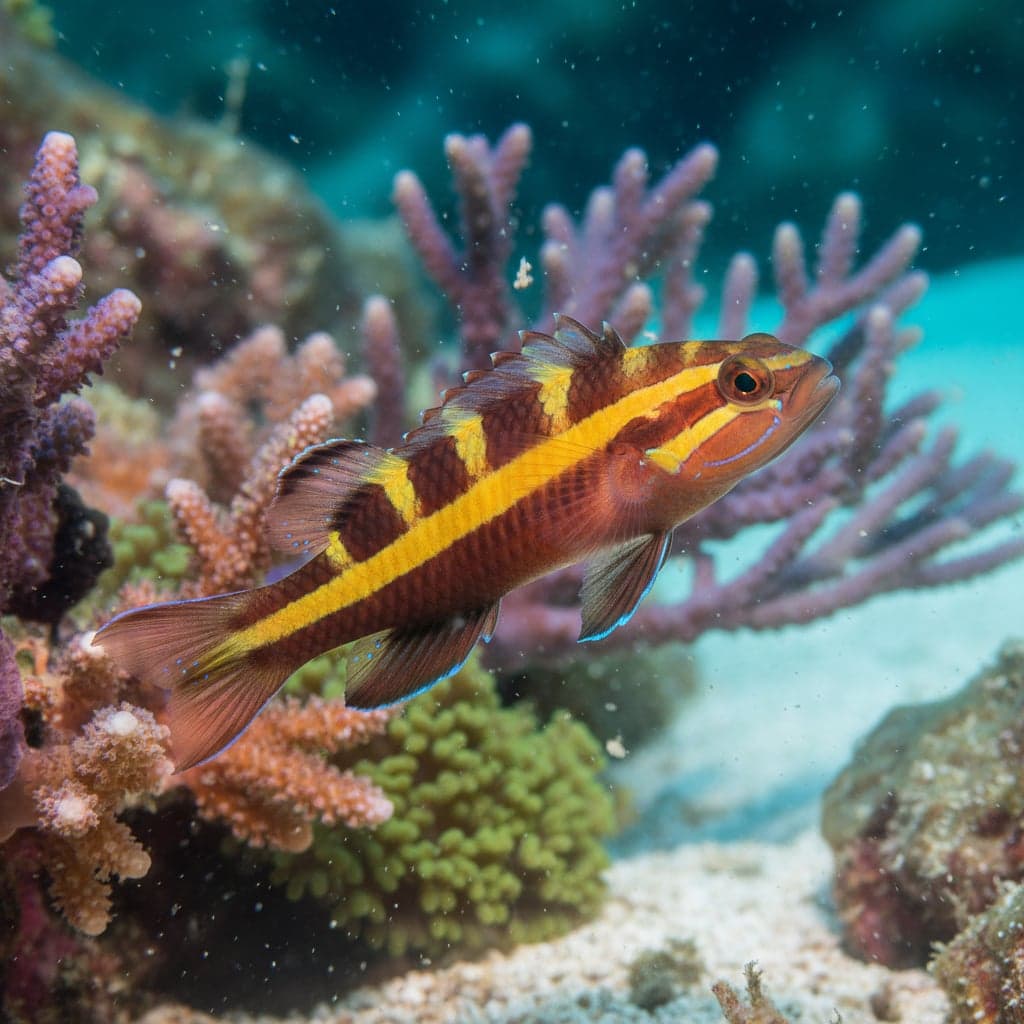
The Tangaroa Shrimp Goby (Amblyeleotris tangaroa) is a captivating marine fish that has gained popularity among aquarium enthusiasts due to its striking appearance and unique symbiotic relationships. This small, elongated fish can reach lengths of about 3–4 inches and is characterized by its vibrant coloration, typically showcasing a blend of yellows, blues, and browns. Its large, expressive eyes and fins contribute to its visual appeal, making it a desirable resident in reef tanks. The Tangaroa Shrimp Goby is often seen perched at the entrance of its burrow, watching its surroundings, which adds a dynamic aspect to any aquarium setup.
In addition to its aesthetic value, the Tangaroa Shrimp Goby plays a significant role in the aquarium hobby. It showcases fascinating behavior, particularly its relationship with certain species of pistol shrimp. These fish engage in a mutualistic relationship where the goby provides vigilance against predators, while the shrimp creates and maintains a burrow that serves as a shared home. This interaction not only enhances the liveliness of the tank but also symbolizes the intricate connections found in marine ecosystems. For hobbyists, keeping this species provides the opportunity to observe complex behaviors that reflect the natural world.
Natural Habitat & Origin
The Tangaroa Shrimp Goby is native to the coral reefs of the Indo-Pacific region, specifically found around locales like the coral gardens of Fiji, French Polynesia, and the Great Barrier Reef. It typically inhabits shallow waters, preferring sand and rubble substrates that offer ample burrowing opportunities. This species thrives in clear waters with good visibility, which is crucial for its survival as a predator and its reliance on visual cues for communication with its shrimp partners.
The environment in which these gobies are found is characterized by stable conditions, with water temperatures between 75°F and 82°F (24°C to 28°C) and a normal salinity range typical of tropical marine environments. The ideal biochemical composition usually involves slightly alkaline to neutral pH levels averaging 7.8 to 8.4. Given these conditions, maintaining a balanced aquarium that mimics their natural habitat is essential for the health and vitality of the Tangaroa Shrimp Goby.
Care Requirements
To successfully keep the Tangaroa Shrimp Goby, aquarium owners should provide an appropriate environment with specific care requirements. A minimum tank size of 30 gallons is recommended to accommodate this species adequately, allowing enough space for swimming and roaming. The substrate should comprise fine sand to facilitate burrowing; adding rocks and structures will create hiding spots and encourage natural behaviors. Proper lighting should mimic the natural sunlight found in coral reefs, with LED or T5 lights being ideal for enhancing the aesthetic and promoting beneficial algae growth.
Water parameters are crucial for the health of the Tangaroa Shrimp Goby. The ideal pH should range from 7.8 to 8.4, water temperature should be maintained between 75°F to 82°F (24°C to 28°C), and salinity should be kept stable at around 1.020 to 1.025 SG. Regular monitoring of water hardness is also vital, with a range of 8 to 12 dGH being ideal. Regular water changes and the use of quality filtration will maintain suitable water conditions, contributing to a thriving aquarium environment.
Diet & Feeding
The Tangaroa Shrimp Goby is classified as an omnivore, thriving on a varied diet that mimics its natural feeding patterns found in the wild. In aquariums, it benefits from a mix of high-quality flake food, sinking pellets specifically formulated for carnivorous or omnivorous fish, and frozen or live foods such as brine shrimp, mysis shrimp, and finely chopped marine meats. This diverse diet ensures that the fish receives all necessary nutrients, promoting vibrant coloration and optimal health.
To maintain a well-rounded diet, feeding the Tangaroa Shrimp Goby several small meals throughout the day is advantageous. This approach mimics natural feeding behavior and reduces competition with tank mates, allowing prevention of stress and obesity. Additionally, it is vital to monitor the goby’s feeding behavior closely, as they may be shy eaters, particularly if other more dominant fish are present.
Behavior & Temperament
The Tangaroa Shrimp Goby exhibits intriguing social behavior and is known for its peaceful temperament, making it an excellent addition to community tanks. Typically found in pairs or small groups, this fish enjoys interacting with its environment, often darting in and out of its burrow. The shrimp-goby symbiosis highlights its unique nature; the goby exhibits an instinctual behavior of maintaining close proximity to its shrimp partner, offering mutual protection.
In terms of tank placement, the Tangaroa Shrimp Goby is generally a bottom-dwelling species, spending most of its time near the substrate or inside its burrow. They can be territorial towards their own species, so it's recommended to keep only one goby per tank or establish multiple pairs in a larger aquarium. Their peaceful demeanor allows for coexistence with various other species; however, care should be taken to avoid tank mates that are overly aggressive or larger, which can intimidate the goby.
Tank Mates
Selecting compatible tank mates for the Tangaroa Shrimp Goby is crucial to maintaining a harmonious aquarium environment. Ideal tank mates include small and peaceful species such as clownfish, blennies, small wrasses, and various types of gobies that do not exhibit territorial behaviors. These species generally have similar environmental requirements and can coexist without competition for resources.
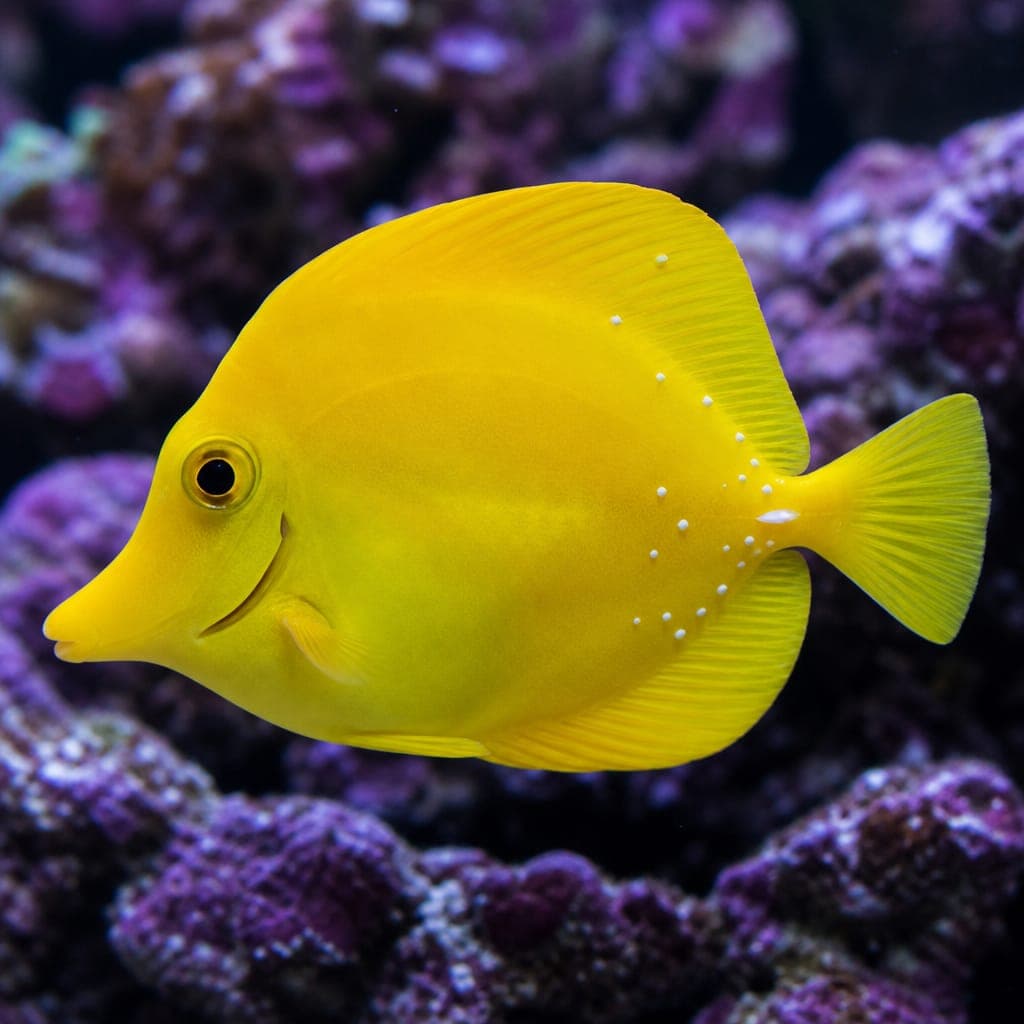
Conversely, potential tank mates to avoid include larger or more aggressive species such as angelfish, tangs, and triggers, which may bully or prey on the Tangaroa Shrimp Goby. Additionally, pairing the goby with other symbiotic shrimp—apart from the goby's natural partner—can lead to competition for space and resources. Careful selection of tank inhabitants will not only enhance the aesthetic appeal of the aquarium but also create a more stable and healthier environment for all species involved.
Breeding
Breeding the Tangaroa Shrimp Goby in captivity presents unique challenges but can be achieved with the right conditions. Spawning typically occurs in the early morning hours, with the male goby performing a courtship display to attract a female. Once mate recognition is established, they select a suitable burrow—often made by the pistol shrimp—to lay eggs, which can be several hundred at a time.
To encourage successful breeding, aquarists should maintain optimal water conditions, likely resembling those of their natural habitat, such as stable temperature and salinity. Providing a well-established, spacious aquarium with hiding spaces and a significant sand bed is essential. While fry care can be complex and requires specific microalgae and tiny food sources, separating the breeders from other tank inhabitants during the breeding period can help protect the eggs and any new fry once they are free-swimming.
Common Health Issues
While the Tangaroa Shrimp Goby generally enjoys robust health, it is still susceptible to common marine fish diseases. Issues like ich (cryptocaryon), marine velvet, and bacterial infections are notable concerns, especially in less than ideal water conditions. To minimize susceptibility, proper tank maintenance, including routine water changes and filtration, is crucial.
Preventative measures such as quarant