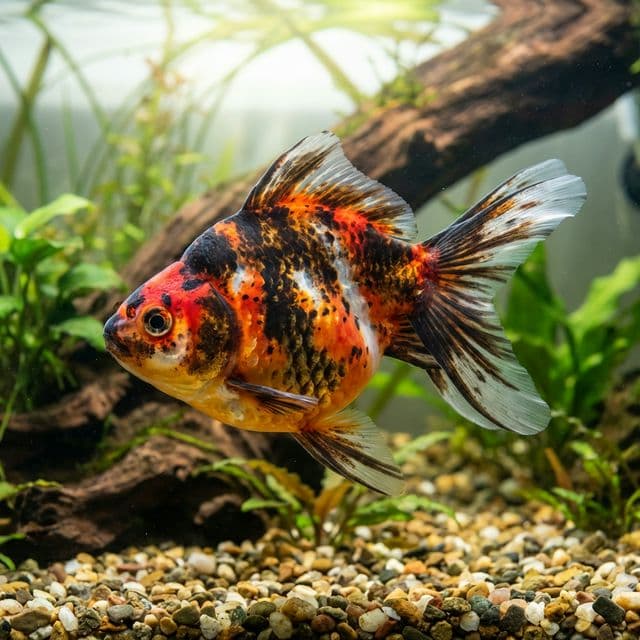
Telescope: Carassius auratus
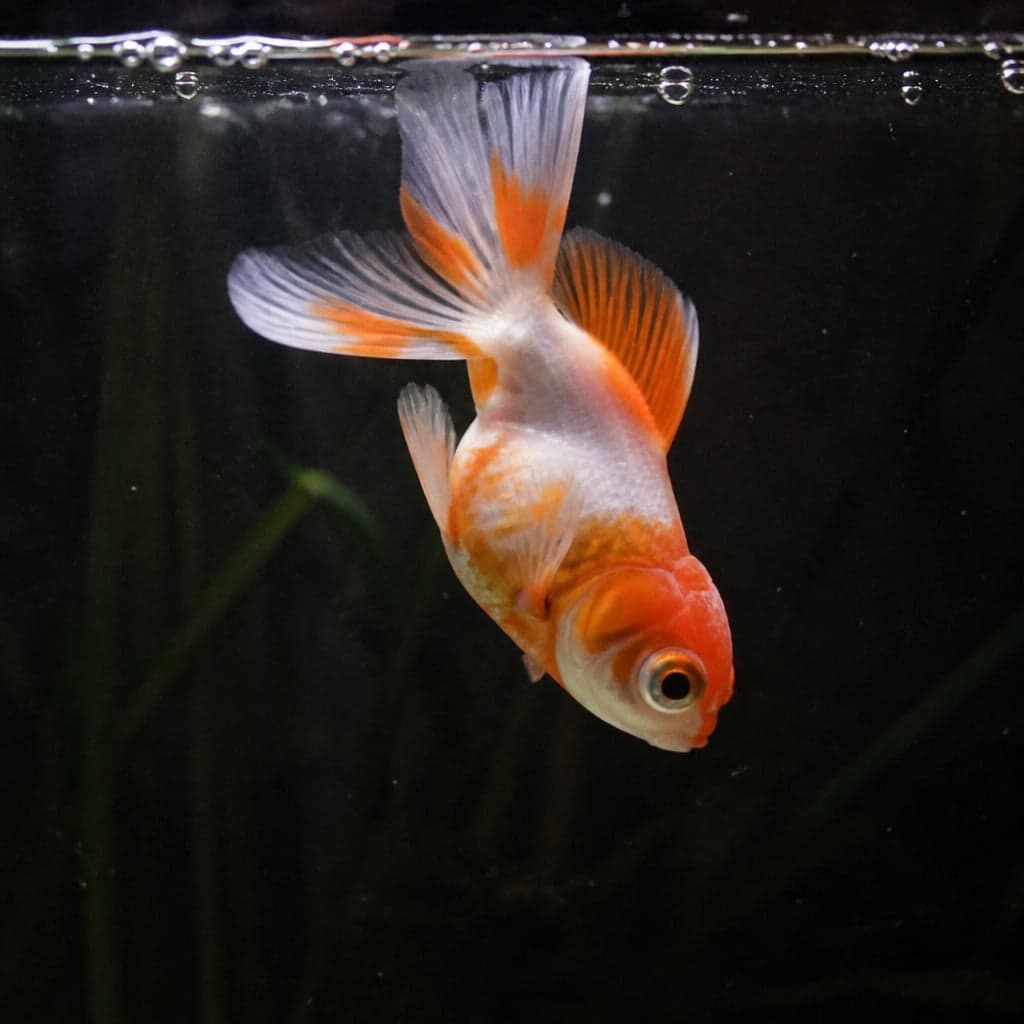
A goldfish bred for protruding eyes, which cost it vision and make it a poor competitor at feeding time. Needs smooth decor and slow tank mates.
Telescope
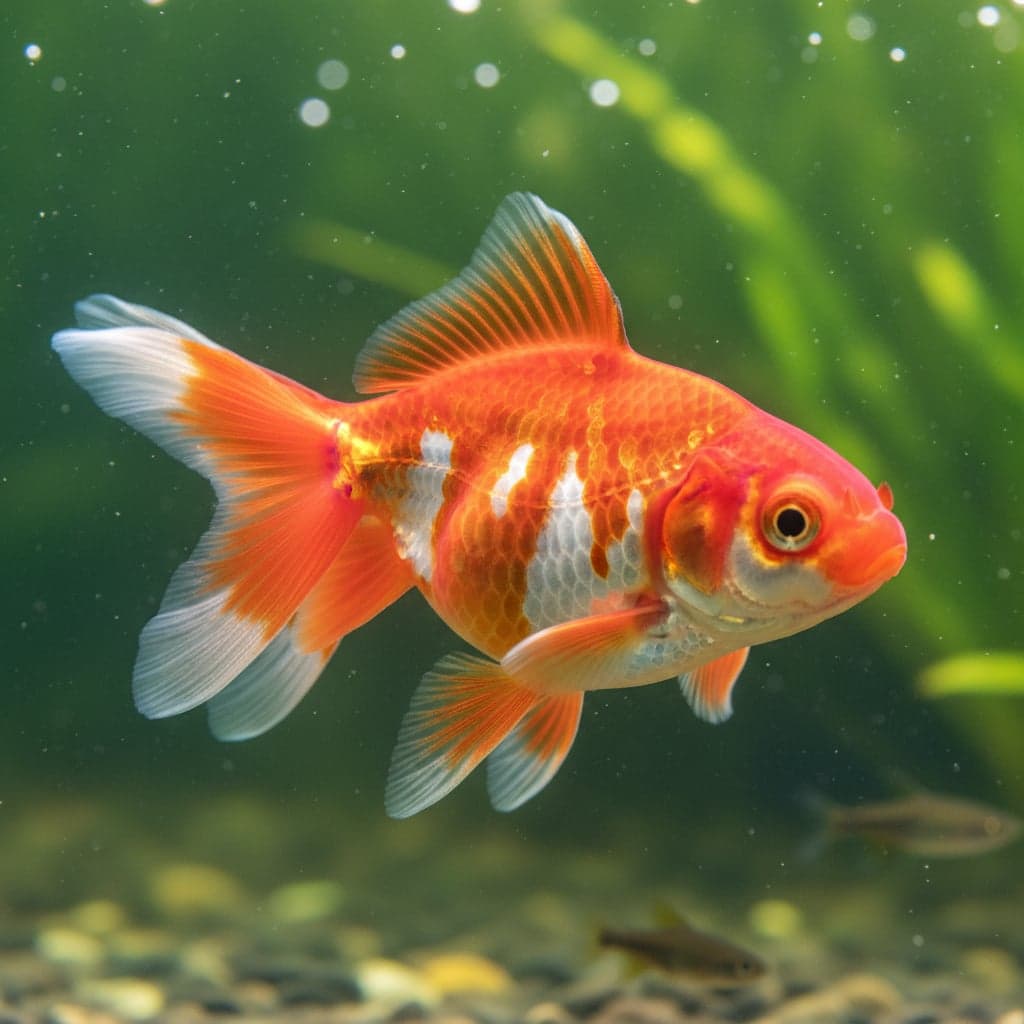
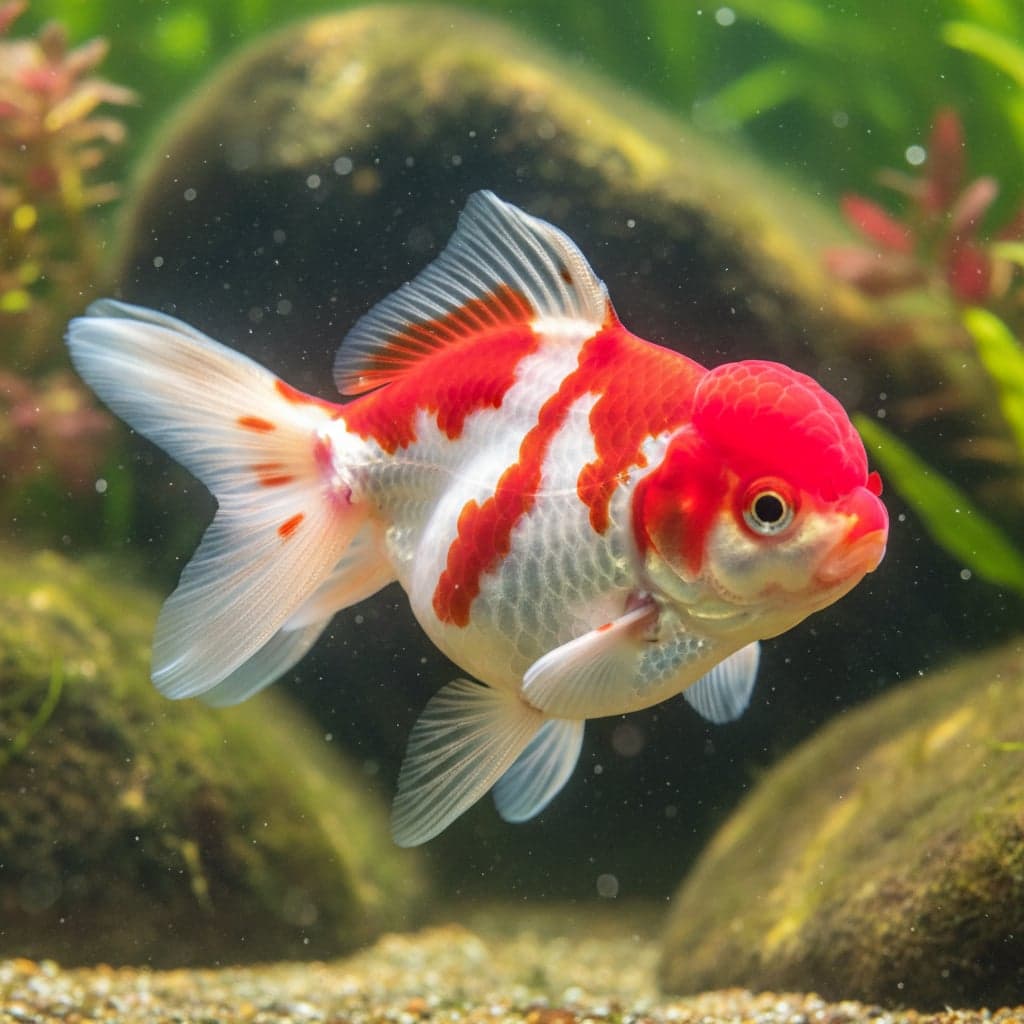
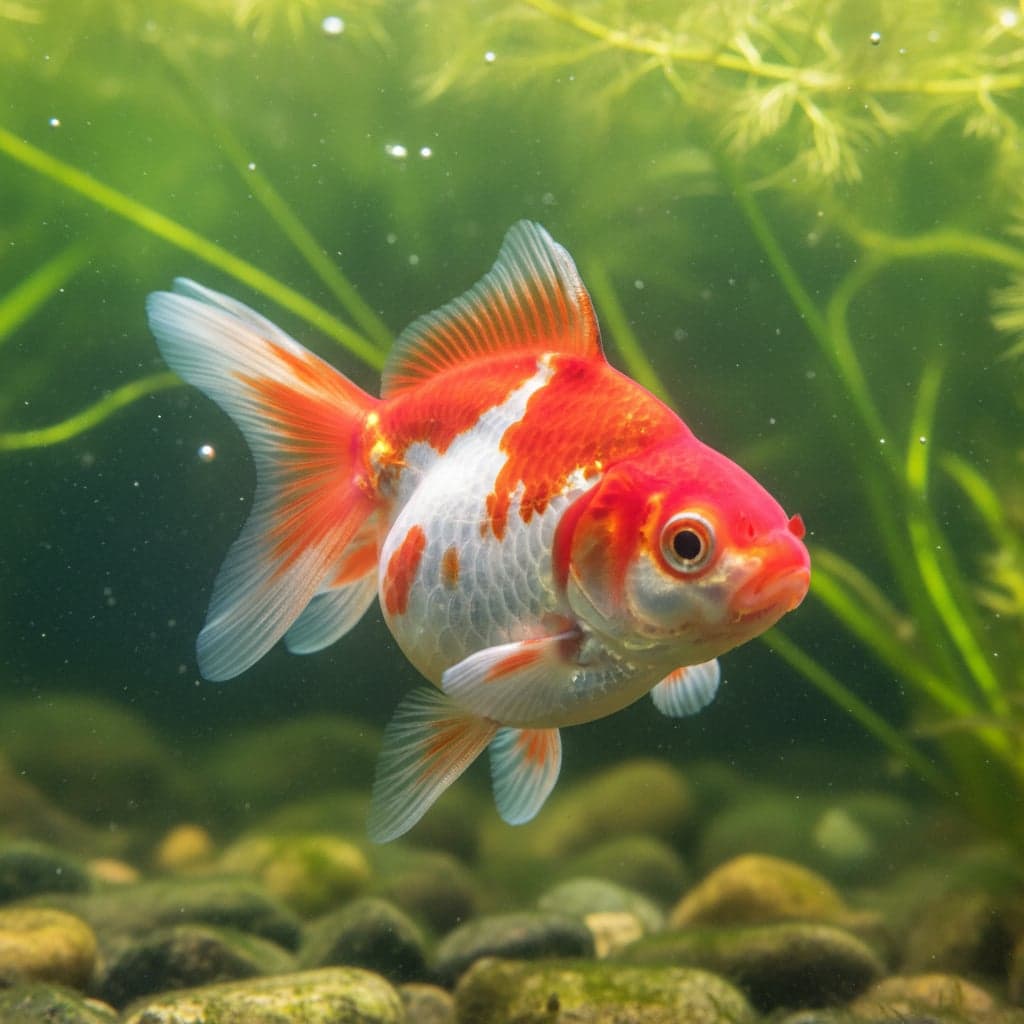
The Telescope, scientifically known as Carassius auratus, is a captivating variety of goldfish renowned for its striking appearance and unique characteristics. This luxurious freshwater fish is recognized by its protruding, large eyes—hence the name "Telescope." It features a rounded body and can exhibit a range of beautiful colorations, including orange, white, black, and a mix of these shades. The Telescope's alluring physical traits make it a favorite among aquarists looking for an eye-catching centerpiece in their aquatic environments. Its playful personality and gentleness add to its charm, offering a delightful appeal that resonates with both novice and experienced fish enthusiasts.
In the aquarium hobby, the Telescope holds significant value not only due to its aesthetic qualities but also because it serves as an embodiment of the long tradition of selective breeding in goldfish varieties. This fish not only enhances the visual dynamics of aquarium setups but also demonstrates the intricate beauty of genetic diversity. As such, it plays a crucial role in educational discussions about fish breeding and ethical aquarium practices. Owning and caring for a Telescope can foster a deeper appreciation for aquatic life and contribute to a more responsible aquarium hobby.
Natural Habitat & Origin
The Telescope originates from East Asia, primarily from the freshwater lakes and rivers of China. It’s important to understand that the Telescope has been bred over centuries from common goldfish, which originally inhabit slow-moving waters with a range of environmental settings, including lakes, ponds, and rice paddies. Typically, these natural habitats exhibit clear water, moderate stability in temperature, and an abundance of aquatic vegetation, which provides both shelter and food.
In captivity, replicating such natural habitats is essential for the Telescope’s health and well-being. These fish thrive in environments that mimic their natural ecosystems, requiring conditions that are clean and well-maintained. By understanding their geographical and environmental origins, aquarists can better tailor their aquarium setups to support the Telescope’s biological needs.
Care Requirements
When caring for the Telescope, it is vital to maintain optimal water parameters to ensure its health and longevity. The ideal pH range for these fish is between 6.5 and 7.5, with a temperature range of 65°F to 75°F (18°C to 24°C). Additionally, a water hardness of 5-20 dGH is recommended. To create a comfortable environment for the Telescope, the aquarium should have at least 20 gallons of water for a small group, though larger tanks are always preferable for stability.
The tank setup for a Telescope should include a fine substrate, such as sand or smooth gravel, to prevent damage to their delicate bodies. When it comes to lighting, subdued illumination is preferred, as bright light can stress the fish. Live plants such as Java fern or anubias are ideal for creating a naturalistic environment, providing hiding spots and promoting water quality. Decorations should be smooth and non-abrasive, avoiding sharp edges that could harm the Telescope's soft fins.
Diet & Feeding
The Telescope is classified as an omnivore, requiring a balanced diet to thrive. In captivity, it can be fed a combination of high-quality flakes, pellets specifically formulated for goldfish, and supplementary foods such as frozen or live offerings like daphnia, brine shrimp, and bloodworms. It's essential to ensure that the diet is varied and nutrient-dense, focusing on foods that are specifically designed to meet the dietary needs of goldfish.
Feeding the Telescope small amounts two to three times a day is recommended, as overfeeding can lead to digestive problems and water quality issues. Ensuring that food sinks slowly can help mimic their natural foraging behavior and prevent competition for food among tank mates. Observing the Telescope during feeding times can also provide insights into their health, as a robust appetite typically indicates a healthy fish.
Behavior & Temperament
The Telescope is noted for its peaceful and gentle demeanor, making it an ideal choice for community tanks. These fish generally exhibit social behavior, often swimming in groups and exploring their environment. While they are not aggressive, they can occasionally display some territorial tendencies, especially during feeding or breeding times.
When positioned in the tank, the Telescope typically prefers the mid to upper levels, often hovering near the surface. Their curiosity and active nature can lead them to investigate different areas of the tank frequently, which contributes to the dynamic and engaging atmosphere within the aquarium. It is essential, however, to monitor interactions with other species to ensure a harmonious environment.
Tank Mates
Choosing tank mates for the Telescope requires careful consideration to ensure compatibility and reduce potential aggression. Suitable companions often include other goldfish varieties such as Ranchus, Fantails, and Orandas, as they share similar care requirements and temperaments. Additionally, peaceful species like Danios, Corydoras catfish, and certain types of Loaches can cohabit well with the Telescope.
Conversely, it is advisable to avoid aggressive fish, fin-nippers, and species that require vastly different water conditions, such as African cichlids or larger carnivorous fish. Additionally, smaller fish that may fit inside the Telescope’s mouth, such as guppies, should also be avoided, as they may become prey. Ensuring that all tank mates are compatible will contribute significantly to a balanced ecosystem within the aquarium.
Breeding
Breeding the Telescope can be rewarding, provided the appropriate conditions are met. Spawning typically occurs in spring when water temperatures rise and food availability increases. To stimulate breeding, it is essential to maintain pristine water quality and provide a separate breeding tank with a rich planting of fine-leaved plants or spawning mops where the female can lay her eggs.
Once conditions are right, males will pursue females, nudging them to encourage egg-laying. After spawning, the eggs will adhere to substrate surfaces and require a couple of days to hatch, with the fry becoming free-swimming shortly thereafter. As the fry grow, they need to be fed infusoria or finely crushed flakes initially until they can eat larger foods. Successful breeding requires vigilance, ensuring that the newly hatched fry are separated from potential threats, including their parents who may eat them.
Common Health Issues
While the Telescope is typically a robust fish, it can be prone to several common health issues, including swim bladder disorders, goldfish ulcers, and ich (Ichthyophthirius multifiliis). Ensuring that water parameters are stable and within the recommended ranges is vital for preventing many of these ailments.
Regular tank maintenance, including routine water changes and monitoring for signs of stress or illness, can further minimize health risks. Quarantining new arrivals before introducing them into an established tank can also prevent the spread of potential diseases. Providing a balanced diet and reducing stress through a comfortable environment play crucial roles in maintaining the overall health and well-being of Telescope fish.