Thai Micro Spider Crab: Limnopilos naiyanetri
A 1.5cm fully aquatic crab that filter-feeds among plant roots. Needs mature water, fine food, and tank mates too small to eat it.

Thai Micro Spider Crab
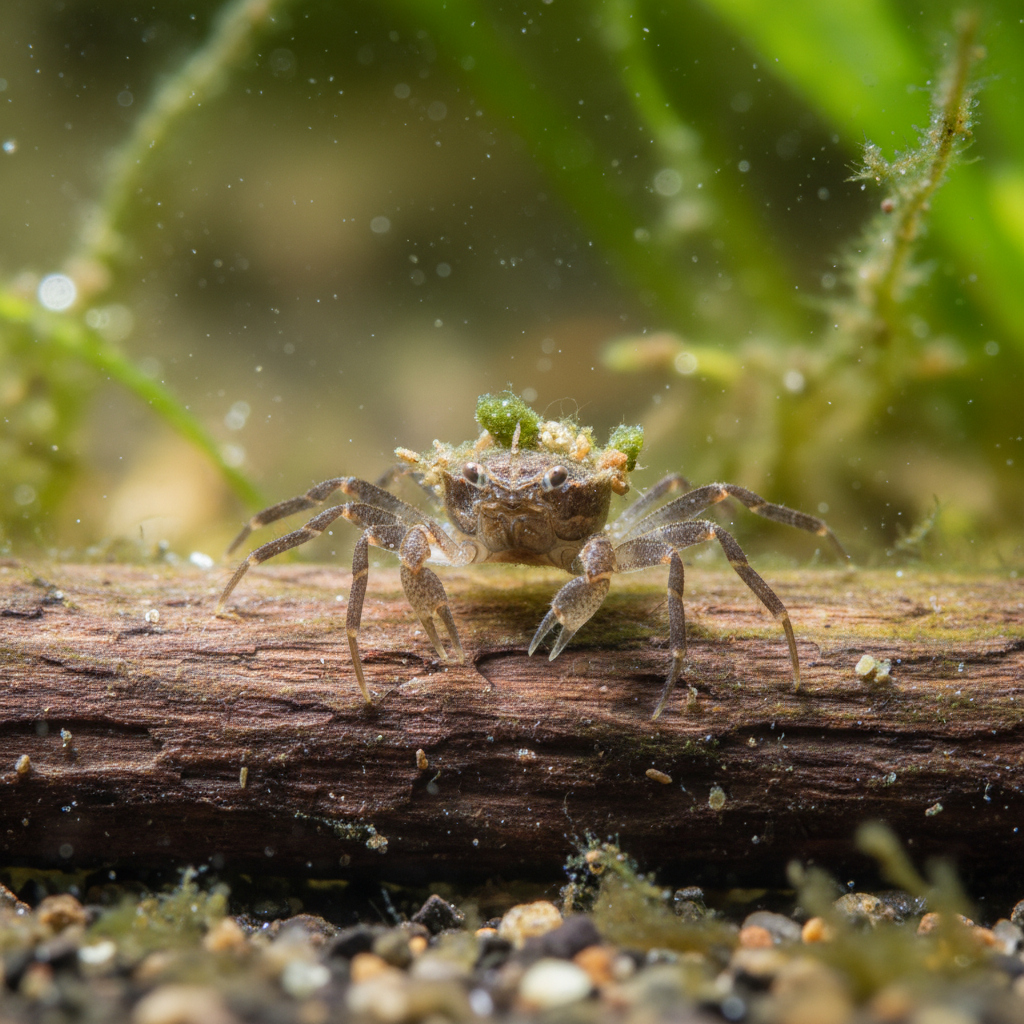
The Thai Micro Spider Crab, scientifically known as Limnopilos naiyanetri, is a captivating and diminutive crustacean that has garnered attention among aquarists for its unique appearance and intriguing behavioral traits. Characterized by its ornate shell with a blend of earthy hues and subtle patterns, this small crab often displays a hypnotizing agility as it navigates the aquarium substrate. With a carapace only about 1 cm across and a leg span of up to 2.5 cm, it boasts long, delicate legs that contribute to its spider-like resemblance, making it a focal point in any aquascape. This species holds significance in the aquarium hobby not just for its physical appeal but also for its ecological role in maintaining tank health by scavenging detritus and algae.
Integrating the Thai Micro Spider Crab into a home aquarium is a rewarding endeavor, as it offers aquarists a glimpse into the beauty of biodiversity. Its intriguing behaviors and adaptability to various water parameters make it a worthwhile addition to a well-planned aquarium environment. While they may not be as commonly known as other aquatic pets, the Thai Micro Spider Crab will surely charm dedicated enthusiasts and beginners alike, promising a delightful experience with their miniaturized crustacean antics.
Natural Habitat & Origin
The natural habitat of the Thai Micro Spider Crab is primarily found in the freshwater swamps and slow-moving waters of Thailand, particularly in regions with dense vegetation. It thrives in environments characterized by blackwater, where the water is stained with tannins released from decomposing organic matter like leaf litter. These habitats are often rich in biodiversity and provide a complex structure that offers hiding spots and foraging opportunities for this species, making it perfectly adapted to such environments. The ecological balance within these habitats is essential, reflecting the delicate interplay of species that can make or break their survival.
Given their specific habitat requirements, it’s crucial for aquarists to replicate similar conditions in captivity. This not only aids in maintaining the well-being of the Thai Micro Spider Crab but also enhances its behavioral qualities, leading to more vibrant and interactive display within an aquarium setting. By mirroring their natural ecological context, enthusiasts can ensure that this unique crustacean flourishes in a home aquarium.
Care Requirements
To keep the Thai Micro Spider Crab healthy and thriving, careful attention should be paid to water parameters. The ideal pH level for this species ranges from 6.0 to 7.5, with a temperature between 22-28°C (72-82°F) and a general hardness of 5-15 dGH. Optimal water quality is essential, as these crabs are sensitive to fluctuations. Maintaining stable parameters not only promotes their health but also provides an environment conducive to their natural behavior.
When it comes to tank setup, a minimum tank size of 20 gallons is recommended, as this allows for ample space for swimming and climbing. The substrate should mimic their natural habitat, so fine sand or gravel is ideal, supplemented with leaf litter and natural decorations to create hiding spots and stimulate exploration. Since these crabs prefer subdued lighting, utilizing dimmable or lower-intensity fixtures is advisable, along with live plants like Java moss or Anubias, which not only enhance the aesthetic but also serve as additional cover and foraging grounds.
Diet & Feeding
The Thai Micro Spider Crab is classified as an omnivore, thriving on a varied diet that includes both plant and animal matter. In the aquarium, it will benefit from a mixture of high-quality flakes and pellets designed for crustaceans, ensuring a balanced intake of nutrients. Supplementing with frozen or live foods, such as brine shrimp or daphnia, can provide enrichment and enhance overall health. Additionally, incorporating blanched vegetables like zucchini or spinach will contribute to its dietary diversity, promoting optimal growth and coloration.
Feeding these crabs should be approached with moderation. While they are not aggressive feeders, they benefit from small meals offered every other day to replicate their natural foraging behavior. Ensuring that leftover food does not decompose in the tank is crucial, as debris can lead to water quality issues.
Behavior & Temperament
The Thai Micro Spider Crab exhibits a generally peaceful temperament and can be described as a curious and entertaining aquatic pet. They are known for their inquisitive nature, often exploring their environment, climbing over decorations, and foraging at the substrate level. These crabs are not aggressive towards their tank mates; however, they may display territorial behavior if they feel crowded or stressed, particularly when hiding spots are scarce.
In terms of vertical placement within the aquarium, while they primarily occupy the lower levels, they are capable climbers and can often be seen navigating vertical surfaces and decorations. This behavior not only showcases their adaptability but also makes them an engaging species to observe. Understanding their social dynamics will aid in creating a harmonious aquarium for both the crabs and their companions.
Tank Mates
Selecting compatible tank mates for the Thai Micro Spider Crab is essential for a peaceful community aquarium. Ideal companions include small, peaceful fish like Neon Tetras, Guppies, and Rasboras, which will not compete aggressively for food or space. Other suitable species include small shrimps such as Cherry Shrimp and snails, which coexist well without threats towards the crab. Additionally, bottom-dwelling fish like Corydoras Catfish may also be compatible, as they often occupy different portions of the tank.
Conversely, it’s crucial to avoid larger or more aggressive species like Cichlids or Betta Fish, as these can pose a significant threat to the Thai Micro Spider Crab. Furthermore, any larger invertebrates could intimidate or harm this tiny crab. Ensuring a balanced ecosystem will create a harmonious and visually appealing aquarium experience, showcasing the beauty and diversity of aquatic life.
Breeding
Breeding the Thai Micro Spider Crab in captivity can be a challenging yet rewarding process. Unlike many freshwater species, this crab does not readily breed in aquarium settings, often requiring specific conditions to stimulate spawning. When attempting to breed them, a separate breeding tank with stable water parameters must be established, slightly elevated in temperature at around 28°C (82°F), while maintaining a pH of 6.5-7.0.
During the breeding ritual, the male crab will display courtship behavior, often waving its chelae (claws) to attract a female. Once the female is receptive, fertilization occurs and the female will carry fertilized eggs under her abdomen until they hatch. Care must be taken during this period, as the presence of adult fish or even other crabs can lead to predation of the eggs or juveniles. Providing appropriate hiding spaces is crucial for the survival of the newly-hatched crabs, as they will be vulnerable during their early stages.
Common Health Issues
While the Thai Micro Spider Crab is generally resilient, they can be susceptible to several health issues under suboptimal conditions. Common ailments include shell rot, often caused by poor water quality or stress, and parasitic infections that may arise from unsuitable tank mates or contaminated food sources. Symptoms of shell rot typically present as discoloration or pitting of the exoskeleton, while parasites may manifest through changes in behavior, such as lethargy or decreased feeding.
Preventive measures to maintain the health of these crabs include ensuring high water quality with regular water changes and testing, providing a balanced diet, and avoiding overcrowding within the aquarium.