The Threadfin Rainbowfish: Iriatherina werneri
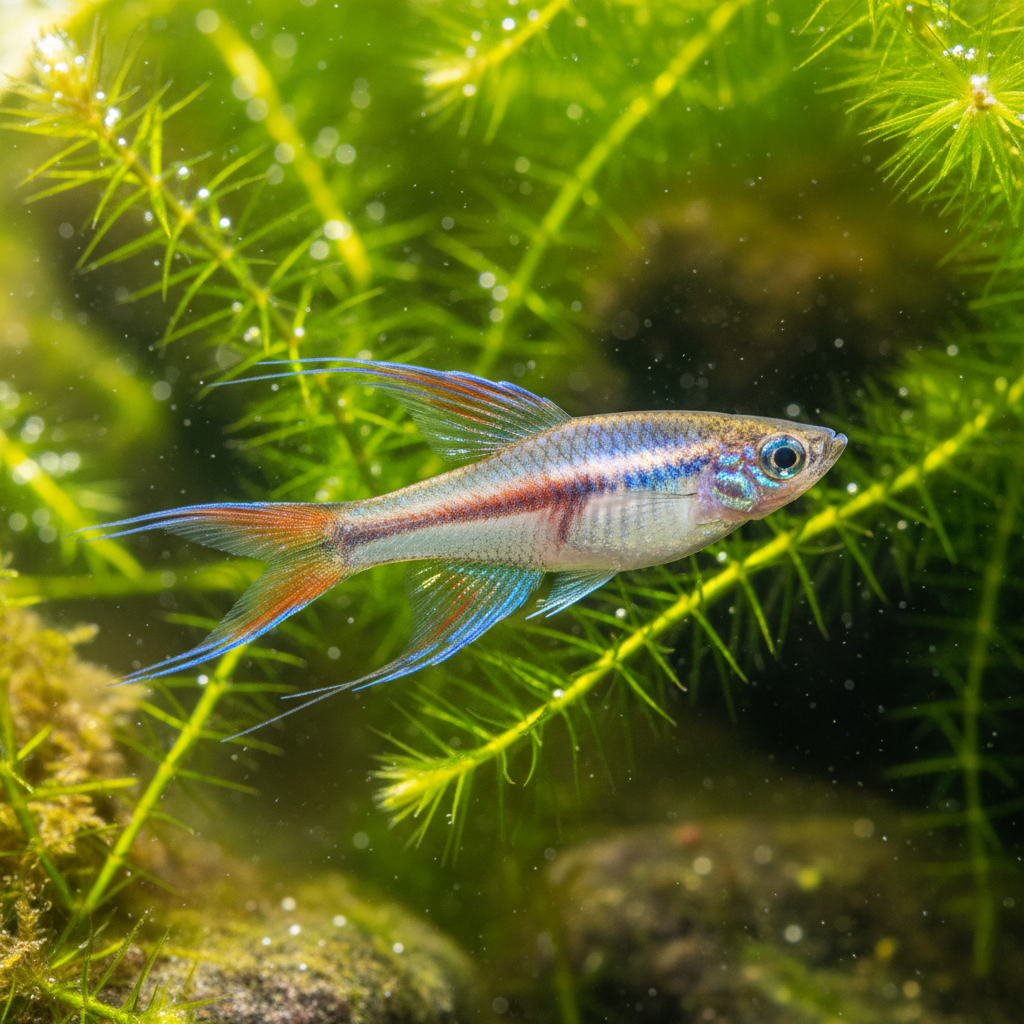
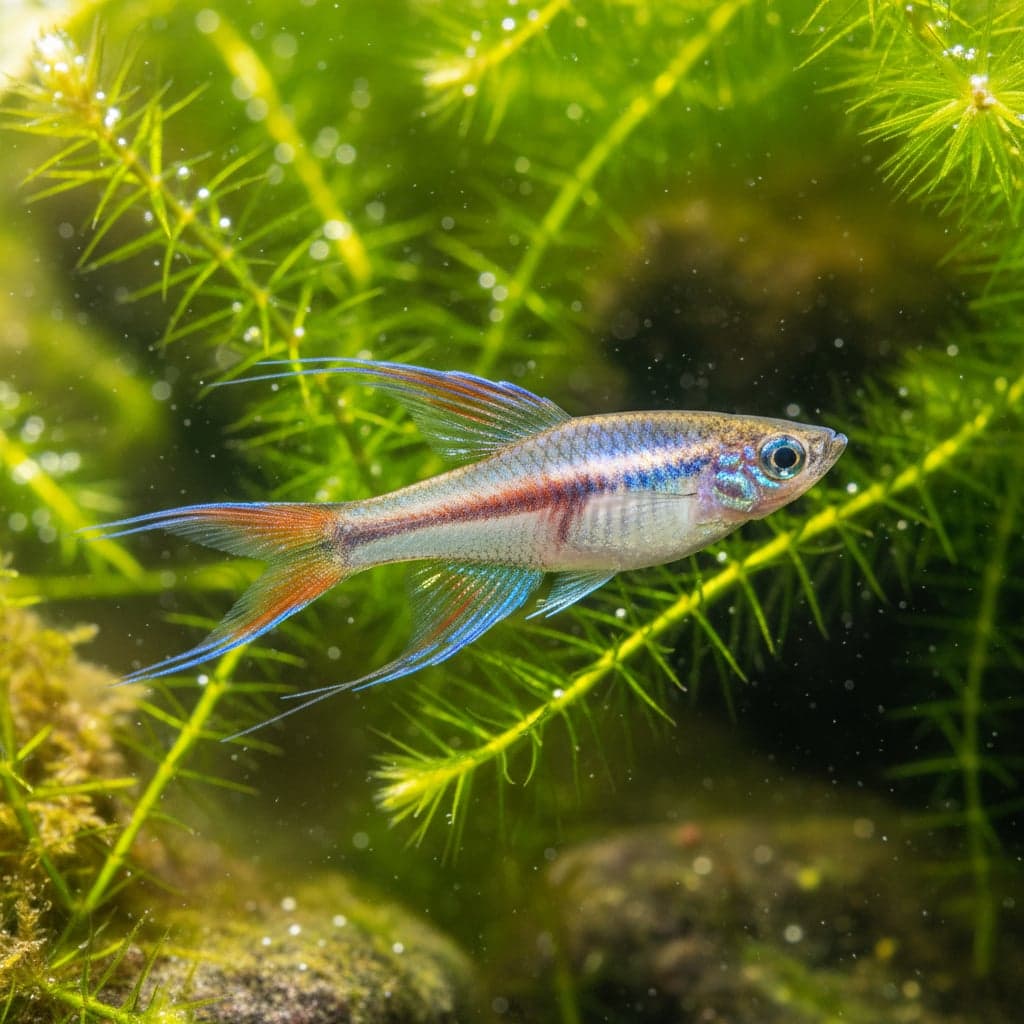
A tiny, delicate masterpiece. Males possess long, flowing fin extensions that they flick and flare to attract females. Perfect for nano planted tanks.
Threadfin Rainbowfish
The Threadfin Rainbowfish, scientifically known as Iriatherina werneri, is a stunning freshwater fish that has captivated aquarists for decades. Renowned for its vibrant coloration and elegant fin structure, this species boasts a unique appearance characterized by elongated, thread-like extensions trailing from its dorsal and anal fins. These fins shimmer beautifully under aquarium lighting, with hues ranging from iridescent blue to yellow-orange, depending on the individual's mood and environmental conditions. The combination of these visual traits, coupled with their peaceful nature, makes the Threadfin Rainbowfish a delight for aquariums and an essential feature in many hobbyist collections.
In addition to their visual appeal, Threadfin Rainbowfish holds significant cultural and ecological value in the aquarium hobby. They are often regarded as a symbol of peaceful cohabitation due to their non-aggressive temperament, making them suitable for community tanks. Their presence not only enhances the aesthetic quality of an aquarium but also serves as an indicator of balanced water conditions. As a species, they are emblematic of the biodiversity found in freshwater ecosystems, showcasing the delicate balances that sustain them and the importance of conservation in both natural and domestic environments.
Natural Habitat & Origin
Threadfin Rainbowfish are native to the waters of Papua New Guinea and nearby regions, particularly inhabiting the brackish lagoons and river systems of this tropical locale. These habitats typically feature slow-moving waters, rich in organic debris and often stained with tannins from decomposing plant matter, giving them a characteristic blackwater appearance. The fish thrive in these environments, where they are able to hide among submerged vegetation, driftwood, and leaf litter, which not only provide shelter but also promote their natural feeding behaviors.
In their natural habitat, Threadfin Rainbowfish are accustomed to specific water conditions, usually found in slightly acidic to neutral pH levels ranging from 6.0 to 7.5. The temperatures in these waters generally range from 24°C to 28°C (75°F to 82°F), with slightly softer water (3 to 10 dGH) being ideal for their health and breeding success. Understanding these environmental parameters is crucial for aquarists aiming to replicate their natural conditions and ensure that these vibrant fish thrive in captivity.
Care Requirements
When considering care for the Threadfin Rainbowfish, it's essential to provide an aquarium that closely mimics their natural habitat. A minimum tank size of 20 gallons is recommended to accommodate their active swimming habits. The tank setup should include a dark substrate to enhance their colors, along with plenty of hiding spots created by using driftwood and plants such as Java moss and Cryptocoryne. A densely planted tank not only offers shelter but also promotes a sense of security, which is vital for reducing stress in these fish.
Lighting should be moderate to low, as harsh lighting can cause stress and disrupt their natural behavior. An aquarium with dim lighting will also encourage the growth of floating plants, which can provide cover and replicate the conditions of their native waters. Regular water changes and consistent monitoring of water parameters are crucial to maintaining the health and happiness of your Threadfin Rainbowfish.
Diet & Feeding
The Threadfin Rainbowfish is omnivorous, thriving on a varied diet that mimics what they would encounter in their natural habitat. A balanced diet should include high-quality fish flakes or pellets that contain essential nutrients, as well as frozen or live foods such as brine shrimp, daphnia, or bloodworms. These supplementary foods not only enhance their color but also promote healthy growth and vibrant energy levels.
Feeding should occur multiple times a day in small portions, ensuring that all fish have access to food while preventing overfeeding, which can lead to water quality issues. A well-rounded diet will keep these fish in optimal health and support their captivating displays in an aquarium setting.
Behavior & Temperament
In terms of behavior, Threadfin Rainbowfish are known for their peaceful and social nature. They are best kept in small to medium-sized schools (ideally six or more), which not only promotes their natural schooling behavior but also helps reduce stress and encourages more active swimming patterns. These fish exhibit graceful swimming habits, often seen darting throughout the middle to upper water levels of the tank, actively exploring their environment.
Threadfin Rainbowfish display minimal aggression, making them an excellent addition to community tanks. However, they can be shy, particularly if kept in smaller groups. Providing plenty of plants and decorative elements in the aquarium will encourage them to feel secure. Their vertical placement in the tank also allows for reconciled interactions with other species, making them a versatile choice for diverse aquatic communities.
Tank Mates
When selecting tank mates for the Threadfin Rainbowfish, it is important to consider their peaceful nature and schooling tendencies. Compatible species include other small, non-aggressive fish, such as the Neon Tetra, Corydoras Catfish, Zebra Danios, and smaller Rasboras. These species not only complement the Threadfin Rainbowfish in size and temperament but also add to the vibrant community display.
Conversely, it's advisable to avoid larger and aggressive species, such as Cichlids and certain barbs, which may pose a threat to the smaller Threadfin Rainbowfish. Additionally, aggressive fin-nippers like the Serpae Tetra should be avoided, as they could harm the Threadfin Rainbowfish’s delicate fins. A well-selected community tank setup will enhance the overall experience, showcasing the Threadfin Rainbowfish's captivating presence.
Breeding
Breeding Threadfin Rainbowfish in captivity can be a rewarding yet challenging endeavor. To successfully spawn these fish, provide a separate breeding tank with a soft, fine-grained substrate, along with ample spawning mops or dense aquatic plants, which serve as nursery areas for the eggs. Ideal breeding conditions include slightly acidic water with a pH of around 6.0 to 6.5, a temperature of 26°C to 28°C (79°F to 82°F), and a gentle filtration system to mimic their natural environment.
During spawning, males will display vibrant colors and engage in courting rituals, often showcasing their elongated fins. After the female lays eggs, it's important to remove the parents from the breeding tank to prevent them from eating the eggs. The eggs typically hatch within a few days, and the fry should be fed infusoria or specialized fry food until they are large enough to consume finely crushed flakes.
Common Health Issues
While Threadfin Rainbowfish are generally hardy, they can be susceptible to certain health issues, including whitespot (Ich), fin rot, and swim bladder disease. Maintaining excellent water quality through regular water changes is vital for preventing these ailments. Additionally, ensuring a balanced diet and minimizing stress by providing ample hiding places can go a long way in promoting their overall health.
Quarantining new fish before introducing them to the main aquarium is also crucial to preventing the spread of diseases. Observing their behavior closely and being aware of any changes will enable swift actions in case of an outbreak, ensuring that these enchanting fish continue to thrive in your care. Regular monitoring and preventive measures will help maintain a healthy aquarium environment for your Threadfin Rainbowfish.