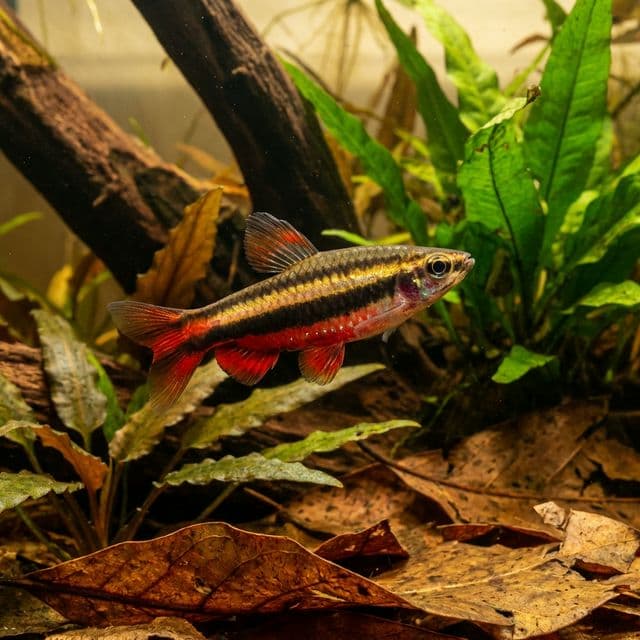
Three-lined Pencilfish: Nannostomus trifasciatus
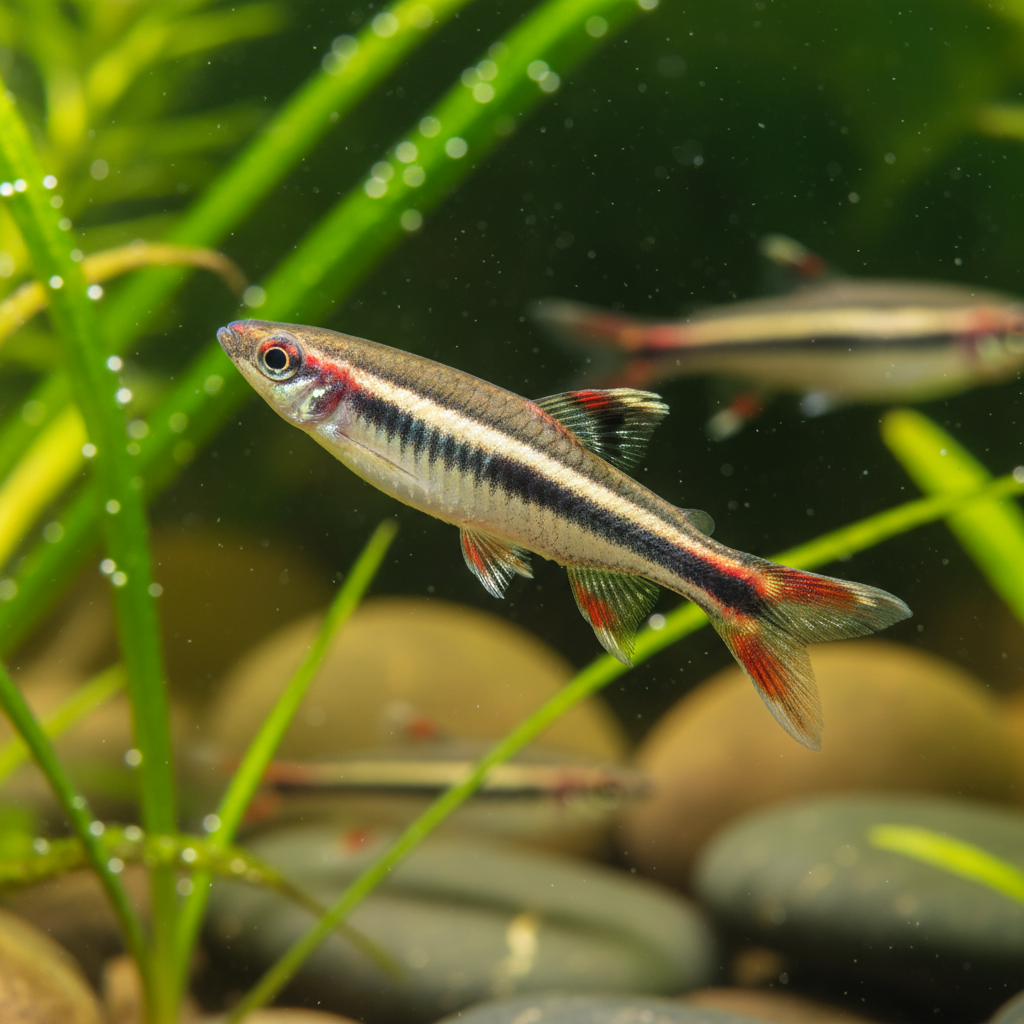
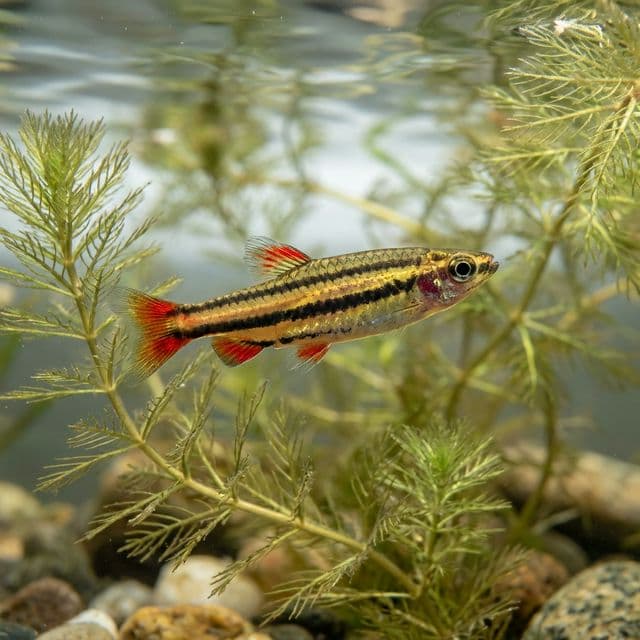
A 5cm pencilfish with three dark stripes and red fin flashes. A peaceful surface-dweller for soft, planted, dimly lit tanks.
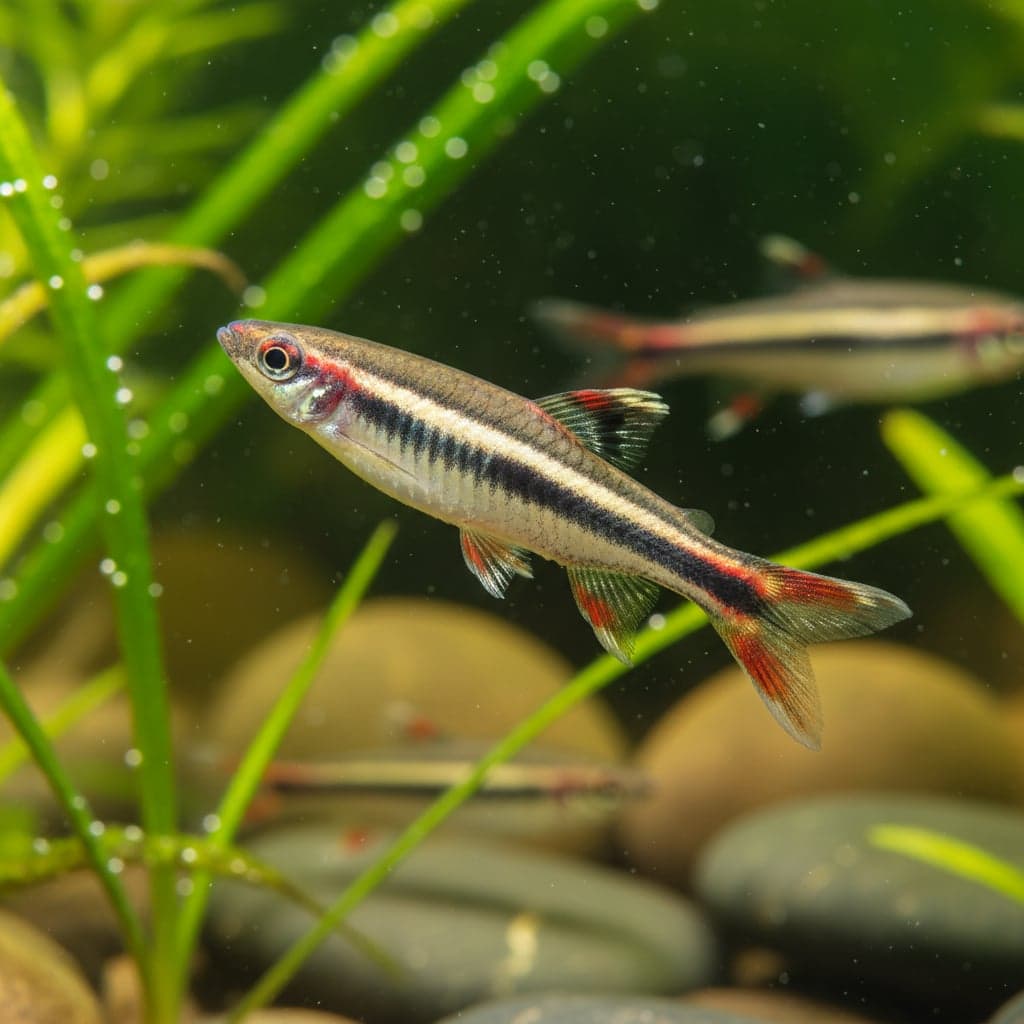
Three-lined Pencilfish
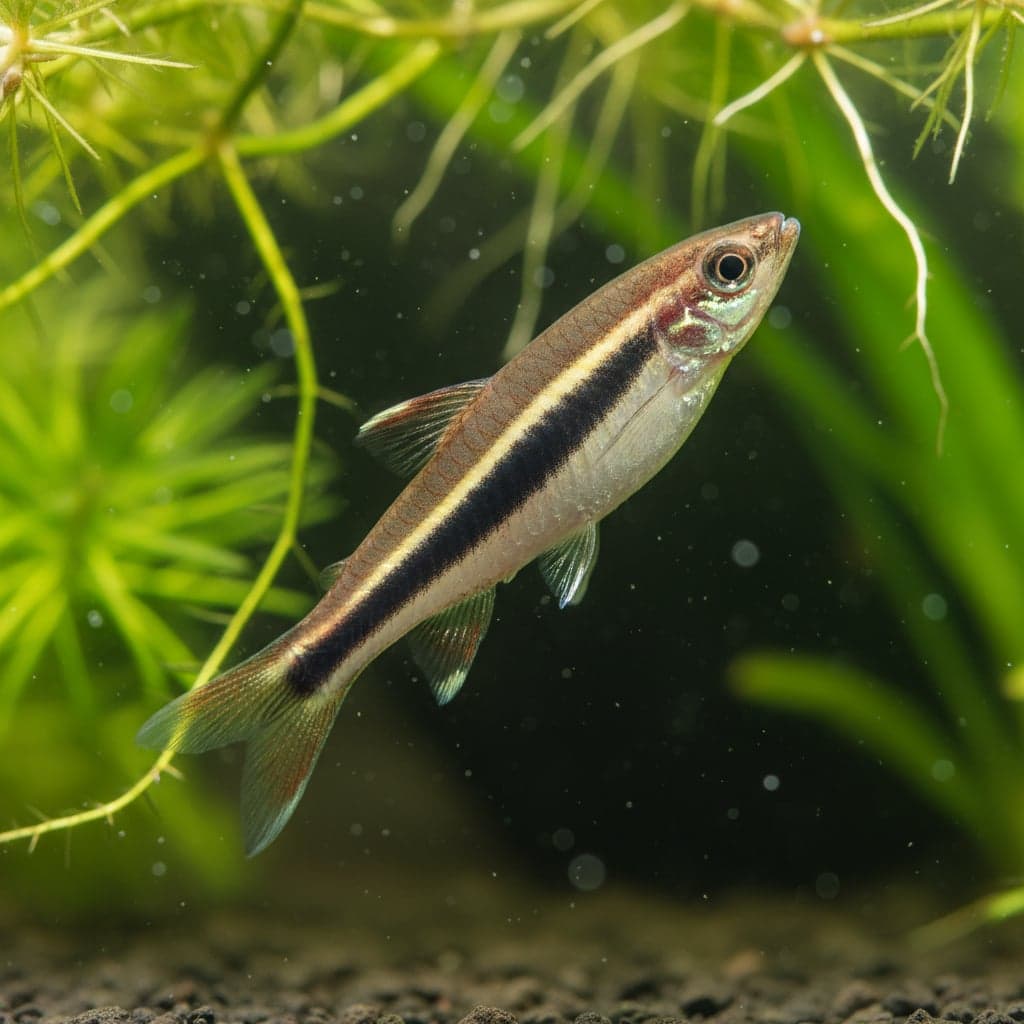
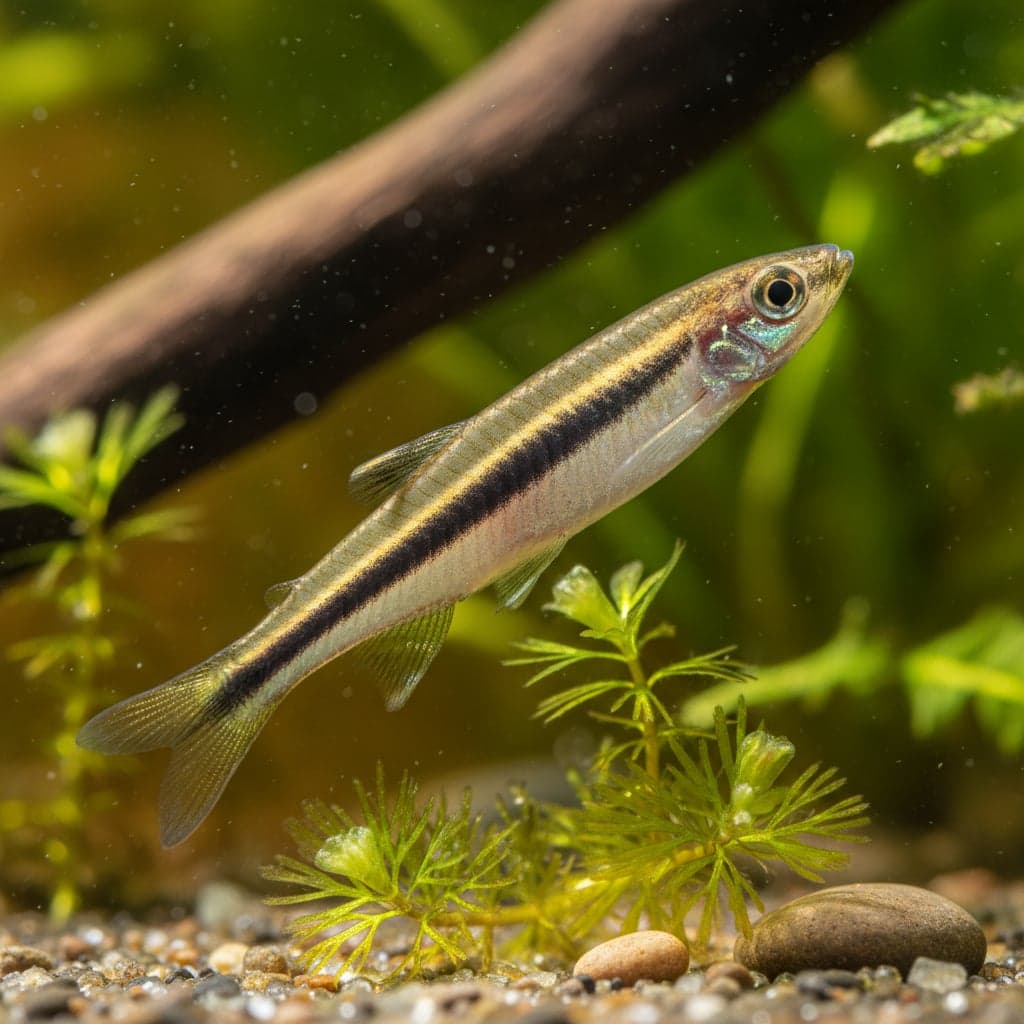
The Three-lined Pencilfish, scientifically known as Nannostomus trifasciatus, is a captivating and slender species that enchants aquarists with its distinctive appearance and gentle behavior. Characterized by three prominent horizontal lines running from its head to its tail, this fish showcases a delicate blend of gold and iridescent blue, rendering it a striking addition to community tanks. Its elongated body and small size, rarely exceeding 2 inches (5 cm), make it an ideal choice for nano aquariums. The shimmering scales and lively movements of the Three-lined Pencilfish make it a favorite among hobbyists looking to create a visually appealing underwater landscape.
In addition to its aesthetic allure, the Three-lined Pencilfish holds significance in the aquarium hobby for its peaceful disposition and compatibility with various species. It is best kept in schools of six or more, highlighting the vibrancy of its natural behaviors and enhancing its visual appeal in the aquarium. Moreover, its adaptability to various freshwater environments makes it a suitable option for both novice and experienced aquarists, contributing to its popularity in the tropical fishkeeping community.
Natural Habitat & Origin
The Three-lined Pencilfish originates primarily from the slow-flowing tributaries and floodplains of the Amazon River Basin, which spans across countries such as Brazil and Peru. This fish prefers to inhabit blackwater environments characterized by soft, acidic waters tinted with tannins from decaying organic matter. Such an ecological setting provides shelter and abundant hiding spots among leaf litter and submerged driftwood, which not only mimic its natural habitat but also provide a sense of security for these timid fish. The densely planted areas within these waterways showcase the beauty of aquatic flora coexisting harmoniously with the fauna, creating an ideal living condition for the Three-lined Pencilfish.
In its native habitat, the water conditions can greatly fluctuate, but the fish has adapted to thrive in environments with a pH ranging from 5.5 to 7.0, temperatures between 75°F and 82°F (24°C to 28°C), and low to moderate hardness. Understanding these natural environmental contexts is crucial for aquarists aiming to replicate conditions that promote the health and wellbeing of the Three-lined Pencilfish.
Care Requirements
To ensure the optimal health of the Three-lined Pencilfish, specific water parameters and tank setup are key considerations. The ideal pH range for this species is between 5.5 and 7.0, with a temperature maintained between 75°F and 82°F (24°C to 28°C). A water hardness level between 2 to 15 dGH is acceptable, as this reflects the soft, acidic waters of the fish's natural habitat. Regular water changes and the use of equipment such as sponge filters are excellent ways to maintain water quality, as they provide gentle water flow that suits the Three-lined Pencilfish's preference for calm waters.
Tank setup should feature a minimum size of 15 gallons to accommodate the social nature of the fish, ideally allowing for a group of at least six individuals. The substrate can be dark-colored, imitating the riverbed conditions found in blackwater habitats. Additionally, incorporating plenty of plants, such as floating and densely planted species, will not only create a natural aesthetic but also serve as hiding spots for the fish. Moderate lighting is recommended, as it mimics the dappled sunlight found in their native habitat, further bolstering their sense of safety and comfort.
Diet & Feeding
As an omnivorous species, the Three-lined Pencilfish thrives on a varied diet that can include high-quality flake foods, small pellets, and frozen or live foods. They appreciate a balanced mix of protein and plant-based nutrition; therefore, the use of high-protein foods like brine shrimp, daphnia, and micro-worms is highly recommended. Additionally, including finely crushed vegetable flakes or spirulina can offer necessary nutrients. Offering a diverse diet not only aids in maintaining vibrant coloration but also supports overall health and vitality.
Feeding should occur 1-2 times a day, with small portions to avoid overfeeding, as these fish have tiny mouths and can easily struggle with larger food items. It is also beneficial to rotate between different types of food to provide nutritional variety and stimulate their natural foraging behaviors.
Behavior & Temperament
The Three-lined Pencilfish is known for its peaceful disposition and engaging social interactions, making it an ideal species for community tanks. These fish exhibit strong schooling behavior, feeling most secure when kept in groups of six or more individuals. They tend to occupy the middle to upper levels of the tank, gracefully darting amongst plants and swimming in tight-knit schools, which enhances their visual appeal while showcasing their natural instincts.
While generally non-aggressive, the Three-lined Pencilfish can display some territorial behavior if kept with overly assertive or larger fish. However, they are most peaceful when housed with similarly sized community species, allowing their calm temperament to shine through. Observing their schooling habits and playful nature is often rewarding for aquarists, contributing to a dynamic and engaging aquarium environment.
Tank Mates
Selecting compatible tank mates for the Three-lined Pencilfish is essential to maintain a harmonious community aquarium. Ideal companions include other small, peaceful species such as:
- Neon Tetras (Paracheirodon innesi)
- Rummy Nose Tetras (Hemigrammus rhodostomus)
- Corydoras Catfish (Corydoras spp.)
- Cherry Barbs (Puntius titteya)
- Guppies (Poecilia reticulata)
Aquarists should avoid housing the Three-lined Pencilfish with larger, aggressive species that tend to nip or outcompete them for food, such as Cichlids or larger Barbs. Additionally, avoid overly boisterous fish that may stress out the Pencilfish, as they thrive best in a tranquil community setup.
Breeding
Breeding the Three-lined Pencilfish in captivity can be a rewarding endeavor for aquarists willing to provide the right conditions. To encourage spawning, a breeding tank with soft, acidic water and densely planted areas is recommended. The use of fine-leaved plants or spawning mops can serve as excellent substrate for the eggs. Condition the breeding pair with high-quality live foods to stimulate readiness.
During breeding, the female will lay small eggs among the plants, which the male will fertilize. It's essential to remove the adults shortly after spawning, as they may consume the eggs. The eggs typically hatch within 24 to 48 hours, and the fry can be gently fed infusoria or specialized fry food once they become free-swimming. Providing a secure and well-maintained environment during this phase is crucial to successfully raising the young.
Common Health Issues
The Three-lined Pencilfish is generally resilient; however, it can succumb to common freshwater aquarium diseases such as ich (Ichthyophthirius multifiliis), fin rot, and dropsy. Maintaining optimal water conditions through regular testing and water changes is pivotal in preventing the outbreak of these issues. Additionally, quarantining new arrivals and monitoring established tank mates for signs of stress or illness can help mitigate potential health problems.
A balanced diet and stress-free environment contribute significantly to disease resistance in this species. In case of symptoms like white spots, frayed fins, or abnormal swelling, consulting with a veterinarian or utilizing aquarium safe treatments can aid in recovery while minimizing stress and restoring pristine water conditions. Early intervention and careful observation usually allow these delicate pencilfish to recover fully.