Three Spotted Dwarf Rasbora: Boraras micros
One of the smallest rasboras at under 2cm. Needs a nano tank of its own, soft water, and a shoal of at least ten to colour up.

Three Spotted Dwarf Rasbora
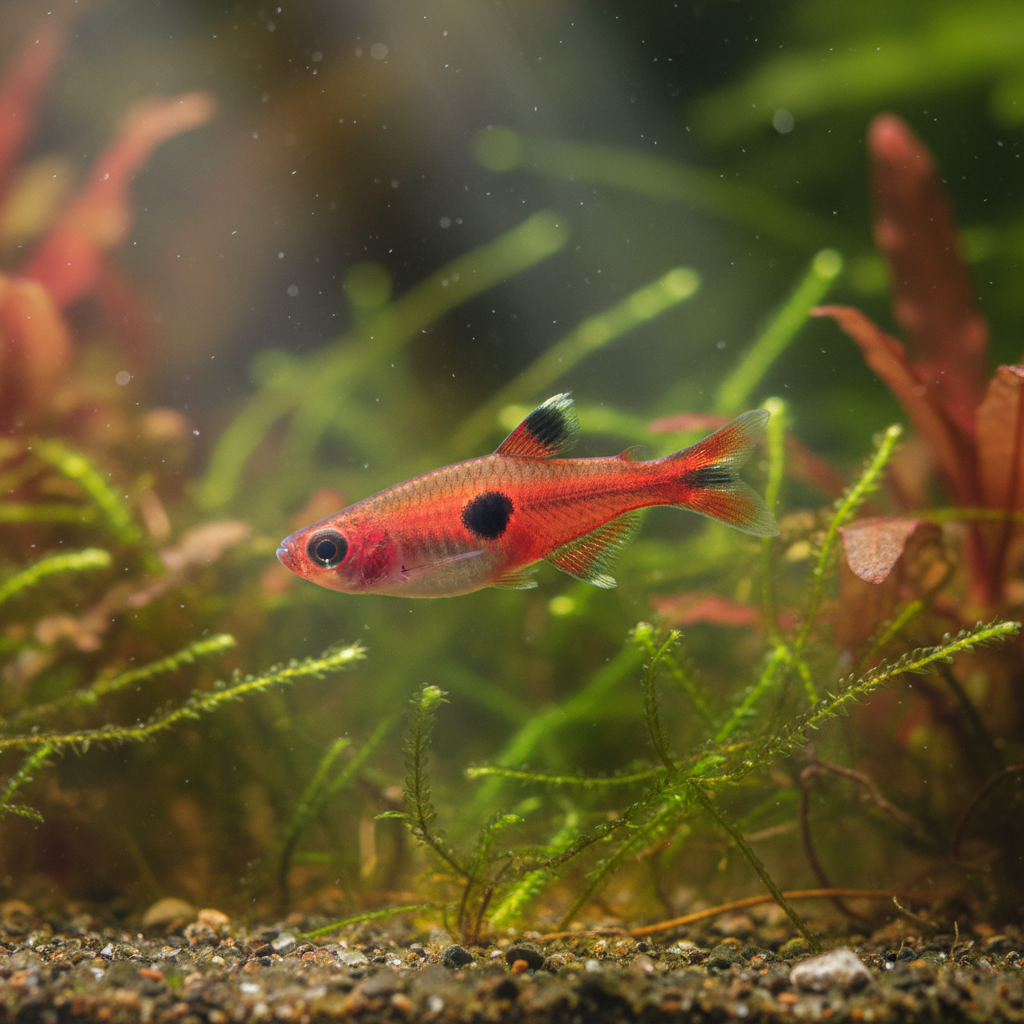
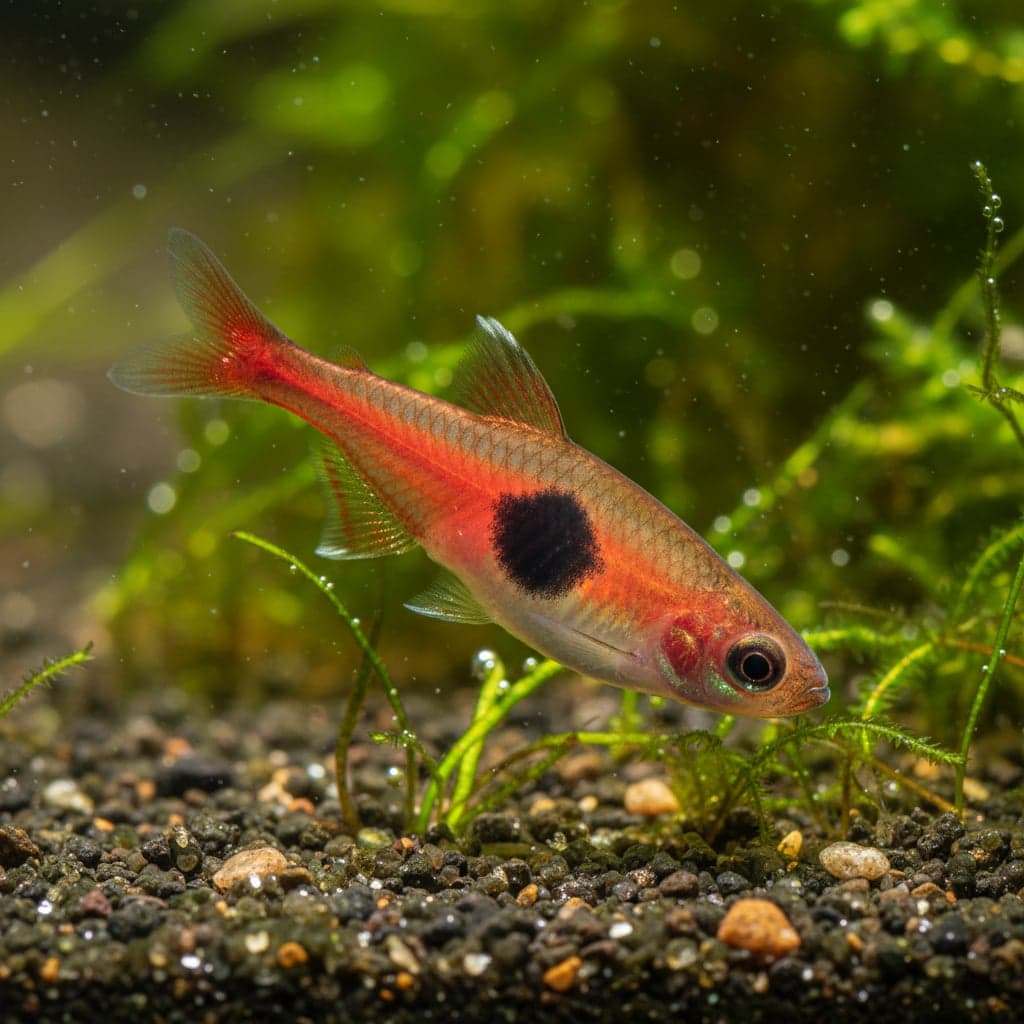
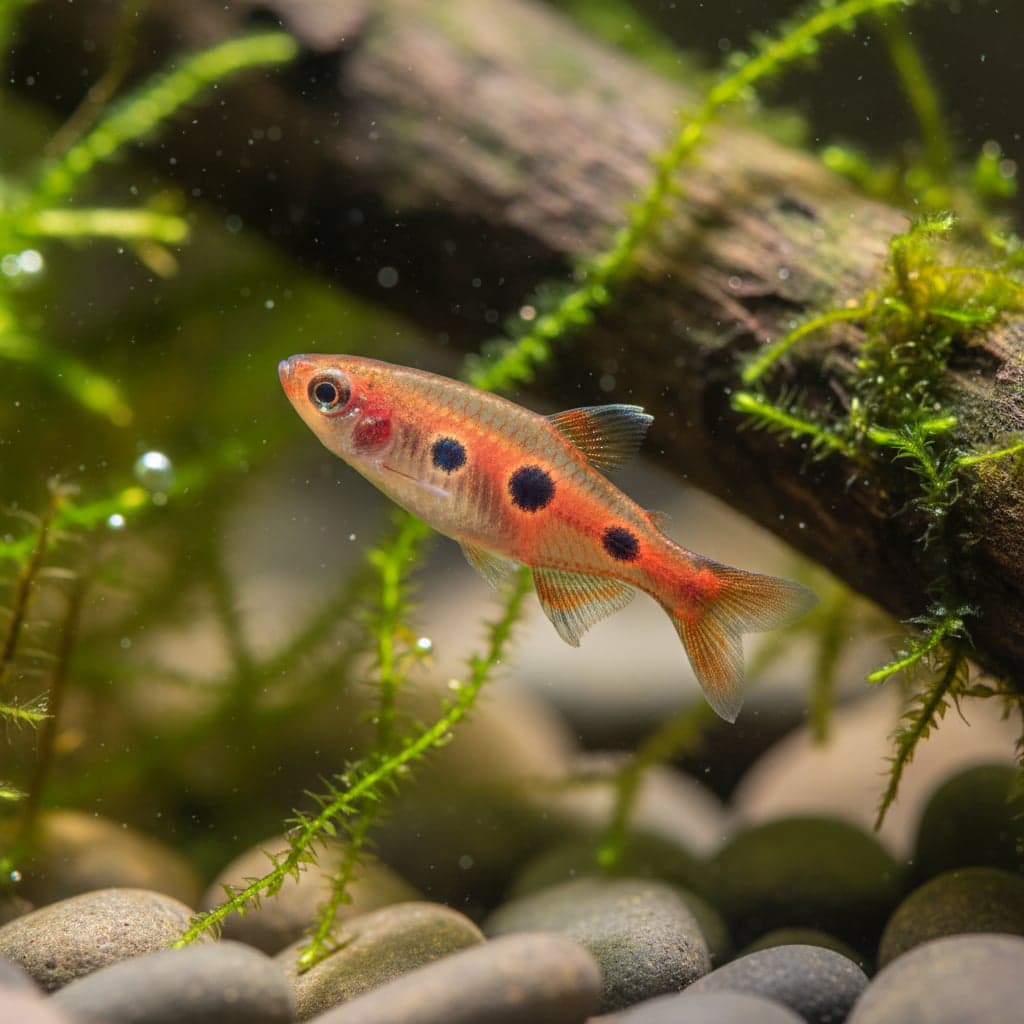
The Three Spotted Dwarf Rasbora, scientifically known as Boraras micros, is an enchanting microfish that has captured the hearts of aquarists around the globe. Known for its vibrant coloration and diminutive size, typically reaching only 2 cm (0.8 inches) in length, this species is a perfect addition to nano aquariums. The Three Spotted Dwarf Rasbora showcases a striking pattern of reddish-orange body hues adorned with distinctive black spots near the dorsal fin, which not only accentuates its visual appeal but also makes it a captivating focal point in any aquatic setup. Its lively nature adds movement and energy, transforming a seemingly ordinary tank into a dynamic aquatic landscape.
In the aquarium hobby, the Three Spotted Dwarf Rasbora is significant for both beginners and experienced aquarists, appealing due to its ease of care and spectacular colors. Its peaceful temperament enables it to coexist amicably with various species, promoting a harmonious community tank atmosphere. The fish's intriguing schooling behavior is not only endearing but also encourages a more vibrant display of interactive activity, making it an ideal choice for aquarists focused on creating a lush, diverse environment brimming with life.
Natural Habitat & Origin
The Three Spotted Dwarf Rasbora is native to the freshwater rivers and streams of Southeast Asia, specifically found in parts of Thailand and Malaysia. Preferring densely vegetated water bodies, these microfish inhabit blackwater environments that are slightly shaded, leading to subdued lighting that permeates through the thick canopy. The water in these habitats is typically soft, with a pH range of 5.5 to 7.0, and low to moderate hardness, which aligns with the fish's natural adaptations and lifestyle preferences. The unique chemical makeup of their environment contributes to their striking color patterns and overall health, making it vital for aquarists to replicate these conditions in captivity.
In addition to water parameters, the environmental context plays a significant role in the well-being of the Three Spotted Dwarf Rasbora. The presence of dense plant growth not only provides shelter and security from predators but also offers breeding grounds and foraging opportunities for the fish. Leaf litter and driftwood often characterize the substrate, bringing natural organic materials into the habitation. This structure not only enhances aesthetics but is essential for mimicking the fundamental aspects of their native habitat in an aquarium setting.
Care Requirements
When considering the care of the Three Spotted Dwarf Rasbora, water parameters are crucial for fostering a healthy environment. The ideal pH range for these fish is between 5.5 and 7.0, with a temperature range of 22°C to 28°C (72°F to 82°F). Additionally, maintaining a water hardness of 1 to 10 dGH is important, aligning with their natural habitat preferences. When setting up their aquarium, a minimum tank size of 15 liters (around 4 gallons) is advised for a small group of these fish, ideally housing at least six individuals to promote natural schooling behavior.
The tank setup for the Three Spotted Dwarf Rasbora should incorporate fine substrate, as they tend to forage close to the bottom. Soft, dark materials can replicate the fish's natural environment, enhancing their coloration. Furthermore, providing ample cover through live plants, such as Java moss, Anubias, and floating plants, allows them to feel secure and promote natural behaviors. In terms of lighting, a moderate level is preferable, as excessive brightness can cause stress. Ensuring the presence of caves or driftwood adds to the complexity and comfort of their enclosure, contributing to a thriving miniature ecosystem.
Diet & Feeding
The Three Spotted Dwarf Rasbora is an omnivorous species that thrives on a varied diet. They benefit from a combination of high-quality flake food, granular food, and frozen or live options such as micro-worms or daphnia, which can mimic their natural feeding habits in the wild. A balanced diet rich in protein will enhance their coloration and overall vitality. Feeding them multiple small portions throughout the day is recommended to ensure optimal health and prevent overfeeding, which can cause stress and deteriorate water quality.
Special care should be taken to match the size of the food particles to the small mouths of these fish, ensuring they can comfortably consume their meals. Avoiding overly large food can also help in preventing digestive problems or food waste in the tank. Offering a range of foods not only creates a comprehensive diet but encourages natural foraging behaviors, further stimulating their growth and activity levels.
Behavior & Temperament
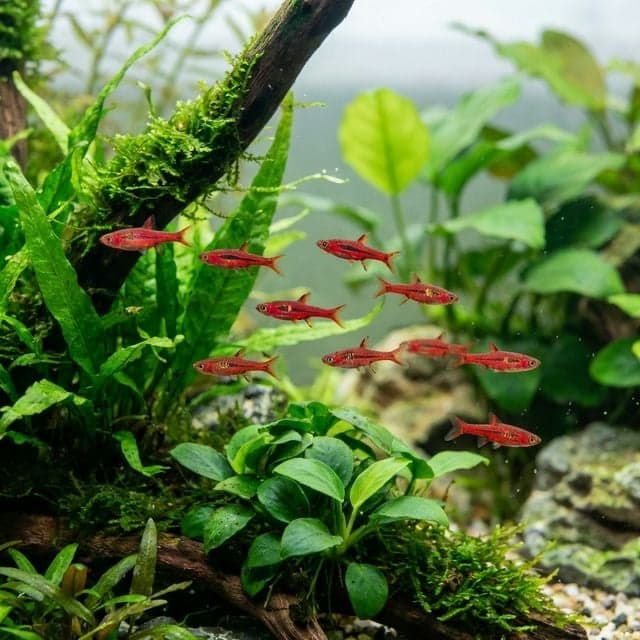
The Three Spotted Dwarf Rasbora exhibits fascinating social behavior characterized by strong schooling habits and a peaceful disposition, making them suitable for community tanks. In groups, they establish a dynamic social structure, often seen swimming together in loose formations, which provides visual intrigue and enhances the beauty of the aquarium environment. Aggression is nearly nonexistent among these fish, leading to a tranquil atmosphere within the tank.
Their activity levels are predominantly mid-water dwellers, meaning they frequent the middle layer of the aquarium. While they may occasionally explore the bottom, they rarely venture to the surface unless feeding. Providing an environment with structures, plants, and open spaces encourages swimming and foraging behaviors that are integral to their activity and well-being.
Tank Mates
When selecting tank mates for the Three Spotted Dwarf Rasbora, it is essential to choose compatible species that share similar temperaments and environmental needs. Ideal companions include other small, peaceful fish such as Neon Tetras, Endler's Guppies, and Cherry Shrimp, which provide a lively community without the risk of aggression. Additionally, small rasboras, such as the Ember Tetra, can create a visually stunning school alongside the Three Spotted Dwarf Rasbora.
Species to avoid include larger, more aggressive fish such as Cichlids, Barbs, or certain livebearers, which could view the Dwarf Rasbora as potential prey. Similarly, avoid keeping them with overly boisterous species, as the Three Spotted Dwarf Rasbora may become stressed or reclusive. By selecting the right tank mates, one fosters a harmonious environment that benefits all aquatic inhabitants.
Breeding
Breeding the Three Spotted Dwarf Rasbora in captivity can be a rewarding endeavor, requiring specific spawning behaviors and conditions to be reproduced. To encourage breeding, aquarists should create a suitable environment characterized by a separate breeding tank filled with fine-leaved plants and a slightly acidic pH. Dim lighting and a water temperature within the range of 24°C to 26°C (75°F to 79°F) can also help stimulate spawning.
During breeding, it’s typical for the male to display courtship behaviors by performing dances and displaying their colors to attract females. Once the female is ready to spawn, she will lay eggs among the plants, and it’s important to remove the adults after spawning to prevent them from consuming the eggs. The eggs typically hatch in about 24-36 hours, and once the fry are free swimming, they should be fed infusoria or finely crushed food to support their initial growth.
Common Health Issues
While the Three Spotted Dwarf Rasbora is generally hardy, they can be susceptible to specific health issues. Common diseases include Ich, Fin Rot, and Velvet disease, which typically appear when water quality slips or fish are stressed. Quarantine new arrivals, keep parameters stable, and treat promptly so a school of Three Spotted Dwarf Rasboras stays healthy and active.