Threeline Tetra: Neolebias trilineatus
A 4cm West African tetra with three fine stripes. Peaceful, shoals in groups of eight, and prefers soft, dimly lit water.
Threeline Tetra
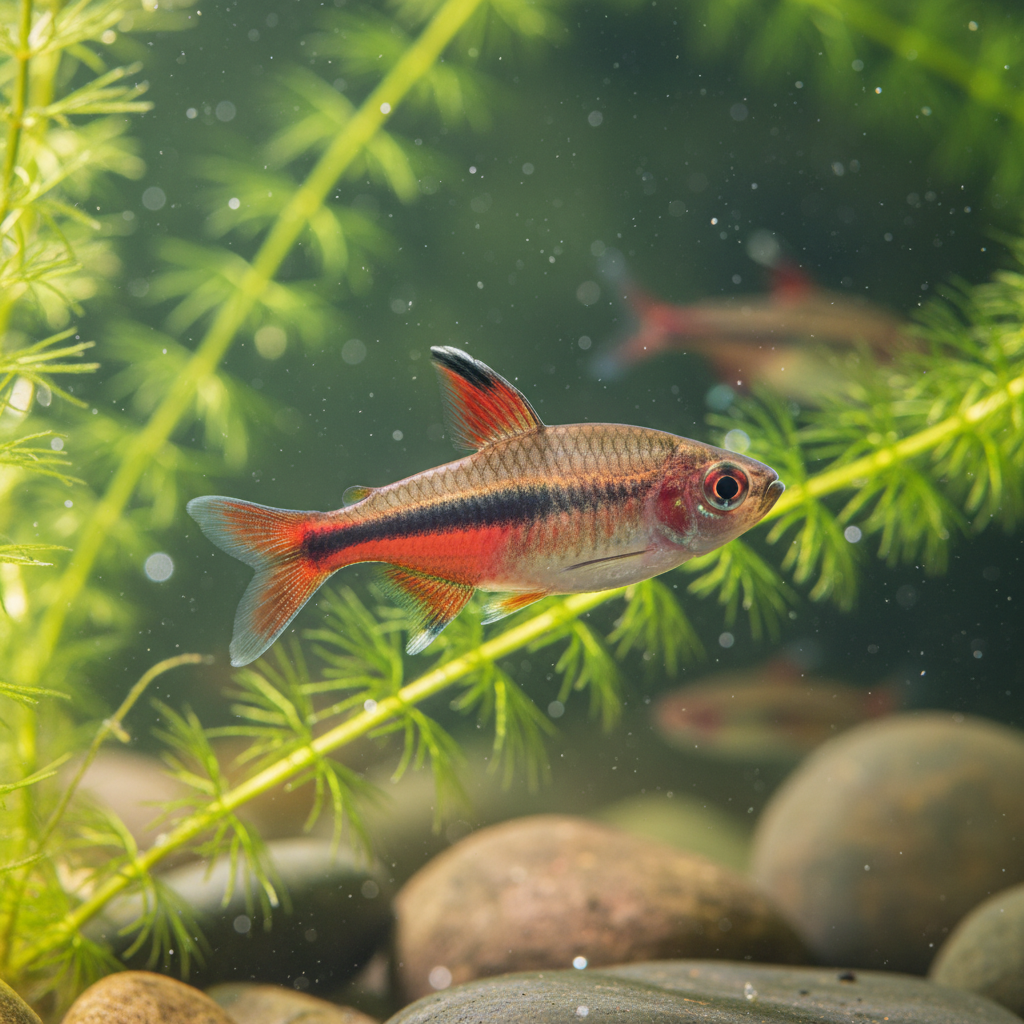
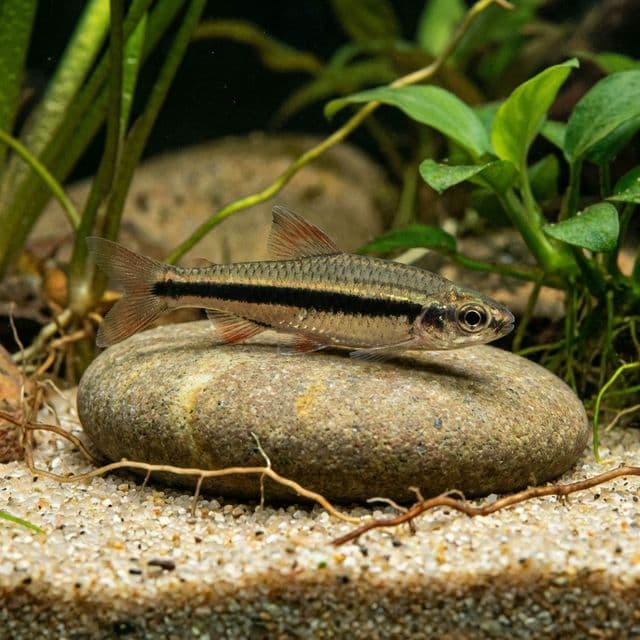
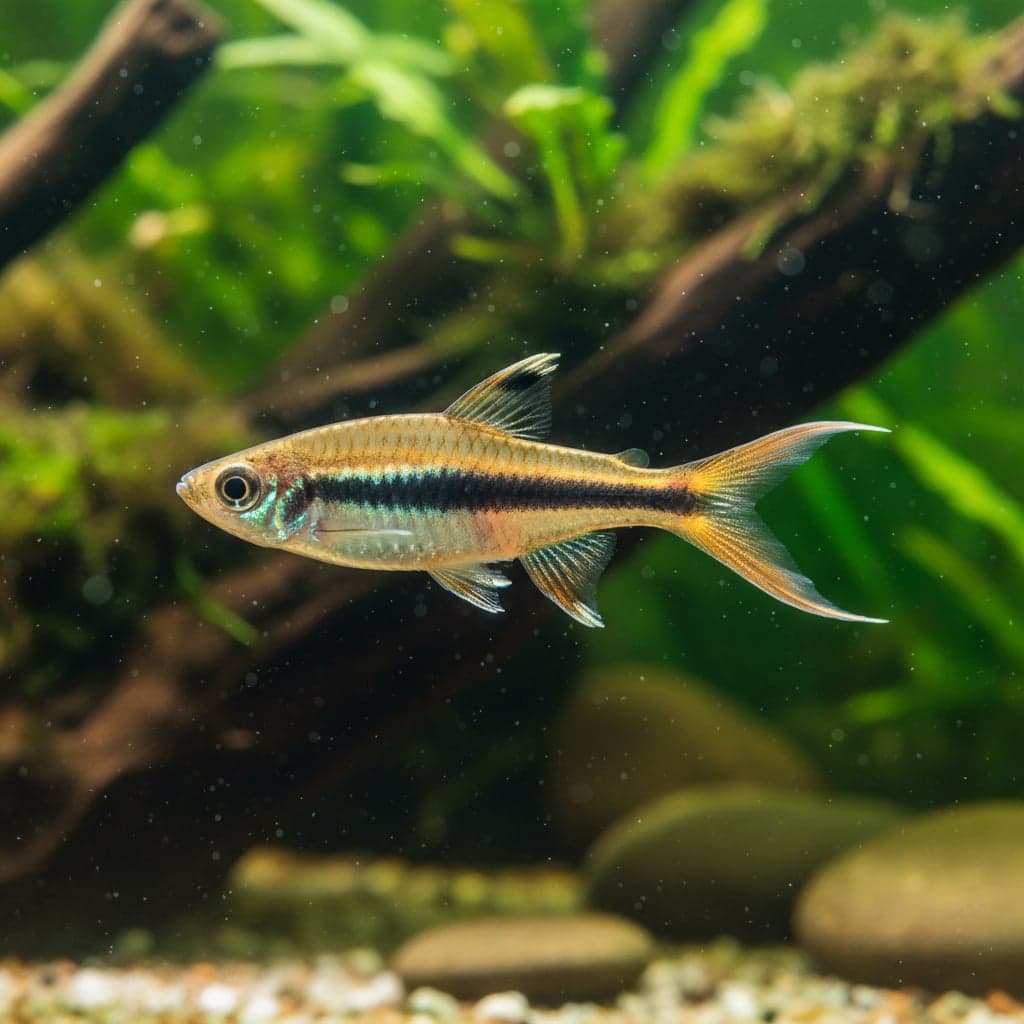
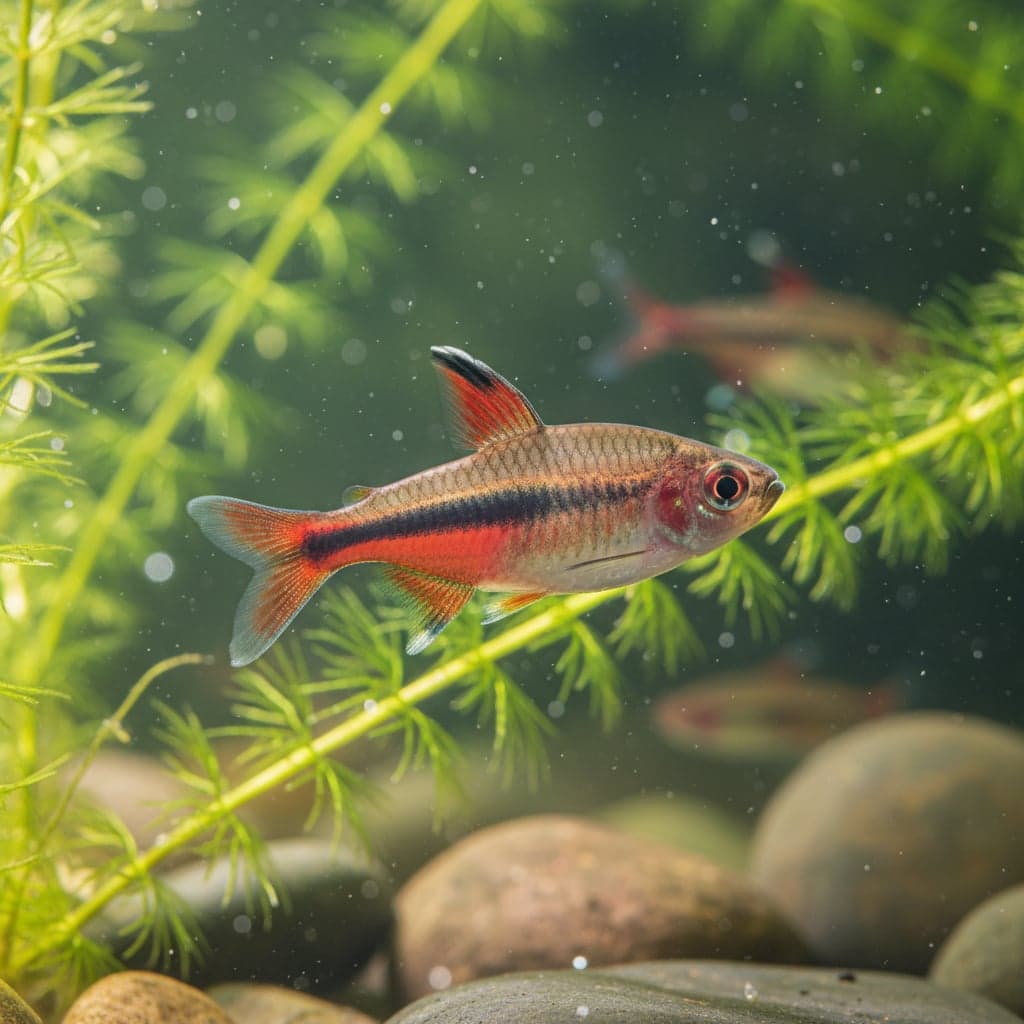
The Threeline Tetra (Neolebias trilineatus) is a captivating freshwater fish that has garnered popularity among aquarists due to its striking appearance and sociable nature. This small, slender fish is characterized by three distinct black lateral stripes running along its shimmering silver body, creating an attractive contrast that makes it visually stand out in any aquarium. Measuring approximately 1.5 to 2 inches in length, the Threeline Tetra's size and colorful pattern allow it to thrive in aquascapes designed for smaller fish, making it a favorite for both seasoned aquarists and beginners.
In addition to its visual appeal, this tetra plays a significant role in the aquarium hobby as a social species that offers an active presence in community tanks. The Threeline Tetra is known for its playful behavior and schooling habits; they often swim in groups, creating lively displays that bring dynamism to the aquarium environment. These traits not only enhance the aesthetic experience of owning this fish but also contribute to the overall health and security felt within the aquarium. Overall, the Threeline Tetra is a perfect choice for those looking to elevate their aquatic setup while enjoying the rich behaviors of a well-kept tetra.
Natural Habitat & Origin
The Threeline Tetra is native to the densely vegetated blackwater streams and rivers of the Congo Basin in Central Africa. This geographical origin influences the fish's preference for specific water conditions, as they are accustomed to low-light environments with soft, acidic waters rich in organic compounds from decaying plant matter and leaf litter. In the wild, these fish often inhabit areas with slow-moving water and plenty of cover, such as submerged roots and dense aquatic plants, which provide both a natural habitat and necessary shelter from predators.
The typical water parameters in their natural habitat include a pH ranging from 5.5 to 7.0, temperatures around 72°F to 82°F (22°C to 28°C), and low to moderate hardness. Understanding these conditions is crucial for aquarists aiming to replicate the Threeline Tetra’s native environment, as it helps ensure their health and wellbeing in captivity. By maintaining similar parameters in the aquarium, such as using filtration that mimics slow-moving river currents and incorporating botanical elements to create a naturalistic setting, aquarists can create a comfortable and appealing habitat for these fish.
Care Requirements
When caring for Threeline Tetras, achieving the right water parameters is essential for their health. The optimal pH level should be in the range of 5.5 to 7.0, with a temperature maintained between 72°F to 82°F (22°C to 28°C). Ideally, the water hardness should be low, around 2 to 10 dGH, to mimic their natural softwater habitat. Regular water changes (around 25% weekly) are vital to maintain water quality, as these fish can be sensitive to fluctuations in their environment.
As for tank setup, a minimum aquarium size of 10 gallons is recommended for a small school of these fish, with plenty of swimming space. The substrate can be dark, soft gravel or sand, enhancing the fish's vibrant colors. Lighting should be moderate to low, and incorporating live plants like Java moss, Anubias, and Cryptocoryne not only provides hiding spots but also replicates their natural environment. Floating plants can also help diffuse light, creating a more comfortable setting for the Threeline Tetra.
Diet & Feeding
The Threeline Tetra is classified as an omnivore, which means it thrives on a varied diet that includes both plant and animal matter. In the wild, these fish consume small insects, zooplankton, and organic debris, so replicating this diet in captivity is essential for their overall health. In an aquarium setting, high-quality flake food or small pellets formulated for tropical fish should form the base of their diet. Additionally, supplementing their diet with frozen or live foods like daphnia, brine shrimp, and bloodworms can greatly enhance their coloration and vitality.
Feeding frequency can range from 2 to 3 times a day, with a modest amount served each time to prevent overfeeding. It is advisable to remove any uneaten food after a few minutes to maintain water quality. Providing a well-balanced diet not only promotes vibrant coloration but also helps to prevent common health issues associated with malnutrition.
Behavior & Temperament
Threeline Tetras are known for their peaceful and social behavior, making them ideal candidates for community tanks. They thrive in schools, ideally in groups of at least six or more, which helps them feel secure and reduces stress. When kept in small numbers, they may become timid, displaying less natural activity and boldness. These fish are usually non-aggressive; however, they can exhibit mild territorial behavior if housed with larger or more aggressive species.
In terms of tank placement, Threeline Tetras prefer the mid to upper levels of the aquarium, actively swimming through the water column. They are generally not shy and can often be seen darting among plants and decor, showcasing their dynamic movements. When kept in a well-planted environment, they feel more secure and are likely to exhibit their liveliest behaviors.
Tank Mates
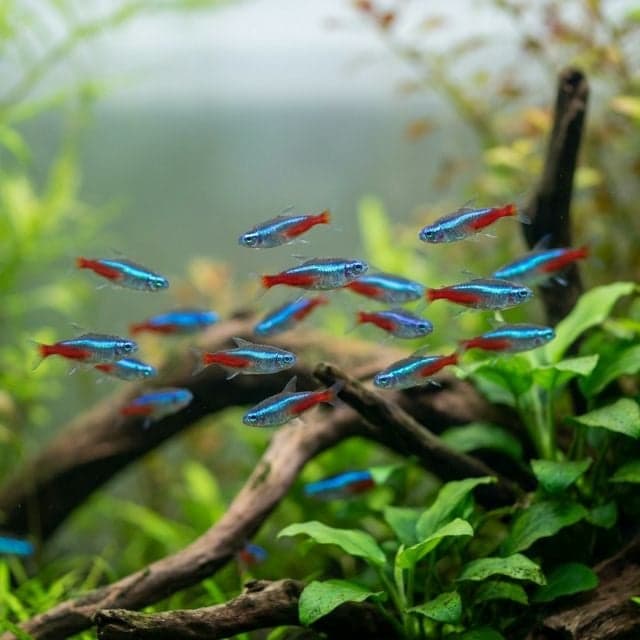
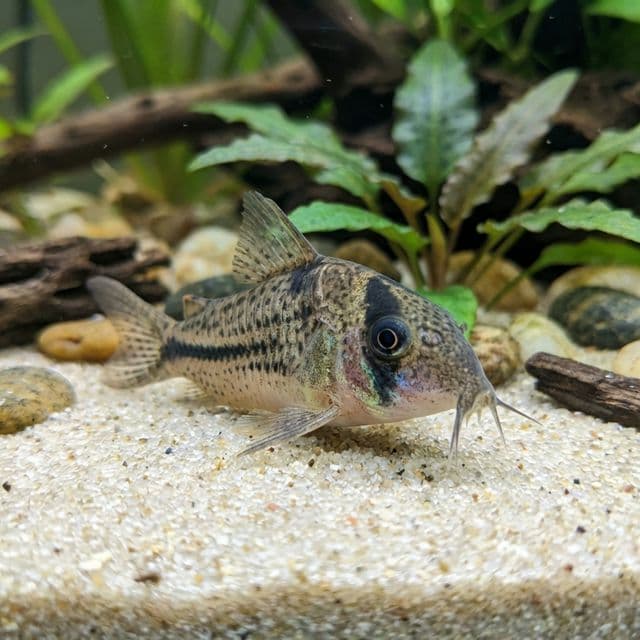
Selecting compatible tank mates for Threeline Tetras is crucial in maintaining a harmonious aquarium environment. Ideal companions include other small, peaceful fish, such as neon tetras, guppies, rasboras, and endlers. Bottom dwellers like Corydoras catfish or shrimp species can also coexist peacefully, as they occupy different levels of the tank. It is essential to choose species that exhibit similar temperament and size characteristics to avoid any stress or potential conflicts among tank inhabitants.
Conversely, larger or more aggressive fish should be avoided, as they may intimidate or prey upon Threeline Tetras. Avoid housing them with bettas, cichlids, or any species known for territorial aggression. A well-thought-out selection of tank mates will not only enhance the aesthetic of the aquarium but also contribute to a peaceful community atmosphere.
Breeding
Breeding Threeline Tetras in captivity can be achieved with the right conditions and care. To initiate spawning, a separate breeding tank of around 10 gallons with soft, slightly acidic water is recommended. The tank should be dimly lit and include fine-leaved plants like spawning mops or Java moss, which provide suitable surfaces for egg deposition. The ideal water temperature for spawning is around 78°F (25°C), and a pH level of approximately 6.0 to 6.5 should be maintained.
Once conditions are ideal, introducing a male and one or more females can prompt spawning behavior. The male will court the female with displays of fin waving, and once a pair bonds, the female will lay eggs, typically around 50 to 100 eggs. After laying, it is advisable to remove the adult fish to prevent them from eating the eggs. The fry will hatch within 24 to 36 hours and can be fed infusoria or finely crushed flakes until they grow large enough to accept larger foods.
Common Health Issues
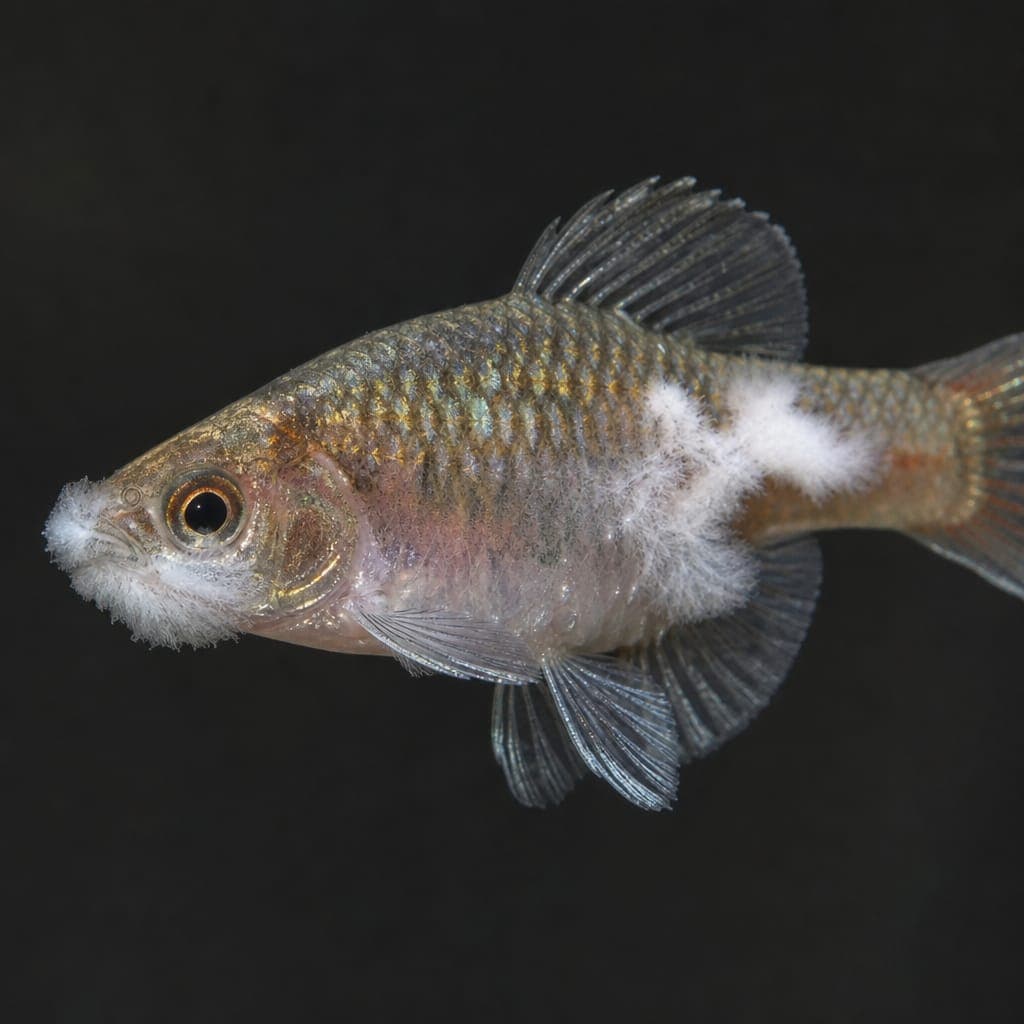
Though generally hardy, Threeline Tetras can still be susceptible to certain health issues if not properly cared for or if environmental conditions fluctuate. Common ailments include ich (white spot disease), fin rot, and fungal infections, often linked to poor water quality or stress. Maintain stable soft acidic parameters with regular partial water changes and solid filtration, and quarantine newcomers before adding them to the school. A varied diet of quality flakes and frozen foods supports immunity. Watch for white spots, frayed fins, clamped fins, or lethargy, and treat promptly in a hospital tank. Avoid overcrowding and sudden temperature swings. With attentive care, Threeline Tetras remain lively, schooling mid-water accents for years.