Tiburon Limia: Poecilia tridens
A 6cm livebearer from Hispaniola. Wants hard alkaline water, breeds readily, and suits a small species tank.

Tiburon Limia
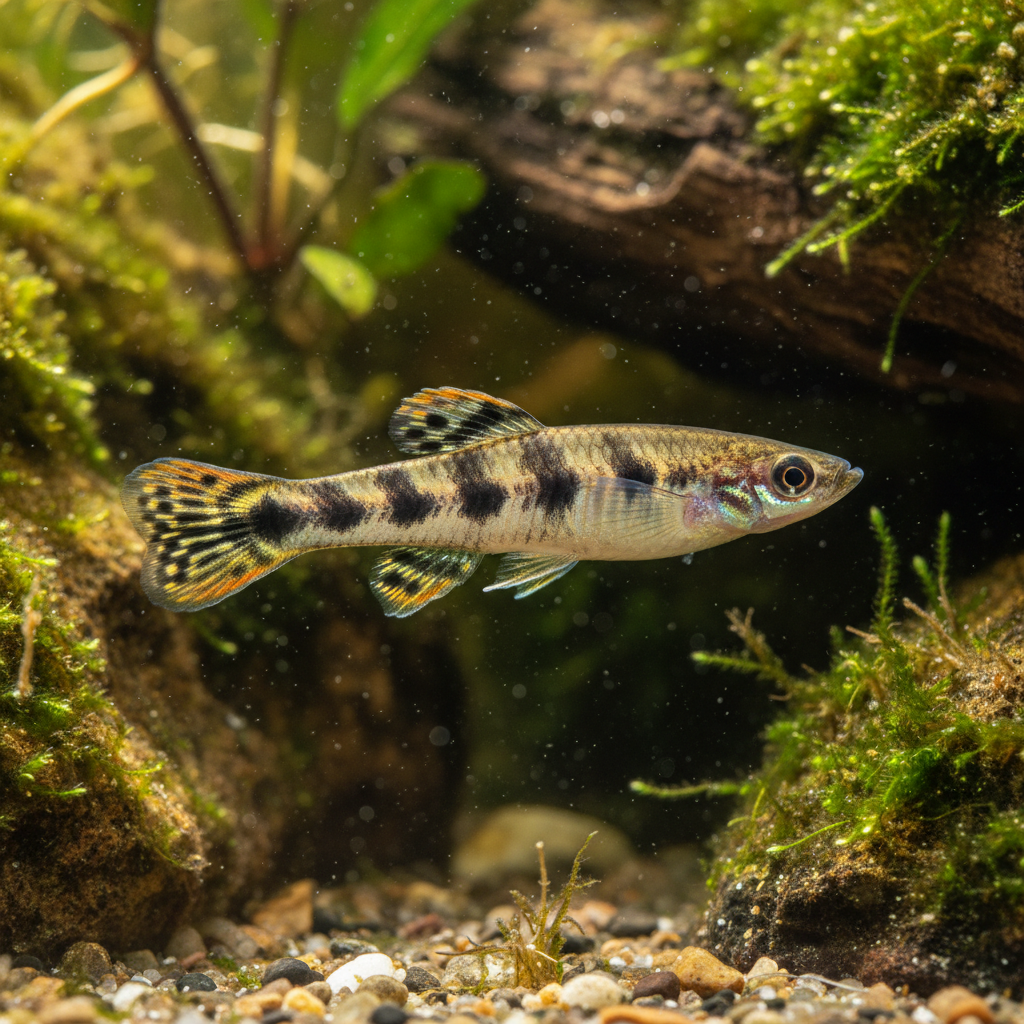
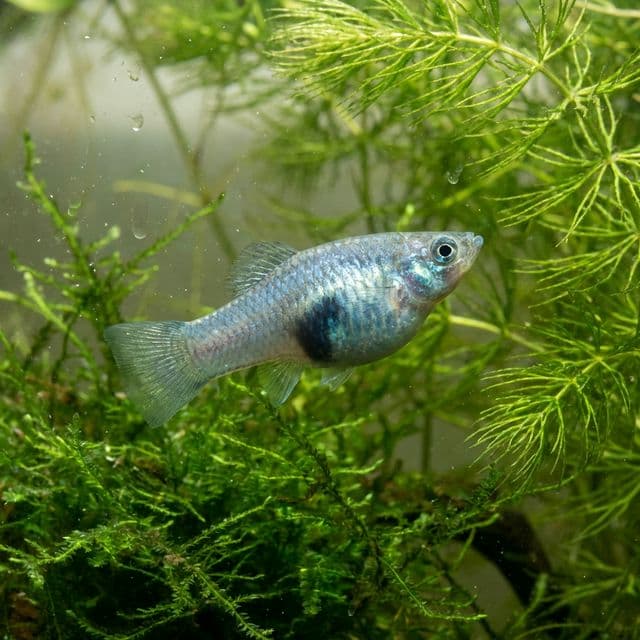
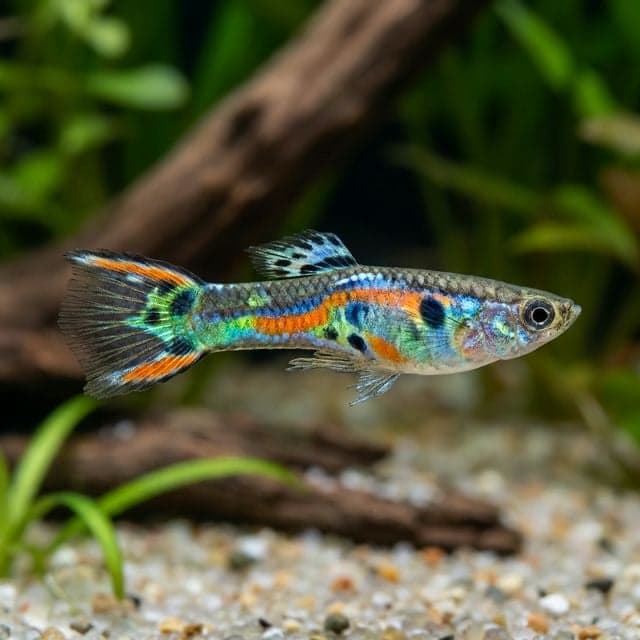
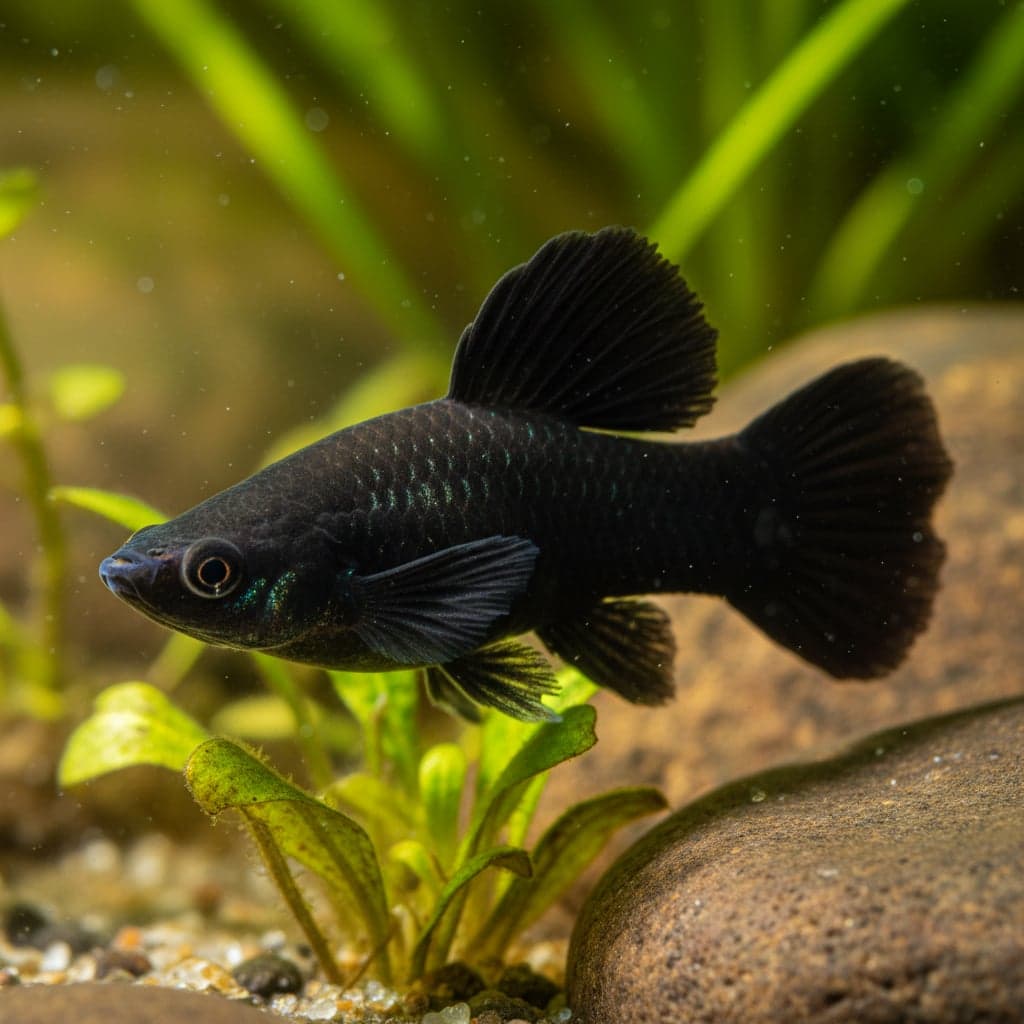
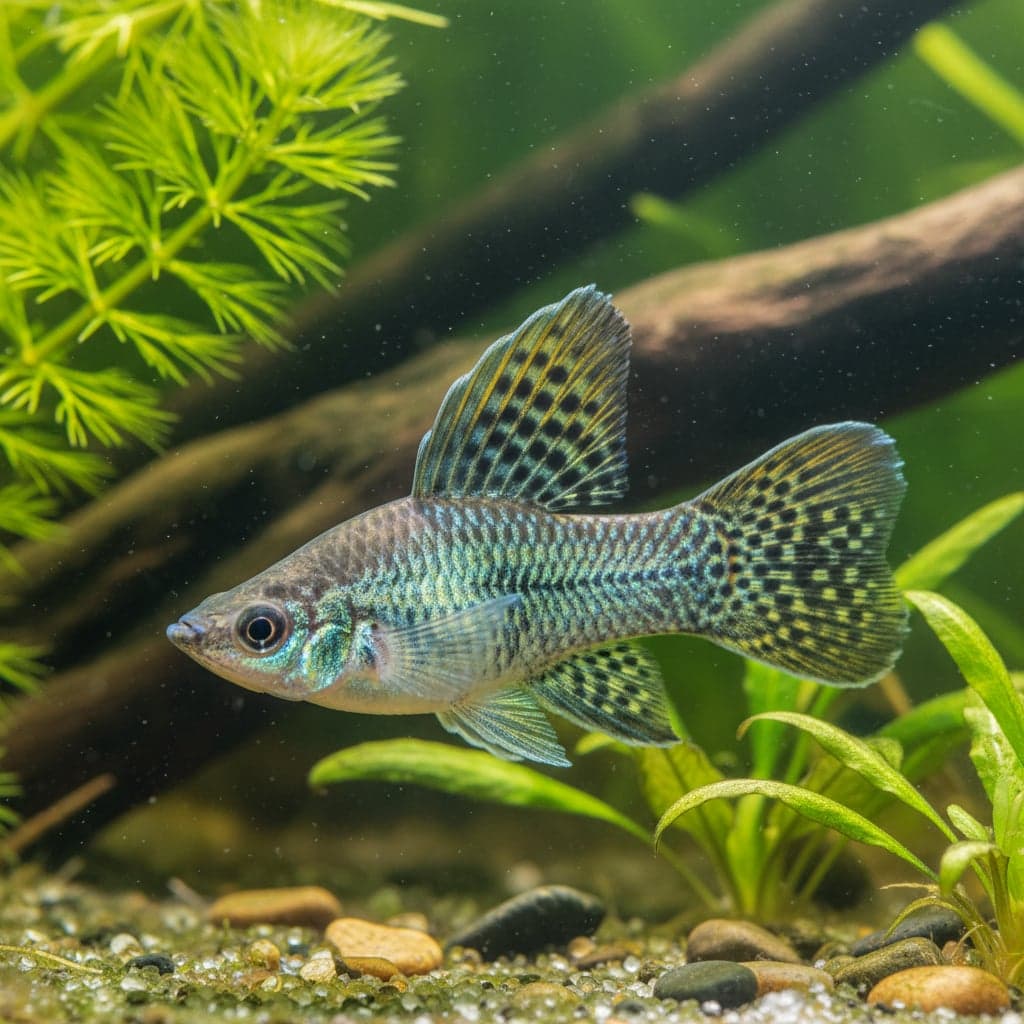
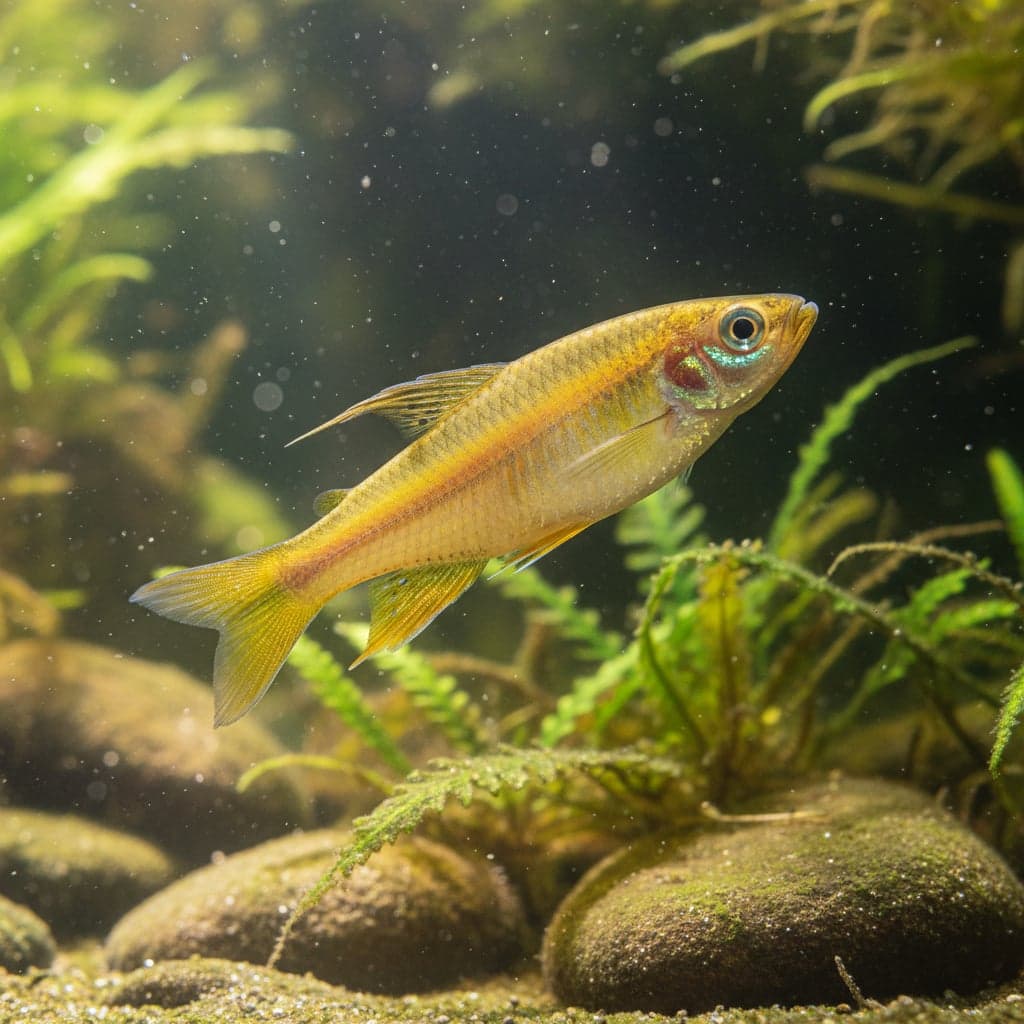
The Tiburon Limia, scientifically known as Poecilia tridens, is a striking and unique freshwater fish that captivates aquarists with its vibrant appearance and dynamic behavior. This small species exhibits a captivating array of colors, typically showcasing a base of shimmering silvery scales accentuated by iridescent blues and greens, with males often displaying more vivid colors than females. Their sleek bodies and distinctive dorsal fins make them a visually appealing addition to any aquarium, drawing attention and admiration from hobbyists and casual observers alike. As part of the Poecilia genus, the Tiburon Limia holds a special significance within the aquarium hobby, not only for its aesthetic qualities but also for its role in promoting biodiversity and conservation efforts within its native habitat.
In addition to its stunning visuals, the Tiburon Limia is cherished for its relatively hardy nature, making it an excellent choice for both beginner and experienced aquarists. These fish offer a vibrant display of activity as they swim and interact within their communities, providing a lively atmosphere in the aquarium. Their popularity has soared over the years, leading to increased attention on sustainable breeding practices, thus ensuring that their ecological impact is minimized. The Tiburon Limia serves as a reminder of the beauty and diversity of aquatic life, fostering a deeper appreciation for the preservation of their natural environments.
Natural Habitat & Origin
The Tiburon Limia originates from the coastal clear waters and brackish estuaries of the Tiburón Peninsula in Mexico. This region is characterized by its unique ecological environment, where fresh and saltwater mingle, creating a diverse habitat that supports a variety of aquatic life. The fish typically thrive in areas with dense vegetation and submerged structures, which provide both shelter and breeding grounds. The natural waters of this region are generally characterized as soft and moderately acidic, reflecting the lush plant growth and the organic matter present in these ecosystems.
Within their natural habitat, Tiburon Limia are often found in slow-moving waters where they can easily navigate through grassy areas and near the surface where they can feed. This positional preference emphasizes the importance of replicating their natural environment in aquarium settings for optimal health and well-being.
Care Requirements
To successfully keep Tiburon Limia in captivity, it is essential to replicate their natural conditions as closely as possible. The optimal water parameters for these fish include a pH range of 6.5 to 7.5, a temperature between 23°C and 28°C (73°F - 82°F), and a water hardness of 5 to 15 dGH. Maintaining consistent water quality is crucial, so regular water changes (about 25% weekly) are recommended to keep nitrate levels low and avoid water deterioration.
When setting up the tank, a minimum size of 20 gallons is advisable to provide adequate space for swimming and social interaction. A fine substrate such as sand or rounded gravel is ideal to mimic their natural habitat, while live plants like Java fern, anubias, and floaters such as Water sprite can create hiding spots and contribute to water quality. Moderate to bright lighting can encourage healthy plant growth, but be mindful of the fish's preference for shaded areas. Additionally, incorporating driftwood or rocks can enhance the aesthetic appeal and provide further hiding spots.
Diet & Feeding
The Tiburon Limia is an omnivorous fish that thrives on a balanced diet consisting of high-quality flakes, pellets, and supplementary live or frozen foods such as brine shrimp, daphnia, and bloodworms. Feeding them a varied diet ensures they receive essential nutrients and promotes healthy colors and growth. It's important to note that while they will eagerly consume commercially prepared foods, incorporating fresh vegetable matter such as blanched spinach or spirulina can improve their overall health and well-being. Feeding should be done 1-2 times daily, with only as much food as they can consume within a few minutes to prevent overfeeding and water quality issues.
Behavior & Temperament
Tiburon Limia are known for their peaceful social behavior, making them an excellent choice for community tanks. They are generally non-aggressive towards one another and prefer to be kept in groups of at least five to six individuals, which encourages natural schooling behavior and reduces stress levels. Typically, these fish occupy the middle to upper regions of the aquarium, often seen swimming amidst the vegetation and amongst other species.
Occasionally, they may display mild territorial behavior, particularly males during breeding periods or when establishing dominance. Providing plenty of hiding spaces and visual barriers within the tank will help mitigate any potential skirmishes and keep harmony among the inhabitants.
Tank Mates
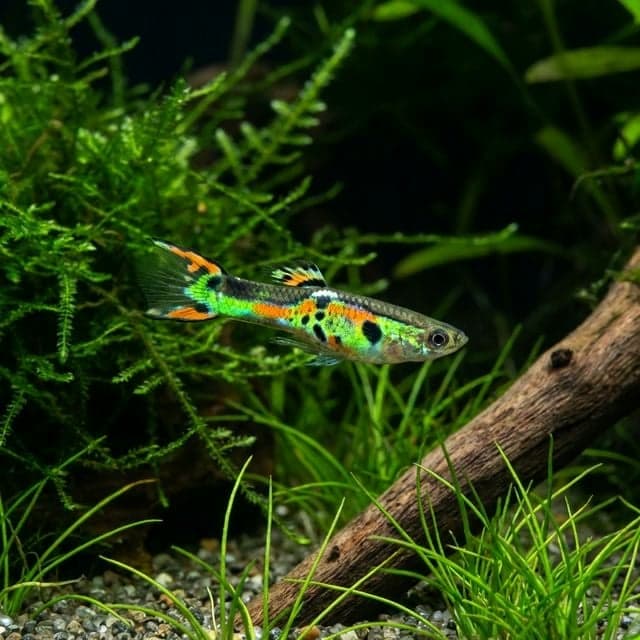
When choosing tank mates for the Tiburon Limia, it's crucial to select species that share similar temperaments and environmental needs. Compatible companions include other small, peaceful fish like Guppies, Endlers, Cardinia shrimp, and certain Tetras (such as Neon Tetras and Ember Tetras). Additionally, peaceful bottom-dwellers like Corydoras catfish can mix well in the community setup.
Species to avoid include more aggressive or larger fish that may view the Tiburon Limia as food or competition, such as Cichlids or larger Barbs. Avoid keeping them with fin-nippers as well, such as certain species of Bettas and Serpae Tetras, to ensure their safety and well-being in the aquatic environment.
Breeding
Breeding the Tiburon Limia in captivity can be a rewarding experience, as they are livebearers, giving birth to free-swimming fry. For successful spawning, it is advisable to maintain a separate breeding tank stocked with a mix of male to female ratios, favoring a ratio of 1:2. This approach will help reduce stress in the males and ensure more successful fertilization.
Ideal spawning conditions include slightly elevated temperatures (around 28°C or 82°F) and slightly softer water, which can stimulate breeding behavior. Providing densely planted areas (both real or artificial) encourages the female to hide and gives substances for laying eggs. Post-spawning, it’s best to separate the parents from the fry to prevent predation, as the adults may consume their young.
Common Health Issues
As with most aquarium fish, the Tiburon Limia can be prone to certain health issues. Common concerns include ich (white spot disease), fin rot, and swim bladder disorders. Prevention strategies focus on maintaining optimal water conditions, providing a nutritious diet, and minimizing stress through appropriate tank mates and environmental factors.
Regular monitoring of water quality, along with routine tank maintenance, can greatly reduce the risk of disease. In case of illness, it's essential to identify the specific issue early on for effective treatment, often involving medications or adjusting tank conditions as appropriate. Keeping a healthy, stable environment is the key to longevity and well-being for the Tiburon Limia.