The Tiger Barb: Puntigrus tetrazona
A bold, striped barb with a reputation for fin-nipping. Active, colorful, and entertaining—but must be kept in large groups to manage behavior.
Also known as: Sumatra barb · Puntigrus tetrazona
Tiger Barb
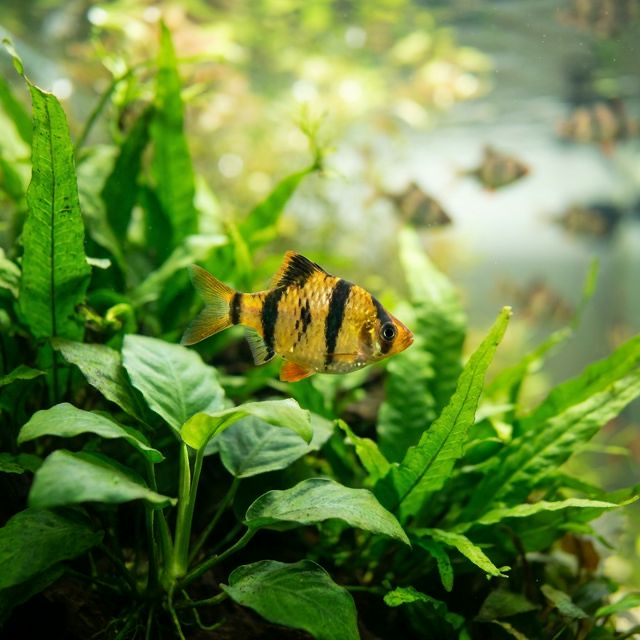
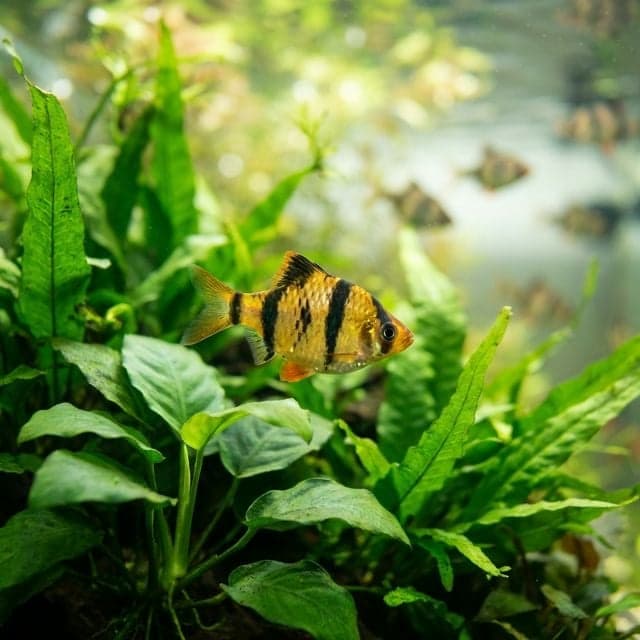
The Tiger Barb, scientifically known as Puntigrus tetrazona, is a small yet highly popular freshwater fish that originates from Southeast Asia. Renowned for its striking appearance, the Tiger Barb features a stunning combination of vibrant orange and black vertical stripes that give it a tiger-like aesthetic, hence its name. These fish typically grow to about 2.5 to 3 inches in length, making them an ideal choice for a variety of aquarium setups. Their lively disposition and energetic swimming patterns add a dynamic element to aquariums, captivating both novice and experienced aquarists alike. In the aquarium hobby, Tiger Barbs are not just celebrated for their beauty; they embody the spirit of community tanks and are often used to create engaging and active aquatic displays.
Beyond their visual appeal, Tiger Barbs hold significance within the aquarium community due to their hardy nature and ease of care. These fish adapt well to a range of water conditions, making them an excellent choice for beginners. Moreover, their sociable personalities encourage them to thrive in schools of five or more, promoting vigorous activity and social interactions. In essence, the Tiger Barb is more than just an ornamental fish; it is a representative of the joy and vibrancy that a well-managed community tank can bring.
Natural Habitat & Origin
The Tiger Barb is native to the freshwater rivers and streams of Southeast Asia, specifically found in countries such as Indonesia, Malaysia, and Thailand. In their natural environment, these fish inhabit shallow waters with ample vegetation and submerged structures that provide both shelter and foraging opportunities. The water in their native habitats typically ranges from clear to slightly turbid, featuring a pH of 6.0 to 8.0 and a moderate hardness level. The presence of dense plant growth in these regions creates a rich ecosystem that supports not only Tiger Barbs but also various other aquatic species, showcasing the importance of environmental diversity.
These fish are often found in schools, gathering in groups to forage for food and evade predators. They prefer slow-moving waters with a sandy or muddy substrate, which contributes to their overall health and thriving behavior in captivity. The understanding of their natural habitat and behavior is vital for successfully replicating the right conditions in aquariums, ensuring that they remain healthy and vibrant throughout their lives.
Care Requirements
To provide Tiger Barbs with optimal care, it is essential to maintain specific water parameters and a suitable tank setup. These fish thrive in a temperature range of 72°F to 82°F (22°C to 28°C) and prefer a pH of 6.0 to 8.0. Hardness levels should ideally be between 5 to 15 dGH, allowing for a comfortable living environment. When setting up a tank, a minimum size of 20 gallons is recommended, particularly if you plan to house a school of five or more Tiger Barbs.
For the substrate, a fine-grained material such as sand or smooth gravel is ideal, as it mimics their natural habitat. A well-planted aquarium with plenty of hiding spots using driftwood and rocks can also significantly contribute to their well-being. Moderate lighting is preferable, as it helps promote plant growth while not overwhelming the fish. Incorporating floating plants can additionally provide shade and reduce light intensity. This well-rounded setup will help ensure that your Tiger Barbs live a long and healthy life.
Diet & Feeding
Tiger Barbs are classified as omnivores, allowing them to thrive on a varied diet that includes both plant and animal matter. A balanced diet should consist of high-quality flakes or pellets as a staple, supplemented with occasional servings of freeze-dried or frozen foods like brine shrimp, daphnia, or bloodworms. Additionally, incorporating blanched vegetables such as spinach or zucchini can provide essential nutrients and enhance their color. It is important to feed them small portions several times a day to mimic their natural foraging behavior while preventing overfeeding, which can lead to water quality issues.
When introducing new foods, it's advisable to observe how they react, ensuring that they accept the diet and showing interest in varied options. Maintaining a varied and nutritious diet will not only encourage healthy growth but also contribute positively to their vibrant coloration and overall vitality.
Behavior & Temperament
Tiger Barbs are renowned for their active and social behavior. These fish are inherently schooling creatures, which means they thrive when kept in groups of at least five or more. This schooling behavior serves several purposes; it enhances their confidence and reduces stress, as they feel safer from potential predators when in numbers. Their lively nature can add an exhilarating dimension to an aquarium, as they are known for darting around and playfully interacting with each other.
Despite their generally peaceful demeanor, Tiger Barbs can exhibit fin-nipping behavior, particularly towards slower or long-finned tank mates. Therefore, it is crucial to select compatible species for community tanks. They tend to occupy the middle and upper levels of the aquarium, showcasing their energetic swimming and playful interactions with one another. Understanding their social dynamics and behaviors will significantly enhance the enjoyment of keeping these vibrant fish.
Tank Mates
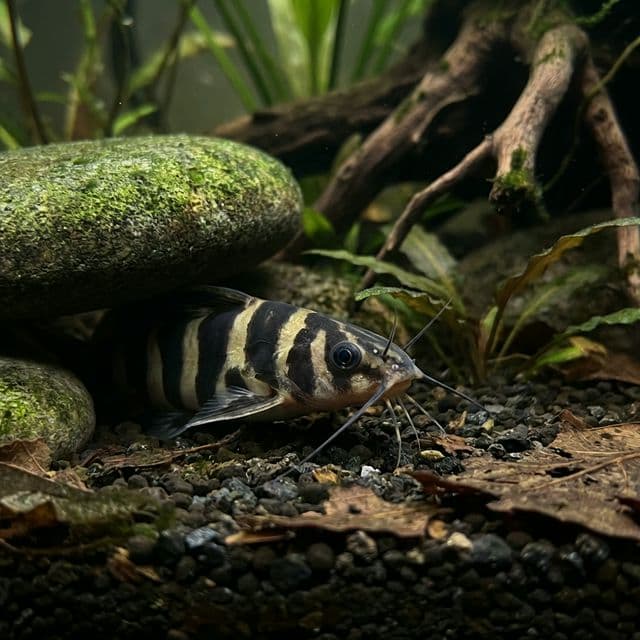
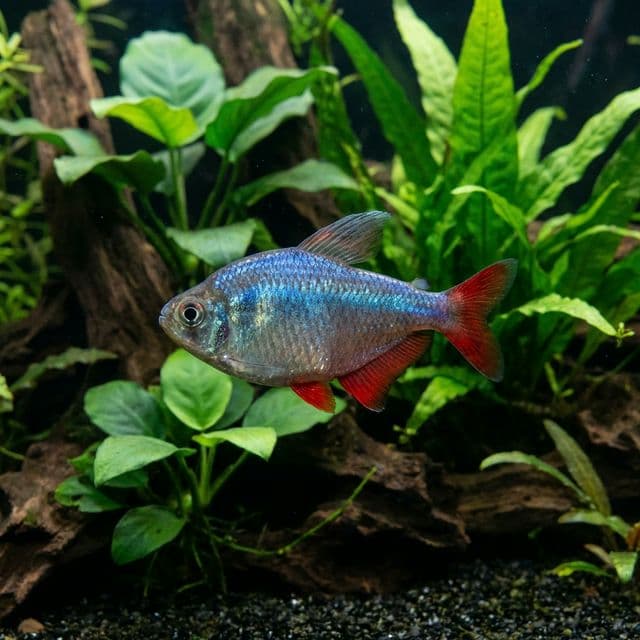
When selecting tank mates for Tiger Barbs, it is essential to choose species that can coexist harmoniously with their semi-aggressive tendencies. Compatible tank mates include other robust species such as Tetras (e.g., Neon and Ember Tetras), Rasboras, Danios, and various types of Gouramis, as these fish can match the energy level and temperament of Tiger Barbs. Corydoras Catfish and various bottom dwellers can also thrive in the same environment, as they occupy different tank zones.
Conversely, species with long, flowing fins, such as Angelfish and Betta Fish, may be at risk of fin-nipping due to Tiger Barbs' occasionally aggressive nature. Additionally, small species like Guppies and small shrimp should generally be avoided, as they may become targets for nipping or predation. Being mindful of these dynamics and selecting appropriate companions will help maintain a peaceful community aquarium filled with dynamic interactions.
Breeding
Breeding Tiger Barbs in captivity is rewarding and relatively straightforward, provided that the proper conditions are met. To encourage spawning, it's ideal to set up a separate breeding tank with gentle filtration and fine-leaved plants like Java Moss, which can serve as a spawning surface. It is crucial to maintain a water temperature around 78°F to 82°F (26°C to 28°C) and a slightly acidic pH of around 6.5, simulating their natural breeding conditions.
Once a breeding pair identifies suitable conditions, the female will lay numerous eggs, which the male will promptly fertilize. After spawning, it is essential to remove the adult fish from the breeding tank as they may consume the eggs. The eggs will typically hatch within 24 to 36 hours, and the fry can start swimming shortly after, requiring finely crushed flakes or specialized fry foods for their initial feeding. With attentive care and suitable conditions, breeding Tiger Barbs can be an exciting and enriching endeavor.
Common Health Issues
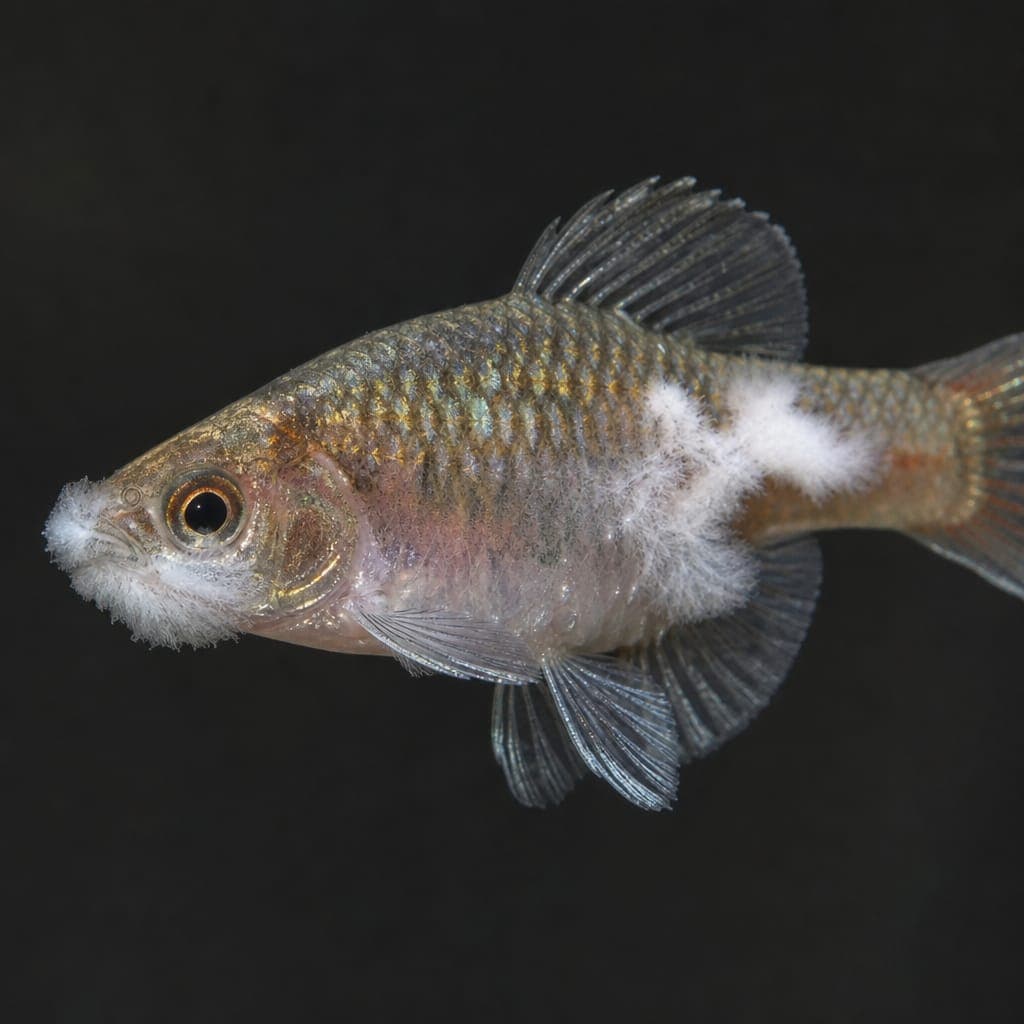
While Tiger Barbs are generally hardy fish, they can be susceptible to several health issues, primarily if kept in poor water conditions. Common diseases affecting them include ich (white spot disease), fin rot, and fungal infections. Ich presents as white spots on the fish's body, while fin rot manifests through frayed fins and discoloration. Prompt treatment is essential, and maintaining excellent water quality through regular changes and a balanced diet will prevent most outbreaks. Quarantine new fish before introduction, and act quickly at the first sign of distress so a school of Tiger Barbs stays active and colorful.