Tiger Teddy: Neoheterandria elegans
A 2.5cm livebearer that stays genuinely nano and breeds slowly rather than overrunning the tank. Ideal for a small hard-water setup.
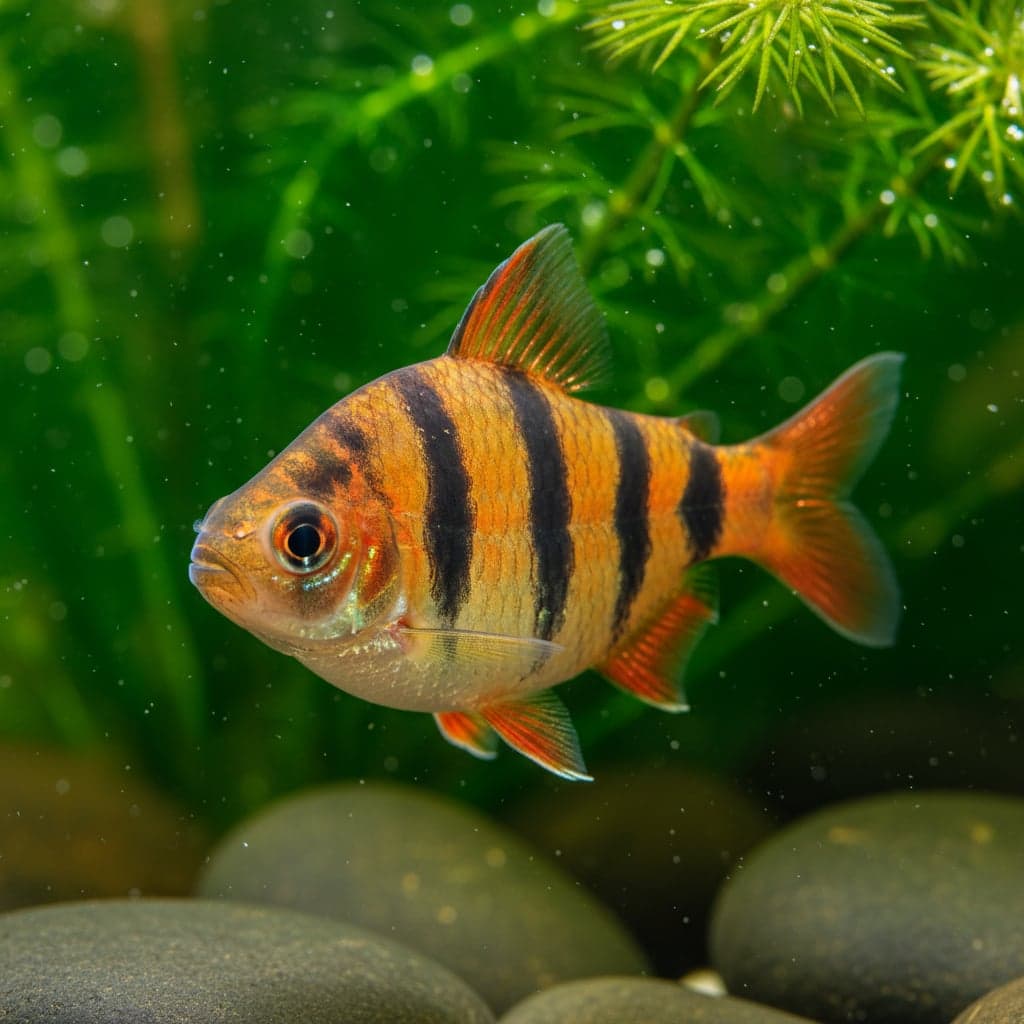
Tiger Teddy
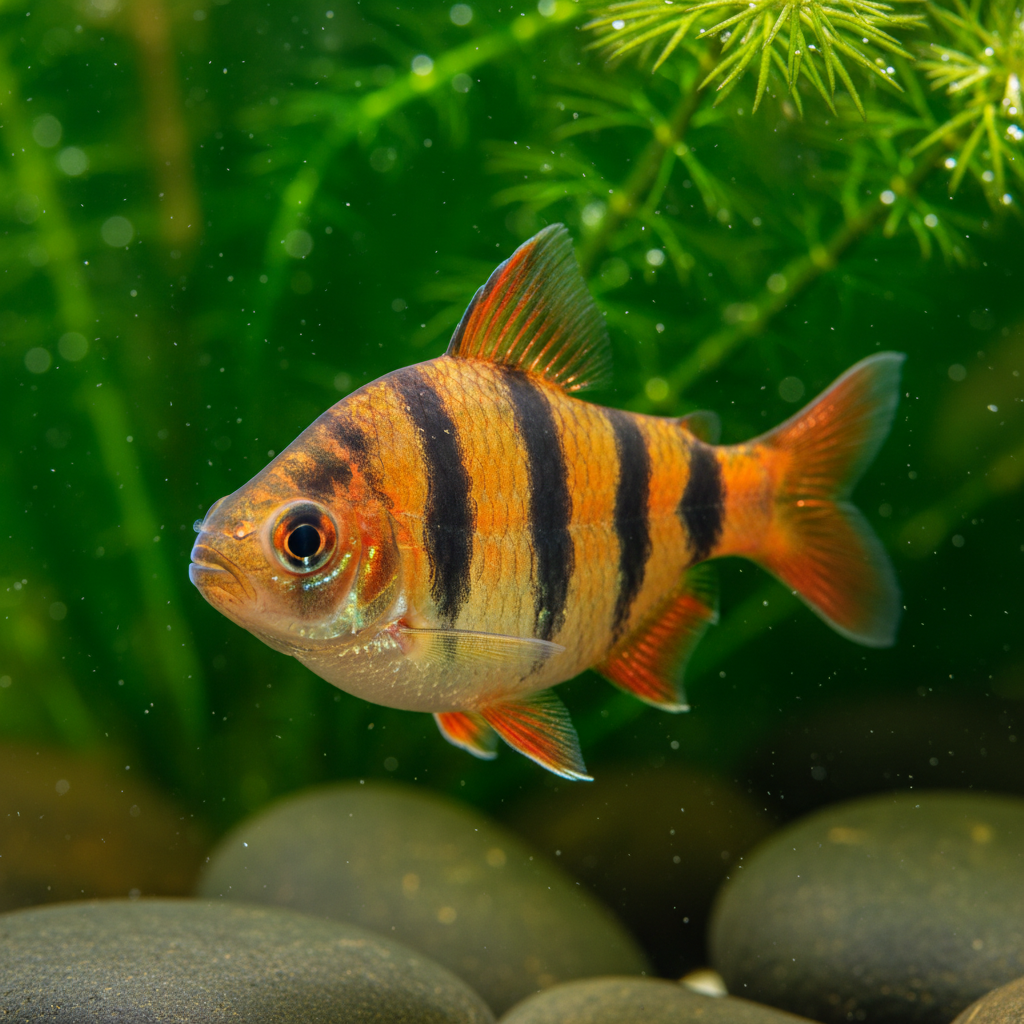
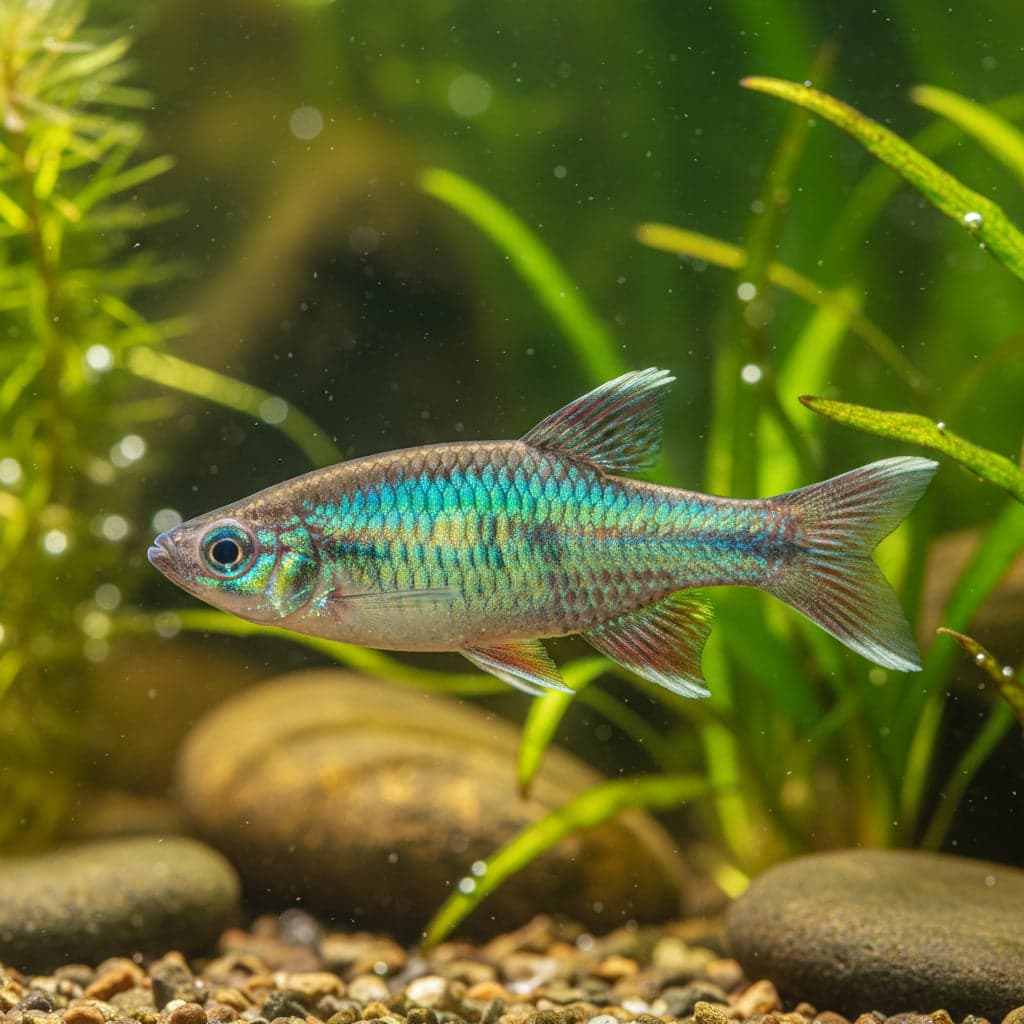
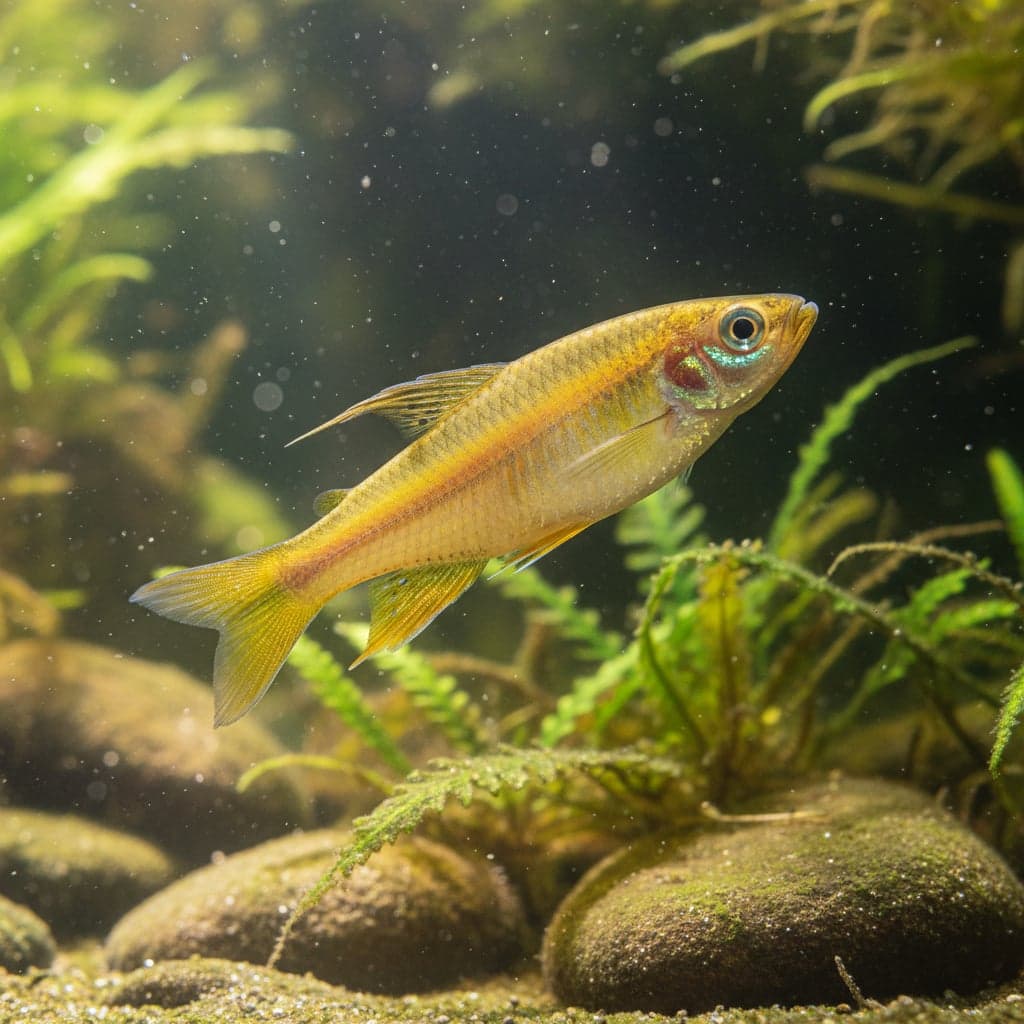
The Tiger Teddy, scientifically named Neoheterandria elegans, is a small, vibrant fish that belongs to the family Poeciliidae. This diminutive species, often reaching an impressive maximum length of about 0.6-1 inches (1.5-2.5 cm), is particularly renowned for its striking coloration and unique patterning. The males exhibit a stunning array of blues, yellows, and oranges, featuring a distinctive tiger-striped pattern along their bodies, while females are generally larger and less colorful but possess delicate, iridescent scales. The visual appeal of the Tiger Teddy makes it a standout choice for aquarists looking to add diversity and beauty to their tanks.
In the aquarium hobby, the Tiger Teddy holds significance not only for its aesthetic qualities but also for its engaging behaviors and adaptability to various environments. Compared to other livebearers, it is less commonly found in typical retail settings, making it an intriguing addition for aquarists seeking rare or unique specimens. Its lively disposition and elaborate courtship rituals make it a favorite for aquarists who appreciate active schooling fish. As interest in nanoscale aquariums grows, the Tiger Teddy’s small size and peaceful temperament make it an ideal candidate for these compact environments.
Natural Habitat & Origin
The Tiger Teddy hails originally from the coastal plains of Central America, particularly in regions such as Nicaragua and Costa Rica. In its natural habitat, this species is typically found in shallow waters that are rich in vegetation, often residing in areas where slow-moving streams and rivers intersect with marshes. The waters are often characterized as blackwater, tea-colored from the decaying plant matter that contributes to the acidity and lower mineral content. The soft water conditions, abundant plant cover, and gentle current provide an ideal environment for the Tiger Teddy to thrive.
The ecological context of its habitat promotes a balanced ecosystem where these fish cohabit with various invertebrates and smaller fish species. The organic matter and leaf litter create a complex aquatic environment that serves as both cover and breeding grounds, essential for the sustained population of the Tiger Teddy in the wild. This specific environmental context is crucial for aquarists to replicate to ensure the health and well-being of this species in captivity.
Care Requirements
To maintain healthy Tiger Teddies in your aquarium, it is essential to replicate their natural conditions as closely as possible. Recommended water parameters for this species include a pH level of 6.0 to 7.5, a temperature range of 74°F to 82°F (23°C to 28°C), and a hardness of 2 to 12 dGH. Since these fish require a stable environment, regular water changes and careful monitoring of water quality are crucial for their long-term health.
In terms of tank setup, a minimum tank size of 10 gallons is advisable, allowing ample space for swimming and social interaction. The aquarium should be densely planted with leafy aquatic vegetation such as Anubias, Java Fern, and floating plants that provide both cover and spawning sites. A soft substrate such as fine gravel or sand will also enhance the natural feel of the tank, while subdued lighting mimics the dimly lit waters they are accustomed to. Aquarists should aim to create a serene environment with plenty of hiding spots to reduce stress and encourage natural behaviors.
Diet & Feeding
The Tiger Teddy is an omnivorous species, enjoying a varied diet that reflects their natural feeding habits. In captivity, they thrive on a mix of high-quality flake food specifically formulated for livebearers, finely crushed pellets, and occasional offerings of live or frozen options such as brine shrimp, daphnia, and bloodworms. Providing a diverse diet not only ensures their nutritional needs are met but also promotes vibrant coloration and healthy growth.
As smaller fish, it is advisable to feed them multiple small meals daily rather than one large feeding. This approach mimics their natural foraging behavior and ensures they receive adequate nutrition without the risk of overfeeding. The combination of flakes, pellets, and live or frozen items should meet their dietary requirements and maintain their overall health.
Behavior & Temperament
Tiger Teddies exhibit a peaceful and sociable temperament, making them ideal candidates for community tanks. They are generally non-aggressive and thrive when kept in groups of at least five to six individuals. Given their schooling nature, these fish exhibit more natural behavior when they feel secure in a larger group. They tend to occupy the middle and upper levels of the aquarium, darting through the plant cover while simultaneously displaying engaging courtship dances, which can be a delightful sight for any aquarist.
However, while they are largely peaceful, males can exhibit territorial behaviors, particularly during breeding periods. Therefore, providing ample space and hiding places is essential to mitigate any potential conflicts. Observing them interact within their environment is rewarding, as they exhibit curious and active swimming patterns.
Tank Mates
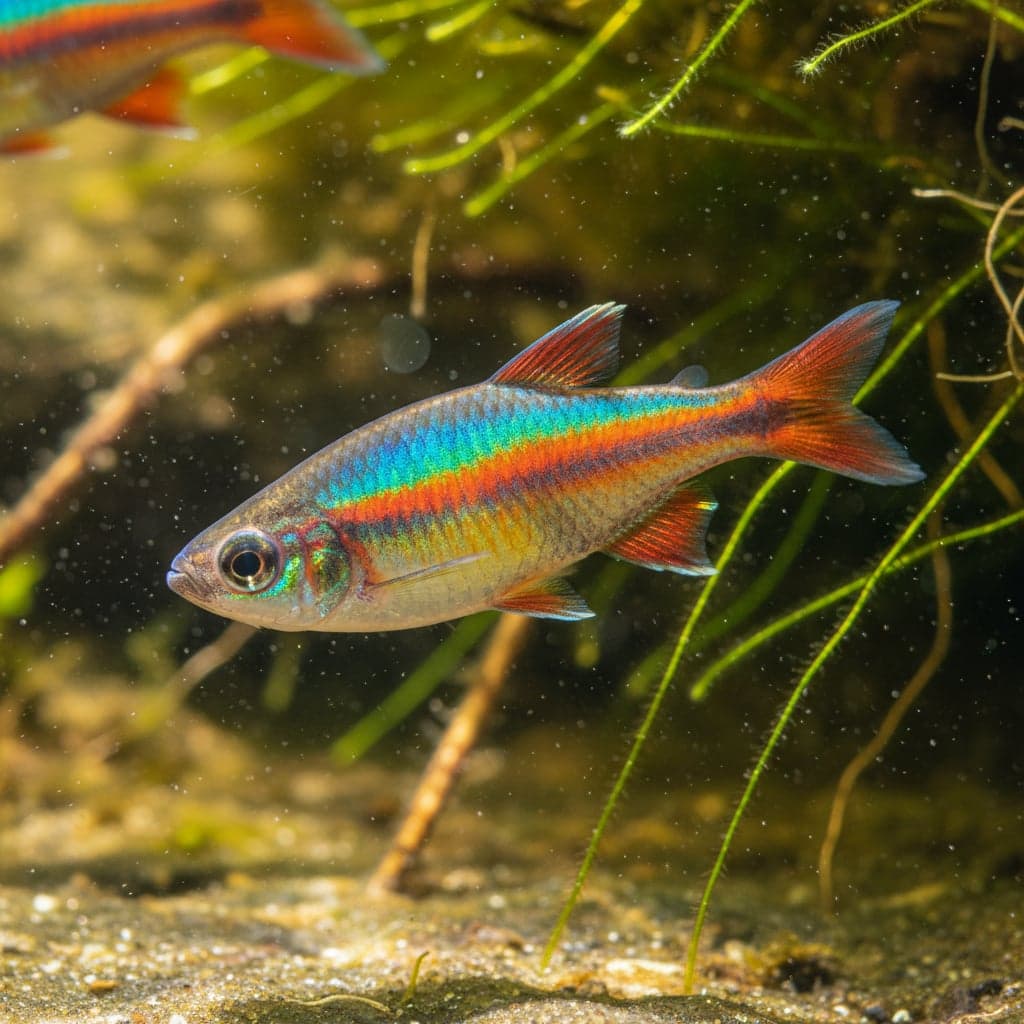
Finding suitable tank mates for the Tiger Teddy can enrich both their lives and the overall aesthetic of the aquarium. Compatible species include peaceful community fish such as Neon Tetras, Endlers, Guppies, and small rasboras. It’s essential to choose fish that are similarly sized and non-aggressive to prevent stress and bullying.
Conversely, certain species should be avoided in their tank environment. Larger predatory fish, such as some cichlids and catfish, may pose a threat to the smaller Tiger Teddies, leading to stress or predation. Additionally, fin-nipping species like some barbs should be excluded to ensure the well-being of your Tiger Teddy population. Selecting the right companions will foster a harmonious aquarium environment.
Breeding
Breeding Tiger Teddies in captivity is both achievable and rewarding, provided the right conditions are met. These livebearers typically spawn in the presence of dense vegetation, where females can find cover. To encourage breeding, aquarists should ensure that water conditions mirror their natural habitat—maintaining slightly acidic parameters and providing soft, warm water.
Once the female is ready to spawn, she will often display a swollen belly and may exhibit a more active and vibrant demeanor. The typical gestation period for the Tiger Teddy is about 28 days, after which the female will give birth to live fry. It is advisable to have dense plants or spawning mops in the tank where the fry can immediately hide from adults, as adult fish may consume their young. Providing plenty of food and appropriate conditions will ensure that the fry thrive and grow into mature adults.
Common Health Issues
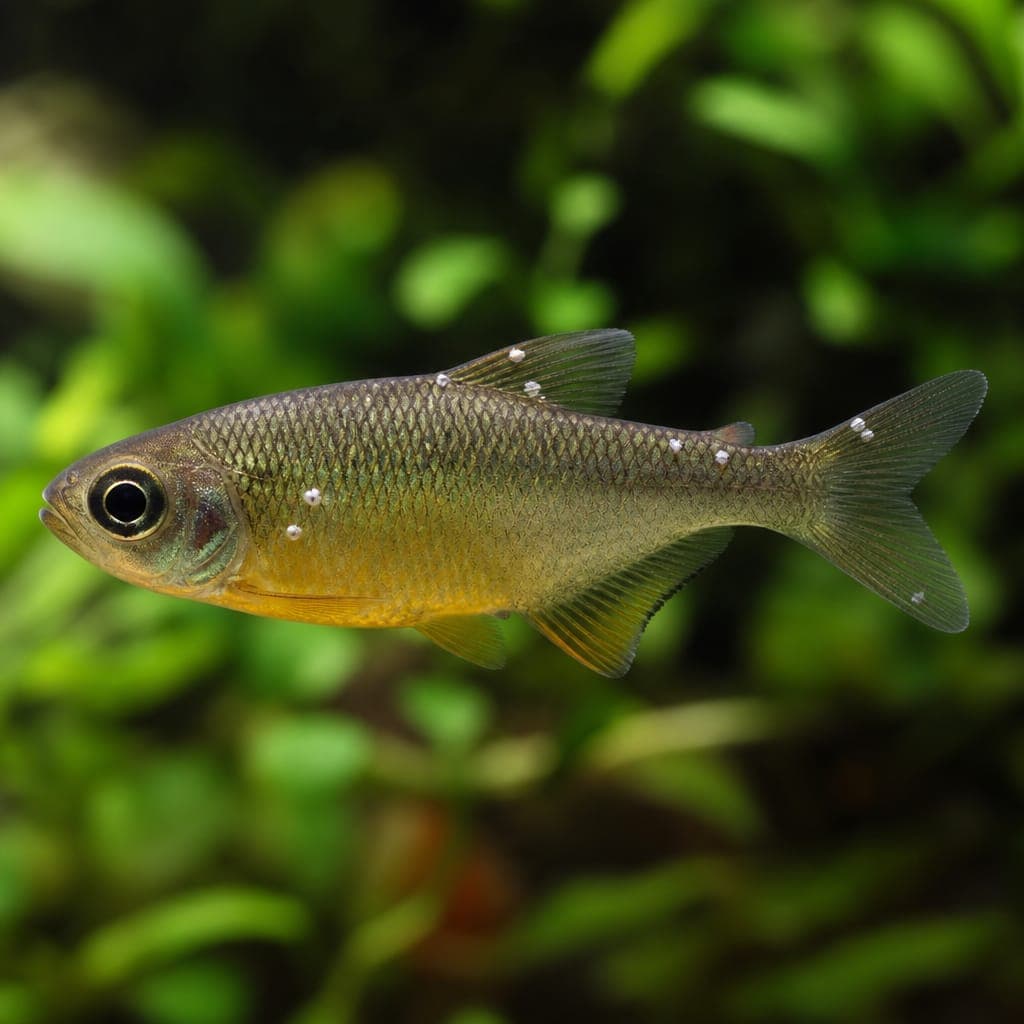
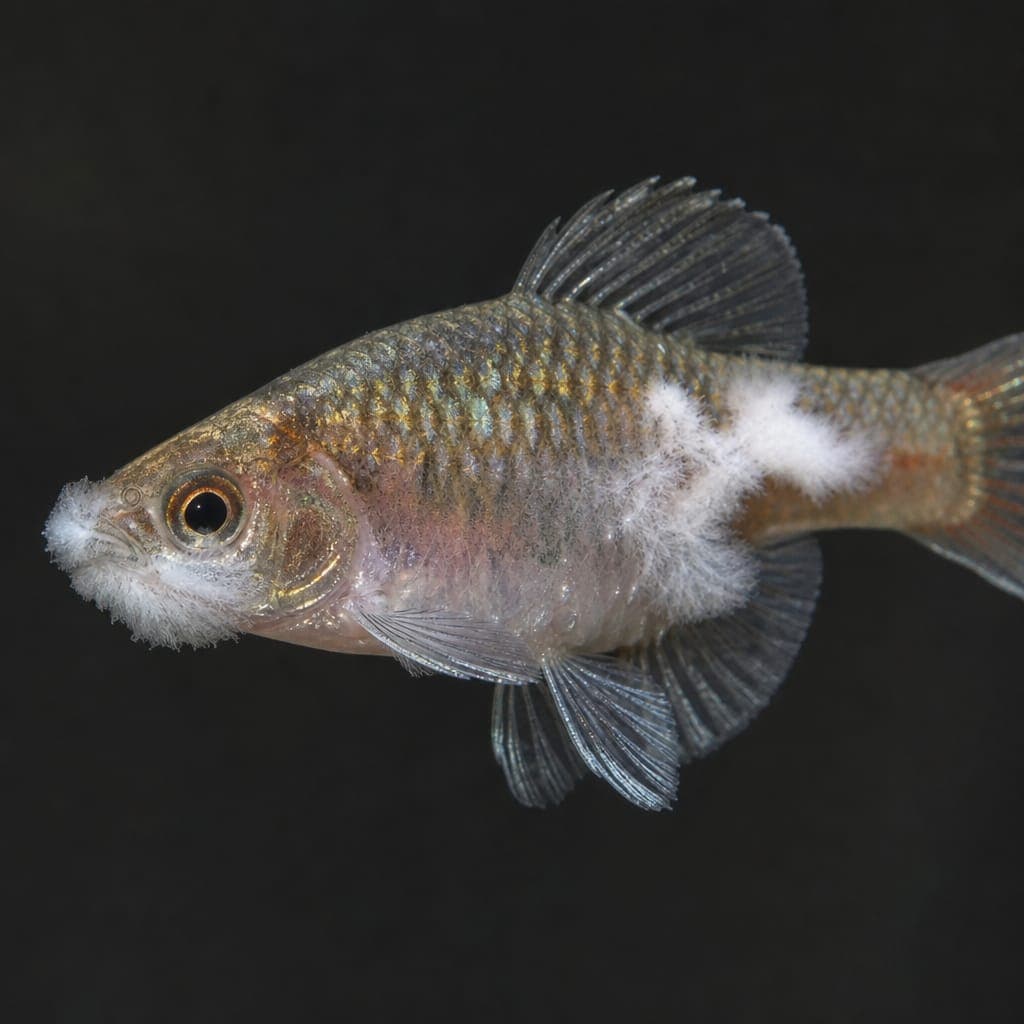
While the Tiger Teddy is generally hardy, it can be prone to several common aquarium fish diseases, particularly if water quality or tank conditions are not properly maintained. Some of the most prevalent health issues include ich (white spot disease), fin rot, and fungal infections. Maintaining excellent water quality and a stable environment is crucial for preventing these ailments.
Prevention strategies include regular water changes, avoiding overcrowding, and ensuring all equipment is functioning correctly. Quarantine new fish before introduction to an established tank to mitigate the risk of introducing disease. If health problems do occur, swift isolation of affected individuals and treatment with appropriate medications can help restore the health of the Tiger Teddy population in your aquarium.