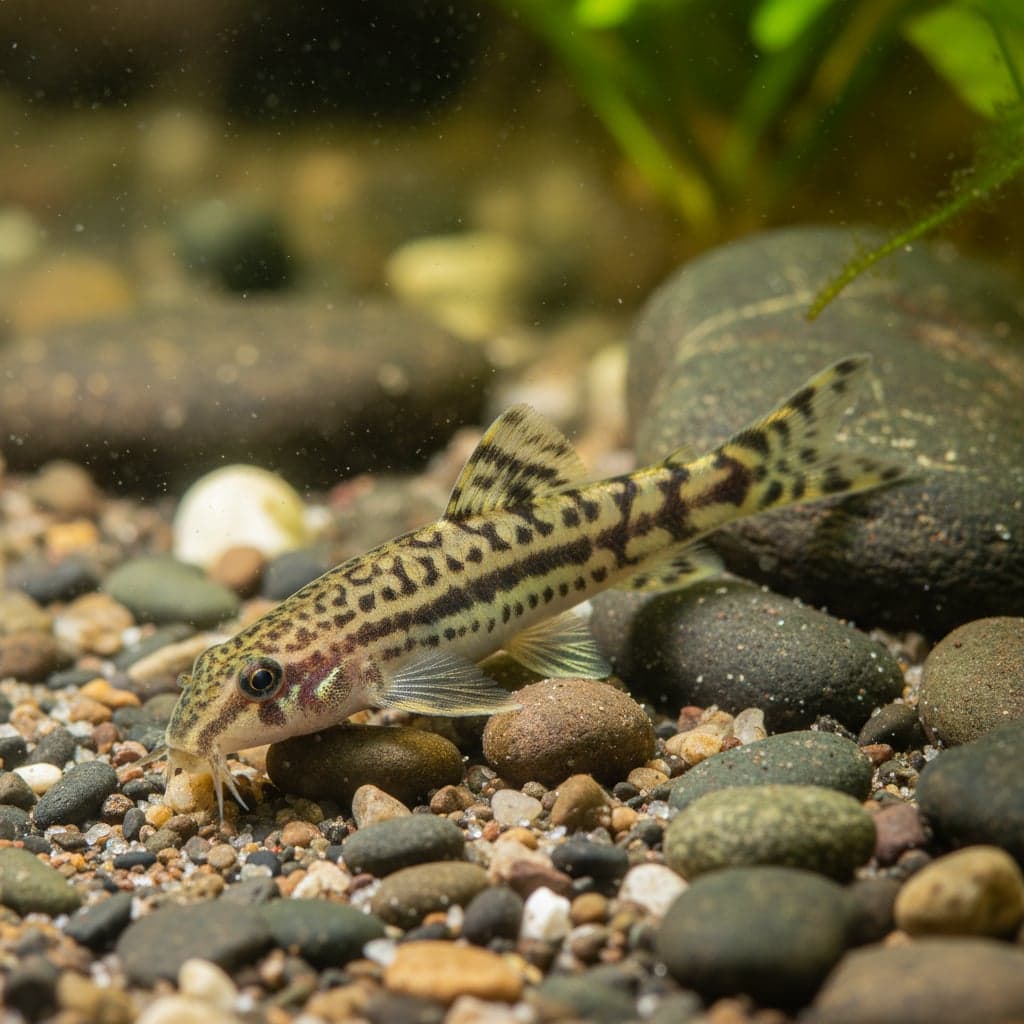
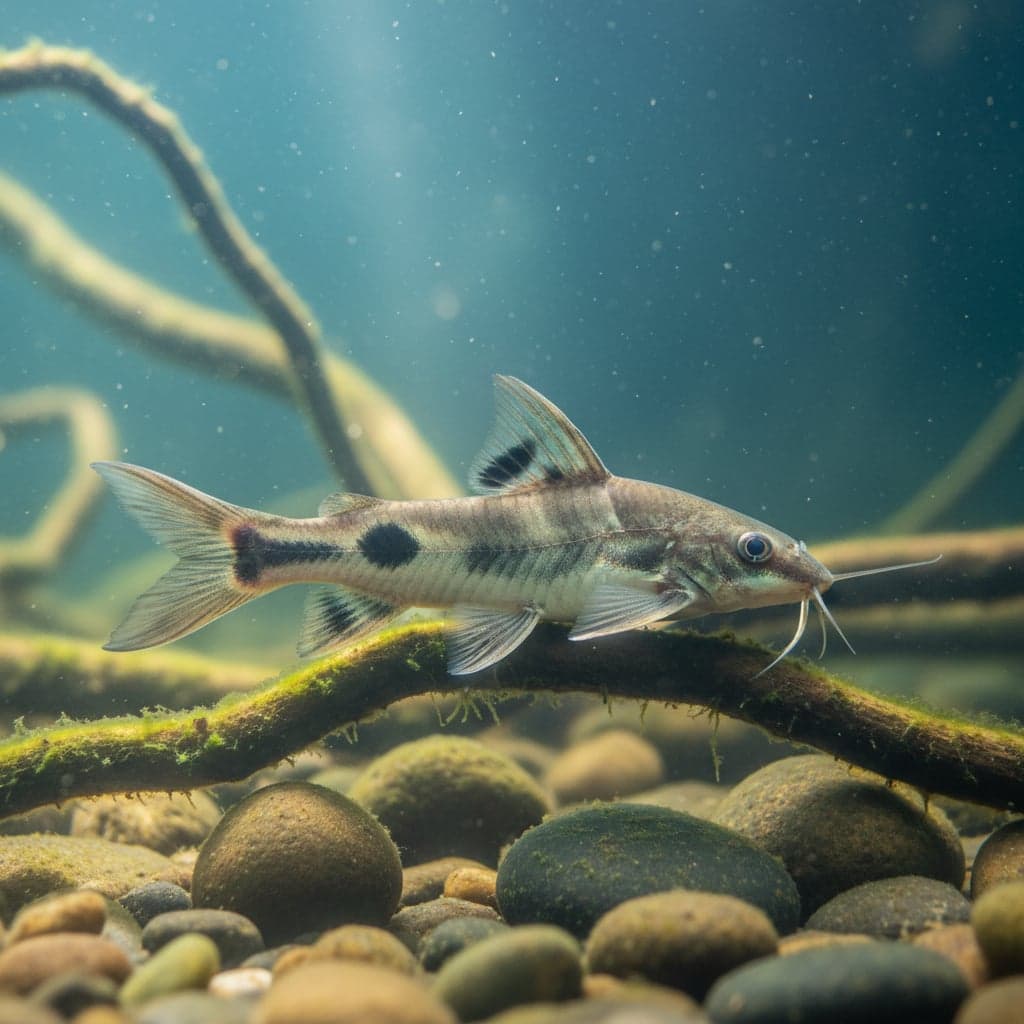
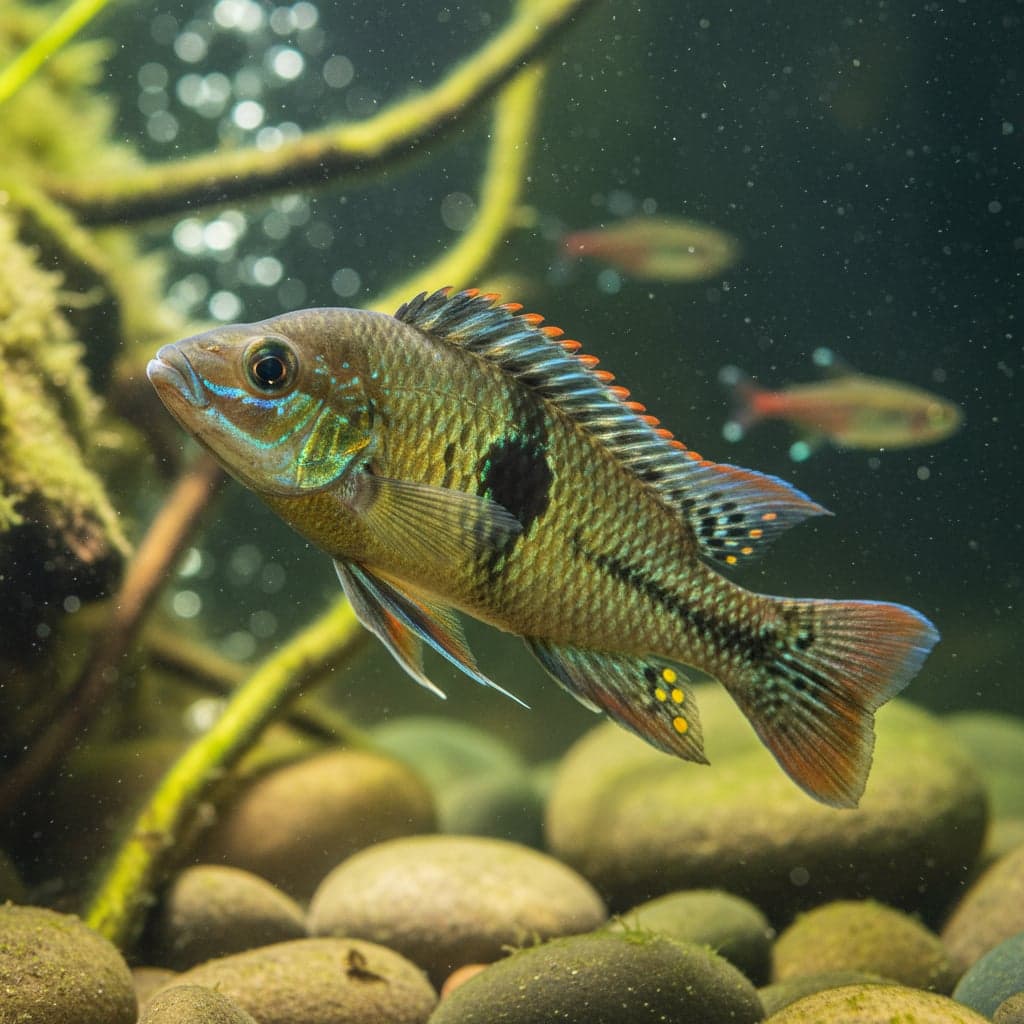
Tri-Band Sumo Loach: Schistura ataranensis
An 8cm banded stream loach, territorial with its own kind. Needs cool, fast, oxygen-rich water and plenty of broken sightlines.
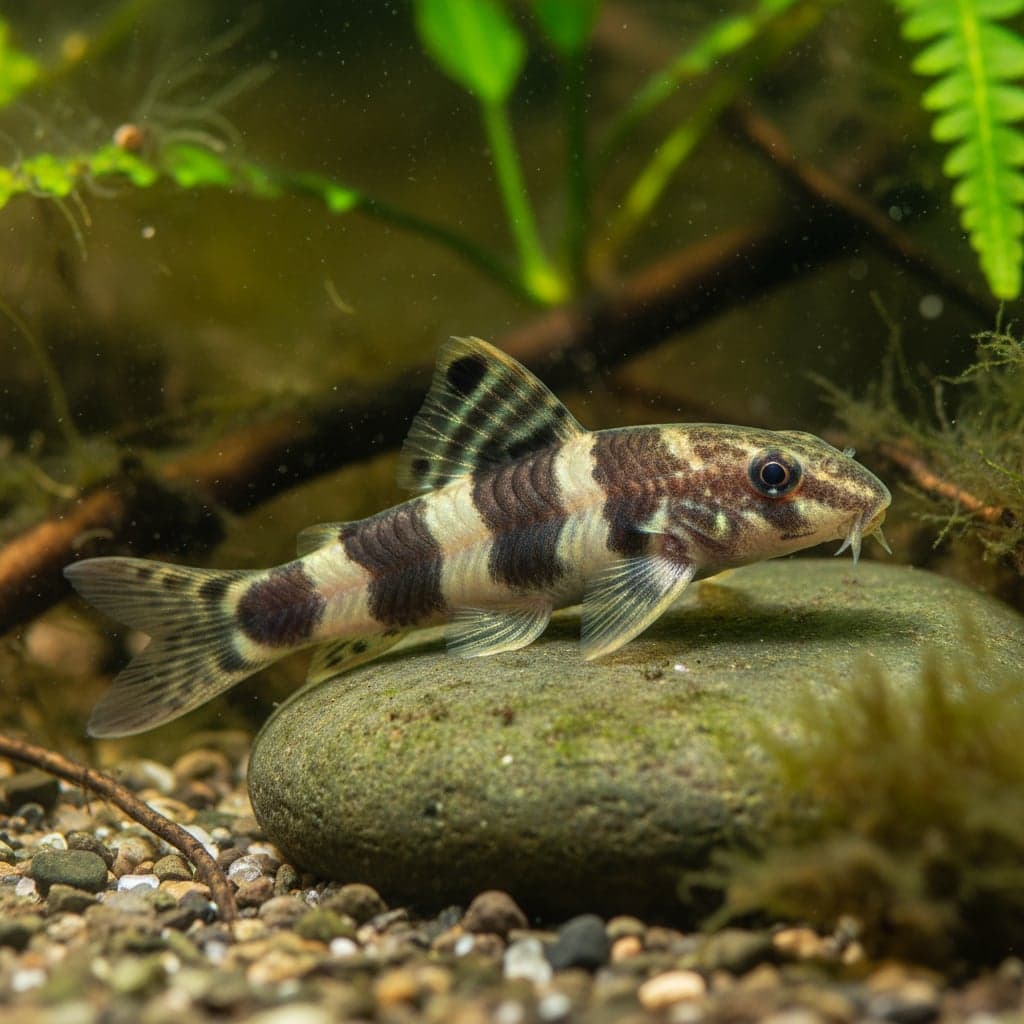
Tri-Band Sumo Loach
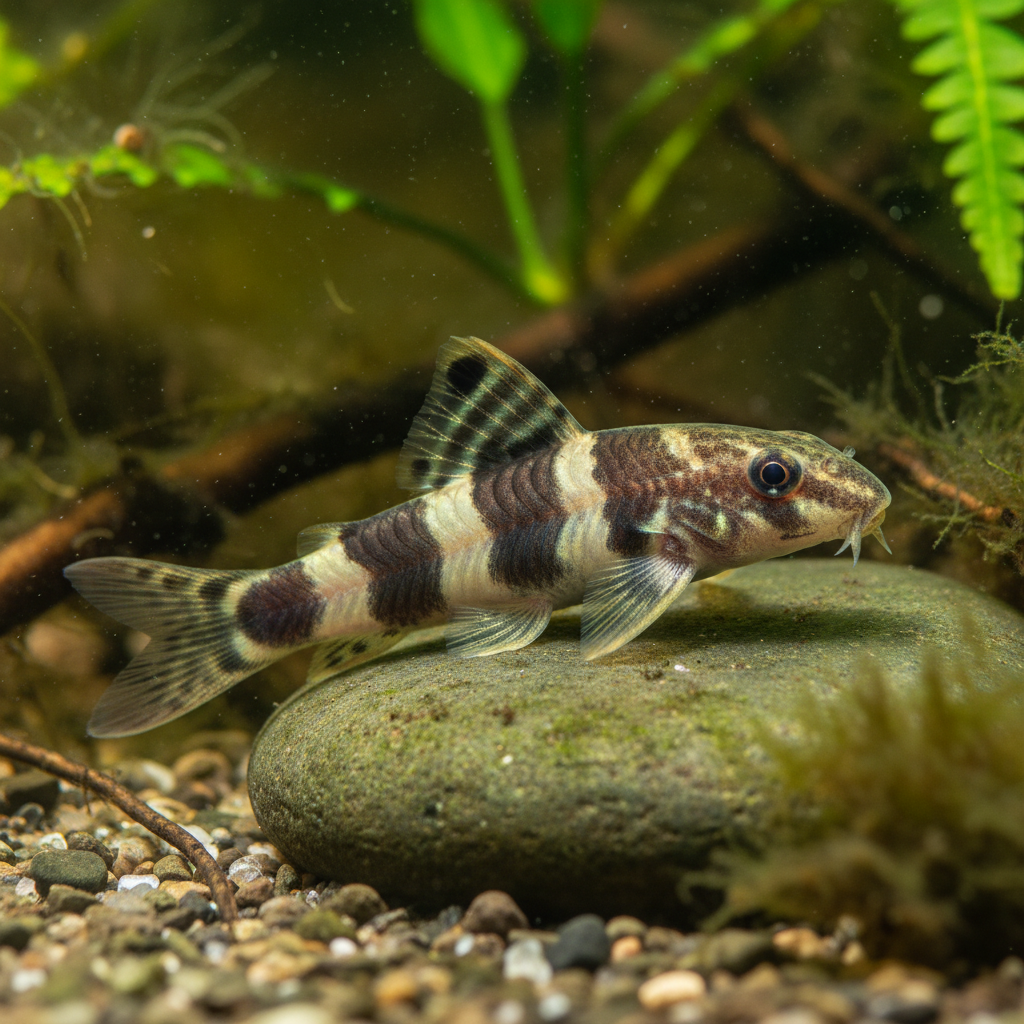
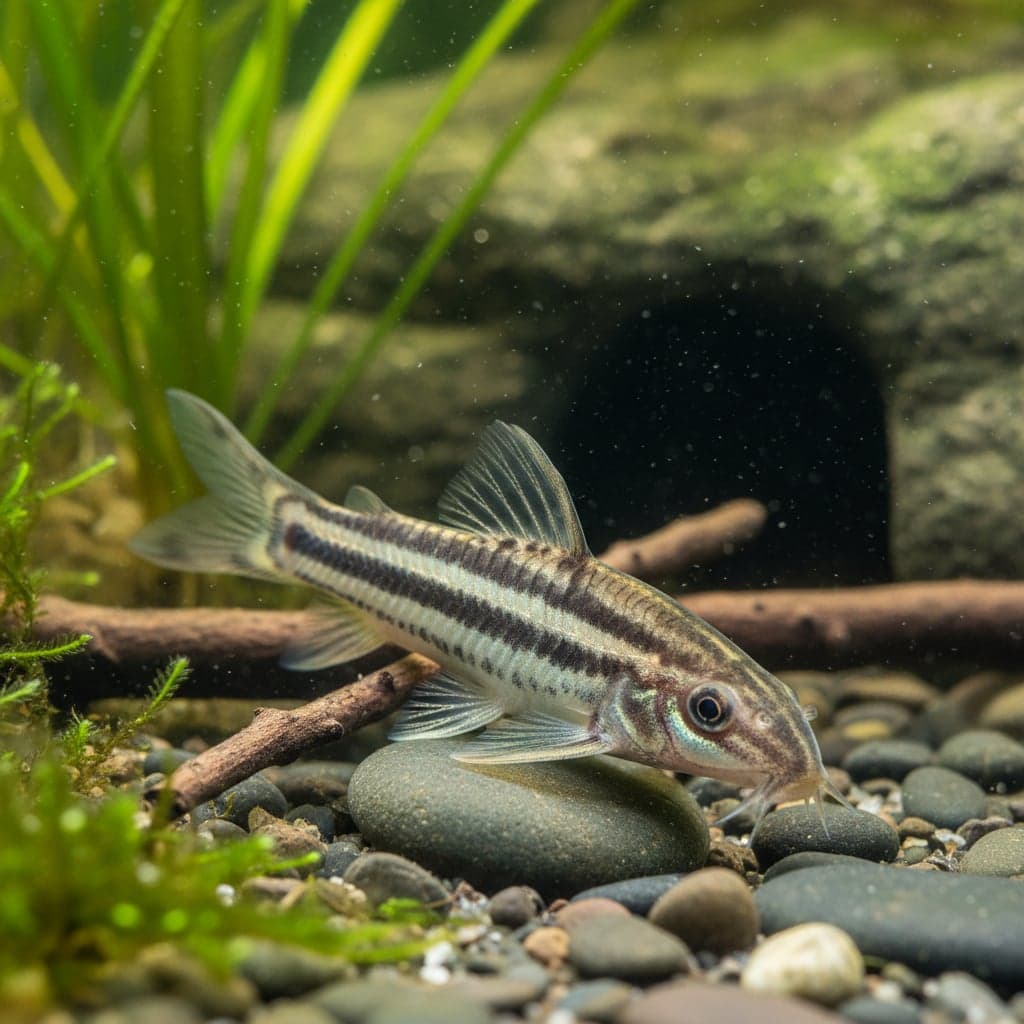
The Tri-Band Sumo Loach, scientifically known as Schistura ataranensis, is a captivating freshwater fish that has gained popularity among aquarium enthusiasts for both its striking appearance and fascinating behavior. This species is characterized by its elongated body adorned with three distinct horizontal bands that provide a stunning visual effect in the aquarium. The colors of the Tri-Band Sumo Loach can vary, typically showcasing shades of brown and yellow, which allows them to blend seamlessly with their environment. Their dynamic swimming style and playful nature make them a delightful addition to community tanks, as they are known to engage in various activities such as burrowing and exploring their surroundings.
In the aquarium hobby, the Tri-Band Sumo Loach is not only valued for its aesthetics but also for its unique personality. Often seen patrolling the bottom of the tank, this species exhibits a quirky and inquisitive behavior that endears it to fish keepers. Moreover, its peaceful disposition makes it an ideal candidate for community tanks, where it can thrive alongside various other species. As a lesser-known loach, the Tri-Band Sumo Loach brings an exotic touch to freshwater setups while providing aquarists with a rewarding experience through its captivating antics and peaceful nature.
Natural Habitat & Origin
The Tri-Band Sumo Loach is native to the freshwater rivers and streams of Southeast Asia, specifically found in parts of Bhutan, Bangladesh, and North India. These regions are characterized by their diverse aquatic environments, where the loach inhabits clear, fast-flowing waters rich in vegetation and organic debris. The natural habitat often consists of rocky substrates, which provide ample hiding spaces for these fish to explore and seek refuge from potential predators.
The water conditions in which the Tri-Band Sumo Loach thrives are typically acidic to slightly alkaline, with a pH range of 6.0 to 7.5. The temperature of their natural habitat usually varies between 20°C to 25°C (68°F to 77°F), placing them in a temperate range that is conducive to their health and well-being. This fish prefers moderate to high water flow, which not only simulates its natural environment but also encourages natural behaviors such as foraging and swimming.
Care Requirements
To successfully keep the Tri-Band Sumo Loach, specific care requirements must be met regarding water parameters and tank setup. The ideal water conditions include a pH of 6.0 to 7.5, a temperature range of 20°C to 25°C (68°F to 77°F), and a hardness level of 5 to 15 dGH. Regular water changes and monitoring of these parameters will ensure optimal conditions for the welfare of the fish.
When setting up a tank for the Tri-Band Sumo Loach, it is recommended to use a spacious aquarium of at least 20 gallons to provide ample swimming and hiding spaces. The substrate should consist of fine gravel or sand, supplemented with rocks and driftwood to mimic their natural environment. The tank should be well-planted with live aquatic plants, providing both cover and foraging opportunities. Moderate lighting is recommended, replicating the dappled light of their native habitat, and a filter capable of maintaining a moderate water flow will cater to their preference for current.
Diet & Feeding
The Tri-Band Sumo Loach is an omnivorous fish, meaning its diet consists of a variety of food sources. In captivity, it thrives on a balanced diet that includes high-quality pellets and flakes specifically formulated for bottom feeders. Additionally, supplements of frozen or live foods such as bloodworms, brine shrimp, and daphnia can enhance their nutrition and stimulate natural foraging behaviors. It is essential to provide a varied diet to ensure optimal growth, coloration, and overall health.
Feeding should be done 2-3 times a day in small portions, allowing for a short feeding window to ensure that all food is consumed and to prevent water quality issues. A diet rich in protein will support growth and vitality, while plant-based foods contribute to digestive health. Owners should also observe individual feeding preferences, as some fish may exhibit stronger inclinations toward certain food types.
Behavior & Temperament
The Tri-Band Sumo Loach is known for its peaceful disposition and playful nature, making it an excellent addition to a community aquarium. These fish are typically social animals and can be kept alone or in small groups; however, keeping them in groups of three or more is advisable to promote natural schooling behavior. They are primarily bottom-dwellers and prefer to spend their time foraging in the substrate for food or hiding among rocks and plants.
While generally non-aggressive, the Tri-Band Sumo Loach may display some territorial behavior, especially among males, during breeding periods or when establishing a hierarchy. They thrive best in environments that offer plenty of hiding spots and spaces to explore. Their tendency to be most active during dawn and dusk recommends placing them lower in the tank, where they can comfortably engage with their environment.
Tank Mates
Choosing compatible tank mates for the Tri-Band Sumo Loach is crucial for creating a harmonious community aquarium. Compatible species include smaller, peaceful fish such as tetras, rasboras, danios, and certain dwarf cichlids. Additionally, other bottom-dwellers such as otocinclus, kuhli loaches, and small catfish can coexist well with the Tri-Band Sumo Loach.
Species to avoid include aggressive fish like cichlids or larger fish that may view the loach as potential prey. Similarly, fast-swimming species that may compete for food and territory can create stress within the tank. It is essential to maintain careful observation of all inhabitants to ensure peaceful coexistence and to prevent territorial disputes.
Breeding
Breeding the Tri-Band Sumo Loach in captivity can be challenging due to its specific spawning requirements. Successful breeding typically occurs in mature community tanks where there is a stable environment and water quality. To induce spawning, it is advisable to create optimal conditions by providing slightly cooler water and maintaining a pH between 6.5 and 7.0.
During the breeding process, males will display courtship behaviors such as chasing and nudging potential females. Once a female is ready to spawn, she will lay eggs near vegetation or substrate, typically in the early morning hours. After spawning, the parents should be removed from the breeding area to protect the eggs from predation. Depending on the water temperature, eggs can hatch within 24 to 48 hours, and fry should be fed infusoria or finely crushed flakes until they are large enough to eat regular food.
Common Health Issues
Like all aquatic animals, Tri-Band Sumo Loaches may be susceptible to several health issues, particularly if environmental conditions are not optimal. Common diseases include ich (white spot disease), velvet disease, and various parasitic infections. Proper tank maintenance, including regular water changes and efficient filtration, is essential in preventing disease outbreaks.
Preventative measures should include quarantine procedures for new arrivals to minimize the risk of introducing pathogens. Monitoring fish behavior and appearance can also help detect issues early. In case of illness, prompt treatment with appropriate medication, as well as isolation of affected fish, can safeguard the overall health of the aquarium. Regular swimming and feeding activity, along with a balanced diet, contribute to the resilience of Tri-Band Sumo Loaches over the long term. Quarantine new arrivals, keep oxygen high with gentle flow, and avoid sharp substrates that can injure their undersides. A varied diet of sinking foods, algae wafers, and occasional live or frozen offerings supports immunity. Watch for white spots, clamped fins, lethargy, or loss of appetite, and treat promptly with loach-safe medications. Stable parameters, a secure lid, and a small group keep these active bottom-dwellers healthy and foraging confidently for years.