The Twig Catfish: Farlowella vittata
A delicate, stick-like catfish that blends perfectly with driftwood. Ideal for calm, planted aquariums with excellent water quality.
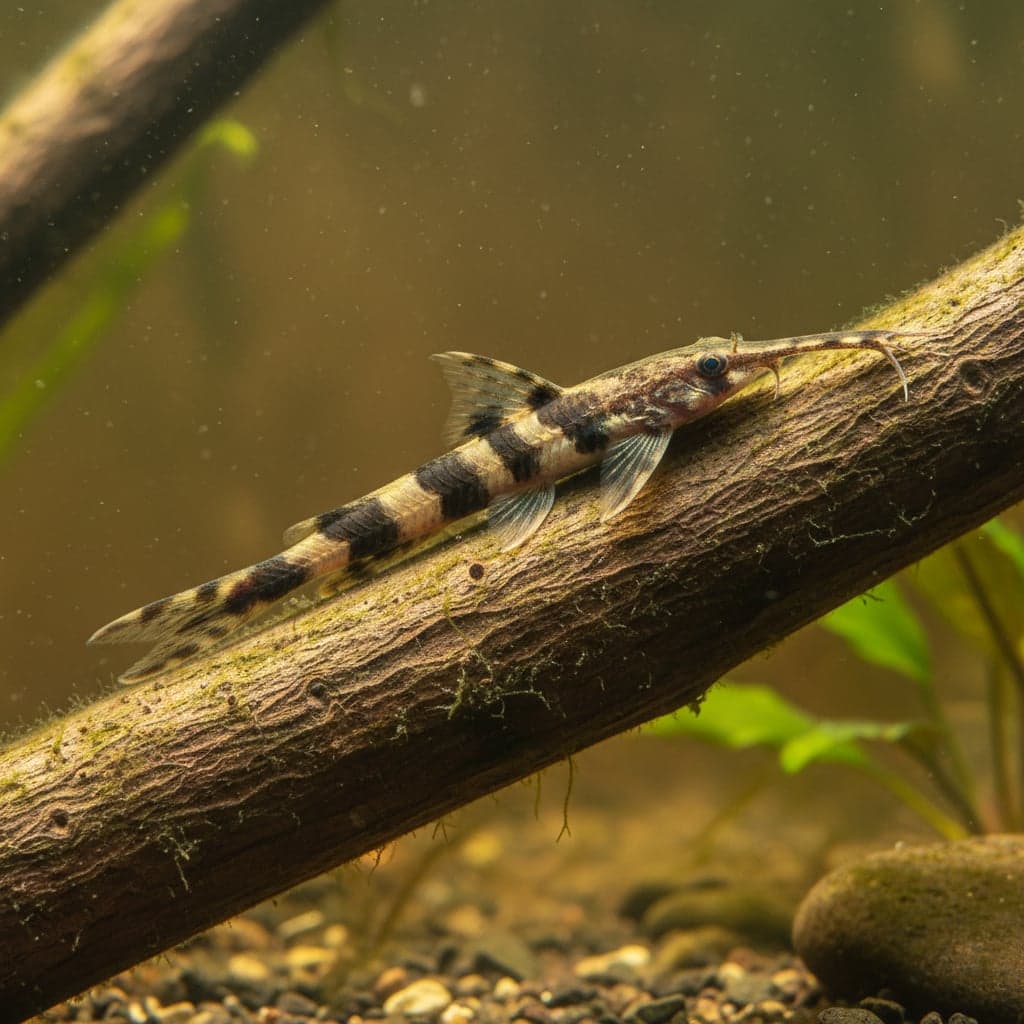
Twig Catfish
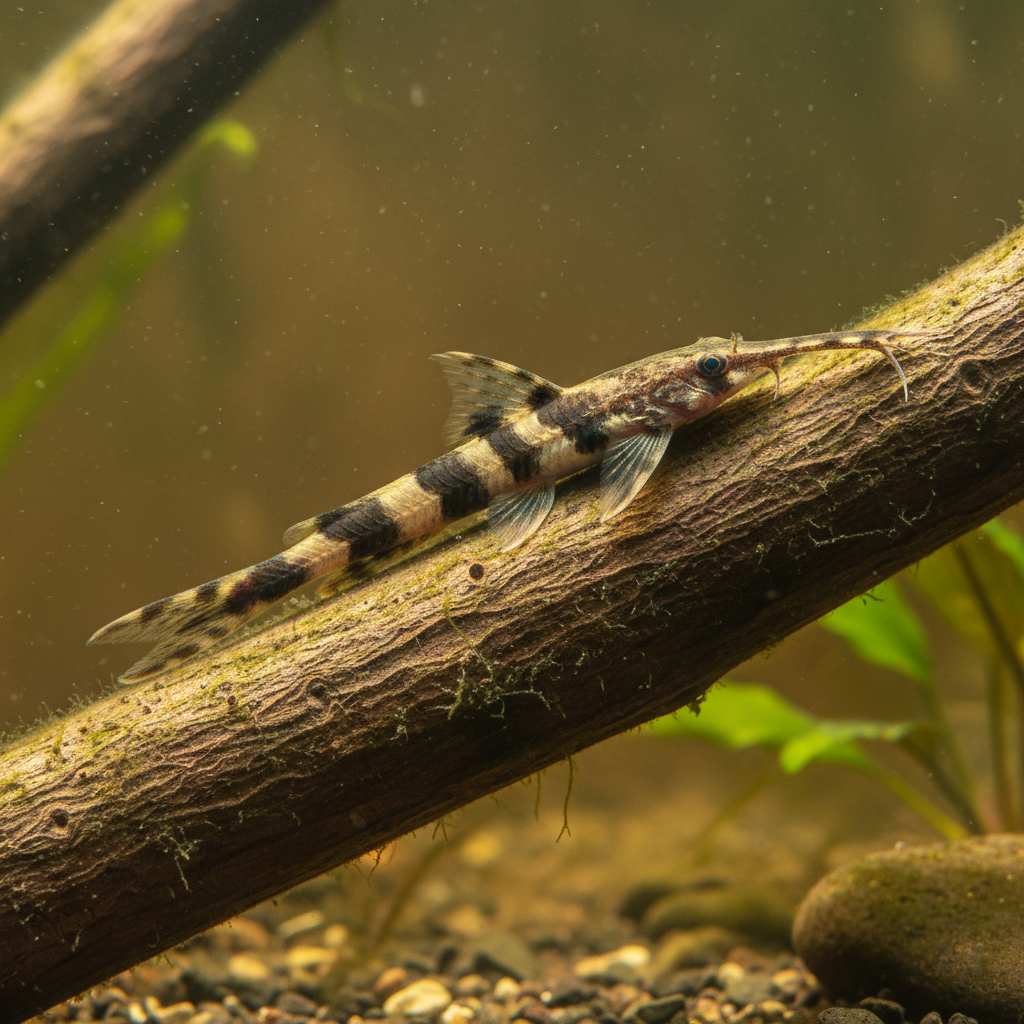
The Twig Catfish, scientifically known as Farlowella vittata, is a fascinating freshwater species that captivates fish enthusiasts and aquarists alike. Known for its remarkable elongated body and leaf-like appearance, it can easily be mistaken for a piece of driftwood placed in your aquarium. This unique mimicry serves both aesthetic and survival purposes, allowing it to blend seamlessly into its habitat, evading potential predators and offering a visual feast for aquarists. The Twig Catfish boasts a rich brown or greenish coloration with intricate patterns, enhancing its natural camouflage. Its appealing form and personality make it a favorite in well-planned aquascapes aimed at replicating its natural environment.
In the aquarium hobby, the Twig Catfish holds significant value, not only for its visual charm but also for its role in promoting a healthier aquatic ecosystem. These fish are excellent algae eaters and contribute to tank cleanliness by feasting on biofilms and algae while grazing on aquarium surfaces. Despite their understated beauty, they require specific conditions to thrive, making them a rewarding species for dedicated aquarists willing to meet their needs. Owning Twig Catfish can enhance the biodiversity of an aquarium, offering an appealing blend of aesthetics and ecological benefits.
Natural Habitat & Origin
Twig Catfish are native to the slow-moving waters of South America, primarily found in regions of the Amazon River Basin in countries like Brazil, Peru, and Colombia. These fish inhabit a variety of aquatic environments, including blackwater rivers, clear streams, and floodplain lagoons, where they thrive among dense vegetation and submerged debris. The waters in these habitats are typically soft and acidic, characterized by low light levels, abundant leaf litter, and the presence of decaying organic matter, creating a rich environment for fish like the Twig Catfish to flourish.
The Twig Catfish is adapted to the specific conditions of these environments. The blackwater rivers they inhabit are low in nutrients and have a unique, slightly acidic chemistry, resulting from high concentrations of tannins leached from decomposing organic matter. This provides an ideal backdrop for growing biofilm and algae, which constitute a significant part of the Twig Catfish's diet. Replicating these natural conditions in aquariums is crucial for the health and well-being of these unique fish.
Care Requirements
To provide optimal care for the Twig Catfish, specific water parameters are essential. The ideal pH range is between 6.0 to 7.5, with temperatures maintained between 24°C to 28°C (75°F to 82°F). The hardness of the water should be kept low, ideally around 2 to 10 dGH, simulating their natural, soft-water habitats effectively.
When setting up a habitat for the Twig Catfish, a minimum tank size of 75 liters (about 20 gallons) is recommended to accommodate their length and swimming habits. The substrate should be soft and sandy to minimize any potential harm to their delicate bodies. Providing a well-planted environment, filled with broad-leaved or floating vegetation, is key to mimicking their natural surroundings. Dim, subdued lighting helps create a comfortable setting while fostering an ecosystem for algae growth. Incorporating pieces of driftwood or ornaments that resemble the natural structure can offer additional hiding spots, essential for their stress-free existence.
Diet & Feeding
Twig Catfish are primarily herbivorous, but they also exhibit omnivorous tendencies, allowing them to consume a diverse array of food types. Their diet primarily consists of algae, biofilms, and plant matter found in their natural habitat. In captivity, it is crucial to provide varied nutrition to ensure their health and well-being. High-quality algae wafers, spirulina pellets, and blanched vegetables such as zucchini, spinach, or cucumber should be staples in their diet.
Frozen or live foods, including bloodworms and brine shrimp, can be offered as treats, providing the necessary protein to support their overall growth and health. It is advised to feed Twig Catfish small amounts multiple times a week rather than large feeds at once, as they tend to graze throughout the day. Maintaining a consistent feeding schedule helps in developing their natural foraging instincts while ensuring they receive the nutrients they need.
Behavior & Temperament
The Twig Catfish exhibits peaceful behavior and is generally non-aggressive, making them suitable for community tanks. They prefer a tranquil environment and can often be seen grazing on surfaces, blending seamlessly with their surroundings. Socially, Twig Catfish can be kept in small groups, although they are not strict schooling fish. They typically feel secure when kept in pairs or in a small group but will occasionally seek solitude, especially in well-planted aquariums.
Their behavior is fascinating as they tend to occupy different vertical zones within the tank. While they are bottom-dwellers, they may also dart to mid-level or even swim at the surface when prompted, especially during feeding times. Maintaining a peaceful environment minimizes stress and promotes more natural behaviors, where they can exhibit their unique traits undisturbed.
Tank Mates
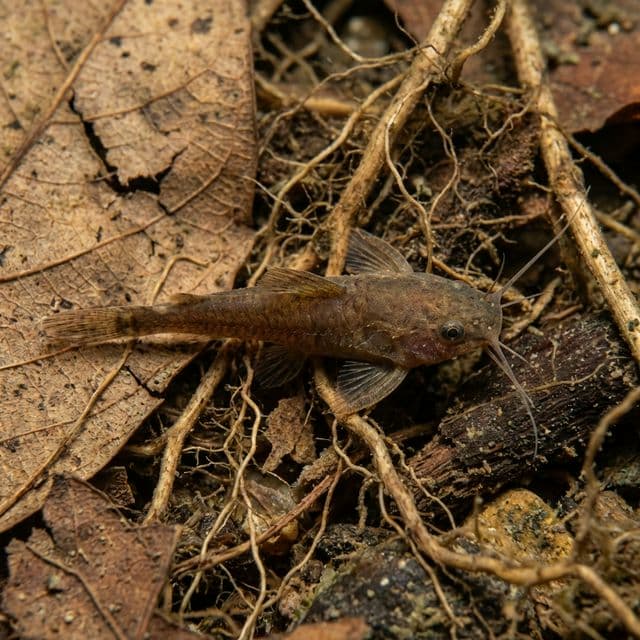
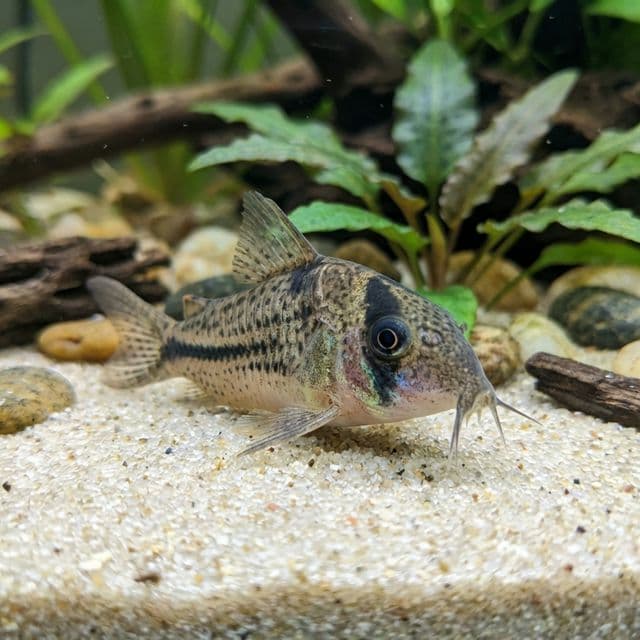
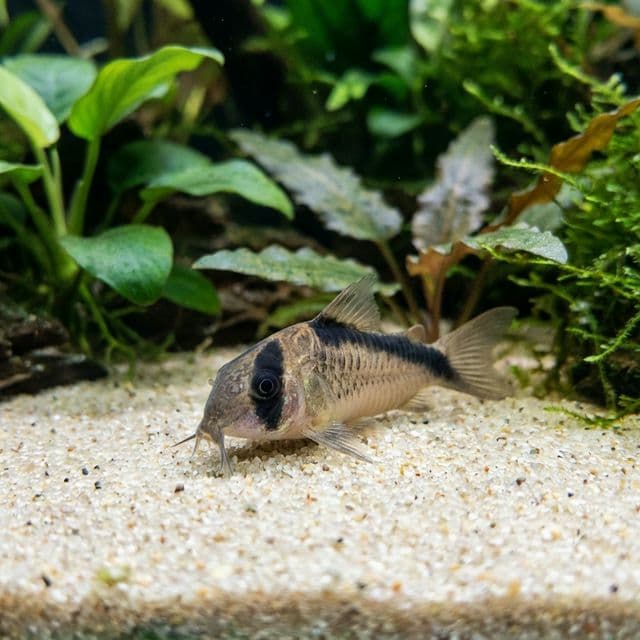
When selecting tank mates for the Twig Catfish, it’s crucial to choose peaceful species that thrive in similar water conditions. Suitable companions include tetras, rasboras, and peaceful dwarf cichlids, as well as other suitable catfish species like Corydoras. Avoid aggressive fish or large carnivorous species that may threaten the Twig Catfish or compete for resources.
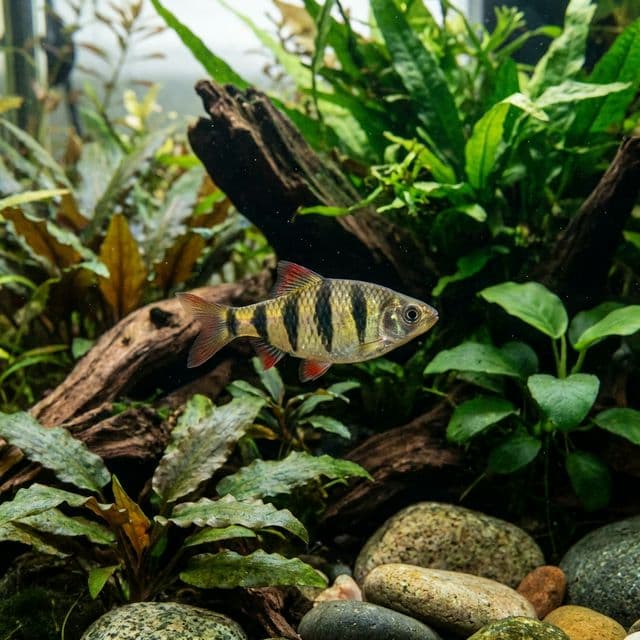
This includes avoiding tank mates like larger cichlids or aggressive barbs that can outcompete the Twig Catfish for food or territory. Ideally, a community setup should feature small to medium-sized fish, ensuring all inhabitants coexist harmoniously and meet the specific requirements for water chemistry, temperature, and habitat.
Breeding
Breeding Twig Catfish in captivity requires specific conditions and a suitable environment. While there is limited documentation on breeding this species, they are known to exhibit unique spawning behaviors typical of many catfish. When conditions are right, the female will lay eggs on smooth, vertical surfaces within the tank, usually during the early hours of the morning. The male often guards the eggs and remains with them until they hatch, which usually occurs within a few days.
To encourage breeding, provide ample hiding spots, smooth surfaces like flat stones or broad leaves, and replicate the soft, acidic water conditions typical of their natural surroundings. It's crucial to maintain optimal water quality, as healthy fry are sensitive to environmental changes. Once the eggs hatch, the fry should be fed infusoria or micron-sized foods until they grow large enough for more substantial feedings.
Common Health Issues
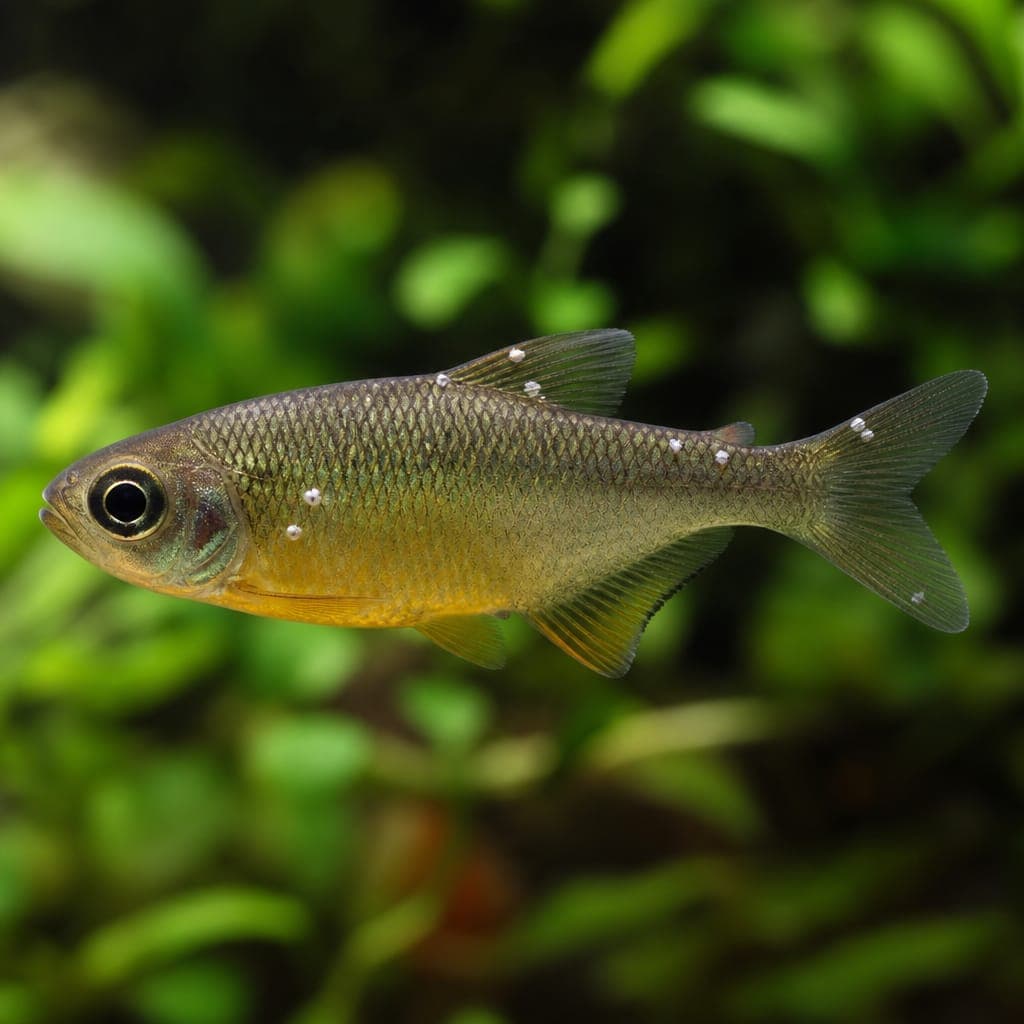
Though generally hardy fish, Twig Catfish can be susceptible to a few common health issues if not properly maintained. Ich (white spot disease) and fin rot are two primary concerns associated with stressful tank conditions or poor water quality. Maintaining a clean, stable environment through regular water changes and monitoring of phosphate levels is essential in preventing such diseases.
To prevent health issues, ensure that water parameters remain stable and within the recommended ranges. Observe your Twig Catfish for any signs of distress or illness, such as changes in behavior, loss of appetite, or physical abnormalities. Implementing preventive measures, including maintaining good hygiene and avoiding overcrowded conditions, will significantly contribute to the overall health and longevity of your Twig Catfish.