The Upside Down Catfish: Synodontis nigriventris
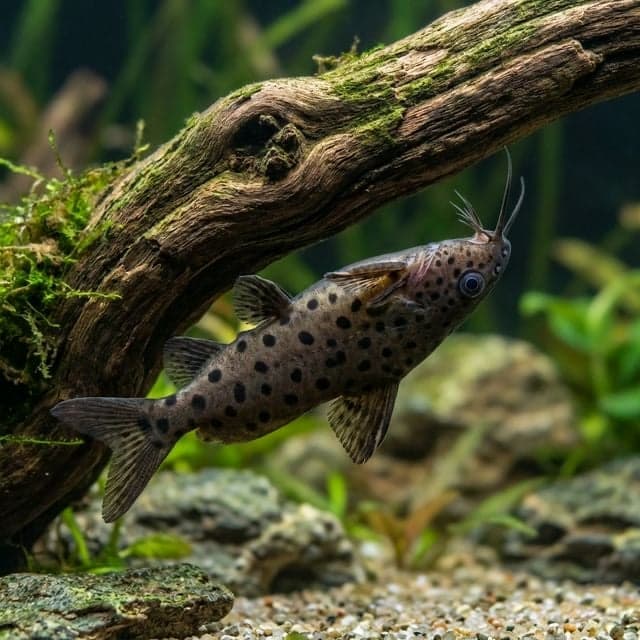
A quirky African catfish that spends almost its entire life swimming upside down to graze on the undersides of leaves and wood.
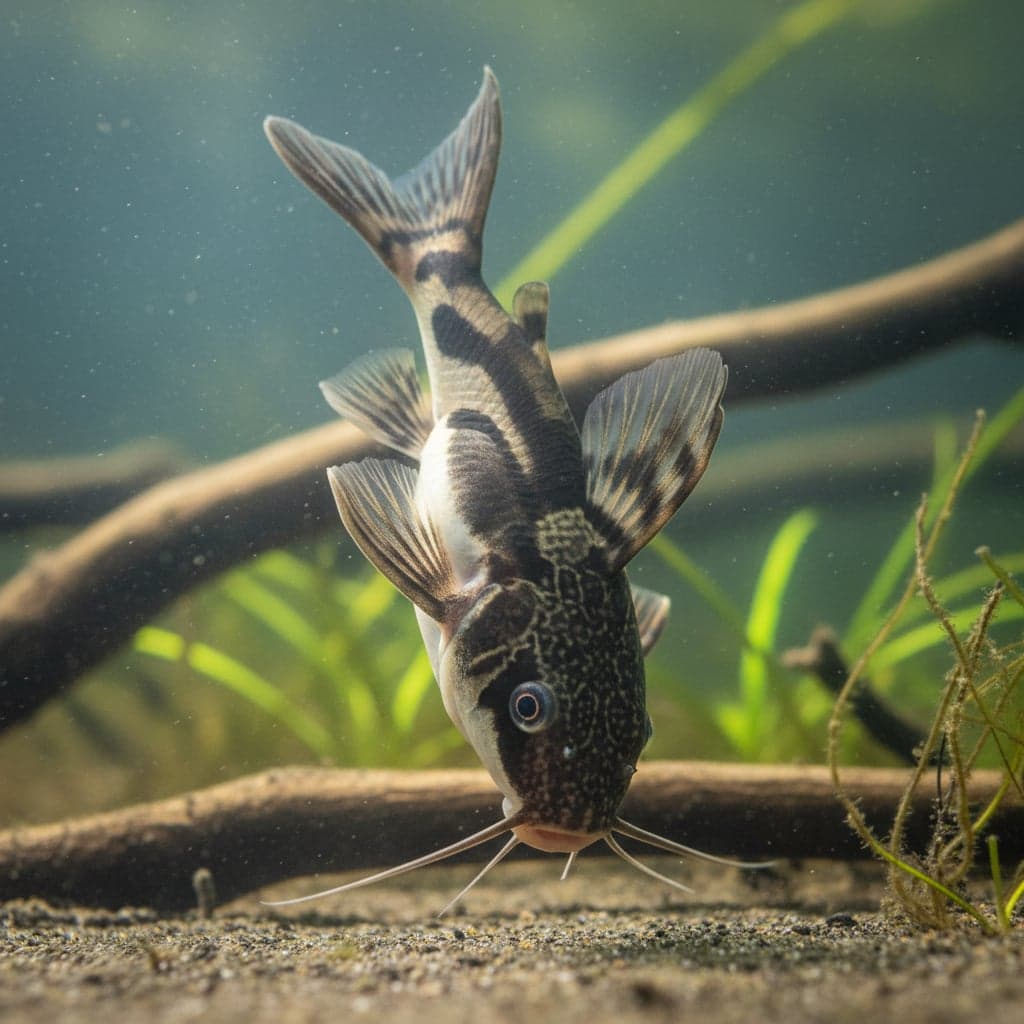
Upside Down Catfish
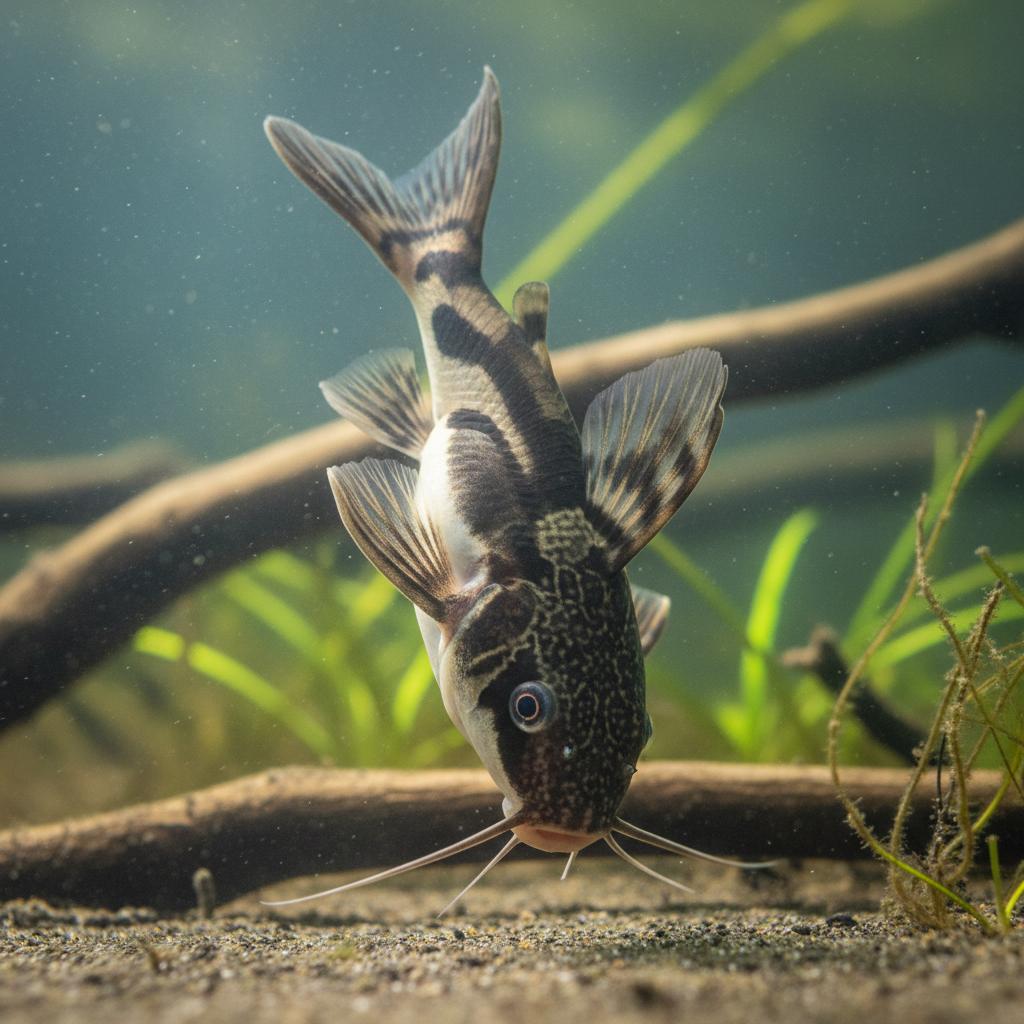
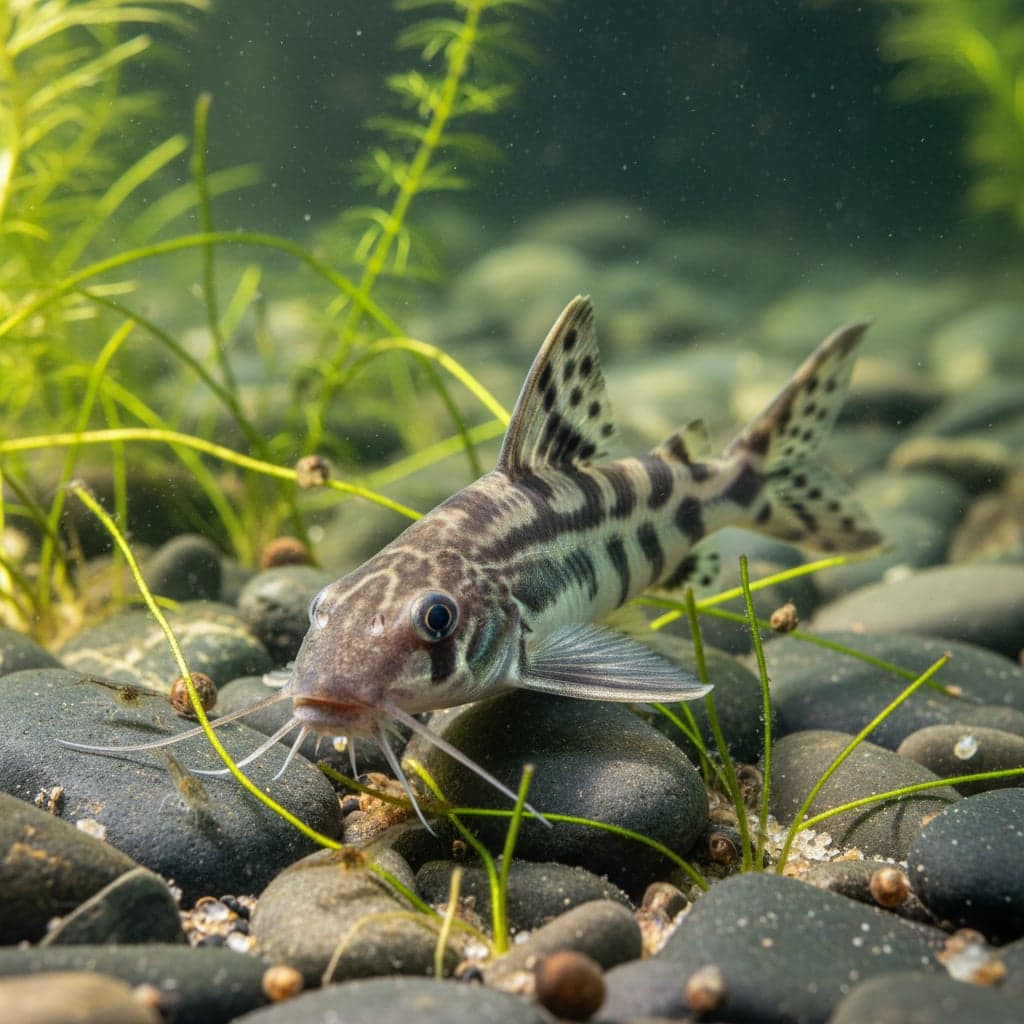
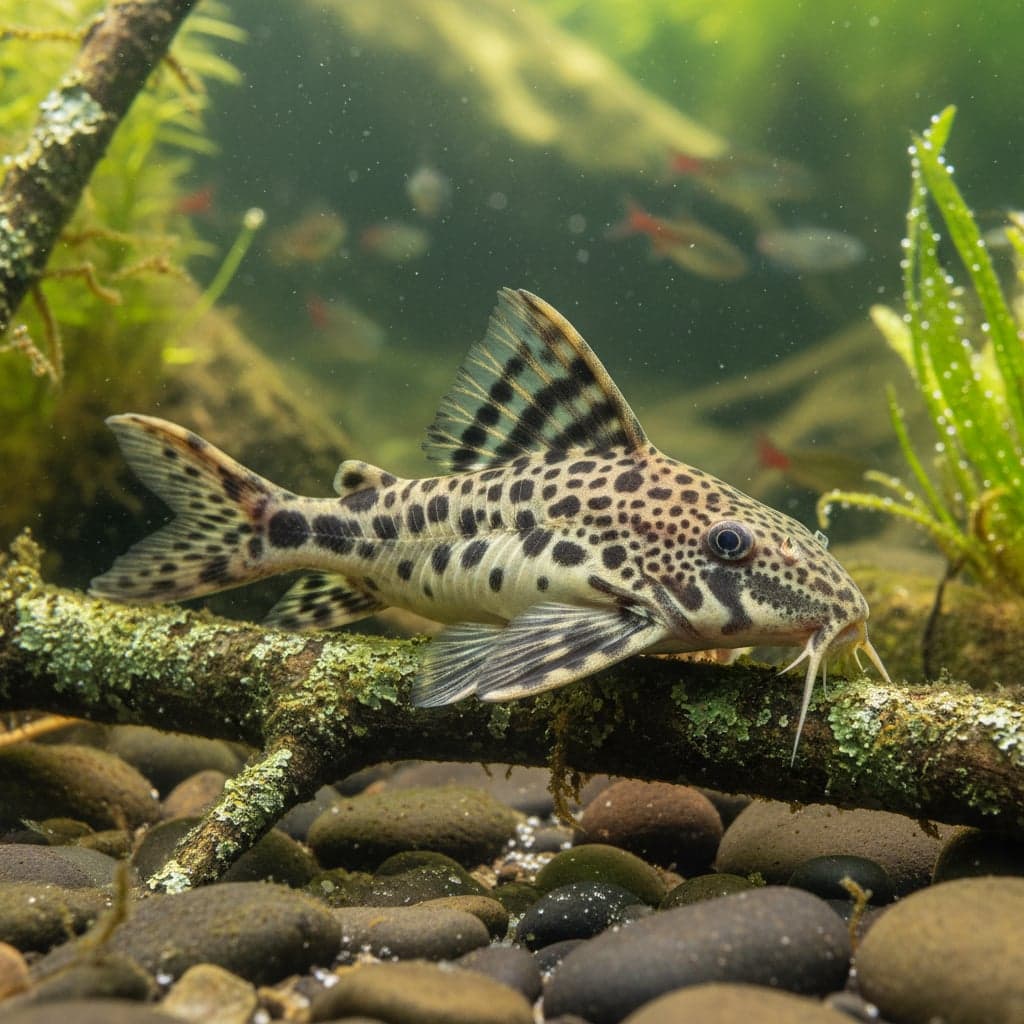
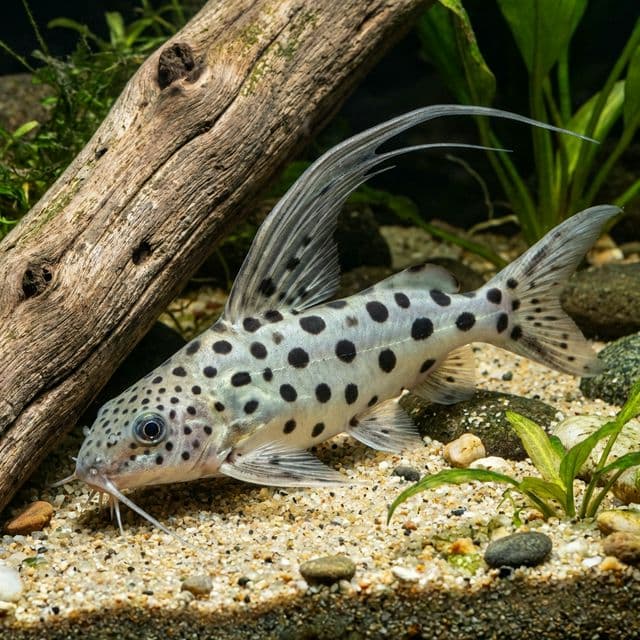
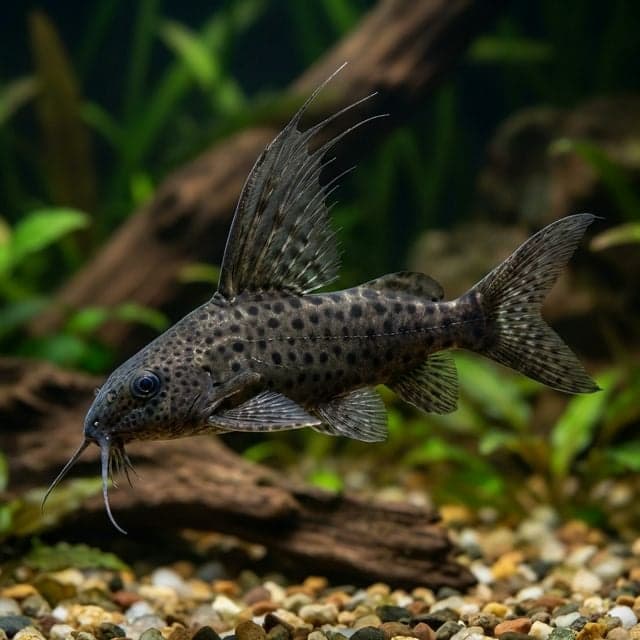
The Upside Down Catfish (Synodontis nigriventris) is a fascinating species that captivates aquarists worldwide with its unique behavior and striking appearance. This species exhibits a remarkable swimming style, often seen hanging upside down while it forages, which is how it gets its common name. With a pale body adorned with dark spots and a prominent, elongated dorsal fin, the Upside Down Catfish is both visually appealing and intriguing. Its nocturnal nature and playful antics make it a delightful addition to a community aquarium, appealing to both novice and experienced aquarists alike.
In the aquarium hobby, the Upside Down Catfish holds significant importance not only for its distinct look but also for its unique behavioral tendencies. Its ability to adapt to various environments makes it a versatile fish for many community tanks. Additionally, it plays a vital role in the ecosystem of the aquarium by scavenging leftover food and helping maintain cleanliness, showcasing the ecological contribution these fish can provide in a well-balanced aquarium setup.
Natural Habitat & Origin
The Upside Down Catfish is native to the Congo River Basin in Central Africa, particularly prevalent in the slow-moving rivers and floodplains. This region is characterized by its blackwater environments, which are filled with decaying plant matter and leaf litter, creating a dark and tannin-stained aquatic habitat. Typically found in areas with abundant hiding spots, such as submerged logs and thick vegetation, the fish is well adapted to the under-canopy conditions of its natural surroundings, contributing to its ability to thrive in similar aquarium setups.
In its native habitat, the Upside Down Catfish is commonly found in warm waters with stable conditions. The preference for slower moving waters with plenty of organic debris offers a glimpse into the care requirements they may need in captivity. It thrives in slightly acidic to neutral pH levels and warmth prevalent in tropical environments, ensuring that aquarists replicate these factors when establishing proper tank conditions.
Care Requirements
To successfully care for the Upside Down Catfish, a few essential water parameters should be considered. Ideal conditions include a pH range of 6.0 to 7.5, a temperature between 75°F to 82°F (approximately 24°C to 28°C), and moderate hardness between 2 to 15 dGH. The minimum recommended tank size for this species is 30 gallons, which allows ample space for swimming and hiding, thereby promoting their natural behaviors.
When setting up the tank, it's essential to incorporate a soft substrate, as these fish often forage at the bottom. A sandy or fine gravel base is ideal, as it mimics their natural environment. Additionally, providing plenty of hiding spots using driftwood, rocks, and dense aquatic vegetation enhances the catfish's comfort and security. Moderate lighting is recommended to create a peaceful atmosphere; dimming lights can mimic conditions found in their natural habitats.
Diet & Feeding
The Upside Down Catfish is primarily an omnivore but tends to lean toward carnivorous feeding behavior. In captivity, they thrive on a diverse diet, which can include high-quality sinking pellets, flakes, and a variety of live or frozen foods such as brine shrimp, bloodworms, and daphnia. These foods not only provide essential nutrients but also stimulate their natural foraging instincts. Regular feeding should be done in small amounts two to three times a day to prevent overfeeding, ensuring that food reaches the bottom of the tank for these opportunistic feeders.
Supplemental feeding with vegetable matter such as blanched zucchini or spinach can also be beneficial, as it helps in providing balanced nutrition. Ensuring a varied diet helps maintain the health and vibrancy of the Upside Down Catfish and further enhances its coloration and resilience in captivity.
Behavior & Temperament
Socially, the Upside Down Catfish is a peaceful and relatively easy-going fish. They are best kept in groups of at least three to five individuals, which encourages their natural schooling behavior and reduces stress. This species can often be found at various depths within the tank, frequently culminating in their signature upside-down swimming position that adds a unique visual dynamic to the aquarium.
While the Upside Down Catfish is generally non-aggressive, they may display territorial behavior if kept with similarly sized fish. Providing ample hiding spots and territories within the tank can help mitigate any skirmishes. Understanding their social structure is essential, and caretaker vigilance ensures all fish coexist peacefully.
Tank Mates
When selecting compatible tank mates for the Upside Down Catfish, consider peaceful species that thrive in similar water conditions. Some ideal tank mates include:
- Tetras (like Neon or Cardinal Tetras)
- Rasboras (including Harlequin Rasboras)
- Gouramis (such as Dwarf or Honey Gouramis)
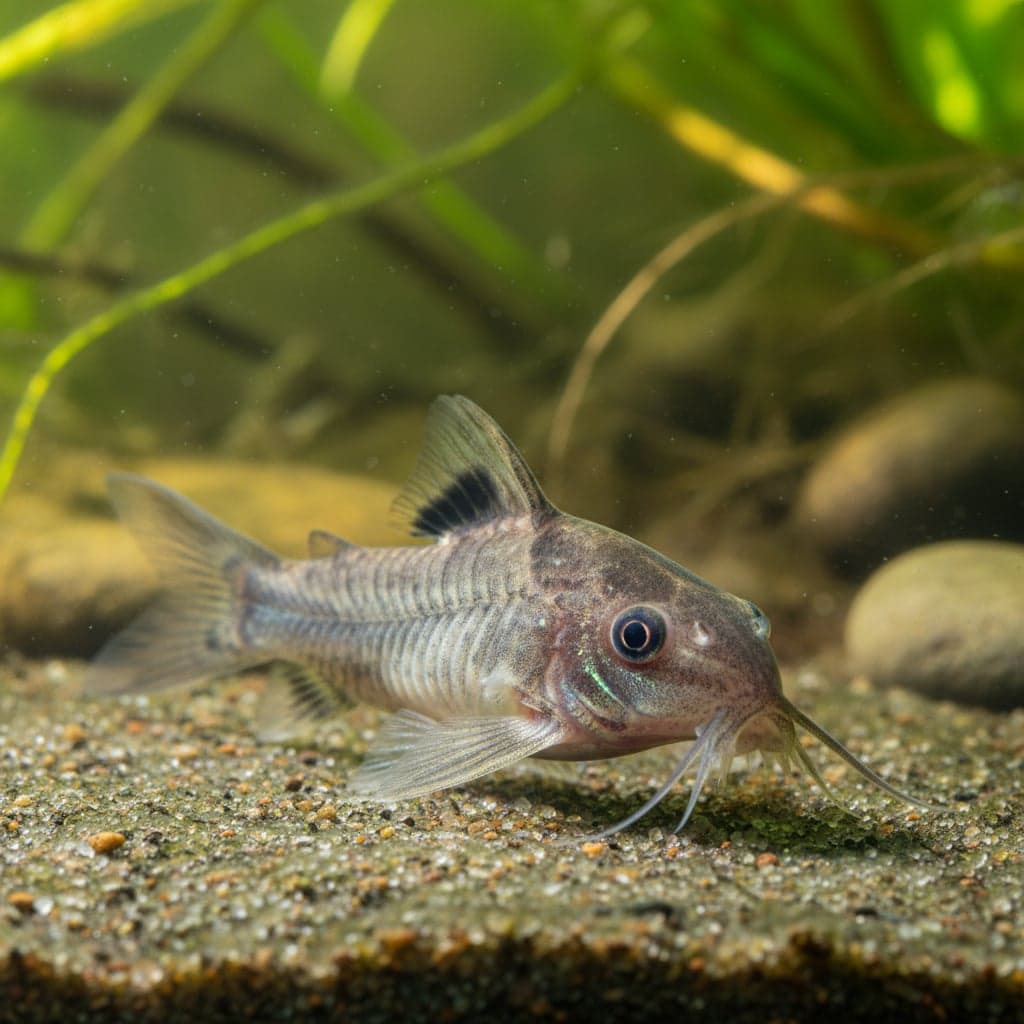
- Other catfish species (like Corydoras)
- Smaller species of barbs
It’s crucial to avoid keeping them with aggressive or overly large species, such as cichlids or larger barbs, which may threaten the timid nature of the Upside Down Catfish. Selecting appropriate tank mates ensures a communal environment where all species can thrive.
Breeding
Breeding the Upside Down Catfish in captivity can be more challenging due to their specific requirements. They exhibit egg-scattering behavior, usually spawning in groups during the night. For successful breeding, it's essential to provide a separate breeding tank with gentle water flow, and well-oxygenated water and keep parameters at ideal levels—helps mimic conditions that may induce spawning.
To encourage breeding, keep the males and females in groups and feed them a nutritious diet that enhances their overall health. At the right conditions, females will scatter eggs among the plants or substrate, which must be removed to prevent predation. A dark environment and soft substrate can facilitate effective breeding, though raising fry from this species can require extra care and attention to ensure their survival and growth.
Common Health Issues
The Upside Down Catfish is generally a hardy species, but it can still be prone to common aquarium diseases such as ich, fin rot, and bacterial infections. Regular water condition monitoring is crucial; maintaining optimal water parameters is essential to avoid stress-related diseases. Ensuring a clean tank with regular water changes will significantly reduce the likelihood of these issues arising.
Additionally, avoid sudden changes in water temperature or pH, as abrupt shifts can lead to health complications. Observing and identifying any signs of illness early—such as changes in appetite, abnormal swimming behavior, or deterioration of body condition—is critical for timely intervention and effective treatment. Regular health checks can contribute to the overall well-being of the Upside Down Catfish, keeping them vibrant and full of life in their aquarium environment.