Valentini Pufferfish
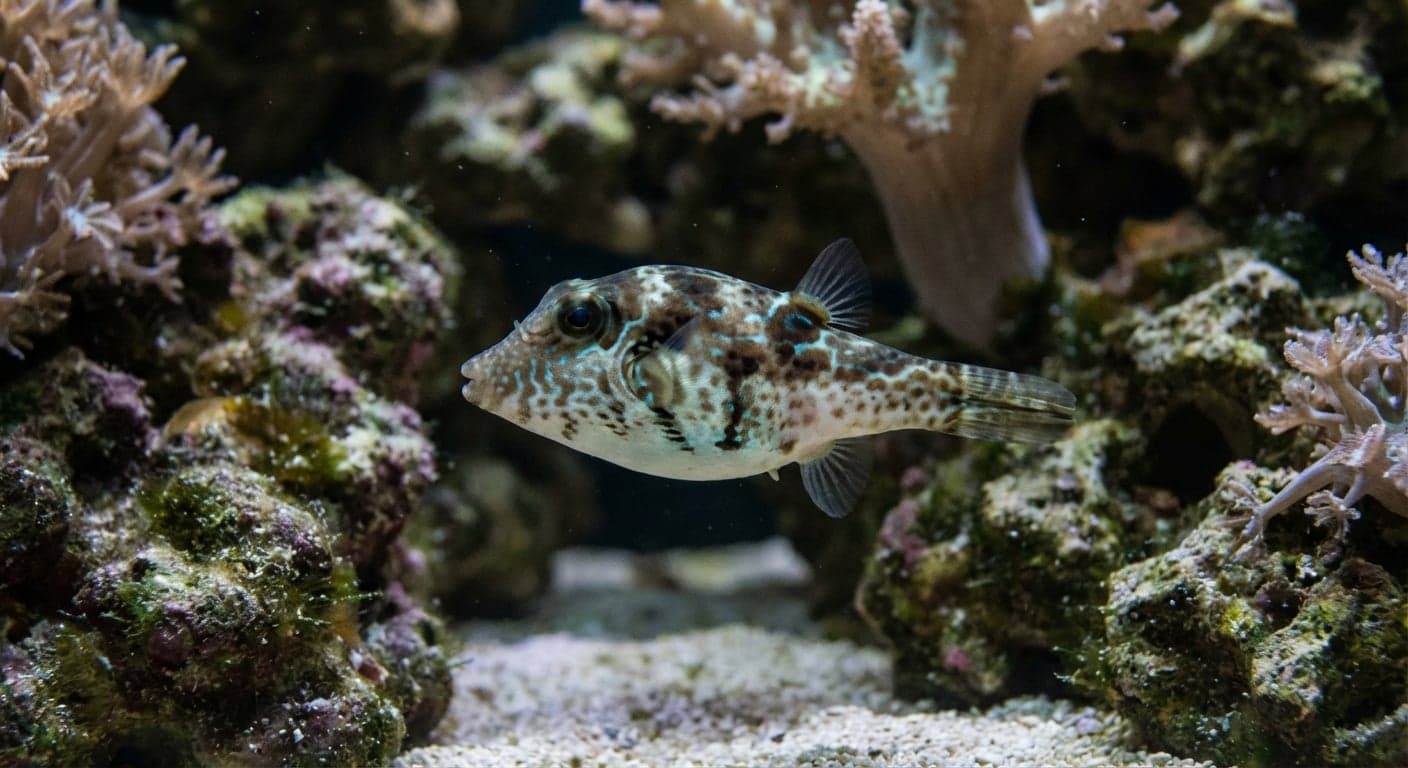
An 11cm toby that nips fins, corals and clams with equal enthusiasm. Full of character, and not remotely reef safe.
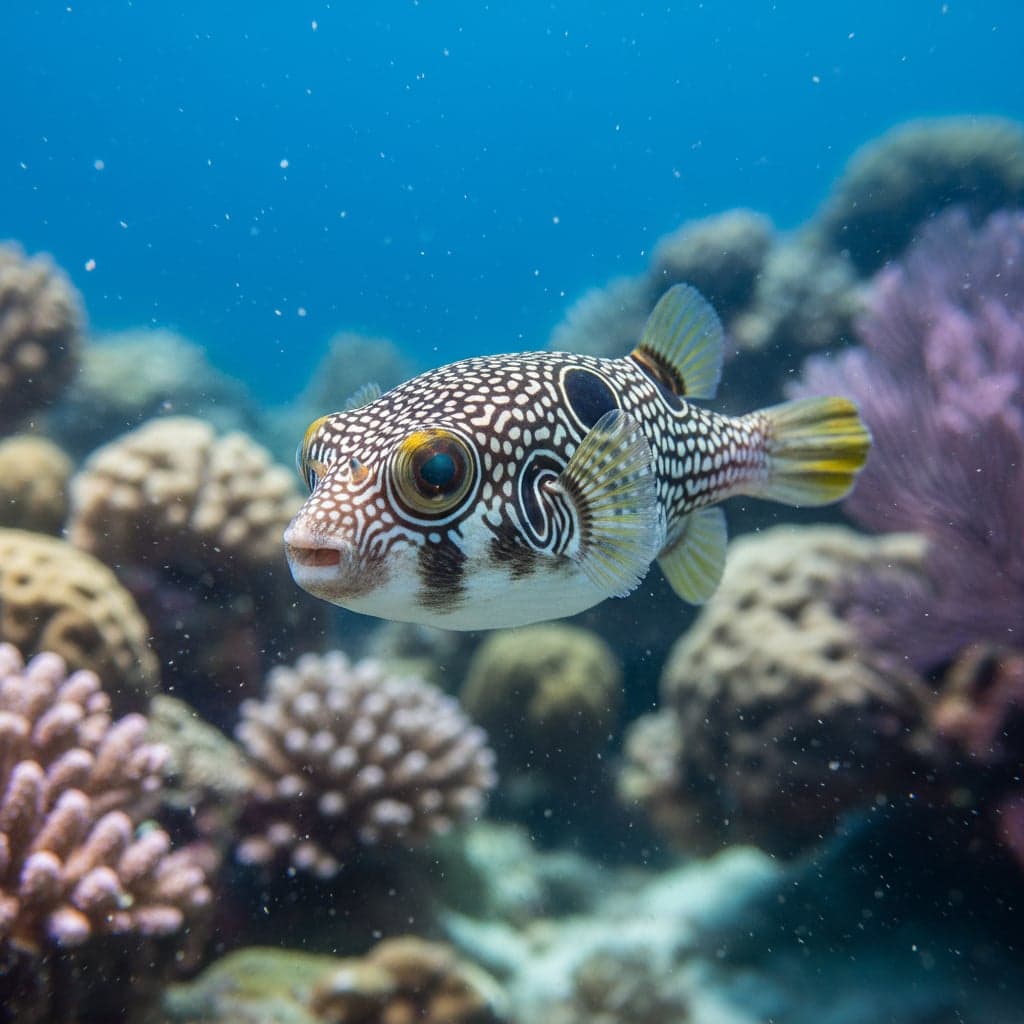
Valentini Pufferfish
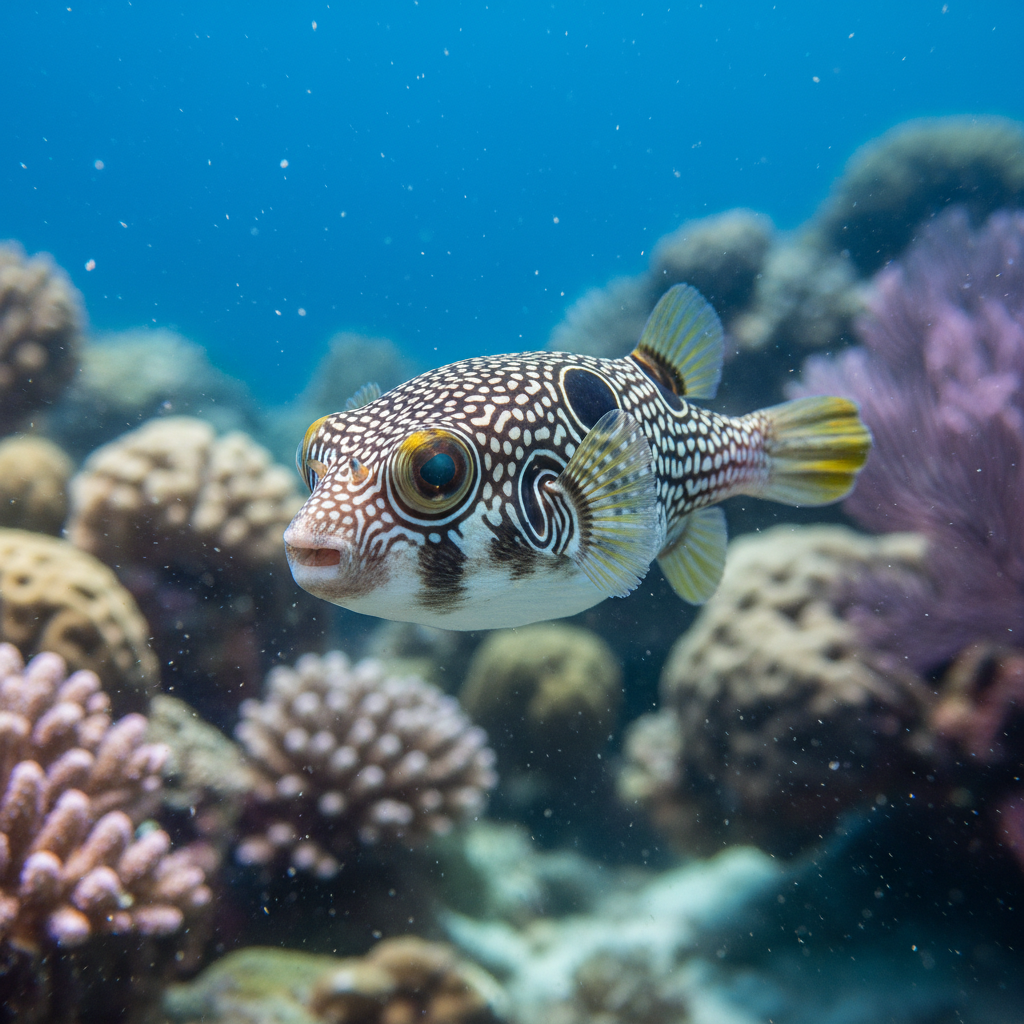
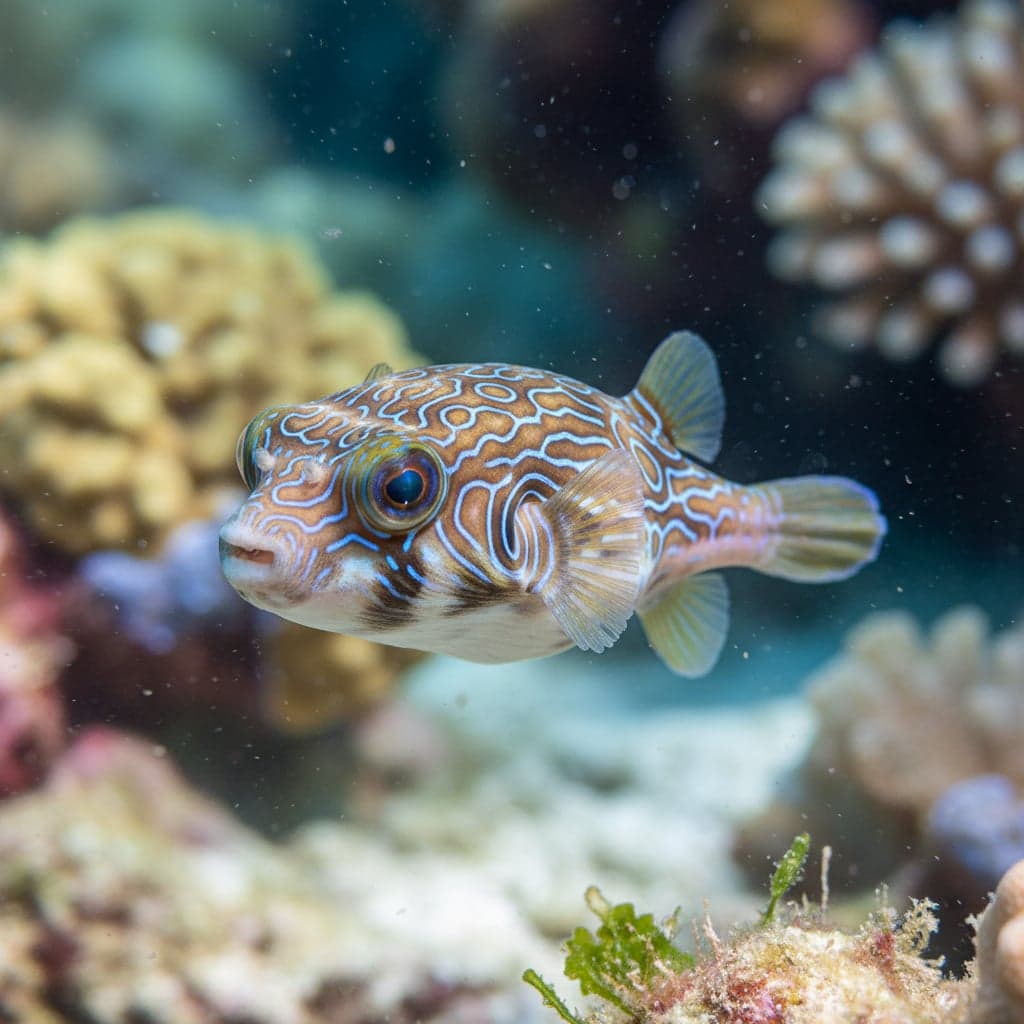
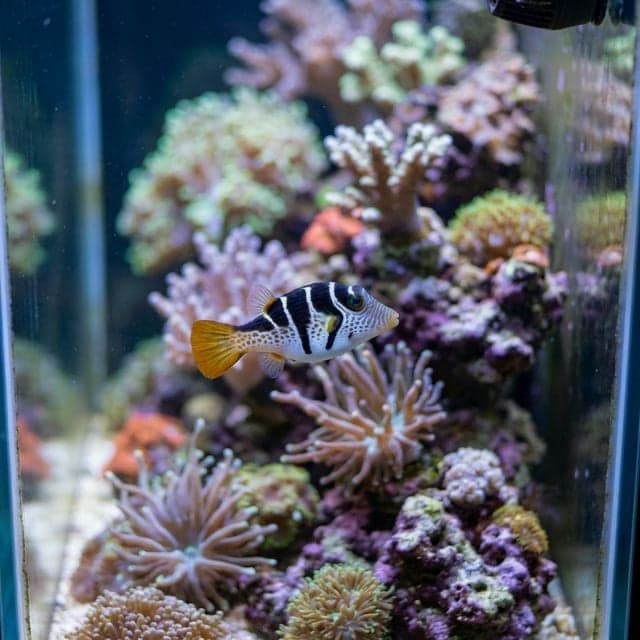
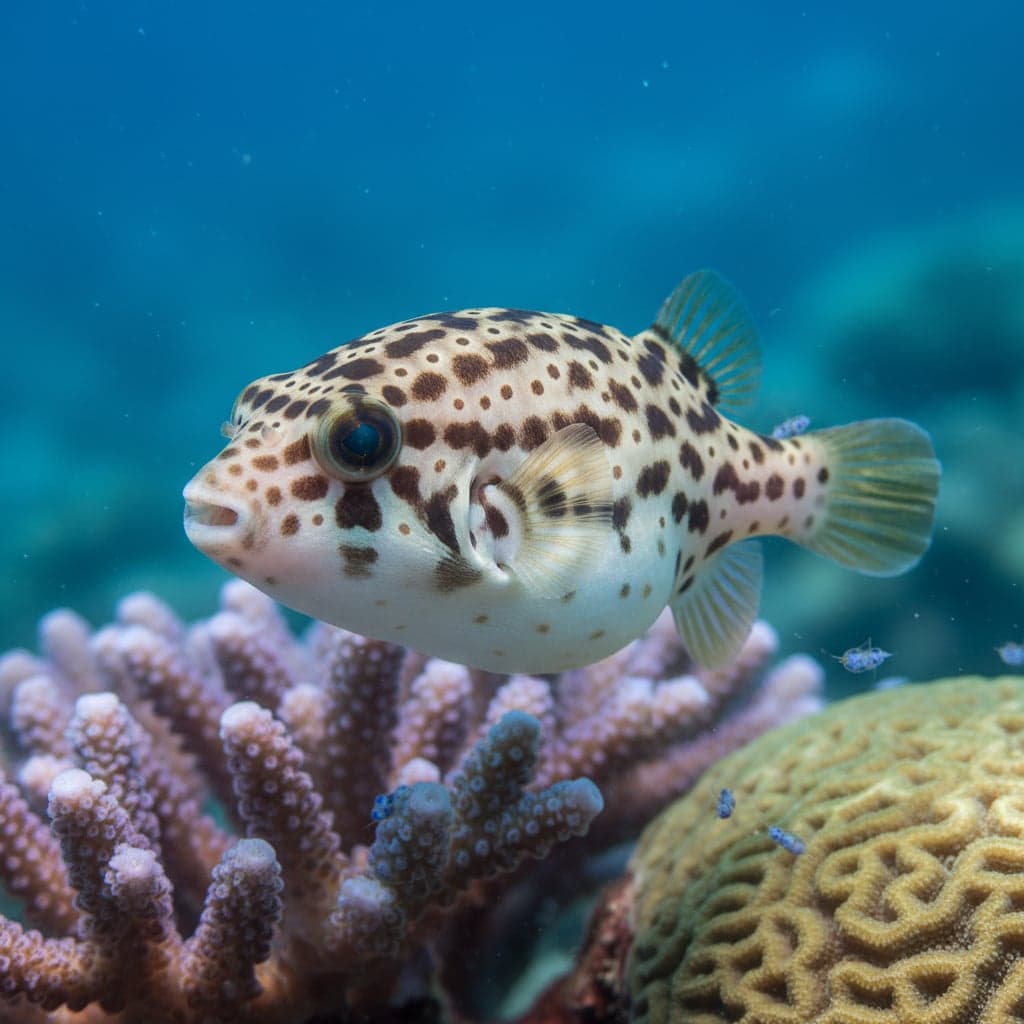
The Valentini Pufferfish, scientifically known as Tetraodon spp., is a strikingly distinctive member of the Tetraodontidae family that captivates aquarists with its charming appearance and playful behavior. This small, freshwater pufferfish is primarily recognized for its unique round body, large eyes, and stunning pattern of bold black and yellow coloration. The presence of a beak-like mouth equipped with strong, fused teeth not only enhances its visual appeal but also signifies its feeding habits. With its vibrant colors and captivating patterns, the Valentini Pufferfish serves as a stunning centerpiece in any aquarium, attracting both novice and seasoned fish keepers alike.
The significance of the Valentini Pufferfish in the aquarium hobby extends beyond its appearance; it offers a glimpse into the unique behaviors and dietary needs of carnivorous fish. As a choice for aquarists willing to invest in specialized care, it challenges hobbyists to create a balanced ecosystem that caters specifically to its needs. The Valentini Pufferfish becomes not just another stock fish but a dynamic and engaging pet that showcases both the beauty of aquatic life and the responsibility of aquarist care.
Natural Habitat & Origin
Valentini Pufferfish are native to the warm, shallow waters of the Indo-Pacific region, particularly around Southeast Asia, including areas such as Indonesia and the Philippines. These fish primarily inhabit lagoons, reefs, and brackish waters, which provide a rich environment filled with hiding spots and diverse marine life. The waters in which they reside are predominantly clear, often characterized by sandy substrates and gentle currents that support a variety of flora and fauna. This natural habitat highlights the Valentini Pufferfish's adaptability and the necessity for an aquarium setup that mimics its native environments.
These fish thrive in a habitat where light penetrates the water column, allowing for the growth of algae and other organic materials that contribute to their dietary needs. Understanding their natural environment is crucial for aquarists who seek to recreate similar conditions in their tanks, ultimately enhancing the health and happiness of the Valentini Pufferfish.
Care Requirements
To ensure the Valentini Pufferfish thrives in captivity, it is essential to maintain specific water parameters. Ideal conditions include a pH level between 7.0 and 8.0, a temperature range of 75°F to 80°F (24°C to 27°C), and water hardness of 8 to 12 dGH. A minimum tank size of 120 litres (30 gallons) is recommended for this 11cm Canthigaster toby — enough swimming room for a nippy, territorial puffer without treating it like a large predator. For substrate, fine sand or smooth gravel is preferred to prevent any injury to the pufferfish's sensitive skin.
Creating a suitable environment also involves thoughtful tank design. Incorporating hiding spots using rocks, driftwood, and plants can help mimic a natural habitat, offering the Valentini Pufferfish security and stimulation. While these fish do not require intense lighting, a moderate level with floating plants can help diffuse light and create a shaded area for the fish to retreat. Regular water changes and maintenance will help maintain optimal water quality, crucial for the health of the Valentini Pufferfish in captivity.
Diet & Feeding
The Valentini Pufferfish is classified as an omnivore, though its diet leans heavily towards carnivorous preferences. In captivity, it thrives on a varied diet that includes high-quality pellets or flakes designed for carnivorous fish, along with occasional frozen or live foods such as brine shrimp, bloodworms, and snails. It is essential to provide a diet that promotes proper beak maintenance, as the pufferfish's teeth will continue to grow throughout its life. Incorporating hard-shelled foods like shellfish can help wear down the beak, preventing overgrowth and potential health issues.
Feeding should be conducted 2-3 times daily, with small portions to prevent overfeeding, as this species is prone to bloating. Care should be taken to avoid foods high in carbohydrates, as excessive intake can lead to health problems. By offering a diverse range of foods, aquarists can ensure their Valentini Pufferfish receives all the necessary nutrients for optimal growth and wellbeing.
Behavior & Temperament
The Valentini Pufferfish is known for its curious and interactive nature, often showcasing playful behaviors in their tanks. These fish exhibit slightly territorial tendencies, especially when acclimating to new environments. While they are generally peaceful towards other fish, potential aggression can arise if they feel threatened or during feeding time. It is recommended to observe their behavior closely, especially in community tanks, to ensure a harmonious living environment.
In terms of vertical placement within the tank, Valentini Pufferfish typically inhabit the mid to upper water column, although they can often be seen exploring the substrate as well. Their inquisitive nature leads them to investigate caves and crevices, making a well-structured aquarium vital for their stimulation and comfort.
Tank Mates
Selecting appropriate tank mates for the Valentini Pufferfish is crucial to maintain a harmonious aquarium environment. Generally, it is advisable to house them with larger, semi-aggressive species that can handle a bit of assertiveness. Compatible species include larger tetras, rasboras, and certain species of catfish, such as the Bristlenose Pleco. The inclusion of invertebrates, including ghost shrimp or certain snails, may be acceptable, but caution is required as these fish can see smaller add-ons as food.
Conversely, it is essential to avoid keeping Valentini Pufferfish with small or peaceful fish, such as neon tetras or guppies, as they may become targets for aggression or predation. Additionally, avoid housing them alongside other pufferfish species due to territorial disputes. By choosing appropriate tank mates, aquarists can create a thriving, dynamic community.
Breeding
Breeding Valentini Pufferfish in captivity presents unique challenges, as the process remains largely unobserved in the wild. While specific conditions for successful spawning are not well-documented, the general consensus is that breeding occurs in a controlled environment that simulates their natural habitat. Ideal conditions may include slightly elevated water temperature (around 82°F or 28°C) and slightly altered water chemistry, allowing a particular environment for courtship behaviors to take place.
During the spawning process, males may display increased aggression to secure their territory while attempting to attract females. Observing their interactions can help identify potential breeding pairs. Successful breeding may result in the female laying eggs in hidden areas, such as caves or on aquarium plants, but the larvae are typically delicate and require a specialized feeding regimen. Given the difficulties associated with breeding Valentini Pufferfish, most aquarists find that sourcing them from reputable suppliers is more feasible than attempting in-home breeding.
Common Health Issues
Valentini Pufferfish are generally hardy, but like all fish, they may be susceptible to specific health issues. Common ailments include ich (Ichthyophthirius multifiliis), fin rot, and swollen belly, often caused by poor water quality or stress. Regular water testing and maintenance, along with proper feeding practices, can significantly reduce the risk of disease.
Aquarists should be vigilant for signs of stress or illness, including changes in appetite, lethargy, and unusual swimming patterns. Quarantining new fish before introducing them to the main tank is strongly recommended to prevent the introduction of parasites and pathogens. Offer hard-shelled foods to wear down their ever-growing teeth, keep salinity and temperature stable, and avoid housing them with invertebrates they may nip. At the first sign of white spots, clamped fins, or bloating, isolate the fish and treat with suitable marine medications. Careful observation and steady husbandry keep your Valentini Pufferfish active, curious, and healthy for a long reef aquarium life.