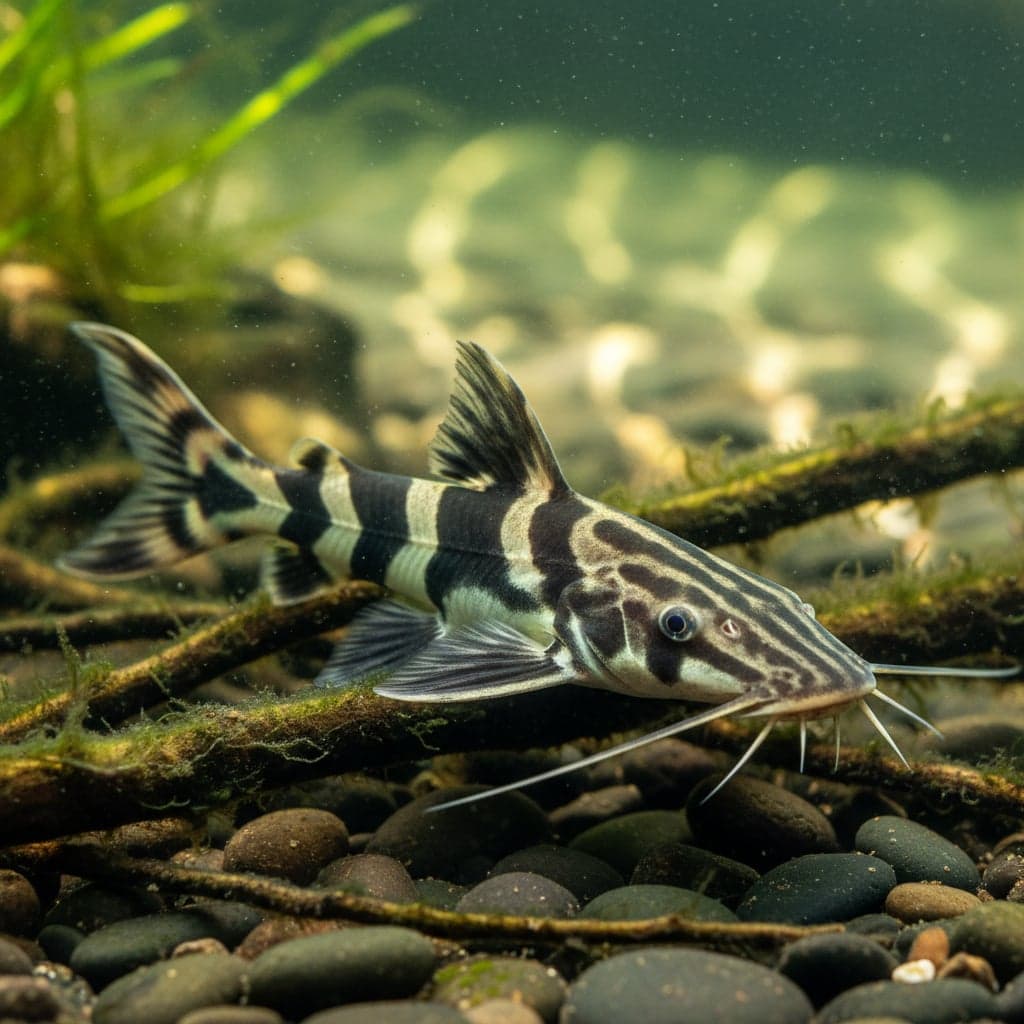
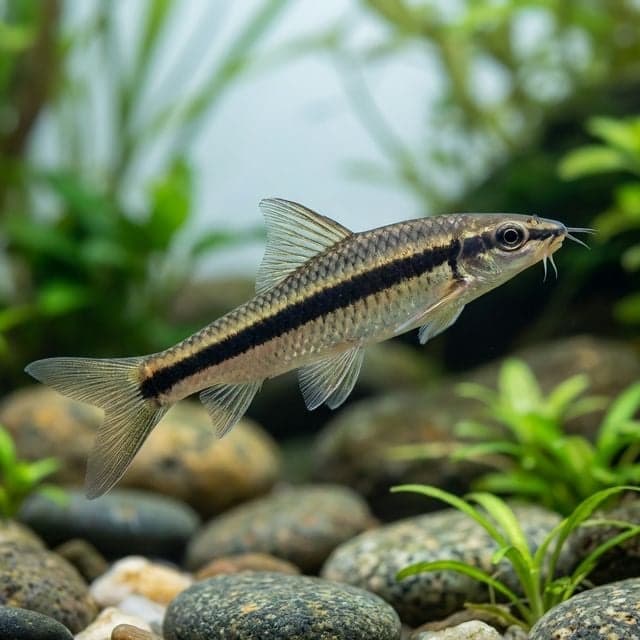
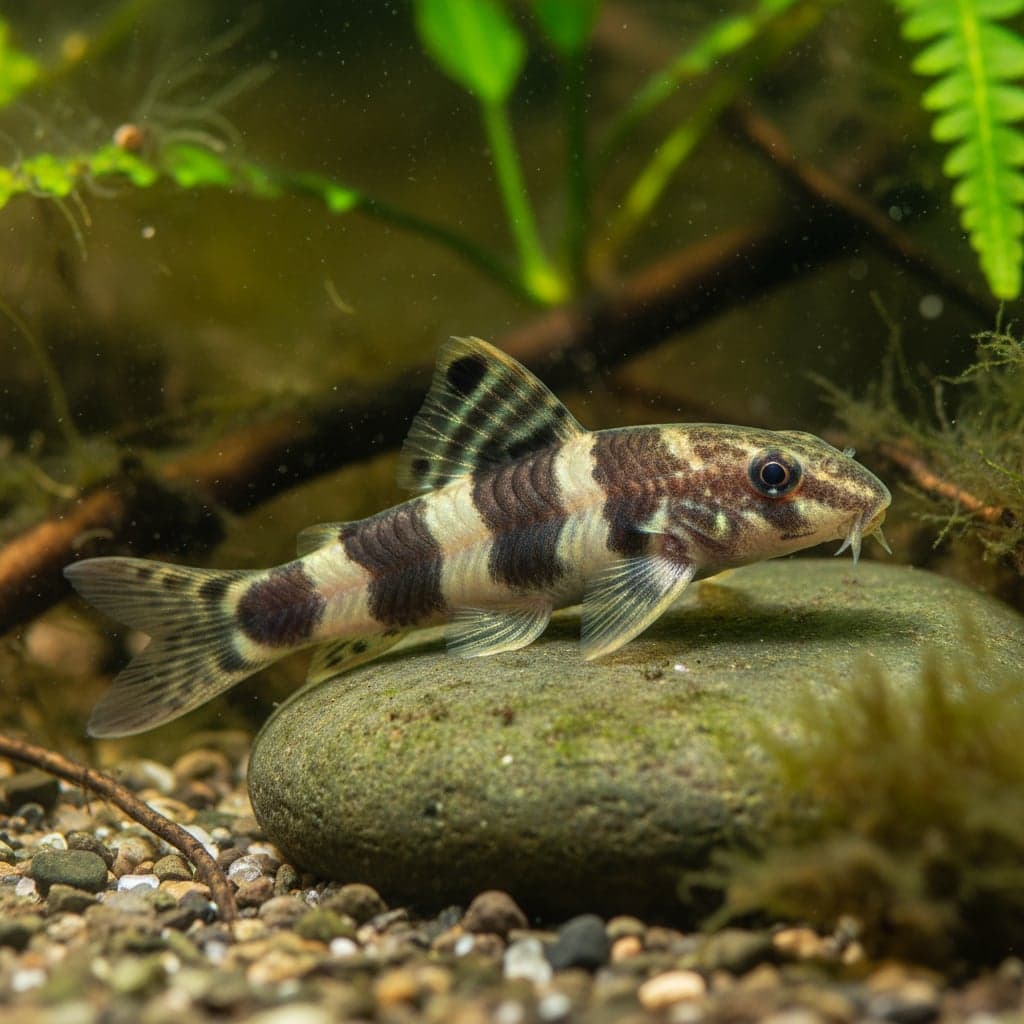
Violet Blushing Shark: Labeo boga
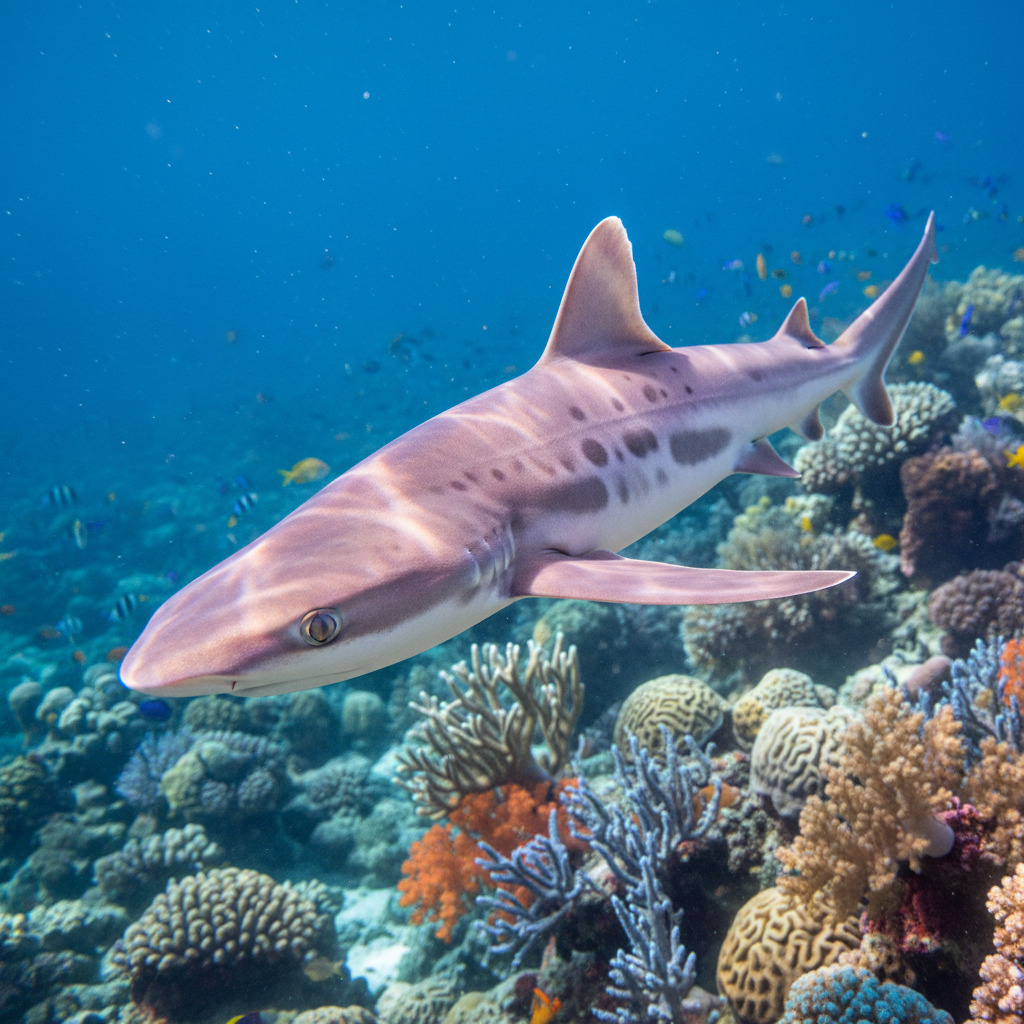
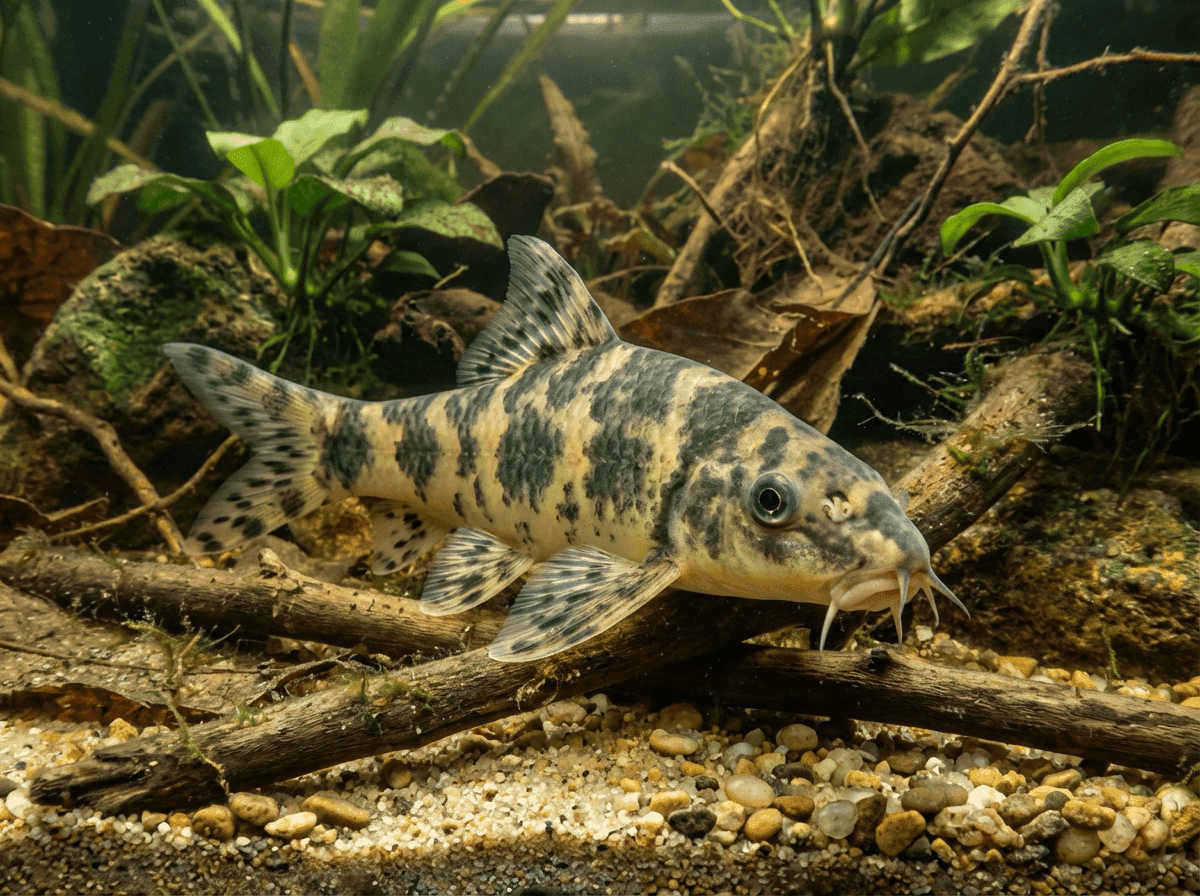
A 25cm shark-shaped cyprinid whose translucent gill covers flush red. Territorial with its own kind and needs a long tank.
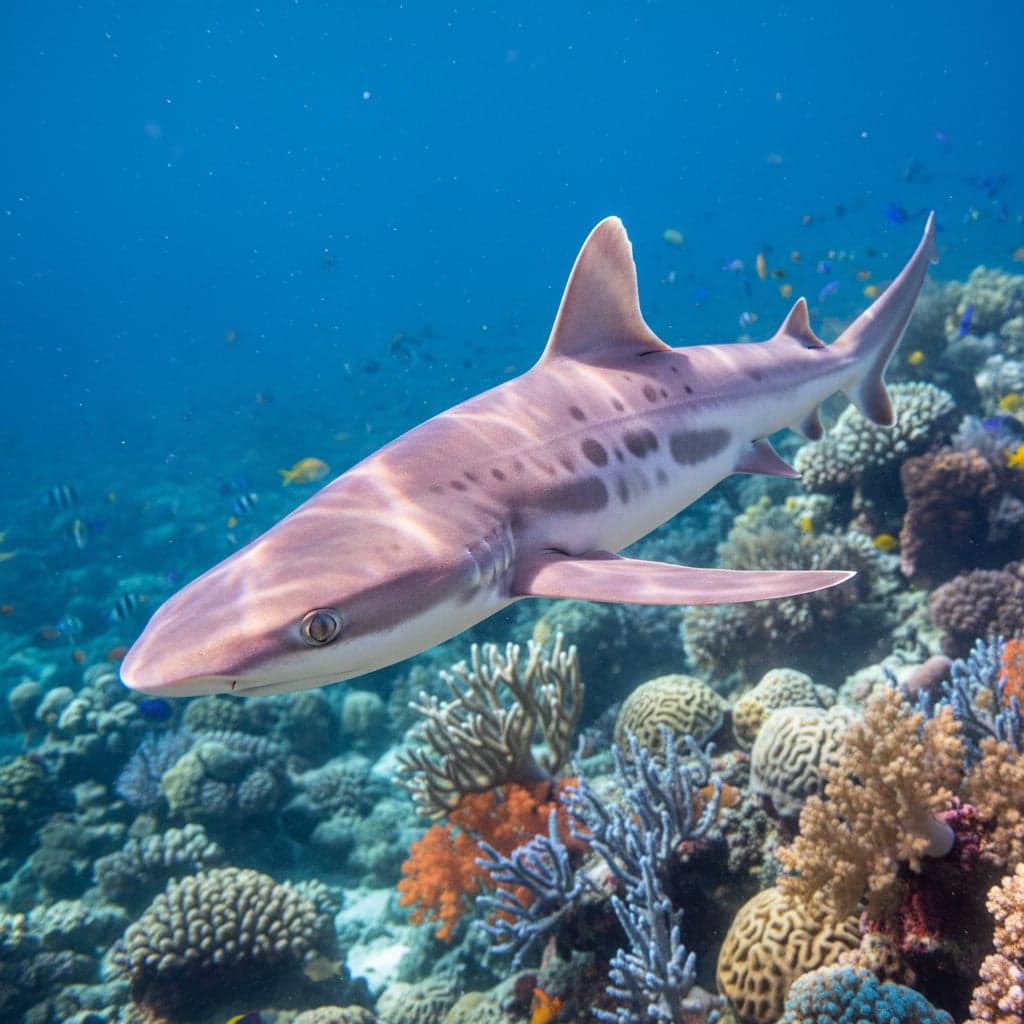
Violet Blushing Shark
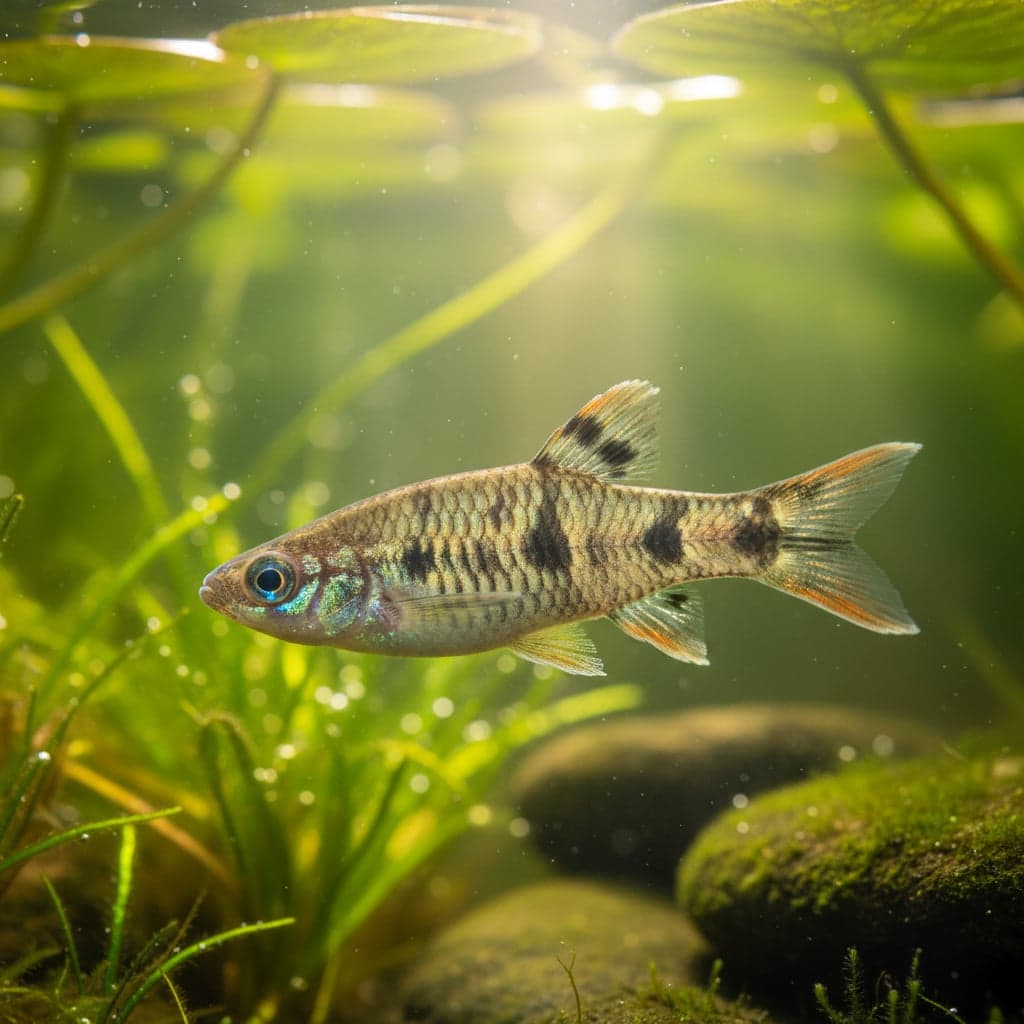
The Violet Blushing Shark, scientifically known as Labeo boga, is a striking freshwater fish that captivates aquarium enthusiasts with its vibrant, colorful appearance. This species exhibits a blend of shimmering violet hues and distinctive blush-like markings on its body, making it an attractive addition to both community tanks and specialized setups. The unique coloration can vary somewhat depending on genetic factors and environmental conditions, leading to the admiration of aquarists who appreciate the nuances of color development in their fish. Beyond aesthetics, the Violet Blushing Shark serves as a testament to the biodiversity and adaptability of freshwater fish, making it a sought-after species in the aquarium trade.
In the aquarium hobby, the Violet Blushing Shark is celebrated not just for its visual appeal but also for its lively disposition and engaging behavior. It often displays a playful nature, darting around the tank and exploring its surroundings, which adds an element of vitality to any tank environment. As a mid to bottom-dwelling fish, it offers dynamic interactions that can enhance the overall aquarium atmosphere. Additionally, its robust size and hardiness make it suitable for both novice and experienced aquarists, contributing to its popularity in the hobby.
Natural Habitat & Origin
The Violet Blushing Shark originates from the freshwater rivers and streams of Southeast Asia, particularly from regions in Borneo and Sumatra. These habitats are characterized by their warm temperatures, gentle currents, and a rich diversity of aquatic flora and fauna. The natural environment of the Violet Blushing Shark typically consists of slightly acidic to neutral waters with plenty of submerged structures such as rocks and driftwood. Such features provide essential hiding spots and breeding grounds, allowing the fish to thrive in their native conditions.
The waters where Violet Blushing Sharks are found are often clear and can vary between blackwater and slightly stained conditions influenced by the surrounding tropical vegetation. It is crucial for aquarists to replicate this natural environment in captivity to promote the health and well-being of these fish. Providing adequate space and suitable water conditions will closely resemble their natural habitat, thus enhancing their overall quality of life.
Care Requirements
When it comes to the care of the Violet Blushing Shark, maintaining specific water parameters is essential. The ideal pH range for their habitat is between 6.5 to 7.5, with a water temperature between 24°C to 28°C (75°F to 82°F). Additionally, a water hardness level of 5 to 15 dGH is recommended to ensure their comfort and health. The minimum tank size for a single Violet Blushing Shark should be at least 75 gallons, as they are active swimmers that require ample space for movement.
For the tank setup, providing a substrate of fine sand or smooth gravel is advisable, as it allows for easy foraging while preventing injury. The use of various decorations such as rocks, wood, and plants is encouraged, creating hiding spots for the fish. Lighting should be moderate to simulate their natural habitat, as too much brightness can cause stress. Aquatic plants such as Anubias, Java fern, and Swords can be used to mimic their natural surroundings, contributing to both aesthetics and water quality.
Diet & Feeding
The Violet Blushing Shark is classified as an omnivore, making it relatively adaptable when it comes to diet. In captivity, they thrive on a varied diet that includes high-quality flakes, pellets, and occasional frozen or live foods. Specifically, tubifex worms, brine shrimp, and bloodworms can be offered to enrich their diet and enhance their colors. While they enjoy a variety of foods, it is important to ensure their diet is balanced and nutritionally complete to maintain their health and vitality.
Feeding these fish should occur 2-3 times a day, offering small amounts that they can consume within a few minutes to prevent waste buildup in the tank. This not only aids in maintaining water quality but also mimics their natural foraging behavior. Regularly rotating their diet can prevent boredom and keep their feeding habits enthusiastic and engaging.
Behavior & Temperament
In terms of behavior, the Violet Blushing Shark is known for its active and inquisitive nature. While it exhibits some solitary tendencies, these fish are best kept in small groups of three to five individuals, as they display social characteristics reminiscent of schooling fish. However, it is important to note that their social dynamics can lead to aggressive behavior, especially during feeding times or when establishing territory. Providing ample space and visual barriers in the tank can help minimize aggression among individuals.
The Violet Blushing Shark typically occupies the mid to bottom areas of the tank where it prefers to explore and interact with its environment. This species often swims gracefully but may occasionally display bursts of speed when exploring new areas or reacting to perceived threats. Careful attention to its placement in the tank is necessary to prevent stress and ensure a harmonious community environment.
Tank Mates
When considering tank mates for the Violet Blushing Shark, it is crucial to choose species that can coexist without stress or aggression. Compatible fish include other peaceful community species such as tetras, rasboras, danios, and peaceful cichlids like keyhole cichlids or dwarf cichlids. Larger catfish, like the Corydoras or larger species of loaches, can also make good companions due to their non-aggressive nature.
On the other hand, it is advisable to avoid housing Violet Blushing Sharks with highly territorial or fin-nipping species, such as aggressive cichlids, bettas, or overly boisterous fish like certain barbs. The key is to establish a balanced community where all fish can thrive together, promoting a peaceful and engaging aquarium environment.
Breeding
Breeding Violet Blushing Sharks in captivity can be a rewarding, albeit challenging, endeavor. These fish are egg layers that require specific conditions to encourage spawning. To promote successful breeding, a gentle increase in water temperature, around 28°C (82°F), along with optimal water quality and a well-established breeding environment, is essential. Offering flat surfaces such as polished stones or broad leaves provides suitable spawning sites for the eggs.
Once the fish spawn, it’s advisable to separate the pair from the rest of the tank inhabitants to prevent them from eating the eggs. Incubation will typically take around 2-3 days, depending on conditions, after which the fry can be fed with infusoria or micro-particles designed for newly-hatched fish. A carefully monitored breeding setup is crucial for the successful raising of fry in captivity, ensuring that both parents and offspring receive the care they require.
Common Health Issues
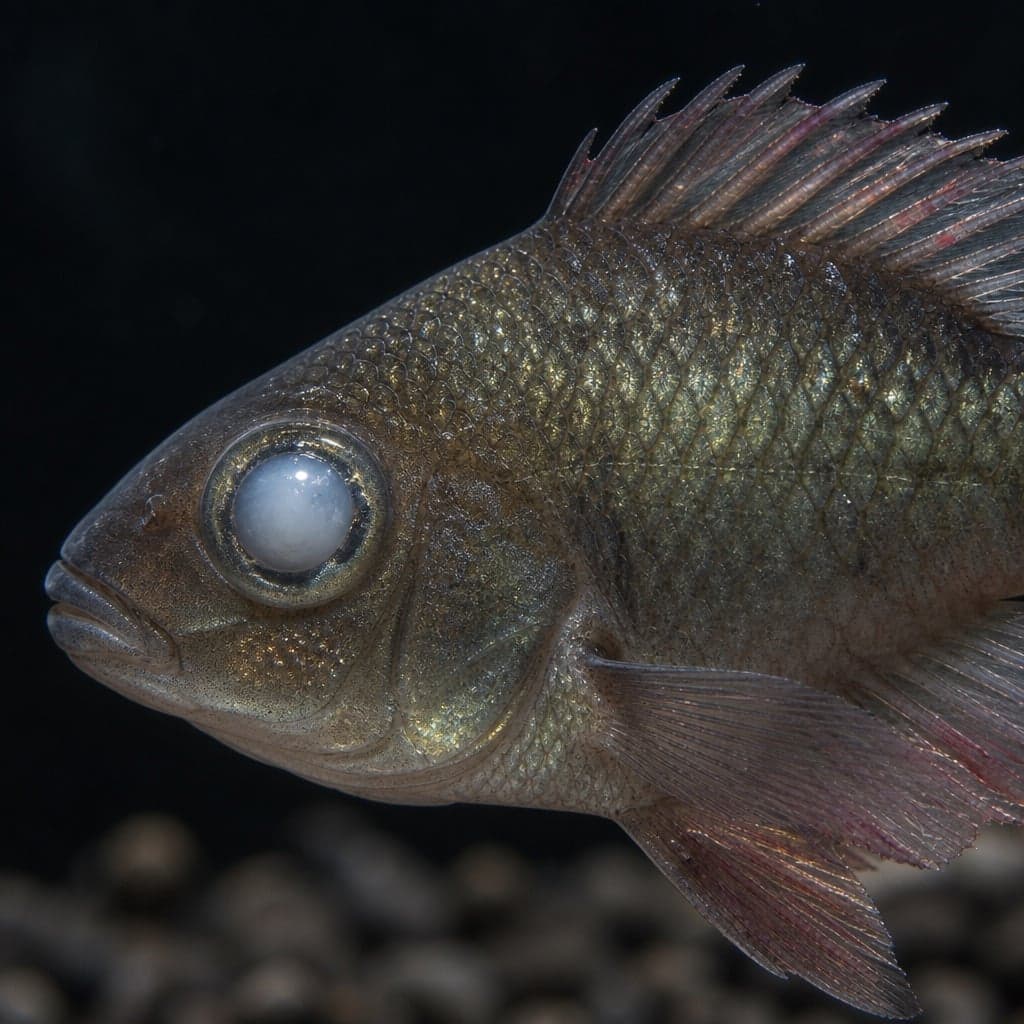
Violet Blushing Sharks can be prone to certain health issues, primarily associated with poor water quality or stress. Common diseases include ich, fin rot, and cloudy eyes. To prevent these conditions, it’s imperative to maintain excellent water conditions through regular testing and water changes. Quarantine new fish before introducing them to the main tank can also prevent disease spread.
Additionally, stress from aggression due to inadequate tank size or unsuitable tank mates may lead to behavioral issues or health problems. Ensuring a well-maintained habitat and monitoring the fish's behavior will go a long way in preventing illnesses and promoting a healthy lifespan for the Violet Blushing Shark.