Volcano Rasbora: Rasbora vulcanus
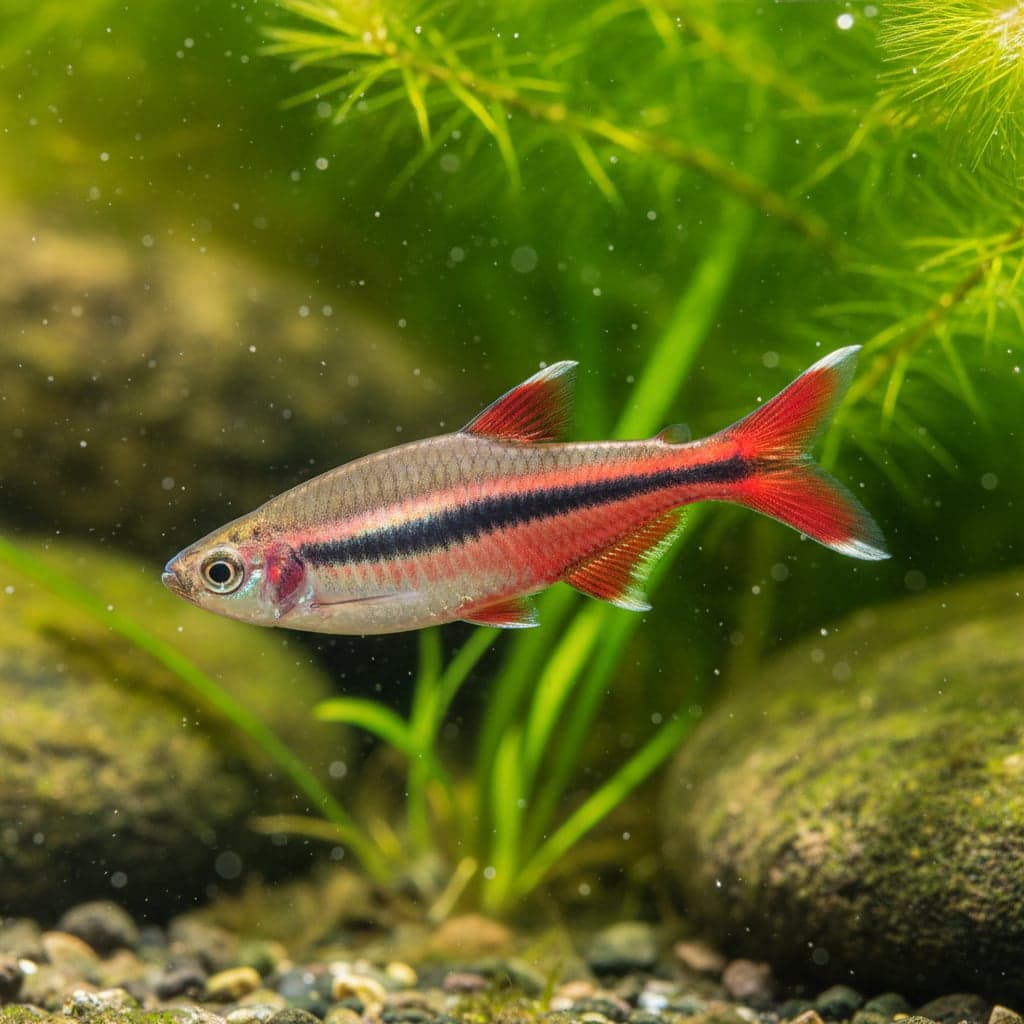
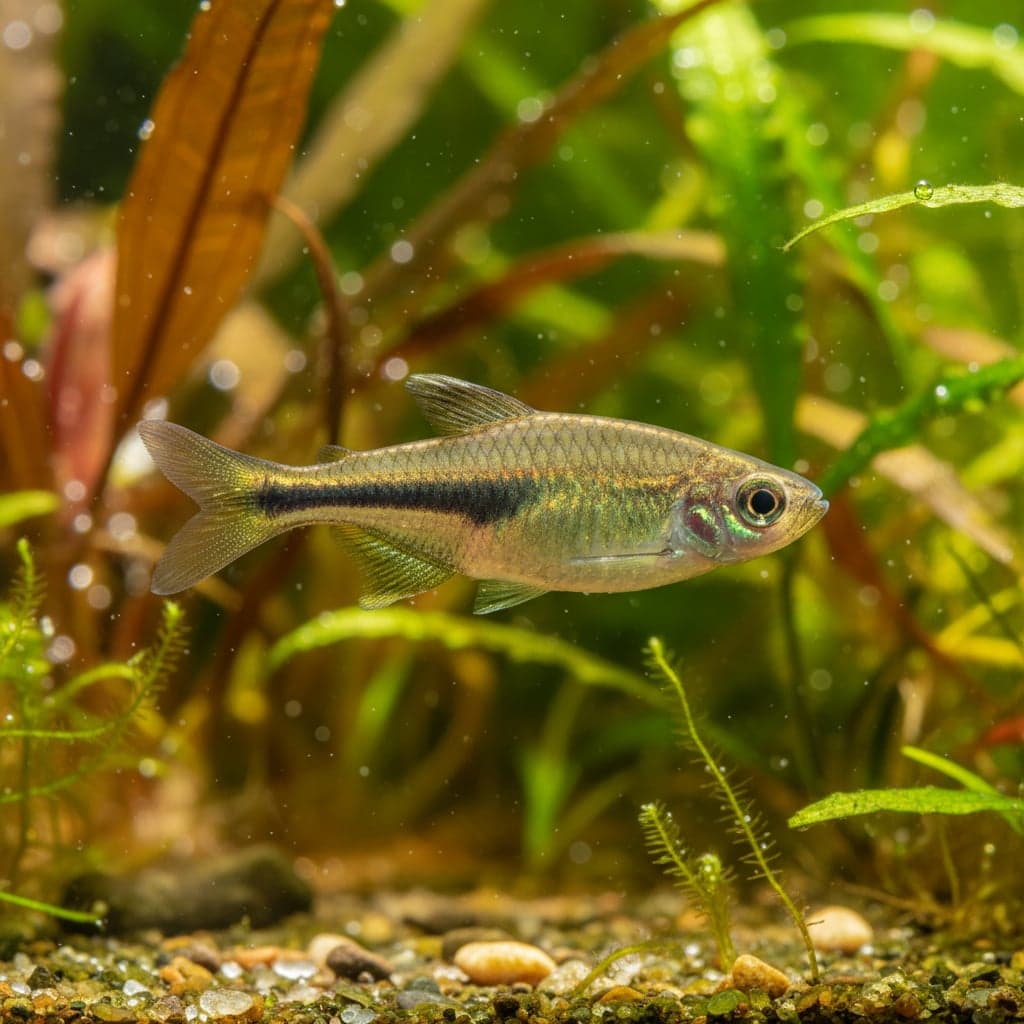
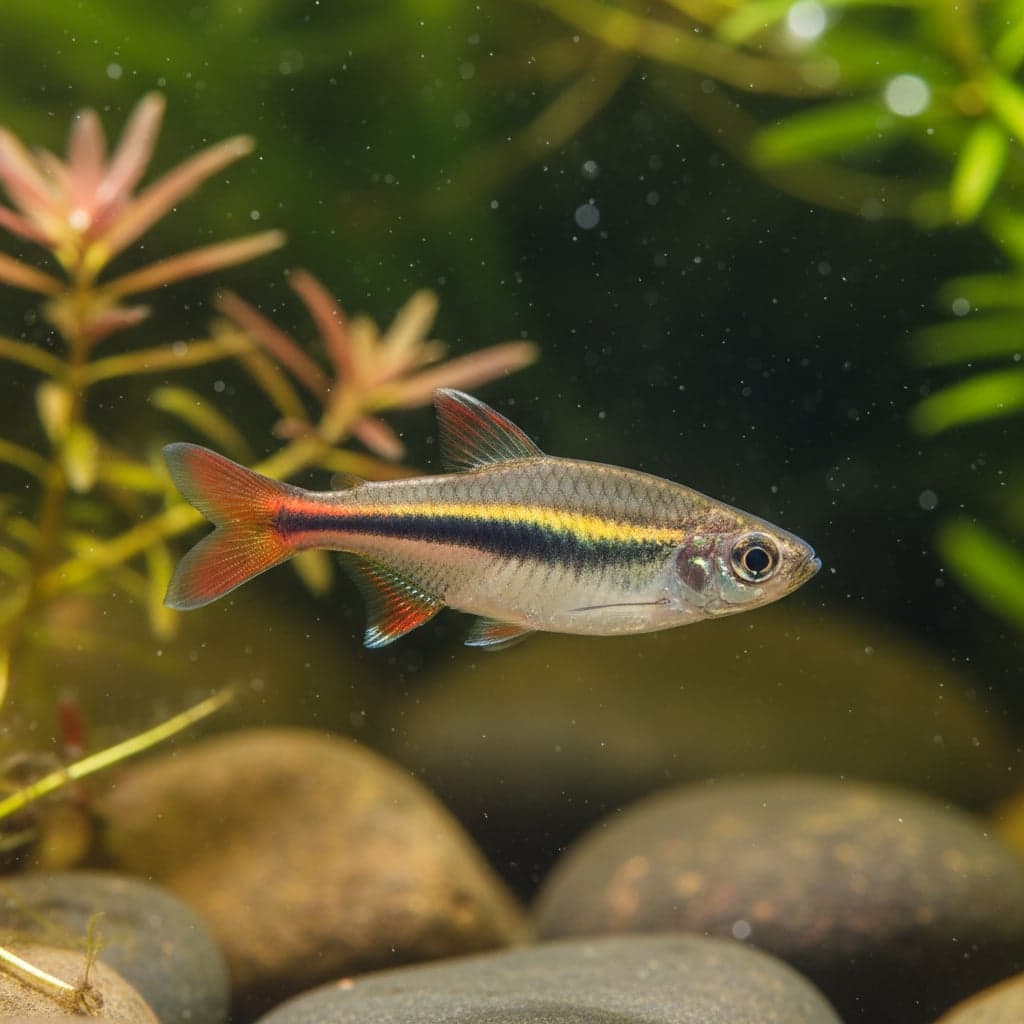
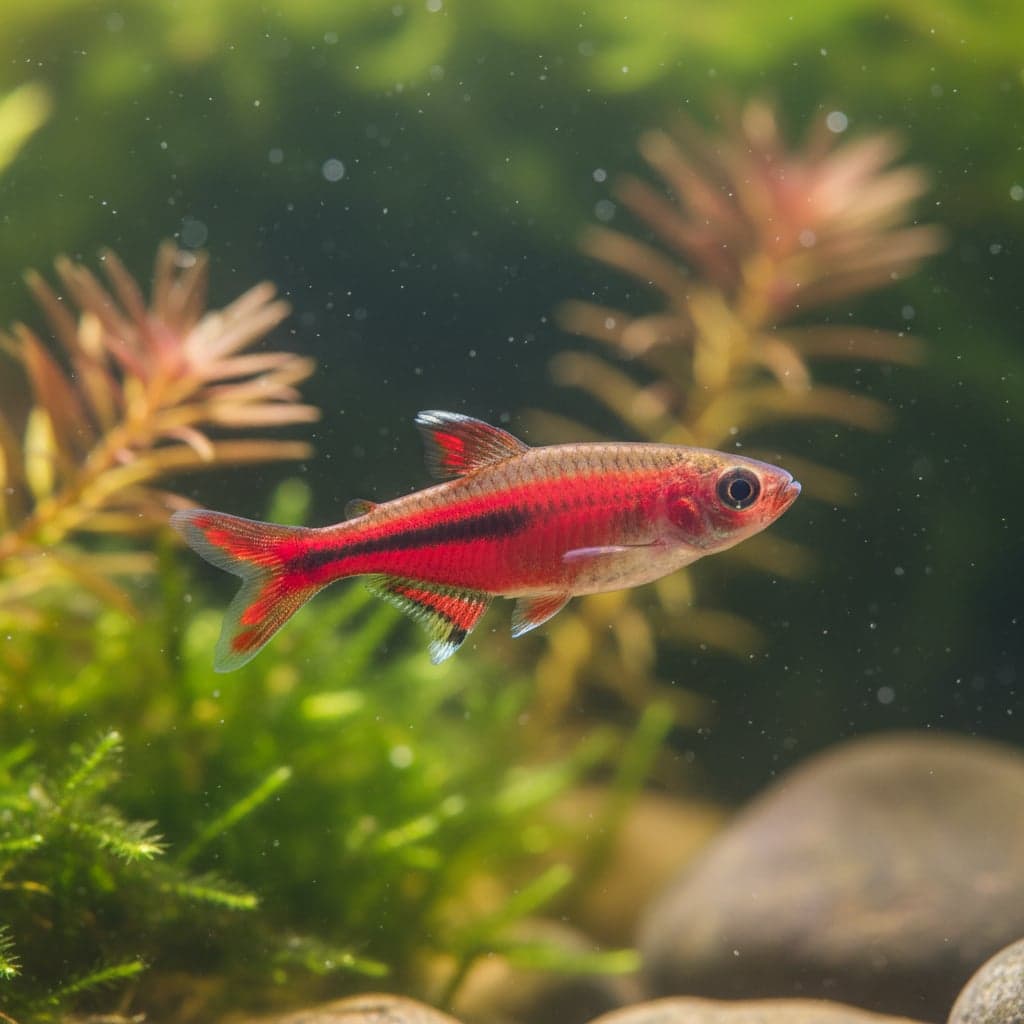
A 5cm rasbora with warm orange flanks. A peaceful shoaler for soft to neutral water, best kept in a group of eight or more.

Volcano Rasbora
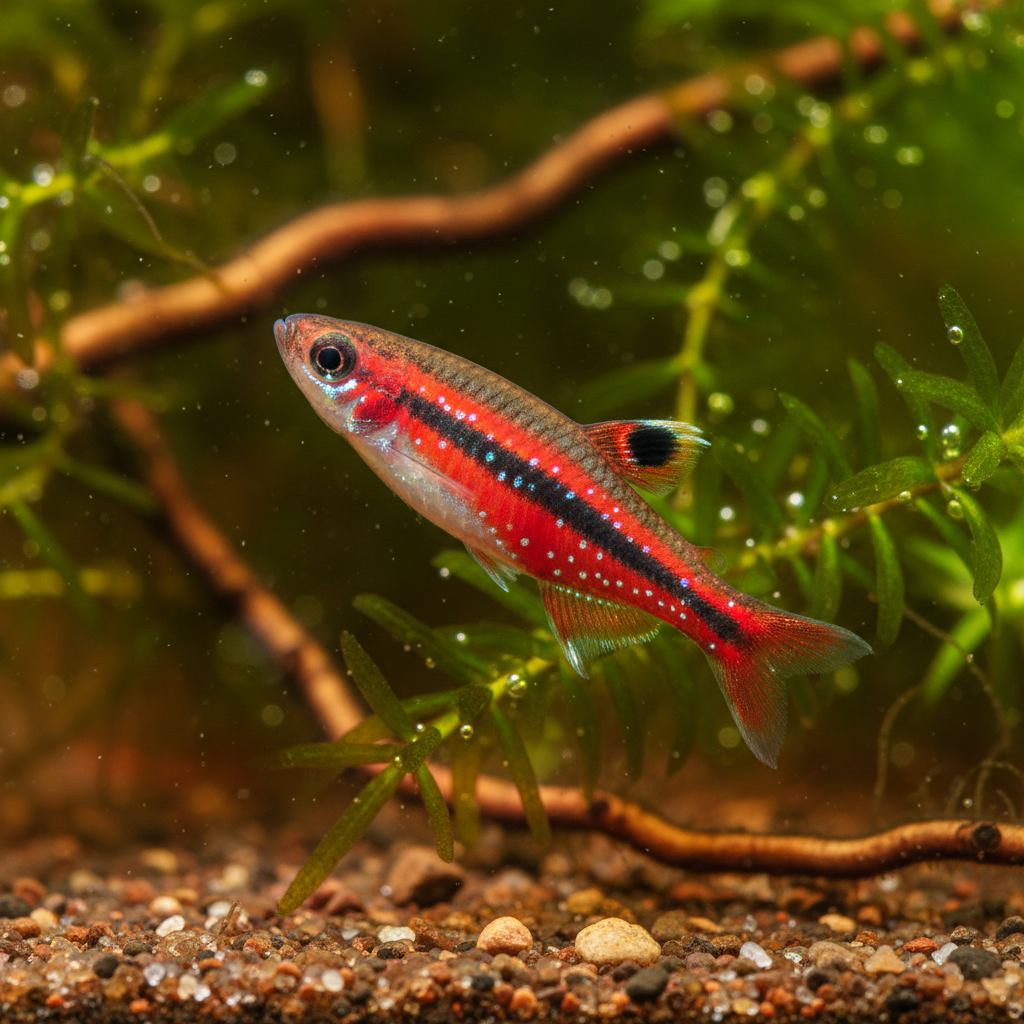
The Volcano Rasbora, scientifically known as Rasbora vulcanus, is a striking freshwater fish that has gained popularity among aquarists due to its vibrant coloration and alluring presence. Originating from the volcanic lakes of Indonesia, this small yet eye-catching species showcases brilliant hues of red and orange, often contrasted against a shimmering silver body. With its attractive appearance and active swimming behavior, the Volcano Rasbora has captured the hearts of hobbyists, making it a sought-after addition to many community tanks.
In addition to its aesthetic appeal, the Volcano Rasbora plays a significant role in the aquarium hobby as an ambassador for biodiversity and conservation. Many aquarists appreciate not only its beauty but also the ecological importance of preserving such species and their natural habitats. As a species adapted to specific environmental conditions, the study and care of the Volcano Rasbora contribute to broader conservation efforts for freshwater ecosystems, highlighting the importance of responsible fishkeeping in fostering a connection between aquarists and the natural world.
Natural Habitat & Origin
The Volcano Rasbora hails from the mystical volcanic lakes of Indonesia, specifically the lakes formed in and around Merapi National Park. These bodies of water are characterized by soft, acidic conditions and unique mineral compositions that emerge from the volcanic activity in the region. Typically, the Volcano Rasbora flourishes in waters with significant leaf litter and dense vegetation, providing both shelter and foraging opportunities. The ecological context of its habitat necessitates the preservation of these delicate environments to ensure the continued survival of not just the Volcano Rasbora but the diverse array of species with which it coexists.
In the wild, these fish inhabit blackwater environments that are low in light penetration and often tinged with a rich brown hue from tannins released by decaying plant matter. This specific habitat contributes to the volcanic lakes being nutrient-rich yet low in mineral content, creating ideal conditions for the Volcano Rasbora to thrive. Understanding these natural factors is crucial for aquarists interested in replicating the appropriate tank environment for this captivating species.
Care Requirements
To ensure the health and vitality of the Volcano Rasbora, maintaining optimal water parameters is essential. The ideal pH range for these fish is between 6.0 and 7.5, with a temperature range of 24°C to 28°C (75°F to 82°F). Additionally, the water hardness should be kept between 5 to 15 dGH. Maintaining these conditions helps replicate the fish's natural habitat, contributing to a lower stress environment and enhancing its overall well-being.
When setting up a tank for Volcano Rasboras, it is recommended to have a minimum tank size of 20 gallons to accommodate their active swimming behavior. A soft, dark substrate mimicking their natural environment is preferable, along with plenty of plants and hiding spots, such as driftwood and rocks. These additions not only provide shelter but also create a visually appealing aquascape. Moderate lighting will help to simulate their natural conditions while promoting plant growth and providing a comfortable atmosphere for the Volcano Rasbora.
Diet & Feeding
The Volcano Rasbora is an omnivorous species that thrives on a varied diet, which is essential for its health and vibrancy. In the aquarium, high-quality flakes or pellets can serve as the primary food source; however, it is advisable to supplement their diet with frozen foods such as bloodworms or brine shrimp. Additionally, occasional offerings of live foods can stimulate natural hunting behavior and enhance the fish's color. While the Volcano Rasbora is a relatively hardy eater, providing a diverse diet will ensure a well-rounded nutritional profile and minimize the risk of dietary deficiencies.
When feeding, it is wise to observe their daily intake and adjust portion sizes accordingly. Generally, feeding two to three times a day in small amounts is optimal, allowing the fish to consume their food quickly and maintain a clean tank environment. Their small size means they can also benefit from finely crushed flakes specifically designed for smaller fish, ensuring they receive the necessary nutrients.
Behavior & Temperament
Volcano Rasboras are known for their peaceful demeanor and active schooling habits, making them an excellent choice for community tanks. These fish thrive in groups, and a school of at least six individuals is recommended to encourage natural behavior and reduce stress. In the presence of their companions, they display a lively swimming pattern, often darting about the tank in unison, creating a dynamic and engaging aquarium display.
Despite their overall peaceful nature, Volcano Rasboras can exhibit slight territorial behavior during breeding or when feeling threatened. They prefer the mid to upper levels of the tank, often swimming around the middle column while occasionally venturing to the surface. Ensuring a spacious environment with plenty of hiding spots will promote a harmonious atmosphere among both schooling fish and their tankmates.
Tank Mates
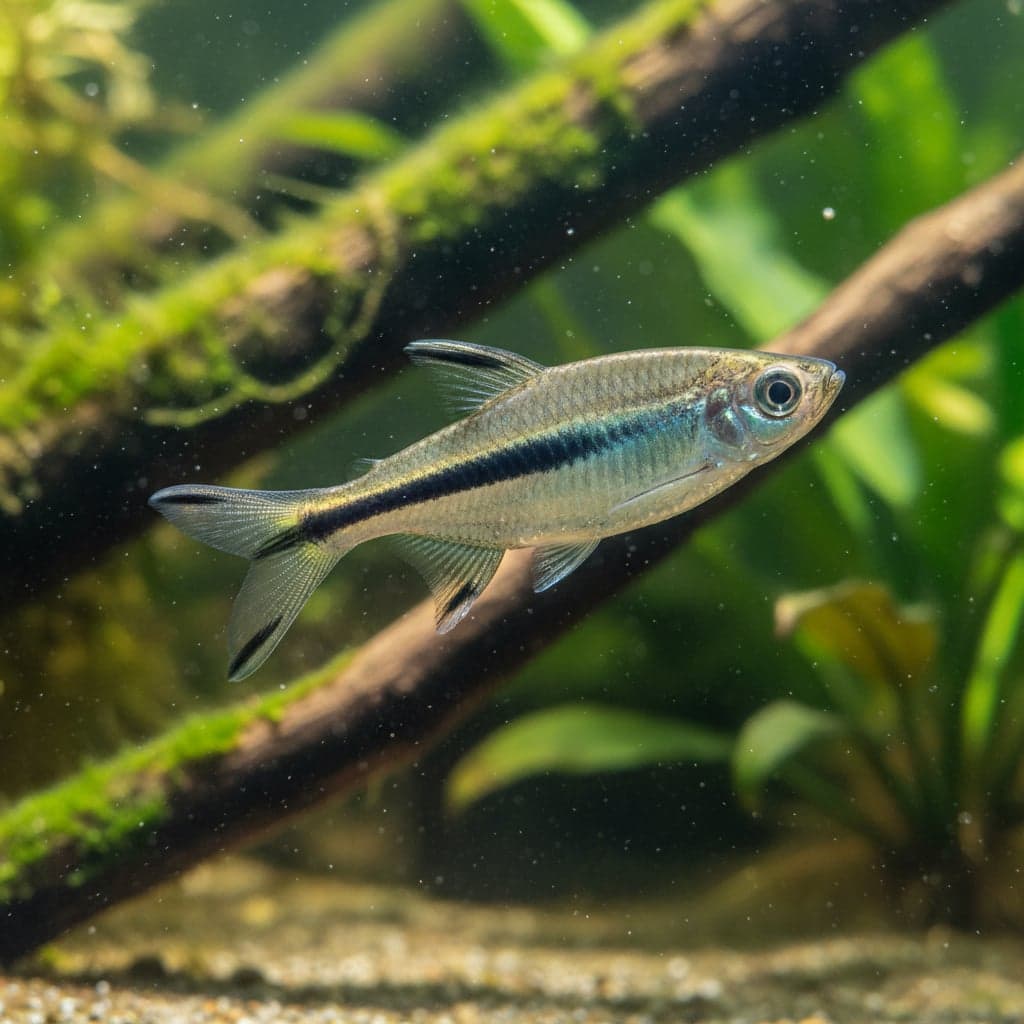
When selecting tank mates for the Volcano Rasbora, it is important to prioritize species that share similar water parameter requirements and exhibit peaceful temperaments. Compatible tank mates include small to medium-sized fish such as Neon Tetras, Harlequin Rasboras, Corydoras catfish, and even smaller Gouramis like the Honey Gourami. The peaceful nature of these species complements the Volcano Rasbora's tranquil disposition, ensuring a harmonious community.
Aquarists should avoid housing the Volcano Rasbora with larger or aggressive fish species that might view them as prey or disrupt their schooling behavior. Potentially unsuitable tank mates include Betta fish, Cichlids, and any aggressive territorial species. Careful consideration of tank mates will ensure a balanced aquarium environment where all species can thrive without excessive stress or aggression.
Breeding
Breeding Volcano Rasboras can be a rewarding endeavor for experienced aquarists. In order to trigger spawning, it is crucial to create optimal conditions that mimic their natural habitat—this typically includes slightly acidic water with a pH around 6.0 to 6.5, a temperature of approximately 26°C (79°F), and a well-planted breeding tank. Spawning generally occurs in the early morning or late evening, and the female lays adhesive eggs on plant leaves or substrate.
For successful breeding, it's advisable to keep a breeding pair in a separate tank, providing ample vegetation for egg-laying and hiding. After spawning, it is often necessary to remove one or both parents to prevent them from consuming the eggs. Hatching typically occurs within 24-48 hours, with fry becoming free-swimming within a few days. During this critical post-hatching phase, providing infusoria or finely crushed powdered food will help ensure their growth and health.
Common Health Issues
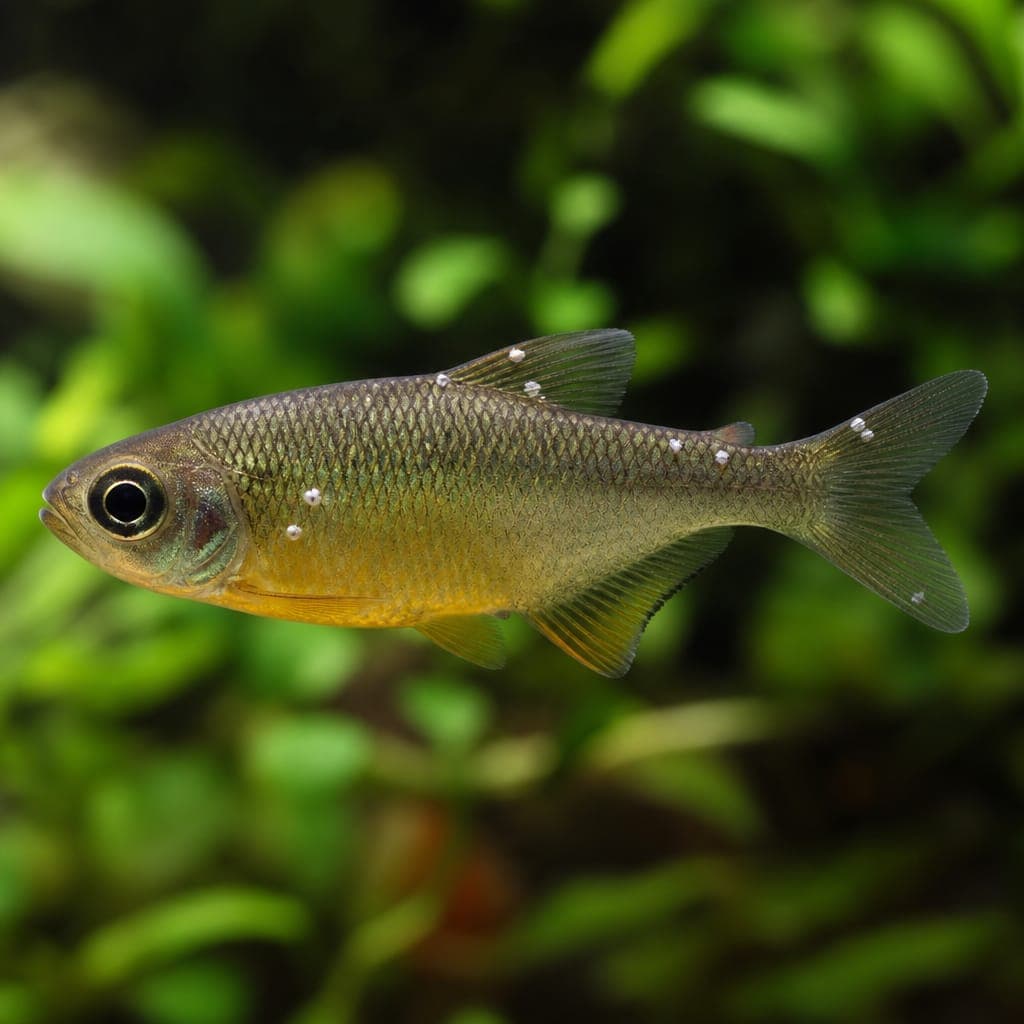
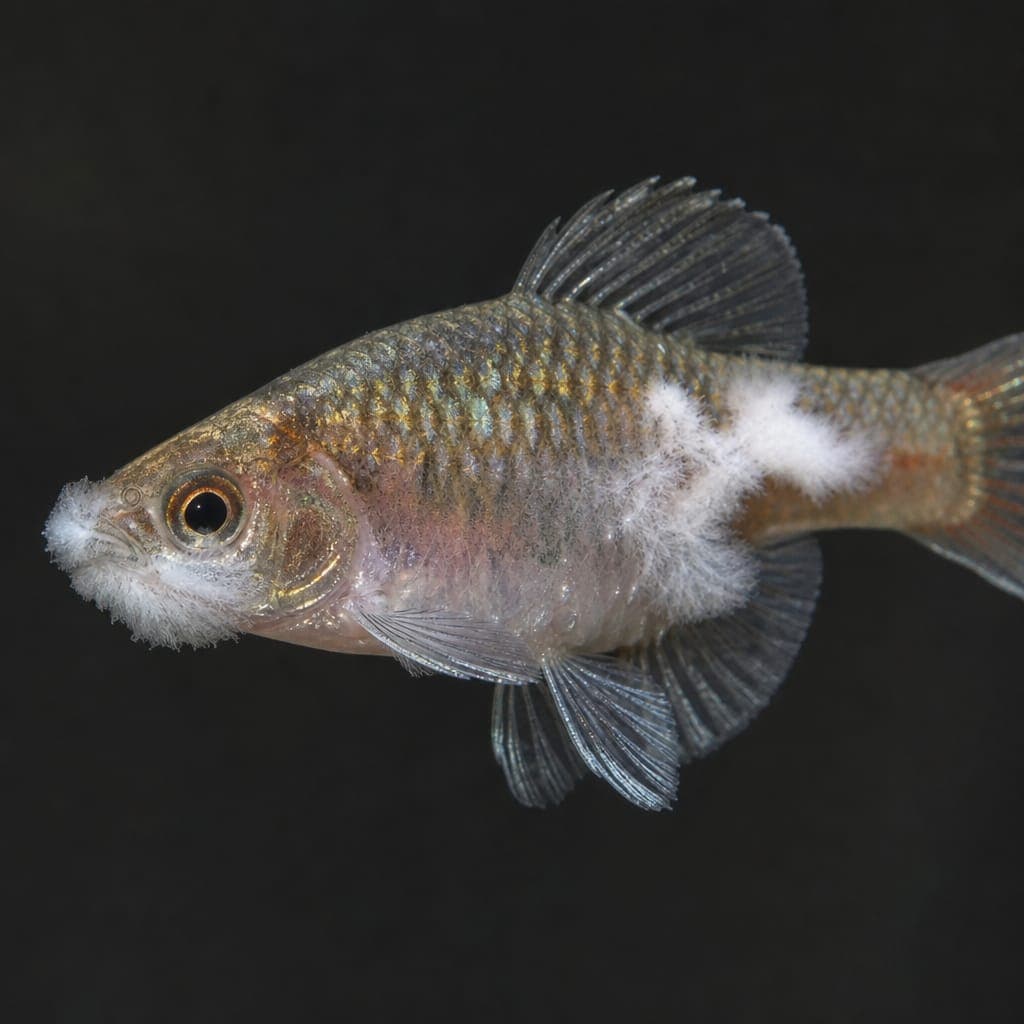
While the Volcano Rasbora is generally hardy, they can be susceptible to common freshwater diseases, such as ich, fin rot, and fungus. Maintaining pristine water conditions, monitoring water changes, and providing a stress-free environment can significantly reduce the risk of these ailments. Regular feeding of high-quality foods will also bolster their immune systems and keep them resilient to disease.
Preventive measures are crucial in ensuring the long-term health of the Volcano Rasbora. Quarantine new fish before introducing them to an established tank, and regularly check for any signs of distress or illness. Healthy tank maintenance practices, such as routine water testing and proper filtration, will help create a balanced environment that minimizes health risks for your Volcano Rasboras and their tankmates.