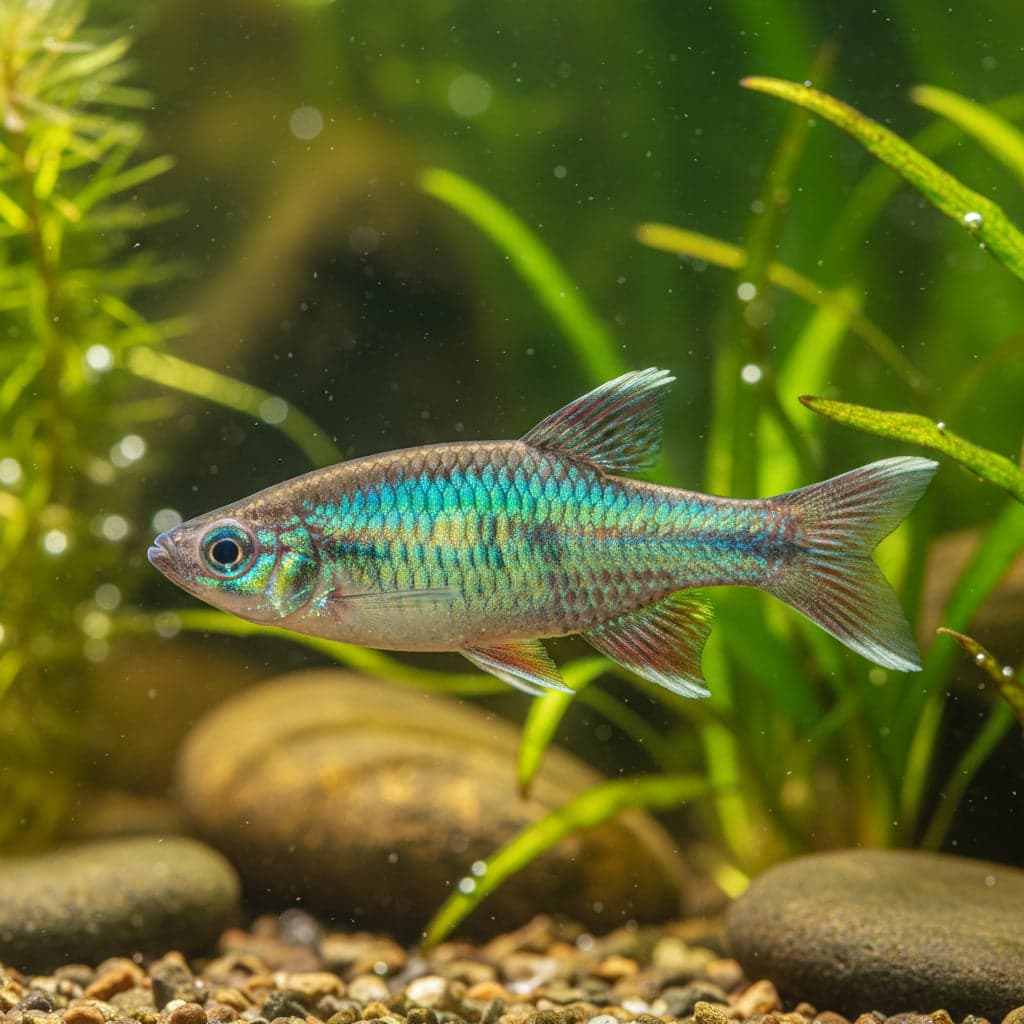
Wapoga Red Laser Rainbowfish: Melanotaenia rubrivittata
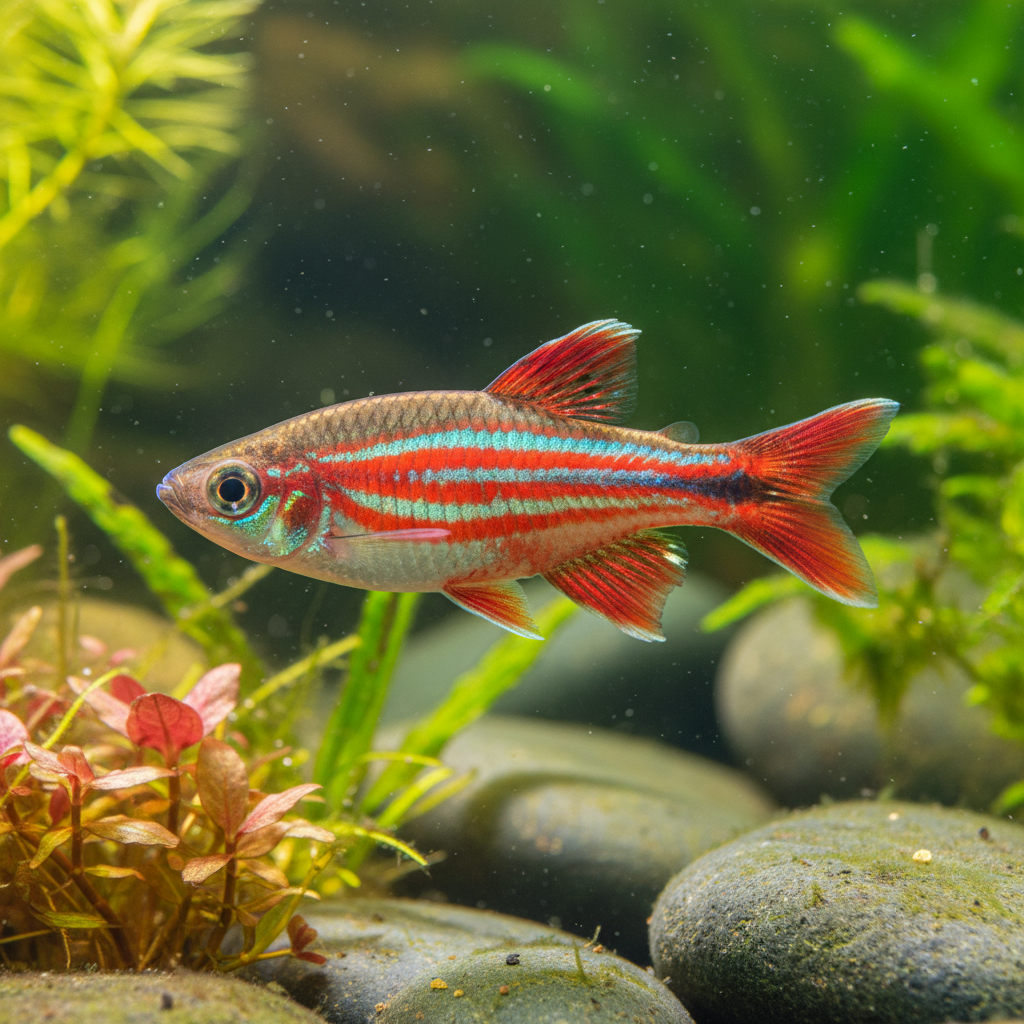
A 6cm rainbowfish with a red lateral stripe that intensifies with age. Peaceful, hardy, and best in a group of eight or more.
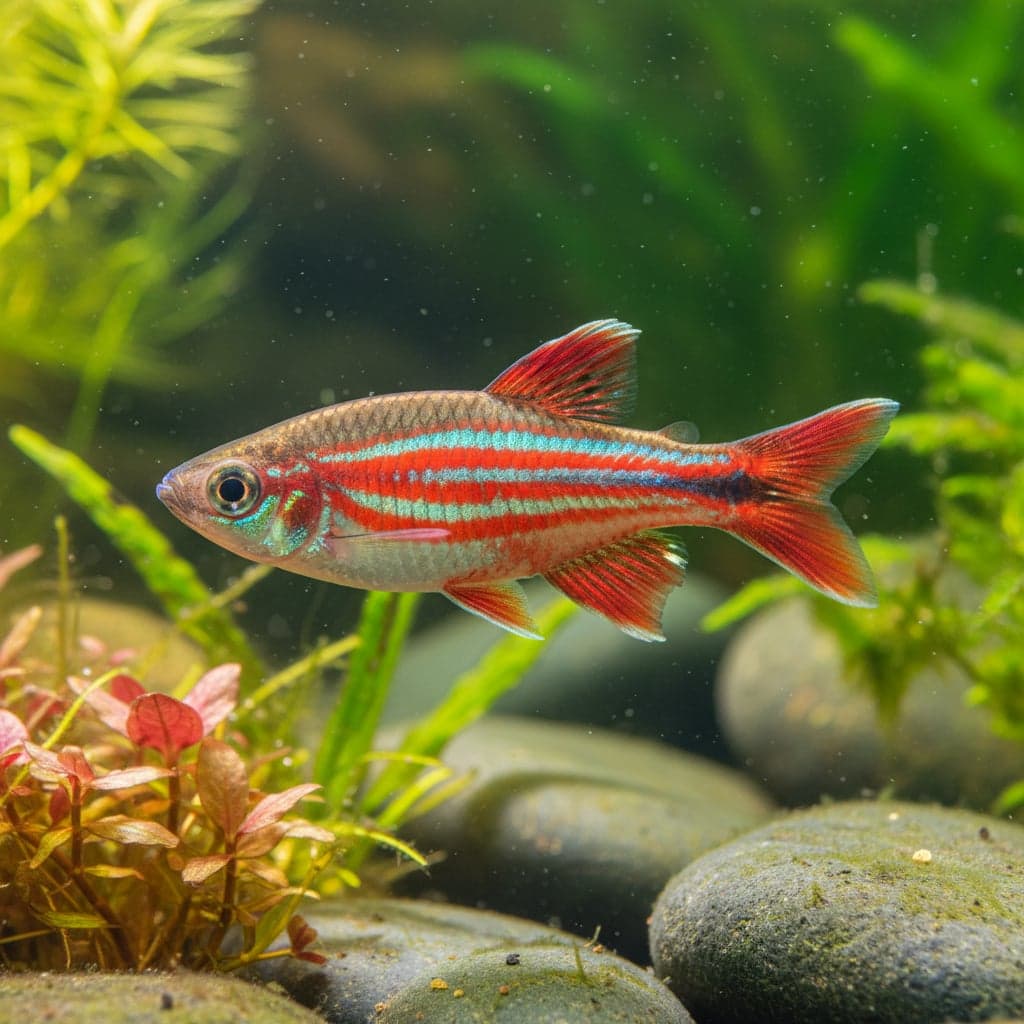
Wapoga Red Laser Rainbowfish
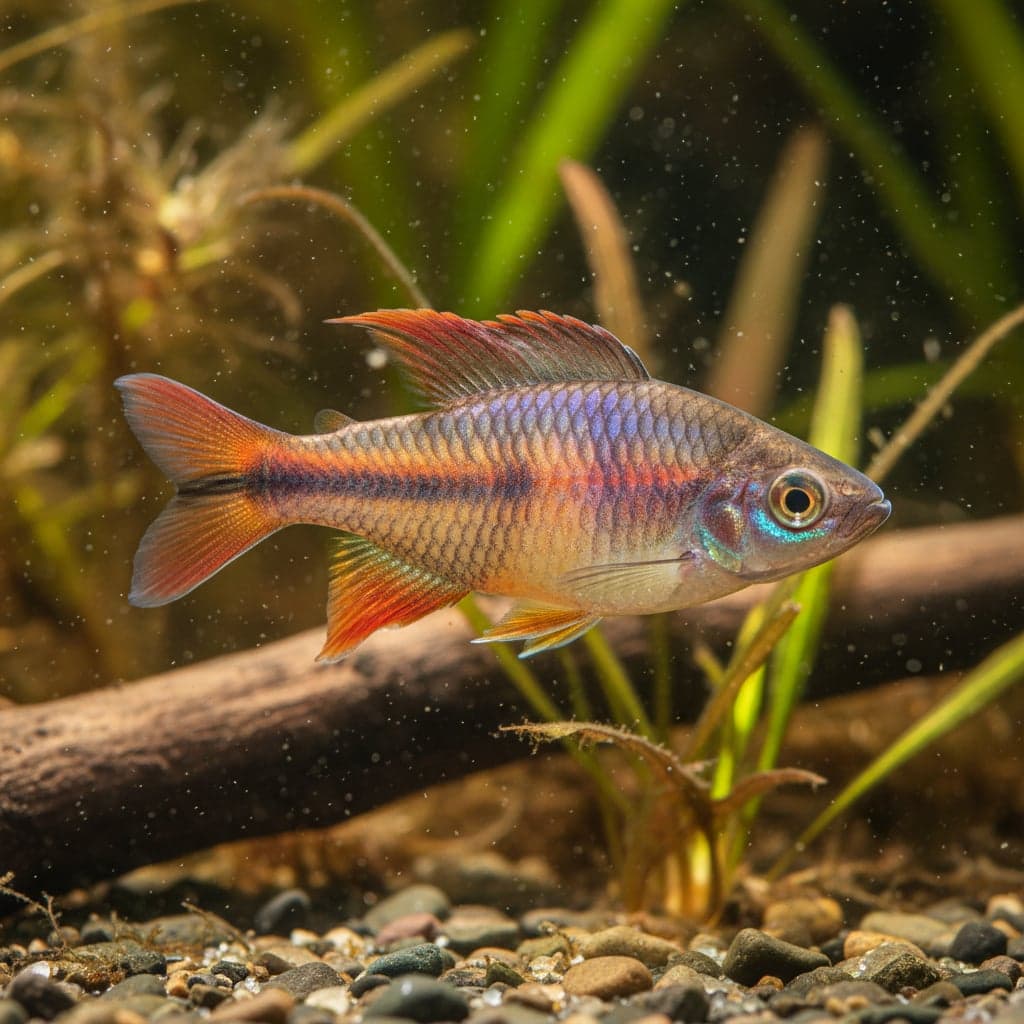
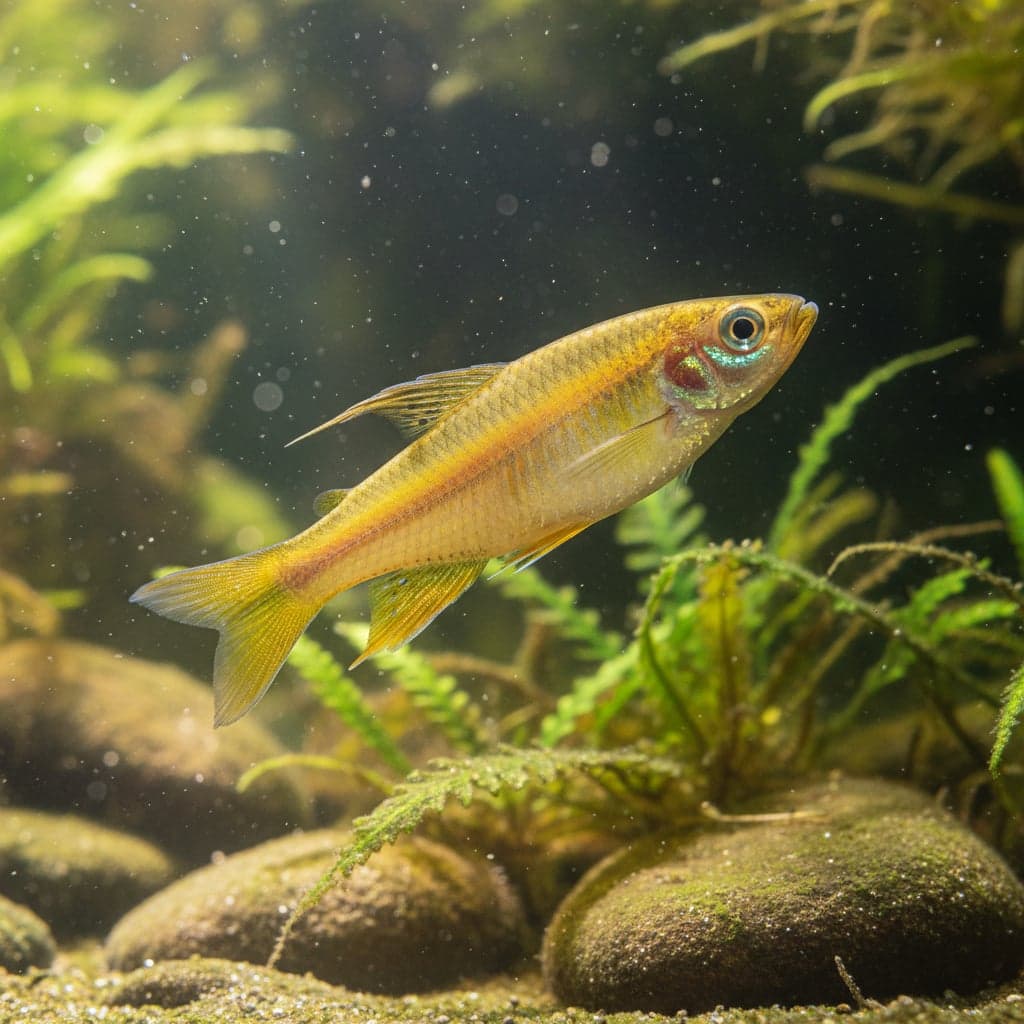
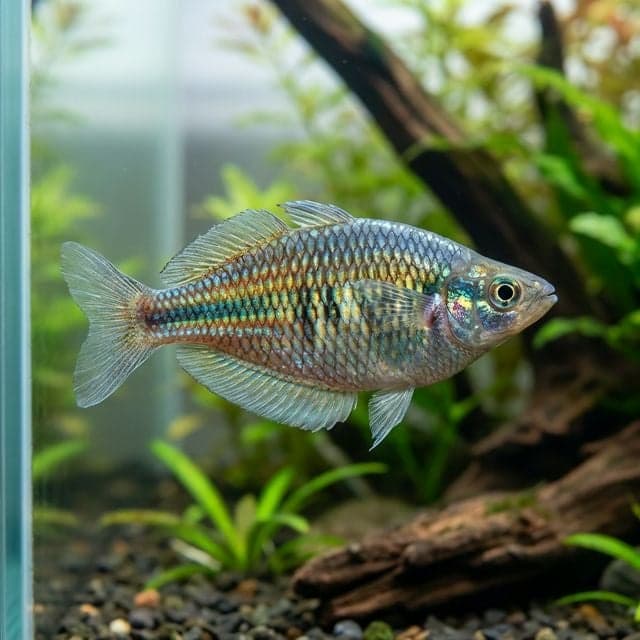
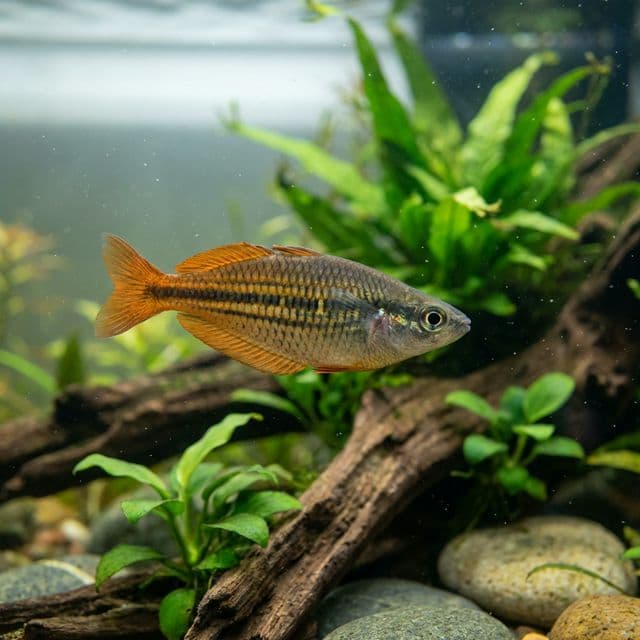
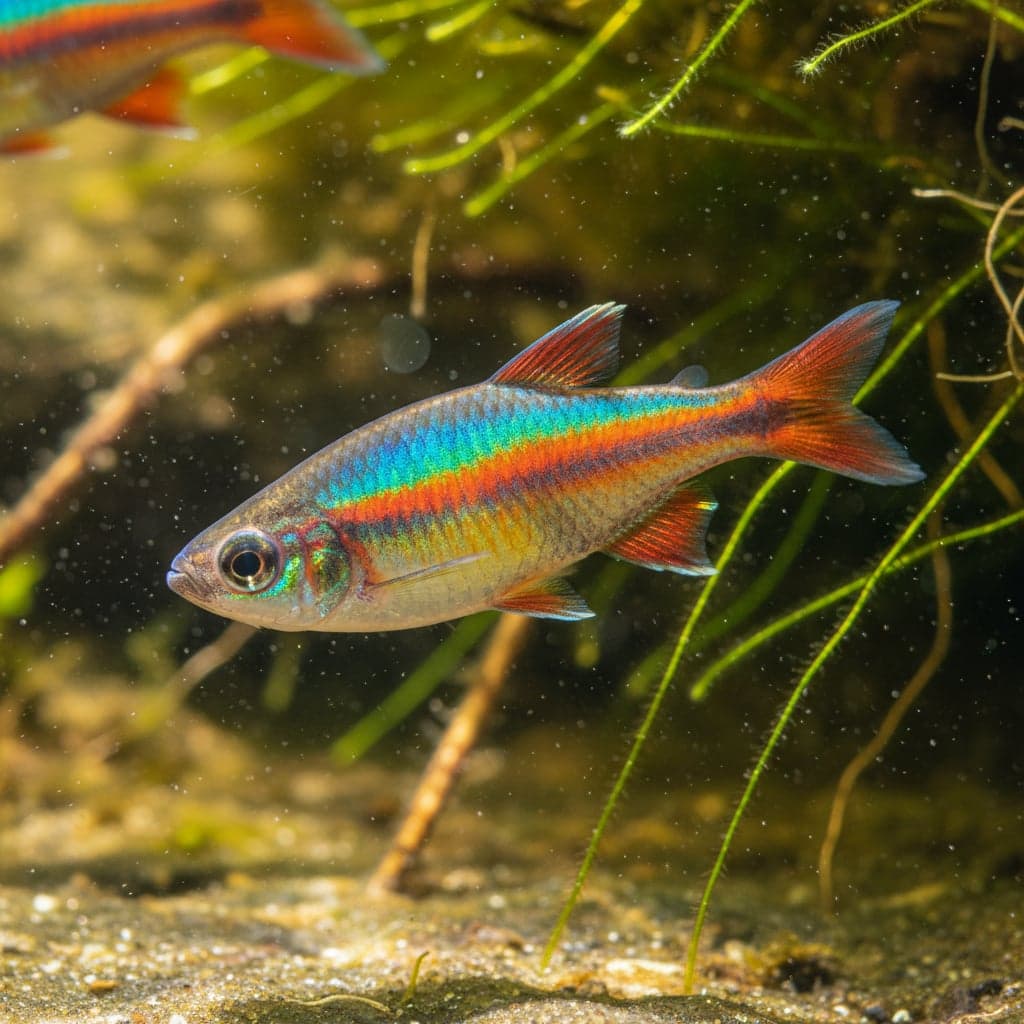
The Wapoga Red Laser Rainbowfish (Melanotaenia rubrivittata) is a stunning freshwater species that has captured the hearts of aquarists worldwide. This medium-sized fish is renowned for its dazzling colors, featuring vibrant hues of red, orange, and iridescent blue that create a mesmerizing spectacle in any aquarium setting. The name "Red Laser" originates from the striking linear patterns that mimic laser-like streaks across its body, particularly during breeding displays when they exhibit their full coloration. With its beautiful appearance coupled with its energetic swimming style, the Wapoga Red Laser Rainbowfish adds a dynamic elegance to community aquariums.
Significantly, this species holds cultural and ecological importance in its native range. Discovered in the Wapoga River region of Papua New Guinea, the Wapoga Red Laser Rainbowfish contributes to the biodiversity of its habitat, where it thrives in harmonious schools. Its presence in the aquarium hobby has not only popularized its striking beauty but has also raised awareness for conservation efforts, spotlighting the delicate ecosystems of its natural habitat. As such, ensuring sustainable practices in collecting and breeding this fish is essential for preserving its status both in the wild and within the aquarium community.
Natural Habitat & Origin
The Wapoga Red Laser Rainbowfish is indigenous to the Wapoga River system in Papua New Guinea. This region features a complex array of waterways, including streams and rivers surrounded by lush tropical forests. These aquatic environments are characterized by clear, soft waters that are often slightly acidic to neutral in pH levels. The natural habitat of this species is primarily freshwater, characterized by low nutrient concentrations and a wealth of decaying plant matter, which contributes to the richness of its ecosystem.
In the wild, these fish thrive in areas with gentle currents, often found near submerged vegetation and snags where they can find shelter and forage for food. The presence of such habitats encourages social schooling behaviors, allowing for both protection and interaction amongst their peers. The intricate balance of light, water parameters, and vegetation is crucial for maintaining their health and well-being.
Care Requirements
To ensure the optimal care of Wapoga Red Laser Rainbowfish, maintaining the right water parameters is crucial. Ideally, the pH level should range from 6.0 to 7.5, with a temperature between 24°C to 28°C (75°F to 82°F). The hardness of the water should ideally be kept around 5-15 dGH. A stable environment with minimal fluctuations in these parameters is essential for the overall health of the fish.
As for tank setup, a minimum aquarium size of 100 liters (approximately 26 gallons) is recommended to accommodate a small school of these fish, as they thrive in groups of at least six individuals. Darker substrates such as sand or fine gravel can help enhance their colors, while the inclusion of live plants not only provides hiding spots but also contributes to their well-being. Moderate lighting is suitable, mimicking their natural habitat, with floating plants potentially used to diffuse light. Furthermore, the addition of driftwood and rock formations can create complex environments that encourage natural behaviors.
Diet & Feeding
Wapoga Red Laser Rainbowfish are omnivorous and benefit from a varied diet that includes high-quality flakes, pellets, frozen, and live foods. Their diet should consist of a balanced mix to ensure they receive essential nutrients for growth and vibrant coloration. High-protein foods such as brine shrimp, daphnia, and bloodworms can be offered as part of their diet, with plant-based options to supplement their nutritional needs, such as spirulina flakes or high-quality vegetable tablets.
It's essential to feed them small amounts several times a day, rather than one large feeding, to simulate their natural foraging behavior and prevent overfeeding. Regular dietary variety is important for the health of the fish, encouraging active behavior and maintaining their dazzling appearance.
Behavior & Temperament
Wapoga Red Laser Rainbowfish exhibit peaceful and sociable behavior, making them ideal candidates for community aquariums. They thrive in schools and should be kept in groups of six or more to reduce stress levels and promote natural social interactions. These fish are usually non-aggressive, but males may exhibit dominance displays during breeding seasons, showcasing their vibrant colors as part of courtship rituals.
In terms of vertical placement, Wapoga Red Laser Rainbowfish are typically found swimming in the middle levels of the aquarium, often darting between plants and tank decorations. Their active nature and schooling behavior will encourage movement within the aquarium, creating an engaging and lively environment.
Tank Mates
When selecting tank mates for Wapoga Red Laser Rainbowfish, it's essential to choose compatible species that share similar water parameters and temperaments. Ideal tank mates include other peaceful fish such as small tetras (e.g., Neon Tetras, Rummy Nose Tetras), danios, rasboras, and other rainbowfish. Additionally, shrimp and certain peaceful bottom dwellers, like Corydoras catfish, can coexist harmoniously.
Species to avoid include aggressive or territorial fish such as cichlids and larger predatory species that may pose a threat to the delicate nature of the Wapoga Red Laser Rainbowfish. Keeping them in a well-planted aquarium with ample swimming space will further enhance the chances of successful cohabitation.
Breeding
Breeding the Wapoga Red Laser Rainbowfish in captivity can be rewarding, although it requires specific conditions to encourage spawning. These fish are egg layers that prefer to spawn in slightly acidic water with temperatures around 24°C to 27°C (75°F to 80°F). A breeding setup should consist of a soft substrate or spawning mop, along with plenty of dense planted areas for the female to lay eggs safely.
During the breeding ritual, males will engage in vibrant displays to attract females, showcasing their vivid colors. After spawning, which usually occurs first thing in the morning, the eggs should be removed to prevent them from being eaten by the adults and allow for higher survival rates. Once hatched, fry can be fed infusoria or finely crushed flakes until they grow large enough for more substantial foods.
Common Health Issues
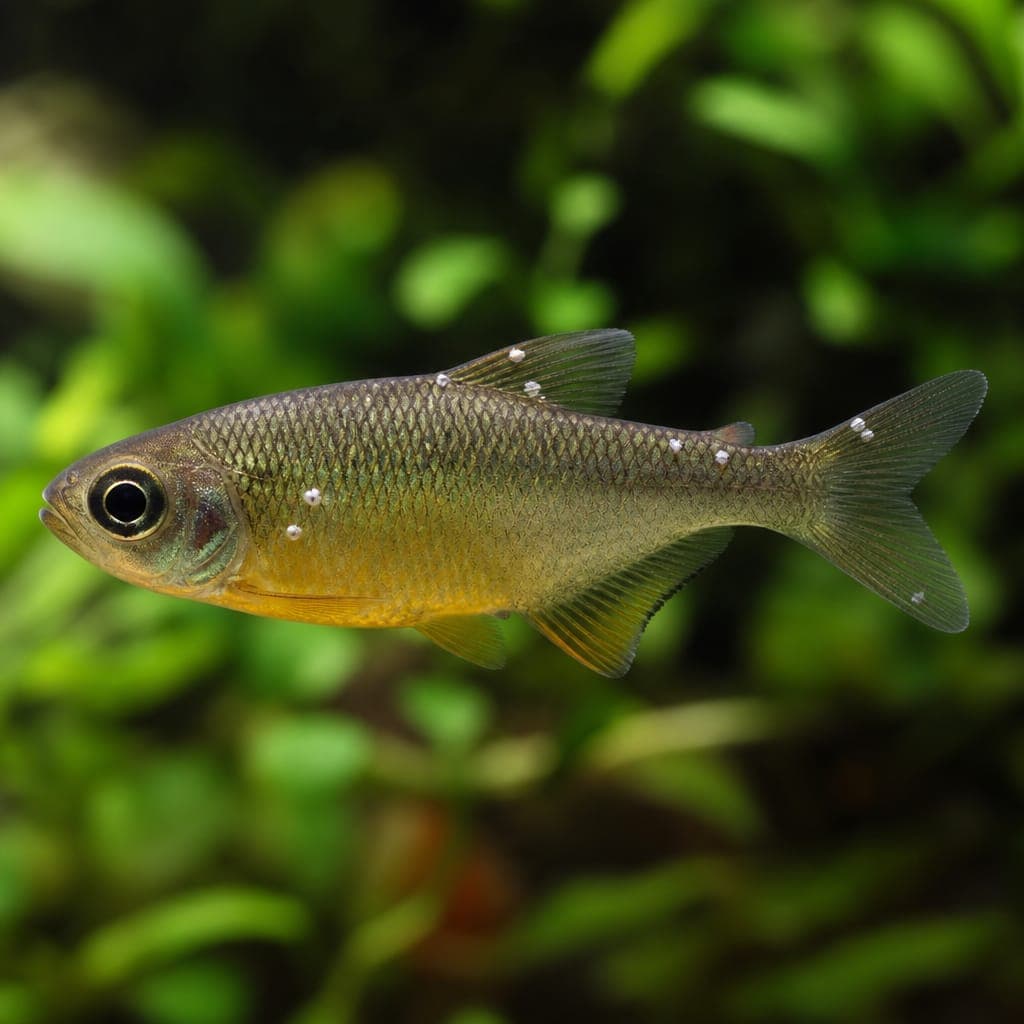
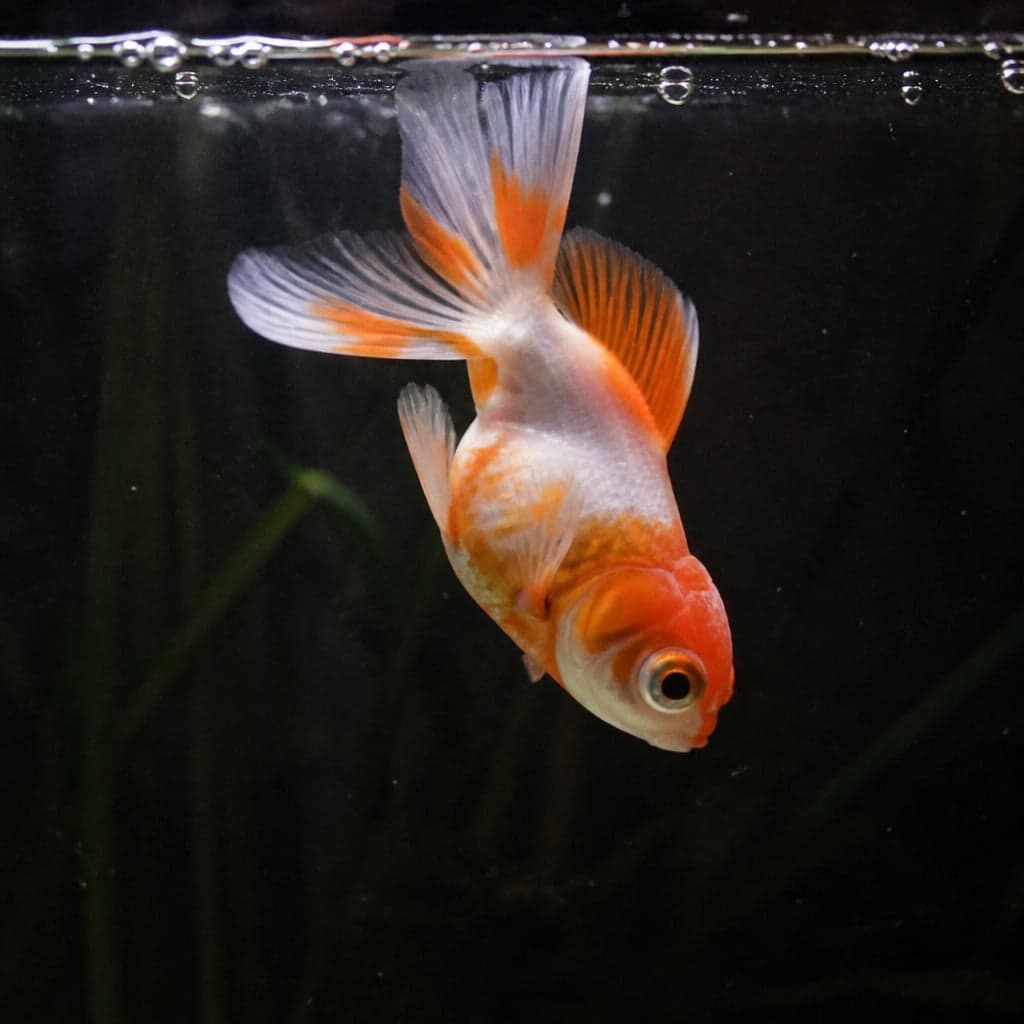
Wapoga Red Laser Rainbowfish are generally hardy, yet they can be prone to certain health issues if not adequately cared for. Common problems include ich (white spot disease), fin rot, and swim bladder issues. Prevention strategies include maintaining optimal water quality, performing regular water changes, and monitoring tank conditions consistently.
Quarantining new arrivals before introducing them to the main tank is also vital for preventing the introduction of diseases. Additionally, keeping a watchful eye on their behavior and appearance will help you catch any health issues early, allowing for prompt treatment and fostering a healthier community tank.