White Spotted Tetra: Aphyocharax paraguayensis
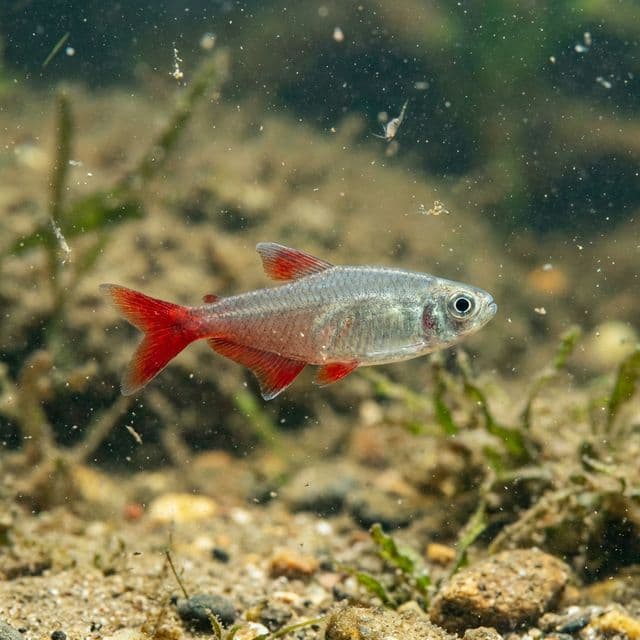
A 5cm South American tetra that shoals tightly in a group of eight or more. Peaceful, undemanding, and best over dark substrate.
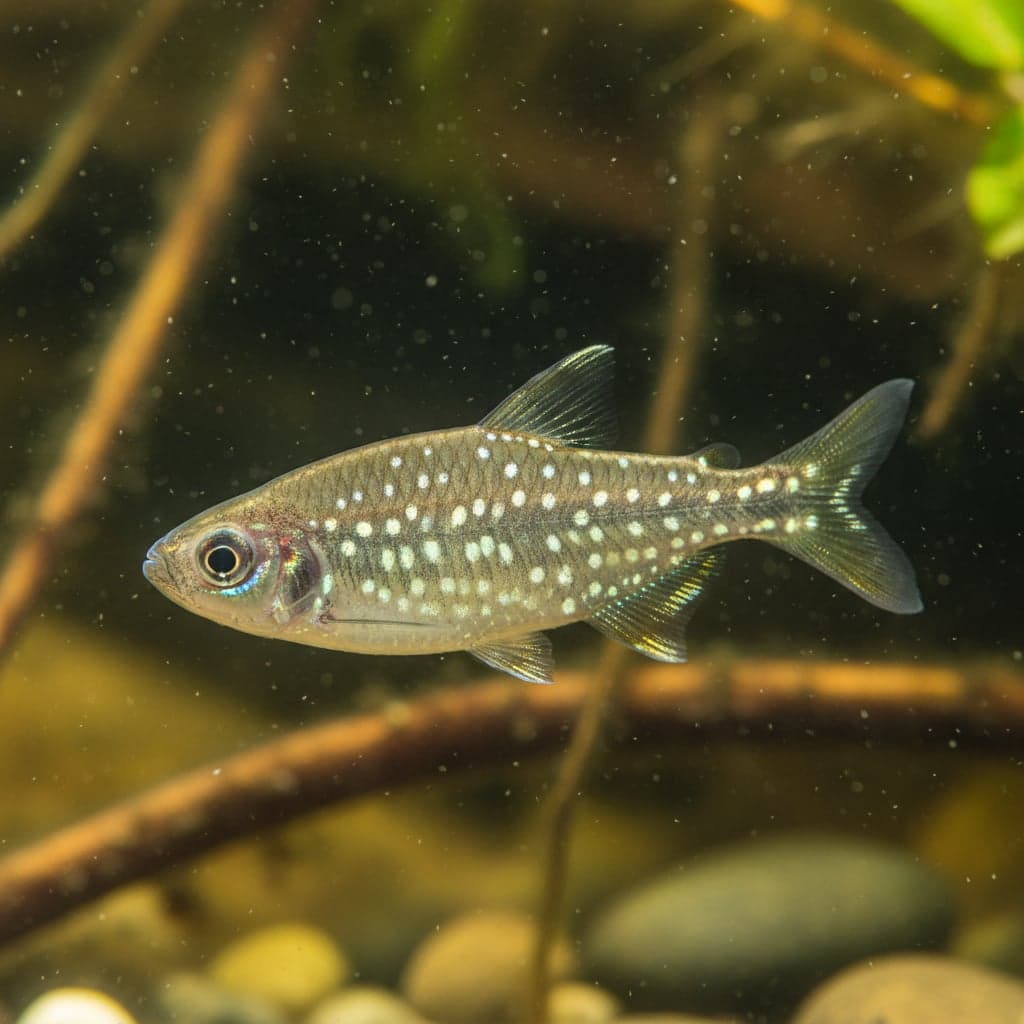
White Spotted Tetra
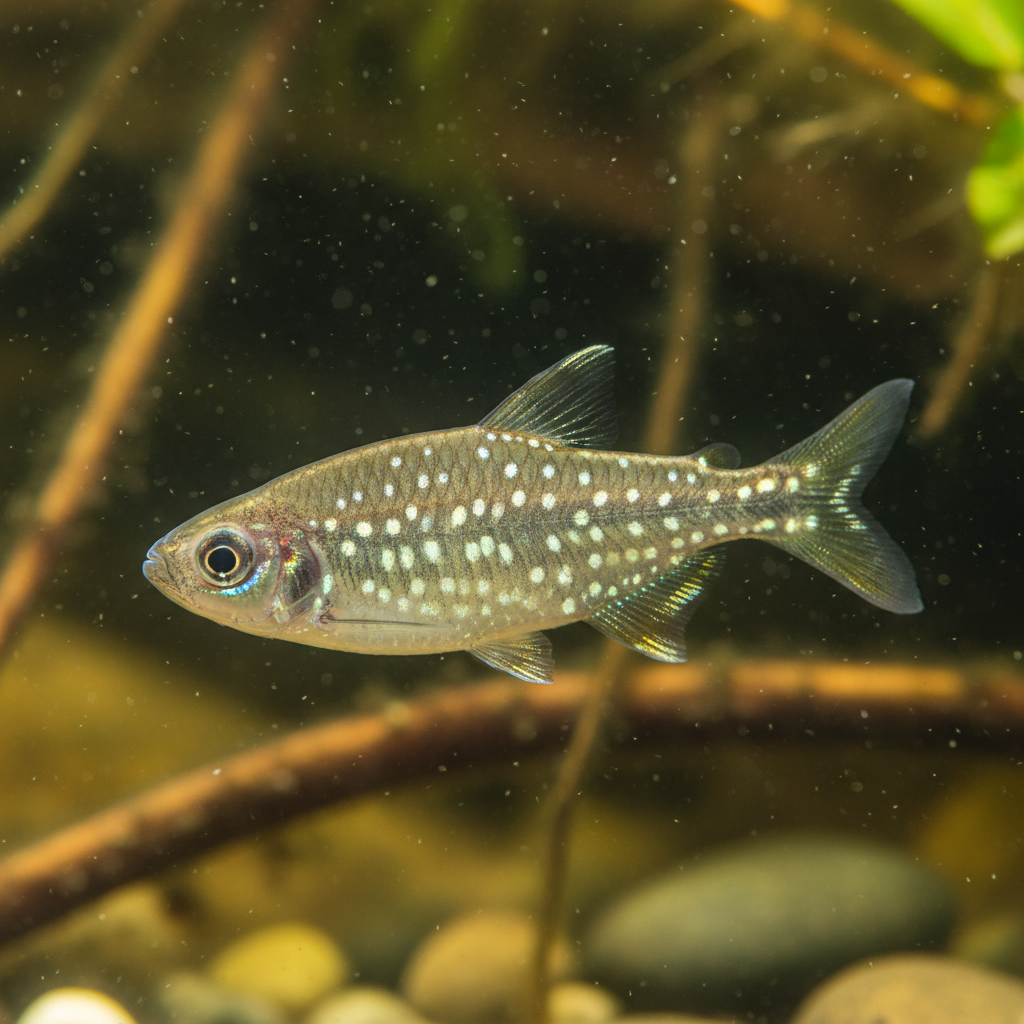
The White Spotted Tetra, scientifically known as Aphyocharax paraguayensis, is a small freshwater fish that captivates fishkeepers with its stunning visual appeal. This species boasts a slender body adorned with a striking array of white spots, which contrast beautifully against its translucent, silvery-blue scales. As they swim gracefully in the aquarium, their shimmering appearance coupled with their lively movements makes them a delightful addition to any aquatic setup. With a maximum size of about 2 inches (5 cm), the White Spotted Tetra is not only visually appealing but also an excellent choice for a community tank due to its peaceful demeanor.
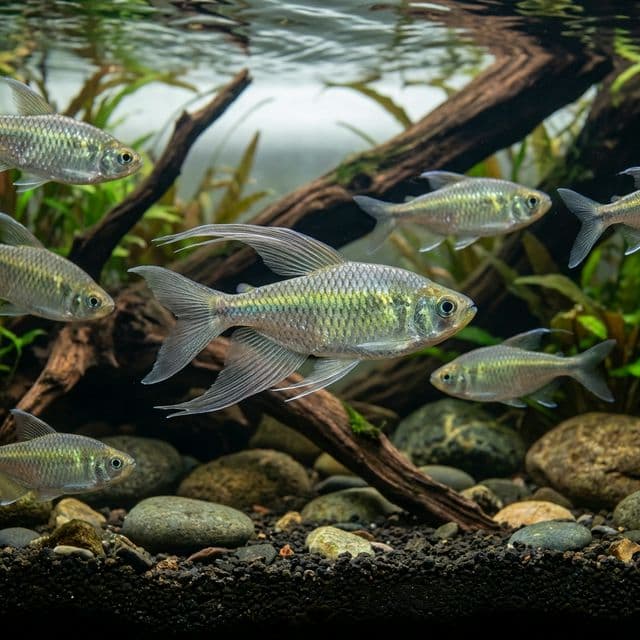
In the aquarium hobby, the White Spotted Tetra has gained popularity not only for its aesthetic qualities but also for its liveliness and hardy nature. These fish are often seen forming dense schools, which mimic their natural behavior in the wild and create a dynamic and engaging display in home tanks. As avid swimmers, they thrive when kept in groups, making them a favorite among aquarists looking to create vibrant community aquascapes filled with activity.
Natural Habitat & Origin
The White Spotted Tetra hails from the river basins of Paraguay and parts of Brazil, particularly within the Paraguay River drainage system. These fish are commonly found in slow-moving waters, flooded areas, and forested streams characterized by warm temperatures and soft, acidic conditions. Their natural habitats often feature blackwater environments, rich in organic detritus and leaf litter, which provide essential nutrients and shelter for small fish species. This ecological backdrop not only highlights their adaptation to specific environmental conditions but also influences the care requirements needed for successful aquarium upkeep.
Care Requirements
To ensure a suitable living environment for White Spotted Tetras, maintaining appropriate water parameters is crucial. Aim for a pH level between 6.0 to 7.5, with temperatures ranging from 72°F to 82°F (22°C to 28°C), and a hardness level of 2-10 dGH. When considering tank setup, a minimum size of 10 gallons is recommended, providing ample swimming space and an opportunity for social interaction. Soft, dark substrates mimic their natural habitat and enhance their coloration, while subdued aquarium lighting helps to create a comfortable atmosphere. Adding plenty of live plants, driftwood, and rocks can offer both hiding spots and refuge, simulating their native flooded forest environments.
Diet & Feeding
The White Spotted Tetra is an omnivore, thriving on a varied diet that promotes optimal health and vibrancy. In captivity, they appreciate high-quality flakes or micro pellets formulated specifically for tropical fish, supplemented with occasional frozen or live foods like brine shrimp, daphnia, and bloodworms. It is advisable to provide small portions of food multiple times a day to ensure that all fish in the tank receive sufficient nourishment, considering their schooling behavior. Additionally, the inclusion of vegetable matter, such as blanched spinach or spirulina, can contribute to a well-balanced diet.
Behavior & Temperament
White Spotted Tetras are known for their peaceful demeanor, making them excellent candidates for community aquariums. They exhibit strong schooling behavior and should ideally be kept in groups of at least six to eight individuals for their well-being. This social characteristic leads to displays of playful and energetic swimming together, which can be a captivating sight for aquarists. Typically, these fish occupy the middle to upper levels of the aquarium, darting through plants and open water, and exhibiting a non-aggressive temperament even when kept with other non-predatory species.
Tank Mates
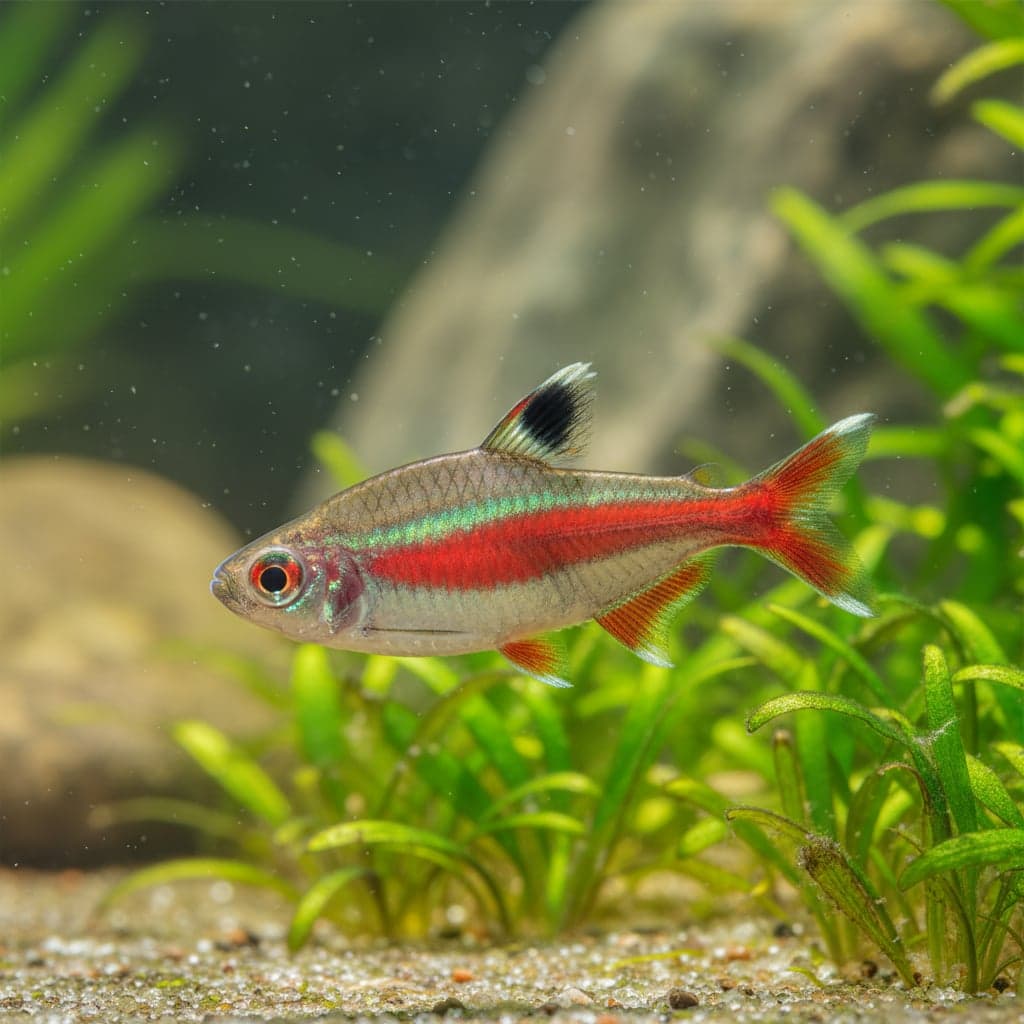
Choosing compatible tank mates is crucial for fostering a harmonious aquarium environment. Ideal companions for White Spotted Tetras include other small, peaceful fish species such as Neon Tetras, Rasboras, Corydoras, and small Gouramis. However, it is advisable to avoid larger or more aggressive fish species, such as Cichlids or some Barbs, which may pose a threat or compete for food. Additionally, avoid keeping them with fin-nippers, as this can lead to stress and injury among the more delicate White Spotted Tetras.
Breeding
Breeding White Spotted Tetras in captivity can be a rewarding experience, though it requires specific conditions to encourage successful spawning. To trigger breeding behavior, a separate breeding tank is recommended with soft, slightly acidic water (pH 6.0-6.5) and plenty of spawning mop or fine-leaved plants for egg deposition. The water temperature should be elevated to around 78°F (25-26°C) to encourage breeding behavior. During the spawning process, males will display their courtship rituals, and once fertilization occurs, the adults should be removed after spawning to prevent them from eating the eggs. Eggs typically hatch within 24-36 hours and, after several days, the fry should start swimming freely, requiring infusoria or microworms as their first food.
Common Health Issues
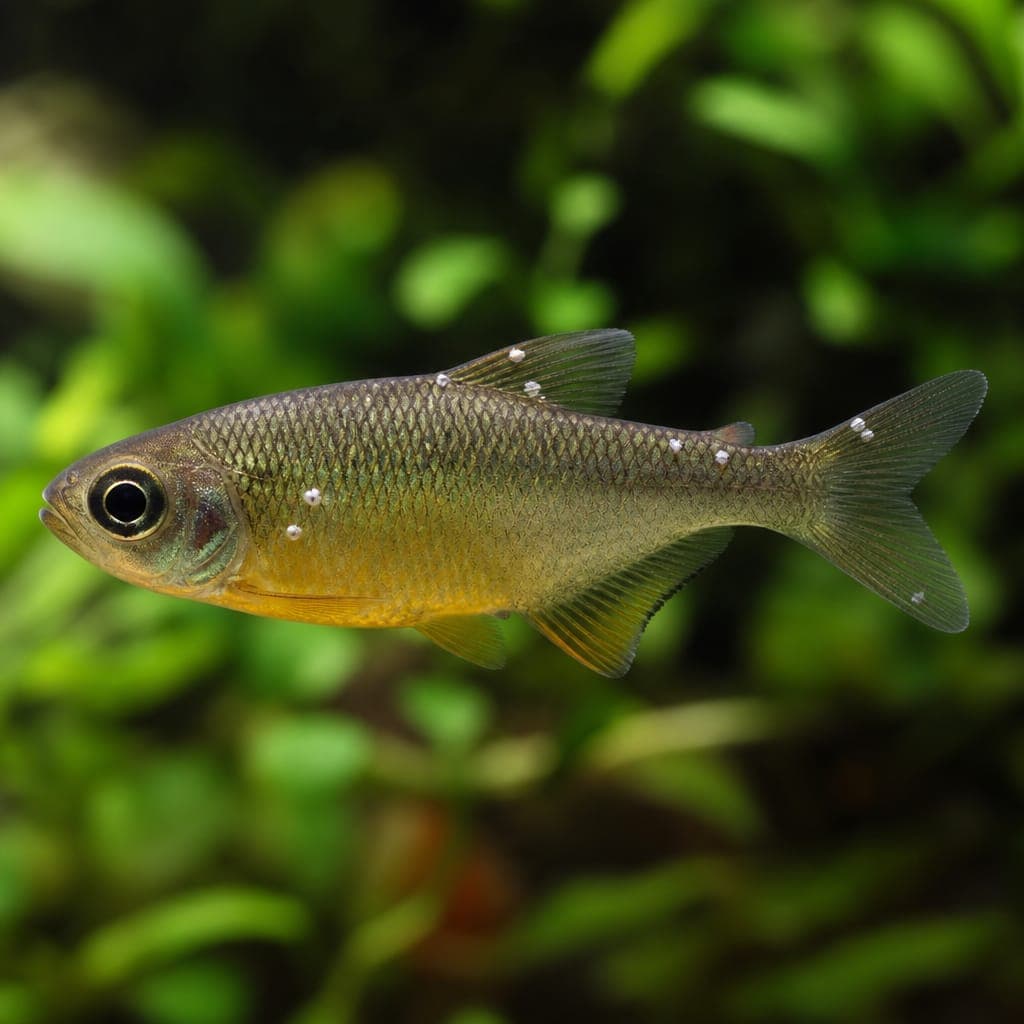
White Spotted Tetras, while generally hardy, can be susceptible to several common fish diseases, particularly if kept in less-than-ideal conditions. Some prevalent health issues include fin rot, ich (white spot disease), and velvet disease. To minimize the risk of these conditions, maintain good water quality through regular water changes, monitor tank parameters, and avoid overstocking. Quarantine any new arrivals before adding them to the main tank to reduce disease transmission. Additionally, providing a stress-free environment with adequate hiding spots can help bolster their immune systems and promote overall health.