Wrestling Halfbeak: Dermogenys pusilla
A fascinating surface-dwelling fish from Southeast Asia, the Wrestling Halfbeak is known for its unique beak-like mouth and intriguing territorial disputes.
Wrestling Halfbeak
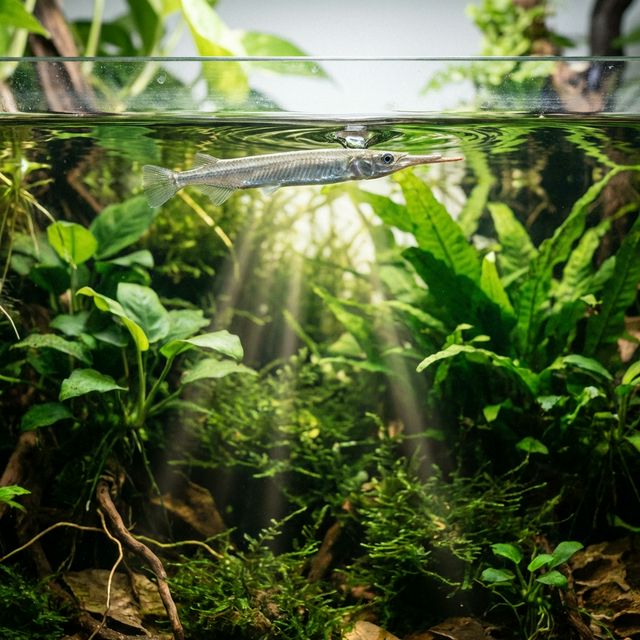
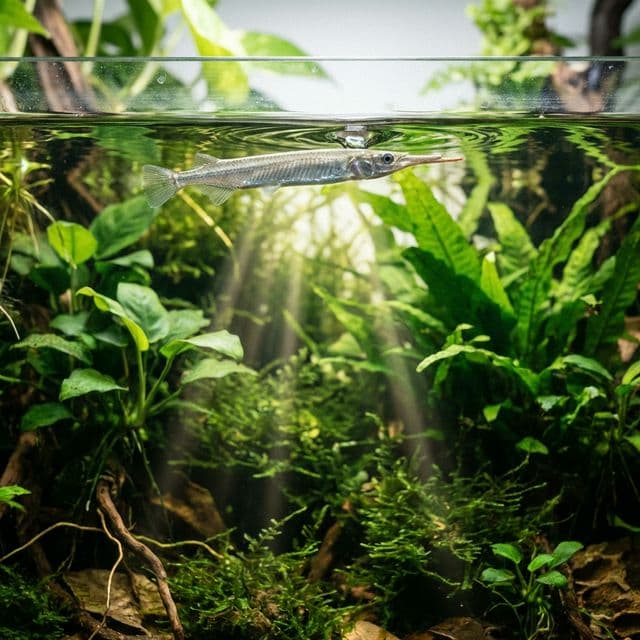
The Wrestling Halfbeak, scientifically known as Dermogenys pusilla, is a fascinating species known for its unique morphology and engaging behaviors. Its slender, elongated body and protruding lower jaw give it a distinctive appearance that captures the attention of aquarists. The fish boast a stunning gradient of colors, often showcasing pearlescent hues of iridescent greens and blues that shimmer as they swim, creating an enchanting display in any aquarium setting. These fish are not only visually appealing but also offer engaging behaviors that make them popular among aquarists, particularly those interested in nano tanks.
In the aquarium hobby, the Wrestling Halfbeak holds significance beyond its aesthetic appeal. This species is a part of the larger halfbeak family, known for their intriguing predatory behavior, especially towards small invertebrates, making them a beneficial addition for maintaining the ecological balance in an aquarium. They serve as a great example of how a species can adapt to varied conditions while still achieving high levels of attractiveness and charm, ultimately providing a rewarding experience for those who care for them.
Natural Habitat & Origin
The Wrestling Halfbeak is native to the brackish waters and freshwater systems of Southeast Asia, particularly in regions such as the coastal areas of Malaysia, Thailand, and around the islands of Indonesia. This species thrives in slow-moving rivers, streams, and lagoons, often amidst dense vegetation and submerged root structures. These habitats are characterized by warm temperatures, moderate light, and organic debris that contributes to blackwater conditions, a rich environment that fosters the growth of microorganisms essential for the fish's well-being.
In their natural setting, Wrestling Halfbeaks inhabit environments with slightly acidic to neutral water conditions. The water's soft nature aids in their physiological processes, allowing them to thrive. The unique ecological conditions of their habitat also mean that aquarists should strive to replicate this delicate balance in captivity, ensuring that the needs of these beautiful fish are met for optimal health and longevity.
Care Requirements
To maintain a healthy environment for Wrestling Halfbeaks, it's essential to provide specific water parameters. Ideally, the pH should range between 6.5 to 7.5, with a temperature between 24°C and 28°C (75°F to 82°F). Water hardness should be kept between 2 to 12 dGH. These fish prefer densely planted tanks, with a minimum size of 20 gallons recommended to accommodate their need for swimming space. A fine substrate, such as sand or small gravel, is ideal as it mimics their natural habitat.
Lighting should be moderate, allowing for plant growth while also creating shaded areas, as these fish often enjoy some cover from bright light. Incorporating various aquatic plants, driftwood, and hiding spots can significantly enrich their living environment. Proper filtration is also crucial, as Wrestling Halfbeaks are sensitive to poor water quality; however, care should be taken to avoid strong currents, as they are accustomed to slower-moving waters.
Diet & Feeding
Wrestling Halfbeaks are omnivorous, requiring a balanced diet for optimal health and vibrancy. In captivity, they thrive on high-quality flake foods, small pellets, and frozen or live foods such as brine shrimp, daphnia, and micro-worms. Providing a varied diet not only enhances their coloration but also promotes healthy growth and breeding behaviors. Special attention should be given to the size of food offerings, ensuring they are small enough for the fish to consume without difficulty.
Feeding should occur two to three times daily, with portions manageable within a few minutes to prevent overfeeding and maintain water quality. It is beneficial to include both protein-rich and plant-based options in their diet to mimic their natural feeding habits and support their nutritional needs.
Behavior & Temperament
Wrestling Halfbeaks exhibit peaceful social behavior, often best kept in small, loosely-structured groups. They enjoy being in the company of their kind and should ideally be kept in schools of at least five to prevent stress. Their peculiar chasing of each other while displaying their combativeness can be entertaining; however, this behavior does not indicate aggression.
In terms of placement in the aquarium, Wrestling Halfbeaks are surface dwellers and tend to occupy the upper levels of the tank. Ensuring they have ample space to swim freely in the upper strata will help maintain their comfort and well-being. It's important to observe their interactions regularly, as stress from improper tank mate combinations or overcrowding can lead to issues.
Tank Mates
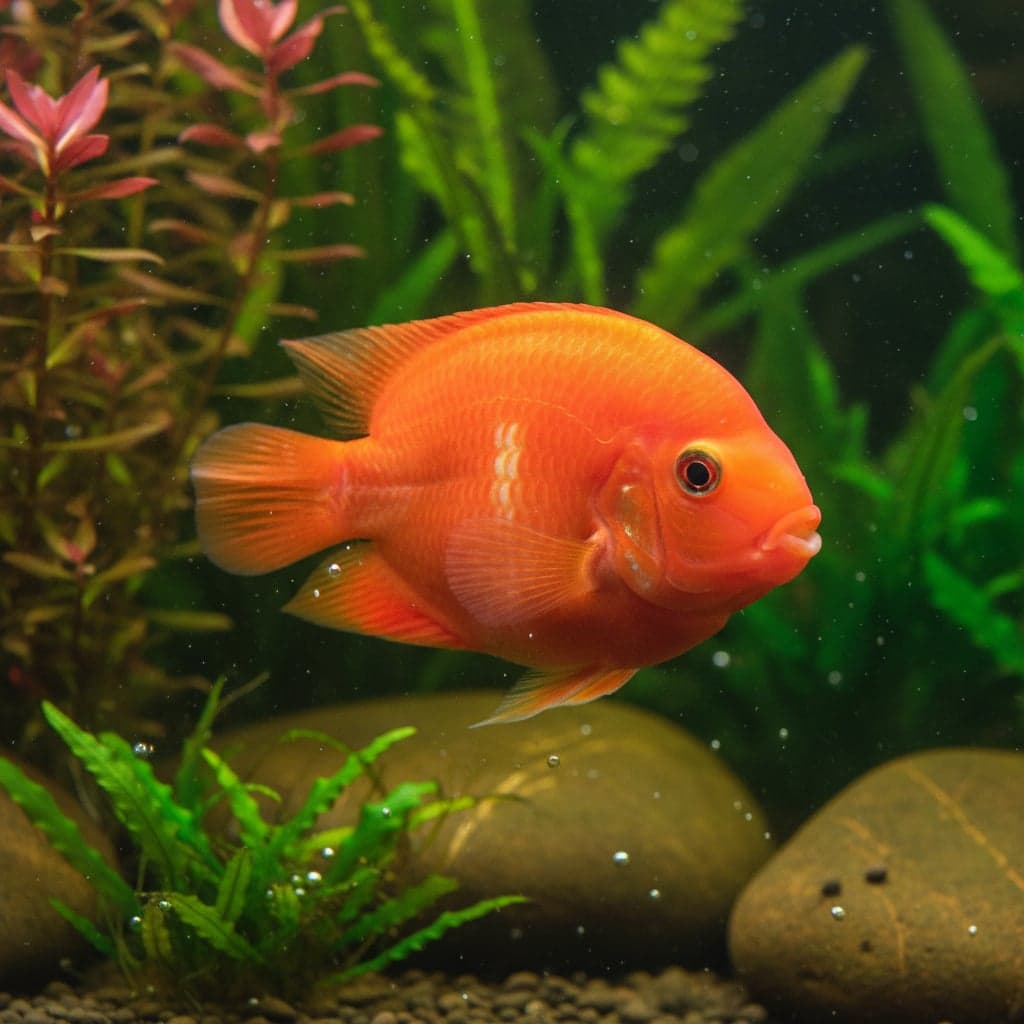
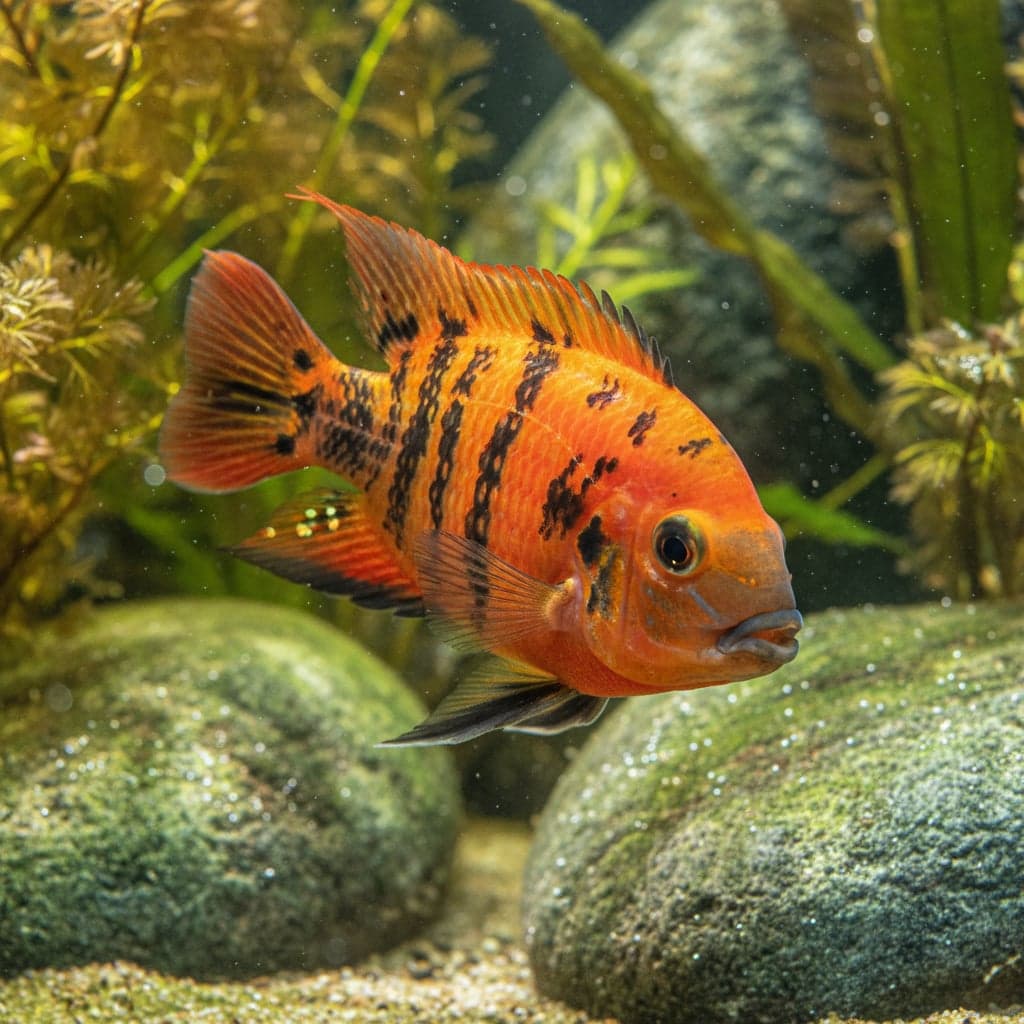
Choosing compatible tank mates for Wrestling Halfbeaks requires careful consideration to ensure a harmonious environment. Ideal companions include small, peaceful species such as Corydoras catfish, Tetra varieties, and Endler’s guppies. Avoid keeping them with particularly aggressive or larger species, such as Cichlids or larger Barbs, which may intimidate or harm them.
In addition, they may not be suitable tank mates for slow-moving, long-finned fish like Betta Splendens, as Halfbeaks have a tendency to nip at fins when exciting. In selecting tank mates, aim for species that share similar dietary and water parameter needs, ensuring a cohesive ecosystem in your aquarium.
Breeding
Breeding Wrestling Halfbeaks in captivity can be successful with the right conditions. They are egg scatterers and require a spawning medium, such as fine-leaved plants or spawning mops where they can lay their eggs. Provide a well-planted breeding tank set at slightly acidic to neutral pH levels with a temperature between 26°C to 28°C (78°F to 82°F).
Separate males and females before breeding, as males exhibit territorial behaviors during the breeding process. Once the females are noticeably swollen with eggs, reintroduce them back into the breeding tank with males. After spawning, remove the parents to prevent them from consuming the eggs. Fry typically hatch within 24-48 hours and can be fed infusoria or finely crushed flake food until they are large enough to accept more substantial food.
Common Health Issues
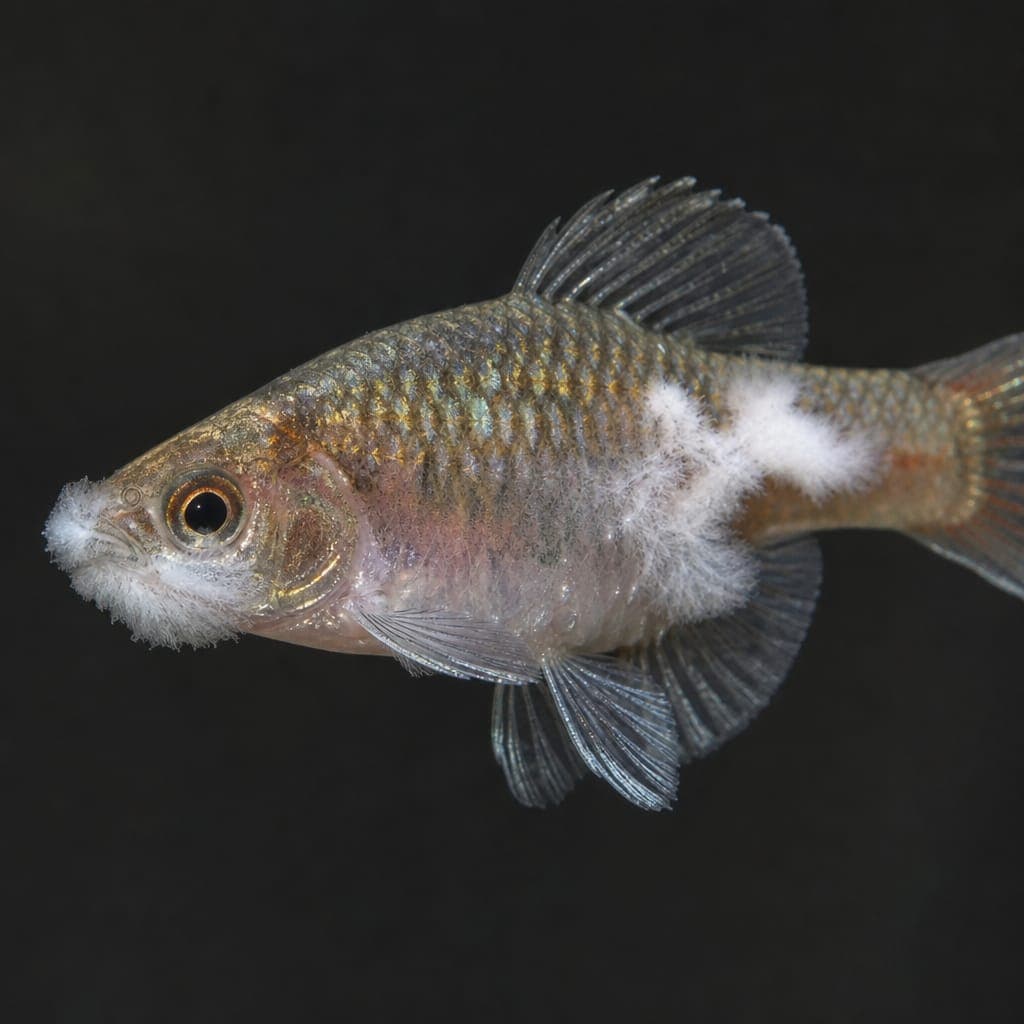
Wrestling Halfbeaks are generally hardy; however, they may be prone to certain health issues, primarily if kept in subpar tank conditions. Common diseases include Ich (white spot disease), fin rot, and fungal infections. Maintaining optimal water conditions and performing regular water changes can significantly reduce the risk of such ailments.
To prevent issues, ensure the water quality is consistently monitored, and treat any emerging diseases promptly. Quarantining new fish before introducing them into the main tank will also help prevent the spread of potential pathogens, ensuring the long-term health and wellness of your aquatic community. Regularly observing the behavior and appearance of your Wrestling Halfbeaks will help in identifying any concerns early on, allowing for swift action.