Yellow Boxfish
A 45cm boxfish that releases ostracitoxin when stressed or dying — enough to kill every fish in the tank. Charming, and a genuine liability.
Yellow Boxfish
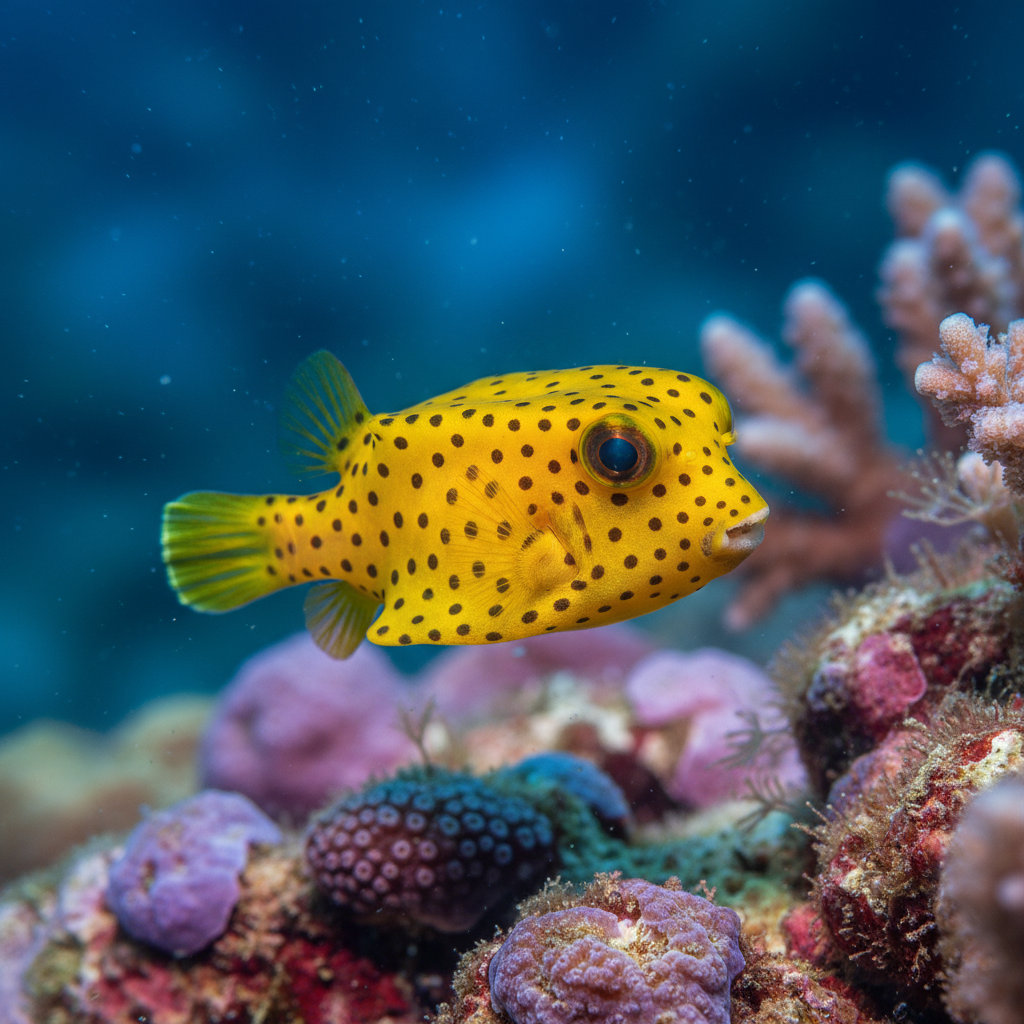
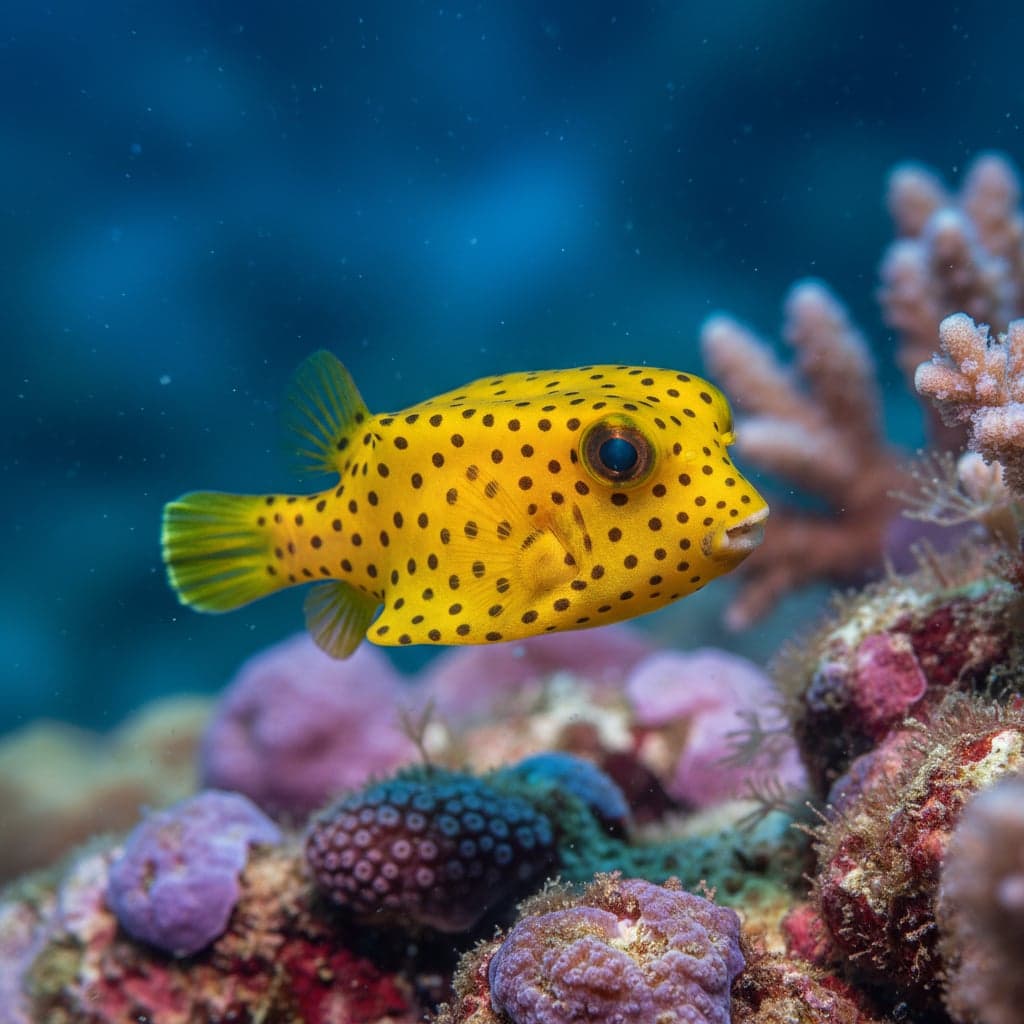
The Yellow Boxfish (Ostracion cubicus) is a striking marine species renowned for its distinctive shape and vibrant yellow coloration. Characterized by its cube-like body and hexagonal skin pattern, this fish serves not only as a colorful addition to aquariums but also as a conversation starter among enthusiasts. The yellow boxfish can grow to about 8-10 inches in length, making it a moderately sized fish that fits well in larger aquariums. Its unique appearance, along with the ability to change colors based on mood, captivates both novice and experienced aquarists alike, establishing it as an iconic species in the marine aquarium trade.
In addition to its aesthetic appeal, the Yellow Boxfish holds ecological significance in the natural world, where it plays a vital role as a grazer on algae and detritus found in coral reefs. This species is native to various reef systems and has become increasingly popular in aquarium settings due to its intriguing behaviors and relatively hardy nature. As such, understanding the requirements and proper care techniques for the Yellow Boxfish is essential for enthusiasts who wish to provide a thriving environment for this engaging creature.
Natural Habitat & Origin
The Yellow Boxfish is predominantly found in the warm, shallow waters of the Indo-Pacific region, including the Caribbean Sea, Indian Ocean, and western Pacific Ocean. They are usually located in coastal waters, inhabiting coral reefs, lagoons, and rocky substrates where they can seek shelter and forage for food. The species thrives in clear water environments, preferring depths of up to 40 meters, where it encounters abundant food sources. The environmental context of their habitat is crucial, as they rely on a balanced ecosystem to provide them with the detritus and algae they need to thrive.
Moreover, as a reef-associated species, the Yellow Boxfish is integral to the health of coral ecosystems. The natural habitat serves not only as a foraging area but also as a protective environment that shields the fish from predators. Understanding their origin and the natural conditions of their habitat aids aquarists in replicating a suitable environment in captivity, ensuring the long-term health and well-being of these captivating fish.
Care Requirements
To maintain a healthy environment for the Yellow Boxfish, specific water parameters and tank conditions must be met. Ideal pH levels should be maintained between 8.1 and 8.4, with a temperature range of 72°F to 78°F (22°C to 26°C). Additionally, water hardness should ideally be kept between 8-12 dGH. These parameters create a stable and conducive environment for the Yellow Boxfish, promoting its overall health and vitality.
In terms of tank setup, a minimum aquarium size of 50 gallons is recommended due to their active nature and need for swimming space. The substrate should consist of fine sand or small pebbles to mimic their natural habitat, while rock formations and coral structures can provide hiding spots and enhance the visual appeal of the tank. Adequate lighting should be provided, with a focus on simulating natural daylight conditions. Live plants can be included, but care is needed as the Yellow Boxfish may nibble on them; thus, hardy species such as Anubias or Java fern are recommended for balance.
Diet & Feeding
The Yellow Boxfish is primarily an omnivorous species, requiring a varied diet to thrive. In their natural habitat, they graze on algae, detritus, and various small invertebrates, reflecting their need for a diverse nutrient intake. In captivity, it is recommended to provide high-quality flake foods that are specifically formulated for marine fish, supplemented with protein-rich pellets. Additionally, frozen or live foods such as brine shrimp, mysis shrimp, and finely chopped shellfish can be offered to ensure that their dietary needs are met.
Feeding should occur 2-3 times a day in smaller portions to prevent overfeeding and maintain water quality. Observing the Yellow Boxfish during feeding times can be entertaining as they showcase their playful nature when detecting food. It's essential to maintain a consistent feeding schedule, as changes in diet can lead to stress or health issues.
Behavior & Temperament
The Yellow Boxfish exhibits a unique blend of playful and shy behaviors, often hiding in rocky crevices or among corals when feeling threatened. In terms of social behavior, they are not strictly schooling fish, but they can cohabitate with compatible species if provided with ample space. They tend to display territorial instincts, especially males, which can lead to skirmishes during feeding or when defending their chosen areas in the tank. Therefore, it's crucial to monitor their interactions with tank mates to minimize aggression and ensure a peaceful environment.
Regarding tank placement, the Yellow Boxfish typically occupies the mid to bottom levels of the aquarium. They prefer areas where they can dart into hiding when startled but will often venture to the surface when feeling secure. Their unique swimming style, characterized by a slow and sometimes jerky motion, adds to their engaging personality, making them a delightful addition to community tanks when housed with the right companions.
Tank Mates
When selecting tank mates for the Yellow Boxfish, it's important to choose species that are peaceful and non-aggressive. Compatible tank mates include small to medium-sized reef-safe fish such as:
- Clownfish
- Gobies
- Damselfish
- Royal Gramma
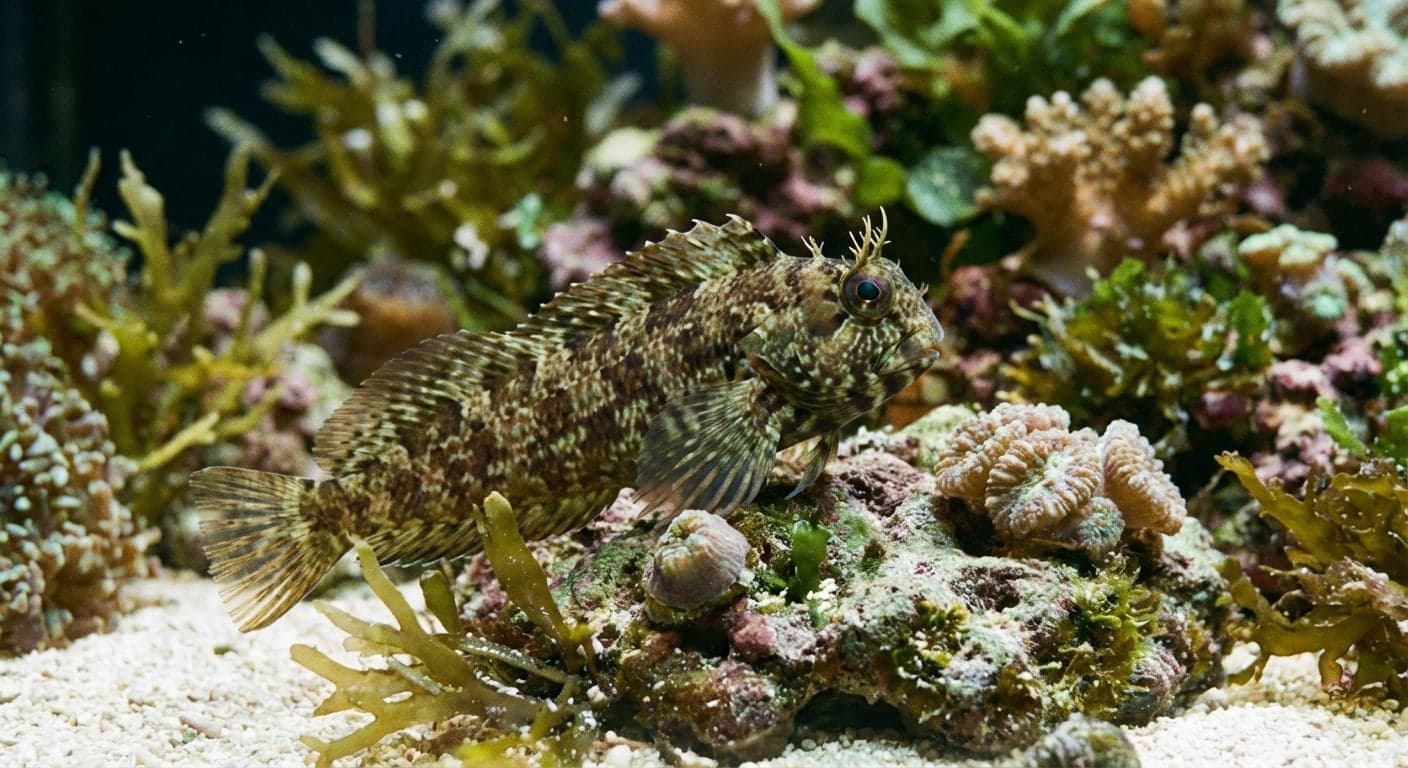
- Blennies
These species often coexist harmoniously with Yellow Boxfish and can enhance the vibrant community aspect of the aquarium. However, it is crucial to avoid housing them with aggressive fish, such as large wrasses, triggers, or angels, as these species may bully or harm the Yellow Boxfish due to their more timid nature. Additionally, very small fish may become targets for nibbling, so caution is advised when selecting tank mates.
Breeding
Breeding Yellow Boxfish in captivity is a challenging endeavor due to their specific reproductive requirements. In the wild, they exhibit distinct spawning behaviors, typically during warmer months when water temperatures are optimal. Males perform courtship displays to attract females, leading to the release of eggs and sperm into the water column. This external fertilization results in pelagic larvae that drift with ocean currents before settling in suitable environments.
To encourage successful breeding in a controlled setting, a well-maintained environment with pristine water conditions is essential. A separate breeding tank with a minimum size of 30 gallons, ample hiding spaces, and suitable water flow can help replicate natural mating scenarios. It's essential to monitor water quality closely and provide appropriate foods during the spawning process, as nutrition plays a vital role in the health of the resulting fry.
Common Health Issues
Yellow Boxfish are generally hardy but can be susceptible to several health issues if not properly cared for. Some common health concerns include ich (ichthyophthirius multifiliis), a parasitic infection characterized by white spots on the skin, and other external protozoan diseases. They may also face challenges related to poor water quality, leading to stress and subsequent ailments.
Prevention is key to avoiding these issues. Regular water changes, maintaining optimal water parameters, and providing a balanced diet can greatly enhance the fish's resilience. Quarantine new arrivals before introducing them to the main tank is crucial to prevent the spread of diseases. Additionally, closely observing the Yellow Boxfish for any signs of distress or illness will allow for prompt intervention, ensuring their continued health and vitality in your marine aquarium.