Yellow Flying Fox: Paracrossochilus vittatus
An active and hardworking algae eater from Southeast Asia, featuring a distinct golden-yellow stripe and a relentless appetite for various types of algae.
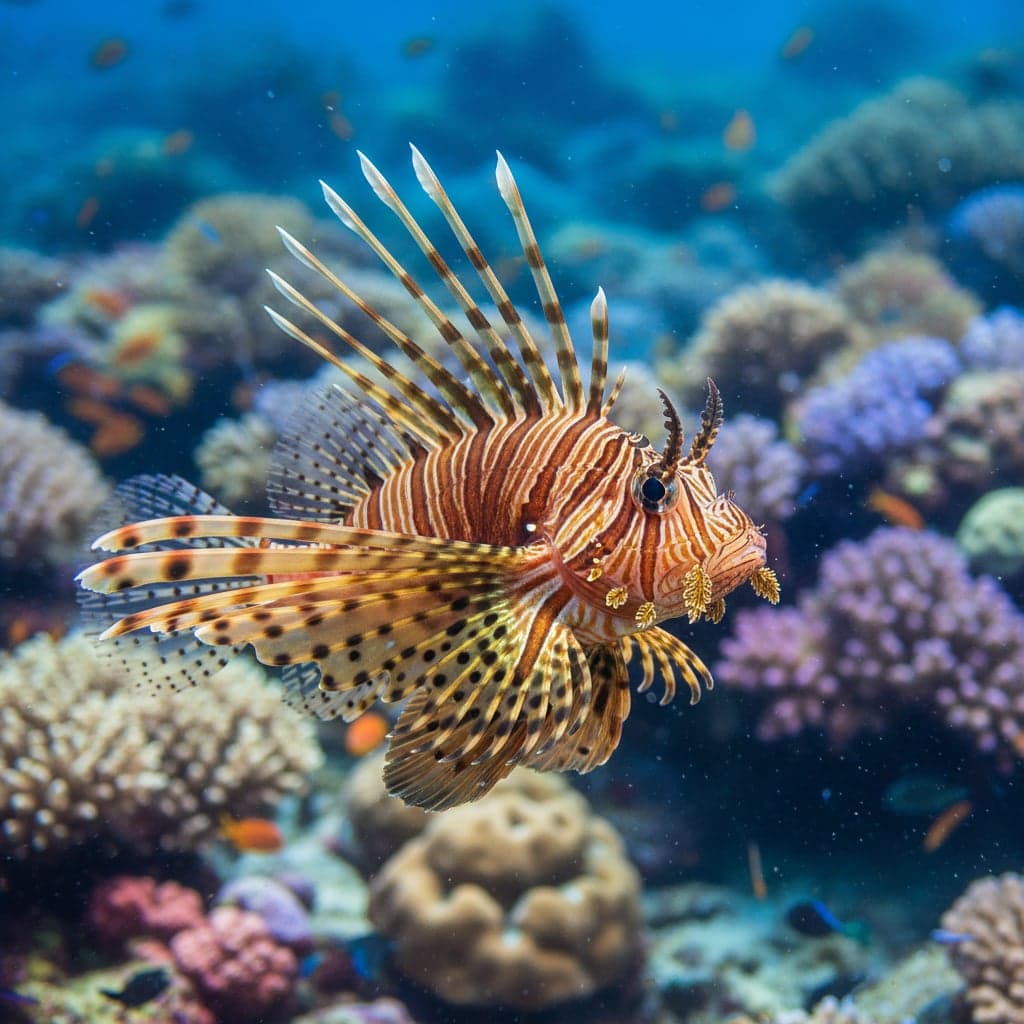
Yellow Flying Fox
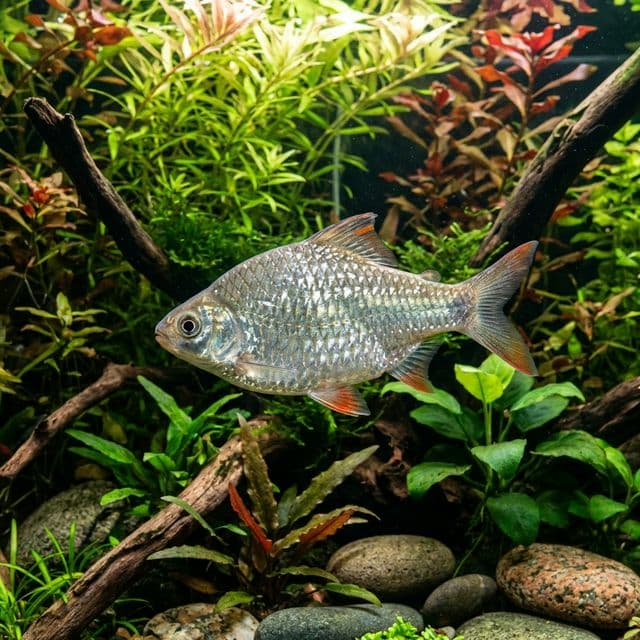
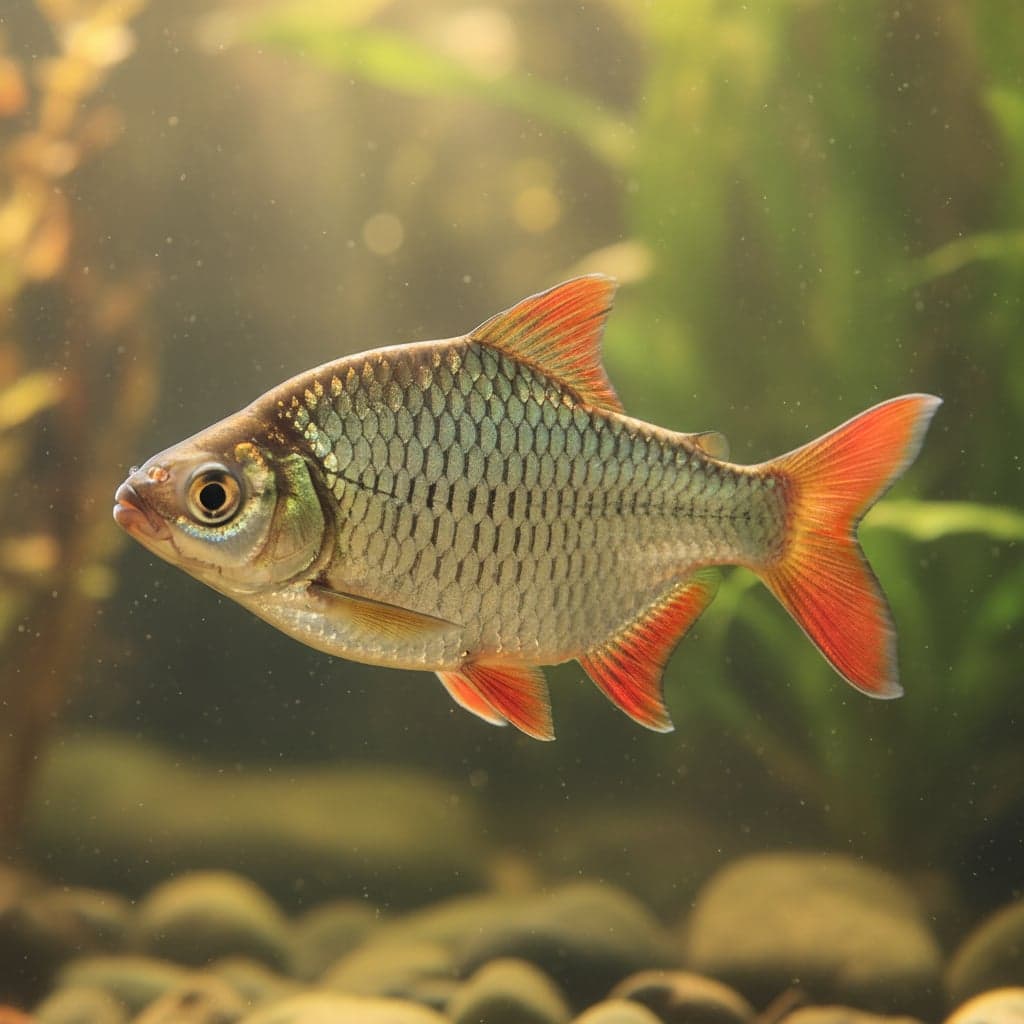
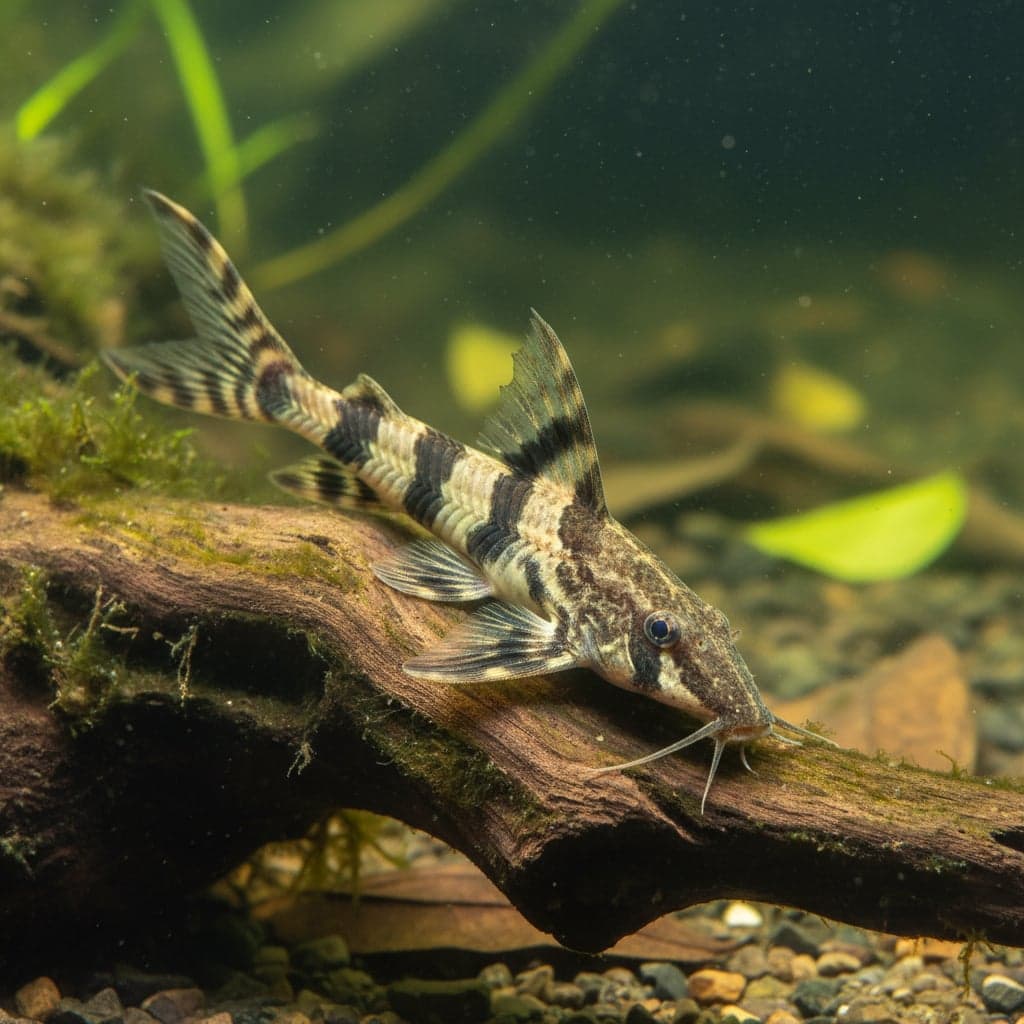
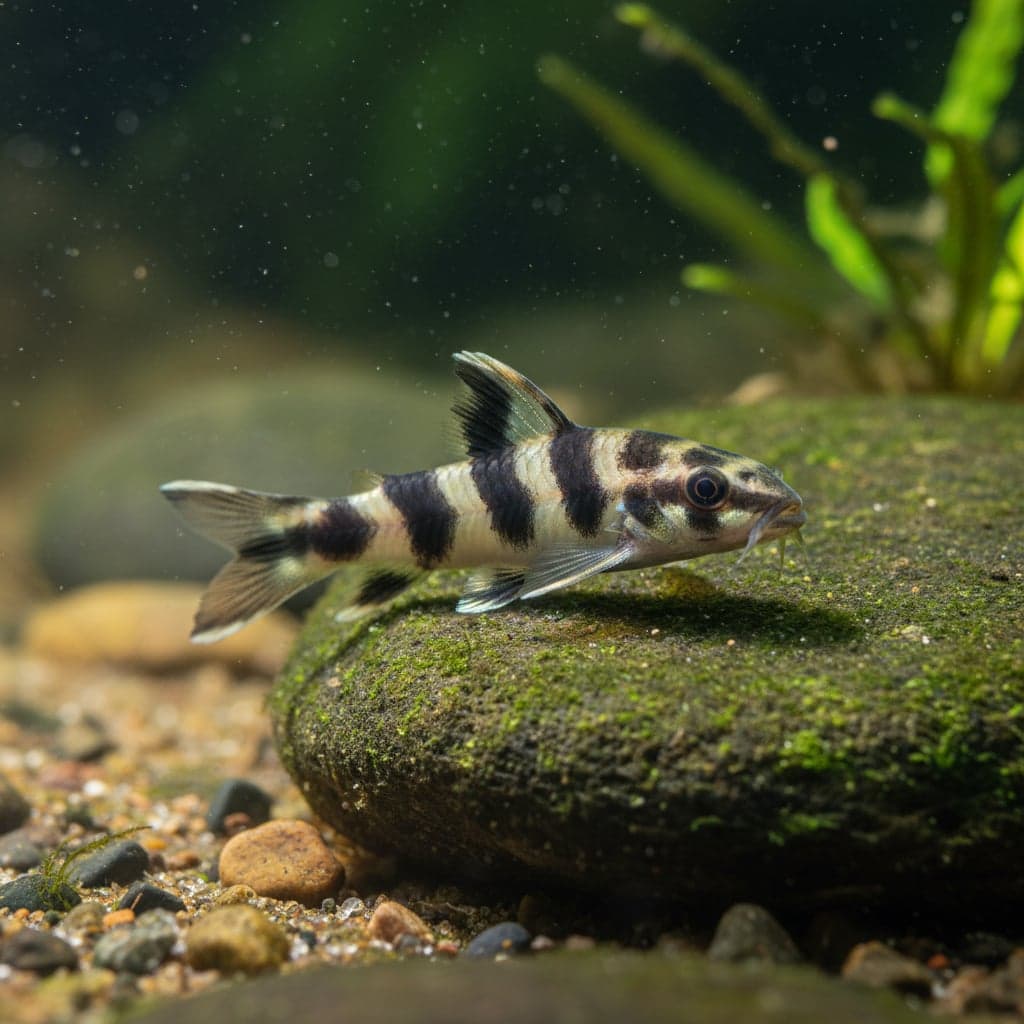
The Yellow Flying Fox, scientifically known as Paracrossochilus vittatus, is a striking freshwater fish that has captured the hearts of aquarists around the globe. Known for its bright yellow color and elegant, streamlined body, this species can add a splash of vibrancy to any tank. Its vibrant hue and distinctive black markings make it visually appealing, drawing attention in both community tanks and specialized displays. The Yellow Flying Fox is not just a pretty face; its playful swimming behavior and adaptability make it a favorite among both novice and experienced aquarists.
In addition to its aesthetic charm, the Yellow Flying Fox plays an essential role in the aquarium hobby by promoting a balanced ecosystem. As herbivores, they actively graze on algae, contributing to tank cleanliness and nutrient cycling. They are also relatively easy to care for, making them suitable for a range of aquarists. Their engaging behaviors and compatibility with various species add a dynamic element to aquarium life, making them a treasured addition to many aquatic collections.
Natural Habitat & Origin
The Yellow Flying Fox hails from the rivers and streams of Southeast Asia, particularly in regions like Thailand and Cambodia. This fish inhabits areas with slow-moving, clear waters, often characterized by a wealth of aquatic vegetation and submerged structures. These environments are rich in organic materials, with a natural mix of both rocky substrates and soft plant matter that provide shelter and breeding grounds for various species. The water in its natural habitat tends to be slightly acidic, with a pH ranging from 6.0 to 7.5, enabling a healthy biodiversity that includes numerous algae species, which the Yellow Flying Fox relies on for food.
In the wild, these fish are primarily found in shallow waters where they can easily access their food sources. The environmental context surrounding the Yellow Flying Fox showcases a delicate ecosystem that is impacted by surrounding flora and fauna. As the fish navigate their habitat, they play a vital role in controlling algal growth, thus contributing to their ecosystem's overall health.
Care Requirements
To keep Yellow Flying Foxes healthy and thriving, proper water parameters are crucial. The ideal temperature range for these fish is between 24°C to 28°C (75°F to 82°F), with a slightly acidic to neutral pH level (6.0 to 7.5) and moderate water hardness (3-12 dGH). Maintaining clean water through regular water changes and an efficient filtration system is essential to prevent stress and disease.
When setting up a tank for Yellow Flying Foxes, a minimum size of 75 liters (20 gallons) is recommended to provide ample swimming space. A substrate of fine gravel or sand is optimal, as it mimics their natural habitat. Adding plenty of plants, such as Java Fern, Anubias, and floating vegetation can create a lush environment that promotes their natural foraging behavior. Moderate lighting conditions enhance their bright coloration while ensuring the fish feel secure. Providing hiding spaces using driftwood or rock formations can help reduce stress and create a calming habitat.
Diet & Feeding
The Yellow Flying Fox is an omnivorous fish that thrives on a varied diet. In captivity, it can be fed a balanced mix of high-quality flake or pellet food, ideally formulated for herbivores to meet its dietary needs. Additionally, supplementing their diet with frozen or live foods such as brine shrimp, daphnia, and bloodworms can enhance their health and vitality. Algae wafers are an excellent addition to their diet, satisfying their natural grazing instincts and promoting optimal growth.
To ensure their well-being, it is important to feed them small amounts multiple times a day rather than one large feeding. This approach mimics their natural feeding behaviors and helps keep water conditions stable by minimizing waste build-up.
Behavior & Temperament
The Yellow Flying Fox is generally a peaceful and social species, often seen swimming in small groups or shoals. While they can be territorial, especially among males, instances of aggression are relatively rare in well-maintained tanks with ample space and hiding spots. They exhibit a fascinating dynamic where they will often chase each other playfully, particularly during feeding times.
In terms of tank placement, Yellow Flying Foxes tend to utilize the mid to upper levels of the aquarium, frequently darting around the tank in search of food. As active swimmers, they enjoy an environment that allows for unobstructed movement, so providing a spacious tank layout is critical.
Tank Mates
In a community aquarium, Yellow Flying Foxes are compatible with many species. Ideal tank mates include tetras, rasboras, danios, and peaceful cichlids. However, caution should be exercised when adding fish that may exhibit aggressive or fin-nipping tendencies. Species such as bettas, barbs, and larger cichlids are best avoided, as they may stress or harm the Yellow Flying Fox. Consider keeping them with other schooling fish to promote a dynamic and harmonious environment.
When choosing tank mates, aim for a balanced mix that complements the sociable nature of the Yellow Flying Fox while also meeting the water parameters and behavioral characteristics of all the species involved.
Breeding
Breeding Yellow Flying Foxes in captivity is a challenging yet rewarding endeavor. For successful spawning, a dedicated breeding tank is advisable, where water conditions can be precisely managed. The breeding tank should be larger than 40 liters (10 gallons) and feature fine-leaved plants or spawning mops to provide suitable surfaces for eggs.
The spawning process typically occurs in early morning, when the males engage in an elaborate courtship display. After a successful courting ritual, females will lay eggs on the plants, which males will then fertilize. It is crucial to remove the adult fish after spawning, as they may eat the eggs. Fry can be raised on infusoria or finely crushed flakes until they are large enough to consume regular fish food.
Common Health Issues
The Yellow Flying Fox is generally resilient but can be susceptible to a few health issues, including Ichthyophthirius multifiliis (ich), fin rot, and dropsy. Maintaining good water quality and a stable environment is the best form of prevention. Regular monitoring for signs of stress, such as changes in behavior or appearance, can help catch potential problems early.
Additionally, quarantining new fish before introducing them to an established tank can minimize the risk of introducing diseases. A well-rounded diet, combined with stress-reducing aquatic environments, will go a long way in preventing health issues and enhancing the longevity of the fish.