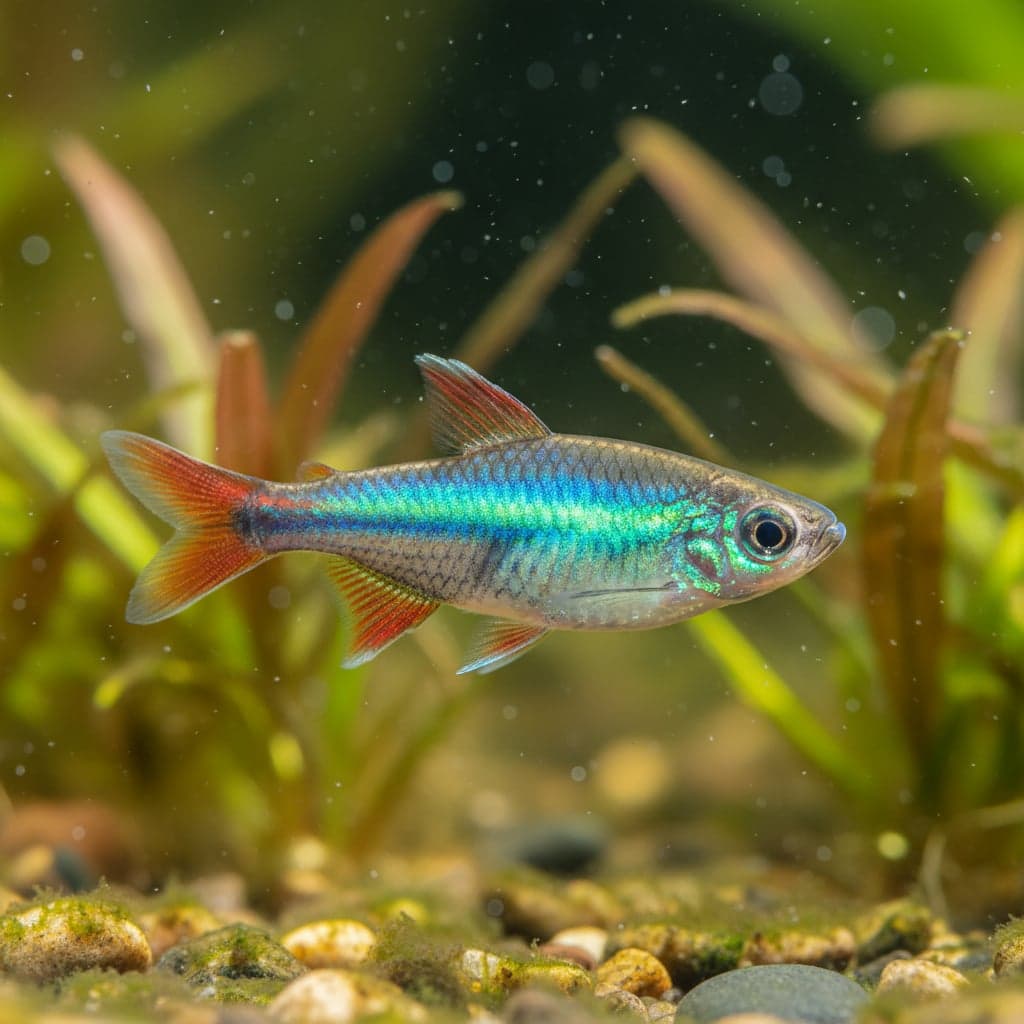
Yellow Rainbowfish: Melanotaenia herbertaxelrodi
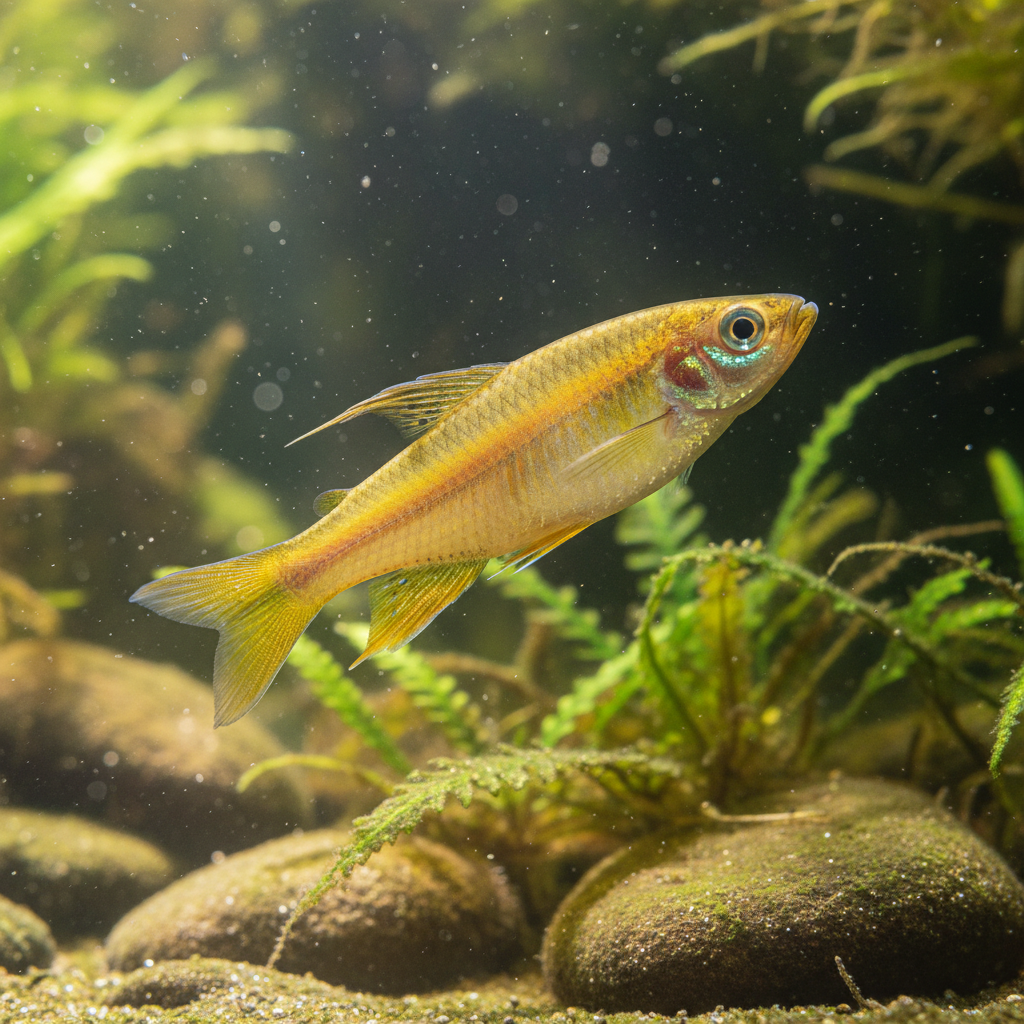
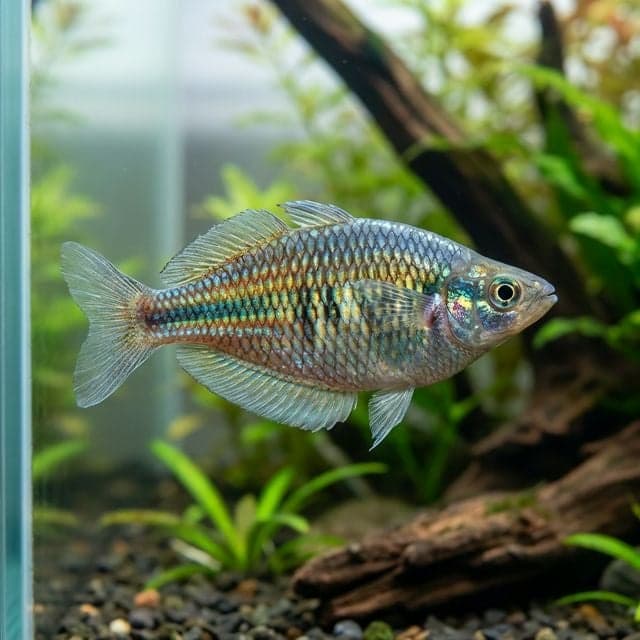
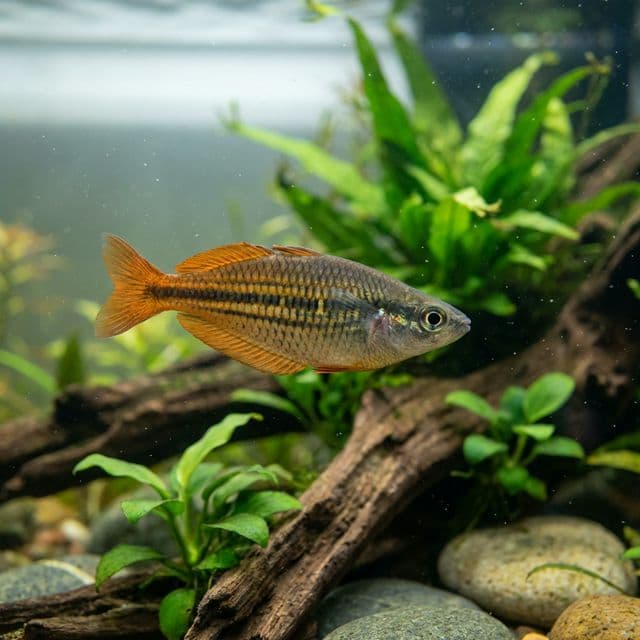
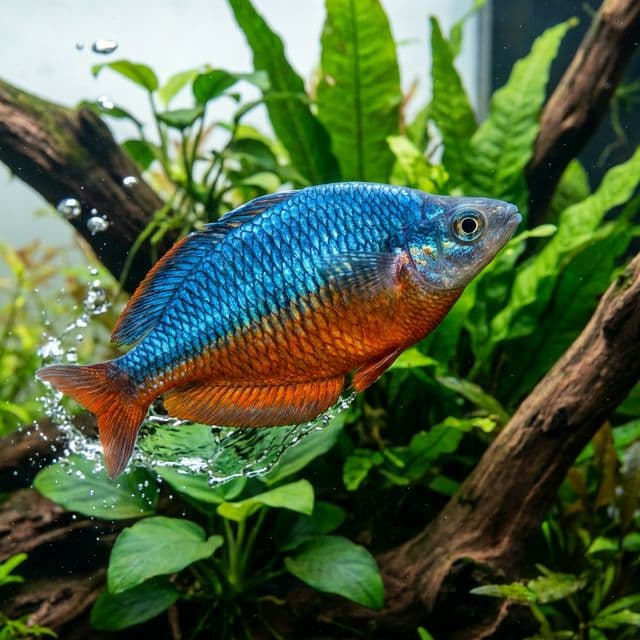
A spectacular and active schooling fish from Papua New Guinea, the Yellow Rainbowfish is famous for the intense, solid golden-yellow coloration of mature males.
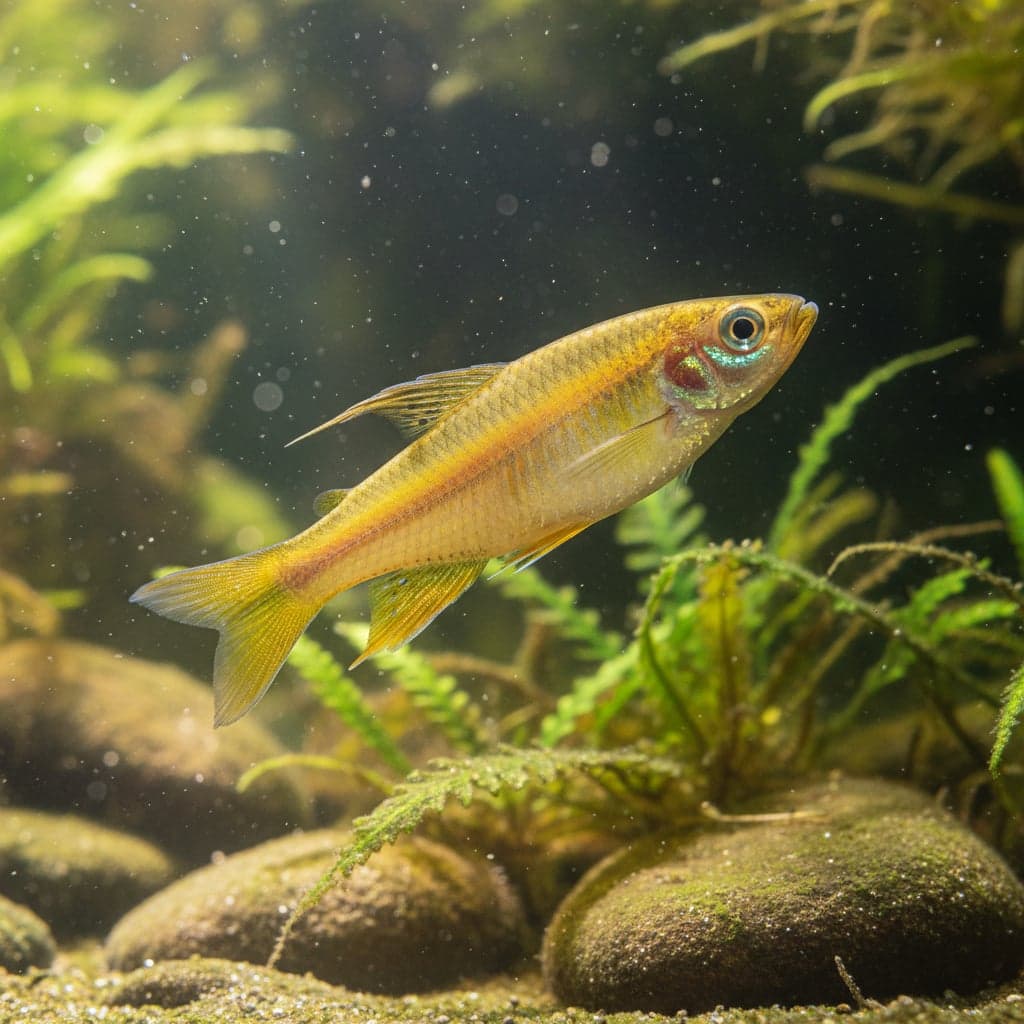
Yellow Rainbowfish
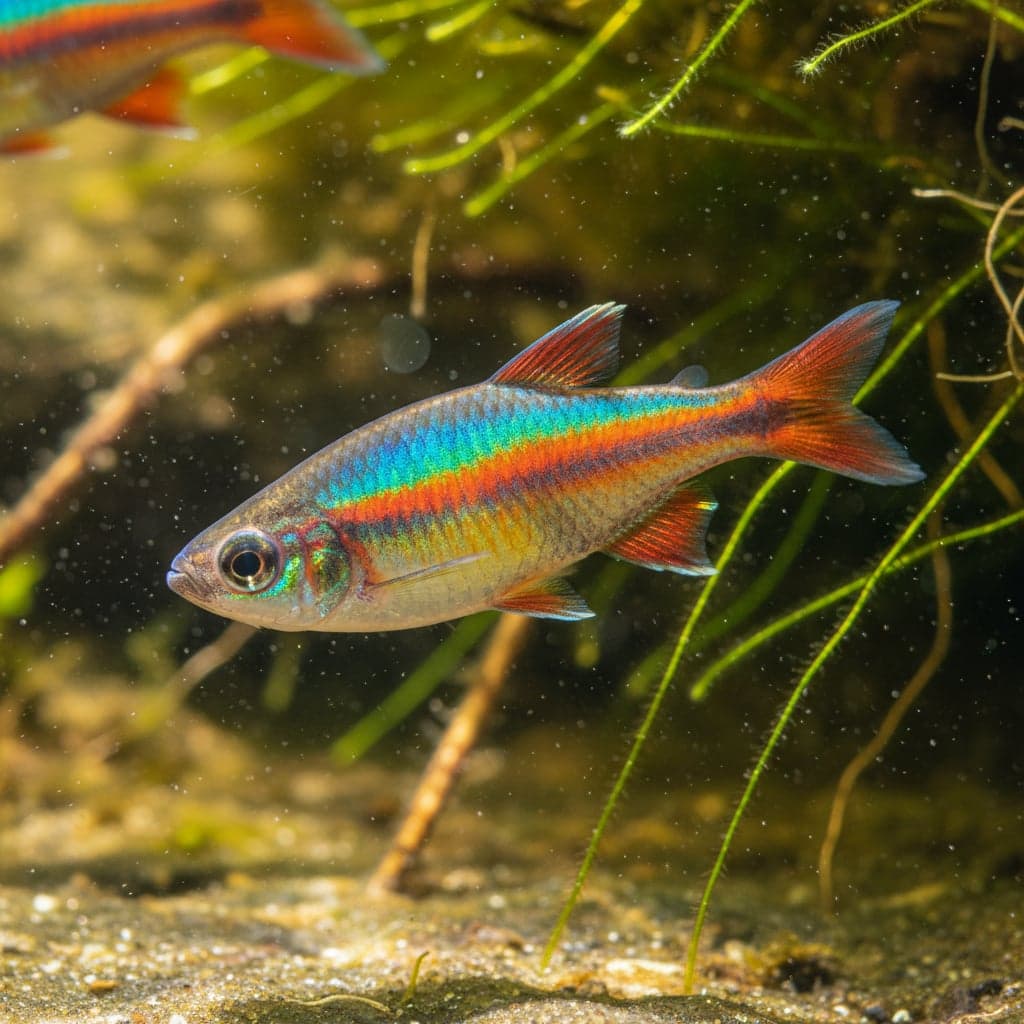
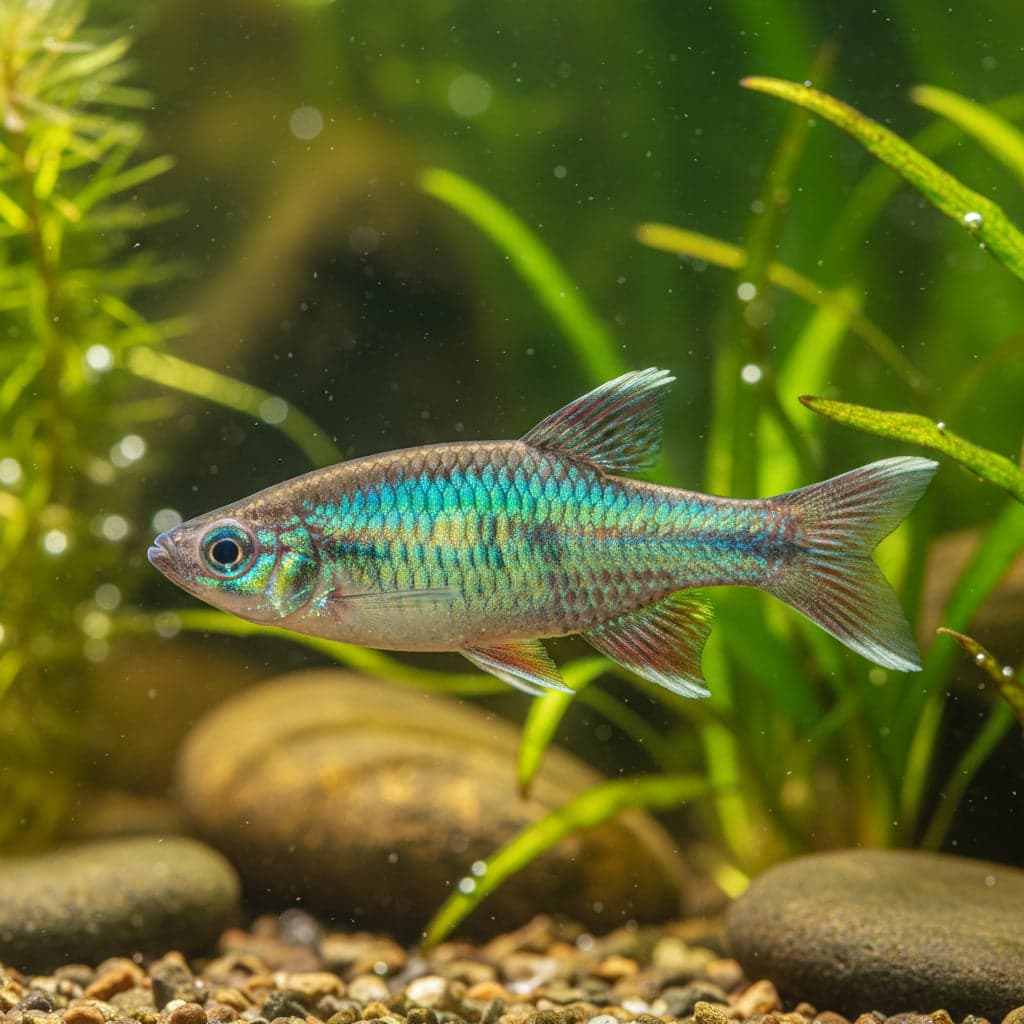
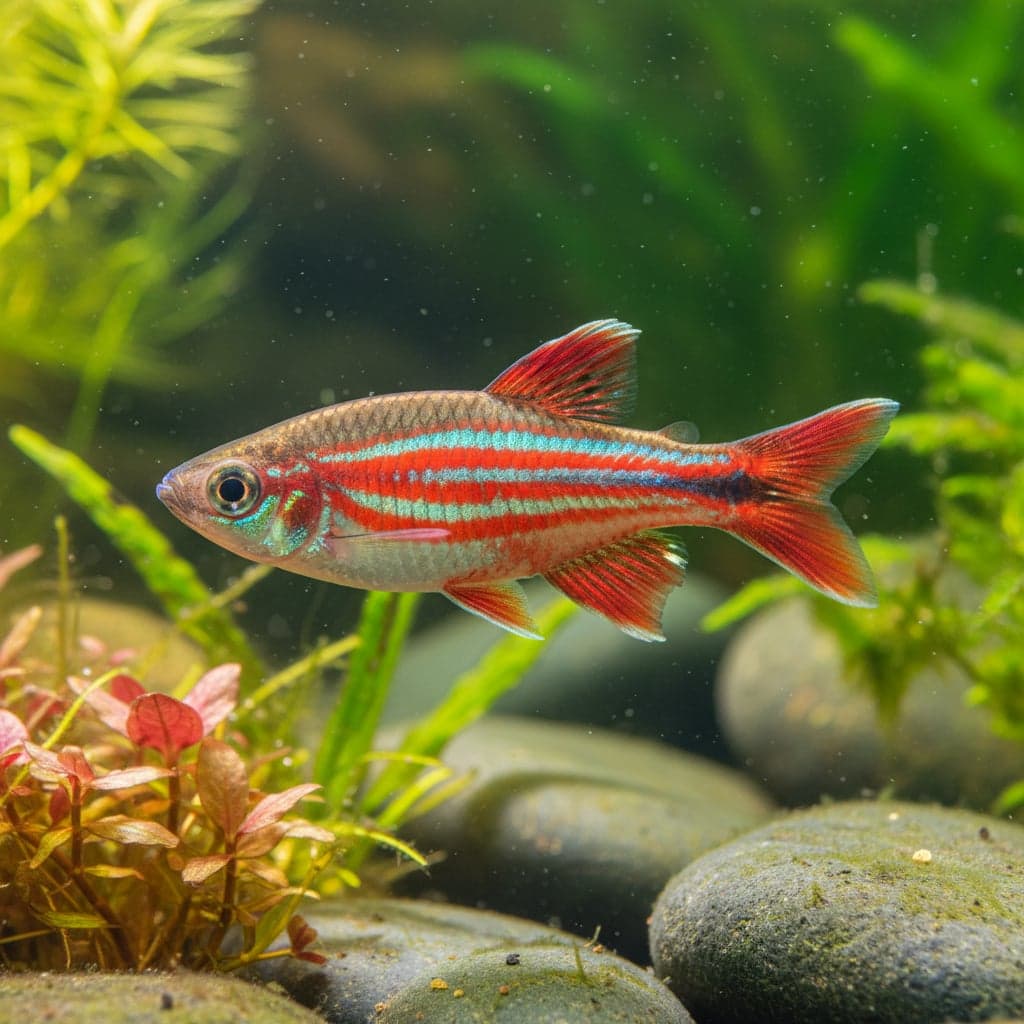
The Yellow Rainbowfish, scientifically known as Melanotaenia herbertaxelrodi, is an exceptionally captivating species known for its vibrant coloration and graceful swimming style. Found predominantly in the freshwater systems of Papua New Guinea, this fish displays a body that features an alluring blend of yellow, blue, and green hues, which intensify under appropriate lighting. This stunning aesthetic has made the Yellow Rainbowfish a prized addition to aquariums, where it brings life and dynamism to aquatic displays. As a relatively peaceful species, it is particularly favored by both novice and seasoned aquarists.
The Yellow Rainbowfish is not only valued for its visual appeal but also for its significance in the aquarium hobby. It thrives in community tanks, bringing with it a lively spirit that captivates observers as it swims in schools. Its adaptability to various environmental conditions has made it a robust choice for aquarists looking to cultivate a diverse aquatic ecosystem. The species' striking appearance and sociable nature contribute to not only the enjoyment of aquarium enthusiasts but the overall health of the tank, as schools of these fish can exhibit decreased stress and more natural behavior when kept in groups.
Natural Habitat & Origin
The natural habitat of the Yellow Rainbowfish is predominantly found in the freshwater streams and rivers of Papua New Guinea, especially in the Fly River system. These water bodies are characterized by clear, slow-moving waters rich in vegetation and sediment, providing a suitable environment for the species. The Yellow Rainbowfish typically inhabits pre-mountainous waters with moderate flow, which are often densely shaded by surrounding flora. The aquatic ecosystem exhibits a variety of habitats, ranging from areas with abundant plant life to open regions where sunlight peaks through.
In terms of water type, Yellow Rainbowfish are generally found in soft to moderately hard waters with a clear to slightly stained quality. The substrate in their natural habitat is often composed of fine sand or silt, layered with organic debris and fallen leaves that help create a blackwater environment. These conditions combine to illustrate their natural ecological context, which is integral for aquarists aiming to replicate an authentic home environment that will promote the health and breeding of this species in captivity.
Care Requirements
To ensure the optimal health and well-being of the Yellow Rainbowfish, specific care requirements must be adhered to. The ideal water parameters for this species include a pH range of 6.5 to 7.5, a temperature between 24ºC to 28ºC (75ºF to 82ºF), and a hardness level of 5 to 15 dGH. These parameters mimic their natural habitat, allowing the Rainbowfish to thrive in an aquarium setting.
When it comes to tank setup, a minimum size of 100 liters (about 26 gallons) is recommended for a school of at least 6-8 individuals to provide ample swimming space and territory. The tank substrate should consist of fine sand or gravel, with a structure providing plenty of hiding spots using plants, driftwood, and rocks. Good lighting is essential, as it encourages vibrant colors, but it should be balanced to avoid excessive algae growth. Plants such as Java fern, Water Sprite, or various low-light plants can provide cover and create a natural aesthetic, promoting the well-being of the Yellow Rainbowfish.
Diet & Feeding
The Yellow Rainbowfish is an omnivorous species, thriving on a varied diet that supports its vibrant colors and overall health. In the aquarium, it is beneficial to provide a balanced diet consisting of high-quality flakes or pellets that are specifically formulated for tropical fish. Additionally, incorporating live or frozen foods such as brine shrimp, daphnia, and bloodworms can enhance their color and provide vital nutrients.
For optimal growth and vitality, it is recommended to feed the Yellow Rainbowfish two to three small meals per day. This frequent feeding regime, combined with a variety of food types, ensures that the nutritional needs of this species are met, leading to healthier, more vibrant fish in the aquarium.
Behavior & Temperament
The Yellow Rainbowfish is known for its sociable and friendly temperament, making it an excellent choice for community setups. This species exhibits schooling behavior, thriving when kept in groups of 6 or more. In their schooling dynamic, they develop a hierarchical structure, which leads to a more natural and less stressful environment. The Yellow Rainbowfish is generally non-aggressive, with most individuals displaying a peaceful disposition towards other non-aggressive tank mates.
In terms of swimming habits, the Yellow Rainbowfish tends to occupy the middle and upper levels of the tank, frequently darting in and out of plants and other cover. Their active swimming style adds life and motion to the aquarium, providing ongoing entertainment for observers.
Tank Mates
When selecting compatible tank mates for the Yellow Rainbowfish, it is crucial to choose species that share similar water parameter requirements and demonstrate peaceful behavior. Suitable tank mates include other species of Rainbowfish, Tetras (like Neon Tetras and Rummy Nose Tetras), Corydoras Catfish, and peaceful dwarf cichlids like Apistogramma. Avoiding larger or overly aggressive species, such as Cichlids or larger Barbs, is essential to maintain social harmony in the tank.
Careful consideration should also be given to the size and activity level of potential companions, ensuring they are compatible with the social nature of the Yellow Rainbowfish. A well-structured community aquarium featuring diverse species will help provide an engaging environment that simulates their natural habitat.
Breeding
Breeding the Yellow Rainbowfish in captivity can be a rewarding experience, though it requires specific conditions for successful spawning. Typically, these fish are egg scatterers, meaning they do not exhibit parental care. To initiate breeding, it is best to use a separate breeding tank with soft, slightly acidic water (pH around 6.0–7.0) and a temperature of around 26ºC (79ºF). Adding fine-leaved plants or spawning mops will provide suitable surfaces for egg-laying.
During the breeding process, males will exhibit heightened courtship behaviors, displaying their vibrant colors and performing dance-like movements to attract females. After several days of pairing, the female will lay eggs which will hatch within a few days. After hatching, it is advised to remove the adults from the breeding tank to prevent them from consuming the fry. The fry should be fed infusoria or finely crushed flakes until they are large enough to accept larger foods.
Common Health Issues
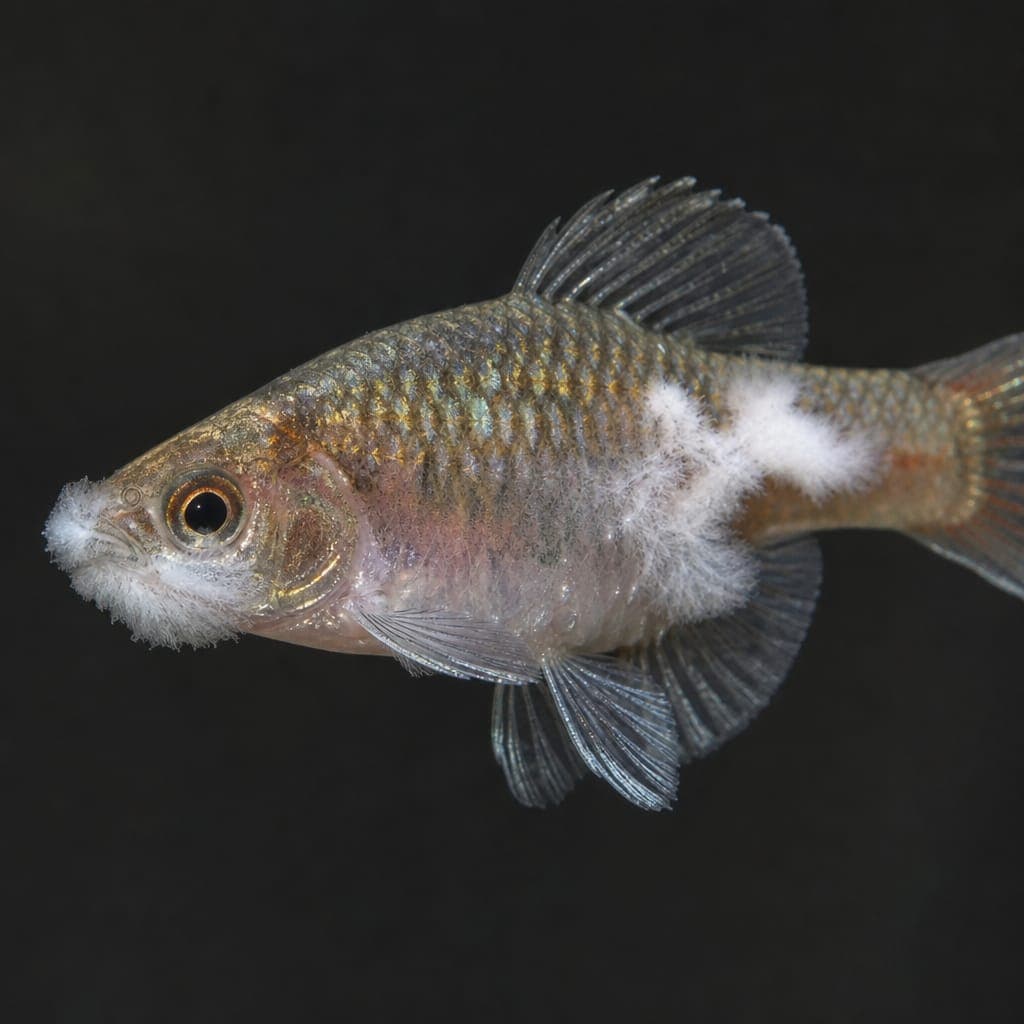
While the Yellow Rainbowfish is generally a hardy species, there are specific health issues that aquarists should be vigilant about. Common ailments include ich (whitespot disease), fin rot, and fungal infections, often caused by poor water quality or high-stress levels. Regular water changes and maintaining stable water parameters can significantly reduce the risk of disease outbreaks.
Preventative measures such as quarantining new fish before introducing them to the main tank, providing a balanced diet, and maintaining a clean aquarium environment are essential strategies for safeguarding their health. Routine monitoring of the fish for any signs of illness, including erratic swimming or changes in coloration, will help ensure the early detection and treatment of any potential health problems.