Yellow Striped Orinoco Eartheater: Geophagus taeniopareius
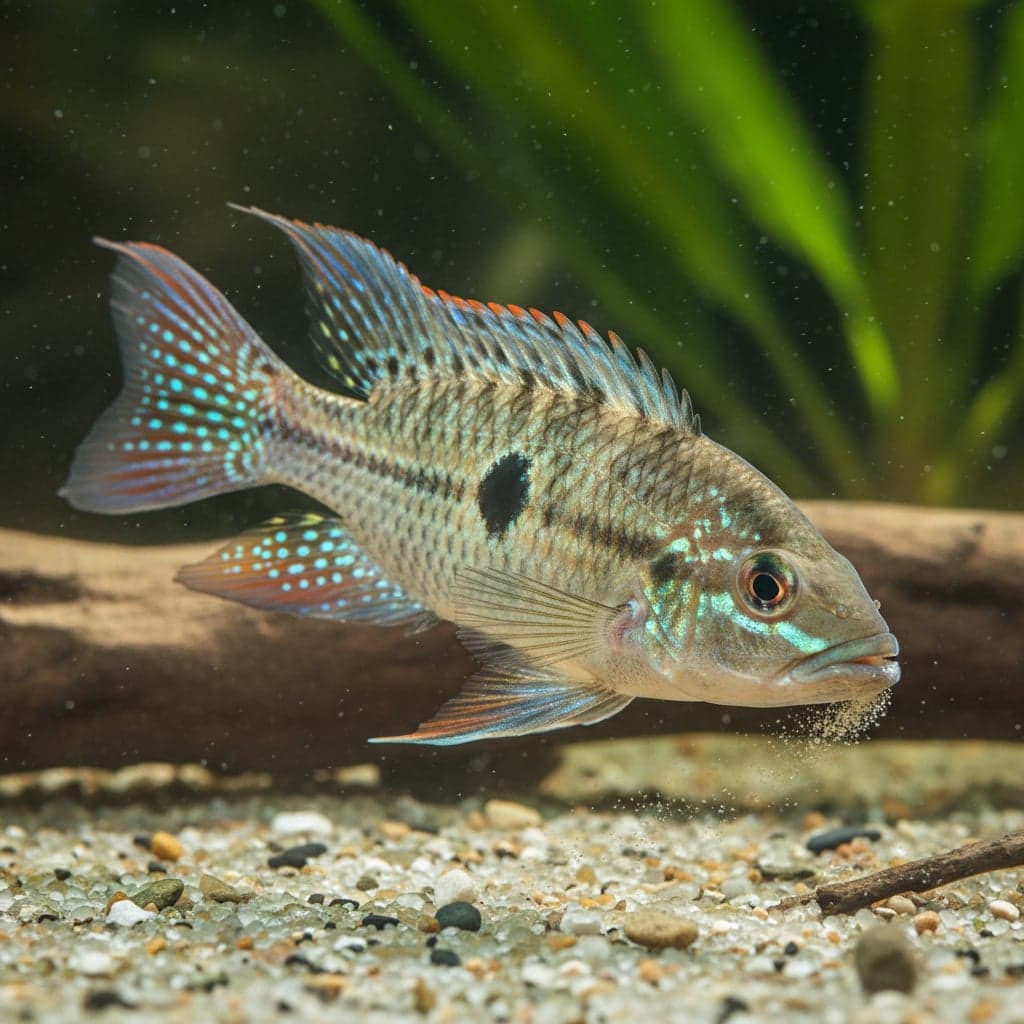
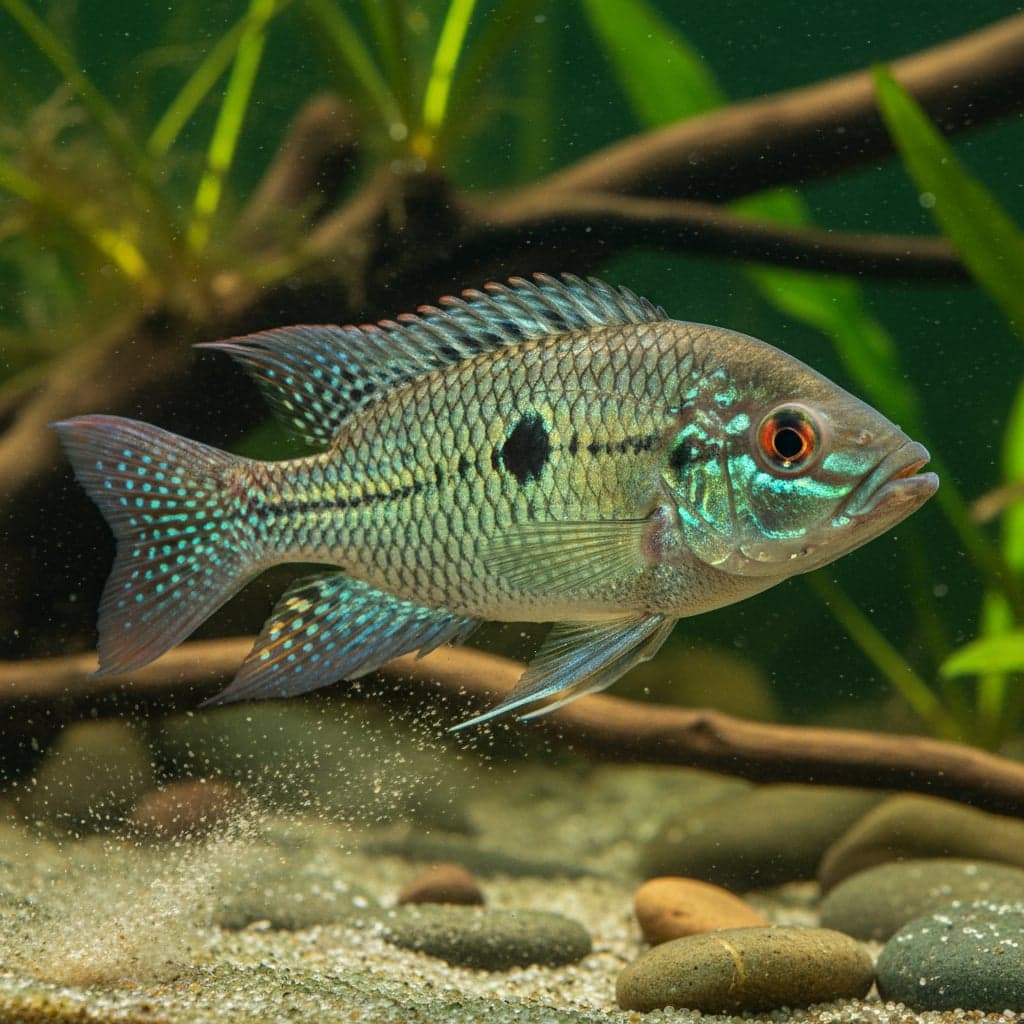
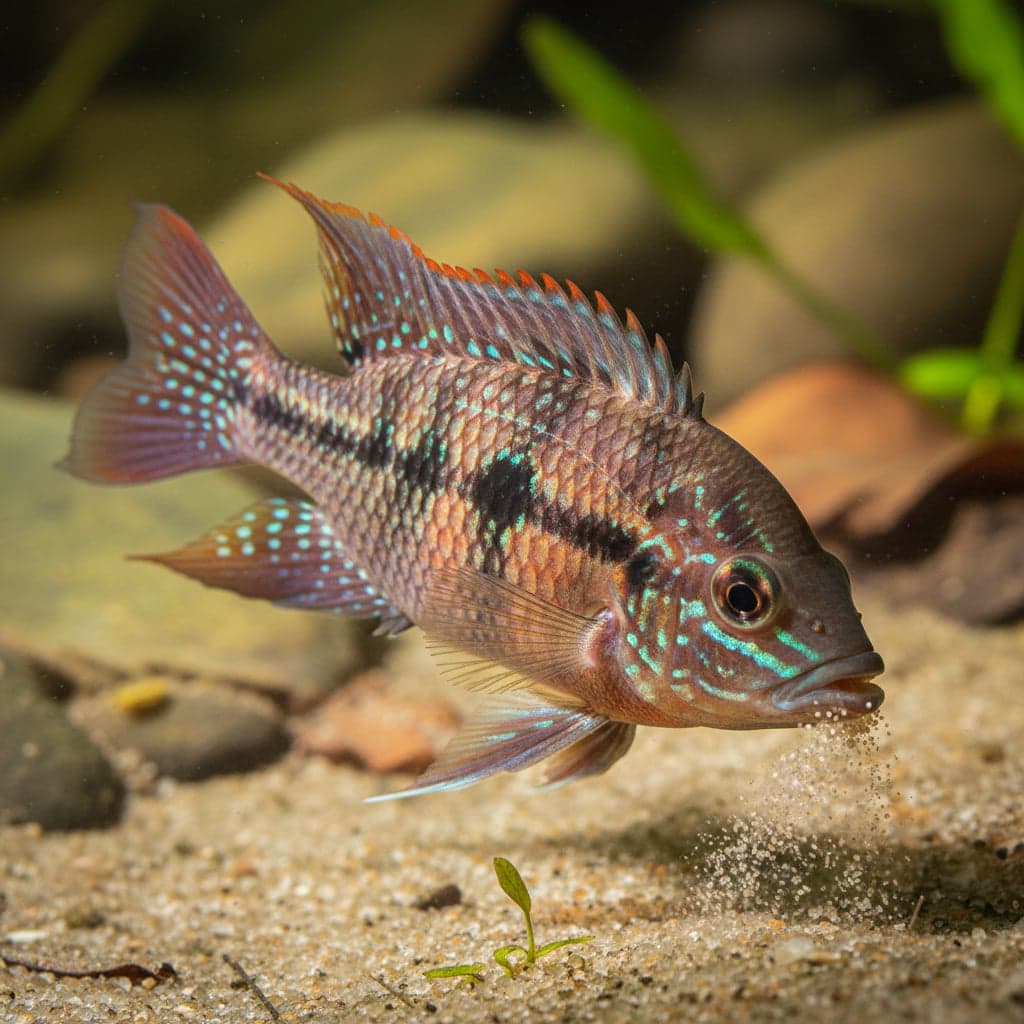
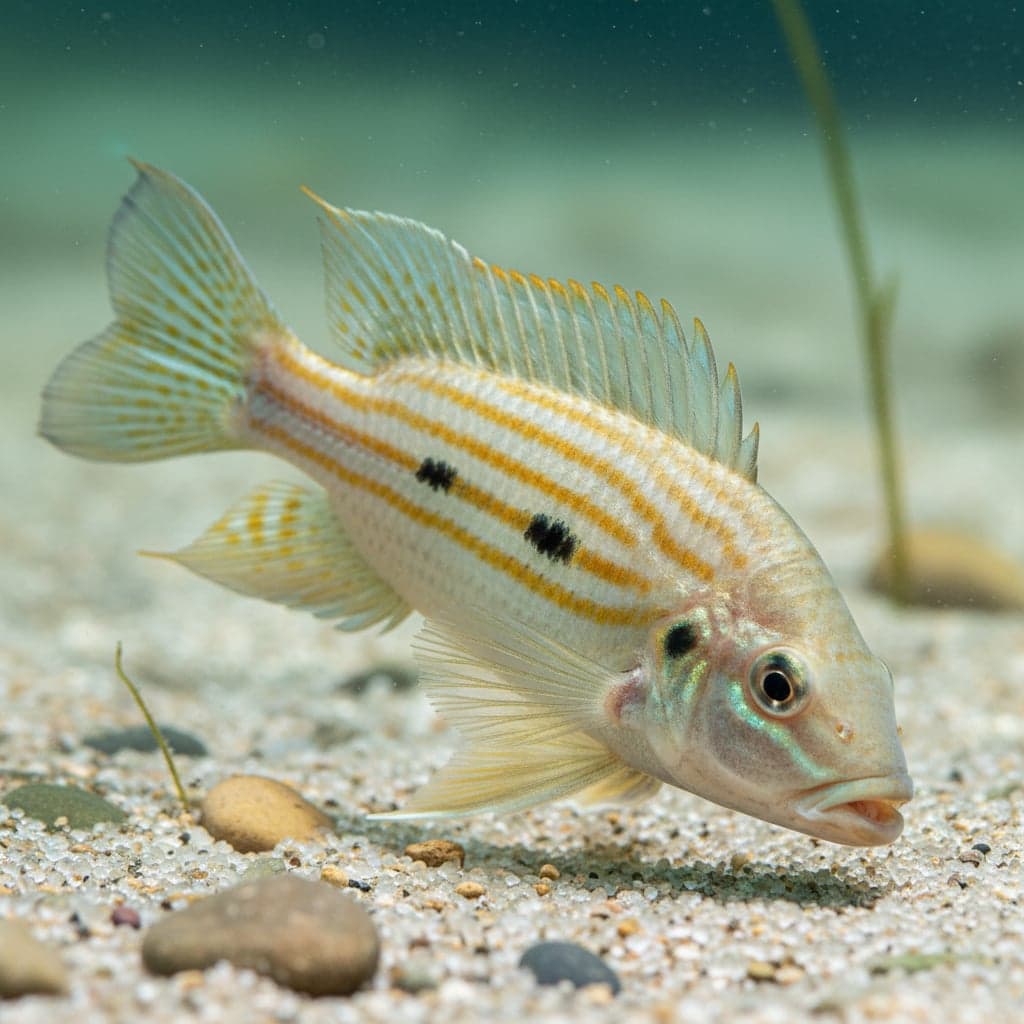
A smaller and highly attractive eartheater, prized for its intricate yellow stripe pattern and its fascinating behavior of sifting through sand.
Yellow Striped Orinoco Eartheater
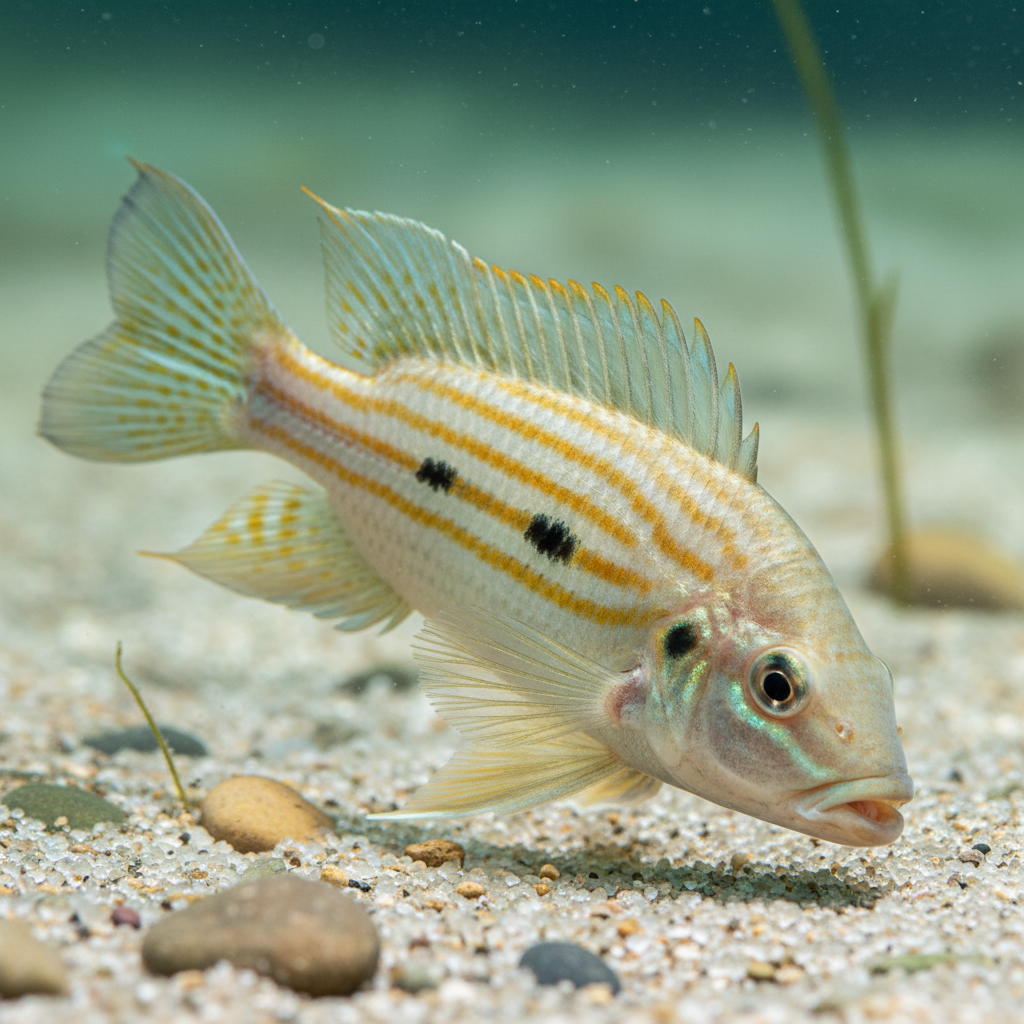
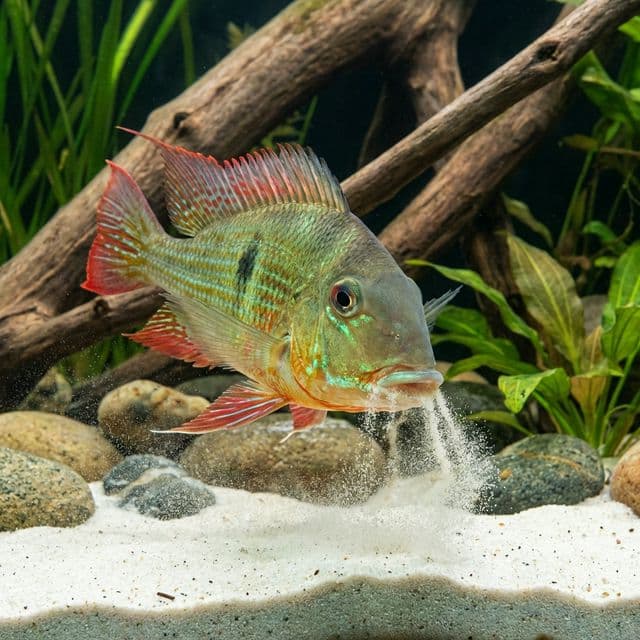
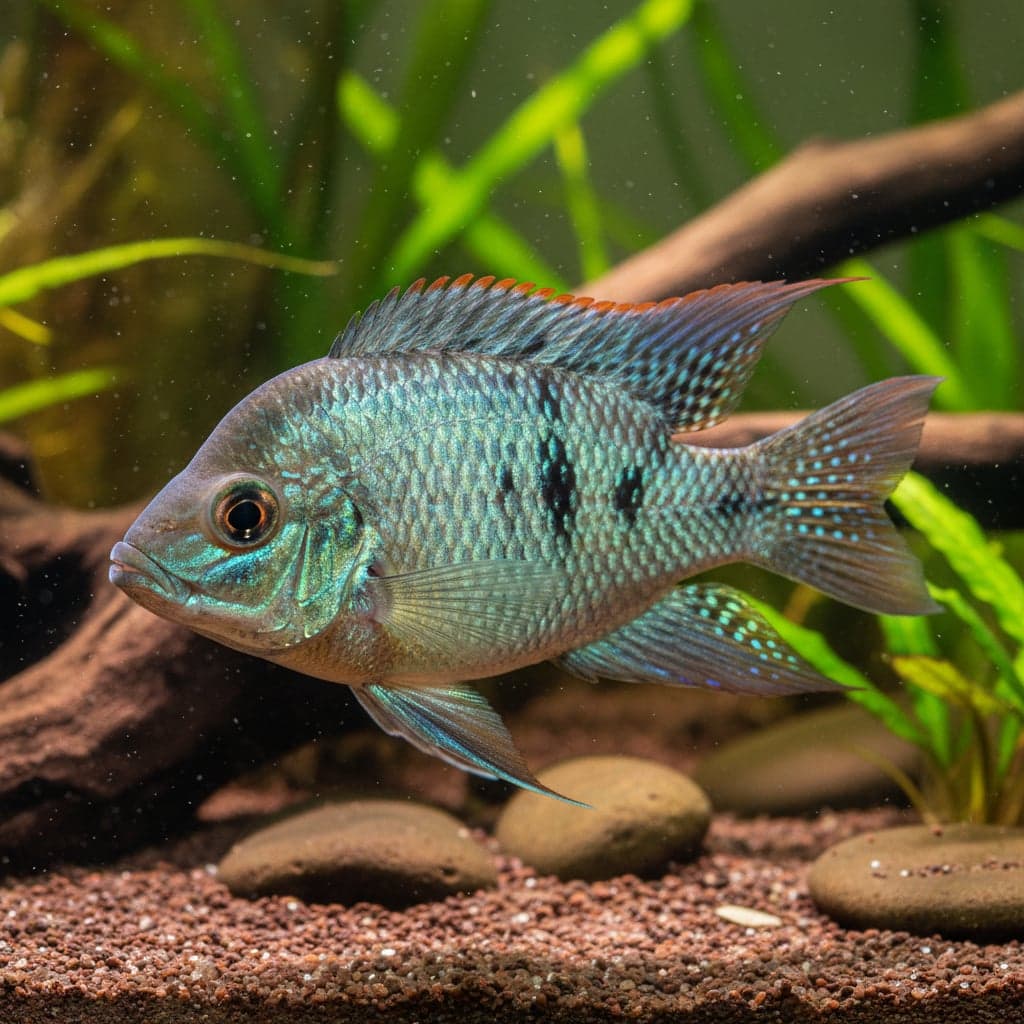
The Yellow Striped Orinoco Eartheater, scientifically known as Geophagus taeniopareius, is a stunning freshwater fish native to the Orinoco River Basin in South America. This species exhibits a striking coloration with vivid yellow stripes running down the sides of its body, contrasting beautifully with its natural earthy tones. This visual appeal, combined with its unique behaviors, has made it increasingly popular among aquarists seeking to create biodiverse and aesthetically pleasing setups. Known for their ability to sift through substrate in their quest for food, these fish are captivating to observe. Their gentle nature and interesting feeding behaviors further contribute to their allure in the aquarium hobby.
In addition to their beauty, the Yellow Striped Orinoco Eartheater holds ecological significance within its native habitat. As part of the substrate-dwelling community, they play a crucial role in nutrient cycling and maintaining a healthy aquatic ecosystem. Their behaviors mimic natural processes when kept in a well-maintained aquarium environment, offering hobbyists a chance to replicate and appreciate the underwater fauna of the Orinoco River. As such, their successful care and breeding in captivity can enhance the understanding of fish husbandry and biodiversity in freshwater ecosystems.
Natural Habitat & Origin
The Yellow Striped Orinoco Eartheater is indigenous to the Orinoco River Basin in Venezuela and Colombia, a region characterized by a vast array of aquatic environments. These fish inhabit slow-moving waters, including rivers, lagoons, and floodplains, where the substrate consists of fine sand and soft silt. The waters are typically soft, slightly acidic, and often tinted with humic substances, resulting in a blackwater environment. This unique habitat not only shapes their dietary habits and behaviors but also influences their coloration and overall health. Adequate replication of this natural environment in captivity is essential for their well-being.
In the wild, these fish thrive in waters with temperatures ranging from 24°C to 28°C (75°F to 82°F) and a pH level of around 6.0 to 7.5. Proper simulation of these conditions is vital for their optimal growth, longevity, and breeding success in aquariums. Understanding their natural habitat and biological needs can aid aquarists in creating an ideal environment that promotes healthy development and vibrant coloration.
Care Requirements
The care of the Yellow Striped Orinoco Eartheater involves maintaining specific water parameters and creating an inviting habitat in the aquarium. Ideal water conditions include a temperature range of 24°C to 28°C (75°F to 82°F), with a pH level between 6.0 and 7.5 and soft to moderately hard water with a hardness of 5-15 dGH. Providing a reliable filtration system is crucial, as these fish prefer clean and well-oxygenated water.
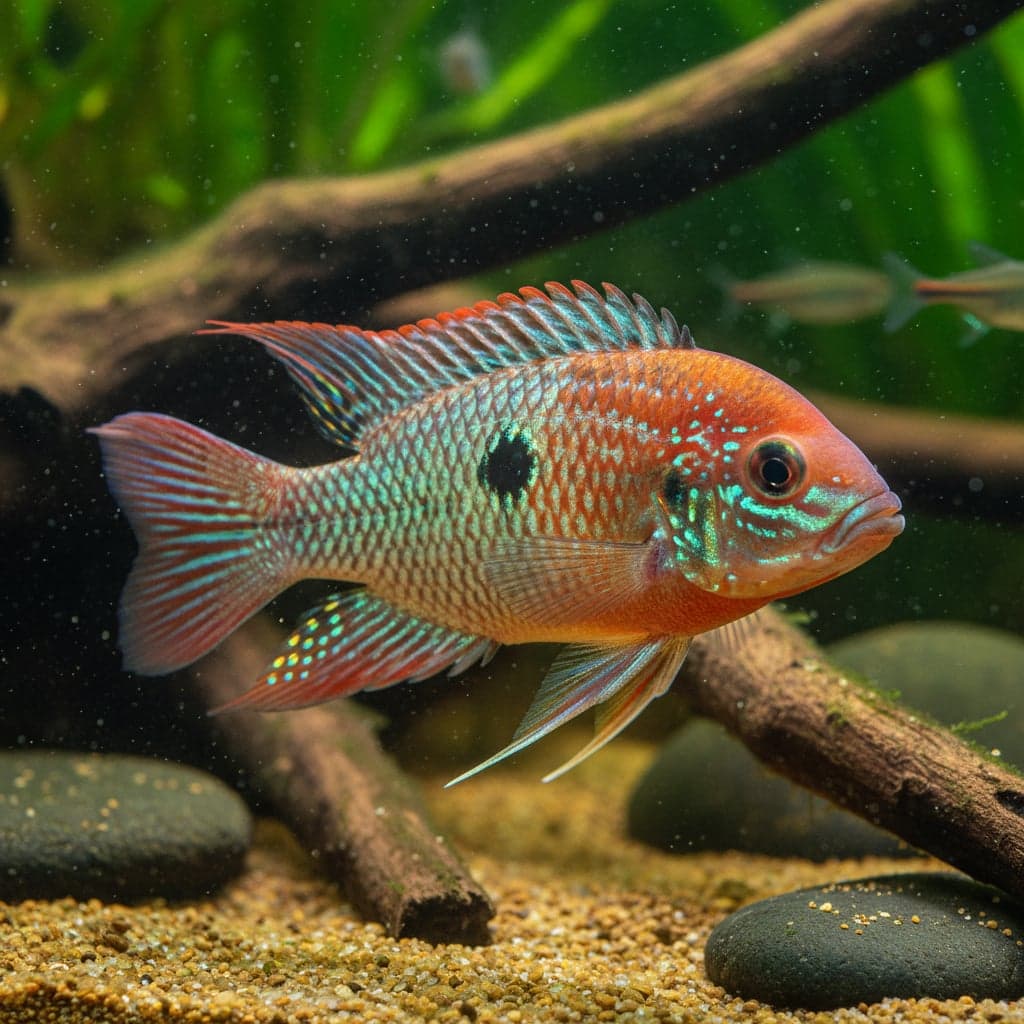
When it comes to tank setup, a minimum tank size of 100 gallons is recommended to accommodate their active nature and swimming space. A soft sandy substrate is ideal, allowing them to exhibit their natural foraging behaviors without injuring themselves. Incorporating driftwood, rock formations, and dense aquatic plants can create a more natural environment, aiding in both decoration and providing hiding spots. Moderate lighting is suitable, helping to replicate the subdued light levels of their natural habitat.
Diet & Feeding
The Yellow Striped Orinoco Eartheater is classified as an omnivore, and its diet should consist of both plant and animal matter to ensure a well-rounded nutritional profile. In captivity, they thrive on high-quality flakes, pellets, and granules formulated for cichlids. It is also beneficial to supplement their diet with frozen or live foods like bloodworms, brine shrimp, and daphnia, which can help mimic their natural foraging instincts.
Offering a variety of foods is key to maintaining their health and vibrancy. Incorporating blanched vegetables such as spinach or zucchini can provide essential vitamins and fibers, promoting robust growth and a vibrant coloration. Regular, balanced feedings, split into 2-3 meals per day, can help maintain their energy levels and promote overall well-being.
Behavior & Temperament
In terms of behavior, the Yellow Striped Orinoco Eartheater is known for its relatively peaceful temperament, making them suitable for community tanks when housed with compatible species. They can exhibit some territoriality, especially during breeding seasons or in smaller tanks, but are generally non-aggressive. These fish prefer to occupy the bottom and middle levels of the tank, where they can engage in their natural substrate-sifting behaviors.
As primarily solitary or monogamous fish, they do best in pairs or small groups; however, it is crucial to ensure ample space and hiding areas to mitigate any potential aggression. They exhibit curious and interactive behaviors, often exploring their surroundings, which adds an extra layer of interest and dynamism to the aquarium.
Tank Mates
Selecting compatible tank mates is essential for creating a harmonious aquatic community. Suitable companions for the Yellow Striped Orinoco Eartheater include other medium-sized cichlids and peaceful bottom dwellers, such as:
- Geophagus species (other Eartheaters)
- Severum (Heros severus)
- Rainbowfish (Melanotaenia spp.)
- Tetras (such as Embers Tetra or Rummy-Nose Tetra)
- Catfish (such as Corydoras or Synodontis species)
Conversely, avoid housing them with aggressive species such as Oscar fish, larger cichlids, or fin-nippers like barbs, as these can lead to stress and territorial disputes. Careful selection of tank mates will ensure a balanced and enjoyable community aquarium.
Breeding
Breeding Yellow Striped Orinoco Eartheaters in captivity can be a rewarding experience, though it requires the right conditions and careful monitoring. These fish exhibit substrate spawning behavior, typically laying eggs on flat surfaces like rocks or slate. A dedicated breeding tank with stable water parameters, a temperature range of 26°C to 28°C (79°F to 82°F), and a pH of 6.0 to 7.0 will encourage successful spawning.
To stimulate breeding, ensure the pair is well-fed with a nutritious diet and provide a suitable spawning area. After the female lays eggs, both parents may guard and care for the fry, which hatch within a few days. It’s advisable to move the fry to a separate rearing tank with infusoria or finely crushed flake food to ensure their healthy growth in the early stages.
Common Health Issues
While generally hardy, the Yellow Striped Orinoco Eartheater can be susceptible to certain health issues, particularly if they are kept in suboptimal conditions. Common diseases include:
- Ich (Ichthyophthirius multifiliis): A parasitic infection that manifests as small white spots on the body. Prevention involves maintaining stable water parameters and good tank hygiene.
- Fin Rot: Often a result of bacterial infection due to poor water quality; can be treated with appropriate medications and by improving tank conditions.
- Skin Diseases: These may arise from poor water quality or stress. Regular water changes and stress reduction measures are key to prevention.
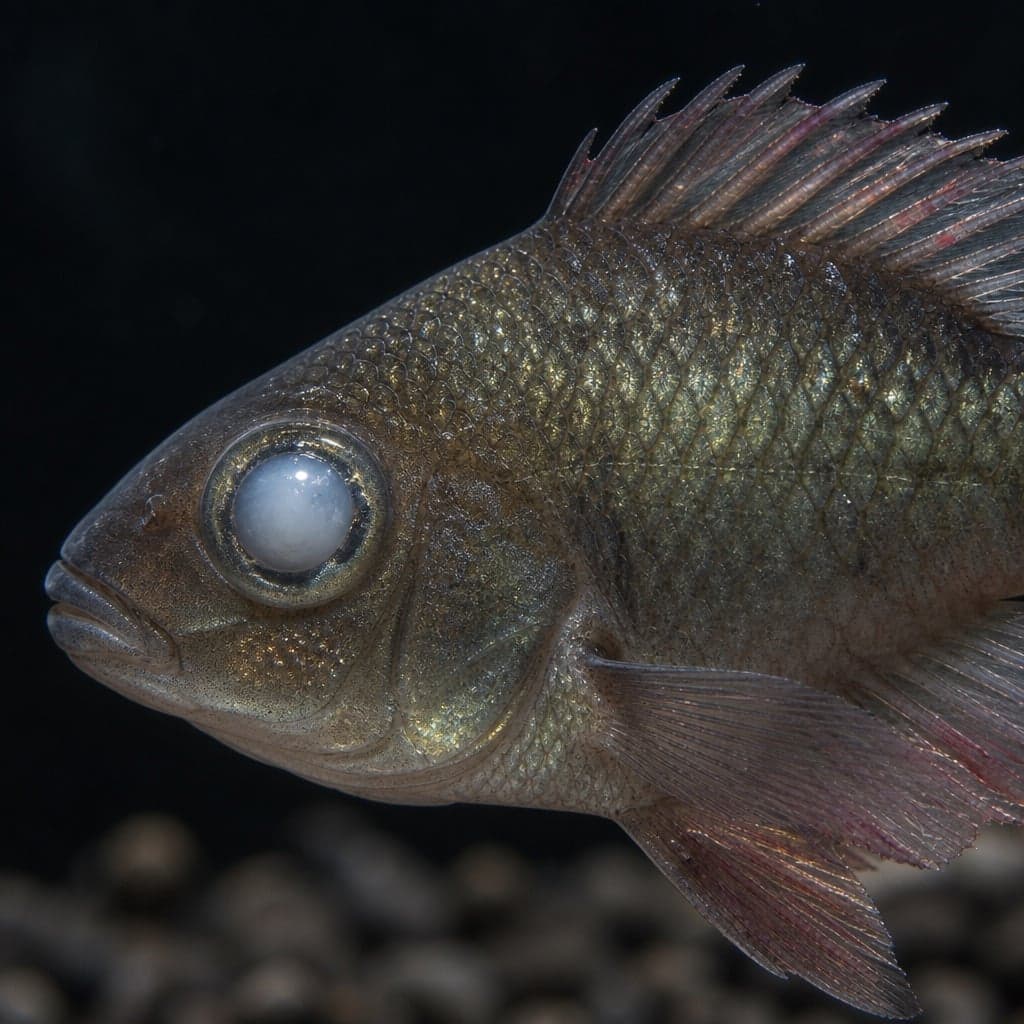
Routine monitoring of water quality and health observations can help early detection and prevent these issues. Regular maintenance and a proper diet are critical components in ensuring the long-term health of this South American cichlid. Soft sand substrate, stable soft water, and gentle filtration reduce stress that invites disease. Watch for white spots, frayed fins, cloudy eyes, or loss of appetite, and treat promptly while improving tank hygiene. Quarantine newcomers and avoid overcrowding that elevates aggression and pathogen load. A varied diet of quality sinking foods and occasional live or frozen prey supports immunity so Yellow Striped Orinoco Eartheaters remain colorful, active diggers for years.