Yellowbanded Pipefish
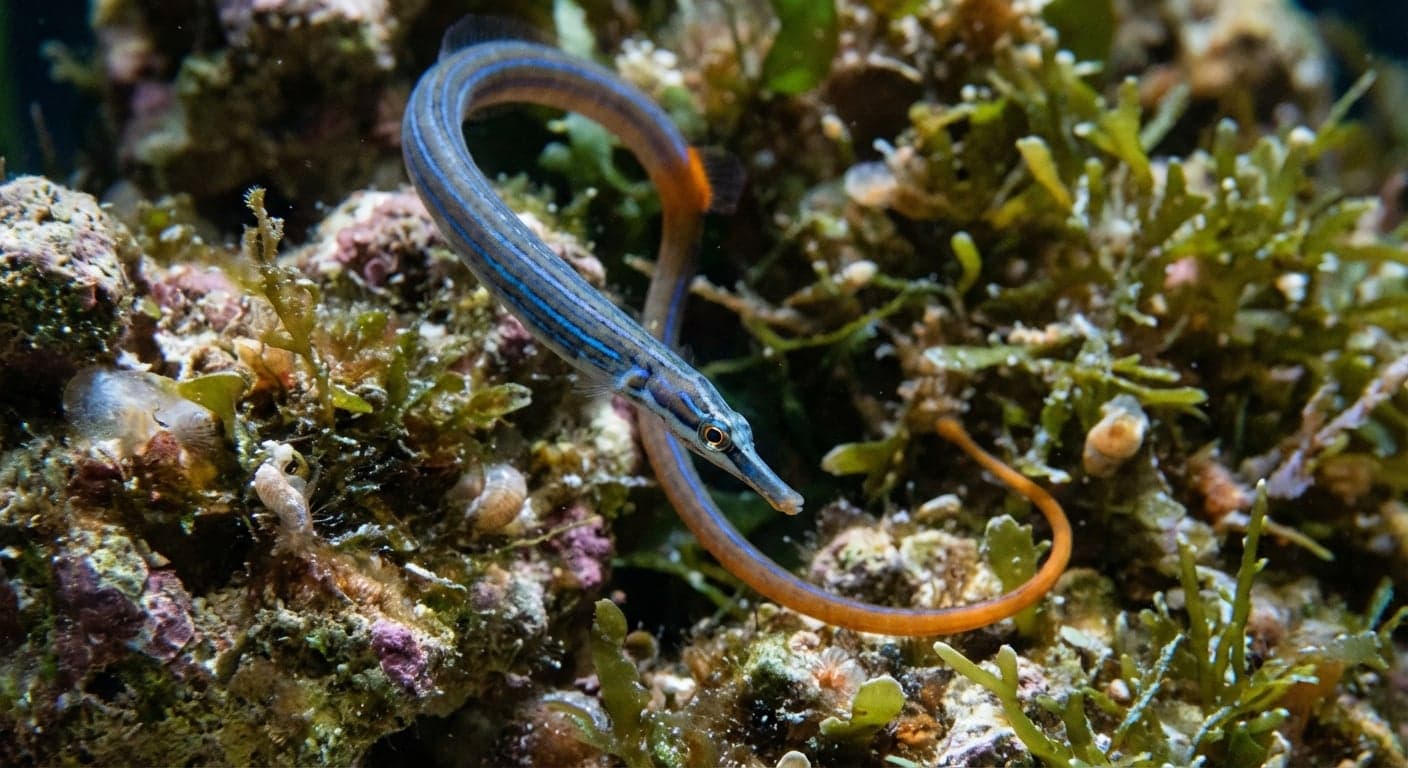
A 14cm pipefish that eats tiny live prey continuously. Needs a mature copepod-rich tank and no competition at feeding time.
Yellowbanded Pipefish
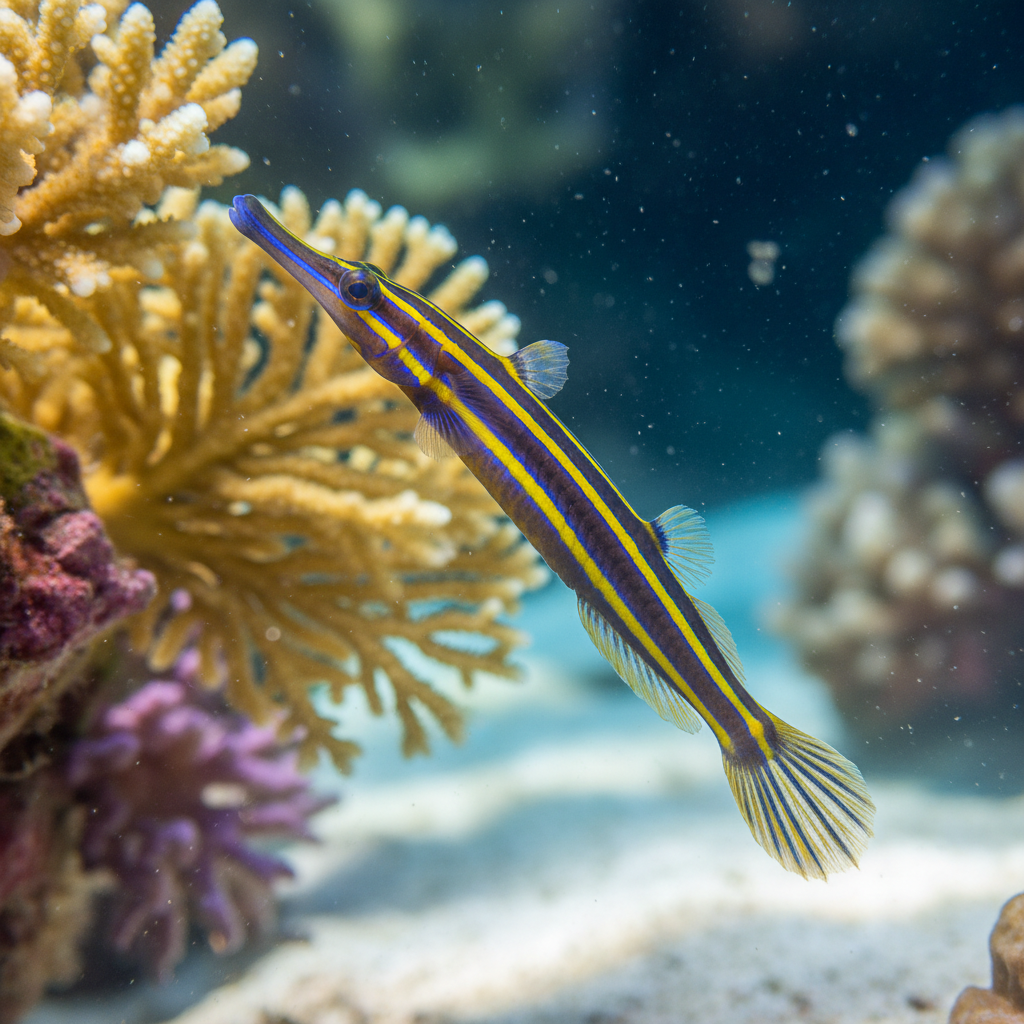
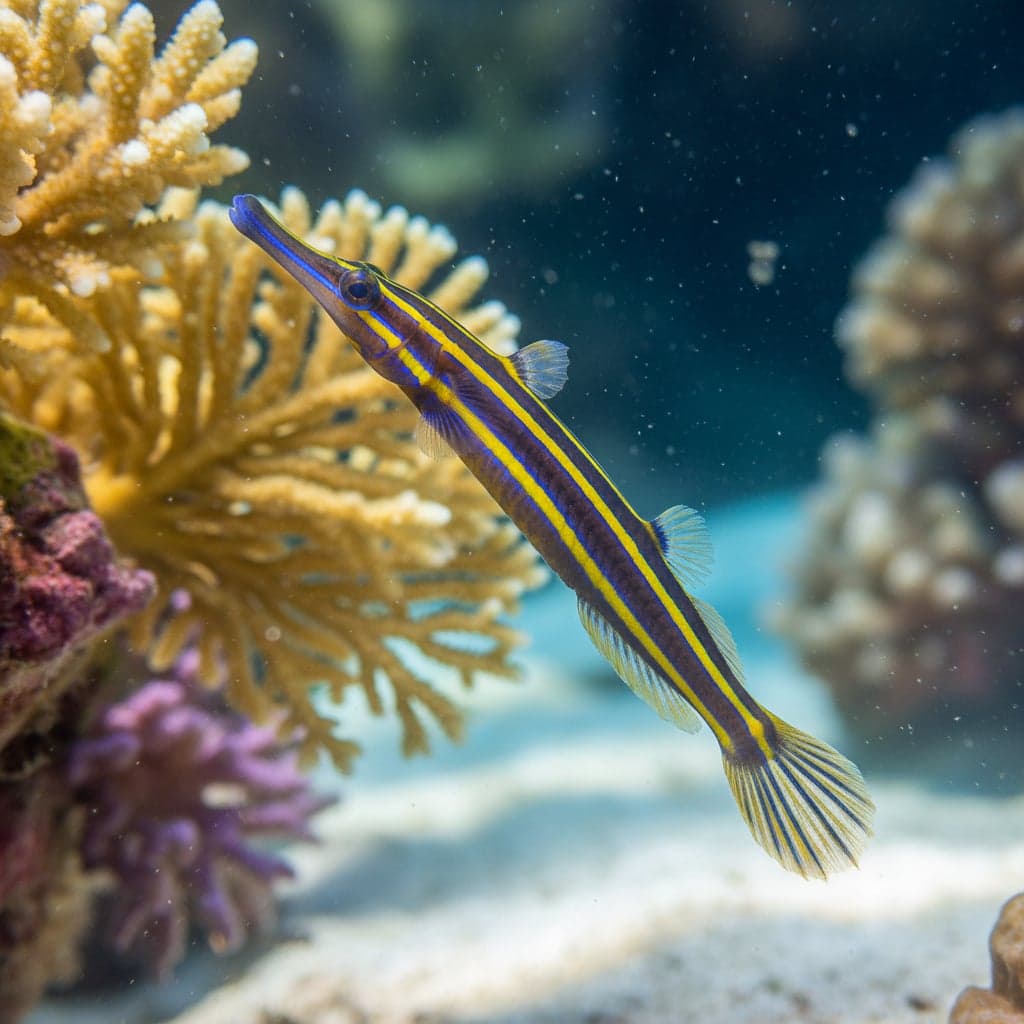
The Yellowbanded Pipefish is a captivating species that enchants aquarists with its elongated body and striking coloration. Typically displaying a unique mix of yellow and deep-set vertical bands, this fish is a member of the Syngnathidae family, which includes seahorses and pipefish. Its long, slender shape and delicate fins offer an intriguing silhouette that stands out in any aquarium setting. Not only is the Yellowbanded Pipefish visually appealing, but it also holds a significant place in the aquarium hobby due to its relatively peaceful temperament and adaptability to community tanks. This species is particularly favored by aquarists seeking to create a biotope that reflects serene aquatic environments.
In terms of significance, the Yellowbanded Pipefish serves as a vital component of diverse marine ecosystems, playing a role in controlling algae and small invertebrate populations. Additionally, its unique breeding habits and behavior make it an interesting subject for observation and study in captivity. Enthusiasts often appreciate the challenge of keeping this species, as proper care and tank conditions can lead to successful breeding, adding to its allure within the aquarium community.
Natural Habitat & Origin
The Yellowbanded Pipefish is primarily found in the warm, shallow waters of the Indo-Pacific region, particularly around coral reefs and seagrass beds. Countries such as Indonesia, the Philippines, and Australia are home to this species, which thrives in diverse environments, ranging from clear to slightly turbid waters. These habitats are characterized by sandy or muddy substrates, providing hiding spots for the fish among aquatic plants, corals, and rock formations.
In their natural habitat, Yellowbanded Pipefish often inhabit areas with sparse vegetation, where they can camouflage themselves against potential predators. The delicate ecosystems they occupy contribute to their diet, which consists mainly of small crustaceans and plankton. Understanding their natural habitat is crucial for creating a suitable environment in captivity, ensuring that these fish can thrive and exhibit natural behaviors.
Care Requirements
To successfully keep Yellowbanded Pipefish, it’s essential to maintain optimal water parameters. They prefer a pH range of 7.0 to 8.0, a stable temperature between 24°C to 28°C (75°F to 82°F), and a water hardness of around 8 to 12 dGH. A well-maintained aquarium is imperative, as these fish are sensitive to fluctuations in water quality.
In terms of tank setup, a minimum tank size of 120 litres (30 gallons) is recommended for this 14cm Doryrhamphus: swimming space helps, but a mature copepod-rich system is the real requirement. A sandy substrate mimics their natural environment, while gentle filtration helps maintain water quality without creating strong currents. Lighting should be moderate, allowing for the growth of live plants, which not only enhance the aesthetic of the aquarium but also provide hiding spots for the fish. Incorporating items such as driftwood, rocks, and soft-leaved plants will create a biotope that closely resembles their natural habitat, promoting well-being for the Yellowbanded Pipefish.
Diet & Feeding
The Yellowbanded Pipefish is characterized as an omnivore, primarily feeding on small crustaceans, zooplankton, and other minute marine organisms. In captivity, it is crucial to provide a varied diet to encourage good health and vibrant coloration. High-quality frozen or live foods such as brine shrimp, mysis shrimp, and copepods are excellent options. Additionally, finely crushed flakes or pellets designed for marine fish can be offered but should be evaluated for size, as larger pieces may not be consumed.
Feeding should be done multiple times a day in small, manageable portions to prevent overfeeding and ensure that each fish receives an adequate amount of nutrition. It can be helpful to use a feeding tube or syringe to deliver the food closer to the fish, as they may exhibit shyer feeding behaviors in a busy community tank.
Behavior & Temperament
The Yellowbanded Pipefish exhibits a generally peaceful temperament and is best kept in community tanks with non-aggressive species. While they are solitary by nature, they can often be seen swimming in pairs or small groups, especially during feeding times. They may exhibit shyness and prefer to occupy the middle to upper water column in the tank, although they will venture to the substrate for food or shelter when necessary.
These fish are not known for aggressive behavior but may become stressed if placed with overly boisterous tank mates. As such, it's essential to select cohabiting species that complement their calm demeanor and allow for a tranquil aquarium environment.
Tank Mates
When selecting tank mates for the Yellowbanded Pipefish, it’s critical to choose peaceful species that mimic their natural environment. Compatible tank mates include:
- Small gobies (e.g., Neon Goby)
- Clownfish (e.g., Ocellaris Clownfish)
- Cardinalfish (e.g., Banggai Cardinalfish)
- Dartfish (e.g., Firefish)
- Certain species of shrimp (e.g., Cleaner Shrimp)
Conversely, avoid placing the Yellowbanded Pipefish with aggressive or overly large species, as these can pose a threat. Species to avoid include:
- Large cichlids
- Aggressive damsels
- Lionfish
- Sharks or other predatory fish
By carefully selecting tank mates, you can create a harmonious community aquarium that benefits all inhabitants.
Breeding
Breeding the Yellowbanded Pipefish in captivity requires a well-established and stable environment. These fish exhibit unique reproductive behavior, with males responsible for carrying and nurturing eggs in a brood pouch similar to that of seahorses. For successful breeding, a separate breeding tank is recommended, with water parameters closely matching those of the primary habitat: a pH of 7.5 to 8.2 and a temperature of 25°C to 28°C (77°F to 82°F).
Pre-spawning conditions should include ample hiding spots, typically created with dense vegetation or rock formations. The process begins when the female lays her eggs in the male’s pouch, where he fertilizes them and carries them for about 10 days before they hatch. Post-hatching, provide a varied diet of infusoria or newly hatched brine shrimp for the fry, as they are tiny and require extremely small food to thrive.
Common Health Issues
While the Yellowbanded Pipefish is generally hardy, they can suffer from certain health issues if conditions are not properly maintained. Common diseases include:
- Ich (Ichthyophthirius multifiliis)
- Velvet disease (Oodinium spp.)
- Bacterial infections (e.g., fin rot)
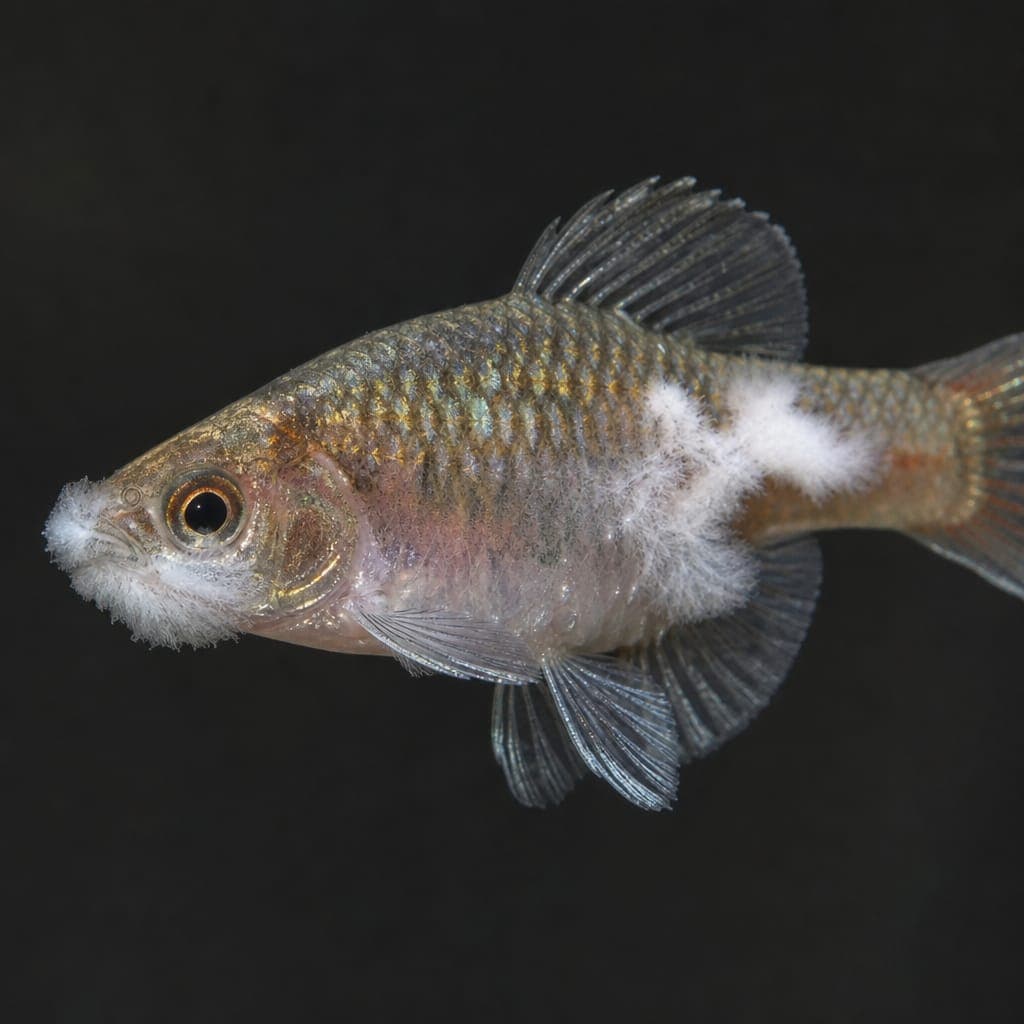
- Fungal infections
Maintaining optimal water conditions, a balanced diet, and a stress-free environment are crucial in preventing these health issues. Quarantining new arrivals before introducing them to the main tank is also a best practice to reduce the risk of disease outbreaks. Regular monitoring for signs of illness and prompt treatment can help ensure a healthy aquatic environment for the Yellowbanded Pipefish and its tankmates.