Banggai Cardinalfish
An 8cm cardinalfish that hovers in place and mouthbroods its young. Captive-bred stock is hardy and reef safe — an excellent small marine fish.

Banggai Cardinalfish
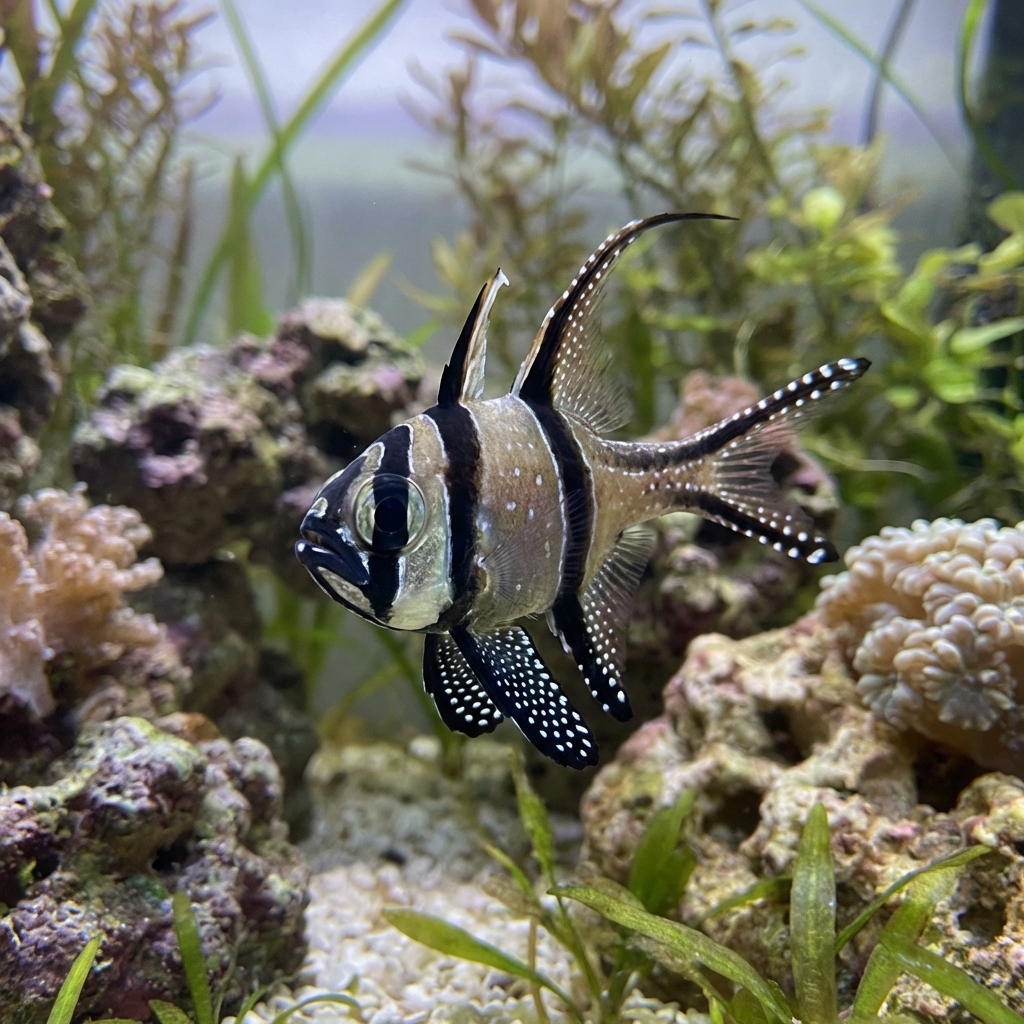
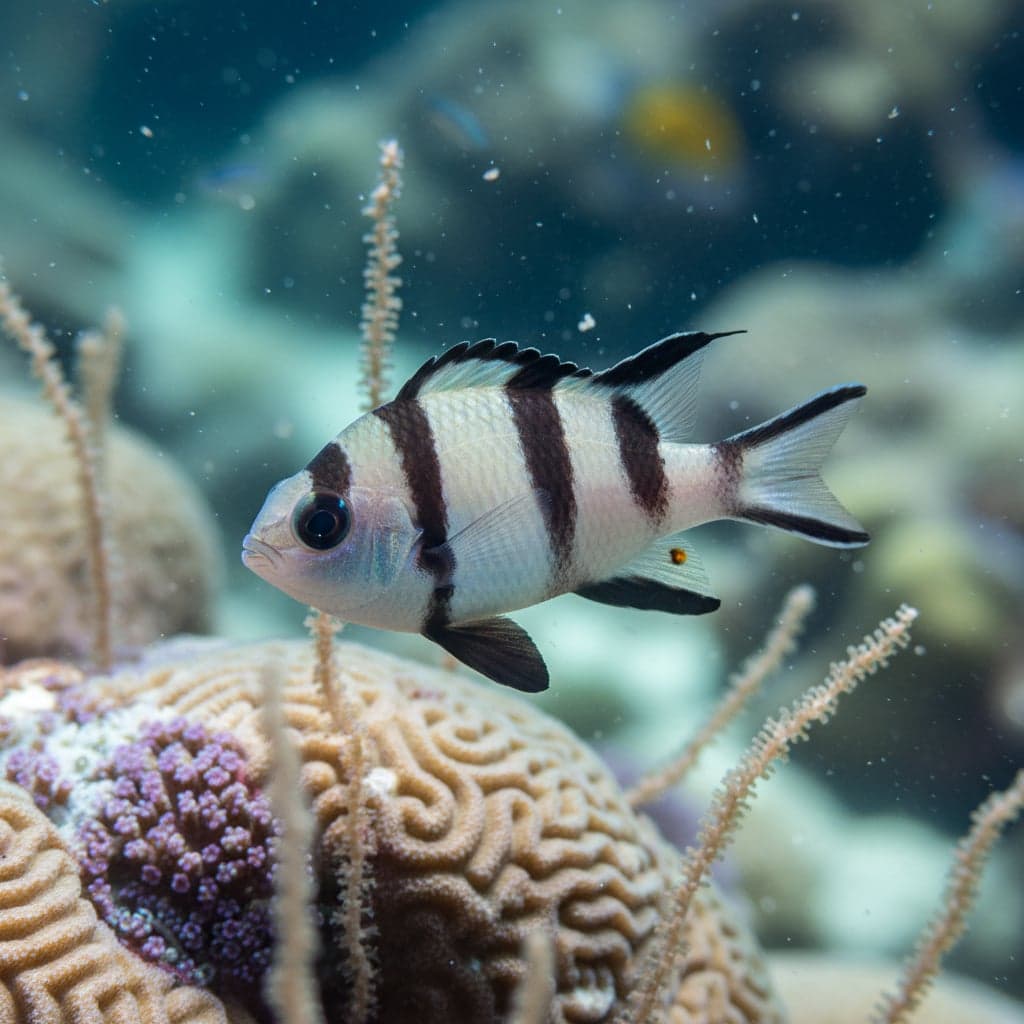
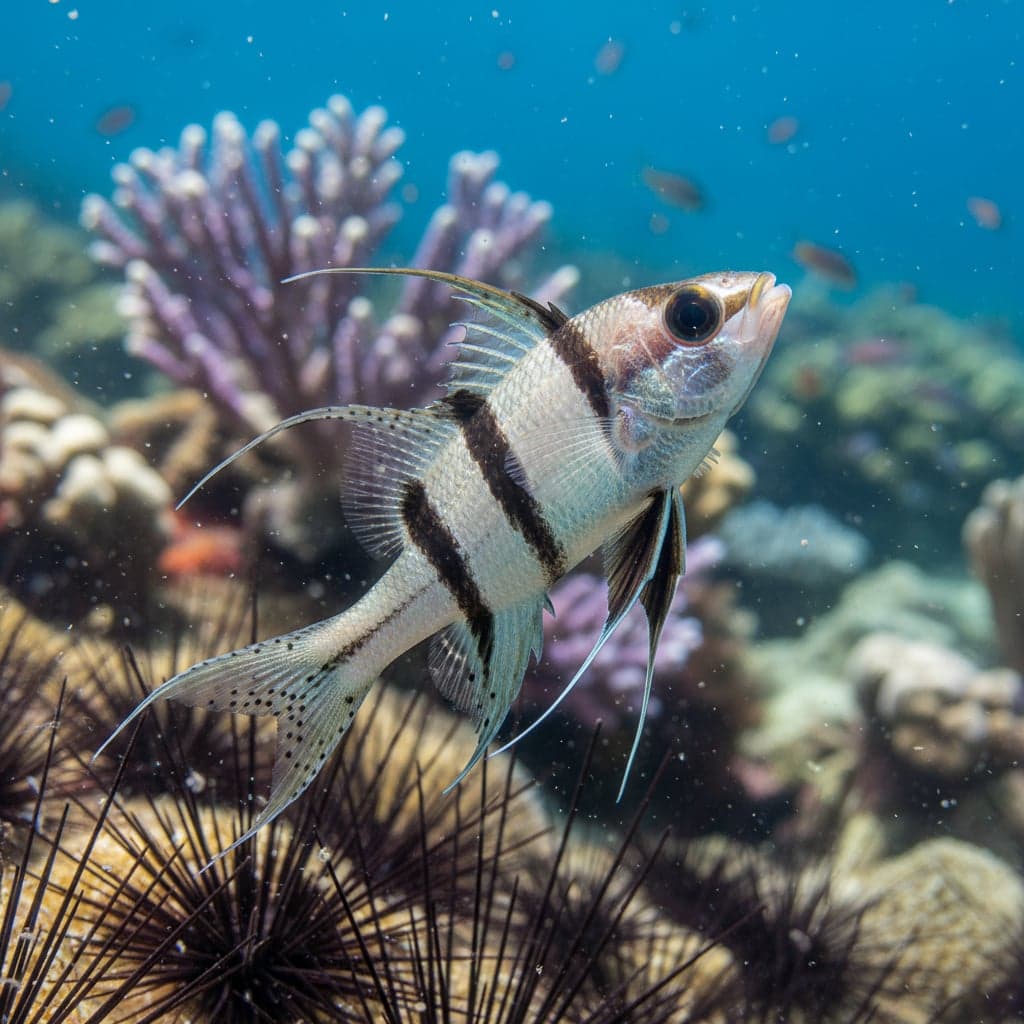
The Banggai Cardinalfish, scientifically known as Pterapogon kauderni, is a strikingly beautiful species indigenous to the Banggai Islands of Indonesia. This small fish typically reaches a length of around 3 inches and exhibits a distinctive coloration that captivates both novice and experienced aquarists alike. The majority of its body is adorned with a pearlescent white hue, interspersed with intricate black stripes that run vertically from head to tail. Its unique appearance is further complemented by elongated fins, making it an eye-catching addition to a marine aquarium. In the aquarium hobby, the Banggai Cardinalfish is highly regarded not only for its aesthetics but also for its peaceful demeanor, making it an excellent choice for community tanks.
Beyond its visual appeal, the significance of the Banggai Cardinalfish in the aquarium trade cannot be understated. Unfortunately, wild populations have been significantly impacted by overfishing and habitat loss, leading to conservation concerns for this species. As a result, captive breeding programs have become increasingly important, helping alleviate pressure from wild hauls and ensuring the long-term availability of this enchanting fish. Its friendly nature and compatibility with various aquatic species further enhance its popularity, making it a true gem in marine aquaculture.
Natural Habitat & Origin
The Banggai Cardinalfish is exclusively found in the coastal waters of the Banggai Archipelago in eastern Indonesia. This region is characterized by shallow reefs, lagoons, and seagrass beds, offering the fish a diverse range of microhabitats. The waters in which the Banggai Cardinalfish resides are primarily clear, with a slight brackish quality due to freshwater influx from land runoff. The fish typically occupy areas with dense coral formations where it can seek refuge from predators. The environmental context of its natural habitat involves warm water temperatures averaging around 26-30°C (79-86°F) and moderate salinity levels, creating an ideal setting for the Banggai Cardinalfish to thrive and reproduce.
Care Requirements
To successfully care for the Banggai Cardinalfish, maintaining optimal water parameters is crucial. The ideal pH range for their aquarium is between 7.8 and 8.4, with a temperature maintained between 25°C to 28°C (77°F to 82°F). Water hardness should be kept between 8 to 12 dGH to mimic their natural habitat. When it comes to tank setup, a minimum aquarium size of 120 litres (32 gallons) is recommended for a pair or small group of these 8cm Pterapogon — enough swimming room and rockwork to hover without crowding. The use of fine coral sand as substrate will help replicate their natural environment, offering comfort and stability.
Additionally, a well-decorated tank is essential for the Banggai Cardinalfish’s well-being. Incorporating live rock, coral structures, and caves can provide hiding spots, which are critical for their stress reduction. Lighting should mimic natural conditions, incorporating a moderate intensity that promotes plant growth, should you choose to add macroalgae or other flora. Low to moderate water movement is appreciated, as it closely resembles gentle currents in their native environment.
Diet & Feeding
As omnivores, the Banggai Cardinalfish thrives on a varied diet that encompasses both meaty and plant-based foods. In captivity, they can be fed high-quality flakes or pellets formulated for marine fish as a staple diet. Supplementing their diet with live or frozen foods like brine shrimp, mysis shrimp, and finely chopped seafood will ensure they receive adequate protein intake. It is advisable to feed them 2-3 times per day in smaller portions to mimic their natural grazing behavior, promoting digestive health and preventing overfeeding.
The inclusion of nutritious frozen or live foods is especially important in fostering vigor and enhancing coloration. While they are relatively easy to feed, it is crucial to provide a balanced diet that incorporates essential vitamins and minerals to maintain their overall health and longevity.
Behavior & Temperament
The Banggai Cardinalfish is known for its peaceful demeanor, making it an excellent addition to both community aquariums and species-specific tanks. They are social creatures and are often found in small groups or pairs in their natural environment. While they do exhibit some schooling behavior, they are not strictly dependent on being in large groups, and a small group of 3-5 individuals can thrive in a well-established aquarium. This species often occupies the mid to lower levels of the tank, taking refuge among coral branches and rock formations.
Although the Banggai Cardinalfish is generally non-aggressive, some level of hierarchy may develop within groups, especially among males. It is best to keep them in groups of one male to several females to prevent any potential aggression and ensure a harmonious community. Their passive nature allows them to coexist peacefully with various other species, provided they are not housed with overly aggressive tank mates.
Tank Mates
When selecting tank mates for the Banggai Cardinalfish, it is essential to choose species that share similar temperaments and water requirements. Ideal companions include small to medium-sized peaceful fish such as:
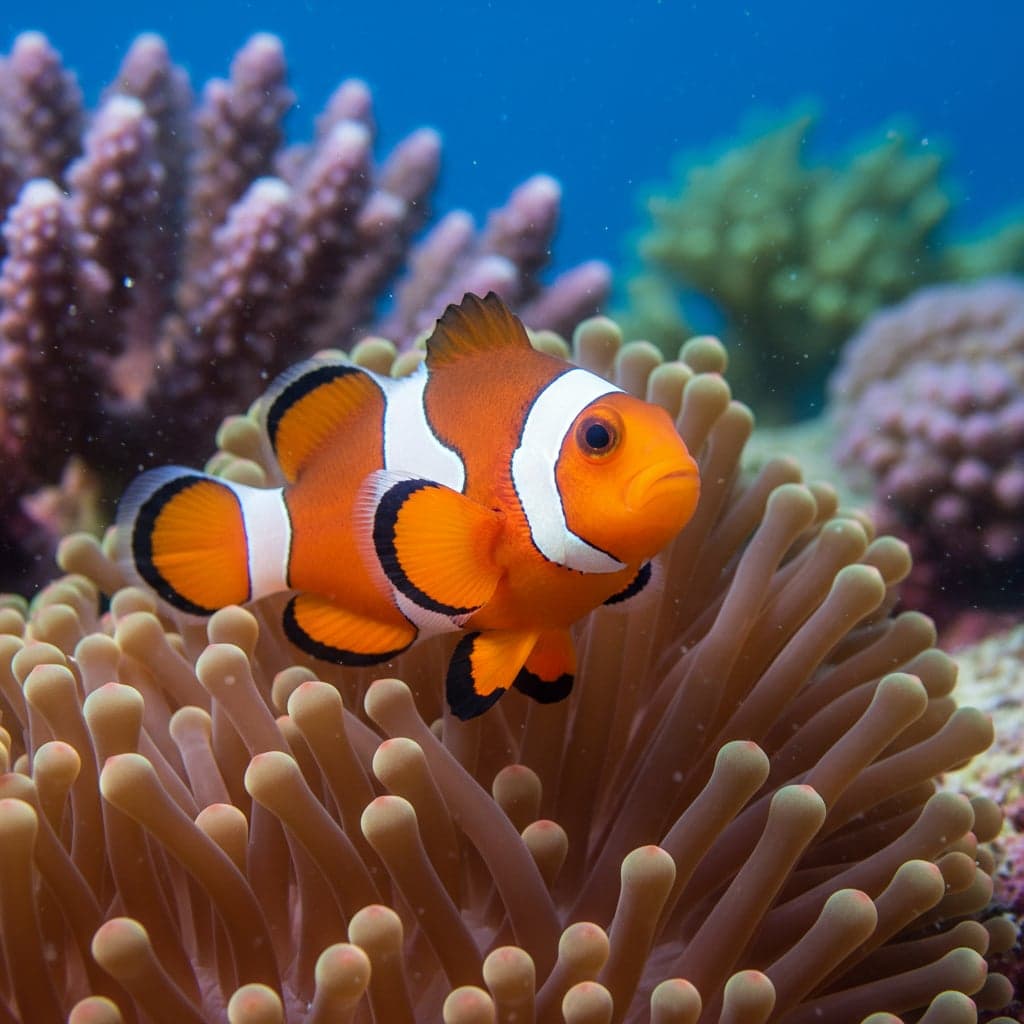
- Clownfish (e.g., Ocellaris Clownfish)
- Gobies (e.g., Watchman Goby)
- Blennies (e.g., Tailspot Blenny)
- Fairy and Flasher Wrasses
- Dartfish
However, it is crucial to avoid keeping them with territorial or aggressive species such as large angelfish, triggers, or aggressive damselfish, as these can stress the Banggai Cardinalfish and potentially lead to injury or undue stress. Overall, the ideal community tank implementation allows for a mixture of peaceful species that complement the enchanting nature of the Banggai Cardinalfish.
Breeding
Breeding the Banggai Cardinalfish in captivity can be a rewarding endeavor for dedicated aquarists, as this species exhibits interesting reproductive behaviors. They are mouthbrooders, meaning after spawning, the female will lay eggs, which are then fertilized by the male. Post fertilization, the male carries the eggs in his mouth for about 3-4 weeks until they hatch, providing a form of parental care. Ideal conditions for breeding involve maintaining a stable environment with optimal water parameters, along with providing ample hiding spots for the breeding pair.
To increase the likelihood of successful spawning, it is advisable to keep a ratio of one male to two to three females, which prevents excessive competition and aggression. Once the fry emerge, providing them with microalgae or specialized fry foods is essential for their healthy growth and development. A separate breeding tank can also be beneficial in protecting the fry from potential predation in a community setup.
Common Health Issues
Though relatively hardy, the Banggai Cardinalfish can be susceptible to several common health issues seen in marine environments. These include:
- Ich (Cryptocaryon irritans): A parasitic infection causing white spots; maintain good water quality and consider treatments if signs appear.
- Marine Velvet (Amyloodinium ocellatum): Characterized by a dusty appearance on the skin; ensure a stress-free environment and prompt treatment.
- Fin Rot: Often a result of poor water conditions or stress; treat with antibiotic solutions and improve water quality.
Preventive measures include quarantining new arrivals, maintaining quality water parameters, and providing a balanced diet to boost their immune systems. Regular observation and prompt action at the first sign of distress will aid in safeguarding the health of Banggai Cardinalfish over the long term. Keep salinity and temperature stable, avoid aggressive tank mates, and provide caves or branching rock for shelter. Watch for white spots, a dusty velvet film, frayed fins, or sudden lethargy, and isolate affected fish for treatment. A varied diet of enriched frozen foods and occasional live prey supports immunity. With clean water and low stress, Banggai Cardinalfish remain peaceful, hardy reef companions that thrive for years in a well-managed marine aquarium.