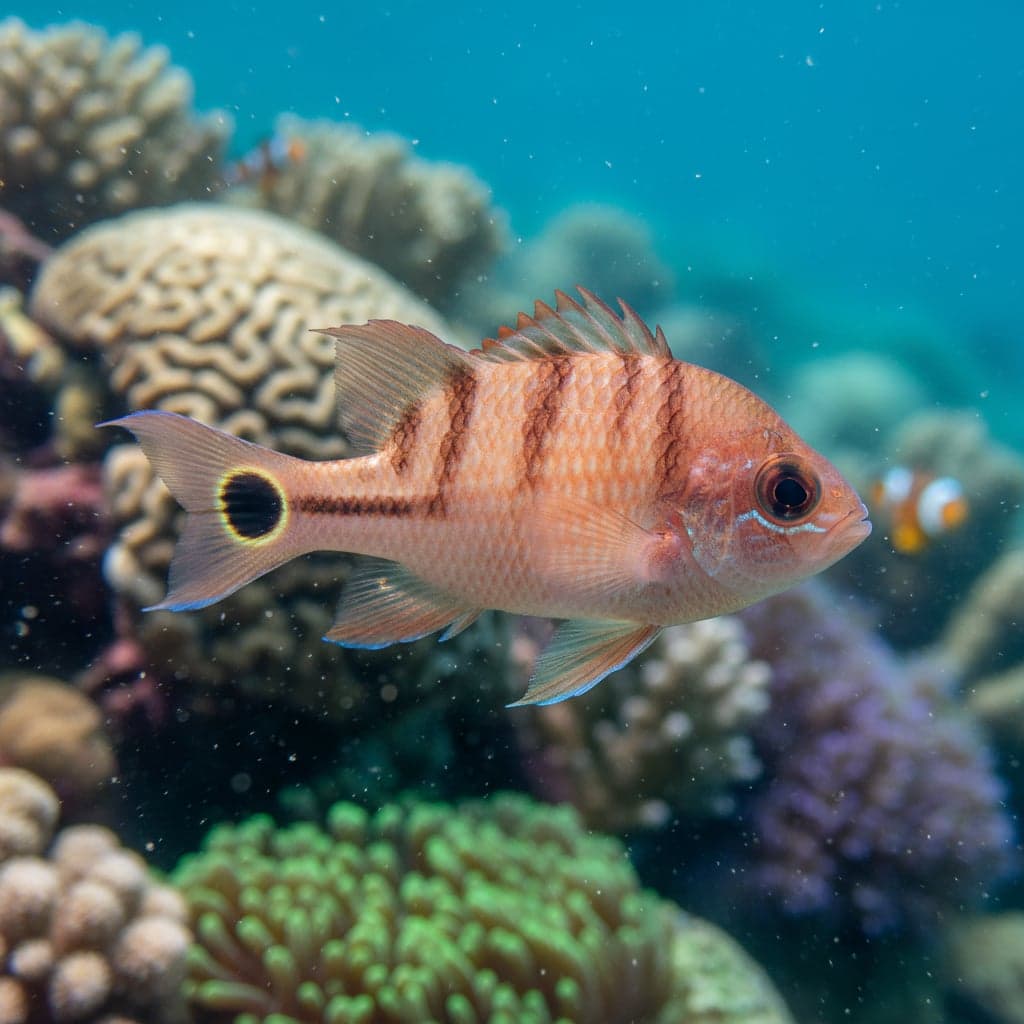
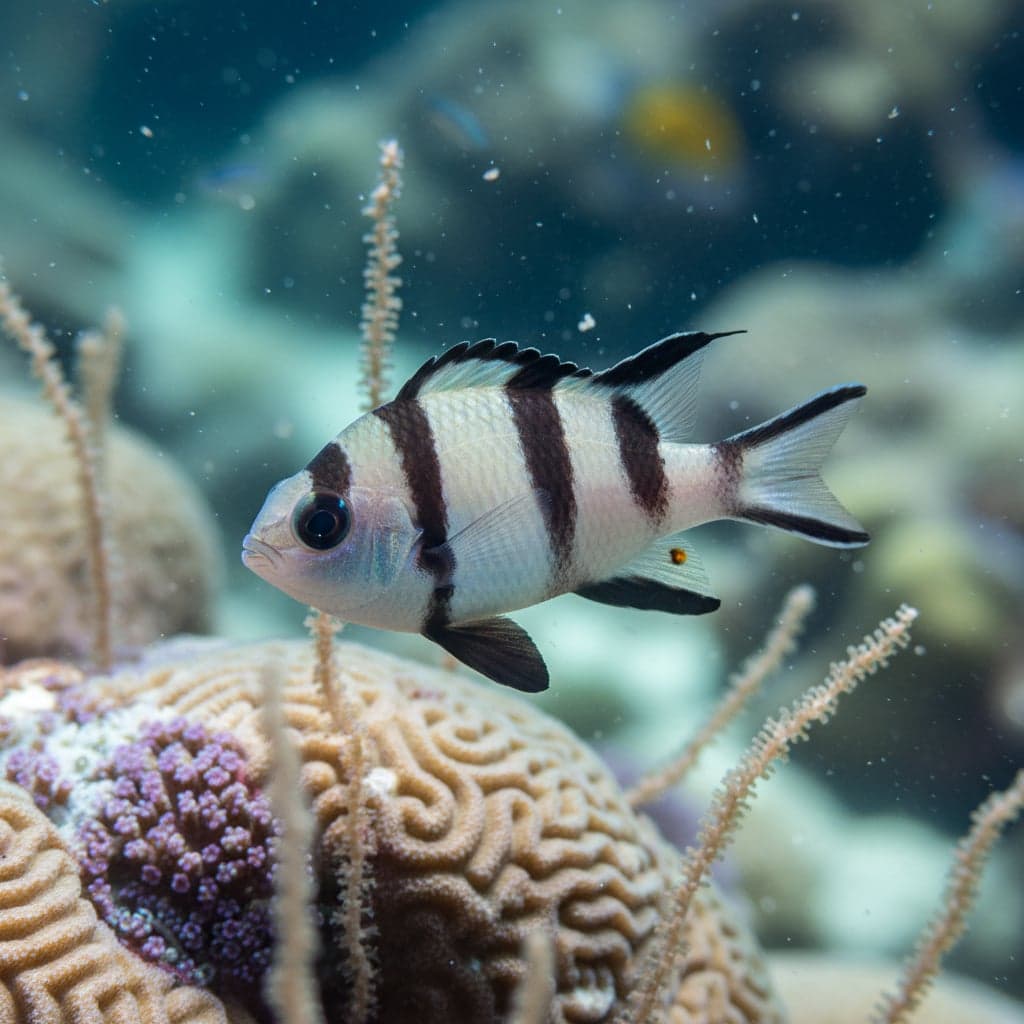
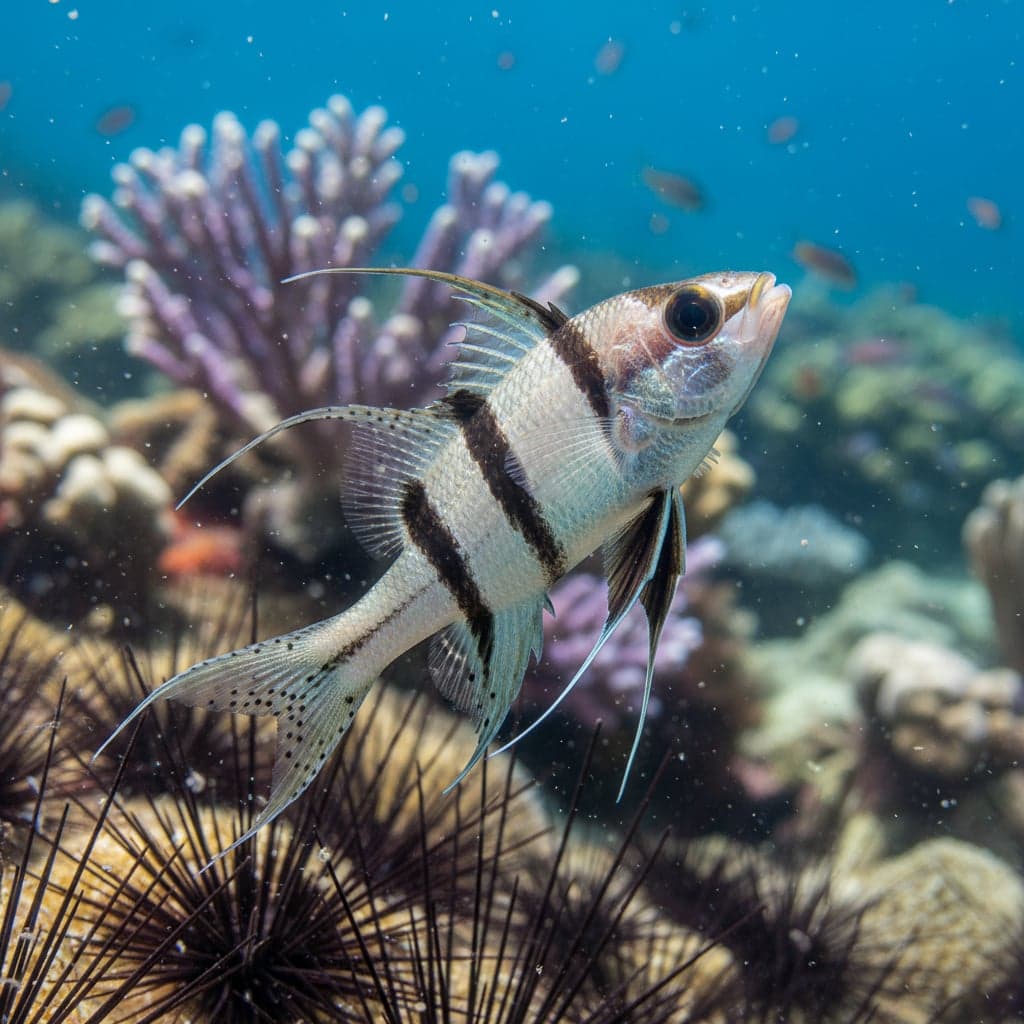
Pyjama Cardinalfish
An 8cm cardinalfish that hovers almost motionless in a group. Peaceful and reef safe, and the males mouthbrood the eggs.
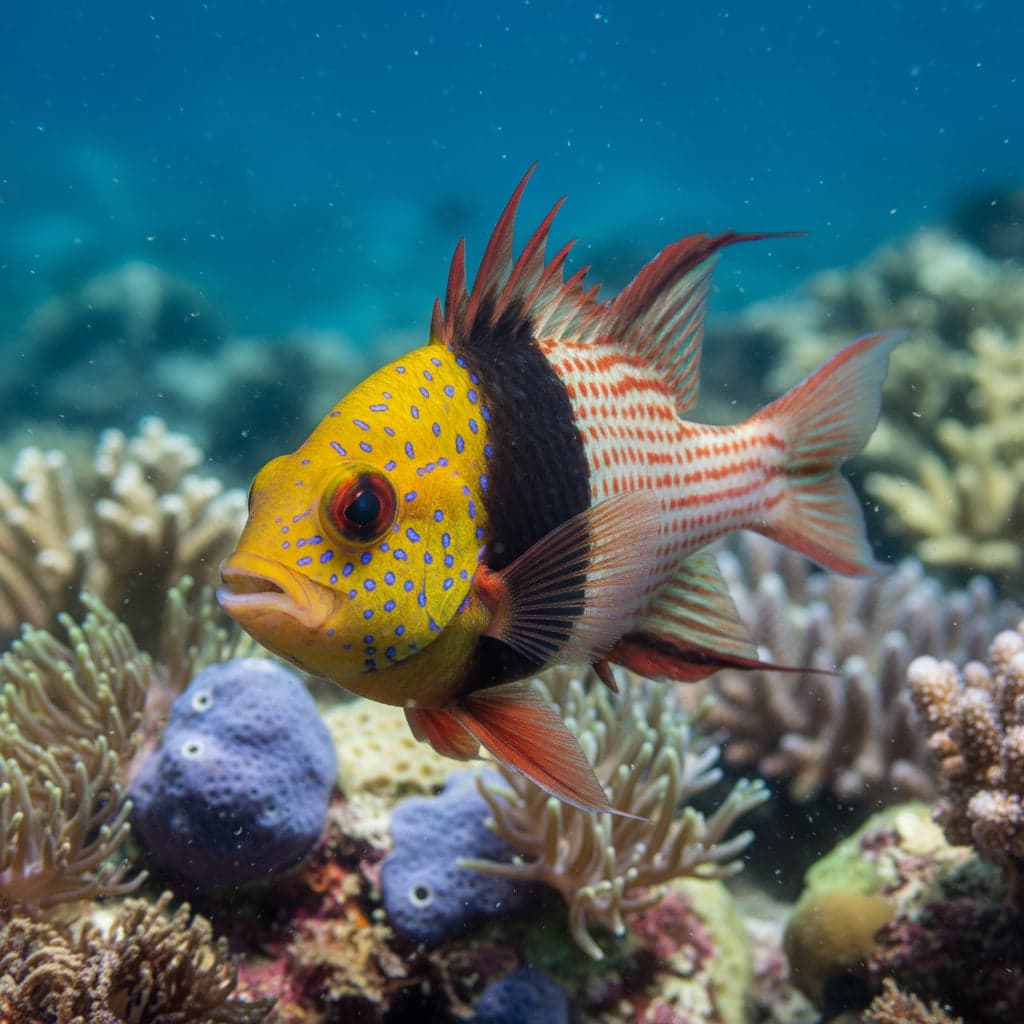
Pyjama Cardinalfish
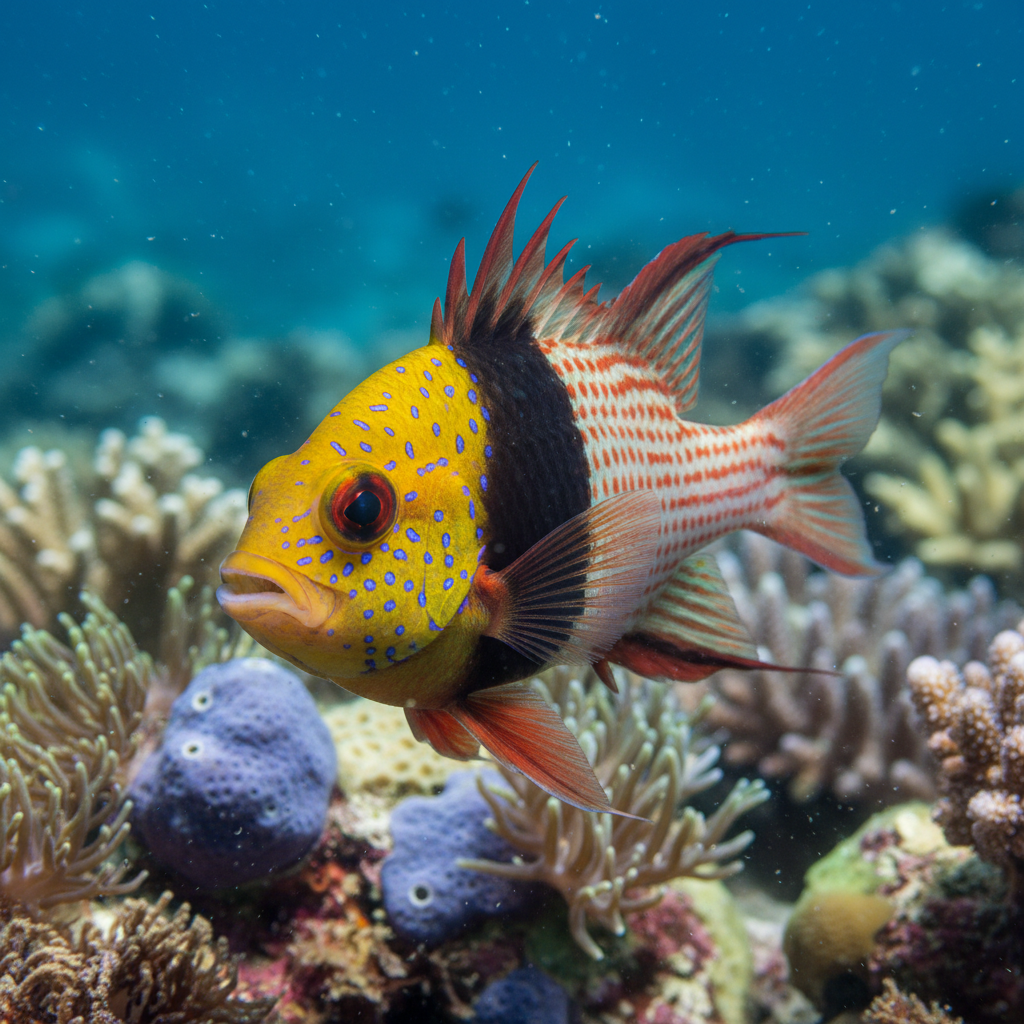
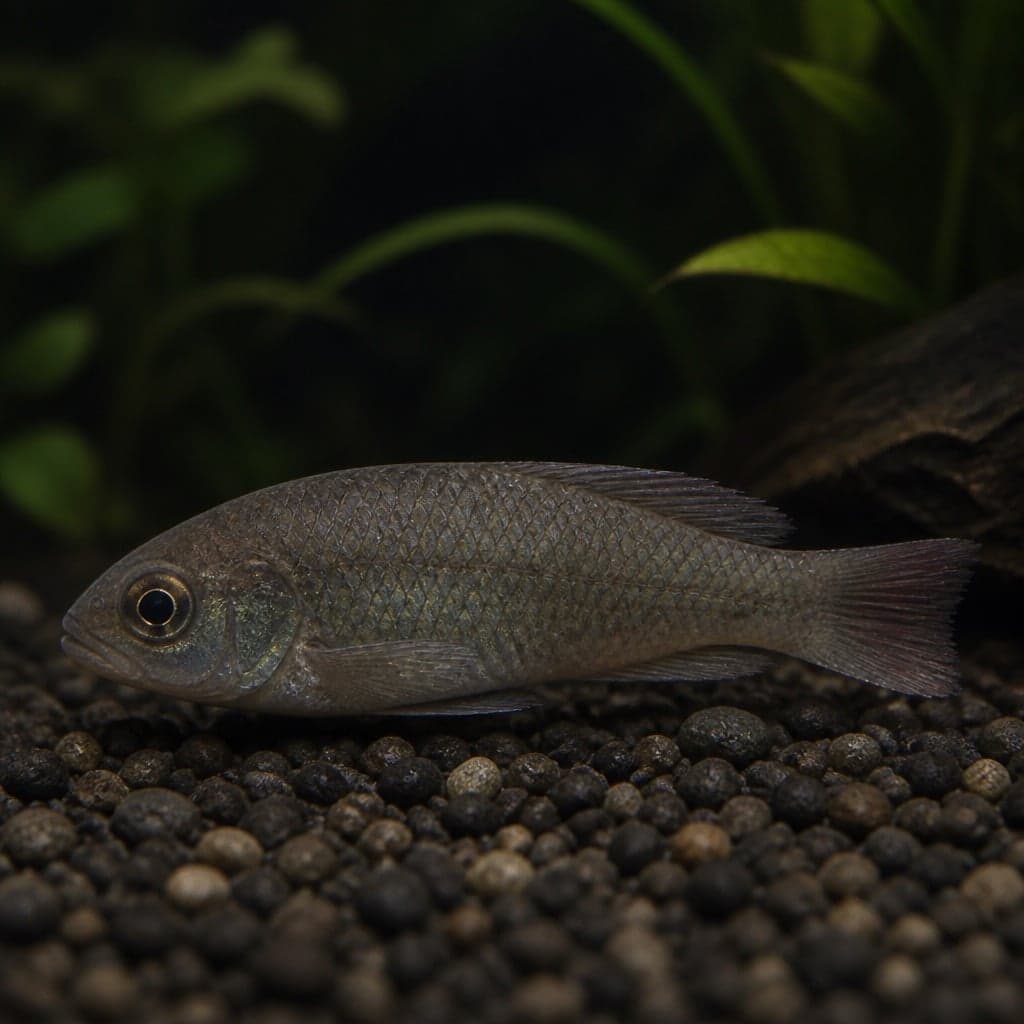
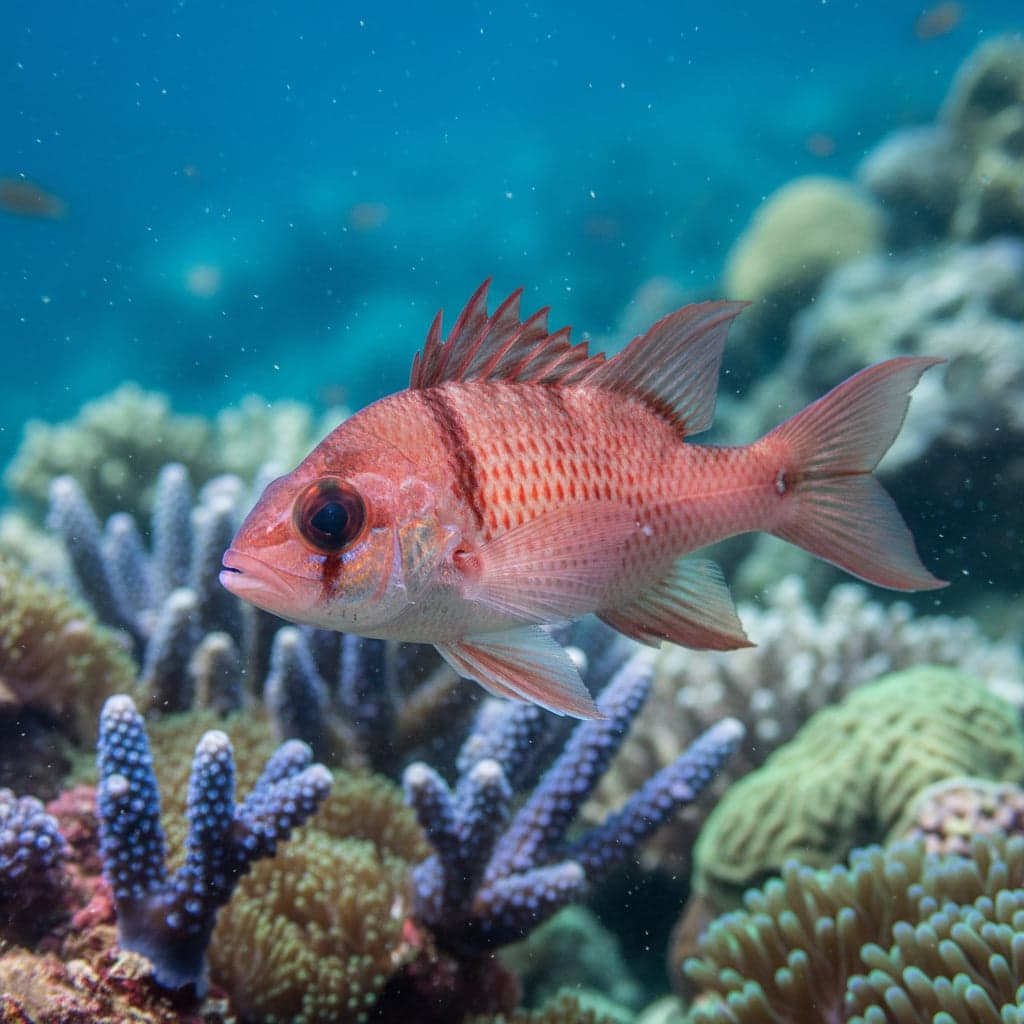
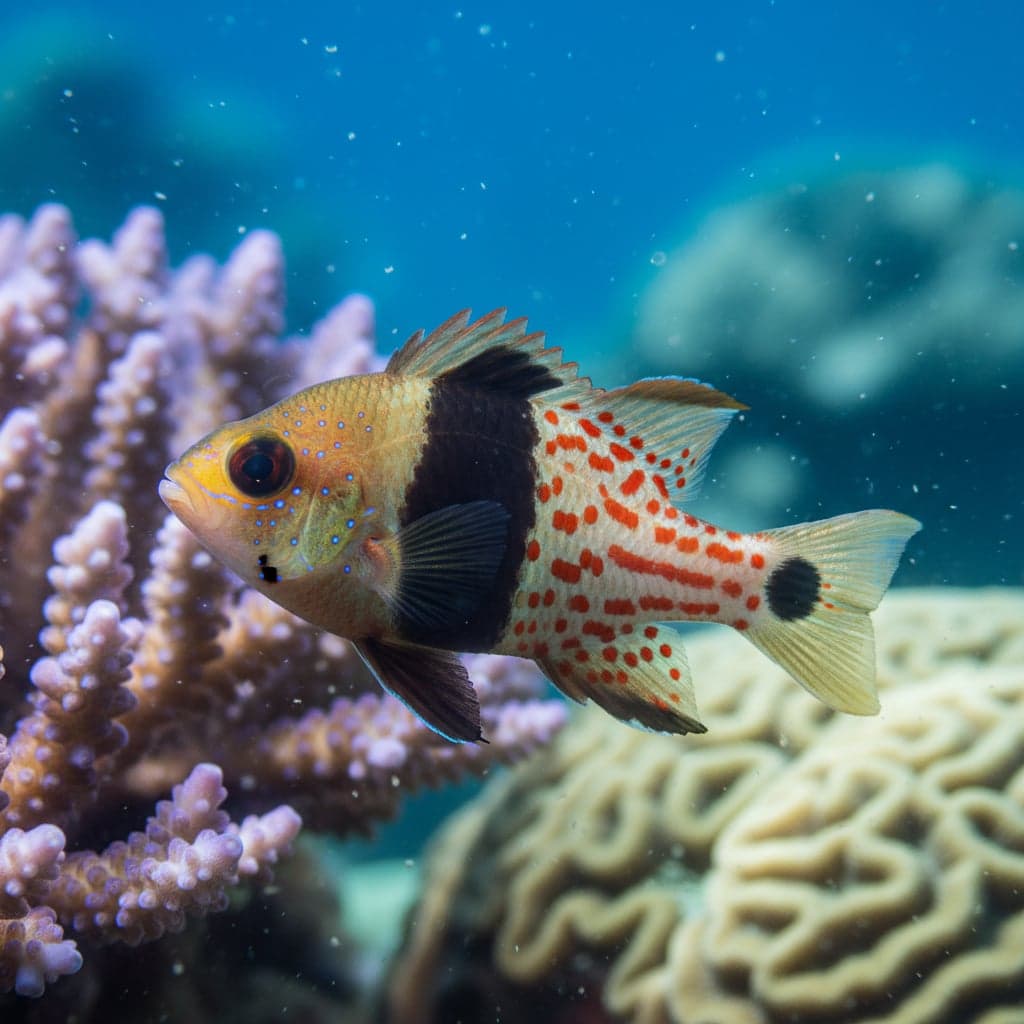
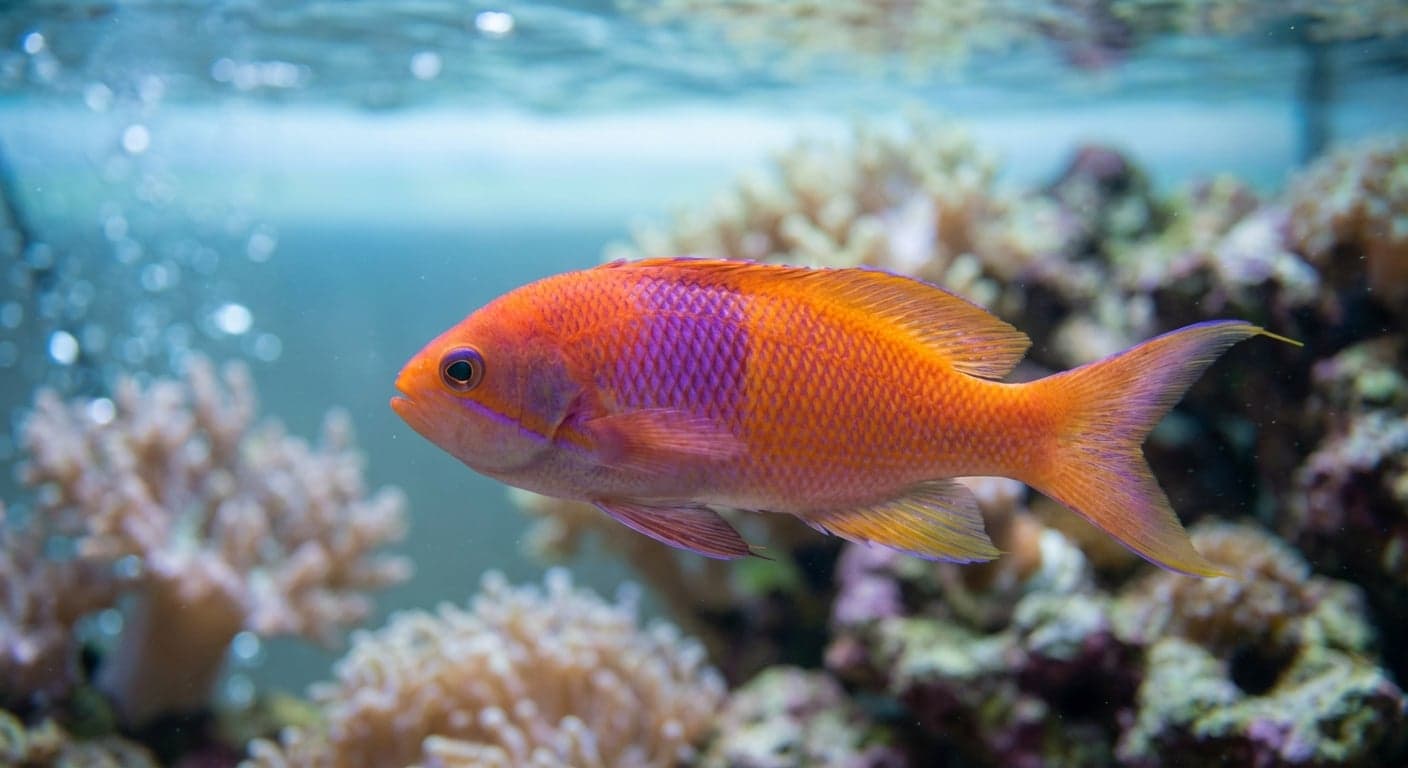
The Pyjama Cardinalfish, or Sphaeramia nematoptera, is a captivating marine species known for its striking coloration and tranquil demeanor, making it a prized addition to the aquarium hobby. This species exhibits a visually stunning appearance characterized by its dark body interspersed with small, iridescent blue dots that resemble stars scattered across the night sky. The Pyjama Cardinalfish also showcases a unique blend of white and orange hues on its fins, providing a delightful contrast that enchants both novice and experienced aquarists. Not only is the fish aesthetically pleasing, but it also has gained recognition for its peaceful nature and adaptability to various aquatic environments, solidifying its status as a favorite among aquarium enthusiasts.
This fish's unique visual appeal extends beyond mere decoration; it plays a vital role in biodiversity within the aquarium ecosystem. Due to its schooling behavior, the Pyjama Cardinalfish adds movement and liveliness to community tanks, creating a vibrant scene that replicates its natural habitat. In addition to its visual and social attributes, this species is renowned for being a hardy fish, making it suitable for various setups. Couples often become attached to their elegant swimming patterns and gentle disposition, making this fish a charming companion that enhances not only the physical beauty of an aquarium but also the overall atmosphere and dynamics of the aquatic environment.
Natural Habitat & Origin
The Pyjama Cardinalfish is native to the reef systems of the Indo-Pacific, primarily found in regions such as Indonesia, the Solomon Islands, and parts of Australia. It thrives in shallow coastal waters that are often rich in coral and rocky formations, providing essential shelter from predators. This species is typically found at depths ranging from 10 to 30 meters, where it enjoys the security of crevices and dense aquatic vegetation. The Pyjama Cardinalfish is often associated with clear waters but can also inhabit areas with slightly turbid conditions, showcasing its versatility in adapting to varying environments.
In terms of water composition, the Pyjama Cardinalfish is usually found in marine environments that exhibit stable temperatures between 24°C to 28°C (75°F to 82°F). The water in its natural habitat is typically saltwater, with a pH range of 8.1 to 8.4 and moderate hardness. The presence of live rock and coral formations in its environment plays a critical role in its health and wellbeing, as these structures provide necessary hiding spots and feeding grounds that mimic the fish's natural lifestyle.
Care Requirements
To keep Pyjama Cardinalfish in an aquarium, ensuring optimal care is paramount. A minimum tank size of 75 litres (about 20 gallons) is recommended for a small social group of these 8cm Sphaeramia, as this species thrives in a school. Maintaining water parameters is crucial; the ideal pH levels should be between 8.1 to 8.4, with a temperature ranging from 24°C to 28°C (75°F to 82°F) and a general hardness (GH) between 8 to 12 dGH. Given their natural environment, regular water changes and high water quality must be prioritized to prevent stress-related issues.
Creating a suitable tank setup involves using sandy or fine gravel substrate to replicate the ocean floor and adding plenty of hiding spots using live rock, driftwood, and aquatic vegetation. Moderate lighting is ideal, as it mimics the ambient light found in their natural habitats; however, ensure that there are shaded areas provided by plants or decorations. Incorporating gentle water flow through appropriate filtration systems can help simulate their natural environment and promote a healthy atmosphere for the fish.
Diet & Feeding
The Pyjama Cardinalfish is classified as an omnivore, which means it requires a varied diet to thrive. In captivity, they flourish when provided with high-quality food that includes a mix of flakes, pellets, frozen, and live foods. A staple diet may consist of finely crushed flakes or pellets specifically designed for marine fish, which should be supplemented with occasional offerings of frozen brine shrimp, mysis shrimp, or other high-protein feeding options that replicate their natural food sources. Additionally, small live foods such as daphnia and cyclops can be introduced to provide stimulation and enhance their natural hunting behaviors.
Feeding should be done two to three times a day in small amounts to prevent excess waste in the aquarium, which can lead to poor water quality. Observing the fish during feeding helps ensure that all individuals receive their share, as some may be shyer and rely on their schooling behavior to access food. Regular dietary variation not only maintains their health but also promotes vibrant coloration and boosts their immune systems.
Behavior & Temperament
The Pyjama Cardinalfish is known for its peaceful and social behavior, making it an excellent choice for community tanks. This species exhibits schooling habits where they thrive best when kept in small groups of six or more, which provides them with security and reduces stress levels. In their natural environment, Pyjama Cardinalfish tend to hover amongst rocks and corals, displaying a tendency to swim in upper and mid-level areas of the aquarium. They often utilize vertical space to navigate, and their serene manner makes them a wonderful addition to a mixed-species tank.
Despite their generally passive nature, it is essential to monitor interactions with other species, as some aggressive fish may bully the Pyjama Cardinalfish due to their timid disposition. They may sometimes seek refuge among rocks or plants when startled. That said, maintaining a harmonious environment by selecting compatible tank mates is essential in ensuring their well-being within an aquarium setting.
Tank Mates
Choosing suitable tank mates for the Pyjama Cardinalfish is critical for maintaining a peaceful aquarium environment. Compatible species include other peaceful marine fish such as small gobies, blennies, dwarf angelfish, and other peaceful community fish. The addition of similarly sized species that also enjoy the upper levels of the water column can enhance the overall visual appeal of the tank and create a dynamic ecosystem. Additionally, invertebrates such as shrimp and snails can coexist with Pyjama Cardinalfish without disrupting their lifestyle or territorial behaviors.
Species to avoid include aggressive or territorial fish such as larger predators and aggressive damselfish, which may stress or harm the more docile Pyjama Cardinalfish. Additionally, potential nipping species like certain types of wrasses should also be omitted to prevent disruptions in the schooling behavior and health of these peaceful fish. Properly matching tank mates will not only promote a harmonious environment but also enhance the stunning appearance of the aquarium setting.
Breeding
Breeding the Pyjama Cardinalfish in captivity can be a rewarding process, although it requires specific conditions to encourage spawning behavior. Typically, these fish exhibit mouthbrooding behavior, with females laying eggs that are subsequently fertilized and kept within the male's mouth for safety. Successful breeding often occurs in well-established tanks with stable water parameters, including temperature maintained at 24°C to 28°C (75°F to 82°F) and pH around 8.1 to 8.4.
To stimulate breeding, aquarists can provide ample hiding spots and potential breeding sites, such as caves or densely planted areas, where the fish can feel secure to engage in courtship. Upon fertilization, usually occurring several hours after spawning, the male will carry the eggs in its mouth for about two weeks until they hatch. After the fry emerge, transferring them to a separate nursery tank with gentler filtration and appropriate food such as finely crushed flakes or live brine shrimp will enhance their chances for survival and growth.
Common Health Issues
Pyjama Cardinalfish are generally hardy but can develop marine ich (Cryptocaryon irritans), brooklynella, or bacterial infections when stressed by poor water quality or aggression. Maintain stable salinity and pristine parameters with regular testing and water changes. Quarantine new arrivals, offer a varied meaty diet, and watch for white spots, rapid breathing, or clamped fins. Prompt isolation and appropriate marine treatment keep these peaceful nocturnal fish healthy and colourful in the reef aquarium.