Peeling mucus on a marine fish: Identification & Treatment
Thick pale mucus sloughing away in patches with laboured breathing, classically in newly imported clownfish — Brooklynella, often called clownfish disease.

Peeling mucus on a marine fish
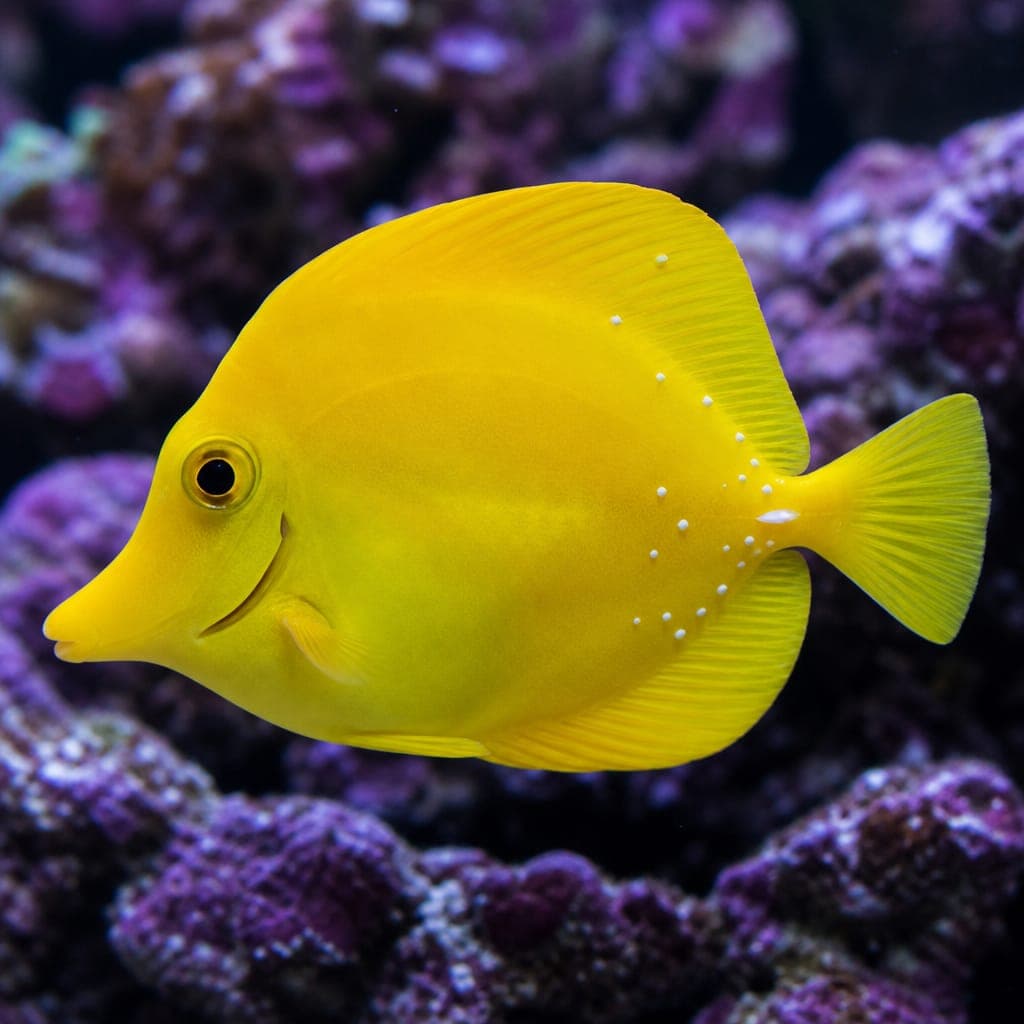
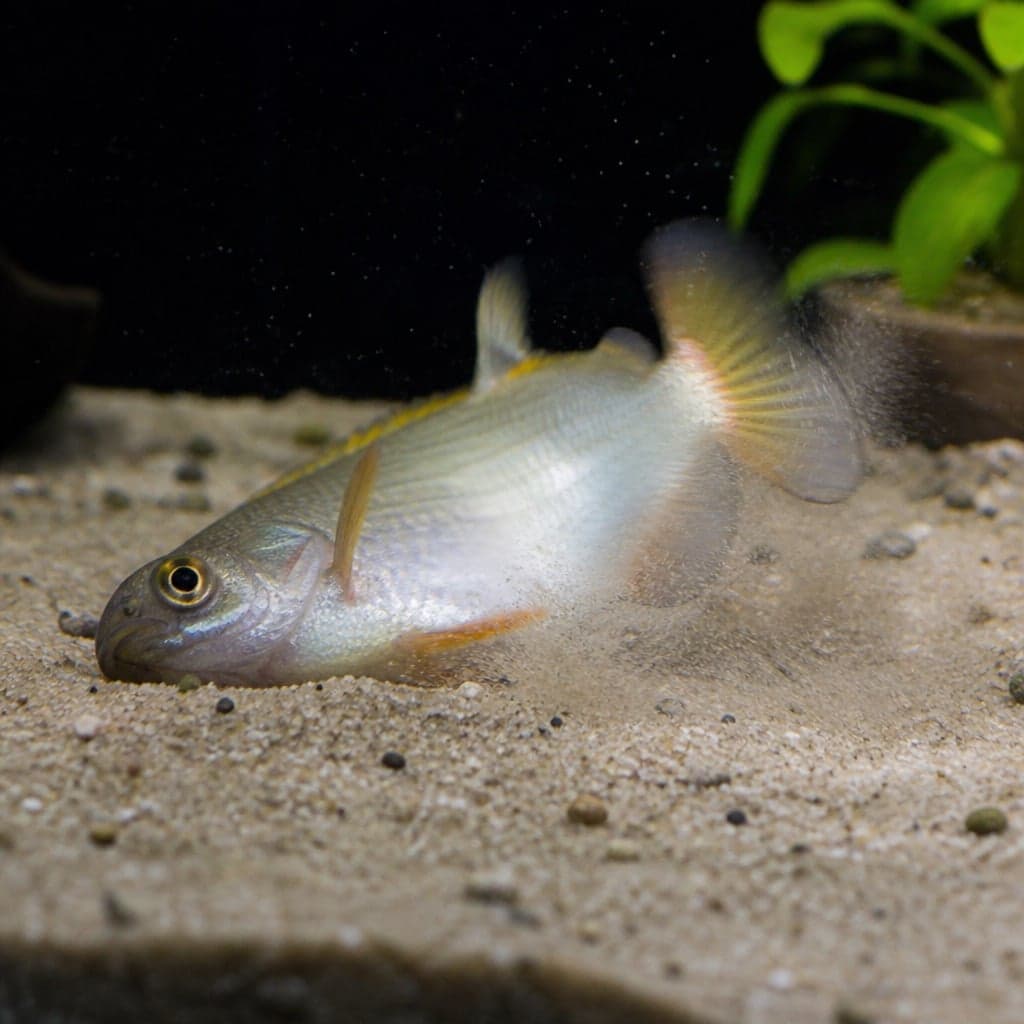
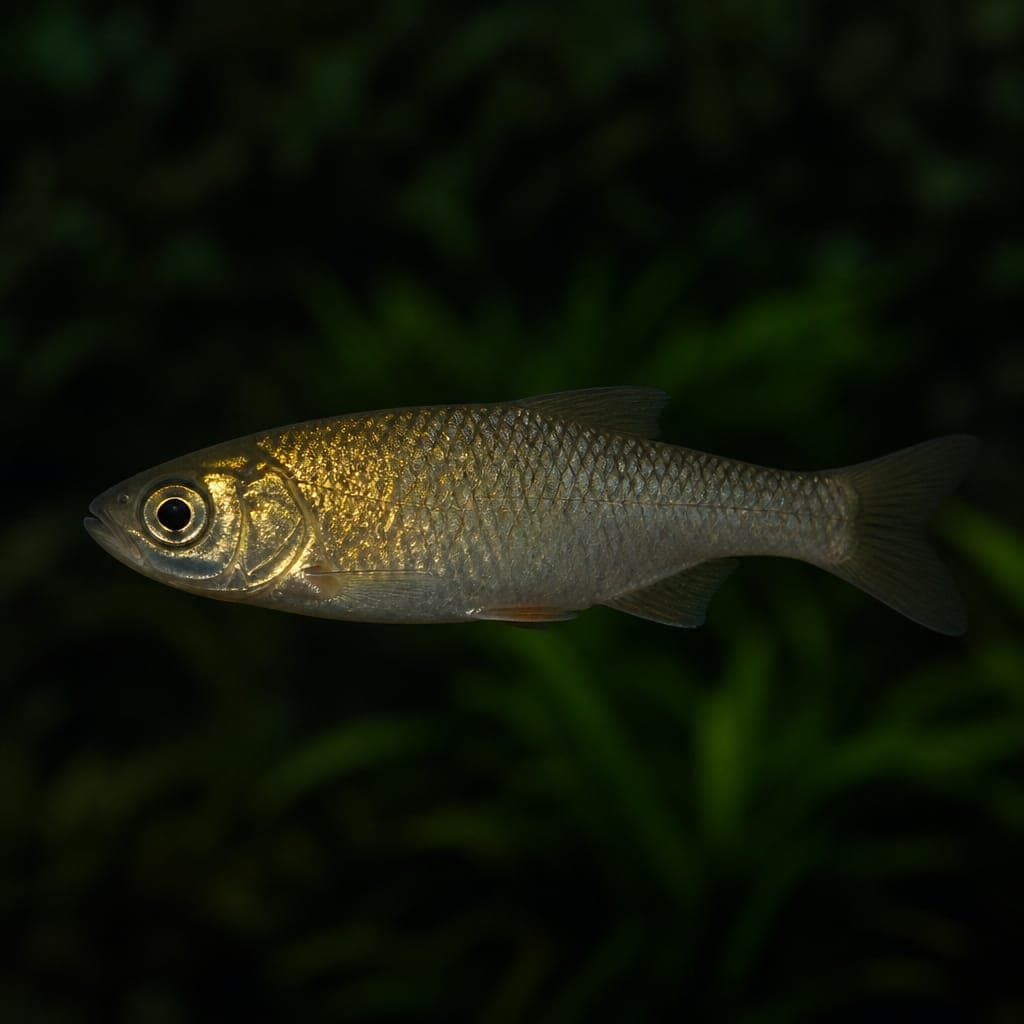
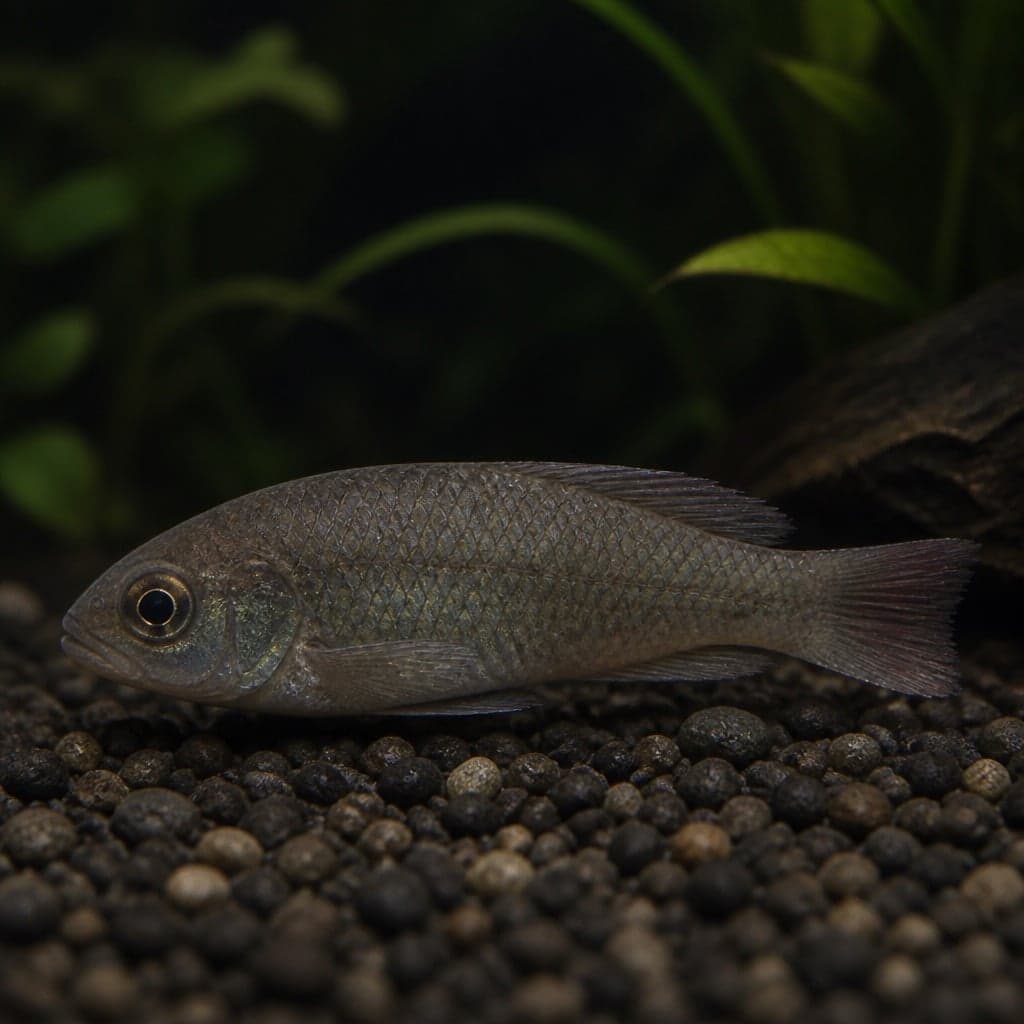
Thick pale mucus sloughing away in patches with laboured breathing, classically in newly imported clownfish — Brooklynella, often called clownfish disease. Compare your fish with the reference photo above and cross-check your logged parameters in Aquarium Tracker before medicating.
What causes peeling mucus on a marine fish?
- Brooklynella hostilis, usually arriving on newly imported wild-caught fish
- Severe stress from shipping and handling
- Introduction without quarantine or observation
- Poor water quality accelerating an existing infection
What to check before medicating
| What to measure | Typical target | What an off reading points to |
|---|---|---|
| Ammonia (NH₃/NH₄⁺) | 0 ppm | Anything above zero means the biological filter cannot keep up. Toxic to fish long before it is high enough to feed algae. |
| Nitrite (NO₂⁻) | 0 ppm | A reading above zero points to an immature or disrupted filter — common after a media change, medication, or a large clean. |
| Temperature | within your species range, steady | Warmer water holds less oxygen and speeds both metabolism and pathogen growth. Sudden swings stress fish more than a steady figure at either end. |
| Recent changes | note anything from the last 2–3 weeks | New livestock, plants, media, lighting or dosing are the usual trigger. The cause often precedes the symptom by a fortnight. |
| Stocking level and mix | suits volume, footprint and temperament | Crowding raises waste and stress together, which is why disease often follows a new addition rather than a parameter change. |
| Filtration and flow | 4× tank volume per hour freshwater · 6×+ reef | Low turnover leaves dead spots where detritus settles. Check working flow rather than the box rating, which assumes clean media and no head height. |
Take these readings first. A large share of what looks like disease is a water quality problem, and medicating a tank whose ammonia is climbing treats the symptom while the cause keeps working.
Treatment steps
- Treat as an emergency — Brooklynella can kill within days, faster than marine ich
- Isolate the fish immediately in a hospital tank
- Keep oxygenation high, since gill function is compromised
- Formalin-based treatments are the usual approach but are hazardous and demand precise dosing
- Quarantine every new marine fish for several weeks; this condition almost always arrives with new arrivals
Prevention
- Quarantine every new fish for 4 weeks — this is the single measure that prevents most parasite outbreaks, and the one most often skipped
- Quarantine new plants, snails and anything wet from another system; parasites travel in water, not just on fish
- Avoid overstocking; crowding raises waste and stress at the same time
- Feed only what is eaten in a few minutes, and remove the rest
Frequently asked questions
Is peeling mucus on a marine fish contagious to my other fish?
Yes, and rapidly — it is often fatal within 48 hours in clownfish. Treat immediately and assume every fish in the system is exposed.
How quickly do I need to act?
Within hours. Brooklynella can kill clownfish inside two days. This is one of the few conditions where waiting to confirm the diagnosis costs more than treating.
Should I treat in the display tank or a hospital tank?
A separate hospital tank is preferable where the fish is well enough to move: doses are easier to control, and many medications harm invertebrates, plants or the biological filter. Treat in the display only when the whole tank is affected or moving the fish would add more stress than the treatment removes.
Related guides
- White spots on a marine fish — easily mistaken for this
- Gasping at the surface — easily mistaken for this
- Every symptom, side by side — if you are not certain what you are looking at
- Quarantine protocol — what most outbreaks trace back to
- Choosing a test kit — for the readings above